

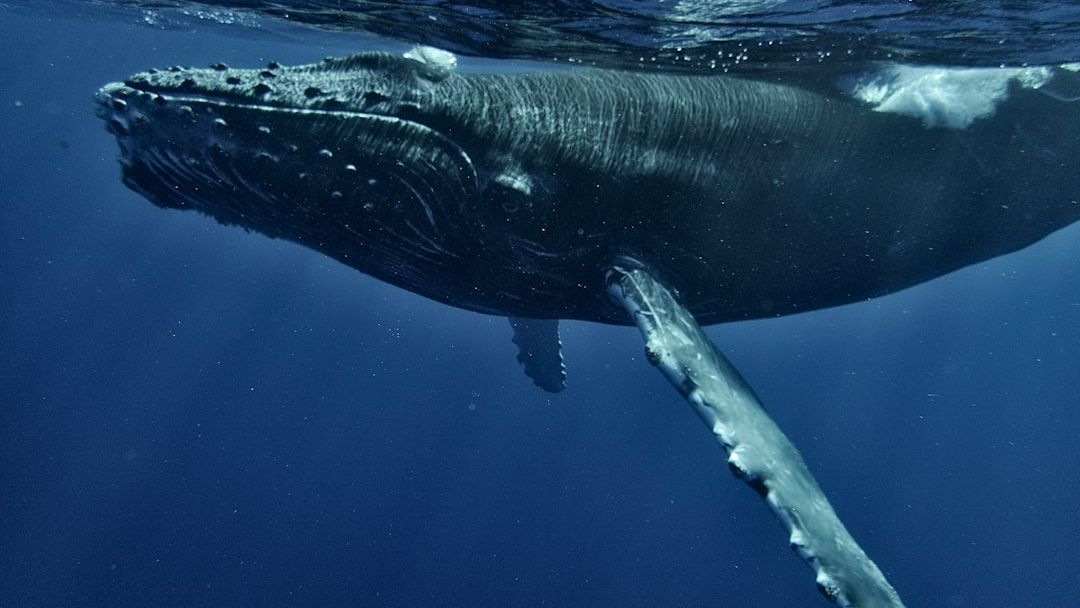
There’s something deeply satisfying about learning that age and experience win out in the animal kingdom. We often assume youth equals dominance, especially when it comes to reproduction. In the ocean’s vast, competitive world, you’d think the biggest, flashiest, most energetic males call all the shots. Turns out, that assumption might be completely wrong.
A remarkable study focusing on humpback whale paternity has turned some long-held beliefs on their head. The findings are surprising, a little humbling, and honestly, kind of inspiring. Let’s dive in.
The Study That Changed What We Thought We Knew
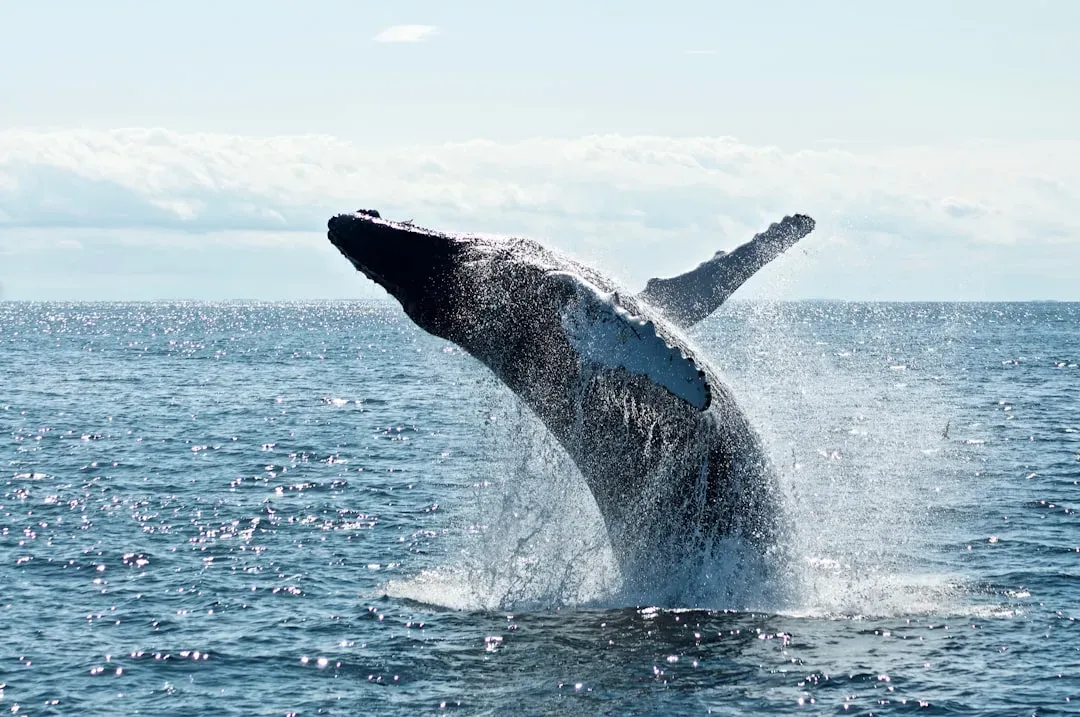
Scientists examining humpback whale populations off the coast of eastern Australia have uncovered something genuinely unexpected. Older male humpbacks, not the young, vigorous bulls many assumed would dominate reproduction, are actually fathering a disproportionately large share of calves. This wasn’t a small sample either. Researchers analyzed genetic data from hundreds of mother-calf pairs alongside samples from potential fathers, creating one of the most comprehensive paternity analyses ever conducted on this species.
What makes this finding stand out is how it challenges the classic “young and strong wins” narrative. In many animal species, reproductive success peaks early, during the prime years of physical dominance. Humpbacks, it seems, have a very different playbook.
How Researchers Matched Fathers to Calves
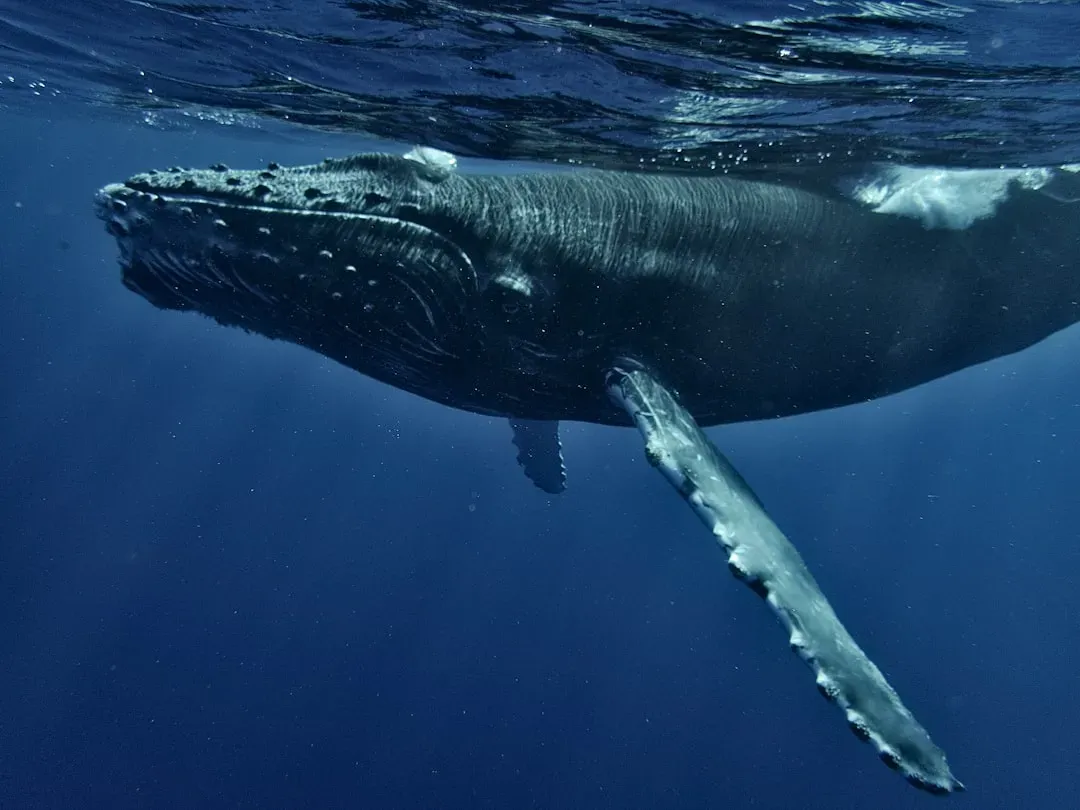
The methodology behind this research is genuinely impressive. Scientists used genetic profiling, essentially whale DNA fingerprinting, to connect specific calves to their biological fathers. Tissue samples collected from whales in the breeding grounds and feeding areas of the Australian east coast population were cross-referenced with an extensive genetic database built up over years of fieldwork.
This kind of genetic detective work requires enormous patience and precision. Researchers had to collect skin samples from free-swimming whales, match partial genetic profiles, and account for the reality that many potential fathers are never sampled at all. The fact that older males emerged so clearly as dominant reproducers, even against these methodological challenges, makes the conclusion all the more compelling.
Age as an Unexpected Advantage
Here’s the thing most people don’t immediately consider: in humpback society, older males have had decades to figure out what works. Whether that’s navigating competitive mating situations, perfecting the famous humpback song, or simply knowing the best routes to breeding grounds, experience appears to be a genuine reproductive asset. It’s a bit like watching a seasoned chess player dismantle a younger, physically faster opponent.
Younger males might have raw energy on their side, but energy alone doesn’t guarantee offspring. The study suggests that older males may be more strategically effective at accessing females, perhaps by reading social cues better or by timing their presence in key areas more efficiently. It’s hard to say for sure what the exact mechanism is, but the genetic data doesn’t lie.
What This Means for Humpback Population Dynamics
This discovery carries significant real-world implications for conservation. If older males are the primary reproducers in a humpback population, then losing those individuals to ship strikes, entanglement in fishing gear, or other human-related threats is far more damaging to the population’s genetic future than previously understood. Losing a young male might cost the population relatively little in reproductive terms. Losing an older, experienced patriarch could represent the loss of years’ worth of genetic contribution.
Conservation managers may need to rethink how they assess whale population health. Counting raw numbers of whales isn’t enough if the specific age structure of the male population is what drives reproductive success. This nuance could reshape how marine protected areas are designed and how hunting or disturbance pressure is evaluated across different demographic groups.
The Role of Competition and Social Hierarchy
Humpback whale mating is not a quiet, peaceful affair. Males compete intensely for access to females, sometimes engaging in dramatic physical confrontations involving breaching, tail slapping, and aggressive pursuit. These so-called “competitive groups” can involve numerous males chasing a single female across vast stretches of ocean. You might think the biggest, most aggressive male always wins. The genetic evidence tells a more complicated story.
Older males may not always win the direct physical battles, but they appear to win the reproductive war. It’s possible they use subtler strategies, positioning themselves advantageously, cooperating with other males in ways that ultimately benefit them, or simply outlasting the chaos of younger rivals. Honestly, it reminds me of the difference between a brash rookie and a calm, experienced veteran who knows exactly when to make a move.
Implications for How We Understand Animal Aging
This study adds humpback whales to a growing list of species where older individuals punch well above their expected reproductive weight. Similar patterns have been observed in elephants, where older matriarchs guide family groups with accumulated ecological knowledge, and in certain primates, where older males maintain reproductive access long past what their physical condition might suggest. The concept of “reproductive senescence,” the idea that fertility inevitably declines sharply with age, appears to be far more variable across species than textbook biology once suggested.
For humpbacks specifically, this reframes older males not as past-their-prime relics, but as vital, active contributors to the species’ genetic diversity and long-term resilience. The ocean’s senior citizens, it turns out, are still very much in the game.
Why This Discovery Matters Beyond Whales
Researchers and conservation biologists working with any long-lived species should take notice of these findings. The assumption that younger animals are the reproductive engine of a population has quietly guided decades of wildlife management decisions, and it may have led to undervaluing the protection of older individuals. Across elephants, whales, great apes, and even some fish species, age-related reproductive advantage is emerging as a recurring theme that demands serious attention.
There’s also something quietly profound about what this research says about longevity itself. In a world that obsessively prizes youth, here’s a species where decades of living, learning, and surviving pay off in the most fundamental biological currency there is: offspring. That’s not just an interesting footnote in marine biology. It’s a perspective worth sitting with.
If you’ve ever assumed the oldest whale in the room was just along for the ride, this research gives you a compelling reason to reconsider. What do you think – does this change how you see the role of aging in the natural world? Drop your thoughts in the comments.

- Urban Coyotes Show Remarkable Adaptability, Learning to Thrive in City Environments - July 22, 2026
- Beavers Are Nature’s Engineers, Creating Vital Habitats for Other Wildlife Species - July 21, 2026
- The Recovery of the California Condor Offers Hope for Other Critically Endangered Birds - July 21, 2026