

There is a long-standing myth that cats are cold, emotionally unavailable creatures who tolerate their humans at best and plot world domination at worst. Honestly, I get it. They don’t bound to the door when you arrive home the way a golden retriever does. They stare at you with those inscrutable eyes and then turn away, seemingly unbothered. It is easy to misread all of that as indifference.
Cats show love differently than humans do, often expressing affection through subtle behaviors. Slow blinking, headbutting, and following you around are all signs a cat loves you. The trick is learning to decode their very particular language. Once you do, you might be stunned by just how devoted your feline companion truly is. Let’s dive in.
The Slow Blink: Your Cat’s Version of “I Love You”
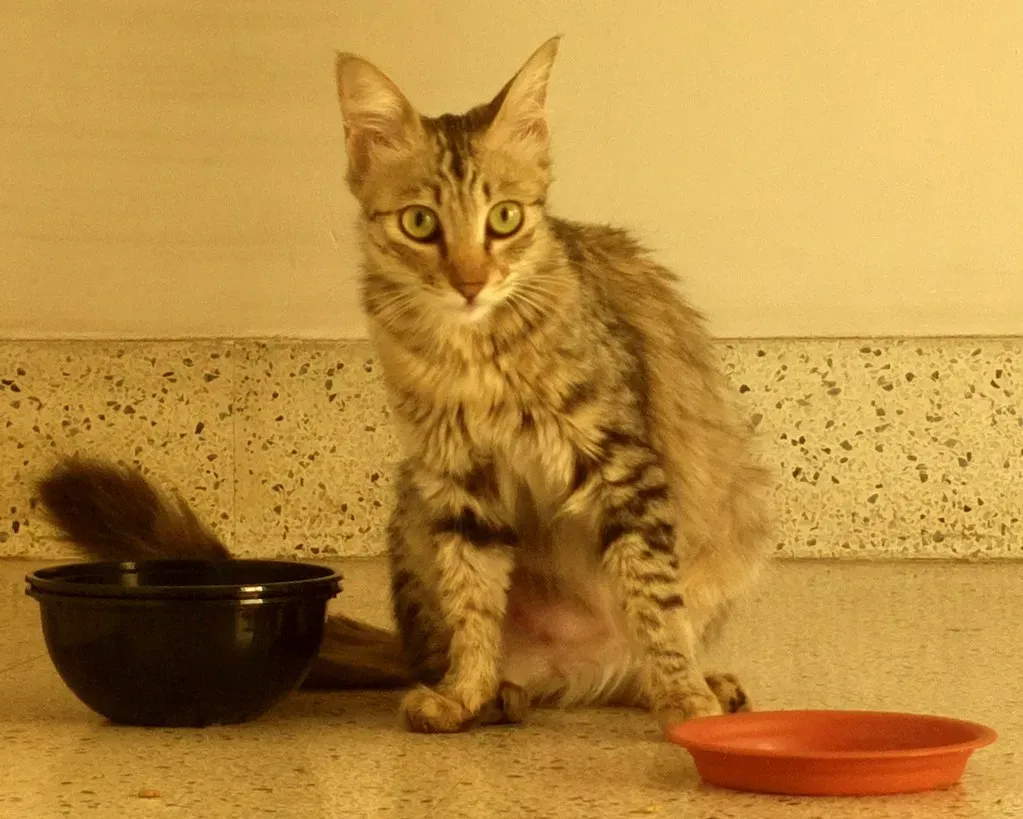
Picture this. You’re sitting across the room from your cat, and they lock eyes with you, then slowly, deliberately, close and open their eyes. Most people would shrug that off as tiredness. It is anything but.
Research suggests slow blinks are associated with a positive emotional state and can be a sign of trust, contentment, and affection, similar to a human smile. Think of it as the feline equivalent of blowing you a kiss from across the room.
When cats encounter strange humans or other cats they don’t know, they usually greet them with an unblinking stare. They are more likely to slowly blink at cats they have a good relationship with. So the next time your cat gives you that dreamy, half-lidded look, blink back slowly. You might just start a whole conversation.
Head Butting and Bunting: Claiming You as Their Own
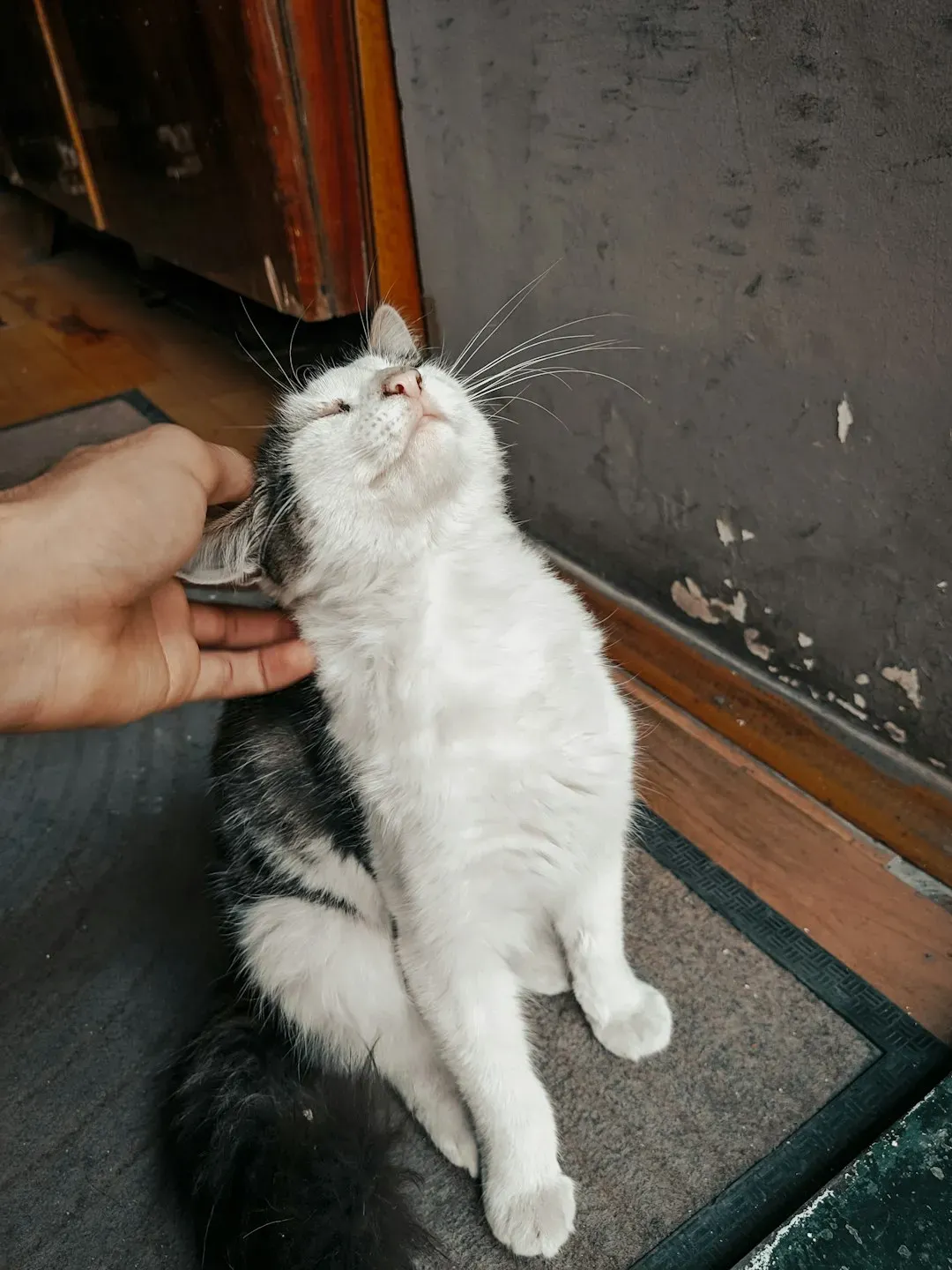
If your cat walks up and rams their forehead straight into your face or presses their cheek against your hand, congratulations. You have just been claimed. It sounds a little territorial, and honestly, it is.
One of the most common ways cats show affection is through head-butting and nuzzling. This behavior, known as bunting, is a cat’s way of marking you with their scent. When a cat rubs its head against you, it’s not just seeking attention but also leaving its scent glands on you, claiming you as part of their territory. This gesture signifies trust and affection, indicating that your cat feels safe and loved in your presence.
The head bump is usually saved for a cat’s closest feline friends and most trusted humans. So if your cat head-butts you regularly, you are basically in their inner circle. That, for a cat, is about as VIP as it gets.
Kneading: The “Making Biscuits” Love Message
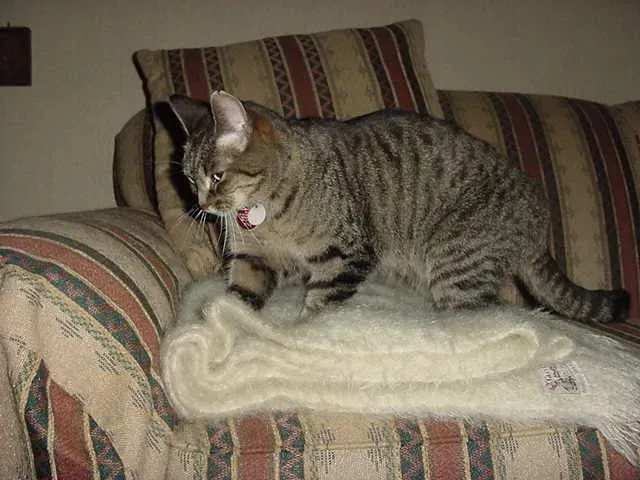
There is something both adorable and slightly painful about a cat kneading your stomach at full claw. Let’s be real, those tiny paws can be surprisingly sharp. Still, the behavior behind it is incredibly sweet.
Kittens “knead” at their mothers when feeding to increase the supply of milk and so when used on owners, it’s most definitely a gesture of love! It is a deeply instinctual behavior that carries forward into adulthood as a sign of contentment and security.
Kneading is believed to bring comfort by releasing endorphins to reduce stress and promote relaxation. Relaxed cats that knead are showing contentment. They will often knead when you gently pet or stroke them. Next time your cat turns you into a bread dough project, take it as the highest of compliments. They feel completely safe with you.
The Gift of Prey: Gross, Yes. Loving, Absolutely.
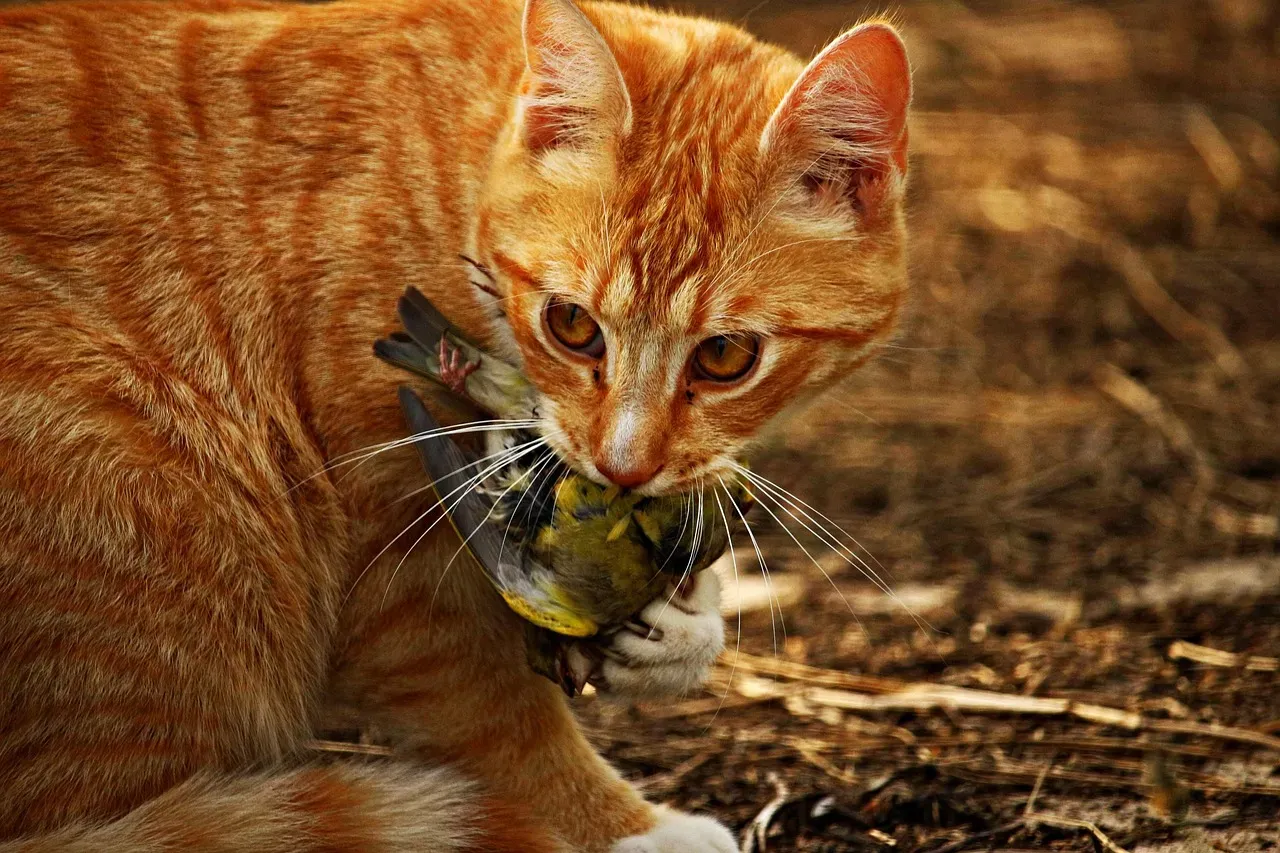
Few things are quite as jarring as waking up to find a dead mouse, a mangled bird, or some other unfortunate creature deposited lovingly on your pillow. Your cat is watching you with what can only be described as pride. It is, I know, a lot to process.
While it might be unpleasant to find a dead mouse or bird at your doorstep, this behavior is a sign of love and trust from your cat. In the wild, cats bring prey to their families. By bringing you gifts, your cat is sharing its “hunt” with you, showing that they consider you part of their family.
This is because in the wild, food is a “precious commodity,” and most of a cat’s time is spent hunting. When it comes to sharing their bounty, they do so only with those closest to them. So, horrifying as it may be, your cat is essentially saying: “I provide for you. I’ve got your back.” You can appreciate the sentiment even while quietly disposing of the offering.
Purring: A Sound That Means Far More Than You Think
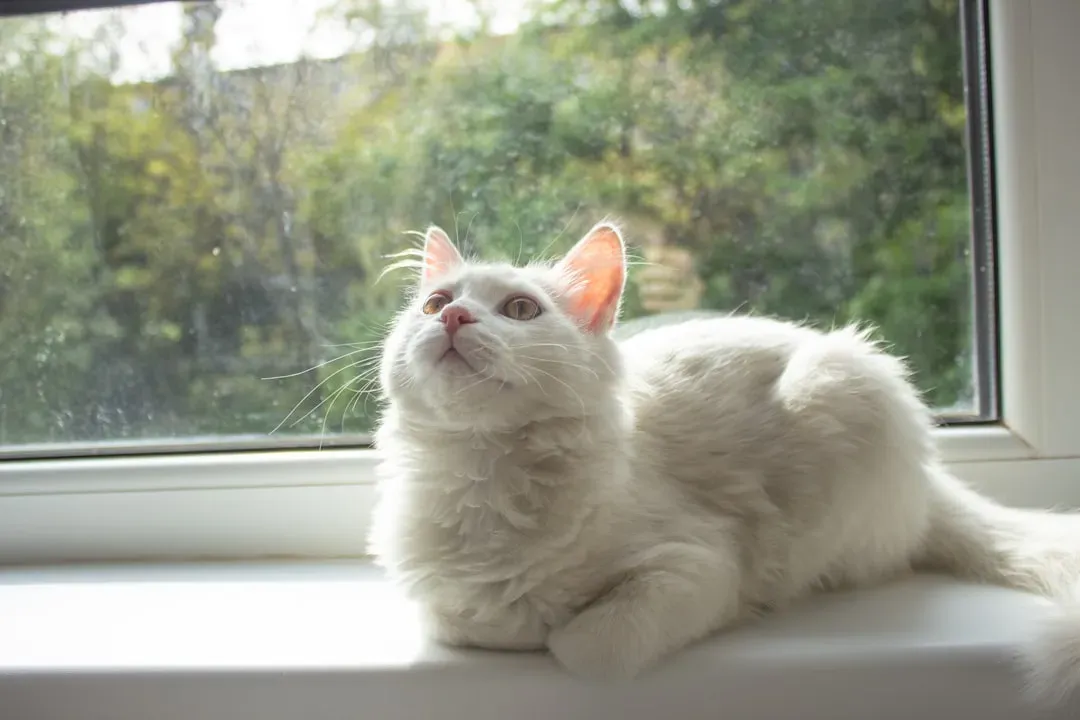
Purring might be the most universally recognized sign of a happy cat, but the full story is richer and more nuanced than most people realize. Not every purr means the same thing, which makes the affectionate purr all the more meaningful when you recognize it.
The majority of purring is to show love and happiness, just like when humans smile. Cats purr using the part of their larynx that surrounds the vocal cords. As they breathe in and out, the muscles in the larynx constrict and expand and the air vibrates causing a purr.
Scientific research suggests that cats purr at certain frequencies when around trusted humans, possibly to strengthen their bond. Think of it like a background hum of devotion. When your cat settles into your lap and starts that rhythmic rumble, they are not just comfortable. They are, in their own quiet way, saying they want to stay close to you.
Social Grooming: When Your Cat Licks You, It Means Something Deep
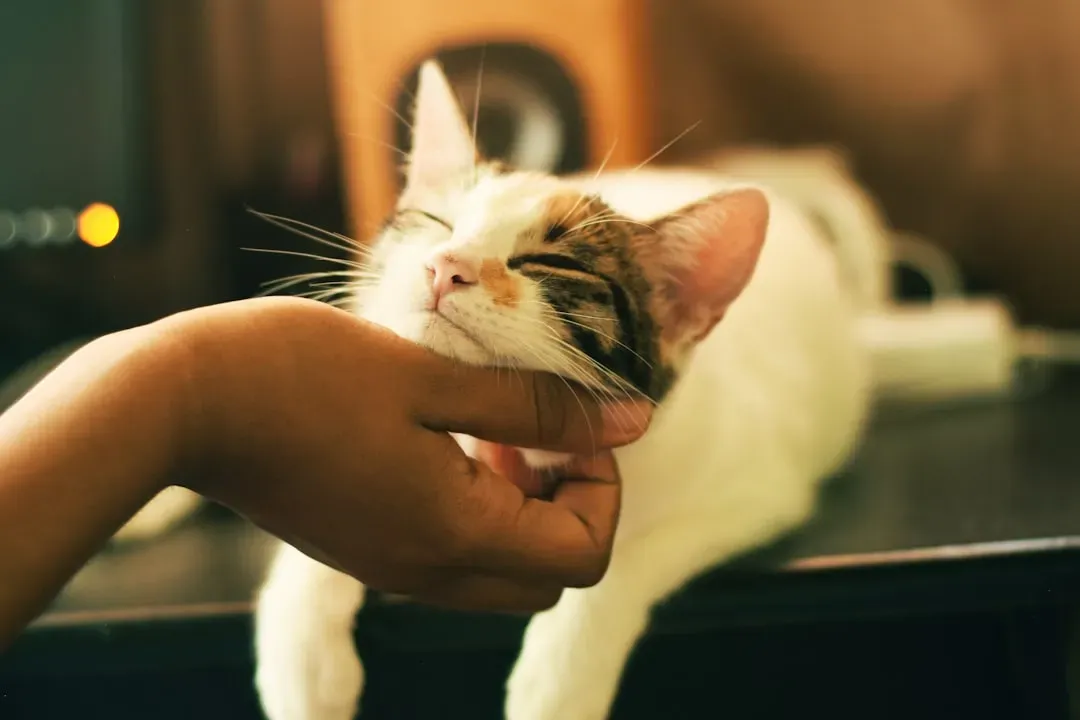
A cat’s tongue is not exactly what you would call luxurious. It is barbed, rough, and sometimes applied to your hand or forehead with zero warning. Yet that sandpaper swipe is one of the most intimate gestures a cat can offer.
When a cat licks your skin or hair, it’s mimicking the grooming behavior they use with other cats. This action signifies that they see you as part of their social group and trust you enough to share this intimate behavior.
Grooming only happens between cats with a warm relationship, so licking your hand or face can be a show of endearment, even though those barbed tongues may not feel all that gentle. It is the feline equivalent of someone gently fixing your hair. A gesture of care. A quiet declaration of belonging.
Following You Everywhere: The Shadow That Loves You
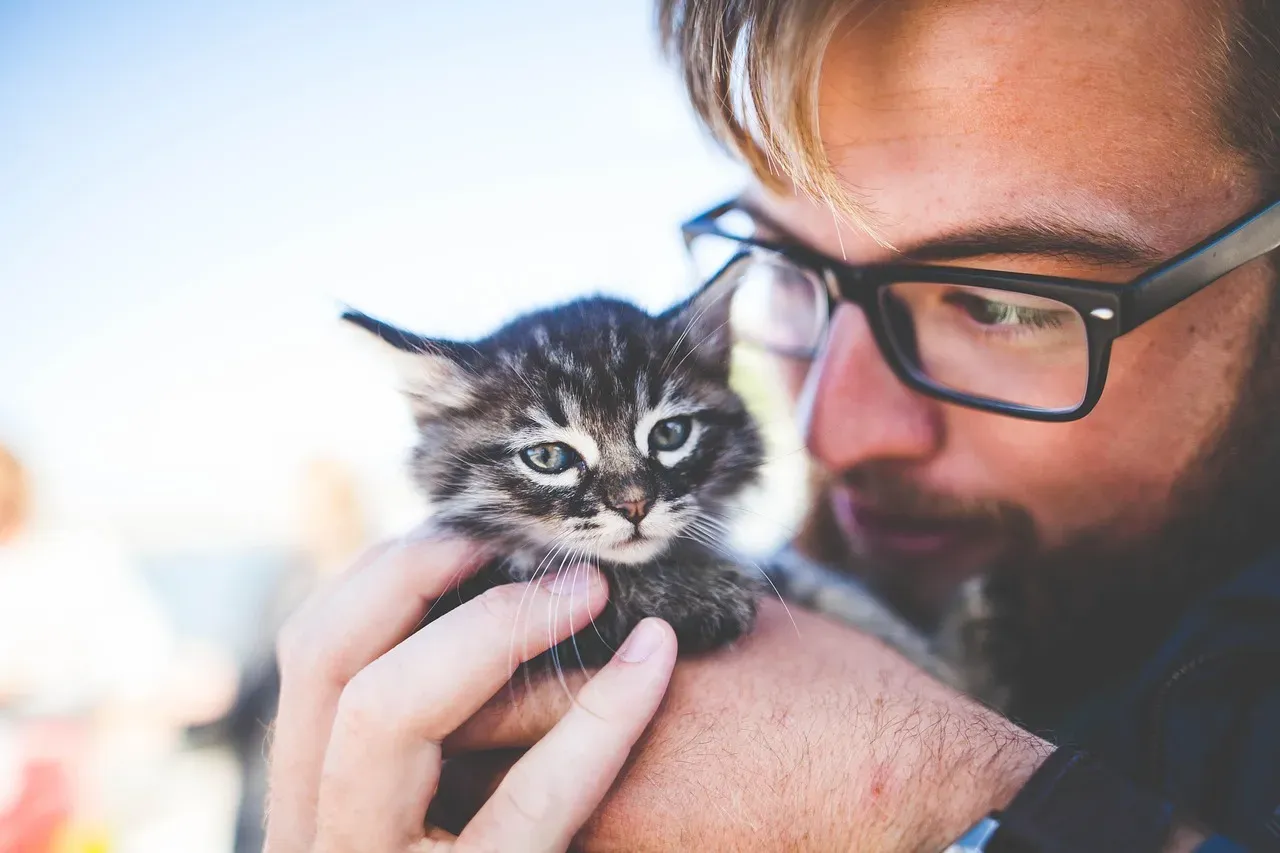
You go to the kitchen, the cat goes to the kitchen. You visit the bathroom, the cat sits outside the door staring at you through the gap underneath. It can feel a little intense. It is actually just love.
Cats often follow those they love and trust around the home. It is similar to the greeting at your front door, where they follow behind you and keep you in sight at all times. They may also weave around your legs.
Many pet parents might find it odd that their cats follow them everywhere they go, even right into the bathroom! This just means that your cat wants to spend more time with you. A cat that enjoys your company and feels comfortable around you is going to follow you around the house and cling to you like glue. They are not being clingy. They are being devoted. There is a difference, and it is a beautiful one.
Tail Language: The Emotional Weather Vane You Keep Ignoring
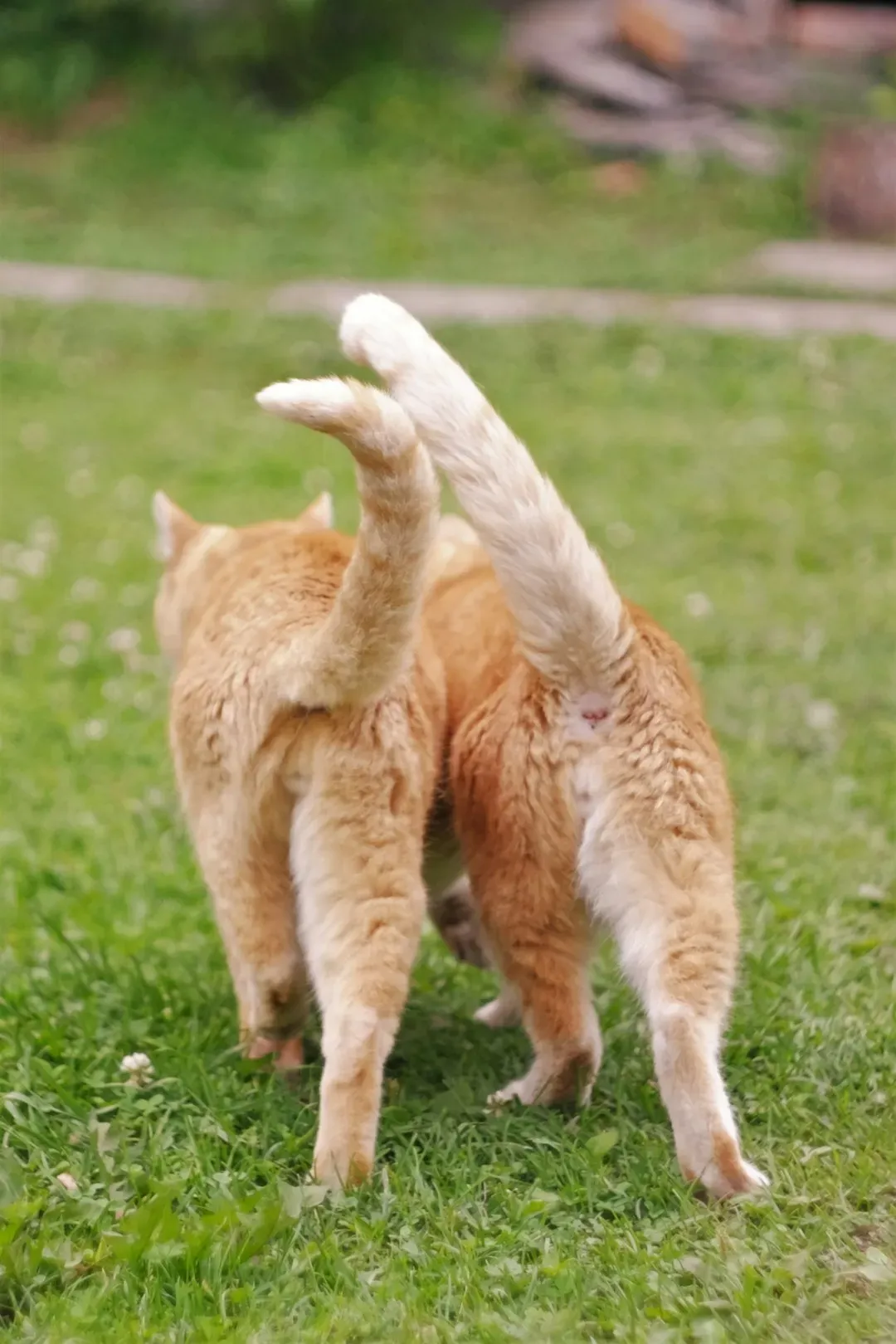
A wagging dog tail is obvious. A cat’s tail? That requires a little more decoding. Here’s the thing though: once you understand what your cat’s tail is telling you, it becomes one of the most expressive communication tools in their entire repertoire.
A tail held in the upright flagpole position shows a friendly intention, indicating familiarity, trust, and affection. Some cats also use an upright question mark shaped tail to greet someone they like, or to motion that they want to play. Cats sometimes intertwine their tails as a sign of friendship and the human equivalent of this is to wrap their tail around your calf.
Cats use their tails in a variety of ways to communicate their mood. A puffy tail or a tail held low to the body indicates fear or anxiety, while a tail held high expresses confidence and security, and even that your cat is happy to see you. So when your cat trots toward you with that tail raised like a little flagpole, they are literally waving hello with love.
Sleeping Near You or On You: The Ultimate Act of Vulnerability
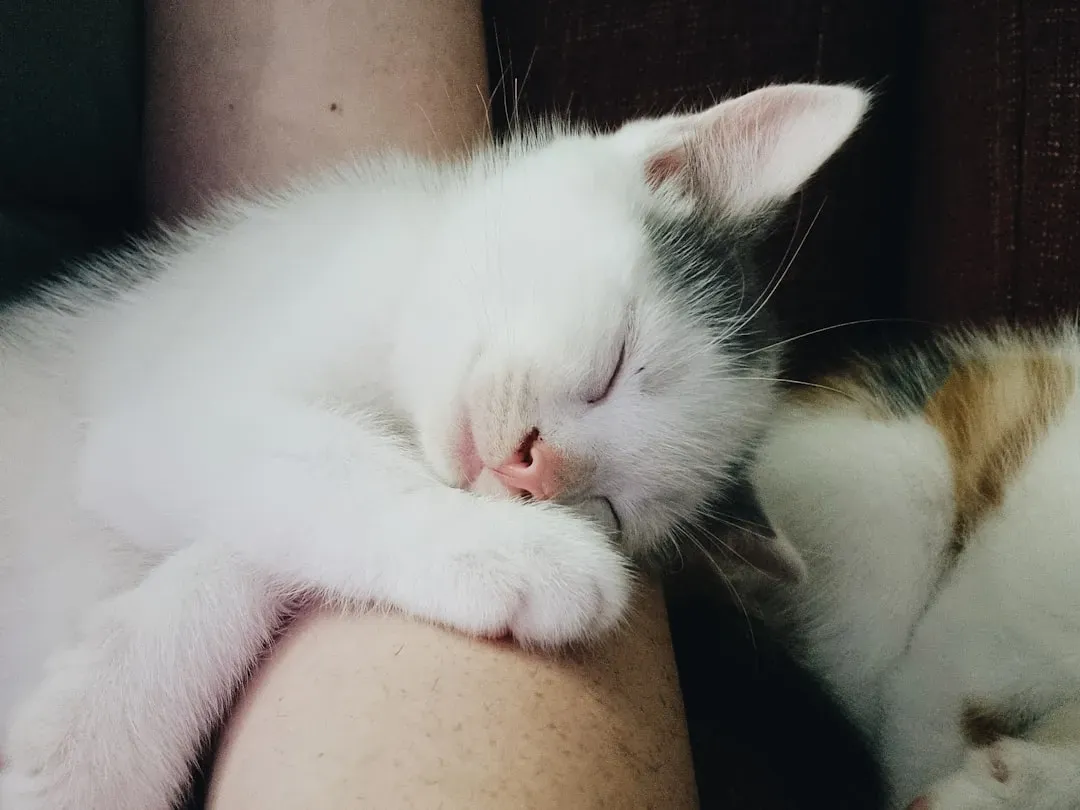
Cats are prey animals at heart, descended from wild ancestors who needed to stay alert at all times. Sleep, for them, is a genuinely vulnerable state. So where they choose to sleep says everything about who they trust.
Sleep is a vulnerable state for cats. Choosing to nap next to you, or even in the same room, is a strong indicator of trust. Some cats may sleep at your feet or nearby rather than directly on you, but that close proximity still counts as a sign of love.
If a cat allows you to get close to them, that suggests a close bond, particularly where the contact is frequent or long lasting. Curling up on your lap for a nap is a sign of deep trust. I think this is one of the most touching signs on this entire list. When a cat sleeps on you, they are essentially saying: you are my safe place in the world.
Meowing Just for You: A Language Invented in Your Honor
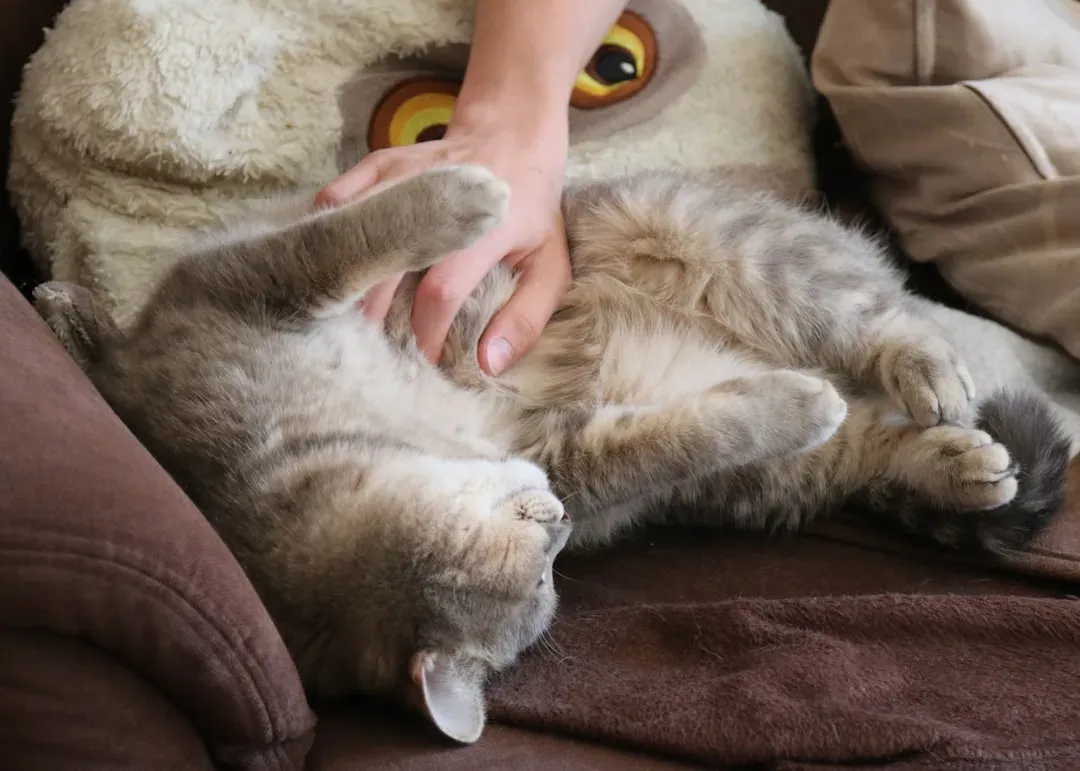
It sounds almost unbelievable, but cats actually developed their adult meow largely as a communication tool for humans. Wild adult cats barely meow at each other. Your cat meows at you specifically because they have learned it gets a response. That alone is remarkable.
Cats don’t typically meow to communicate with other cats; they reserve this behavior for interacting with humans. If your cat frequently meows at you, especially with a soft, gentle tone, it’s their way of getting your attention and showing affection.
Not all cats are chatty, but many reserve certain sounds just for their favorite humans. Soft trills, chirps, or conversational meows can be signs of affection. Purring, while not always exclusive to happiness, commonly goes hand in hand with calm, positive moments. When your cat sits at your feet and meows up at you, they are not just demanding dinner. They are talking to you. Because out of everyone in the world, you are worth talking to.
Conclusion: Your Cat Loves You More Than You Know
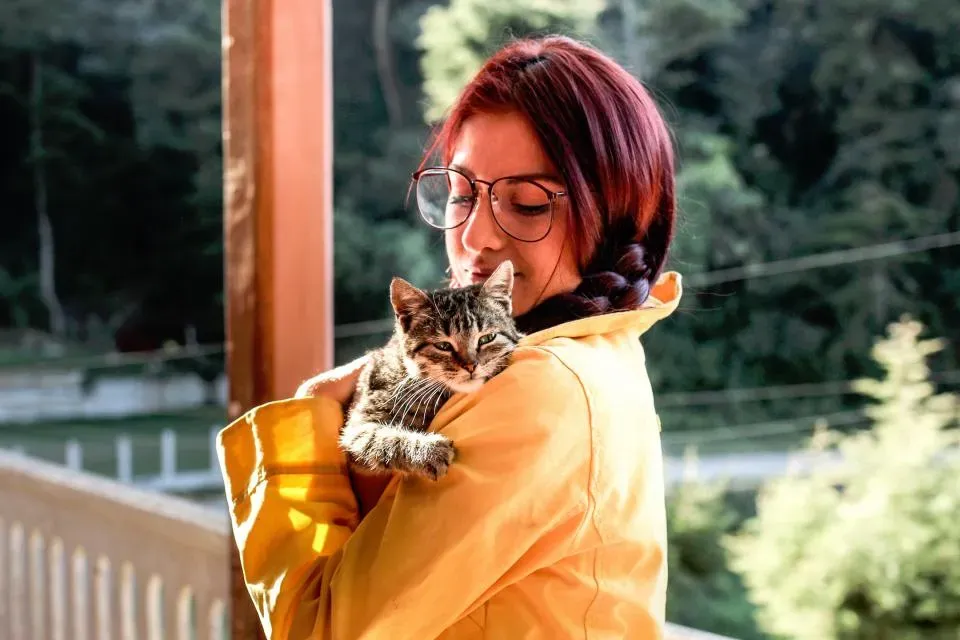
Cats have spent centuries earning a reputation for aloofness, and honestly, they have done themselves no favors in the PR department. A dog’s love is loud and obvious. A cat’s love is quiet, deliberate, and entirely sincere. That is what makes it so special.
When you enjoy signs of bonding, you can be absolutely certain it’s genuine. Cats can’t fake affection. With love and nurturing, your bond will only grow stronger over time. Every slow blink, every gentle headbutt, every rough lick on your hand is a real and unscripted declaration of love from an animal that chooses, freely, to give it.
Once you start seeing your cat’s behavior through this lens, you will likely realize you have been loved all along without even knowing it. The question worth sitting with is a simple one: how many of these signs has your cat shown you today? Tell us in the comments, and don’t be surprised if the answer is more than you expected.

- 6 Exotic Bird Species You Can Spot in U.S. National Parks - July 19, 2026
- 11 Iconic American Birds Facing New Challenges and How You Can Help - July 19, 2026
- 10 Friendliest Animals in the World - July 19, 2026