
Picture this: the sun hammering down on cracked, scorched earth, temperatures pushing past 50 degrees Celsius, and not a drop of water in sight for hundreds of miles. For most creatures, that scenario spells certain death. Deserts are some of the harshest environments on the planet, where extreme heat and lack of water make it a near-impossible place for any animal species to survive. Yet, many creatures have found remarkable ways to thrive in this punishing environment.
What makes this even more extraordinary is just how inventive nature gets under pressure. Think of it like this: evolution is the world’s most ruthless engineer, and the desert is its most brutal testing ground. The animals that have cracked the code to desert survival don’t just tolerate their environment, they’ve mastered it through behaviors that are, honestly, astonishing. Let’s dive in.
1. The Kangaroo Rat’s Metabolic Water Factory
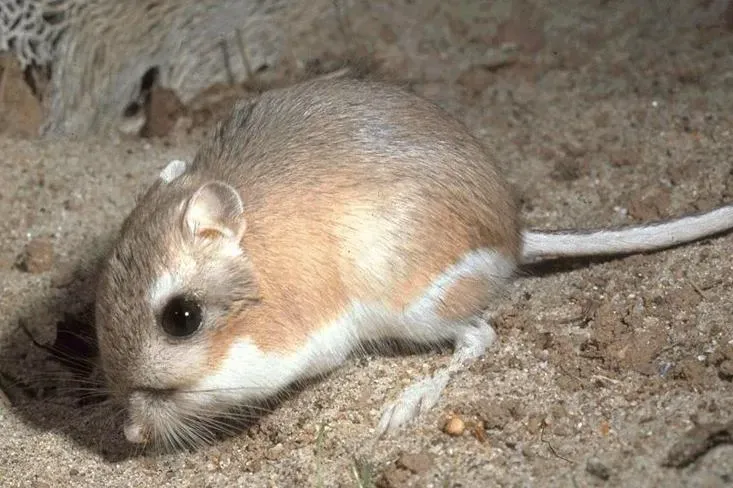
Here’s the thing – most of us assume every living creature needs to actually drink water. The kangaroo rat blew that assumption wide open. This tiny rodent found across North American deserts never drinks water, instead metabolizing moisture from the seeds it eats and producing highly concentrated urine. It is essentially turning dry food into water through internal chemistry, which is extraordinary.
Kangaroo rats live in underground dens which they seal off to block out midday heat and recycle the moisture from their own breathing, and they also have specialized kidneys with extra microscopic tubules to extract most of the water from their urine and return it to the bloodstream. Think of their bodies as a perfectly sealed water recycling plant. Dry seeds absorb moisture from the kangaroo rat’s breath, which condenses more readily in the cooler underground temperatures.
2. The Fennec Fox’s Giant Ear Cooling System
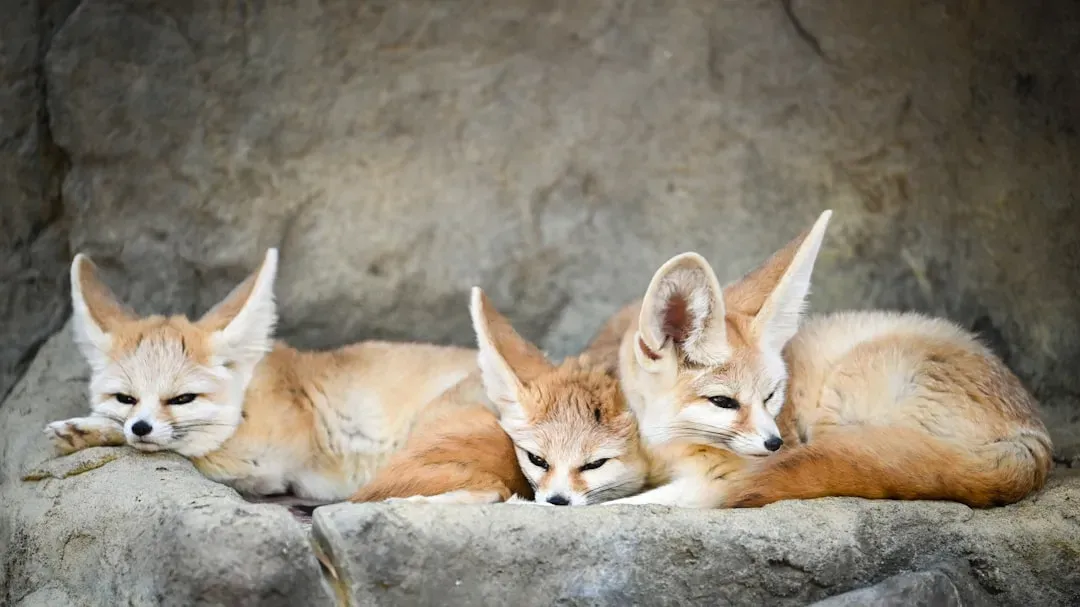
I know it sounds crazy, but those oversized, almost cartoonish ears the fennec fox sports are not just for looks. The fennec fox of North Africa has large ears loaded with blood vessels, allowing the animals to dissipate excess body heat. It’s nature’s version of a radiator, built right into the skull.
While big ears are wonderful radiators during hot days, the fox’s thick fur coat also acts as insulation during cold desert nights. So the same animal has one built-in tool solving two completely opposite problems. From the iconic fennec fox with its large ears perfectly adapted for heat dissipation, each species of Saharan fox has honed specific traits that optimize their chances of survival in the unforgiving desert landscape.
3. The Camel’s Full-Body Desert Survival Kit
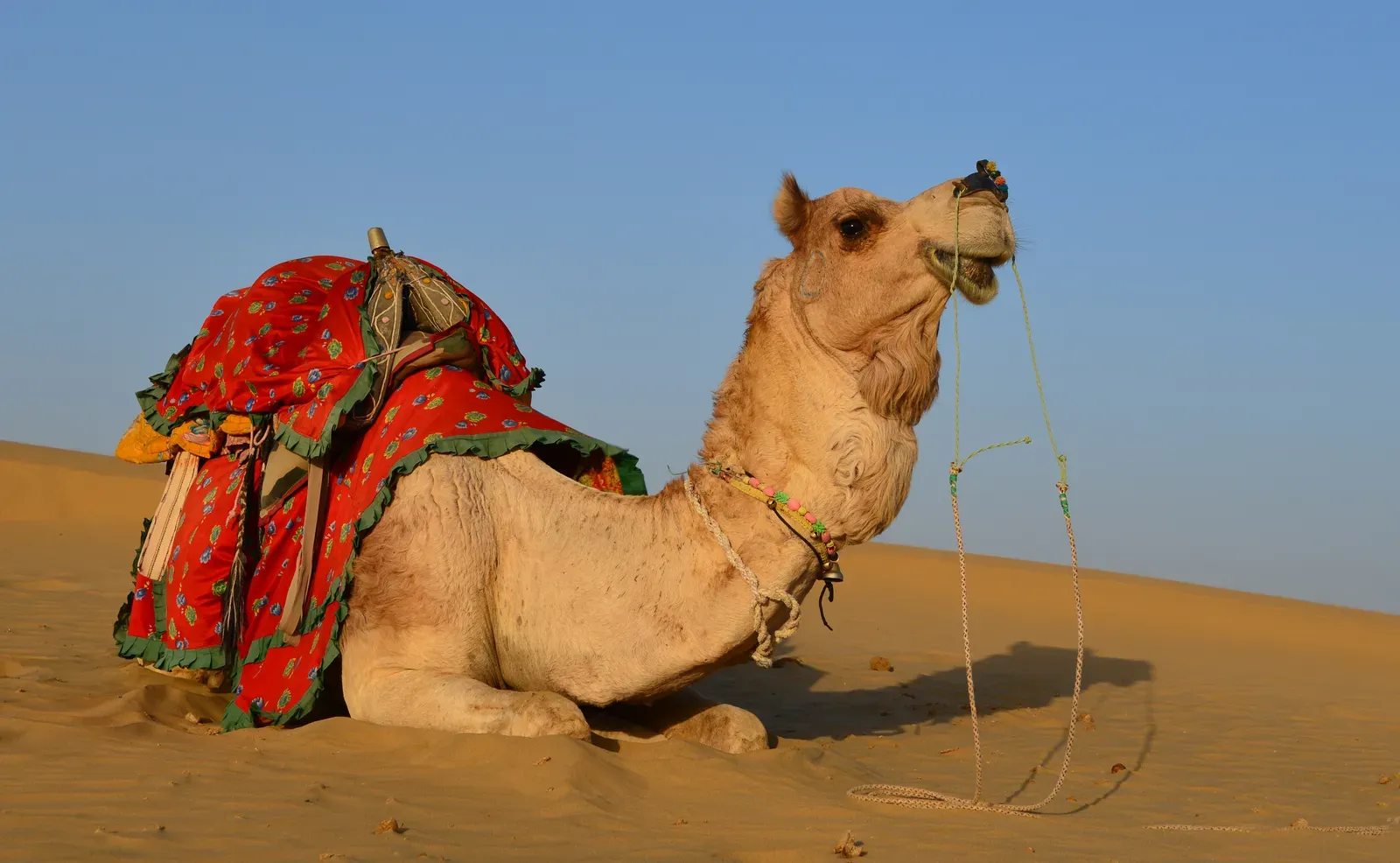
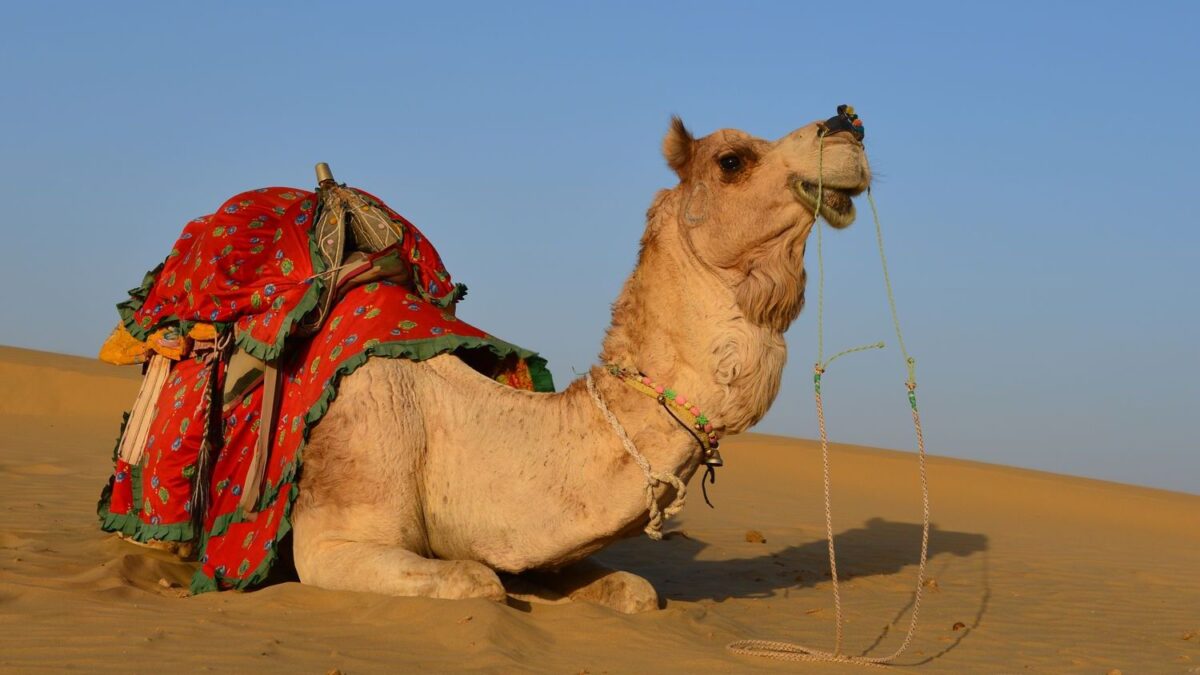
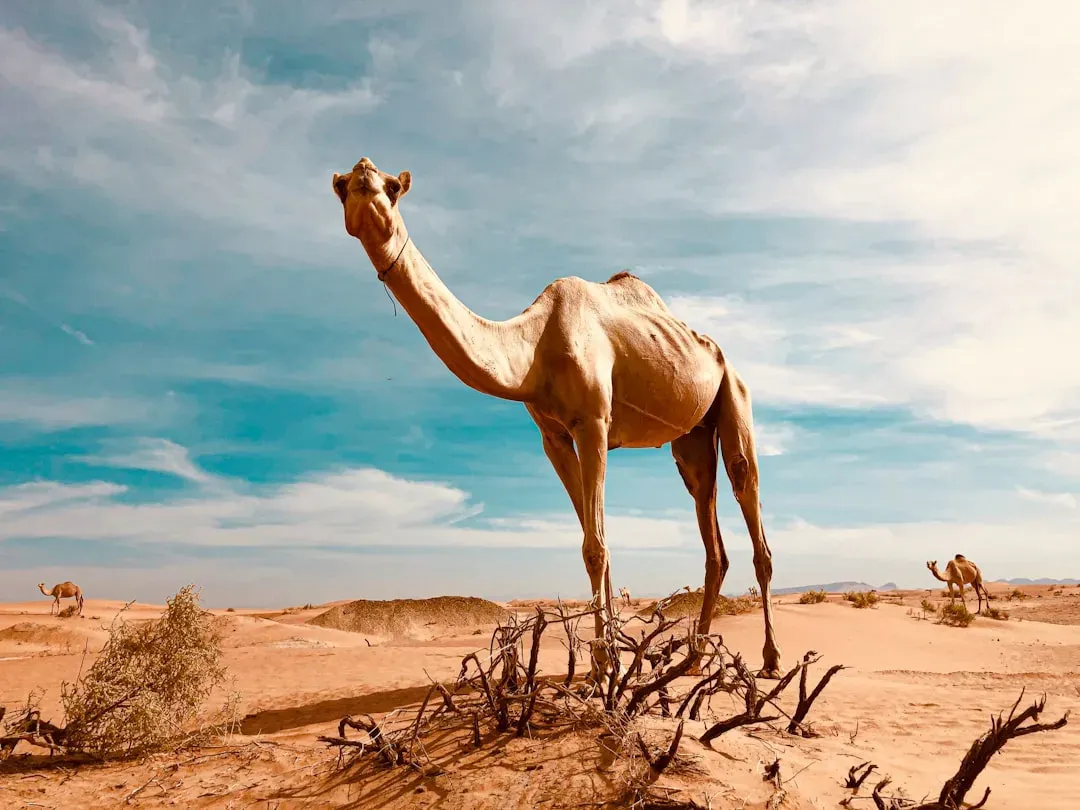
No desert article would be complete without the camel, and honestly, it earns its spot every single time. Camels have a unique ability to regulate their body temperature, allowing them to endure extreme heat during the day while avoiding overheating, and their humps store fat which can be metabolized into water and energy when food is scarce. The hump is not a water tank as many people believe. It’s more like a portable energy bar that also happens to help with thermoregulation.
Camels have long eyelashes that protect them from the sunlight’s harsh glare and a third eyelid that protects their eyes from blowing sand. Their ears have also adapted by growing small hairs to filter and warm the air entering the ears. Camels also have thick coats that help insulate them against the extreme heat. Every single feature on this animal seems purpose-built for the desert. It’s almost unfair to other species.
4. The Sidewinder Rattlesnake’s Sand-Surfing Locomotion
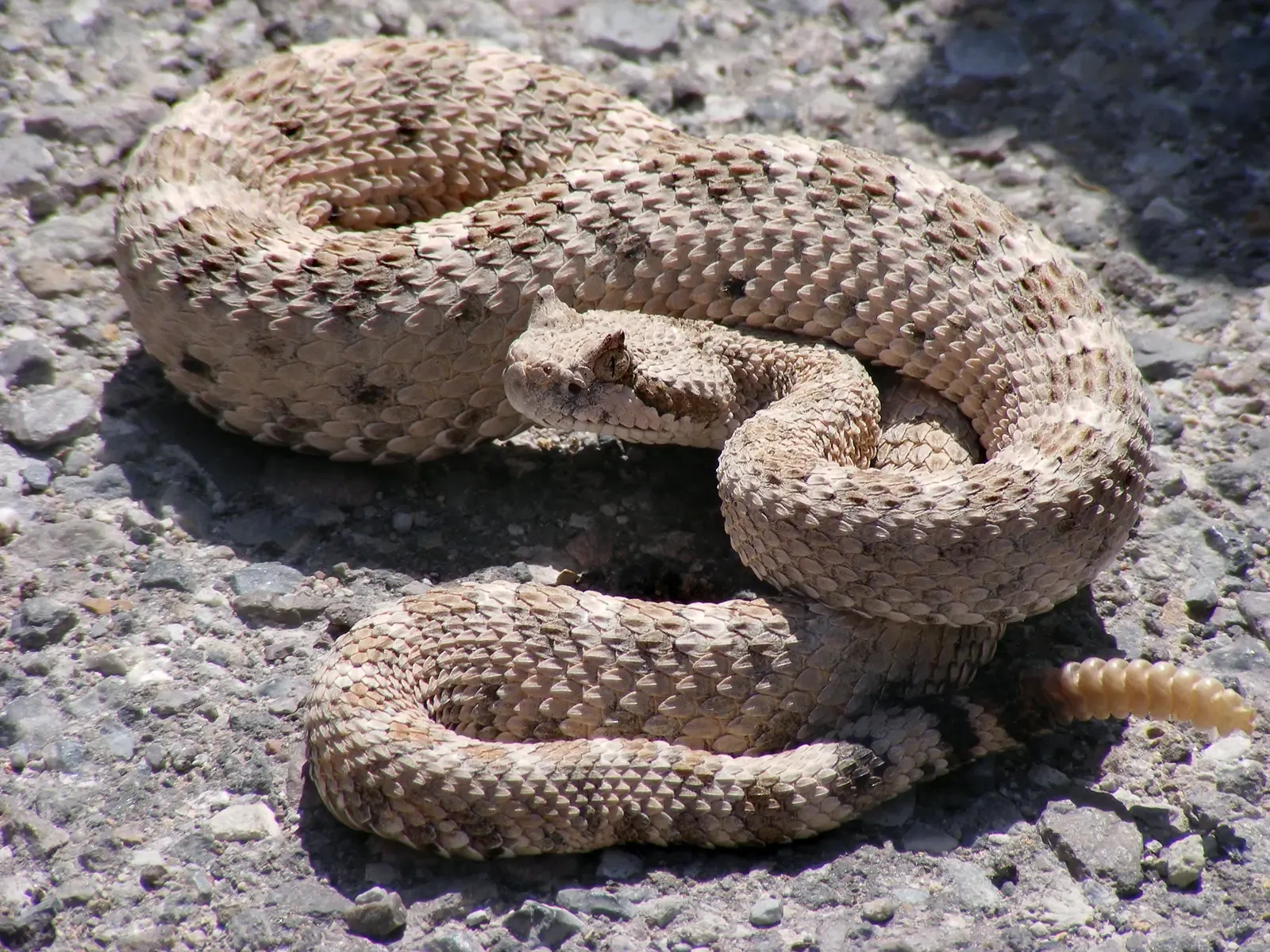
Moving across loose, scorching desert sand is a physical challenge most animals simply cannot solve. The sidewinder rattlesnake cracked it in a way that looks almost alien. The sidewinder rattlesnake employs a unique method of locomotion known as sidewinding, which allows it to move across loose sand with minimal contact with the ground – this behavior not only helps it avoid overheating but also aids in ambushing prey.
These snakes use their heat-sensitive pits on their faces to detect prey and predators in the dark desert nights, and they are recognized for their unique way of rattling their tails as a warning when threatened, leaving distinctive J-shaped tracks in the sand. It’s worth pointing out that barely touching the ground while moving is basically a superpower in a place where the surface can reach temperatures that would blister human skin in seconds.
5. The Thorny Devil’s Skin That Drinks Like a Sponge
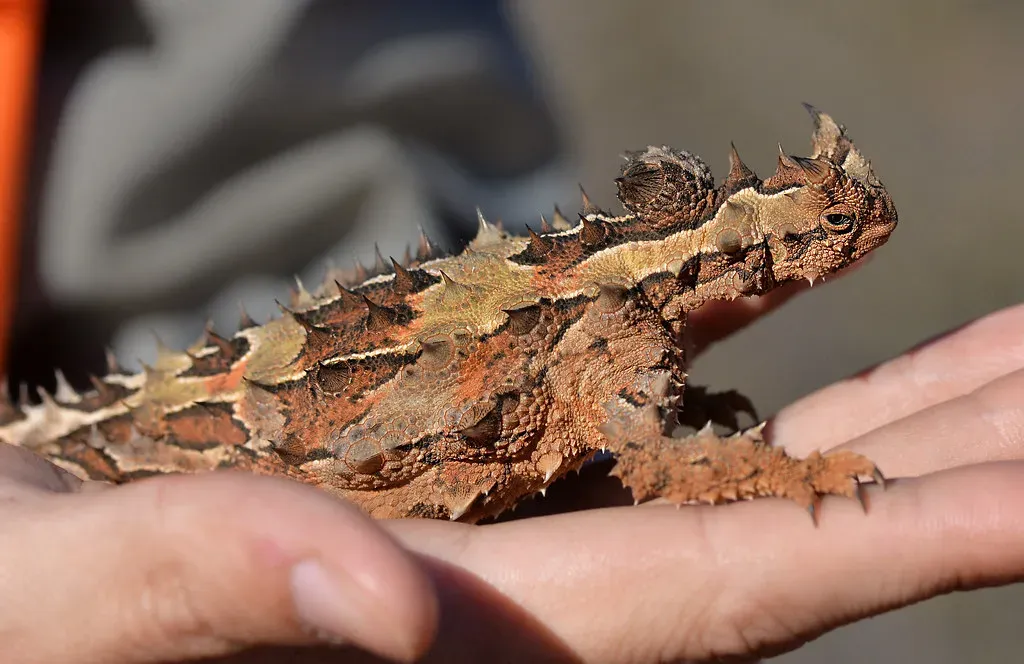
Water is so scarce in many deserts that some animals have had to rethink how they even collect it in the first place. The thorny devil of the Australian Outback went in a direction no one would have predicted. The thorny devil has developed skin that can absorb water like blotter paper through capillary action, and the way the scales on the body are structured, it collects dew and channels it down to the corners of the mouth where the lizard drinks it.
Imagine wearing a suit made of tiny straws that funnel every drop of morning dew straight to your mouth without you having to do a thing. That is precisely what this lizard does. In the Australian Outback, pooled water can be extremely hard to come by, which is exactly what drove this remarkable evolutionary solution to emerge in the first place. It’s one of those behaviors that makes you question what else nature has quietly figured out that we haven’t even discovered yet.
6. The Spadefoot Toad’s Underground Suspended Animation
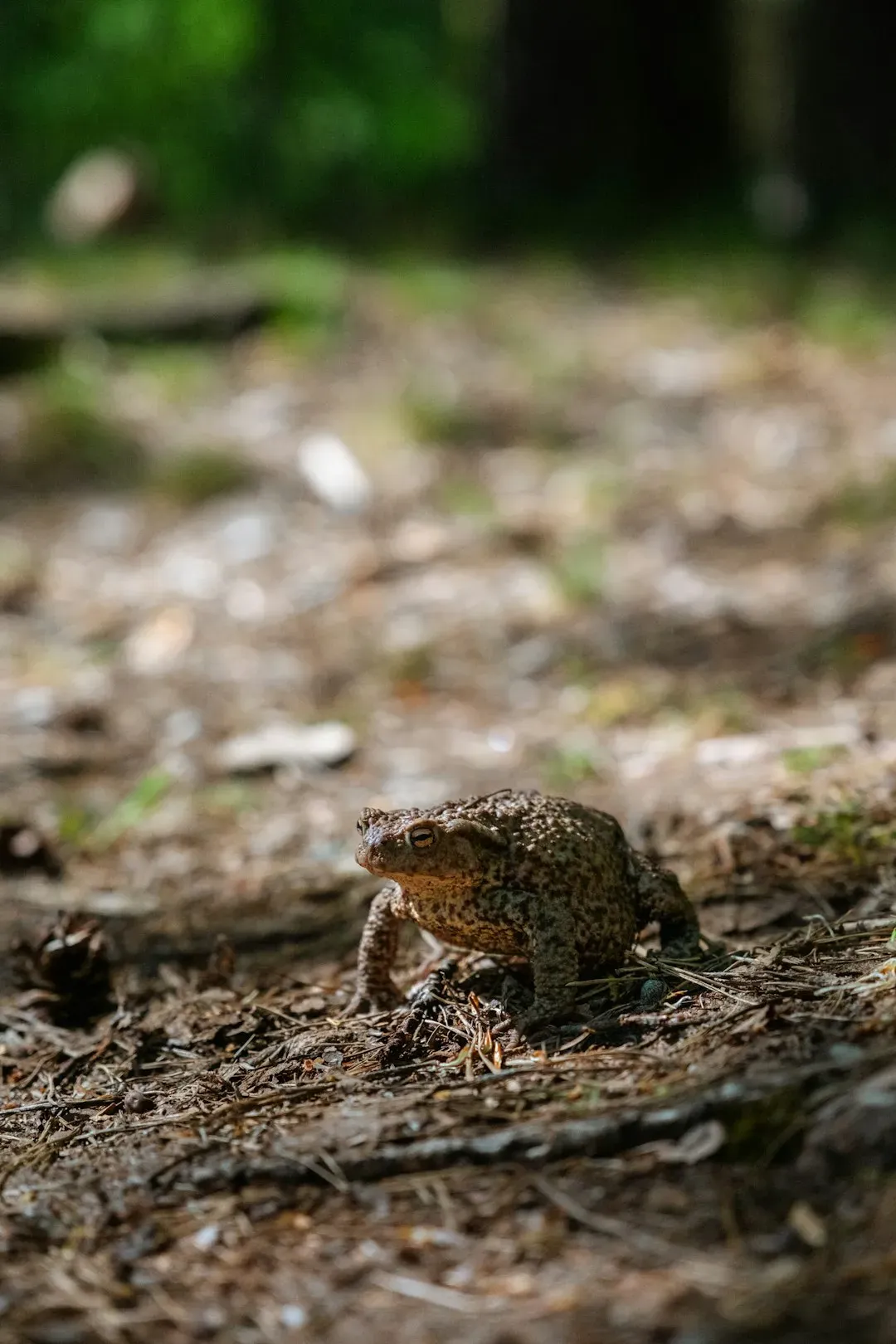
An amphibian surviving in the desert sounds like a contradiction. Frogs and toads need water, right? The spadefoot toad essentially rewrote the rulebook. These amphibians have unique spade-shaped feet which allow them to dig deep into sand and soil up to two meters in search of food and water, and they can go into a state of suspended animation for extended periods of time, allowing them to conserve energy when water or food resources are scarce.
Spadefoot toads can burrow up to three feet underground where they stay cool and moist during dry spells, and they have a unique adaptation where they can absorb water through their skin, allowing them to survive in arid environments. Honestly, the idea of an animal effectively pressing pause on its own life until conditions improve is one of the most mind-bending survival tricks in all of nature. It’s less like biology and more like science fiction.
7. The Sandgrouse Father’s Living Water Canteen
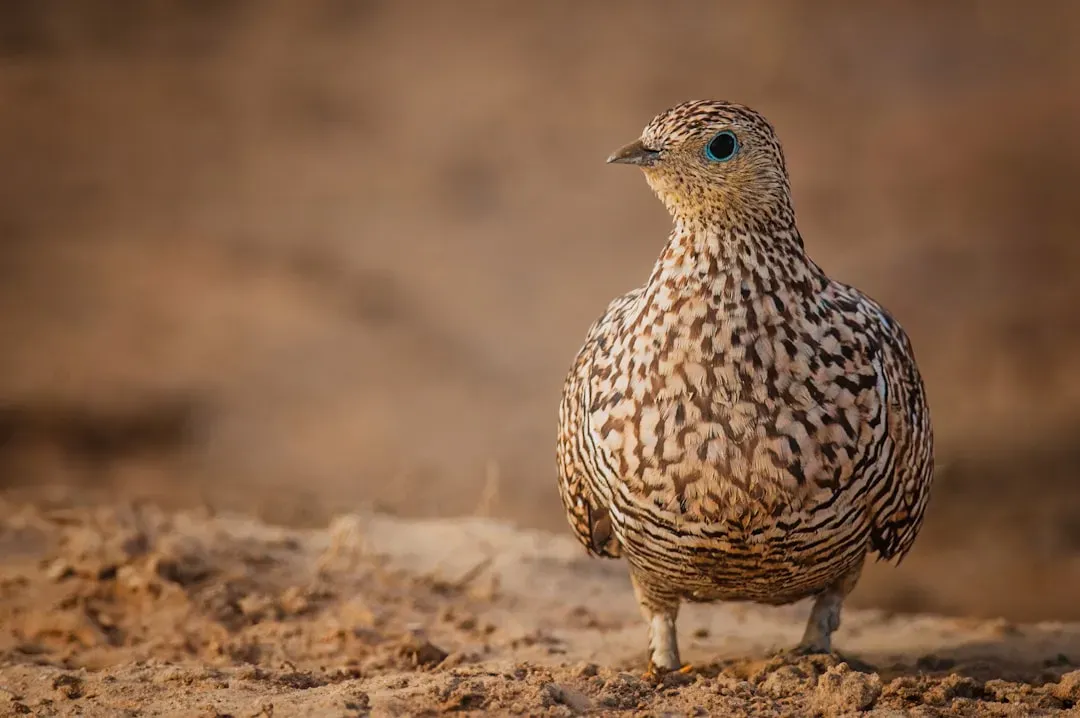
Parenting in the desert takes on a whole new level of sacrifice. The male sandgrouse has developed one of the most selfless and bizarre water delivery systems found anywhere in the animal kingdom. The sandgrouse is known for its unique approach – males travel long distances to find water sources and soak their feathers before returning to their nests, allowing them to provide hydration for their chicks during hot days when water is scarce.
One of their unique adaptations is their ability to carry water in their belly feathers. They soak their belly feathers in water at watering holes and then fly back to their chicks, delivering the water to them to drink. A father literally becoming a water bottle for his young is both touching and extraordinary. This bird, found mainly in the deserts of Asia and North Africa, has specialized feathers on its belly that are able to soak up small quantities of water.
8. The Gila Monster’s Fat-Tail Fuel Reserve
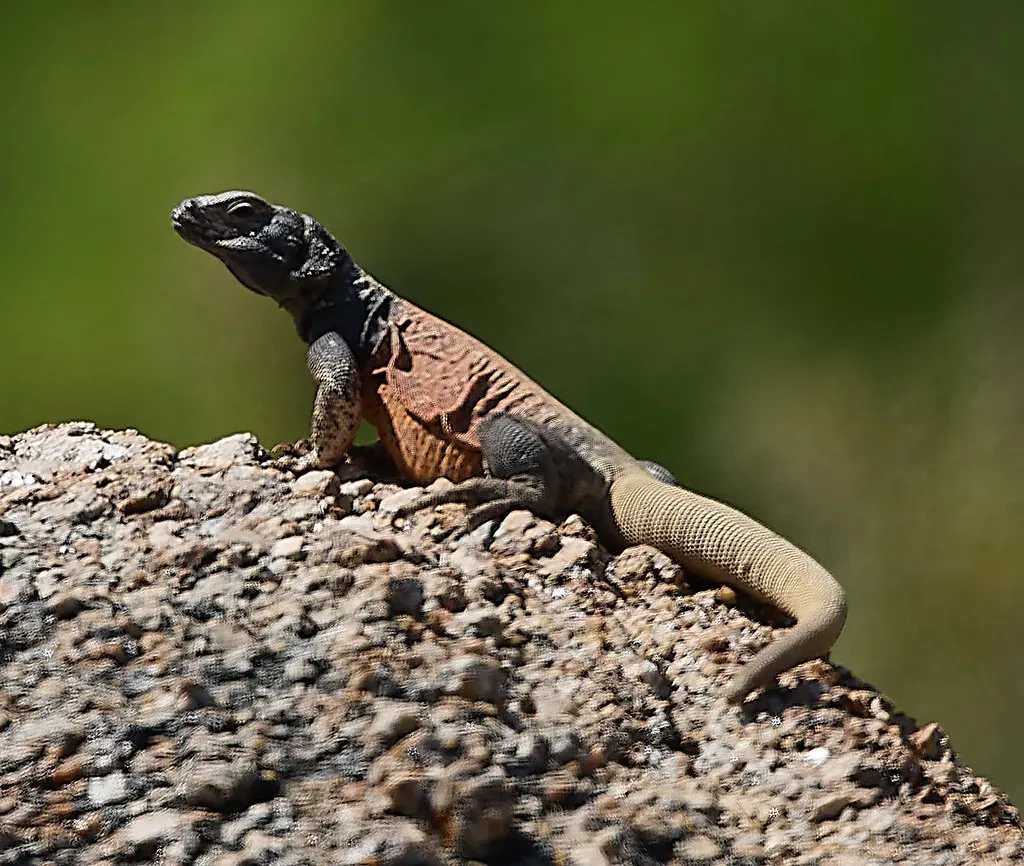
While most desert animals try to stay active and find food regularly, the Gila monster took a radically different approach. Why not just eat very rarely and live off stored reserves? The Gila Monster spends most of its life underground and can go months between meals by living off fat stored in its tail – a handy little survival trick during the dry season in their Sonoran Desert habitat.
It is a nocturnal creature, spending the hottest parts of the day in burrows or under rocks, and has a slow metabolism which helps it conserve energy and survive long periods without food. Let’s be real, the Gila monster has essentially mastered the art of doing less, which in the desert, is a genuine strategy for survival. Many animals like Gila monsters are crepuscular, active only at dusk and again at dawn – which is why humans seldom encounter them.
9. The Darkling Beetle’s Fog-Harvesting Back
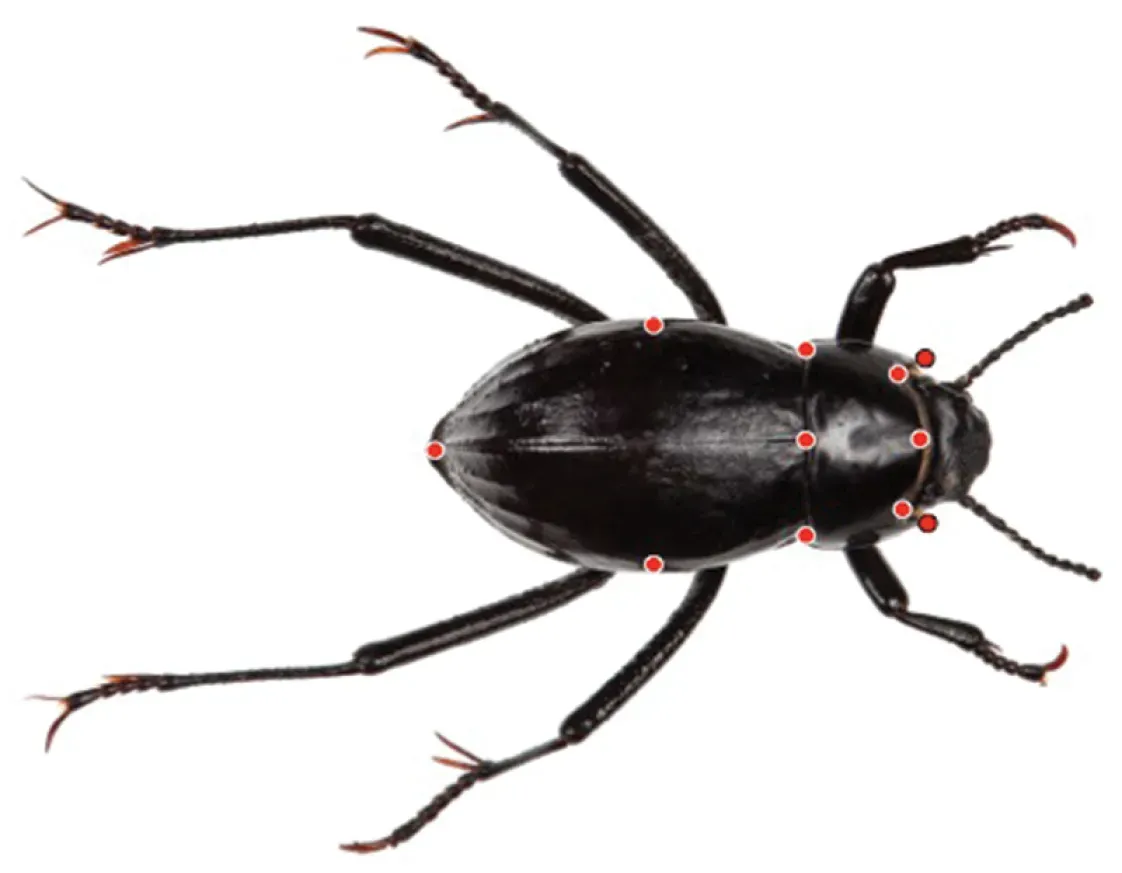
When the water supply is essentially zero, some creatures get creative about how they collect it from the air itself. The Namib Desert’s darkling beetle does something that researchers have studied for potential human engineering applications. Some insects, such as darkling beetles, collect fog droplets on their backs, channeling moisture directly into their mouths – a survival tactic studied for potential human applications in arid regions.
Think of the beetle’s back as a miniature fog-catching net. It tilts its body at an angle into the coastal fog that rolls in at night, lets the tiny droplets accumulate on its textured shell, and then drinks as the water runs forward. These adaptations range from temperature regulation and water retention to camouflage and hibernation, and animals use nocturnal activity and unique food sources to make it through the dry and unforgiving desert. The darkling beetle combines fog-harvesting with nocturnal timing into one extraordinarily efficient package.
10. The Jackrabbit’s Ear Radiator and Shade-Seeking Strategy
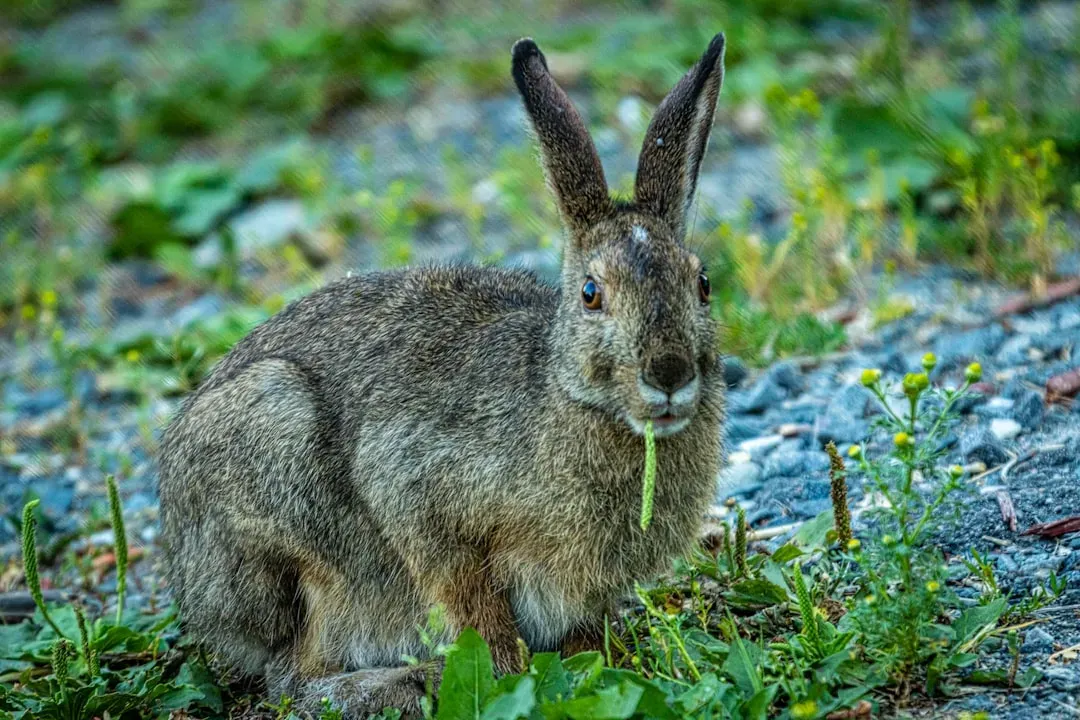
The North American jackrabbit is not just fast. It is thermodynamically clever in a way that is easy to overlook. Many desert mammals have evolved long appendages to dissipate body heat into their environment, and the enormous ears of jackrabbits, with their many blood vessels, release heat when the animal is resting in a cool, shady location – their relatives in cooler regions have much shorter ears. The size difference is not random. It is evolution measuring its own work.
White-tailed antelope ground squirrels will use their bushy tails as a shade umbrella, and the long ears of the jackrabbit aid in dispersing body heat. The jackrabbit pairs its ear-radiators with smart behavioral timing, staying in the shade during peak heat and becoming active when temperatures drop. Rattlesnakes, jackrabbits, and many other desert-dwelling mammals and reptiles are crepuscular, meaning they are most active at dawn and dusk, and they sleep away the hottest hours of the day. It’s an elegant combination of physical design and behavioral instinct working together seamlessly.
Conclusion: Nature’s Most Ingenious Survivors
What strikes me most about all of these behaviors is how layered and precise each solution is. The adaptations seen in desert animals are not merely responses to their surroundings but intricate solutions honed by millions of years of evolution. None of these behaviors happened overnight. Each one represents countless generations of trial, error, and refinement under the most unforgiving conditions Earth can produce.
Desert animals are more than survivors – they are natural innovators, and their physical and behavioral traits provide living lessons in adaptation, evolution, and balance. From a rat that manufactures its own water to a beetle that harvests fog from thin air, the creativity embedded in these survival strategies is genuinely humbling. Yet, despite their resilience, desert species face mounting pressures from climate change, habitat fragmentation, and human encroachment, as rising temperatures intensify heat stress while droughts reduce food and water availability.
These animals have survived conditions that would kill a human in hours, and they have done it for millions of years. The real question worth sitting with is this: after all this time perfecting survival against nature’s toughest challenges, can they survive the pressure that humans are now adding on top? What do you think? Share your thoughts in the comments below.

- 14 Tender Signs an Old Dog Is Grateful for Every Day It Spends With You - July 22, 2026
- 14 Signs the Shy Dog at the Shelter Was Only Ever Waiting for You - July 22, 2026
- 14 Signs Your Dog Picked You the Very Day You Two Met - July 22, 2026