
Most people think a rescued dog just needs food, a bed, and a few walks to feel safe. Hand them a bowl, offer a soft blanket, take them on a stroll around the block – problem solved, right?
Except that’s not how it works, and anyone who has spent real time inside a shelter kennel will tell you the truth stings a little. The actual healing is quieter, slower, and honestly kind of heartbreaking to watch unfold. The biggest shift in a shelter dog isn’t the tail wag over treats – it’s the moment they stop bracing for you to disappear. These changes are so small that most adopters miss them completely, while trainers and rescue workers watch for them like they’re panning for gold. Here are the fifteen quiet signs that mean a broken little heart is finally stitching itself back together.
#15 – They Finally Eat With Their Back Turned
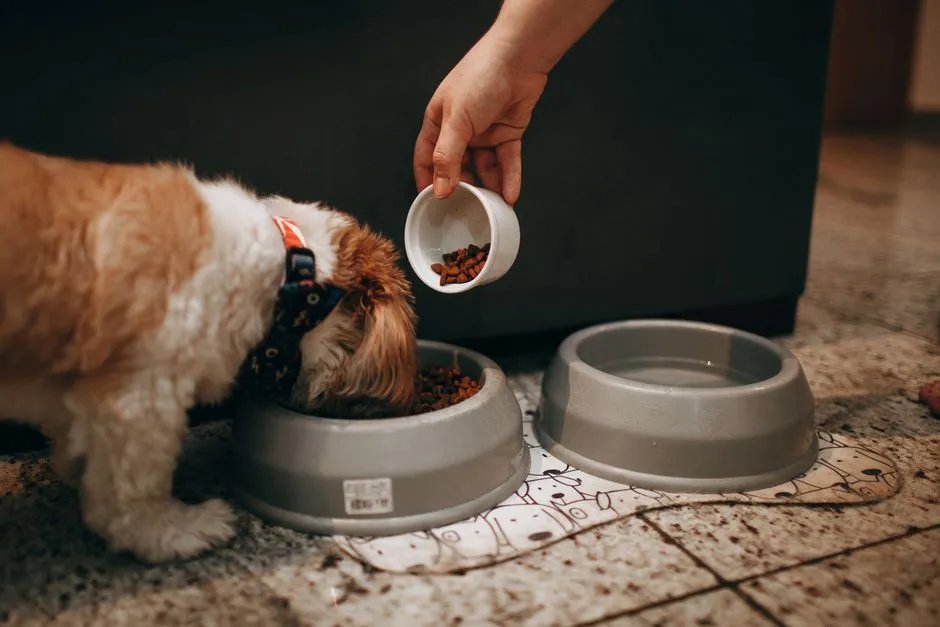
When a dog doesn’t trust you yet, they guard even the most basic things. Food stops being a pleasure and becomes a survival mission. Early on, a lot of shelter dogs will only eat while staring straight at you, every muscle locked and ready to bolt if anything so much as shifts in the room.
It looks like focus. It’s actually fear. So the very first time a dog turns their back to the room and just eats, it’s a massive deal – it means they no longer believe something is sneaking up behind them. Watch closely and you’ll catch their shoulders loosen, their head stop whipping up mid-bite, sometimes even a few kibbles left behind because they trust the bowl will still be there later. To shelter staff, that tiny act of not watching is one of the clearest early signs that this dog is starting to believe people aren’t a threat.
#14 – Their Tail Starts to Wag in Both Directions
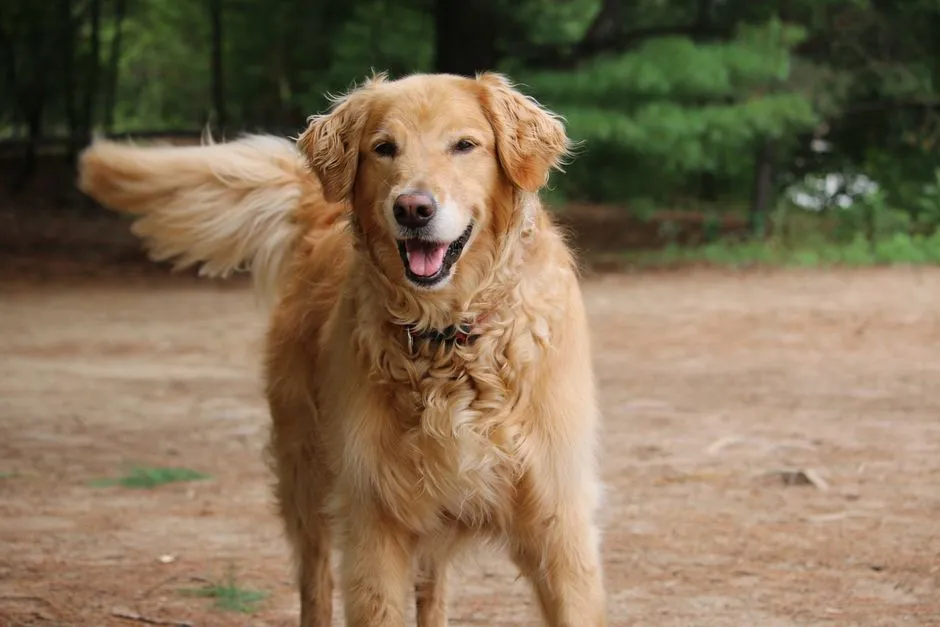
Everyone looks for the wag, but not every wag means the same thing. A stiff, one-direction flick can actually be a sign of tension, not joy. What makes trainers genuinely light up is when a shut-down dog’s tail starts swinging loosely side to side, like a metronome keeping time with their growing confidence.
You’ll often catch this the moment you walk into a room and they recognize you – not frantic jumping, just a soft, slow wag that reaches all the way to their hips. Their whole back end shimmies, not just the tip of the tail. For a dog who used to tuck that tail so tight they looked half their size, that loose side-to-side motion is basically a love letter that says, “I’m glad you’re here.” Some behaviorists argue it means more than licking or jumping ever could.
Quick Compare
- Anxious wag: high and stiff, quick tip-only flicks, body frozen still
- Trusting wag: loose and low-to-mid, full hip sway with every swing
- Anxious tail at rest: tucked tight against the body
- Trusting tail at rest: neutral and relaxed, moving freely on its own
#13 – They Choose to Nap in the Open, Not the Corner

Fearful shelter dogs are masters of disappearing. They wedge themselves under cots, curl into the smallest possible ball at the back of the kennel, or flatten against a wall so they can watch everything without being watched themselves. That’s what makes it so powerful the day they wander into the middle of the room, circle once, and lie down in full view.
It’s the canine version of finally putting your phone down and exhaling. Instead of a tight defensive curl, they stretch out – sometimes flopping onto their side, belly and chest completely exposed. A dog doesn’t do that unless they feel genuinely safe. Even in loud, busy shelters, staff notice when a dog dozes off while someone mops nearby or feeds the kennel next door. If they snore straight through someone walking past, that’s a dog quietly betting that people mean no harm.
#12 – They Start Bringing You Their Toys (Or Random Objects)
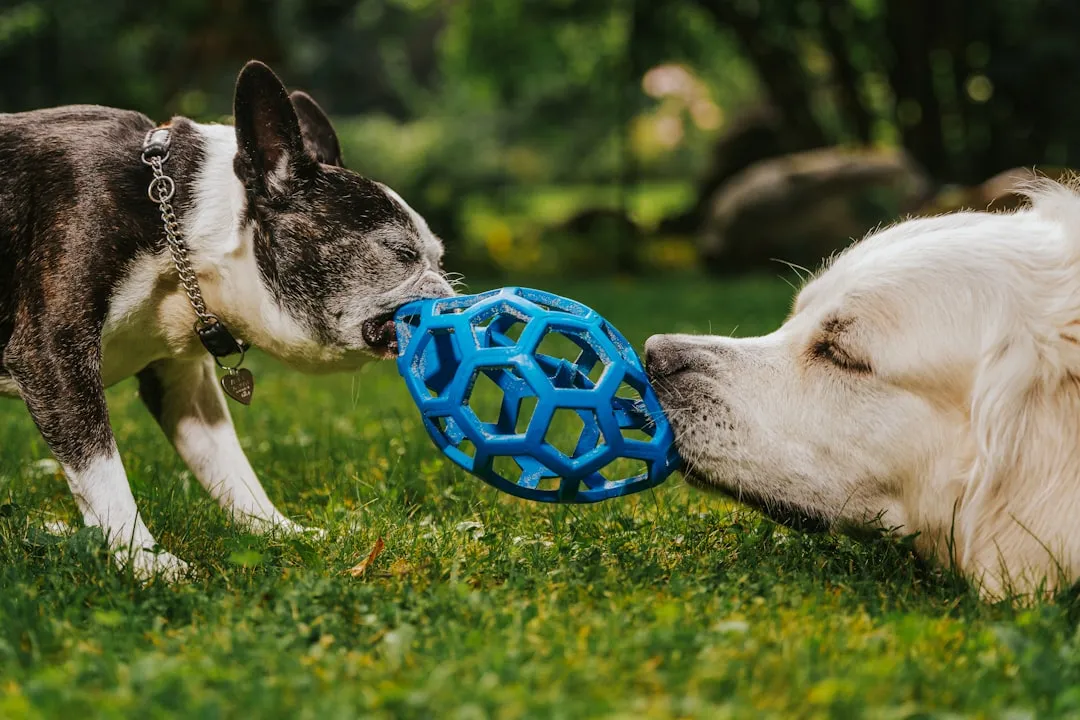
A lot of traumatized dogs won’t play at all – toys might as well be furniture. Others will play, but only alone, guarding their one precious prize like it’s the last good thing they own. So when a dog suddenly trots over, drops a toy at your feet, and looks up at you, that’s not just fetch. That’s an invitation into their world, and for an animal who’s been let down before, it’s a massive emotional risk.
You might notice they don’t quite know the rules yet. They’ll toss it, chase it themselves, then glance at your face to check your reaction. Sometimes what they bring you is ridiculous – a sock, a leaf, their own empty bowl. The object doesn’t matter; the sharing does. Resource-guarding easing up is one of the strongest signals that trust is forming, because they’re really asking, “If I give you this, will you take it away forever?” Answer that gently enough times and their offers get bolder.
#11 – They Stop Flinching at Everyday Noises
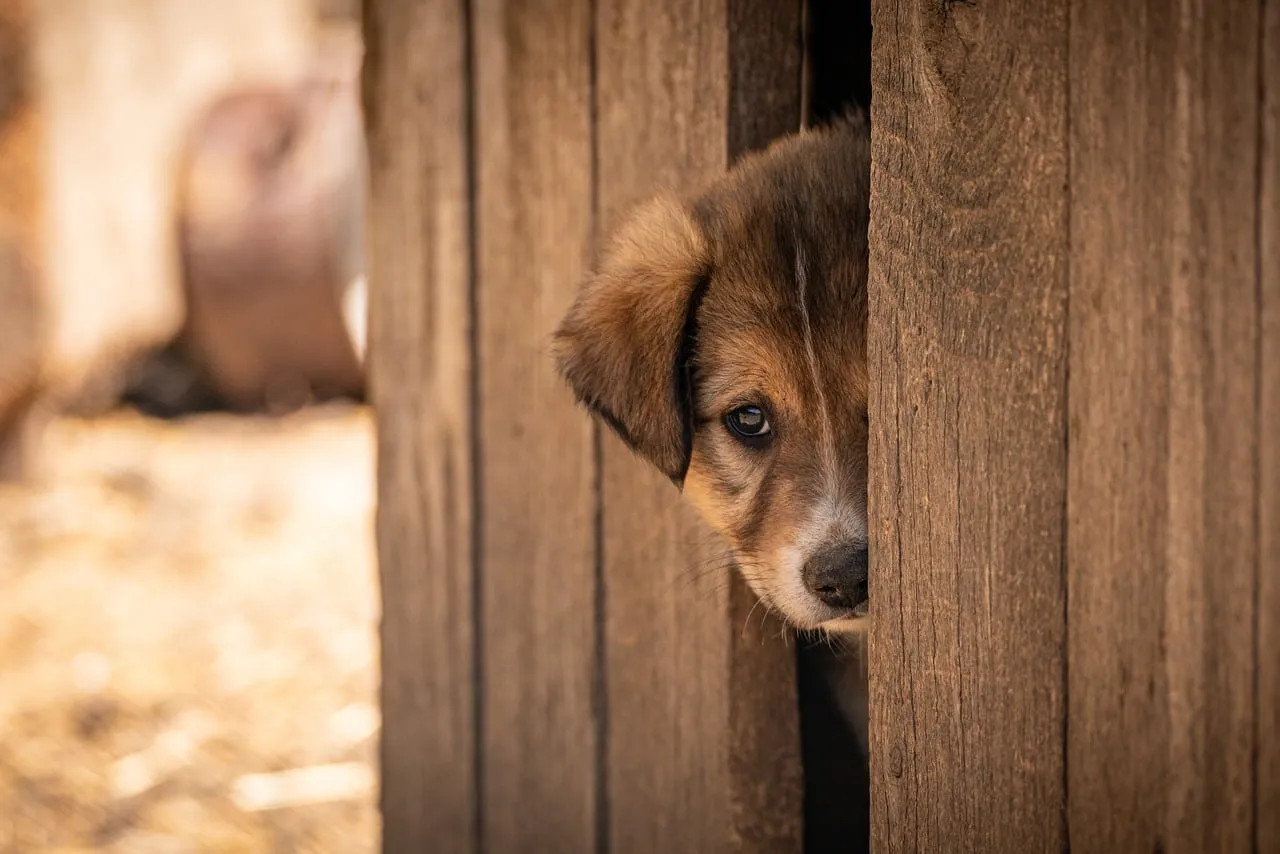
Shelters are loud places – barking, slamming doors, metal bowls clanging at all hours. A dog who’s survived neglect or violence often reacts like every sound is a warning shot. They jump at keys, cower at a dropped leash, freeze when a trash can lid closes. It’s heartbreaking, but it’s also just their nervous system doing exactly what past humans trained it to do: expect danger around every corner.
Healing shows up the day those same sounds fade into background noise. Someone drops a clipboard, and instead of pancaking to the floor, the dog just lifts their head, blinks, and goes back to chewing their toy. The vacuum roars past and they simply move to the other side of the room without panic. This isn’t toughening up – it’s learning that in this new life, sound doesn’t predict pain. Many rescuers say this shift, less startle and more curiosity, is when they know the dog’s brain is genuinely rewiring around people.
Fast Facts
- About 2.8 million dogs entered U.S. shelters and rescues in 2025
- Roughly 2 million of those dogs were adopted into homes that same year
- The national save rate for shelter animals held at approximately 82% in 2025
- Most incoming shelter dogs arrive as strays, often carrying unknown histories
#10 – They Greet You With a Stretch Instead of a Cower
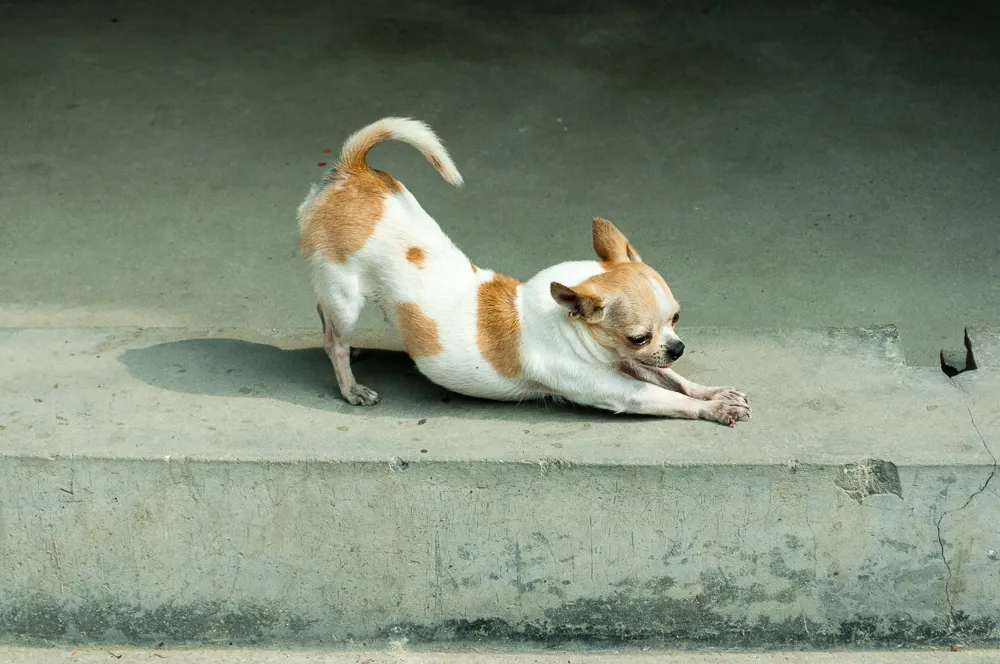
Early on, most shelter dogs greet humans one of two ways: frozen like a statue, or collapsed low to the ground. Both are survival strategies. They’ve learned that invisibility or extreme submission keeps them safe. So the first time you walk into the kennel and they stand, do a big loose stretch, and casually stroll over, that’s not laziness – that’s comfort.
Body language experts love this one because a stretch greeting almost always means the dog isn’t bracing for something bad. Their muscles are loose, their mouth may hang slightly open, their eyes go soft. Sometimes they’ll even yawn and shake off, the same way a person stretches after a good nap. It’s easy to miss because it looks so ordinary – but ordinary is exactly what a traumatized dog is chasing. A life where a person walking through the door just means “oh good, my person’s here,” not “what’s about to happen now?”
#9 – They Follow You… and Then Walk Away on Their Own
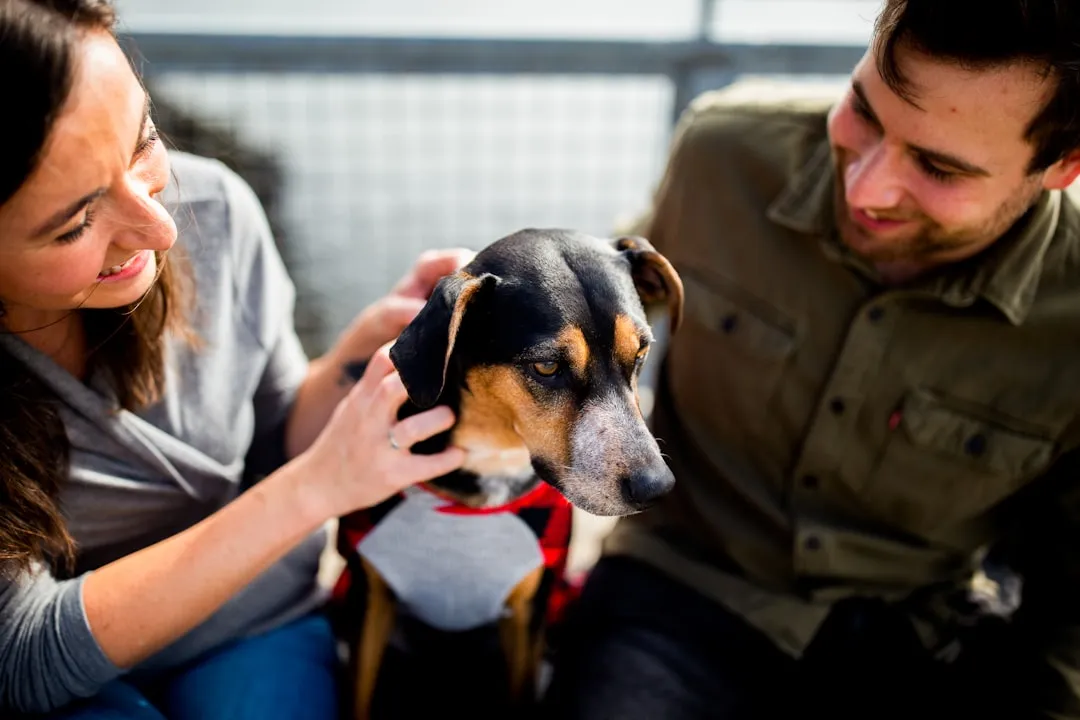
Clinginess gets misread as trust all the time. Plenty of freshly rescued dogs shadow their new person from room to room, glued to their ankles. It looks sweet, but for a lot of them it’s pure panic: if I lose you, I lose everything. Real belief in people shows up the moment they realize they don’t have to monitor you every second to keep you.
The tell is this: they follow you into a room, settle nearby, and then – key part – get up and leave before you do. Maybe they wander to a bed in the corner, or out of the room entirely. That’s a tiny act of faith, a bet that you’ll still be there when they come back. Rescue workers actually celebrate the day a velcro dog decides to nap out of sight. New owners sometimes read it as rejection. It’s the opposite – it’s the start of real security instead of survival-mode attachment.
Worth Knowing
- Clingy attachment: dog shadows constantly and panics the moment a human steps out of sight
- Secure attachment: dog checks in, then relaxes independently nearby
- Clingy dogs often pace, whine, or scratch at closed doors
- Secure dogs settle into a nap even while their person is in another room
#8 – They Accept Gentle Touch Without Freezing
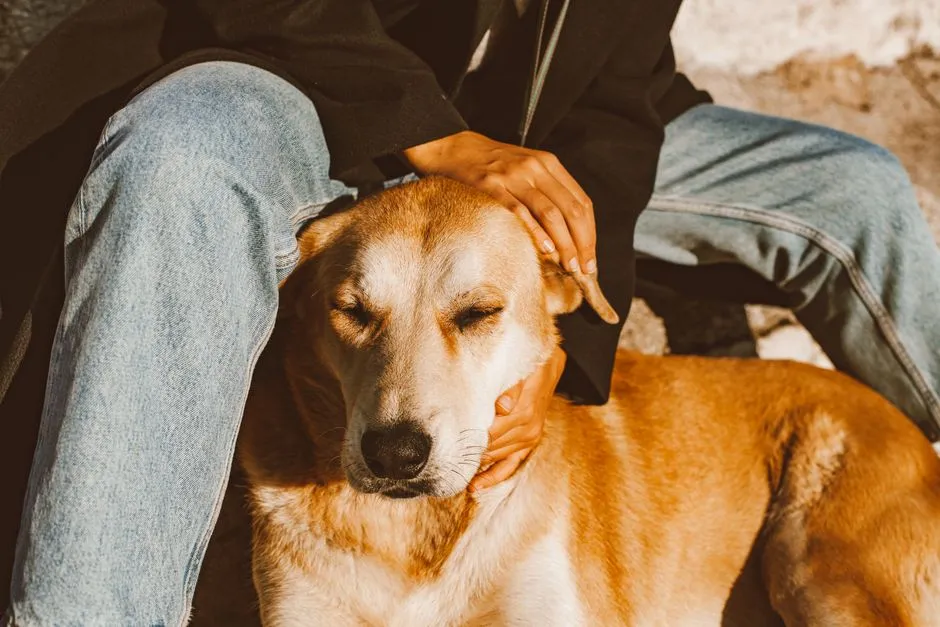
A lot of people rush the physical affection, assuming pets and hugs will fix a scared dog overnight. In reality, some dogs shut down even harder. They’ll stand rigid while you stroke them, eyes wide, breathing shallow – tolerating contact, not enjoying it. The real turning point is the day you lay a hand on them and their body melts instead of locking up.
Watch for the small shifts: their weight leans in instead of away, their eyes half-close, their breathing deepens. Sometimes they’ll nudge your hand for more, or reposition to offer up their favorite spot behind the ears or under the chin. Consent is the real sign of trust here – they’re saying, “I want this, on my terms.” For a dog whose past touches may have been rough or cruel, choosing to relax under a human hand is a genuinely radical act of faith.
#7 – They Show You Their Back (And Keep It There)
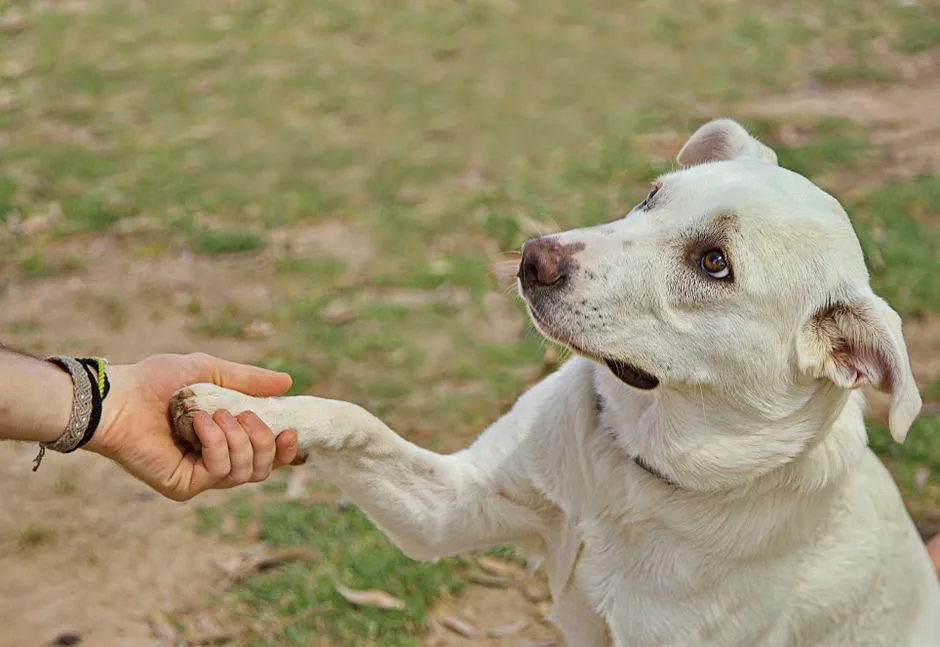
To a prey animal, turning your back is a risk. To a dog with a bad history, it can feel downright impossible. That’s why behaviorists quietly cheer the first time a hyper-vigilant dog flops down with their back facing the door, or facing their own person. It sounds small. It’s actually the opposite of self-protection.
You might notice it in little ways – they sit at your feet facing away instead of scanning your face, or they curl up on the couch with their spine pressed against your leg. In dog language, that’s an enormous vote of confidence. They’re trusting you to watch their blind spot. Shelter staff often track this over days or weeks, watching a dog who once faced the kennel entrance nonstop slowly rotate away from it, until one afternoon they’re snoozing with their back to the whole world.
#6 – They Start Checking In With You on Walks
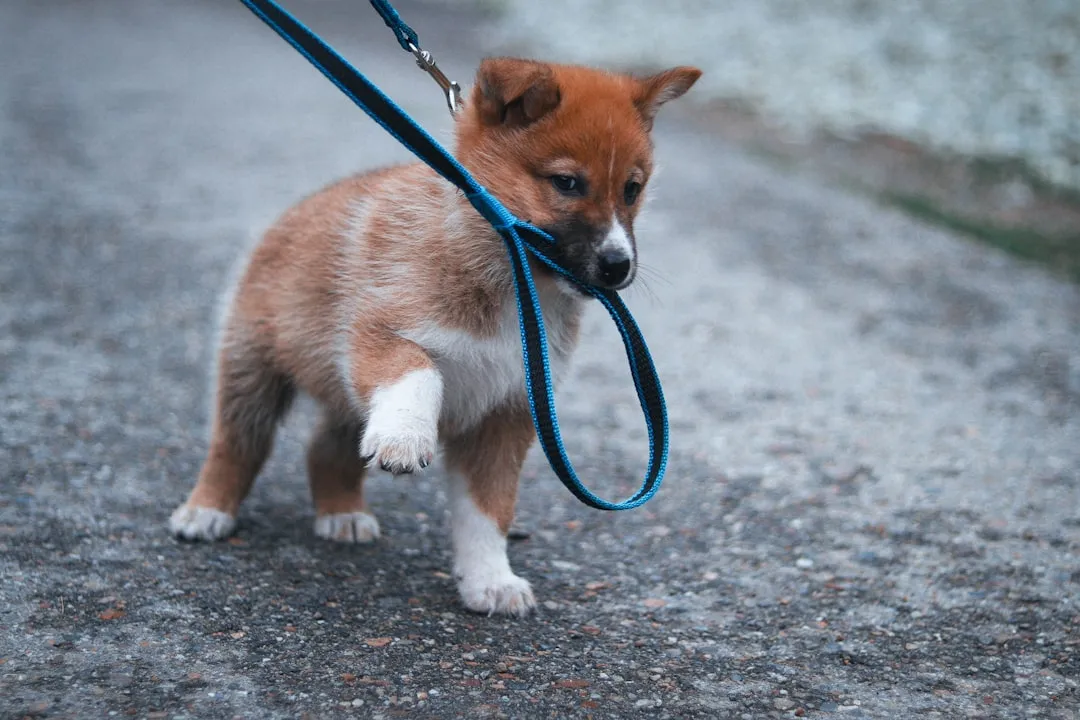
A shut-down dog on a leash often looks like a robot – head down, one flat pace, no curiosity at all. A hyper-alert dog is the opposite extreme, scanning constantly for threats, barely registering you’re even on the other end of the leash. The good sign lands somewhere in between: they start looking back at you on purpose.
You’ll see them pause to sniff a bush, then flick their eyes up to your face like they’re asking, “We good?” Sometimes they’ll come trotting back to your side without being called at all. Trainers call these check-ins, and they’re one of the clearest signs a dog is starting to see you as a safe anchor rather than just a handler on the other end of a leash. When a dog syncs their pace to yours instead of dragging or lagging, that’s a quiet agreement: you lead, I trust.
#5 – They Allow Themselves to Be Silly
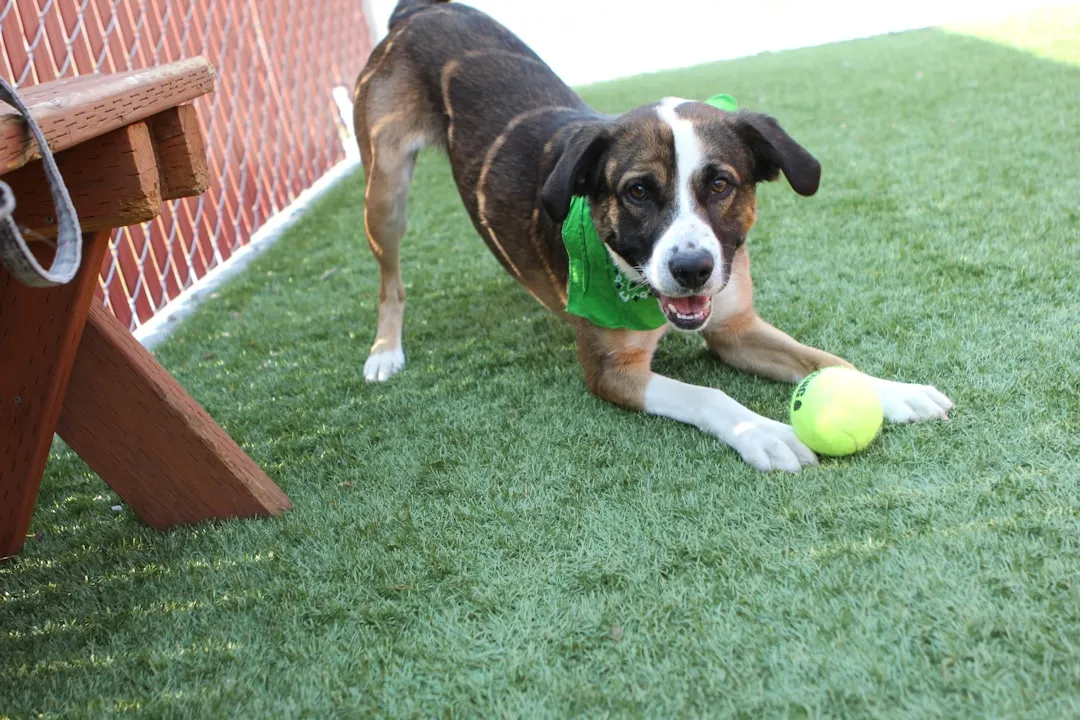
Serious, sad-eyed shelter dogs get a lot of sympathy photos, but the real heartbreaker is the dog who doesn’t know how to be goofy at all – no zoomies, no play bows, no ridiculous wiggle when you walk in the door. Their whole personality seems muted, like it’s been switched off. That’s exactly why silliness becomes such a powerful milestone.
The first time a previously solemn dog does a clumsy zoom around the living room or pounces on their own tail, you’re watching trust happen in real time. Play is a luxury behavior – animals simply don’t play when they believe they’re in danger. So when a dog starts rolling on their back with a toy, hopping sideways, or doing that goofy front-paw tap dance, it means one thing: they feel safe enough to finally let their guard down.
Dogs are not our whole life, but they make our lives whole.
Roger Caras
#4 – They Choose Your Lap Over the Door
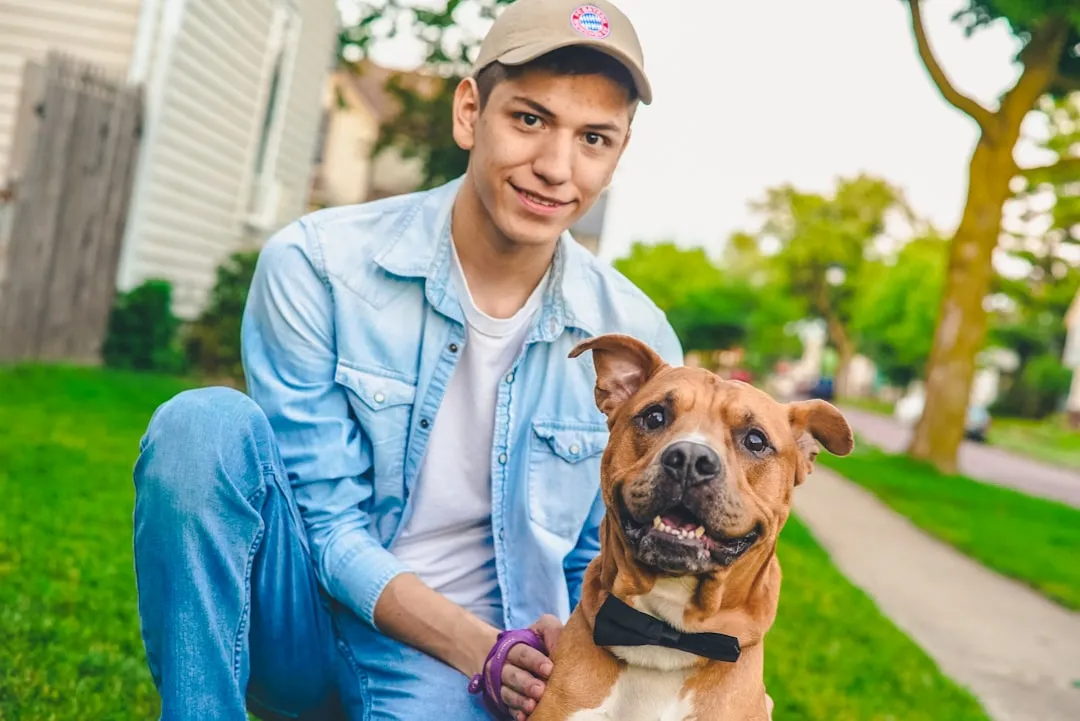
Plenty of newly adopted shelter dogs are obsessed with doorways – watching them, hovering nearby, parking themselves as close as possible just in case. It can look protective, but often it’s simple fear of being left behind again. So there’s a very different story being told the day they start ignoring the door and choosing you instead.
Maybe there’s commotion out in the hallway, and instead of rushing to monitor it, they climb onto the couch and curl against you. Visitors come and go, your dog sniffs them politely, then returns to plant themselves on your feet or lap. That choice – door versus human – is loaded with meaning. It says, “I’m not planning my escape route anymore. I’m planning my nap with you.” Long-time fosterers see it as a dog quietly rewriting their idea of home around a person instead of a place.
#3 – They Handle Small Disappointments Without Falling Apart
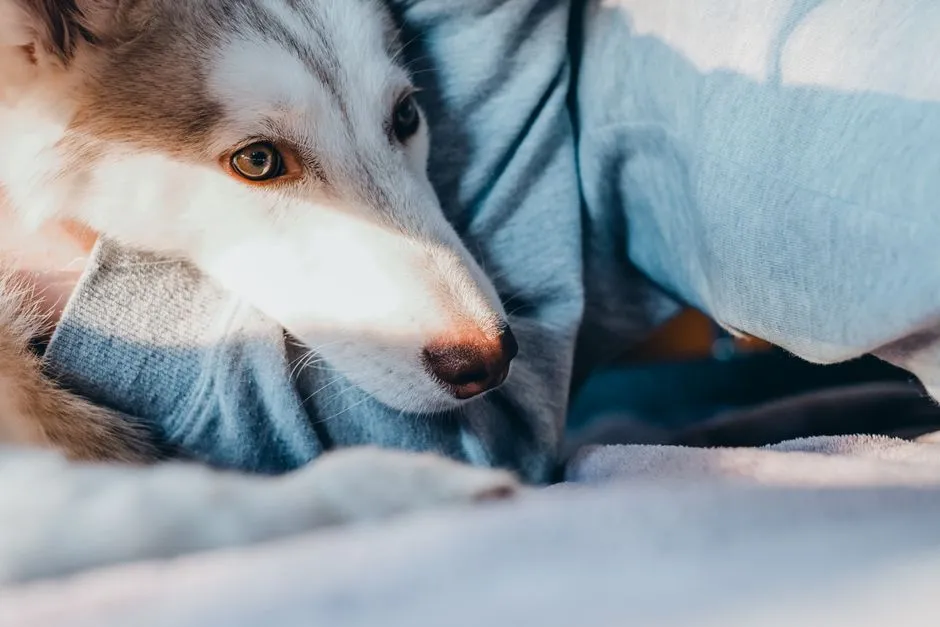
This is one of the most overlooked signs, and one of the most honest. Dogs with shaky trust often react badly to minor frustrations – you walk past the treat jar without grabbing one, and they spiral into barking, pacing, or shutting down completely. It’s not entitlement, it’s fear. In their past, good things may have been rare and vanished fast, so any “no” feels like the end of the world.
Healing shows up in the everyday not-yets. You stop a game to take a phone call, and instead of melting down, they sigh and flop onto their bed. Dinner runs five minutes late, and they wait by the bowl without panicking. That kind of resilience to tiny disappointments is a huge emotional upgrade – it means they’re starting to believe one missed treat doesn’t predict abandonment, and one boundary doesn’t mean cruelty. Behavioral experts quietly watch for this far more than they watch for flashy tricks.
Why It Stands Out
- It’s a low-visibility milestone most adopters scroll right past without noticing
- It signals real emotional regulation, not just obedience or training
- It shows the dog no longer equates a simple “no” with abandonment
- It often appears months before flashier signs like couch-cuddling or belly-up naps
#2 – They Look to You When They’re Unsure, Not Away From You
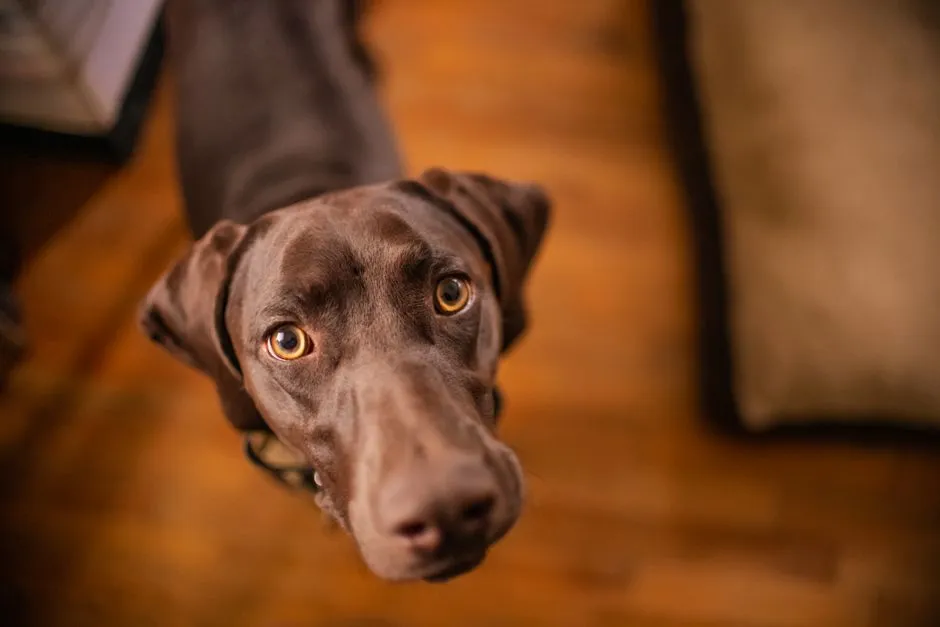
Traumatized dogs often go dark when they’re scared – shutting down eye contact, avoiding you, retreating to a corner. To them, people are part of the threat, not the solution. The game-changing moment arrives when something spooks them, a loud motorcycle or a stranger walking up, and instead of bolting or freezing, they turn their head and look straight at you.
That glance is everything. It’s a question: what do we do? Good adopters answer by staying calm, keeping their voice soft, letting the dog observe without forcing contact. Over time those glances become automatic – new situation, look at my human; strange dog, check with my person. This seeking-guidance behavior is one of the clearest indicators that a dog sees you, specifically you, as their safe base. Not the food bowl. Not the crate. You.
#1 – They Let Themselves Fall Asleep on You
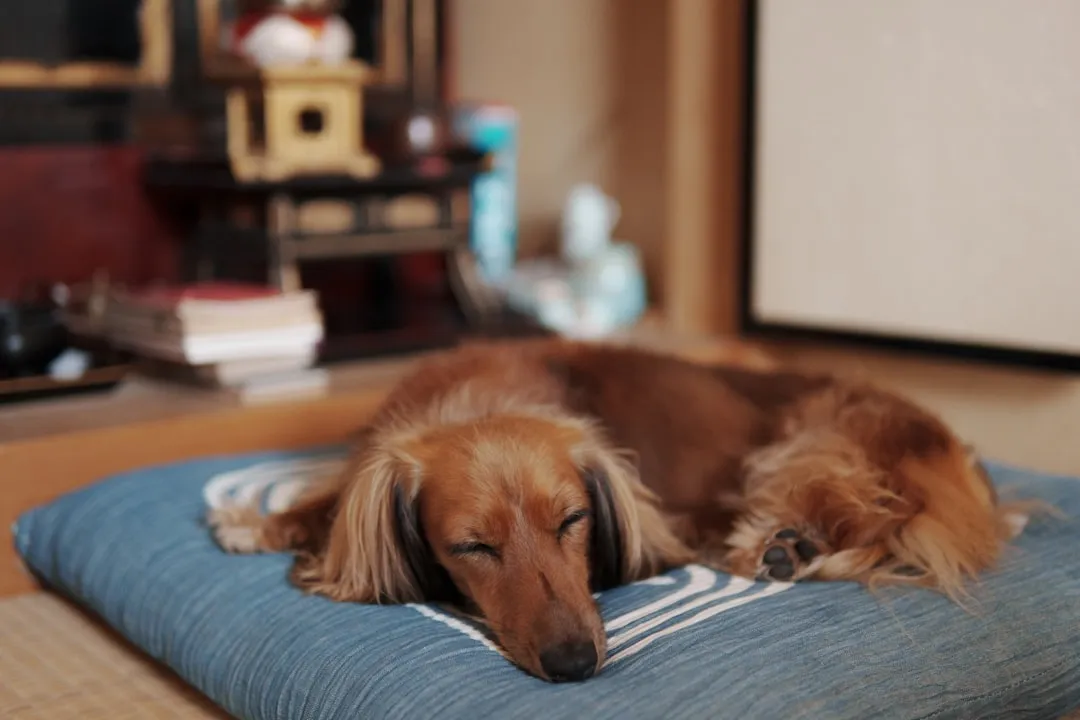
Anyone can get a scared dog to eat a treat or tolerate a pat. Sleep is different. Sleep is surrender. For a dog who’s been hurt or abandoned, closing their eyes right next to a human might be the bravest thing they ever do. The day they climb onto your bed or lap, circle once, and sink into a deep, loose sleep against your body, that’s the day their heart has clearly decided: I’m safe.
You’ll feel the shift yourself. Their breathing evens out, their muscles go from guarded to floppy, and sometimes they’ll twitch through a dream and burrow closer instead of jolting awake. They’re literally trusting you with their unconscious body. Long-time foster homes will tell you this is the moment they end up crying quietly in the kitchen, because it was never about comfort. It’s about faith – a dog deciding that people, or at least this person, are worth believing in again.
The Bottom Line
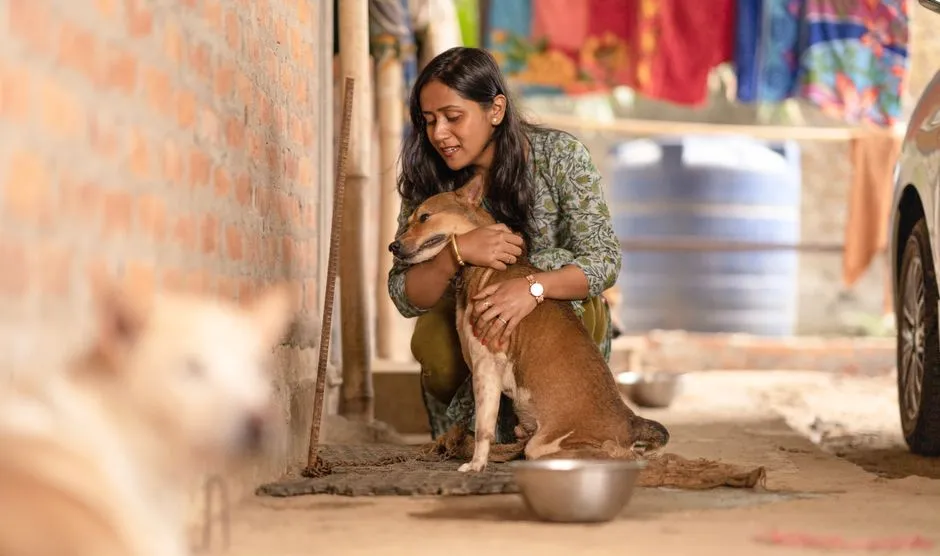
Most people go hunting for the big, dramatic transformation – the first kiss, the first zoomies, the first joyful tail wag at the door. But a shelter dog’s belief in people actually comes back in tiny, almost invisible gestures: eating with their back turned, napping in the open, glancing at you when they’re scared, choosing your lap over the door.
Some will say we’re over-reading normal dog quirks here. They haven’t watched a shut-down dog slowly unfold over months, one stretch and one stolen sock at a time. These signs aren’t cute extras. They’re proof that consistency, patience, and plain, boring kindness actually work – and honestly, that’s the whole story. Which of these have you watched happen in your own dog, and what would you add to the list?
