
Nature is brutal. Honest, beautiful, breathtaking – but absolutely brutal. Every single day, countless animals wake up with one overriding goal: don’t get eaten. It sounds simple, yet the solutions that evolution has engineered to solve this problem are anything but.
Some animals run. Some hide. Some fight back. Yet a significant portion of the animal kingdom has developed defense strategies so outlandish, so wildly creative, that they almost feel like cheating. We’re talking about creatures that squirt blood from their eyes, explode on purpose, or throw their own intestines at attackers. Yes, really.
What follows is a deep dive into 14 of the most jaw-dropping, eyebrow-raising, and occasionally stomach-churning defense mechanisms in the entire animal kingdom. Let’s dive in.
1. The Hagfish: Drowning Predators in Slime
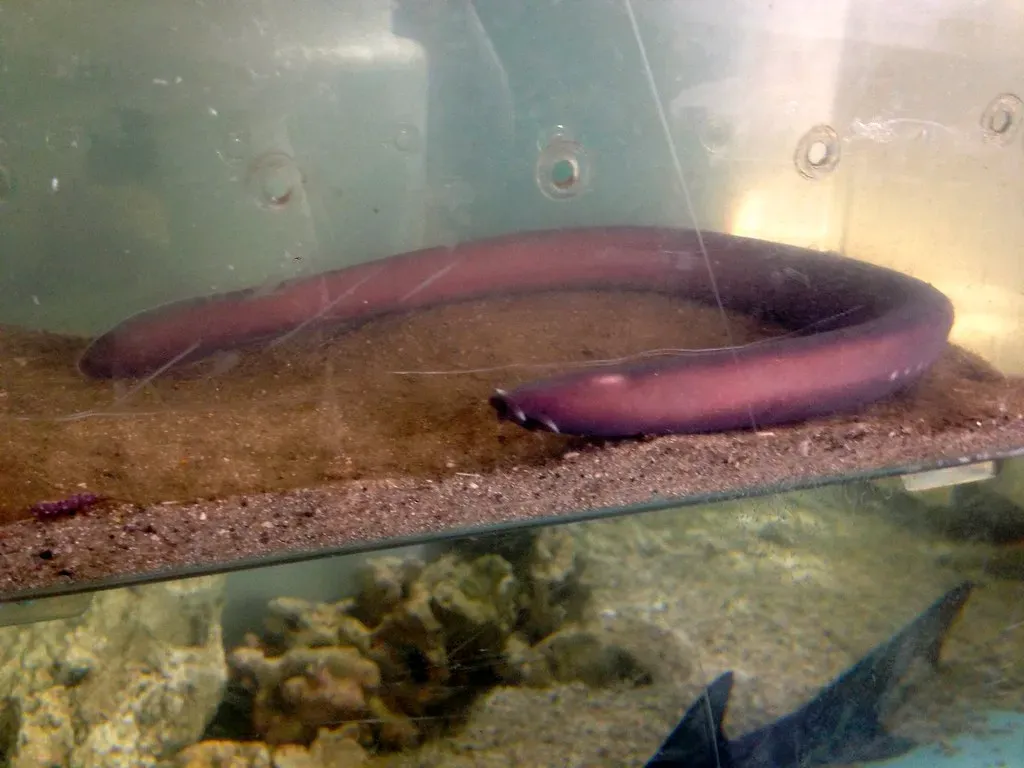
Let’s be real – nobody thinks of hagfish as fearsome. They’re slow, primitive, and resemble something you’d find at the bottom of a nightmare. Yet the hagfish has one of the most effective defensive weapons on the planet: an almost supernatural ability to produce slime.
When threatened, these slow swimmers deploy slime in extraordinary quantities – in some experiments, one hagfish filled a two-gallon bucket with slime in mere seconds. That’s not a typo. A two-gallon bucket. In seconds.
One large hagfish may be able to gelatinize over 100 liters of water, and the slime quickly contracts, trapping or even clogging the gills of attacking predators. While the predator tries to unstick itself or breathe, the hagfish can wriggle away. It’s essentially biological warfare with goo, and it works brilliantly.
2. The Texas Horned Lizard: Squirting Blood from Its Eyes
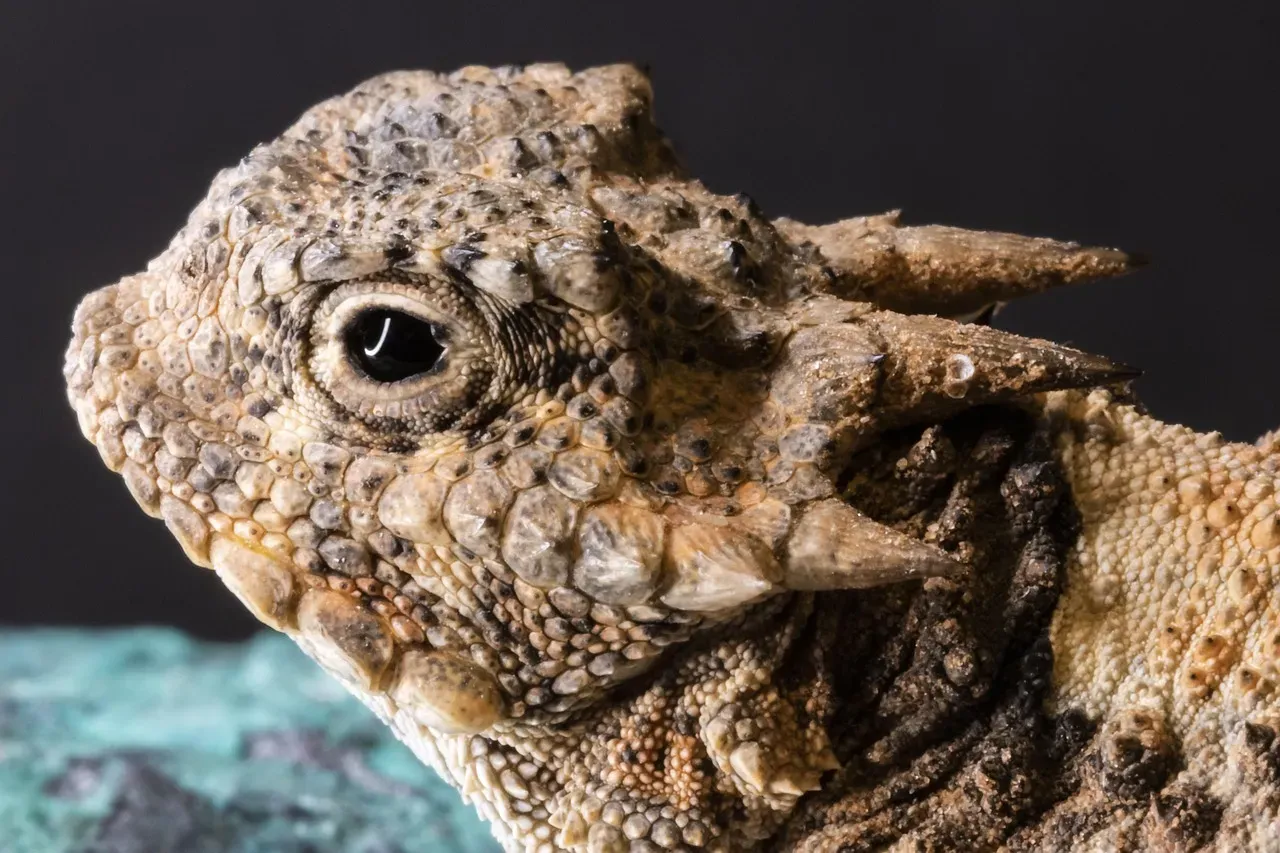
I know it sounds like something a comic book writer invented, but the Texas horned lizard does exactly what it says on the tin. This unassuming little reptile has one of the most shocking escape tricks ever recorded in the animal world.
One of the most bizarre survival strategies in the reptile world belongs to the horned lizard. When under threat, it increases blood pressure in its head until small blood vessels burst, allowing it to squirt streams of blood from its eyes. This grotesque defense mechanism not only startles predators but also contains foul-tasting chemicals that deter would-be attackers.
The technique is most effective against canine predators like coyotes or foxes. A coyote in search of a meal is instead sprayed in the face with blood. Moreover, the blood may smell unpleasant to the coyote, further distracting the predator. While the predator clears its face, the lizard can dash for cover. Honestly, good for it.
3. The Mimic Octopus: Master of a Thousand Disguises
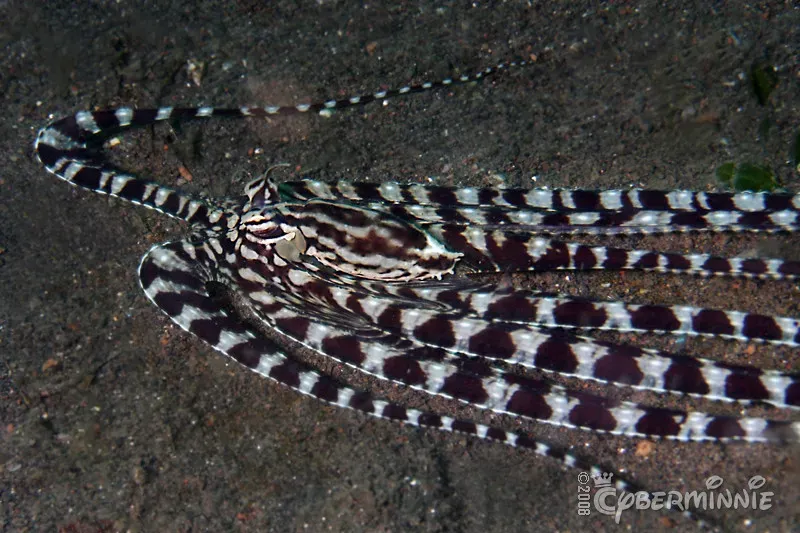
Most animals pick one disguise and stick with it. The mimic octopus never got that memo. This remarkable creature, found in the shallow waters of the Indo-Pacific, takes impersonation to a level that borders on performance art.
The mimic octopus has an extraordinary defense mechanism since it can mimic the appearance and behavior of more than 15 marine species. Besides changing their colors to disguise themselves, they can also contort their bodies to take on the appearance and behavior of several different animals, including lionfish, sea snakes, and flatfish. This form of mimicry is not just a passive defense but an active strategy to confuse or deter predators by imitating species known to be venomous or unpalatable.
The mimic octopus has color-changing cells, or chromatophores, covering its skin. This allows the animal to change color by quickly expanding or contracting the cells, blending into its environment. Think of it as a living, breathing shapeshifter with an extensive wardrobe and zero limitations.
4. The Sea Cucumber: Throwing Its Own Organs at Attackers
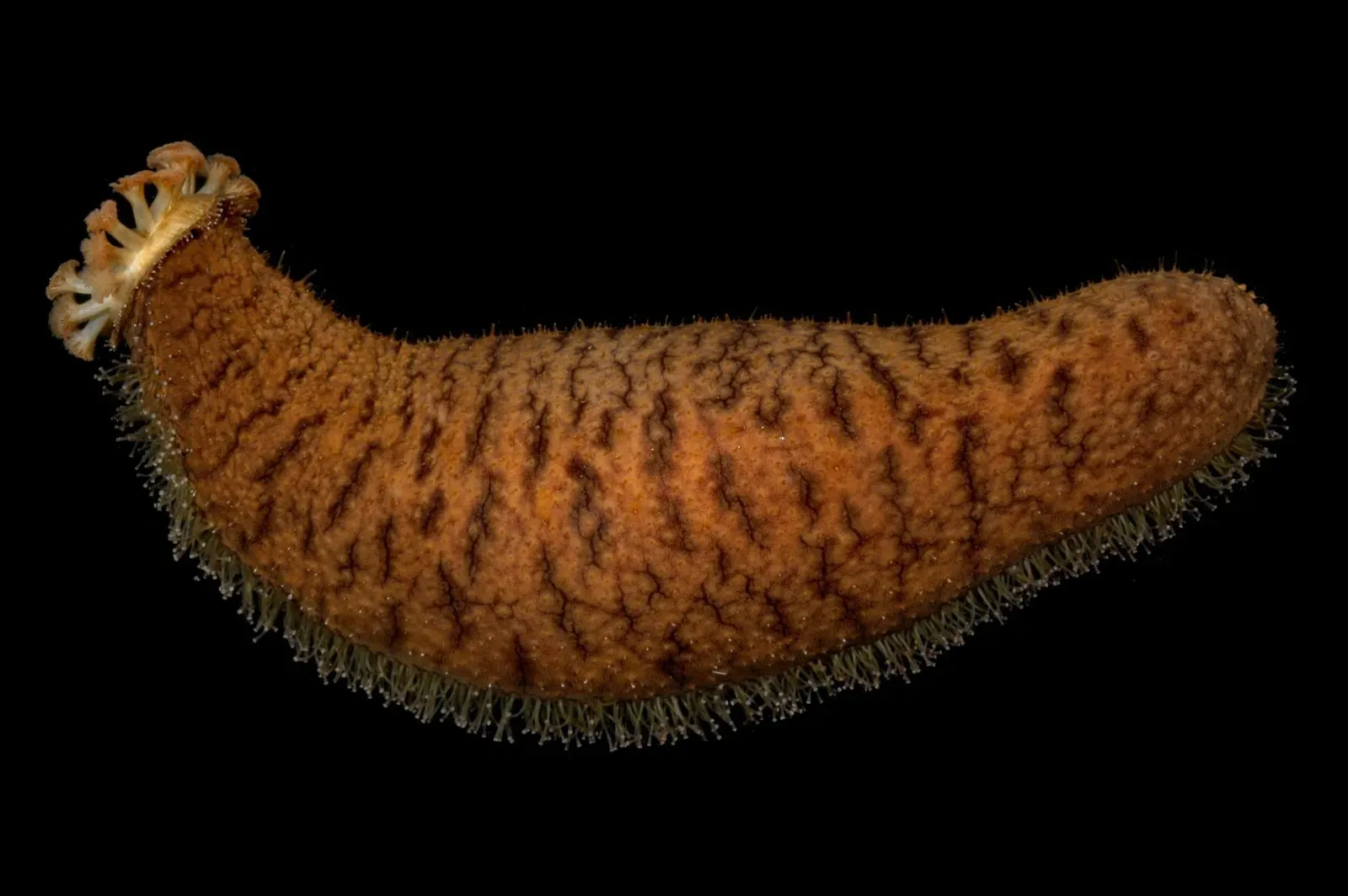
Here’s a creature that fully commits to the idea that the best defense is utter chaos. The sea cucumber, slow and defenseless-looking on the ocean floor, has a defense mechanism that makes even hardened marine biologists do a double take.
The sea cucumber has an interesting, if seemingly disgusting, defense mechanism. When threatened, it can eject its own sticky intestines and other organs out of its anus. This entangles the would-be predator. The organs can also contain a poison called holothurin. This ejection of organs is not fatal, but it takes the sea cucumber around 6 weeks to fully regenerate any lost organs.
Sea cucumbers are able to eviscerate when harassed by a predator. These are not fast animals, so this action does not allow them to escape, but it might satisfy or disgust the predator enough to make it lose interest in the rest of the sea cucumber. Losing a large portion of its digestive tract interferes with feeding, but the sea cucumber can regenerate those parts of the gut that were eviscerated, restoring itself to original function. Nature is wild.
5. The Bombardier Beetle: Firing a Boiling Chemical Cannon
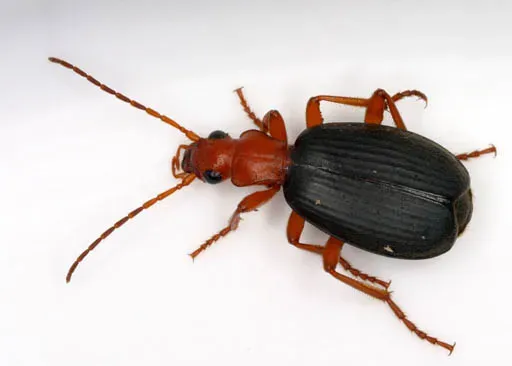
Imagine carrying two separate chemical tanks inside your body that, when combined, create a near-boiling explosion. That’s everyday life for the bombardier beetle, and it makes this tiny insect one of the most chemically sophisticated creatures alive.
These insects have two chambers within their bodies that contain two different chemicals, and when threatened they mix these chemicals and spray them out their back end. The temperature of these chemicals is close to boiling water and hot enough to send any predator running. The only reason these insects can survive with these chemicals in their bodies is because they are kept in separate chambers and don’t produce heat until they are mixed together.
The bombardier beetle has been a subject of interest in chemistry and biochemistry, offering insights into the evolution of chemical defenses. These animals are inspiring designers of engines, drug-delivery devices, and fire extinguishers to improve spray technologies. Additionally, the strength of the bombardier beetle’s internal chambers against the explosive pressure it generates has been explored for the design of helmets. A bug that inspires human engineering. Remarkable.
6. The Opossum: The Ultimate Method Actor
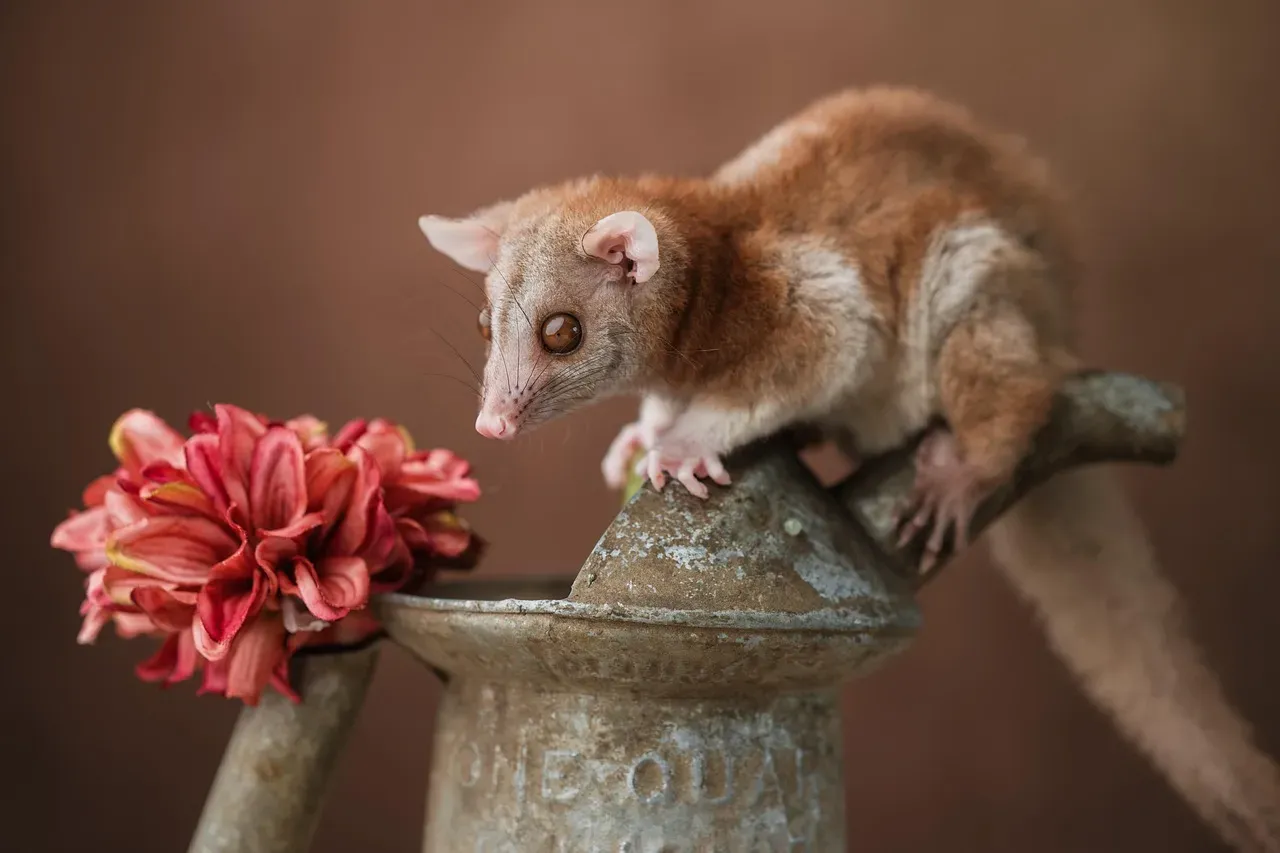
Playing dead is one thing. The opossum has elevated it into a full theatrical production, complete with smell effects, bodily fluids, and convincing stillness. It’s not acting, though – not exactly.
Opossums are notorious for playing dead, and they are very good at it. It’s not really an act in the true sense. They don’t actively decide to play dead. It’s an involuntary response that is more like fainting.
When threatened, an opossum collapses, drools, releases a foul-smelling fluid, and slows its breathing to appear lifeless. This theatrical display can last for hours, deterring predators who prefer live prey. The foul-smelling fluid mimics the scent of rotting flesh, which is frankly genius. It’s a full sensory illusion – smell, appearance, and total stillness, all rolled into one involuntary survival package.
7. The Iberian Ribbed Newt: Wolverine with Poisoned Bones
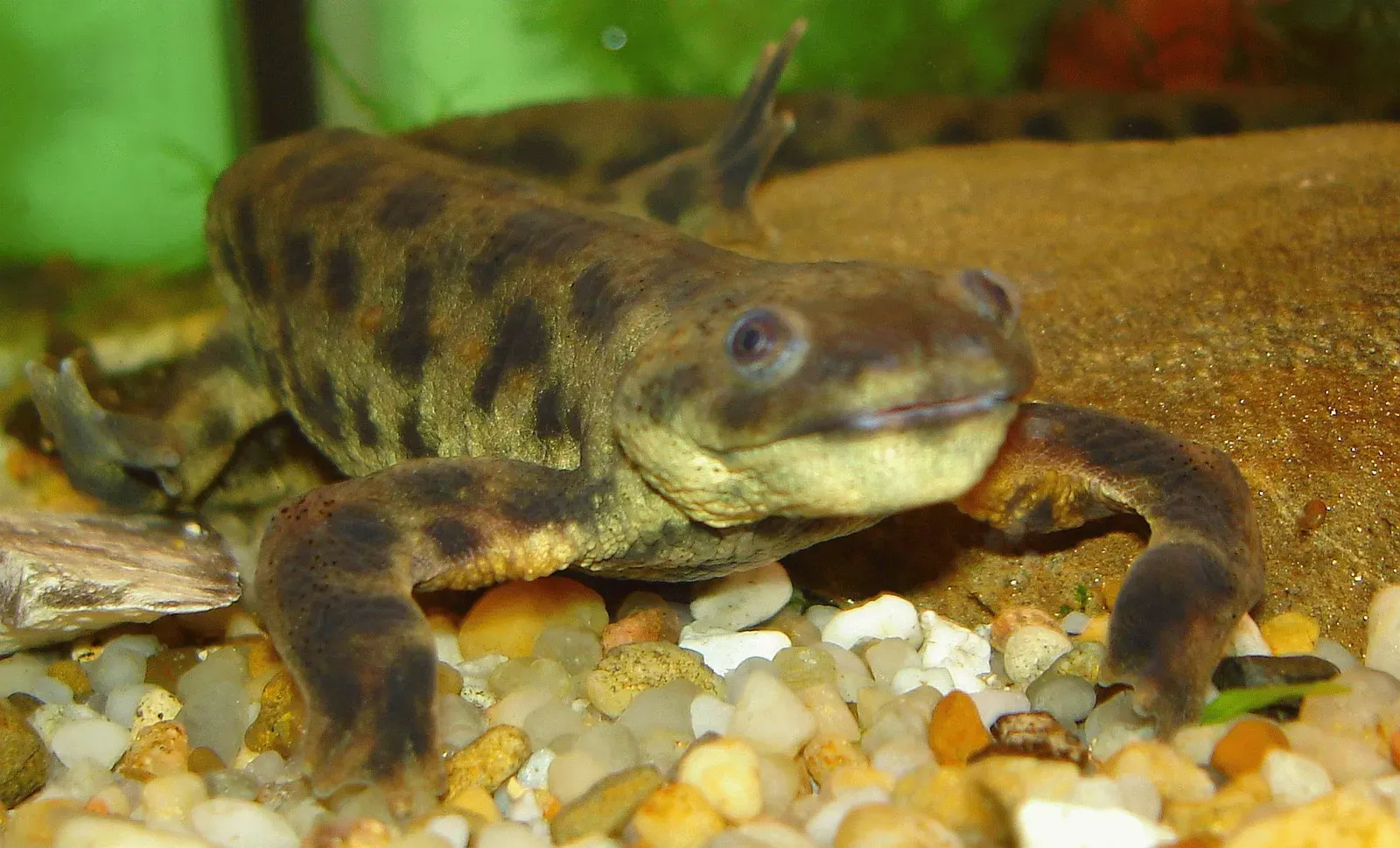
If you thought bones were just for structure and support, the Iberian ribbed newt has a completely different idea. This small amphibian has developed a defense mechanism so extreme it should probably come with a warning label.
When attacked, this newt adopts a posture where its back is arched and its head tucked down; this has the effect of thrusting the animal’s sharp ribs outward. The ribs actually penetrate the skin, which is coated with irritating compounds. The newt is now covered in sharp, mildly poisonous spines.
The newt rapidly thrashes its body, lacerating the unsuspecting predator’s mouth or face. Most predators release the newt, which relaxes its stance, withdrawing the ribs back inside. The newts can adopt this seemingly damaging tactic since amphibian skin has a remarkable ability to heal rapidly. It basically weaponizes its own skeleton. Few defense strategies in nature are quite this audacious.
8. The Pufferfish: Blowing Up Into an Impossible Meal
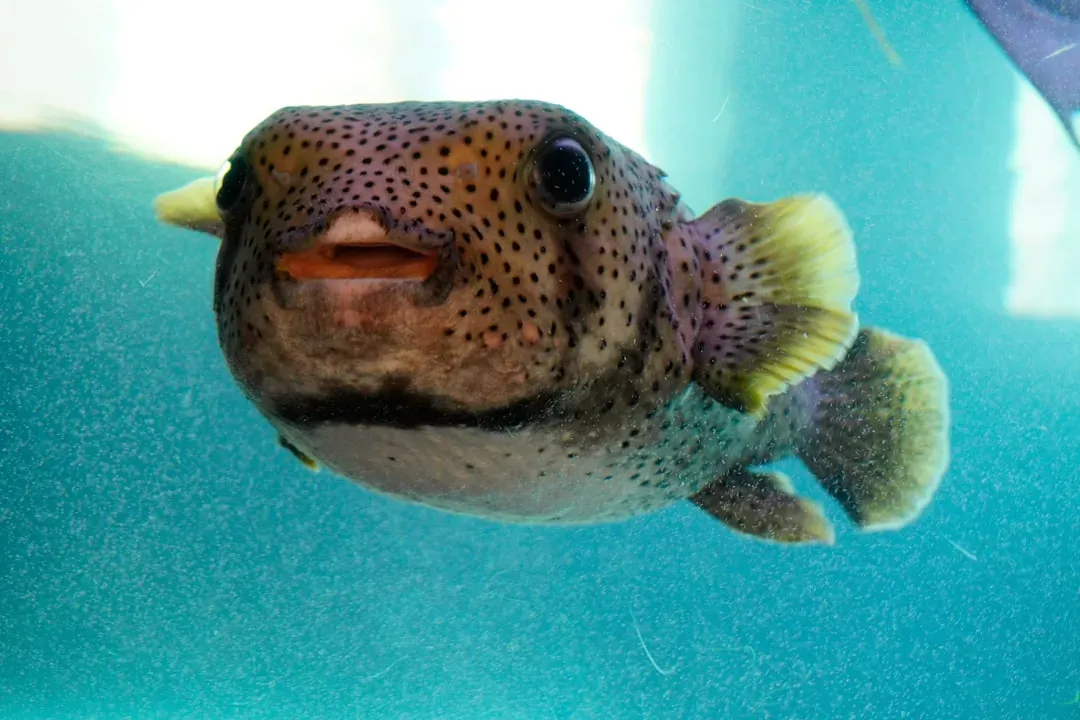
The pufferfish looks innocent enough when it’s calm. The moment danger arrives, however, it transforms into something no predator in its right mind would attempt to swallow. Think of it like a tiny, spiky balloon with attitude.
The pufferfish, hiding beneath its unassuming exterior, holds a unique defense strategy. When threatened, it gulps water and air to inflate its body, becoming a spiky, unpalatable ball that predators find difficult to swallow. Some pufferfish species also produce tetrodotoxin, making them poisonous. This dual defense of physical transformation and chemical deterrent is highly effective in dissuading attackers.
It’s a two-for-one survival deal. First, the physical inflation makes swallowing geometrically impossible. Then, the toxin ensures that even the most stubborn or curious predator immediately regrets the attempt. Honestly, the pufferfish might be the best-defended small fish in any ocean.
9. The Slow Loris: The Only Venomous Primate
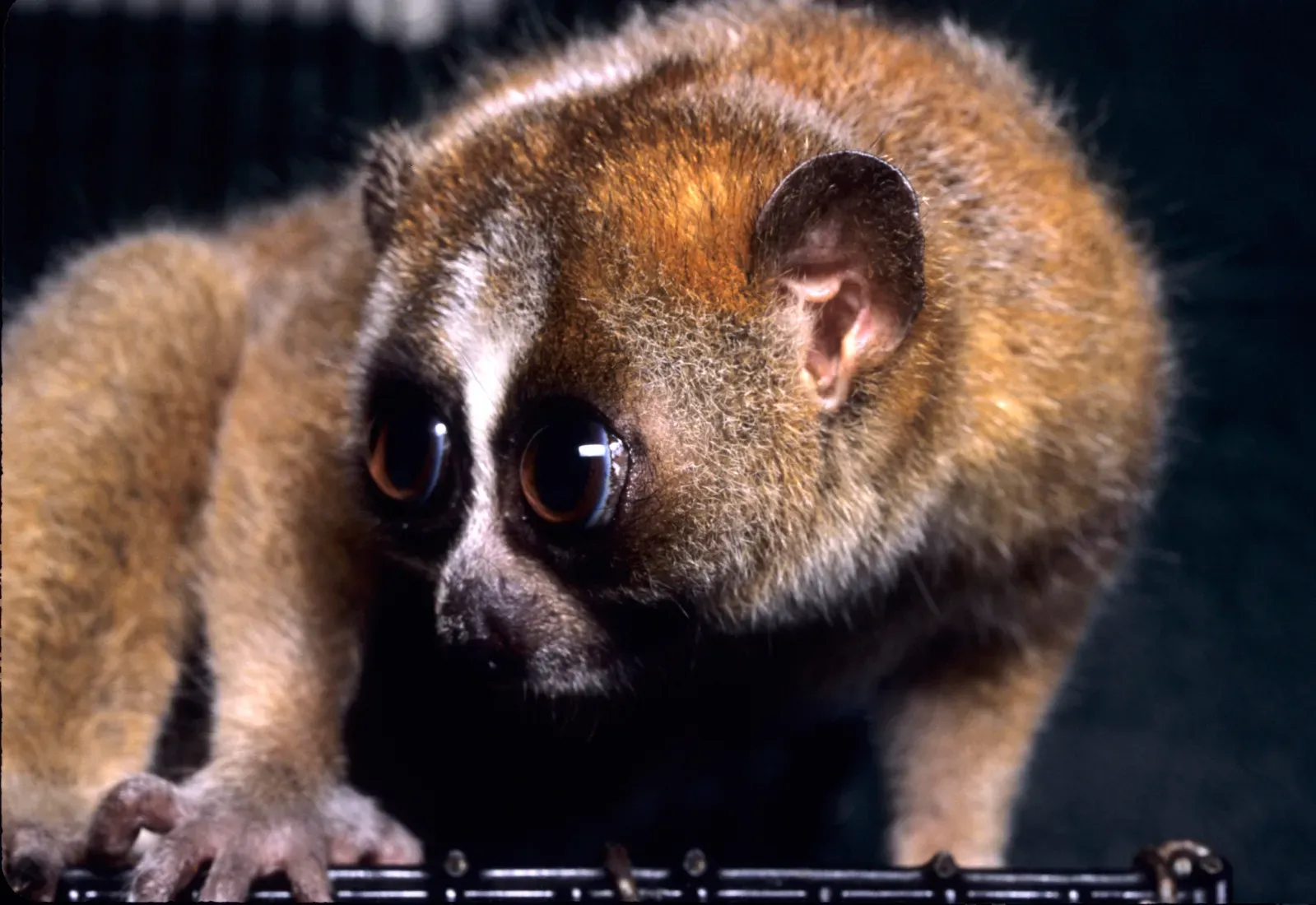
Most primates rely on social bonds, intelligence, and speed to survive. The slow loris took a completely different evolutionary path. It’s slow – devastatingly so – yet it remains one of the most chemically dangerous animals in its habitat.
Normally a very slow-moving creature, the loris is rather vulnerable to predators. To counteract this, it has poisonous glands on its arms that it rubs on its fur or licks to make the teeth poisonous in order to defend itself. More amazing still, the toxin is only activated when mixed with the loris’s saliva in a natural chemical reaction. This makes it the only known venomous primate.
For some predators, this poison can cause anaphylactic shock. That’s a serious escalation for a small, wide-eyed creature that moves like it’s perpetually exhausted. It’s a reminder that in nature, looking harmless and being harmless are two very different things.
10. The Boxer Crab: Fighting With Sea Anemone Boxing Gloves
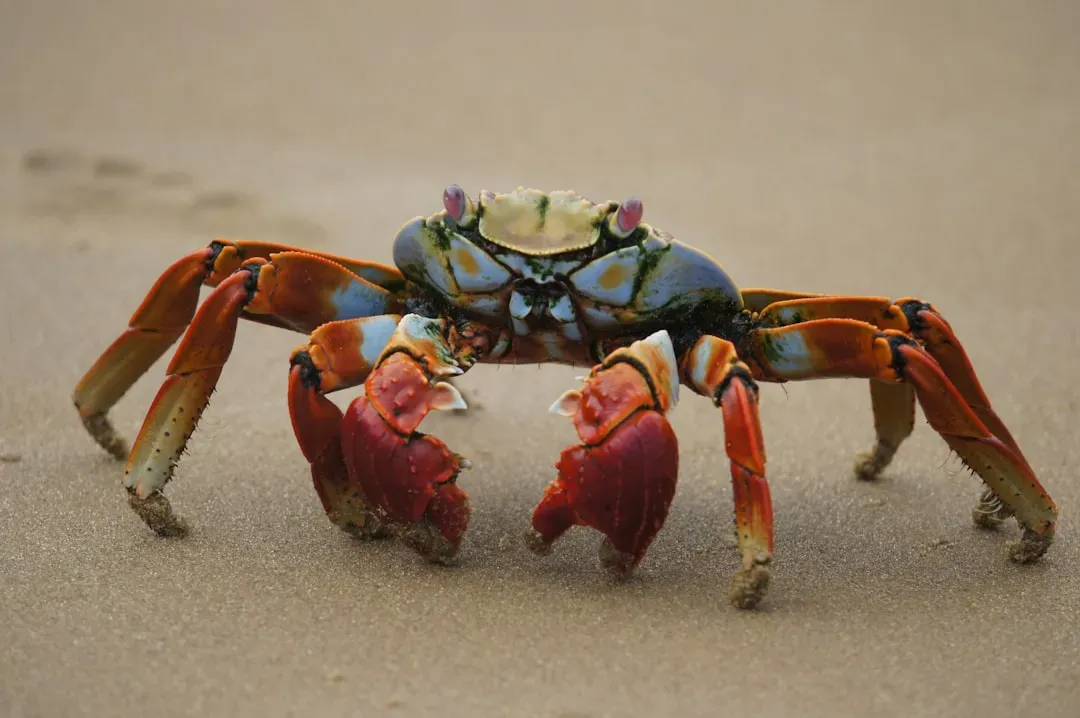
If you needed proof that evolution has a sense of humor, look no further than the boxer crab. This small crustacean quite literally equips itself with living weapons that sting on contact. It’s absurd. It’s also completely real.
The boxer crab’s greatest defense mechanism involves using sea anemones as boxing gloves to ward off predators. Sea anemones are surrounded by dangerous tentacles covered in stinging cells. By entering into a mutually beneficial relationship, boxer crabs allow anemones to get a free ride on their claws. In return, the crab gets to use them as poisonous “boxing” gloves.
This arrangement is a textbook example of mutualism – both the crab and the anemone benefit. The anemone gets transported to food sources, while the crab gains a pair of venomous fists. It’s a partnership so practical and clever that it almost feels calculated. Which, in the grand sense of evolutionary pressure, it essentially is.
11. The Malaysian Exploding Ant: Dying to Protect the Colony
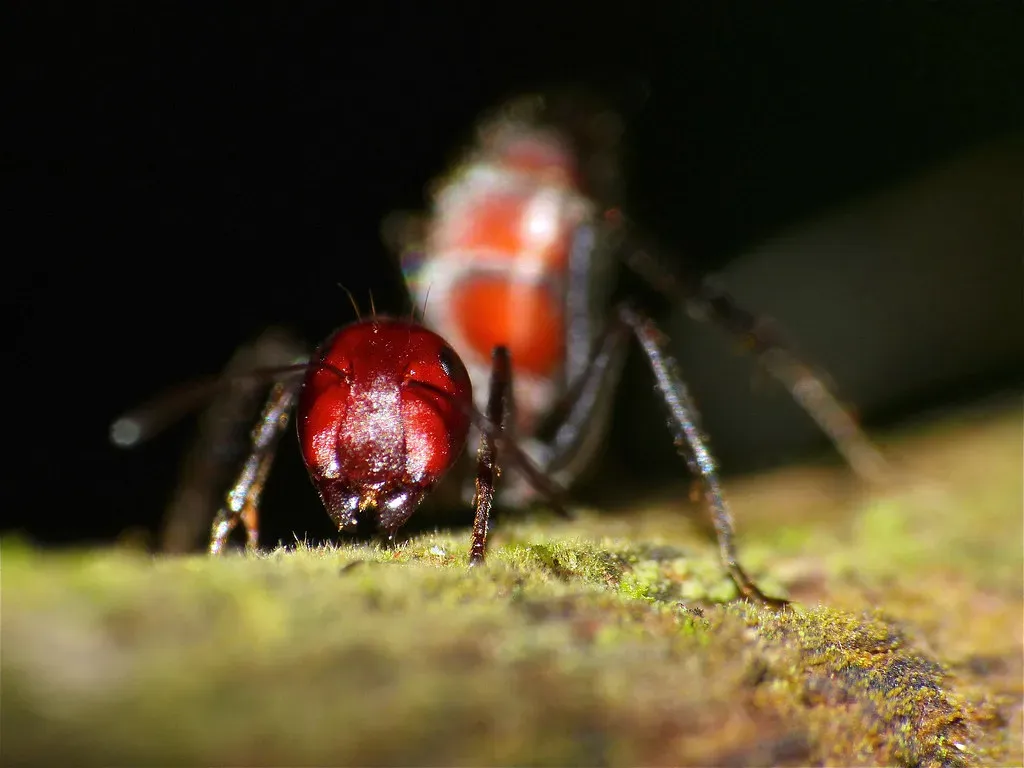
Few defense mechanisms demand more sacrifice than this one. The Malaysian exploding ant doesn’t just fight for itself – it turns itself into a biological bomb for the good of every ant around it. The ultimate team player, in the most extreme way imaginable.
These ants might have one of nature’s greatest hostile defense mechanisms. Soldier Malaysian ants have two large poison glands that the ant employs to incapacitate invaders and defend the colony. It does this by violently flexing so that its abdomen splits open and that causes the fluid-filled glands to burst and spray the enemy with the sticky poisonous substance. This also ends the soldier ant’s life, but can seriously hamper or even kill the attacker.
I think it’s both terrifying and strangely moving. An entire individual sacrifices itself so that its colony survives. Evolution, it turns out, doesn’t always favor individual survival – sometimes the math works better when one life saves hundreds. It’s a sobering thought wrapped inside one of nature’s most explosive moments.
12. Lizards and Geckos: Shedding Tails and Skin to Escape
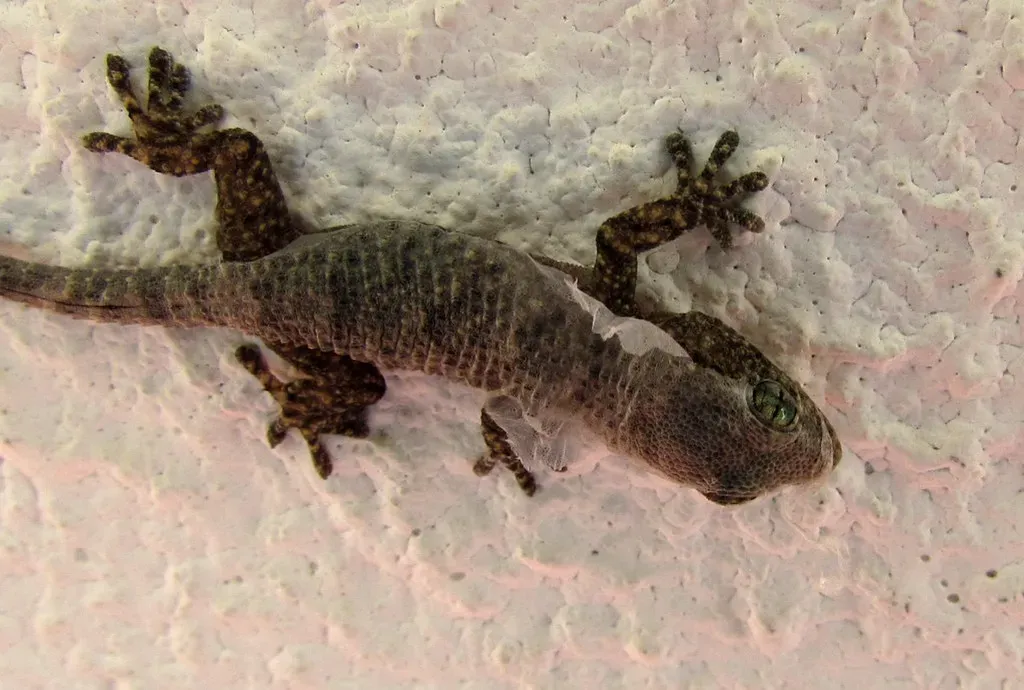
Autotomy – the voluntary sacrifice of a body part – is one of nature’s cleverest escape tricks. Lizards have mastered this art over millions of years, and the results are genuinely impressive to witness.
Lizards are well known for their ability to release the tips of their tails when grabbed by a predator. The predator is distracted, and perhaps satisfied, by the wiggling piece of flesh, and in the meantime, the remainder of the lizard scampers off to safety.
Geckos release skin instead of tails. The part of the skin that is grabbed by the predator is released, enabling the gecko to break free and escape. A type of fish scale gecko recently discovered in Madagascar sheds virtually all of its scales when grabbed. The scale-free lizard, which resembles a raw chicken breast, flees while the unlucky predator is literally left holding the bag. It’s a bit horrifying, honestly. Yet it works every single time.
13. The Cuttlefish: A Living Canvas of Illusion
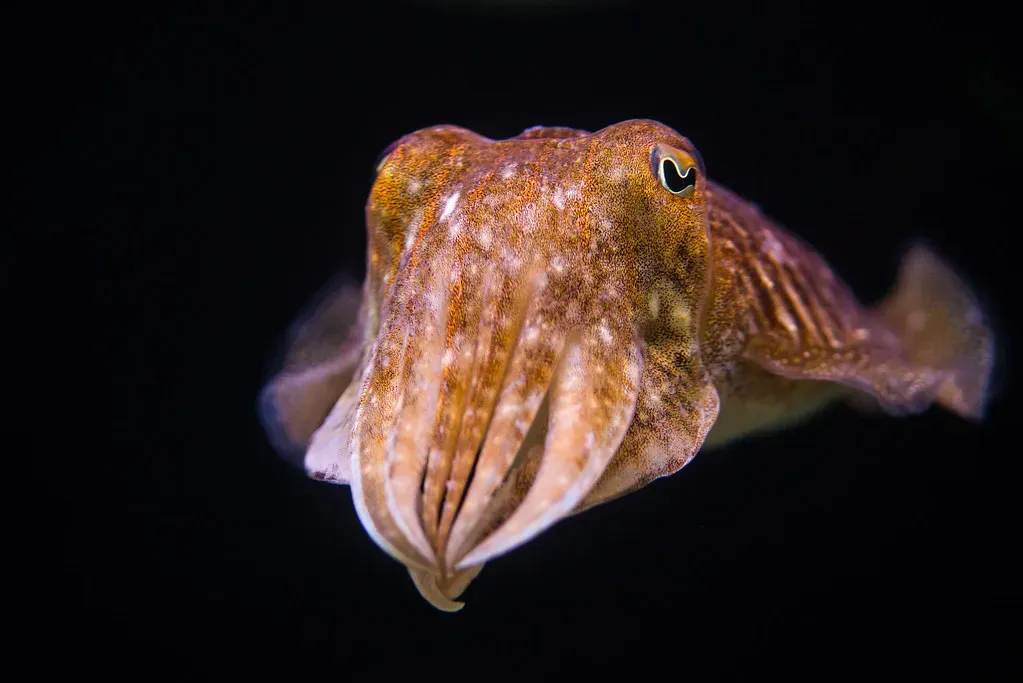
The cuttlefish doesn’t fight. It doesn’t run especially fast. What it does, with breathtaking speed and precision, is become something else entirely. It is, without question, one of the greatest camouflage artists on Earth.
The cuttlefish, one of nature’s great copycats and camouflage experts, is able to rapidly change its skin color and body shapes to blend into its surroundings or to distract would-be predators. The speed at which this happens is almost unreal – patterns ripple across the skin like a living television screen changing channels.
Marine molluscs such as cuttlefish also give themselves a last chance to escape by distracting their attackers. To do this, they eject a mixture of chemicals, which may mimic food or otherwise confuse predators. In response to a predator, animals in these groups release ink, creating a cloud, and opaline, affecting the predator’s feeding senses, causing it to attack the cloud. Camouflage plus a chemical smokescreen. It’s layered defense at its finest.
14. Schooling Fish: The Fountain Effect and the Power of Many
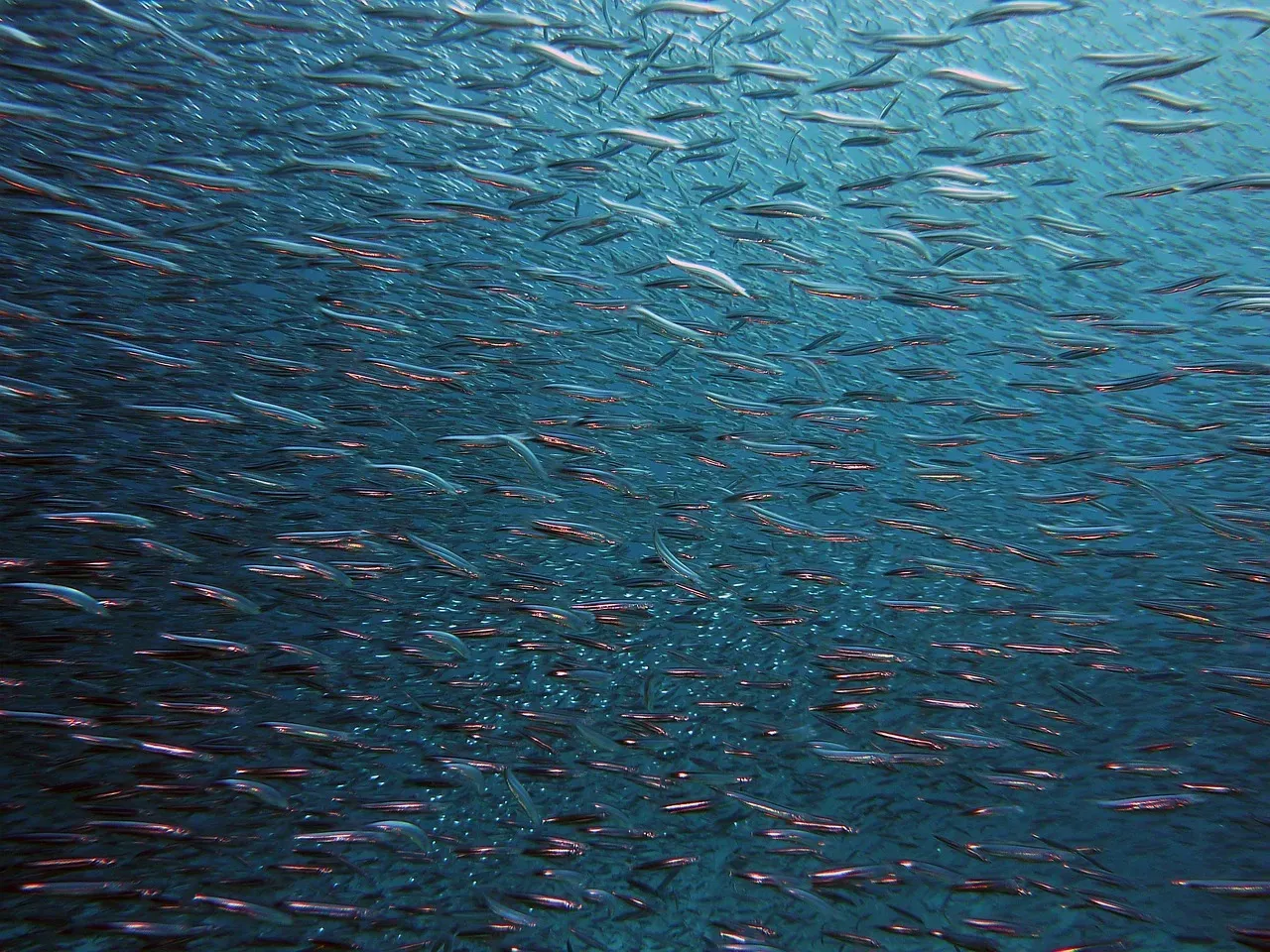
Sometimes the best defense mechanism isn’t a chemical spray or a detachable tail. Sometimes it’s pure numbers and the extraordinary collective intelligence of a tightly packed group moving as one. Schooling fish, particularly sardines, have perfected this to a staggering degree.
The emergence of the “fountain effect,” a common collective pattern observed when animal groups evade predators, is the outcome of rules designed to maximize individual survival chances given predator hunting decisions. Drone-based observations of schooling sardines attacked by striped marlin found that the majority of attacks produce fountain effects, with the dynamics of these escapes dependent on the predator’s attack direction.
Members of groups are at reduced risk of predation, despite the increased conspicuousness of a group, through improved vigilance, predator confusion, and the like. It’s a paradox – being visible in a crowd actually makes you safer than hiding alone. The school moves like a single organism, splitting and reforming to confuse any attacker. Watching it happen in real time is one of the most genuinely stunning sights in all of nature.
Conclusion: Evolution Never Stops Surprising Us
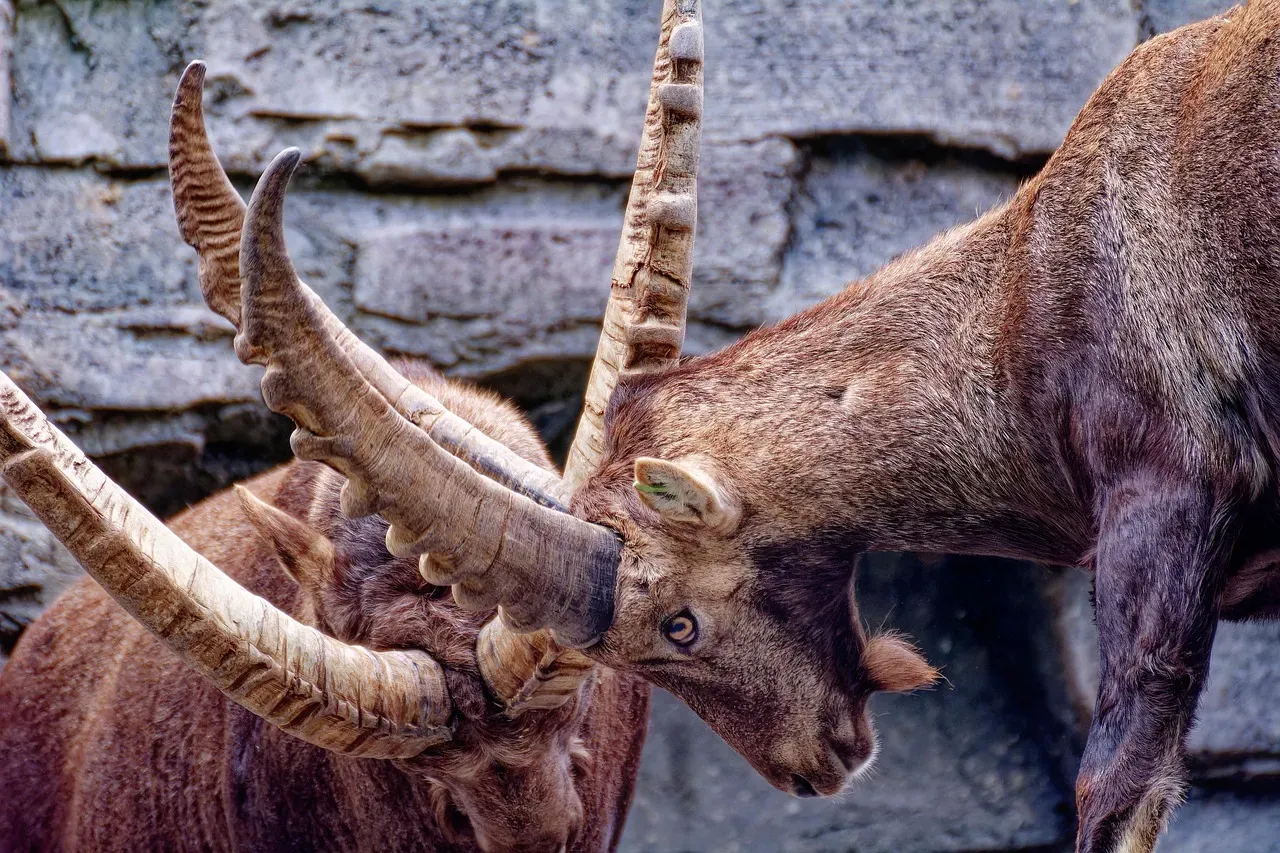
Across millions of years of evolutionary pressure, animals have developed defenses that range from elegant to grotesque, from quietly brilliant to explosively dramatic. Anti-predator adaptations are mechanisms developed through evolution that assist prey organisms in their constant struggle against predators. Throughout the animal kingdom, adaptations have evolved for every stage of this struggle – avoiding detection, warding off attack, fighting back, or escaping when found.
What’s most striking, I think, is how diverse these solutions are. There is no single blueprint for survival. A hagfish drowns its enemies in slime while a tiny ant detonates itself for the greater good. A lizard abandons its own tail without hesitation, and a cuttlefish becomes a living hologram. Each strategy is a testament to the relentless creativity of natural selection.
The next time you feel unarmed or outmatched, remember: somewhere out there, a sea cucumber is throwing its own intestines at a problem and living to tell the tale. Nature always finds a way – and it’s rarely the way you’d expect. What’s your favorite bizarre survival trick from this list?

- 10 Fascinating Facts About the Amazing Osprey - July 23, 2026
- The Impact of Heatwaves on Animal Behavior and Survival - July 23, 2026
- The Enduring Loyalty of Elephants Shows Us the True Meaning of Family Bonds - July 23, 2026