

Every year, billions of creatures leave the places they call home and set off on journeys so extraordinary they seem almost impossible. No GPS. No travel guide. No experienced elder showing the way. Just something raw, ancient, and still deeply mysterious buried somewhere inside them.
What’s honestly mind-blowing is not the sheer distances involved, though those are staggering enough. It’s the precision. The timing. The fact that, despite every tool modern science has at its disposal, so many of these migrations remain locked in a puzzle box that nobody has fully cracked open. We live in an era of satellites, genetic sequencing, and quantum biology, yet some of nature’s greatest navigation feats remain stubbornly unsolved.
So buckle up, because these eight migrations are about to change the way you think about what animals are capable of. Let’s dive in.
The Monarch Butterfly: A Map Written in Genes No Butterfly Has Ever Read
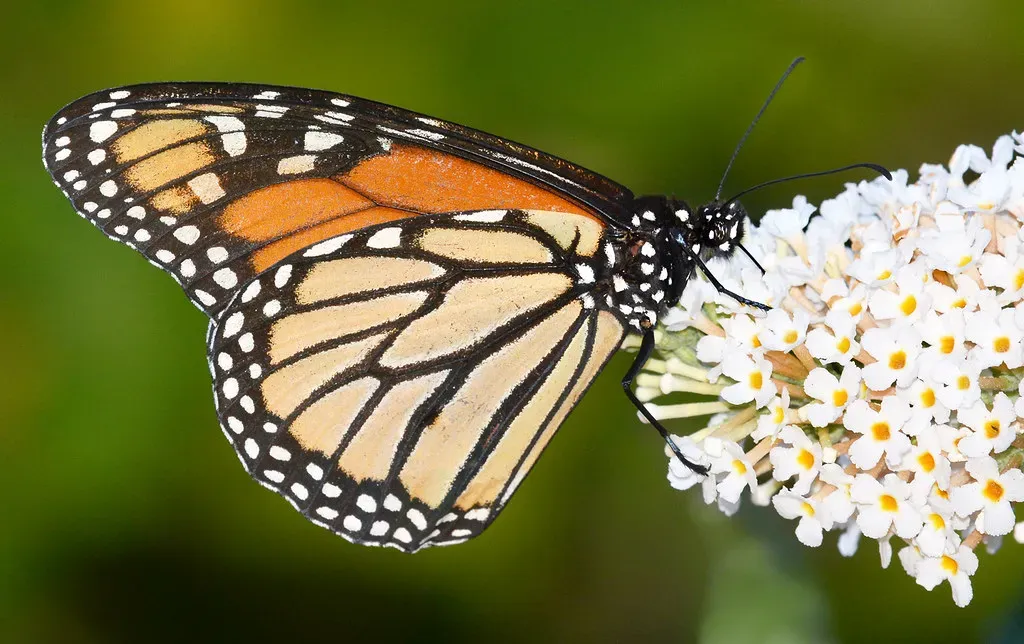
Here’s a question that should keep you up at night. How do you complete a journey that outlasts your own life? Monarch butterflies migrate thousands of miles from Canada to Mexico, even though no single butterfly makes the full round trip. Each generation picks up where the last left off, somehow following a path it has never traveled.
Think about that. It’s as if your child is handed a hiking trail map you’ve never shown them, to a destination you’ve never described, and they walk the exact right route on instinct.
The northeastern American population is famous for making the nearly 5,000-kilometer journey from Canada to Mexico. Each year, millions of monarch butterflies leave their northern ranges and fly south to the oyamel fir forests near the Sierra Madre mountains, where they gather in huge roosts to survive the winter.
Researchers think the insects might have a sort of magnetic compass in their brains. Five hundred genes. A solar compass in the antennae. Possibly a magnetic backup system. All inherited by butterflies that have never once been to Mexico. And if the sky is overcast, disrupting the solar compass? How the butterflies navigate on overcast days is still a mystery. Honestly, that might be one of the most quietly mind-blowing facts in all of biology.
The Arctic Tern: The Eternal Chaser of Summer That Never Sleeps
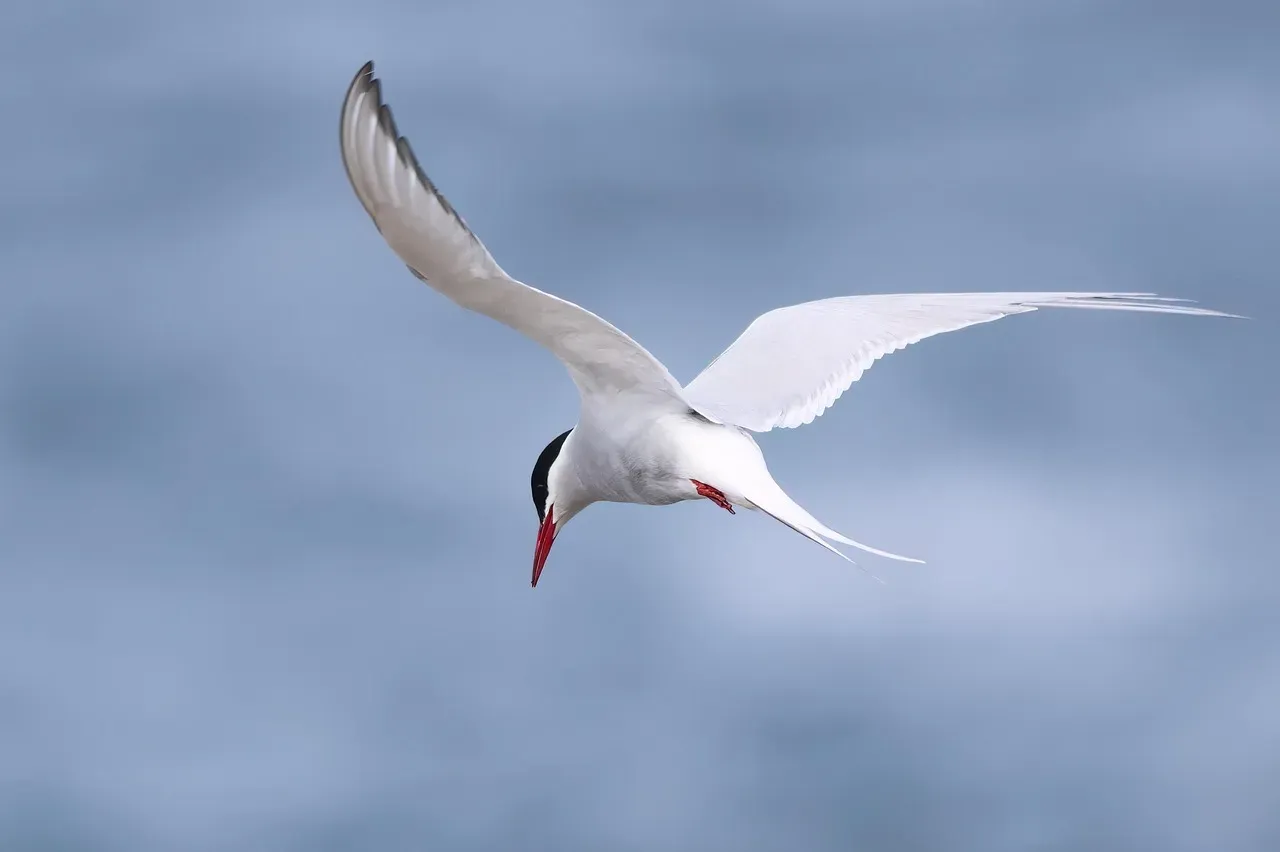
If distance alone were enough to make a migration astounding, the Arctic tern would win every single time. Arctic terns fly from pole to pole, chasing summer across the globe in a round-trip migration of nearly 50,000 miles. Let that number settle for a moment. That’s roughly twice around the Earth.
An Arctic tern flies around 25,000 miles per year on average, with some individuals flying up to 44,000 miles as it travels from Greenland to Antarctica and back. If a tern reaches its maximum lifespan of 30 years, it will have flown more than 1 million miles in migration. A lifetime of flying. Literally.
Flying from pole to pole, Arctic terns spend most of their year at sea chasing a perpetual summer. As winter approaches in their Arctic breeding grounds, the terns head south to the Antarctic where summer is just beginning.
The fact that they fly a different outbound and return route, taking advantage of global wind patterns, hints at a level of atmospheric intelligence that science has barely begun to decode. These birds appear to read the sky itself as a highway map, and somehow, they always take the fastest lane. These birds return to the same nesting sites year after year, despite crossing entire oceans. How they detect and follow such an epic route with pinpoint accuracy is still unknown. Their journey is the longest known animal migration and the least understood.
The Bar-Tailed Godwit: A Four-Month-Old Bird That Defied Physics
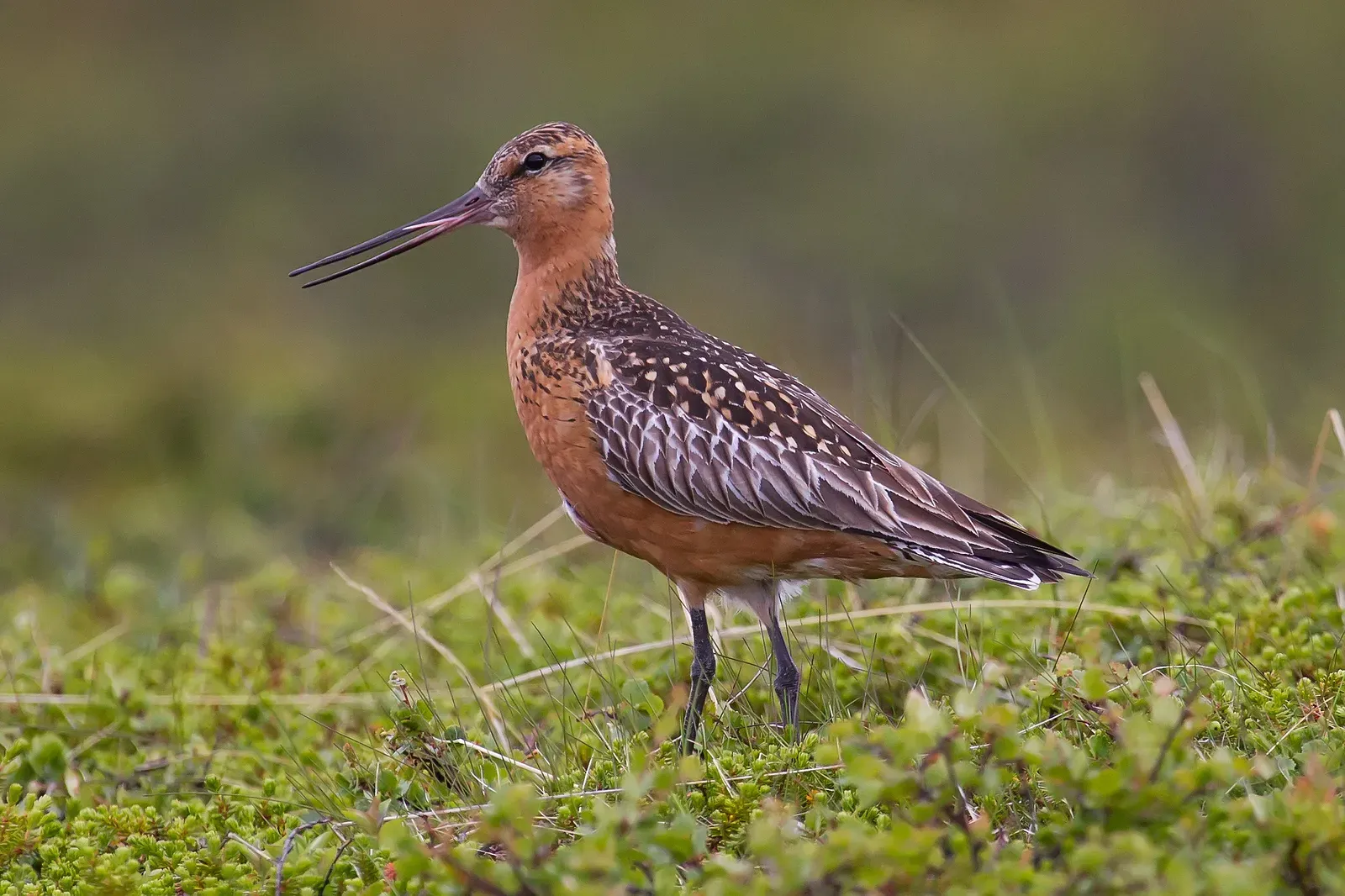
Let’s be real, most of us can’t go eleven days without a good meal and a comfortable chair. The bar-tailed godwit goes eleven days without food, water, sleep, or landing, while flying across the open Pacific Ocean.
A four-month-old bar-tailed godwit known as B6 set a new world record by completing a non-stop 11-day migration of 8,425 miles from Alaska to Tasmania, Australia. This trip represents the longest documented non-stop flight by any animal.
Bar-tailed godwits feed for two months in Alaska before the flight to New Zealand; in this time, males may double in size. They are able to shrink the size of their internal organs to make way for energy-rich fat. Airborne during both day and night, they may burn through more than half of their body weight. They can also boost the size of their chest muscles and heart while flying, to aid the distribution of energy and oxygen.
Even with all these variables, godwits are startlingly accurate and consistent, returning to the same sites year after year and setting off on their migrations within a window of a few days. A bird that shrinks its own organs, doubles its body weight, then crosses the world’s largest ocean. Without stopping once. Science can describe what happens. It still cannot fully explain how.
The Green Sea Turtle: Returning Home After Decades at Sea
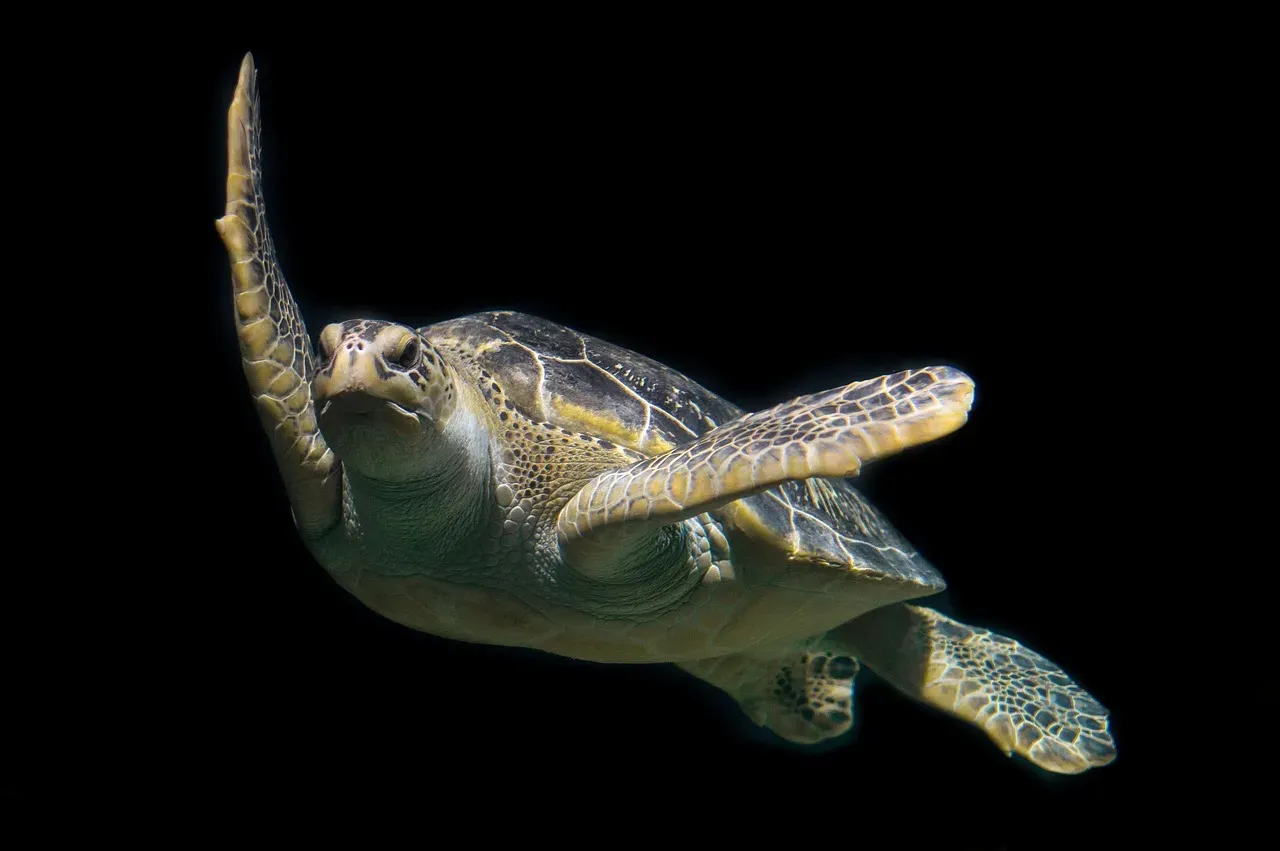
Imagine leaving your hometown as a newborn, spending the next two or three decades traveling the world, then finding your way back to the exact spot where you were born without a single familiar landmark to guide you. That is precisely what green sea turtles do, and it has baffled scientists for a very long time.
Female sea turtles migrate thousands of miles, sometimes to the same beach where they were born, in order to nest. This phenomenon is called natal homing. After years or even decades away, mature female turtles find their way back to the exact beaches where they hatched, sometimes pinpointing stretches of coastline just a few kilometers long among thousands of miles of available shoreline.
Leatherback turtles are known to travel over 10,000 miles annually, crossing entire ocean basins between foraging and nesting sites. Green turtles have been documented swimming from Brazil to Ascension Island in the middle of the Atlantic Ocean, a journey of over 1,400 miles, with nothing but open water between these points.
Scientists hypothesize that sea turtles use Earth’s magnetic field to distinguish their global position by latitude and longitude. Navigating by this internal compass would enable a sea turtle to return to the specific location it remembers from when she first entered the water as a hatchling. Another possibility is that sea turtles imprint on certain characteristics of their home beach, such as a distinctive smell. Scientists think that sea turtles use a combination of these two techniques, with the magnetic field getting them to the right area while imprinting helps them identify the exact beach. The precision is remarkable. The explanation? Still incomplete.
The European Eel: A Spawning Event No Human Has Ever Witnessed
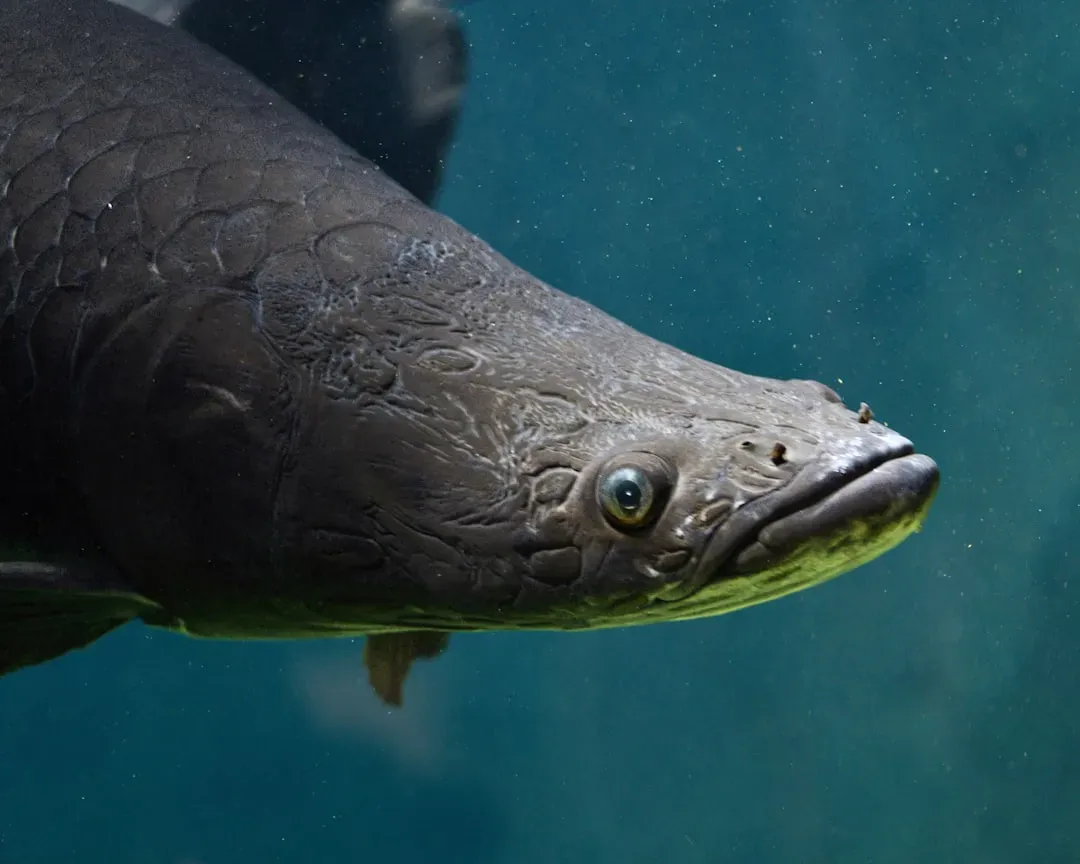
The European eel might be, I think, the most quietly bizarre creature on this entire list. It lives most of its life in freshwater rivers across Europe. Then one day, after up to two decades, it feels an urge it cannot explain or resist, and it sets off on a journey of thousands of miles into the open Atlantic.
European eels are born in the mysterious Sargasso Sea near Bermuda. These eels hatch in the Sargasso Sea, then migrate over 5,000 kilometers to the rivers of Europe, where they live for 10 to 20 years in freshwater.
Tiny eel larvae drift slowly east on ocean currents for one to three years. Off the coasts of the UK and mainland Europe, they transform into transparent eels and enter estuaries and freshwater rivers, where they grow and mature over a period of up to 20 years. When the time comes, they respond to their instincts and begin the 5,000 to 6,000 kilometer journey back to the Sargasso Sea, where the whole mysterious, remarkable lifecycle begins anew.
Here is the part that makes this truly haunting. No scientist has ever observed European eels actually spawning in the wild. Not once. Not ever. They disappear into the depths of the Atlantic and the next generation simply appears, drifting back east on the ocean currents. For all our technology, this ancient ritual has never been witnessed by human eyes.
The Great White Shark’s “White Shark Café”: A Mystery No One Can Crack
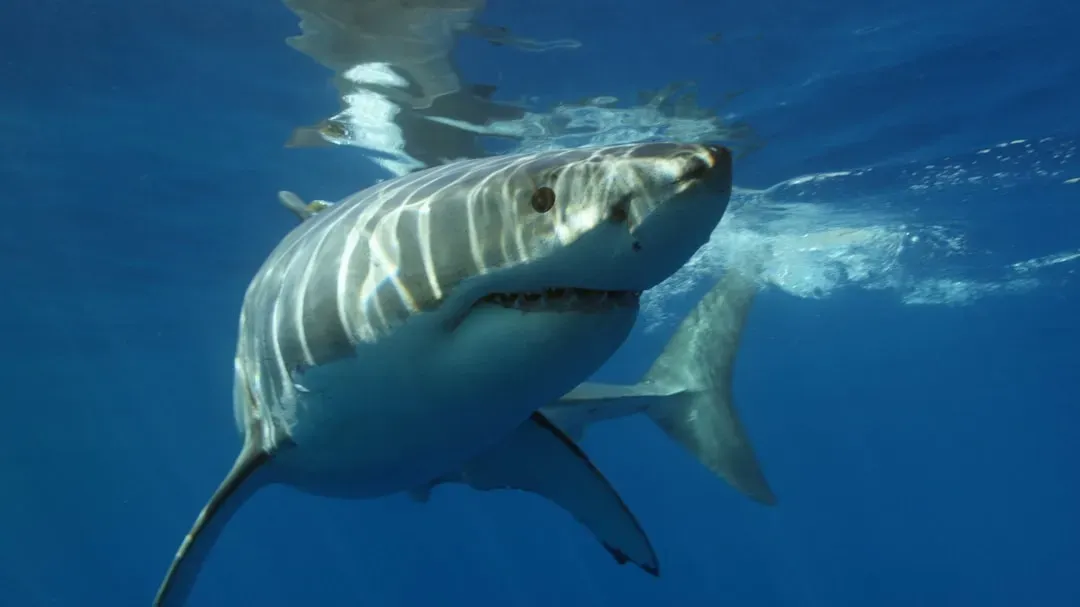
Most migrations, even the inexplicable ones, have a traceable goal. Food. Breeding grounds. A better climate. The great white shark throws all of that out the window. Every year, these apex predators leave the rich, food-filled coastal waters of California and Hawaii, and travel deep into the middle of the Pacific Ocean to a barren, remote stretch of water that scientists, with a mix of curiosity and bewilderment, have nicknamed the “White Shark Café.”
Great white sharks have been recorded making mysterious, deep-water migrations to a remote region scientists call the “White Shark Café.” Despite years of tracking, no one knows why they go there or what they do in the depths. The location holds no obvious food or breeding grounds. It’s like a secret rendezvous point that only they understand.
Researchers have tracked the sharks via satellite tags, and the data only deepens the confusion. The sharks dive repeatedly, deeply and rhythmically, almost like a pulse, with a pattern suggesting purpose. Despite incredible strides in tracking migrations across species, many migrants still remain a mystery. The great white’s annual pilgrimage into the void is perhaps the most dramatic proof of that statement. It’s the animal kingdom’s best-kept secret, and the sharks aren’t talking.
The Globe Skimmer Dragonfly: The Insect That Crosses an Entire Ocean
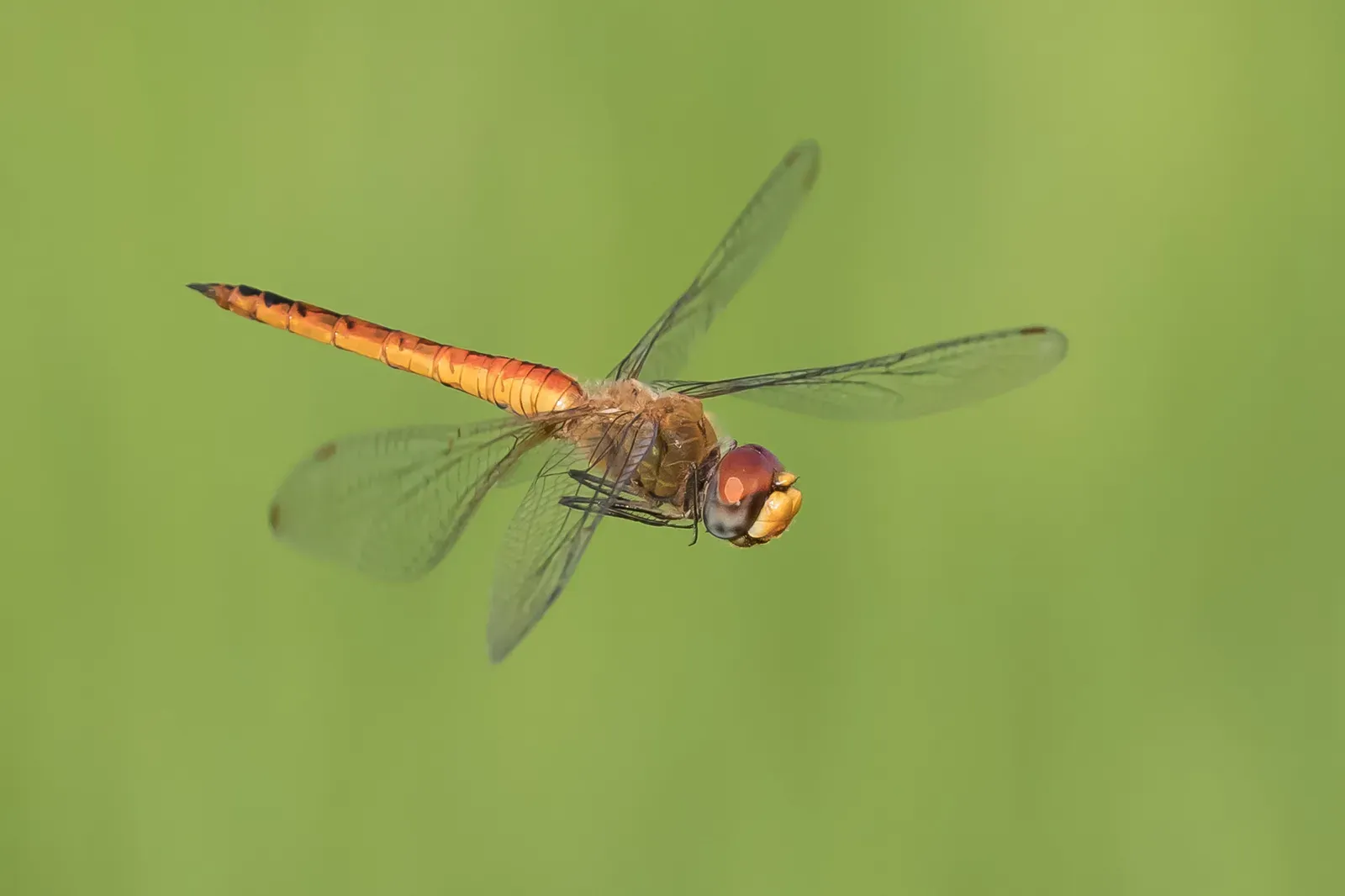
Most people think dragonflies are delicate little pond creatures. They are wrong. The globe skimmer dragonfly makes one of the longest insect migrations on the planet, crossing the Indian Ocean, one of the most ferocious bodies of water on Earth, without stopping.
Researchers developed a model to study the energetics of dragonfly flight, factoring in elements like lift, drag, wing-beating frequency, and the insect’s fuel storage. The research indicates that a globe skimmer can sustain 90 hours of steady flight at a speed of 15 feet per second.
The prevailing winds, particularly the Somali jet stream, are crucial. Favorable conditions for the crossing from India to Somalia occur after September, with the best chances for success in December. This aligns with the sightings of the dragonflies in Somalia during November and December.
Several mysteries persist, such as how the dragonflies ascertain optimal wind conditions, their navigation to tiny islands en route, and the transmission of this knowledge across generations. An insect, smaller than your hand, reading wind patterns over a vast ocean and successfully finding specks of land along the way. It sounds like science fiction. It isn’t.
The Ocean’s Daily Vertical Migration: The Largest Migration You’ve Never Heard Of
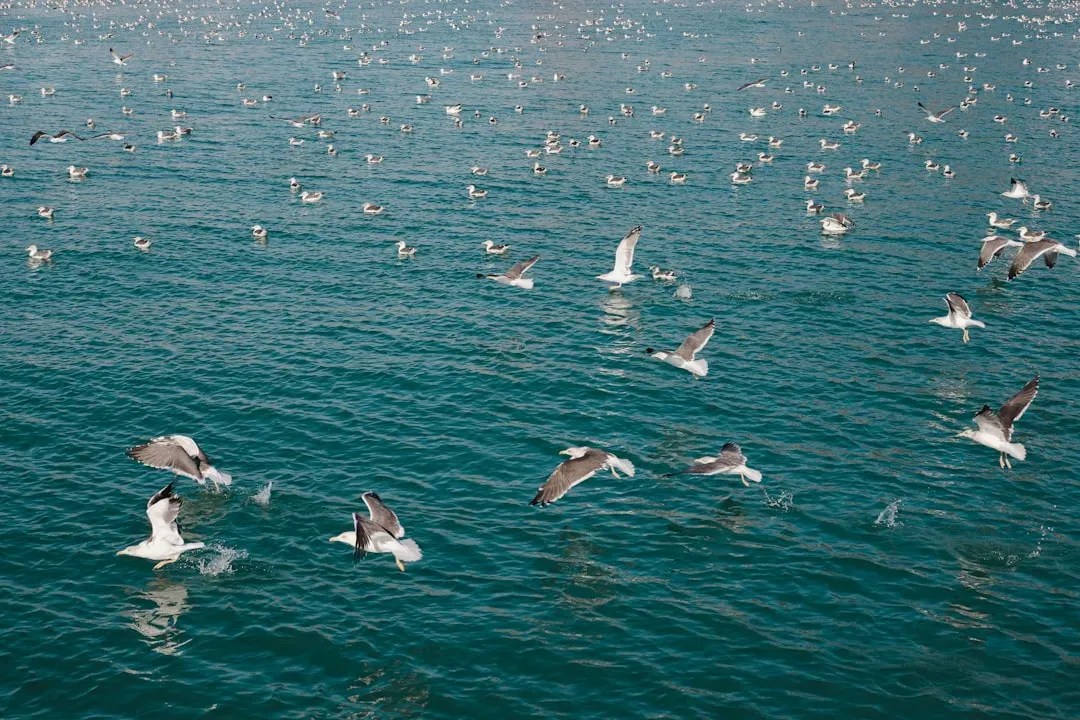
Of all eight migrations on this list, this is the one that most people have absolutely never encountered, and it may be the most astounding of all. It happens every single night, in every ocean, on a scale that makes every other migration look modest by comparison.
Trillions of tiny animals migrate every night from the ocean’s depths up to the surface and back. Each species has its own rhythm, which can vary based on age, season and sex. Known as diel vertical migration, it’s the largest routine migration of life on Earth. Current estimates indicate some 10 billion tons of animals make these excursions every day. Some of them ascend from more than 3,000 feet below.
For a quarter-inch fish larva, making a one-way vertical trip of 1,000 feet is the equivalent of a human swimming more than 50 miles in just an hour or so. During the trip these animals pass through zones of ocean where conditions are wildly different. At 1,000 feet the water is roughly 39 degrees Fahrenheit and the pressure is about 460 pounds per square inch, more than 30 times what it is at the surface.
Early recordings of this migration date to World War II, when ships using sonar detected something odd. Parts of the seafloor seemed to be moving up and down, creating a deep “scattering layer” that reflected sonar signals. The layer fluctuated twice a day by as much as 3,000 feet, shifts that seemed to defy logic. It turns out the ocean floor was not moving. The ocean was alive with trillions of tiny creatures, executing the same journey, every night, in perfect coordinated rhythm. The full mechanism behind this daily undertaking remains one of the ocean’s deepest open questions.
Conclusion: Nature’s Navigation System Still Wins
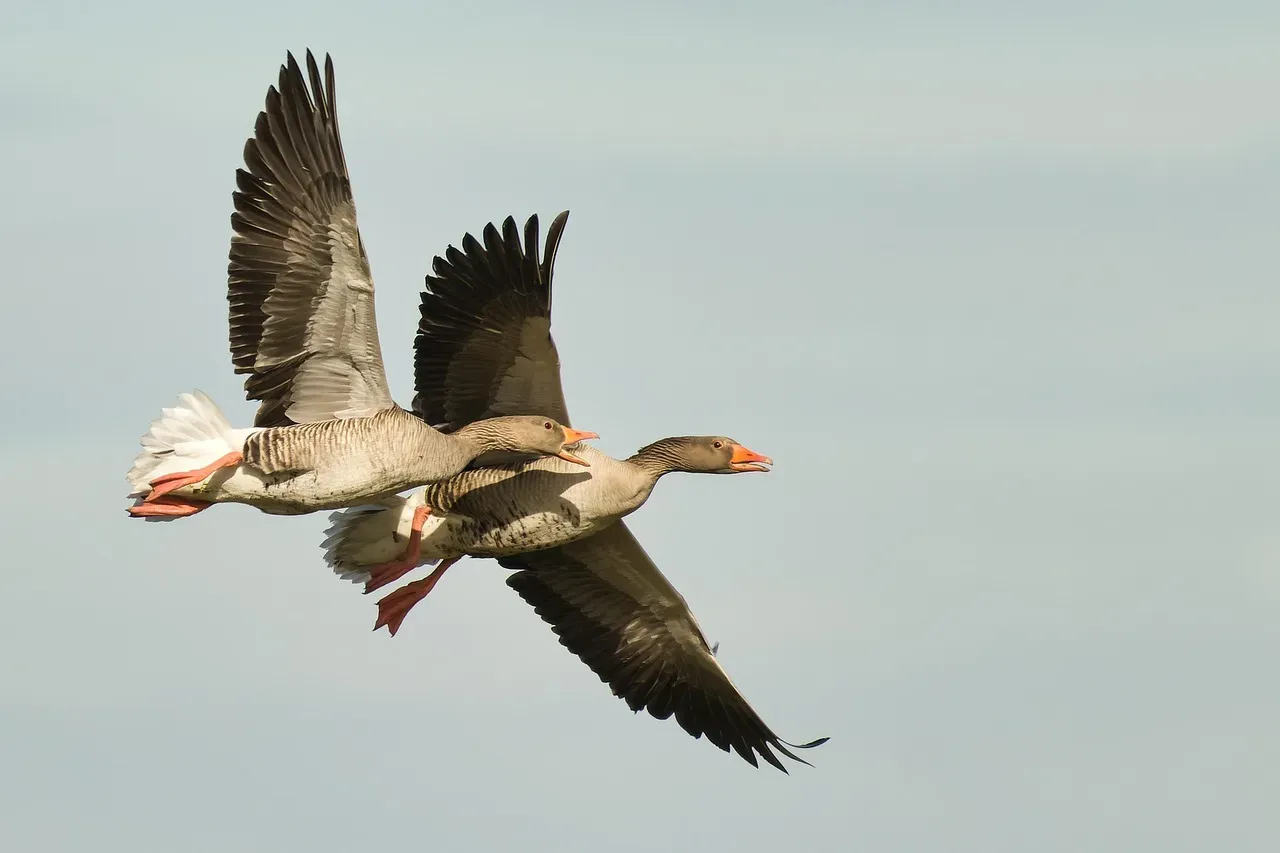
Here’s the thing about all eight of these migrations. They share something in common that no technology, no satellite, and no scientific model has yet fully replicated or explained. In species like butterflies or turtles, the migration route is somehow encoded into their genes, yet we don’t know how that data is stored, passed on, or activated. Think of it like a USB drive loaded with a map of the entire planet, implanted at birth, that only switches on at precisely the right moment.
From the microscopic navigational systems that guide monarch butterflies to the monumental endurance of bar-tailed godwits, migratory animals have evolved remarkable solutions to survival challenges that continue to inspire scientific research and human admiration. Yet these ancient journeys face unprecedented threats in the modern era, including habitat fragmentation, climate change, pollution, and direct human interference that disrupt migratory routes that have existed for millennia.
We often pat ourselves on the back for our GPS devices and our mapping apps. Meanwhile, a four-month-old bird is crossing the Pacific Ocean solo, and a butterfly that has never seen Mexico is navigating its way there anyway. Nature had this figured out long before we came along. The humbling part? We’re still trying to catch up.
What migration surprised you the most? Drop your thoughts in the comments below.
