
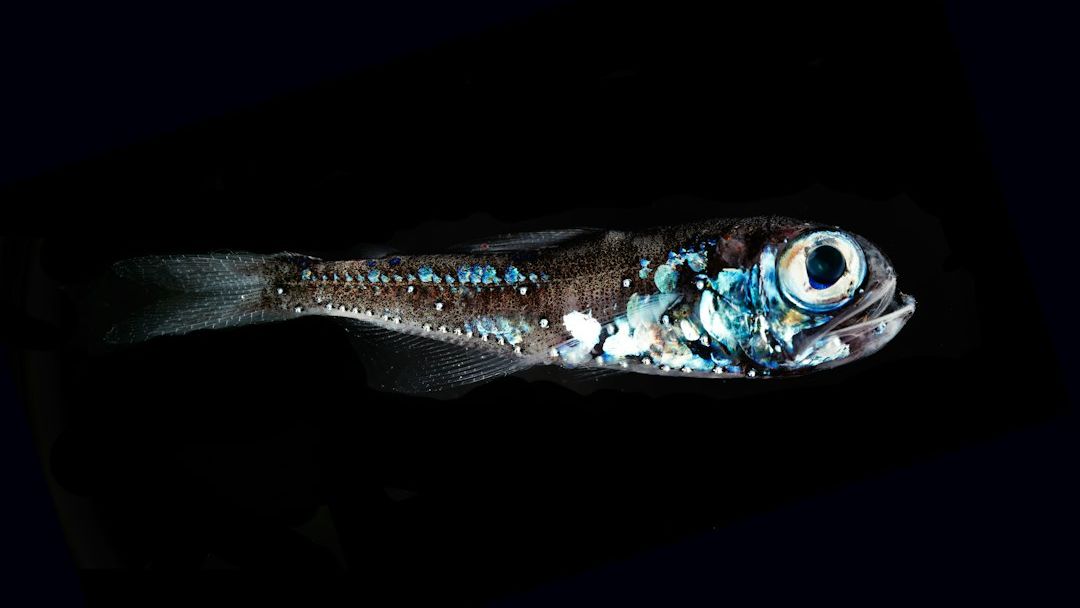
Somewhere beneath more than a mile of pitch-black, freezing seawater, creatures are living lives we can barely imagine. They glow. They hunt in total darkness. Some have never once seen sunlight. And here is the truly humbling part – most of them have never been seen by us, either.
The deep ocean covers most of our planet, yet it remains arguably the greatest unexplored frontier on Earth. We have sent probes to Mars, mapped the craters of the moon, and charted the peaks of every mountain range – but the floor beneath our own oceans is still, in many places, a total mystery. What is down there is starting to come into focus, and honestly, it is stranger and more spectacular than science fiction. Let’s dive in.
A World We Have Barely Mapped
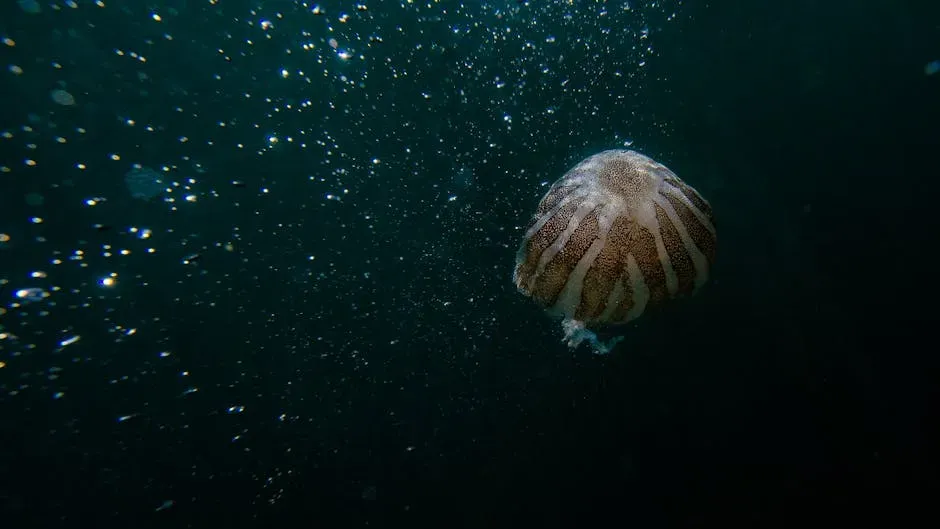
Here is a statistic that should stop you in your tracks. As of 2026, more than roughly four-fifths of the world’s oceans are still unmapped and unexplored. We know more about the face of the moon than Earth’s own deep sea. Think about that for a moment. The moon is almost a quarter of a million miles away, and we still understand it better than the water beneath our own boats.
One million species live in the sea, but we’ve only discovered about one third of them, because they live in deep parts of the ocean that are hard to explore. That means the vast majority of ocean life is, at this very moment, unknown to science. Unnamed. Uncategorized. Simply out there, going about their extraordinary lives in the dark.
Roughly seven tenths of the Earth’s surface is covered by ocean, but those wide-open waters are far from familiar territory. We tend to think of Earth as a well-understood world. It is not. The deep ocean is the largest and least-known ecosystem on the entire planet, and every new expedition punches a fresh hole in that ignorance.
The Creatures Down There Are Nothing Short of Astonishing
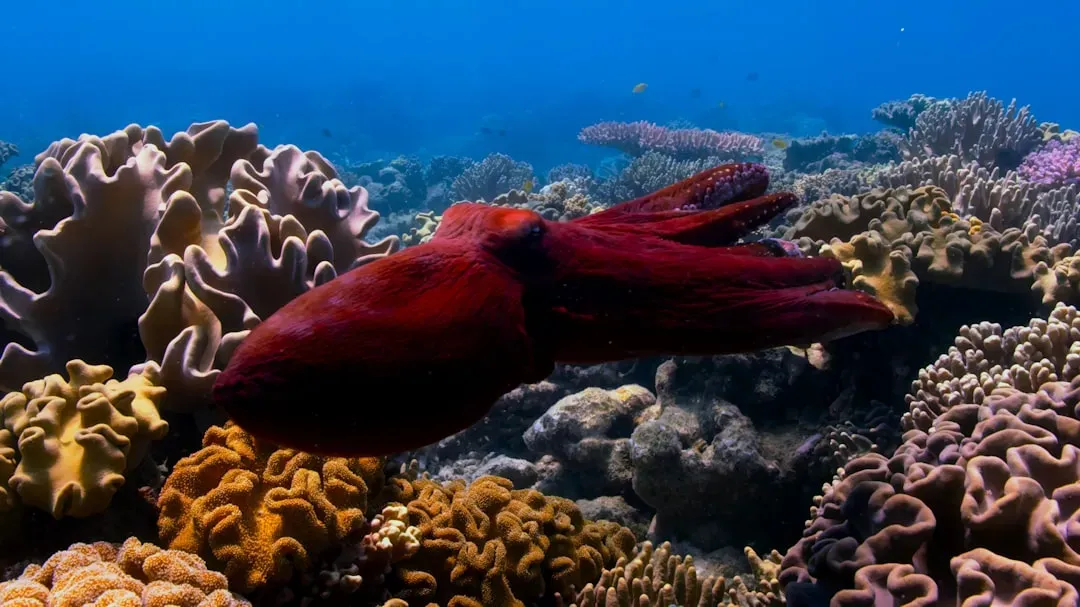
You want monsters? The deep ocean has them – though perhaps not the kind you were imagining. Scientists captured the first confirmed footage of the elusive colossal squid in its natural environment, a hundred years after the marine creature was first identified and named. Video was taken near the South Sandwich Islands in the South Atlantic Ocean, showing a juvenile squid swimming at nearly two thousand feet below the surface. A hundred years of knowing a creature existed, and only now seeing it alive in its home.
The colossal squid can grow to about 23 feet long and weigh more than a thousand pounds, making it shorter but much stockier than the giant squid, which grows to about 43 feet long. It is the heaviest invertebrate on the planet, and until very recently, every single specimen ever studied had already been dead. That is how little we know about what lives down there.
In 2024, a team of Chinese researchers piloted a submersible to the floor of a deep trench and found not just bacteria, but thriving colonies of tube worms nearly a foot long, along with mollusks, crustaceans, and even sea cucumbers. The colonies discovered are the deepest ever observed. Life, it turns out, does not care much about our assumptions of what is possible.
New Species Are Being Found at a Breathtaking Rate
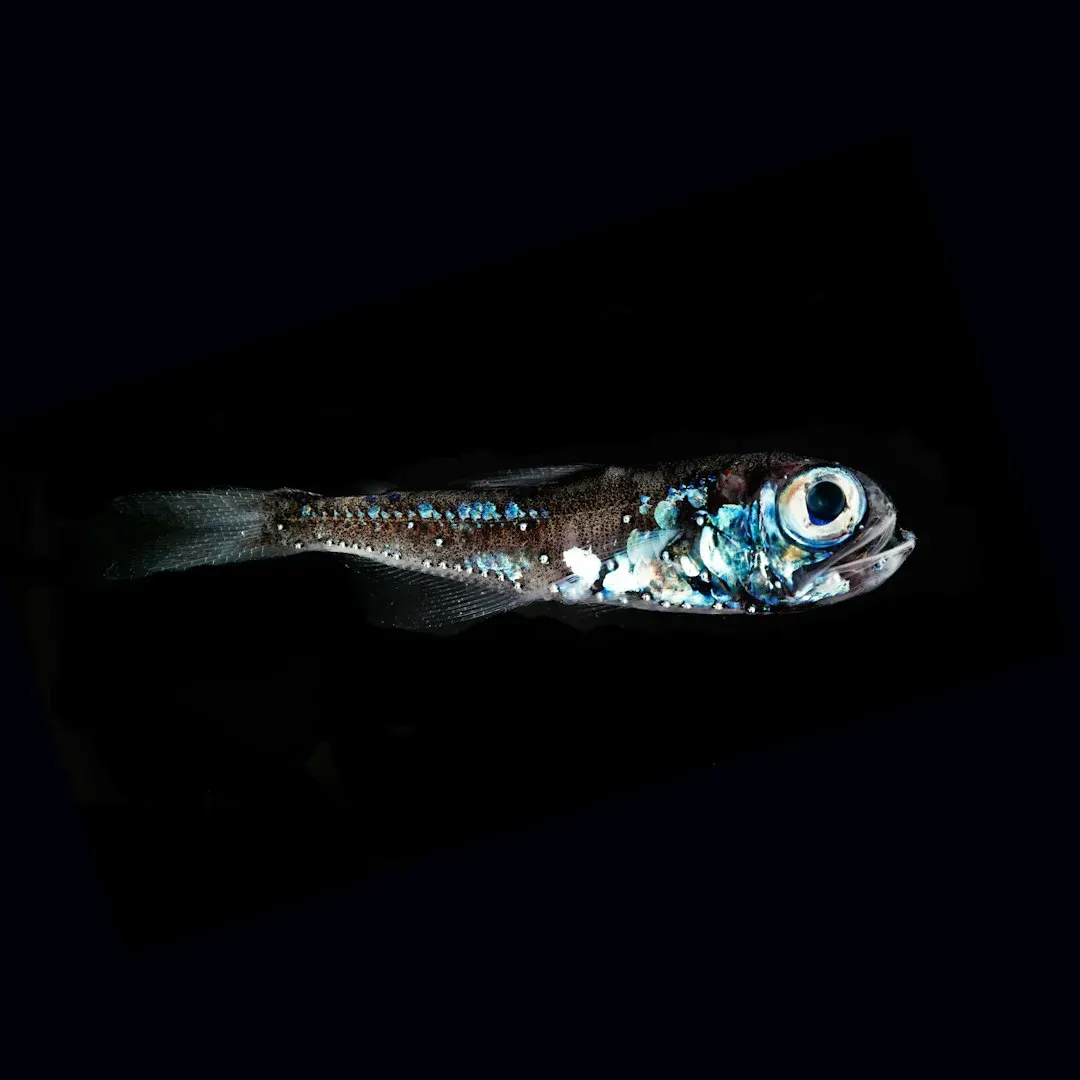
A recent Schmidt Ocean Institute expedition to the underwater mountains of the Salas y Gómez Ridge identified 160 species not previously known to live in the region, with 50 of them being completely new to science. Fifty entirely new species from a single expedition. That is not a rare occurrence. That is just what happens when humans finally point their cameras at a place they have never looked before.
Thirty previously unknown deep-sea species, including a carnivorous “death-ball” sponge, have been confirmed from one of the most remote parts of the planet. Its spherical form is covered in tiny hooks that trap prey, a clear contrast to the gentle, passive filter-feeding undertaken by most sponges. Honestly, something called a death-ball sponge feels like it belongs in a fantasy novel – but there it is, real and verified, lurking on the ocean floor.
Using advanced lab techniques, researchers recently unveiled 14 new species from ocean depths exceeding 6,000 meters. Their findings include a record-setting mollusk, a carnivorous bivalve, and a popcorn-like parasitic isopod. Meanwhile, scientists gathered 2,000 specimens and identified 100 species never before recorded in the region near Guam, with at least 20 appearing to be completely new to science. The numbers keep piling up. It is intoxicating, if a little overwhelming.
The Physics of the Deep Are Rewriting the Rules
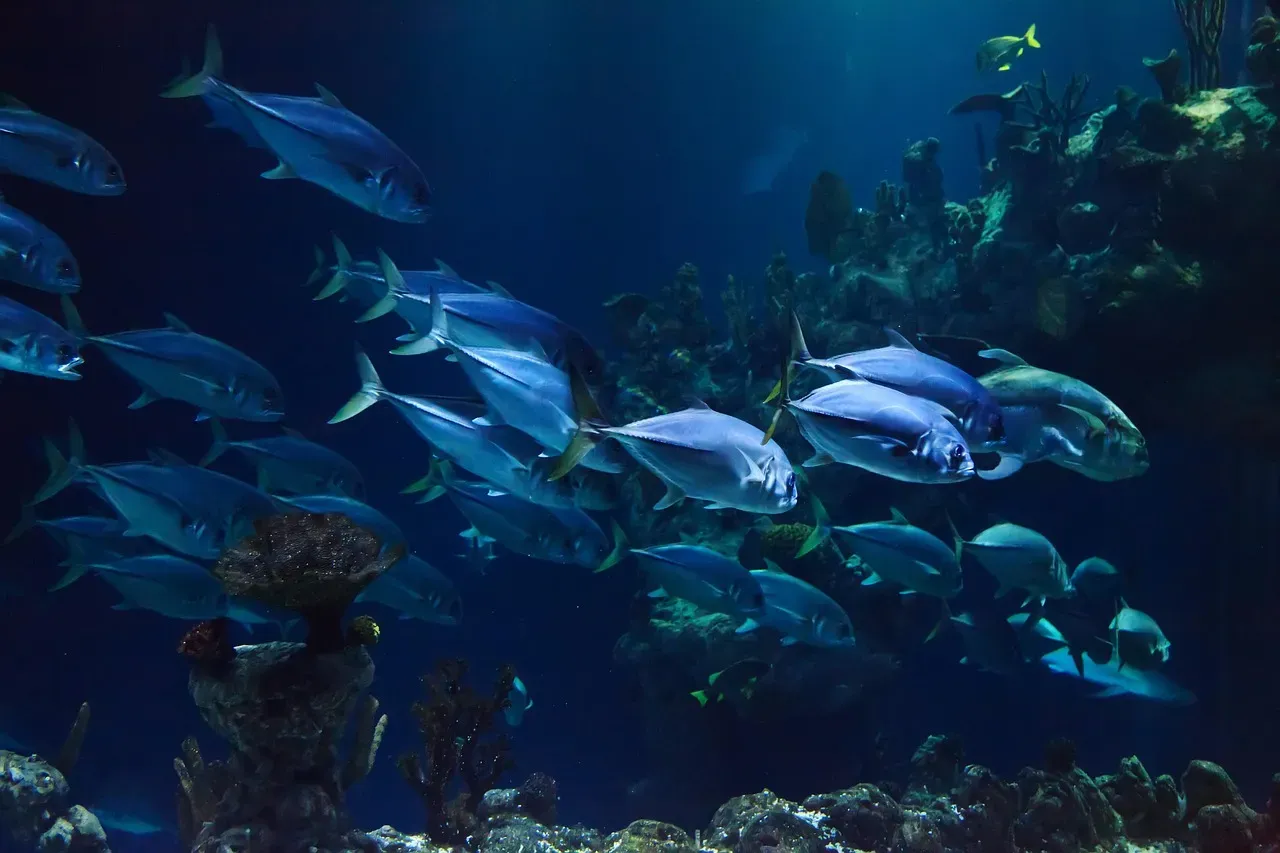
I know it sounds crazy, but the deep ocean may be producing its own oxygen – without any sunlight at all. New research has challenged a long-held assumption about the role of oxygen in the deep sea, with scientists finding oxygen produced without photosynthesis in a region known as the Clarion-Clipperton Zone. For as long as science has existed, we have taught that oxygen comes from photosynthesis. Light, plants, oxygen. Simple. The deep ocean appears to have missed that memo.
The discovery of oxygen roughly 4,000 meters below the surface of the Pacific Ocean was first published in 2024 in Nature Geoscience, and the team behind it is embarking on a fresh series of studies to verify the findings and establish what could be causing the phenomenon. It is worth saying clearly – the finding is still being debated. Despite its high visibility and circulation, the observation remains unreplicated. Yet the search for an answer is itself extraordinary and has unleashed a new wave of deep-sea investigation.
Animal life is flourishing underneath the seafloor itself according to a new study of deep-sea hydrothermal vents. Previous research had found microbes living underground near hydrothermal vents, but this is the first reported discovery of larger animals such as worms and snails in the underground habitat. Even beneath the seafloor – beneath the bottom of the ocean – life has found a foothold. That is not a metaphor. That is a literal description of where creatures are now living, unseen, in the dark rock below the dark water.
The Race to Discover – Before It Is Too Late
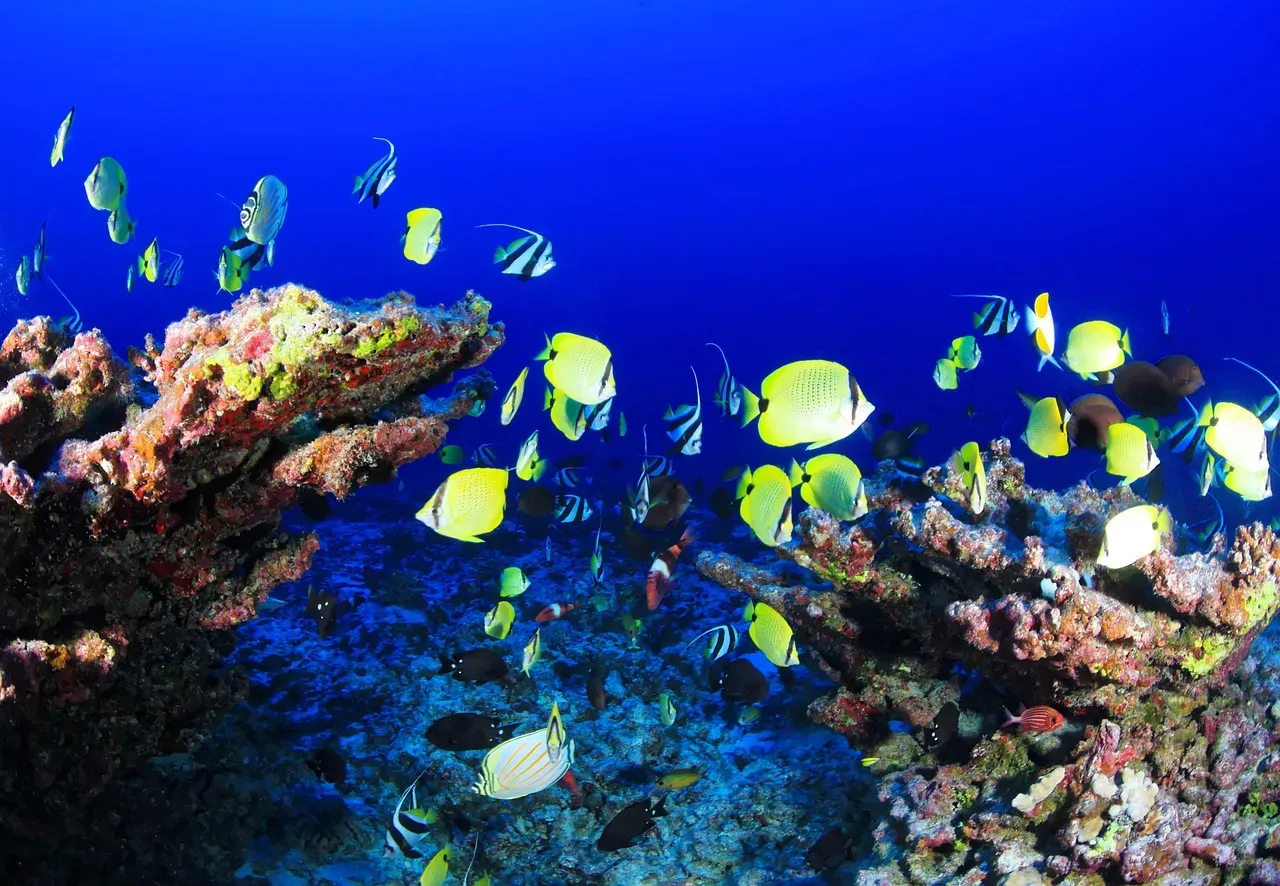
Here is the uncomfortable truth that sits underneath all of this wonder. We are racing to discover life that may disappear before we even know its name. Many marine species face extinction due to human-driven biodiversity loss before scientists even learn they exist. Think about that haunting reality. Species that evolved over millions of years, wiped out while still scientifically anonymous.
During one deep-sea study, researchers found evidence of human waste on the seafloor, including plastic fishing nets, garbage bags, and even an old videotape. These items, likely discarded from ships, can remain on the seafloor for years due to the cold, dark environment that slows decay. The presence of such waste alongside delicate marine ecosystems highlights the urgent need for better regulation of human activities in these areas. It is a jarring image – ancient creatures and fossilized plastic bags existing side by side in the same abyss.
As demand for critical metals grows, scientists have taken a rare close look at life on the deep Pacific seabed where mining may soon begin, documenting nearly 800 species over five years and 160 days at sea, many previously unknown. Results showed that areas directly disturbed by mining equipment experienced a notable decline in both animal numbers and species diversity. The tension between what we want to extract from the deep and what we risk destroying in the process is one of the defining environmental questions of this decade.
Conclusion
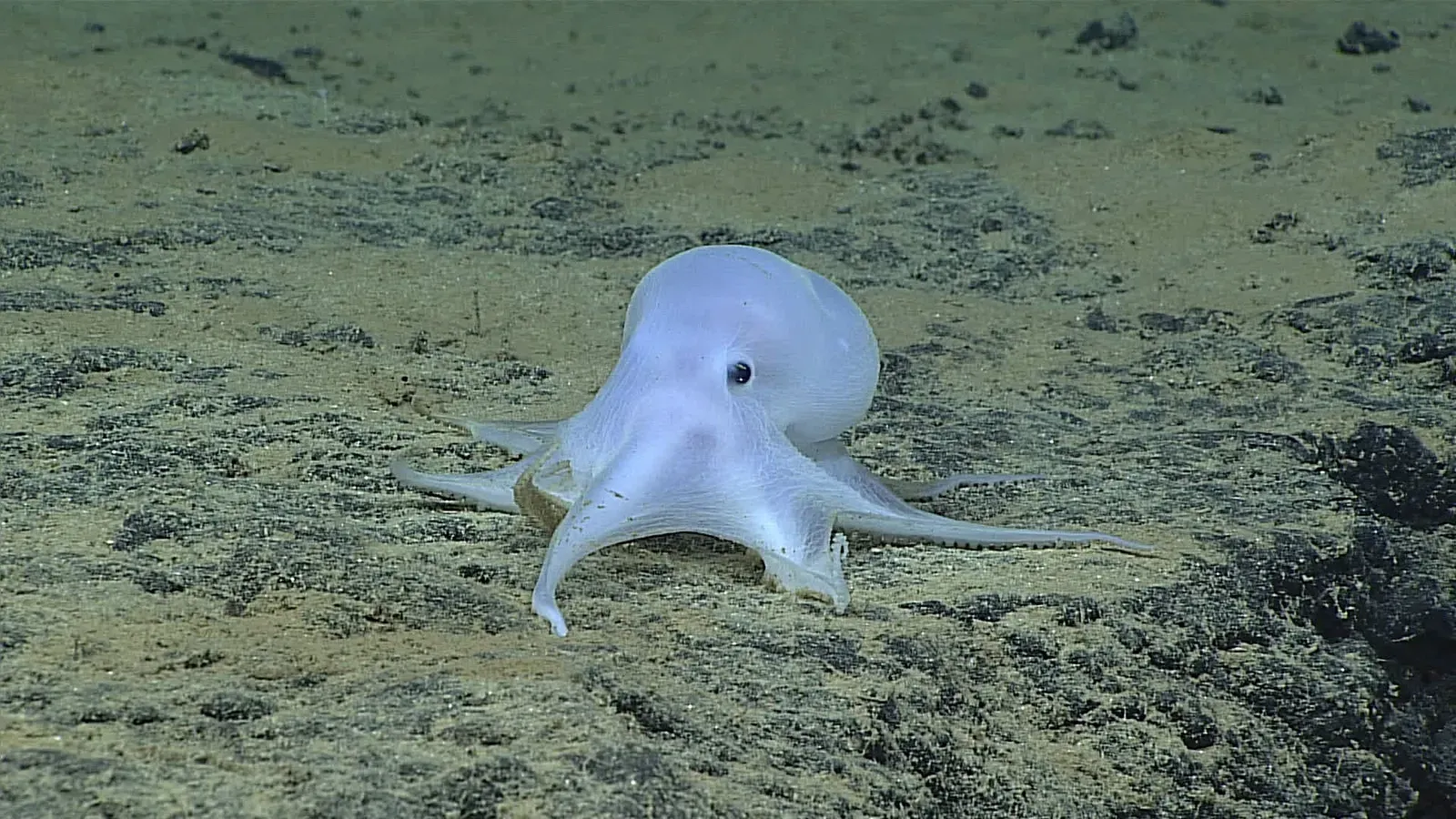
The deep ocean is not just a geographical curiosity. It is a living archive of Earth’s history, a pharmaceutical library we have barely cracked open, a climate regulator, and a reminder that this planet is far wilder and stranger than we tend to give it credit for.
Every new expedition comes back with something that rewrites a textbook somewhere. A creature never photographed alive. A chemical reaction that violates what we thought we understood about oxygen. An ecosystem thriving under hundreds of atmospheres of pressure, completely indifferent to our assumptions about where life can exist.
The deep ocean is, in the truest sense, a final frontier. Not a dead one. A breathing, glowing, hunting, evolving one – and we have barely knocked on the door. So here is a question worth sitting with: if in just the last few years alone science has overturned centuries of assumptions about life and chemistry in the deep, what on Earth is still waiting down there for us to find?

- Your Dog Doesn't Love You for the Food – 14 Signs You're Its Whole World - July 21, 2026
- 10 Myths About Horses That Owners Keep Falling For - July 21, 2026
- 13 Ways a Shelter Dog Shows It Has Decided to Trust You for Good - July 21, 2026