
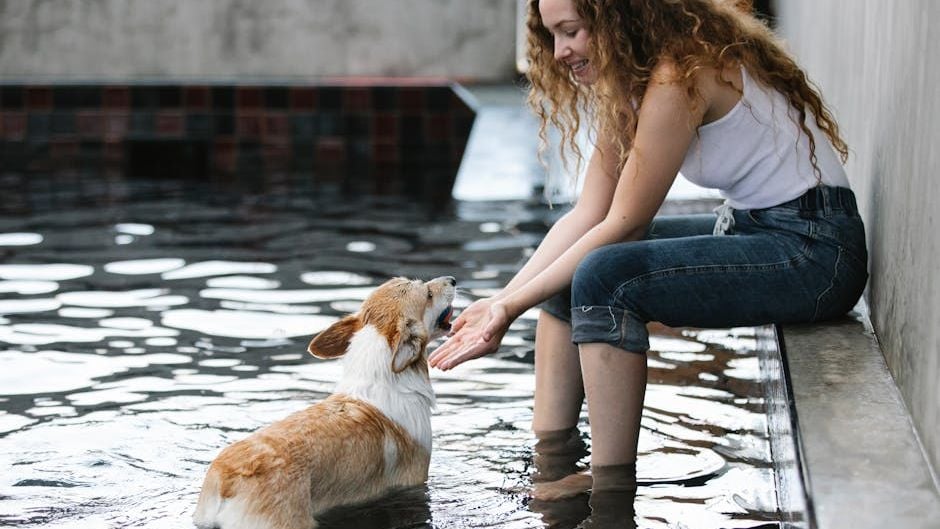
You walk to the kitchen. Your dog walks to the kitchen. You head to the bathroom. Your dog is somehow already there, sitting outside the door with that signature “I was just passing by” expression. Sound familiar? If you share your home with a dog, this scene plays out dozens of times a day without fail.
There’s a term for dogs like these. Canine companions that follow their humans everywhere are often referred to as “Velcro dogs” because of their desire to be attached to your side. Honestly, it’s one of the most endearing and sometimes slightly exasperating things about owning a dog. So what is really going on behind those devoted, shadowing eyes? The answers are more fascinating than you might think. Let’s dive in.
1. It’s Pure, Unfiltered Love
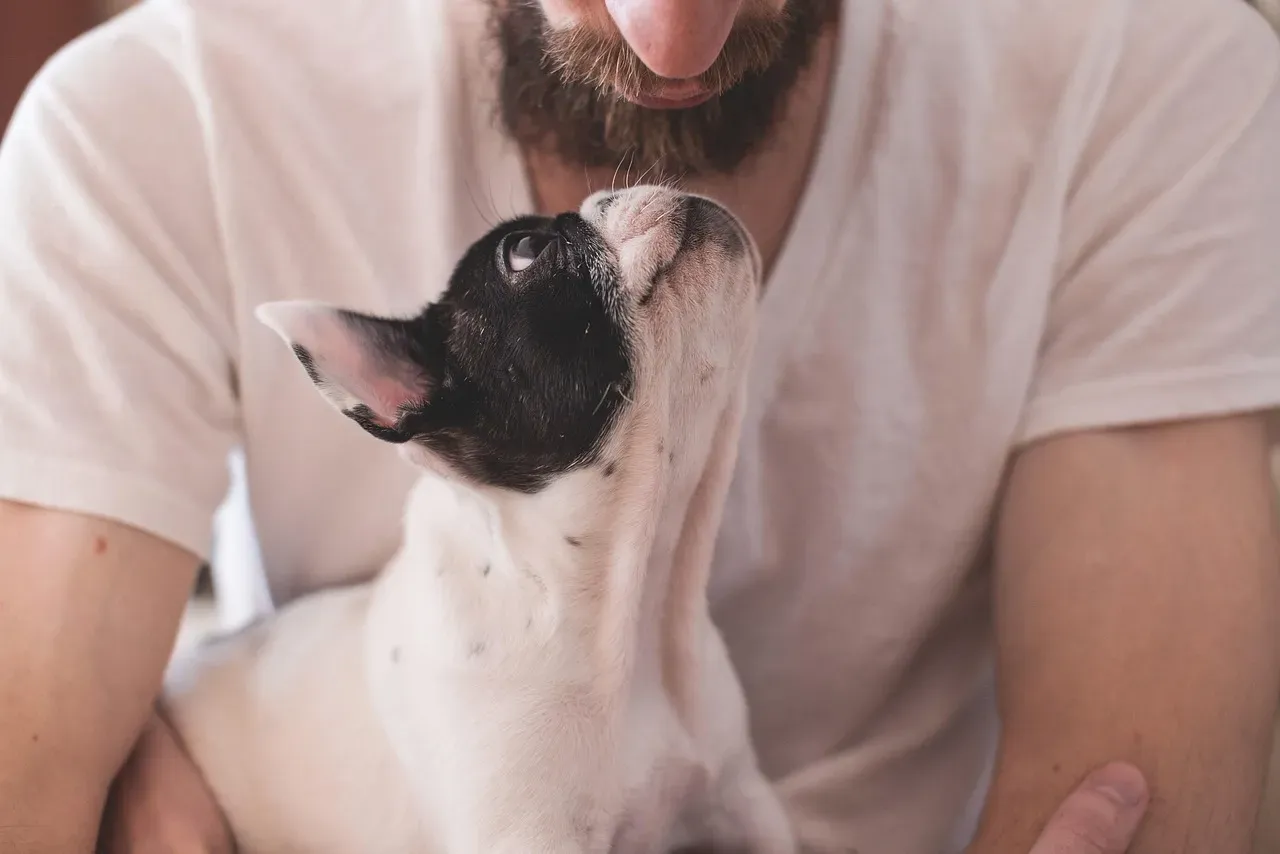
Let’s start with the most heartwarming reason first, because it deserves to lead. If , it’s most likely a sign that they love and adore you. When dogs interact with someone they like, the hormone oxytocin is released, often referred to as the “love hormone,” which makes you feel that warm glow when you’re around someone you like.
Being close to their owner actually boosts a dog’s mood. Cuddling, sitting up against you, licking, and looking into your eyes releases oxytocin, the bonding hormone that increases trust. Think of it like a biological hug happening on both sides simultaneously.
Dogs are incredibly social animals and love to spend time with their owners. You are your dog’s whole world, and being with you is a big part of their life. You make them feel happy, secure, and safe, and they enjoy spending time with their best friend. That’s not just cute. That’s a profound emotional bond that very few species on earth share with humans.
2. Pack Mentality Is Hardwired Into Their DNA
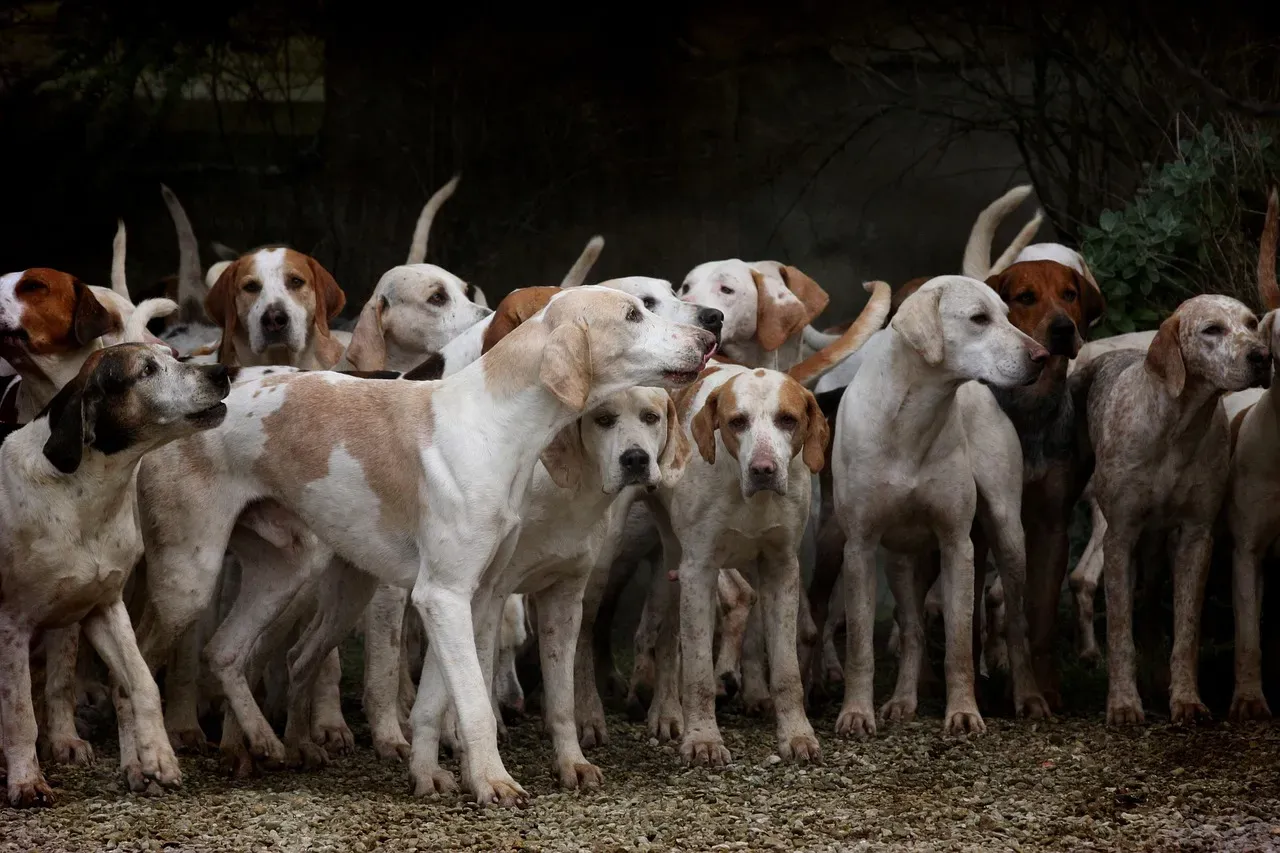
Here’s something wild to think about. Dogs share an extremely high percentage of DNA with wolves. Both species are pack animals that crave the company of a family unit. When we bring dogs into our homes, we become their pack, their family.
The core reason your dog follows you is rooted in their pack instincts. Though domesticated, dogs retain the instinct to stick close to their primary resource provider and leader – you. You are, in their eyes, the alpha of the pack. The one they orbit around.
Modern dogs perceive their human family as their pack. When a dog follows its owner, it’s not merely seeking attention – it’s maintaining proximity to its primary social unit. It’s less clingy and more ancient. Your dog isn’t being needy. They’re being a dog, in the most primal and genuine sense of the word.
3. You’ve Accidentally Trained Them to Follow You
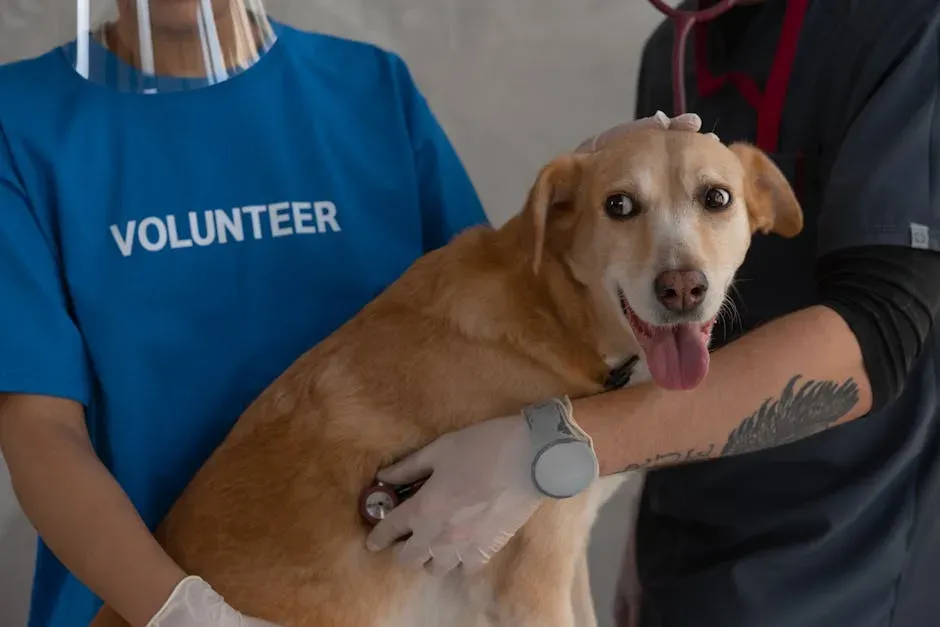
Okay, this one might sting a little. Another reason your dog might stay close to your side is positive reinforcement. If every time you are with your dog, they get affection or treats, they’re likely to follow you around more often. If you’re flattered by this affection and reward your dog for being clingy, you’re sending them a message that the behavior is welcome.
If your dog gets treats, pets, or attention whenever you’re nearby, they quickly associate proximity with reward. Over time, this creates a feedback loop: the more they follow, the more reinforcement they receive, reinforcing the behavior. It’s exactly like a toddler who discovers that crying gets them ice cream. Smart, really.
Even unintentional reinforcement, such as absent-minded petting when your dog follows you to the couch, can strengthen this behavior. Many dogs also learn that certain actions, like picking up car keys or putting on shoes, predict exciting activities, leading them to follow you in anticipation. You trained them. You just didn’t realize you were doing it.
4. Puppy Imprinting Is a Real and Powerful Thing
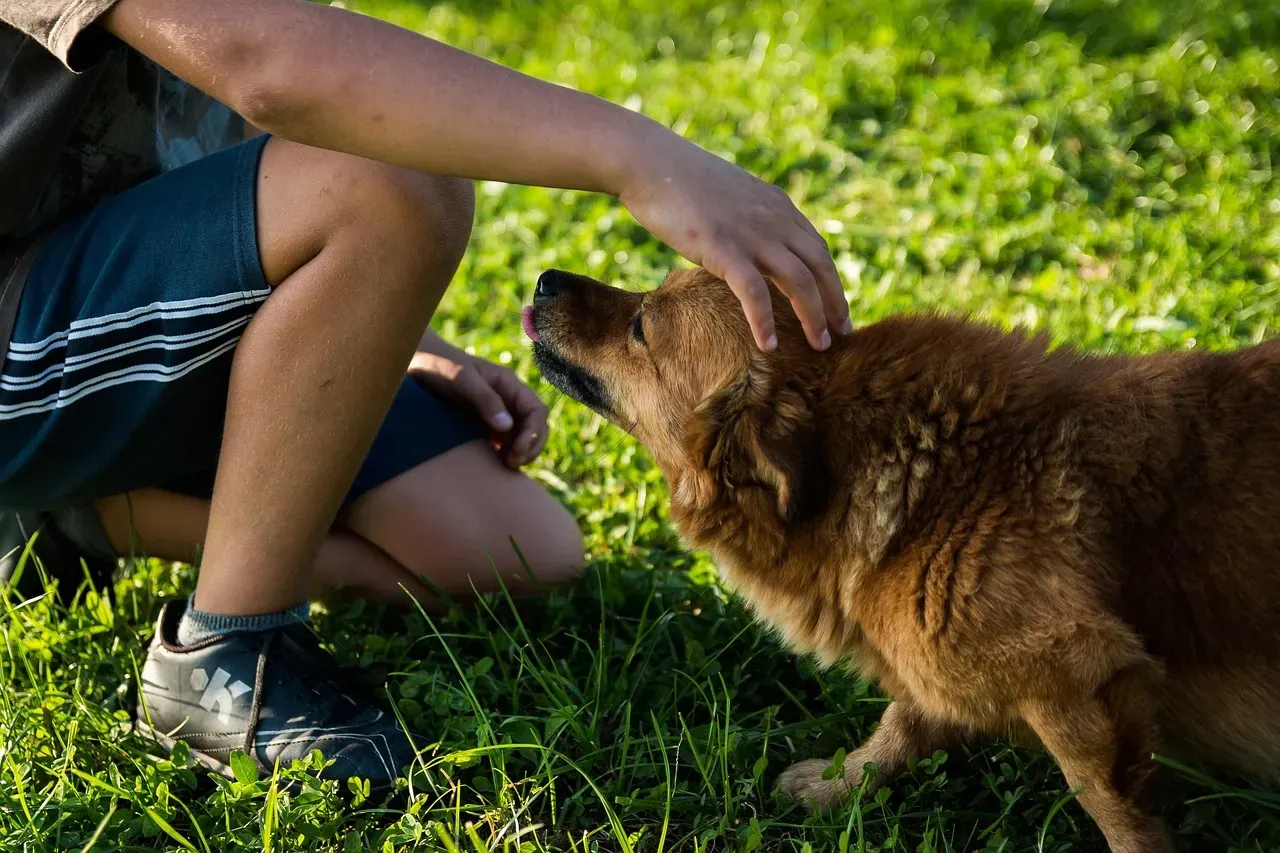
Puppies are particularly prone to following their owners everywhere. This behavior is a survival mechanism learned from their mother and littermates. By staying close to you, young dogs feel secure and continue to learn about their environment through observation and proximity.
Puppies are a bit of a special case when it comes to following people around. Young dogs rely on their mother to show them the ways of the world, and when they are removed from her and their siblings, their new family becomes their “imprinted” parents. That’s you. You’re the mom now. Congratulations.
Puppies often form the strongest bond with the person who feeds, trains, and spends the most time with them, leading to more attached behavior. So if your puppy shadows your every step like a little furry detective, know that it is one of the purest forms of trust an animal can show. Cherish it.
5. They’re Simply Bored and You’re the Most Interesting Thing Around
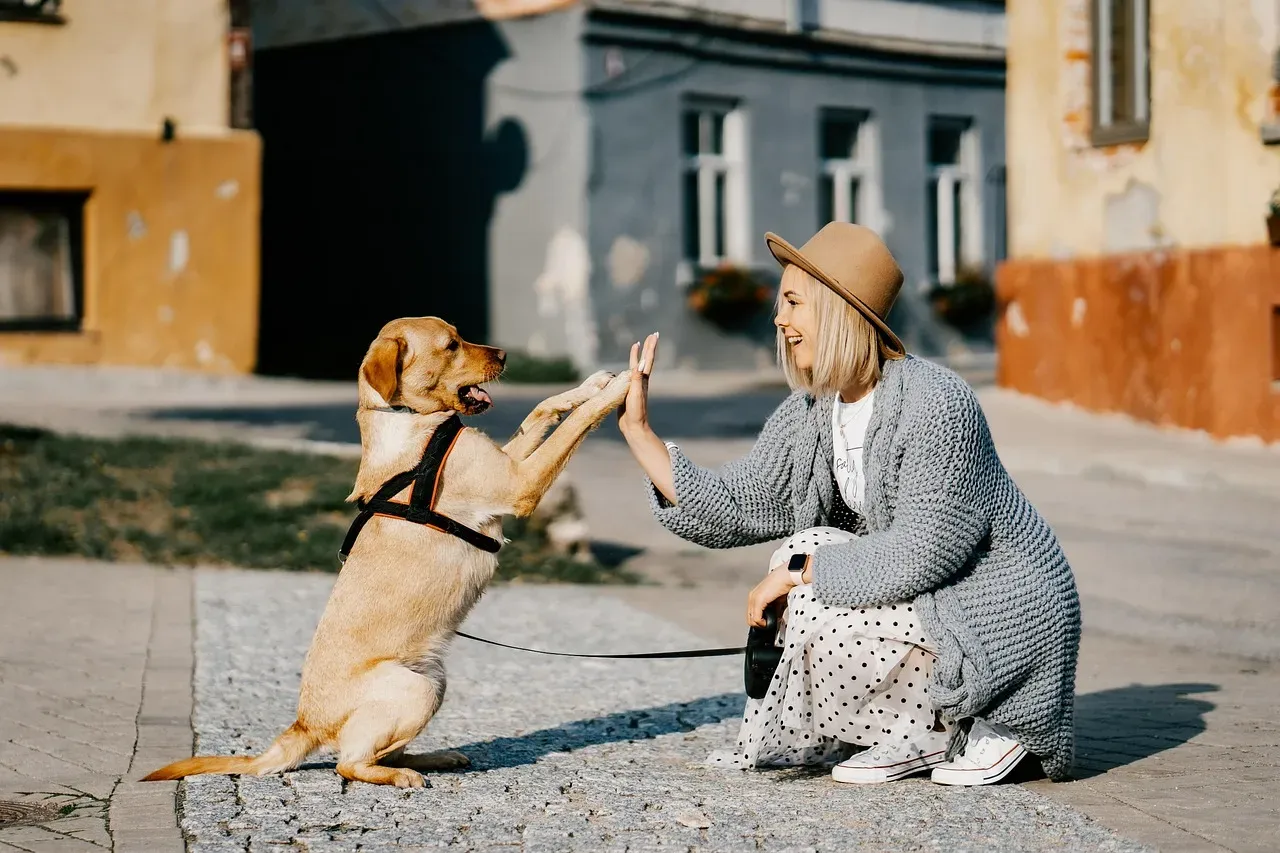
I think this one is wildly underrated as an explanation. Sometimes your dog isn’t following you out of love or instinct. They’re following you because absolutely nothing else is happening. Dogs kept indoors with limited stimulation may latch onto their owners simply because they’re the most interesting thing around. Without toys, puzzles, or outdoor access, human movement becomes the primary source of engagement.
If you’ve been sitting or stationary for a long part of the day and your dog is somewhat bored or restless, they will follow you for mental stimulation, to get a change of scenery, or to see what you’re up to. You are basically their Netflix. Their entire entertainment system rolled into one human body.
From your dog’s perspective, you might offer some attention or throw a toy, so it’s worth keeping you in sight. Boredom is easily relieved by giving the dog a job to do, whether that’s getting food out of a chew toy or playing a training game. A dog that receives plenty of mental stimulation won’t feel the same need to follow you for fun. So if your pup is glued to your heels, it might be time to break out the puzzle feeder.
6. Anxiety Is Driving Them Closer to You
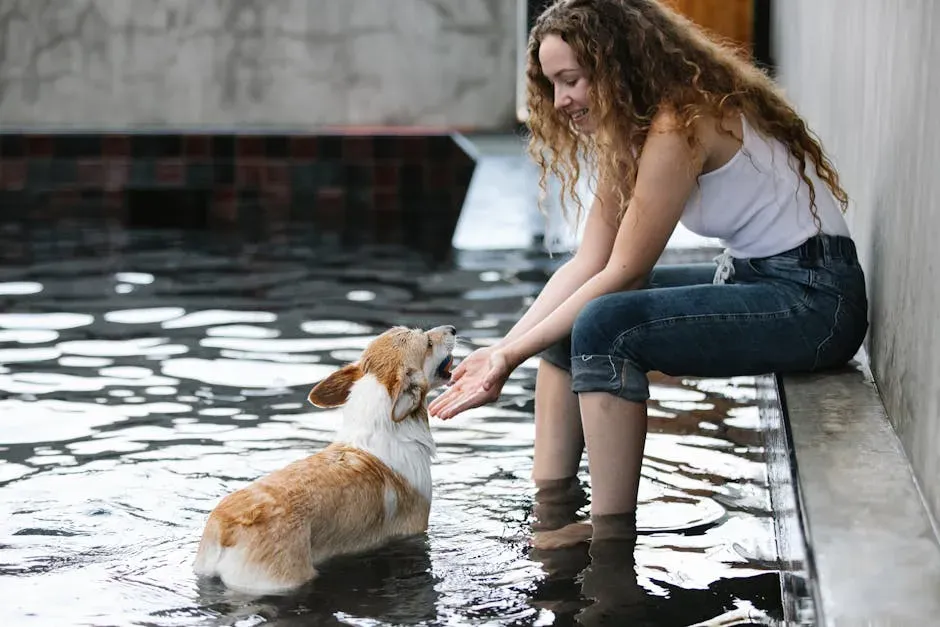
Here’s where things get a little more serious. Not all following behavior is cute and casual. Many people enjoy when their dog follows them everywhere because they see it as proof of their dog’s affection, but sometimes it’s a sign your dog is struggling with an emotional issue like anxiety. Anxiety and the need to feel supported by their owner is considered a primary reason dogs follow their humans. Your dog may be staying close to you as a coping mechanism to ease their nerves.
Certain noises, such as thunderstorms and fireworks, are terrifying to some dogs and they may follow you around to seek reassurance from you. If your dog is scared, they may pin back their ears, their eyes may go wide, and they may be panting more than usual. If they are scared, they may just want to be close to you and may not want to eat, drink, or play.
Think of it the way a frightened child grabs a parent’s hand in a dark room. Your presence is their anchor. Their safe place. Dogs derive security from being around their owners, not just because we offer good things, but because we provide cues about what to do and how to respond. That’s a heavy and beautiful responsibility.
7. Your Breed Was Built for It
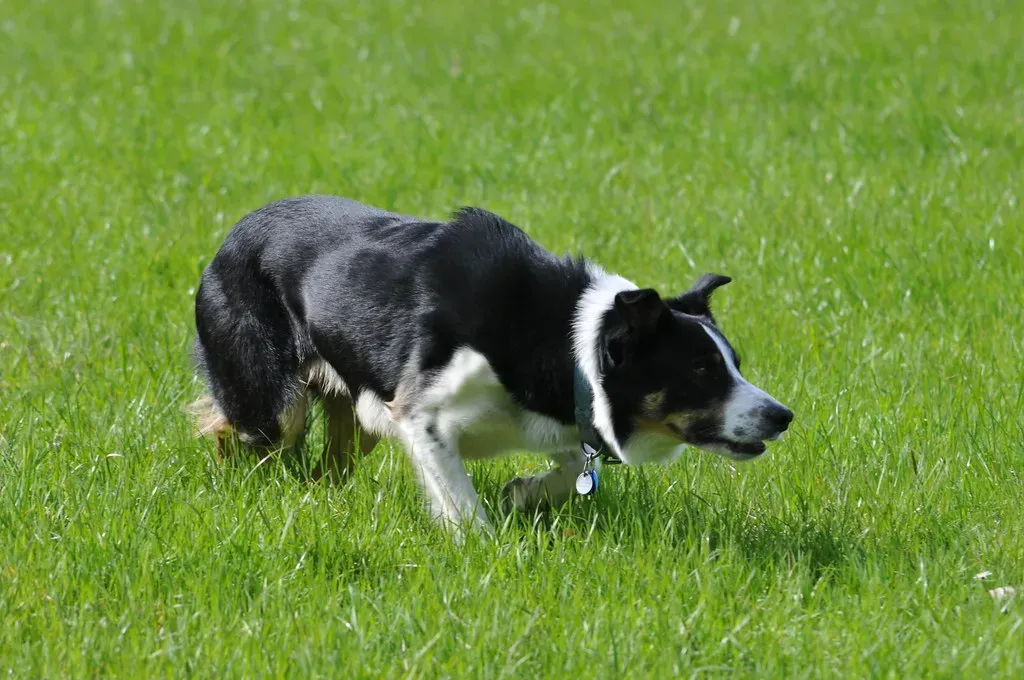
Some dogs follow you everywhere not just because of their personality, but because of thousands of years of selective breeding. Let’s be real, it was baked into certain dogs at the genetic level long before you even brought them home. This behavior is especially pronounced in breeds historically developed for close human collaboration, such as herding dogs like Border Collies or service dogs like Labradors. These breeds were selectively bred to stay attentive and responsive to human actions, reinforcing their natural inclination to remain physically close.
It’s not uncommon for certain breeds to over-attach to their owners. This includes dogs in the Working Group or Herding Group that are bred to work side-by-side with humans. It’s a trait that was deliberately encouraged for centuries.
Some breeds, particularly those bred for close human cooperation like herding dogs and retrievers, are more likely to exhibit following behavior due to their working heritage. So if you adopted a Border Collie and now can’t use the bathroom alone, you should know that was always part of the deal.
8. They’re Guarding You
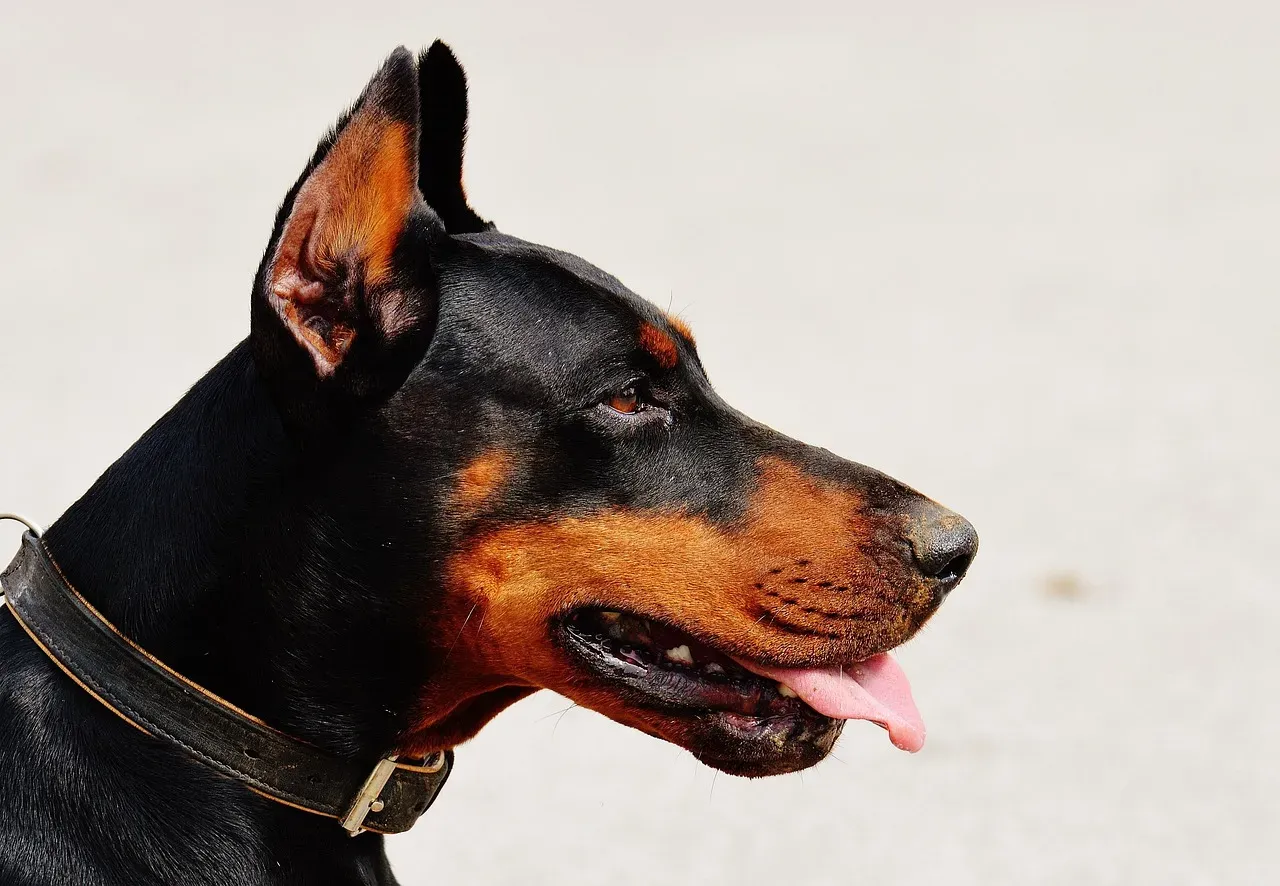
This one surprises a lot of dog owners. Your dog might not be following you out of neediness at all. They might actually be on duty. Dogs will sometimes follow their owners around when they feel the need to guard them. This is most common in dog breeds with a guarding instinct, and this usually occurs when one of these dogs feels uneasy about a person or situation. This is not necessarily a bad thing, especially if you want your dog to guard you and your family members.
Imagine having your own personal, extremely fluffy bodyguard who takes their job very, very seriously. That’s essentially what’s happening. Dogs derive security from being around their owners and provide cues about what to do and how to respond, but the reverse is also true – some dogs position themselves as your protector.
Breeds like German Shepherds, Rottweilers, and Dobermans were literally engineered to stay close and keep watch. When your protective-breed dog trails you from room to room, they’re not just being sweet. They’re working. Give them some credit for that.
9. Routine Has Turned It Into a Habit
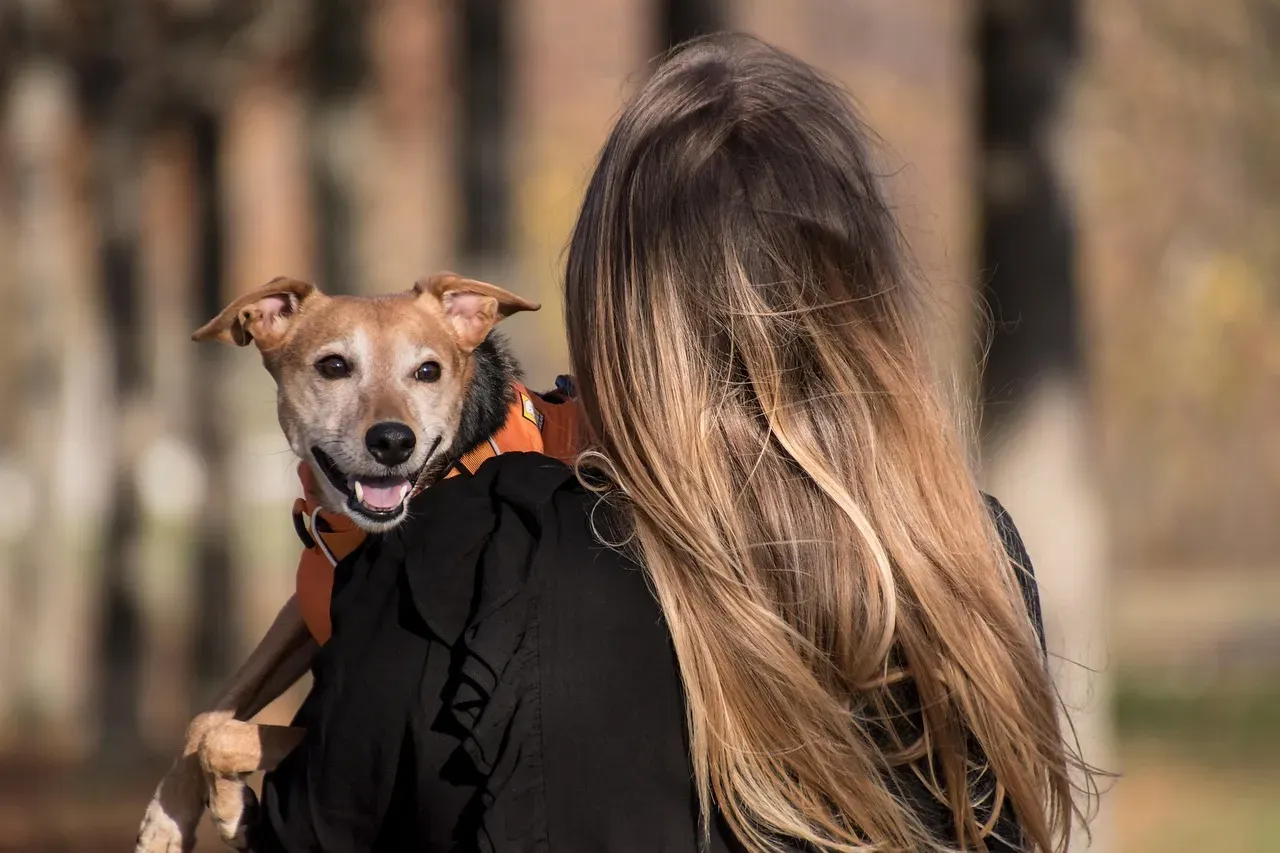
Dogs are creatures of pattern in a way that is genuinely remarkable. If you have the same, day to day routine, then your dog will get to know this routine and will casually follow you. Dogs thrive on routine, so following you as you carry out your usual daily activities will have them feeling secure and safe.
Many pets learn to clue in on daily routines, like the fact that they are fed or walked at certain times. What better way to make sure you don’t forget than to be right there and waiting? We often unconsciously reward this cute behavior too, by providing food or treats. It becomes a self-reinforcing loop of habit and expectation.
A dog might also stick close to you because of a shift in routine. A recent study showed that a consistent routine can help alleviate anxiety and reduce behavioral issues in dogs, so when that routine is interrupted, it might cause a behavioral shift. Routine is basically their emotional infrastructure, and following you is a pillar of it.
10. They Could Be Telling You Something Is Wrong
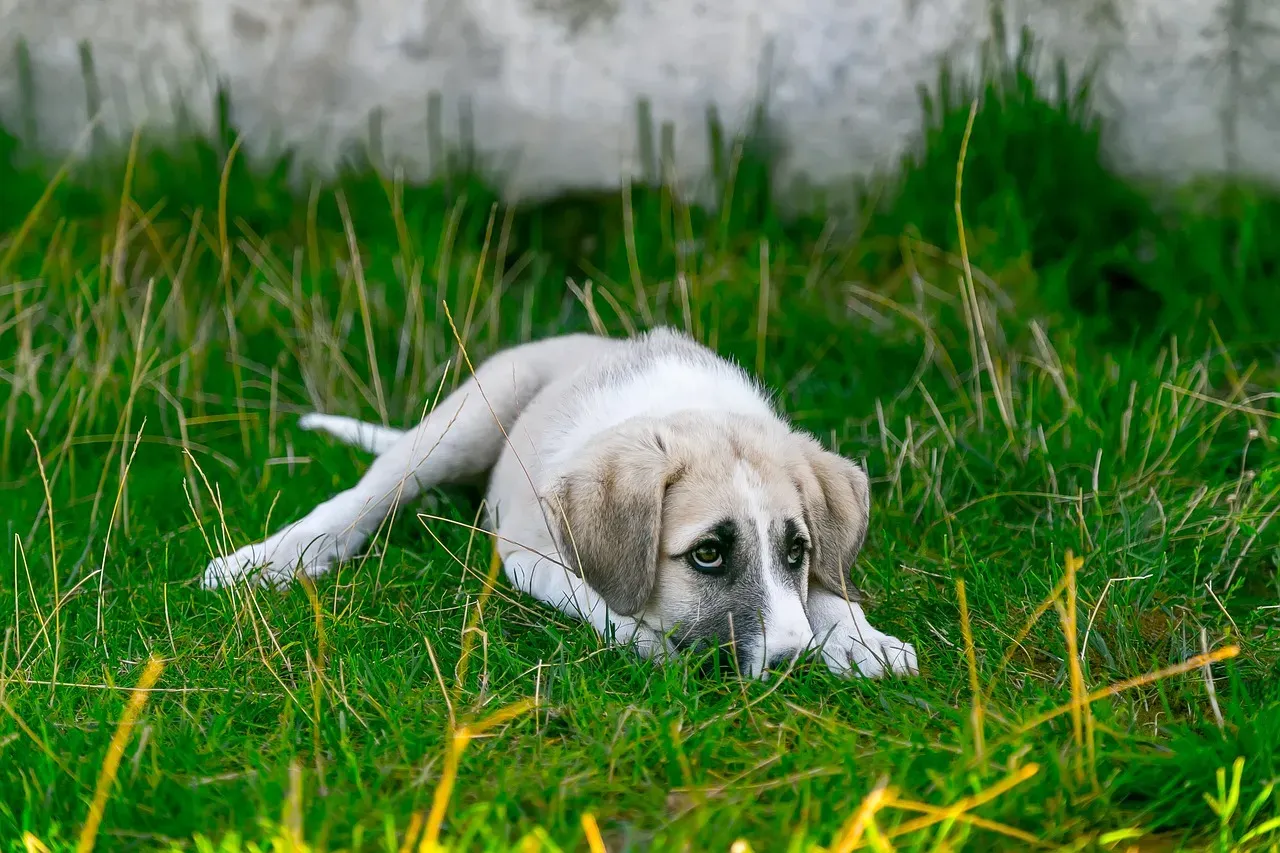
Pay attention to this last one, because it could genuinely matter. If your dog has always been a confident, independent dog and has suddenly become clingy, there’s a good chance they are trying to tell you something. Often, this may mean something is wrong – that they aren’t feeling well, or something in their body has changed and is making them less confident, like a loss of sight or hearing.
Older dogs may follow their owners purely out of familiarity and habit. However, if this is a new behavior, it may also indicate that things are changing for your dog, making them less confident. Perhaps your dog is starting to lose their hearing or vision. Or they have started to have joint problems, so they are less independent than they were. Other dogs experience a mental decline, much like Alzheimer’s in people, that makes them become clingy.
If your dog has suddenly started following you around the house, it might be a sign that something is wrong. It’s possible that they are not feeling well, or may have a problem with their senses, such as issues with their vision or hearing. When in doubt, a visit to the vet is never a bad idea. Sometimes the most devoted shadow is quietly asking for help.
Conclusion: What Your Dog’s Shadow Really Means
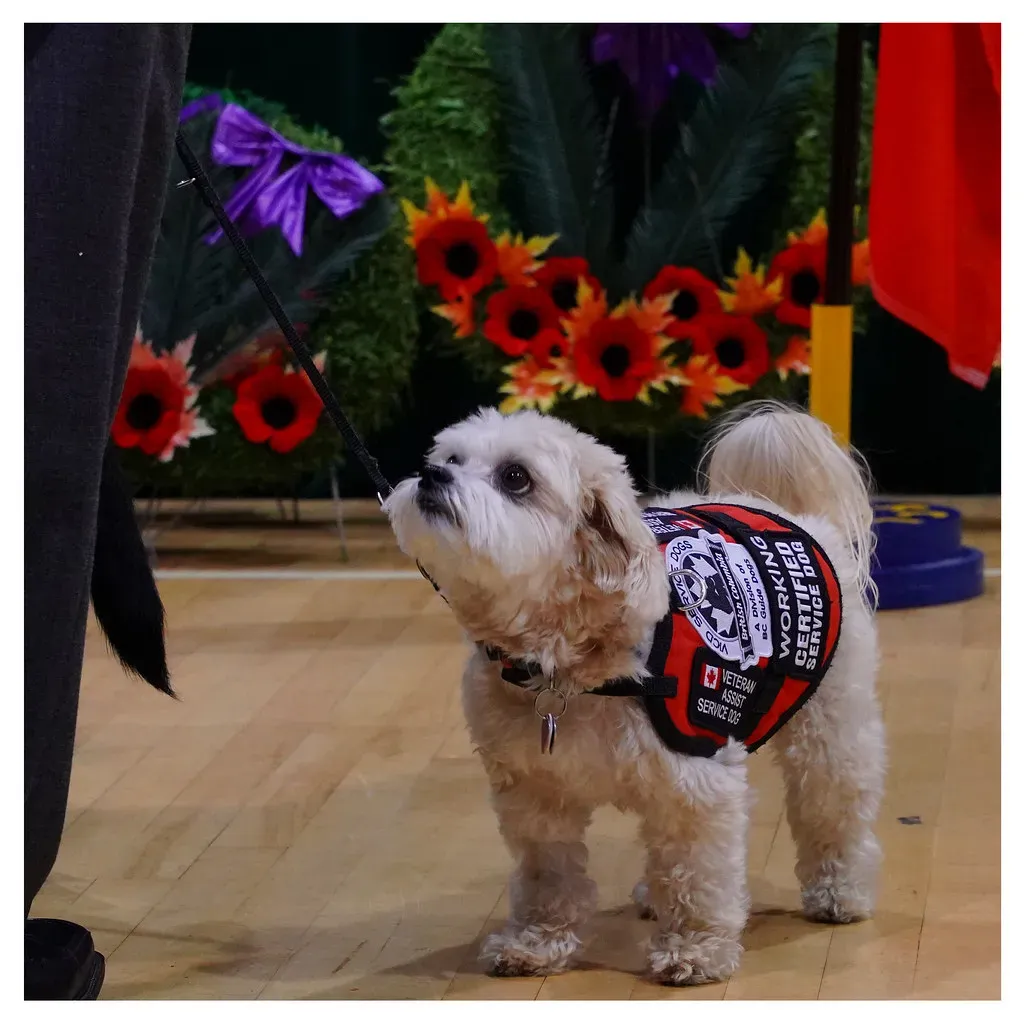
The next time your dog pads softly behind you from the bedroom to the kitchen, or parks themselves outside the shower door, consider what’s really happening. This behavior reflects a profound emotional connection that few species share with humans. Understanding the psychology behind it allows us to respond with empathy, nurturing a relationship that balances closeness with confidence. Rather than viewing constant companionship as a nuisance, recognize it as a privilege.
Most of the time, when your dog follows you around, it’s just a sign of love, loyalty, and a desire for companionship. If your dog is able to be alone, you don’t have anything to worry about. Instead, enjoy your dog’s love for you. That said, always stay alert to changes in behavior that feel sudden or out of character.
Your dog has chosen you, completely and without condition, as their entire world. That’s not something to take lightly. So the next time you trip over them on the way to the fridge at midnight, maybe just pause and appreciate the absurd, loyal, wonderful creature at your heels. What other living being would follow you that faithfully, every single day, without ever asking for a thing in return? What do you think about that? Share your thoughts with other dog lovers in the comments below.
