
Somewhere in the frigid waters of the Arctic, a shark is swimming today that was already alive when Shakespeare was writing his first plays. On a remote South Atlantic island, a tortoise lumbers across a lawn that he has been walking since before the American Civil War. These aren’t myths. They’re real, verifiable, and absolutely mind-bending.
The natural world is hiding some of the most extraordinary secrets about the biology of aging, tucked inside creatures most of us will never see. Scientists in 2026 are only beginning to decode what these ancient animals carry in their DNA, and what they’ve found so far could one day change everything about how humans grow old. Let’s dive in.
Jonathan the Tortoise and the Astonishing Age of Giants
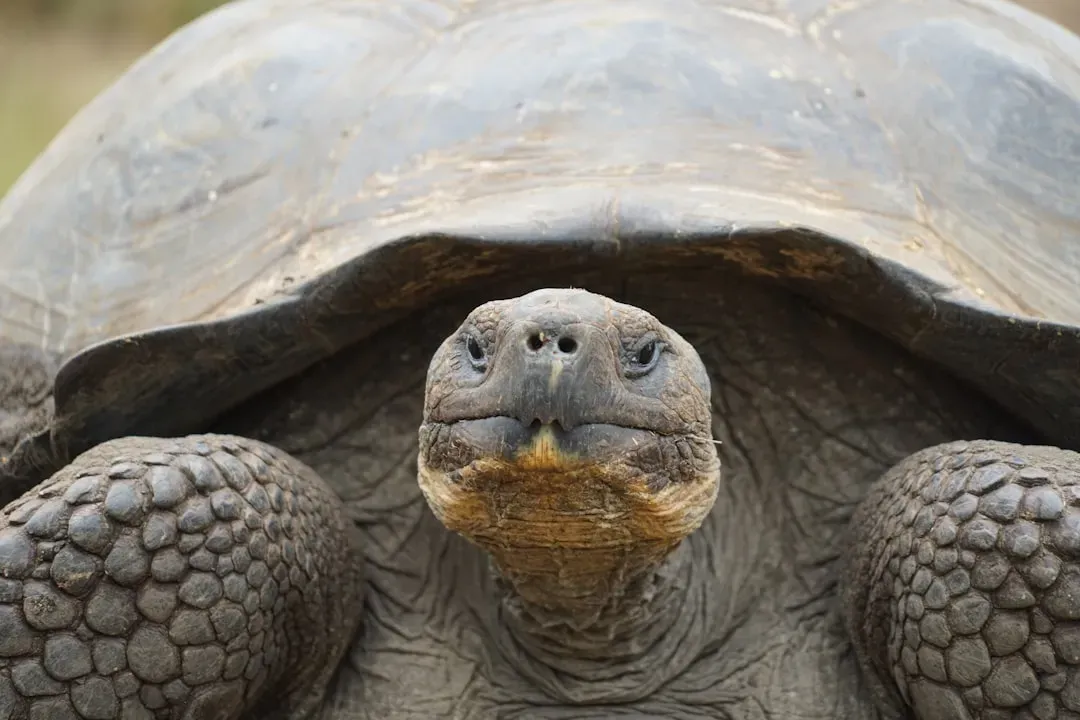
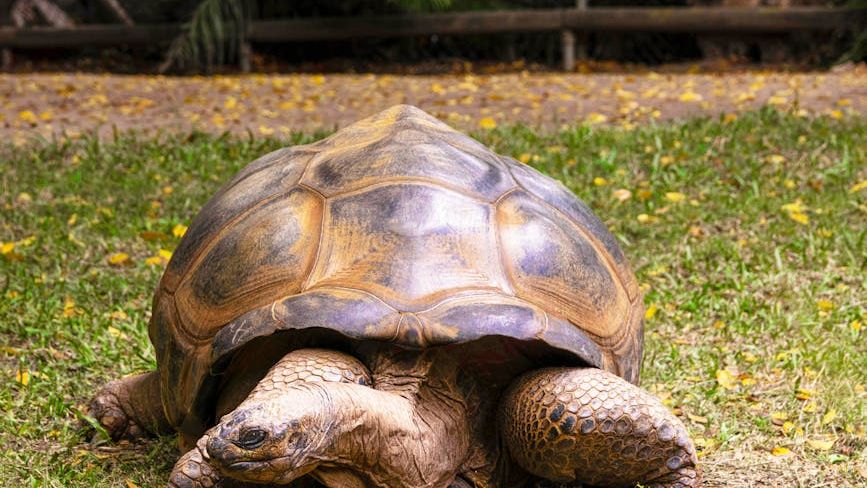
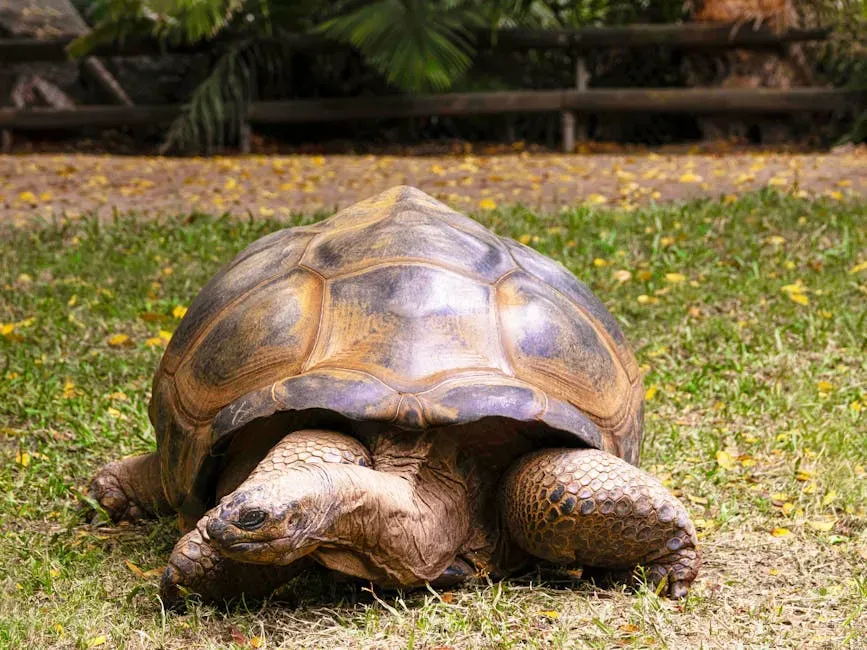
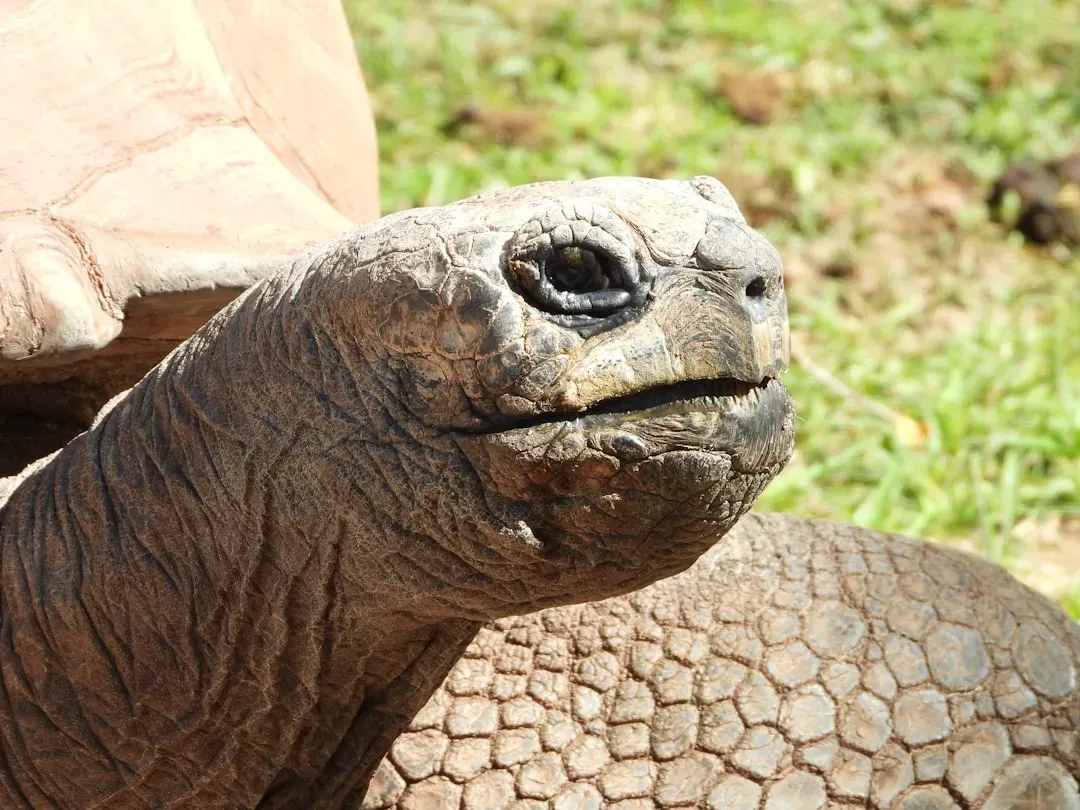
Here’s a fact that honestly stops me in my tracks every time I think about it. The oldest known living terrestrial animal is Jonathan, a Seychelles giant tortoise originally from the Seychelles, now a long-time resident of the remote South Atlantic island of St Helena. He is believed to have been born around 1832, making him at least 194 years old in 2026.
Let that sink in. This tortoise has been alive through both World Wars, the entire history of photography, and every single smartphone ever made.
His age has been reliably estimated from the fact that he was said to be “fully mature” when he was brought to the island in 1882, and as that is a conservative estimate, in all likelihood he is even older. Although cataracts have dimmed his sight and his sense of smell is diminished, his hearing remains excellent.
So what makes giant tortoises so extraordinarily long-lived? Giant tortoises are famous for their longevity, and while scientists used to credit the tortoise’s slow metabolism, they now think other genetic and biological processes are at work. In tortoises and some fish species, reproductive output actually increases as they get older, which means they effectively don’t age in the same way most creatures do. It’s like nature decided tortoises should have a completely different rulebook.
The Ocean Quahog: A 500-Year-Old Clam Named After a Dynasty
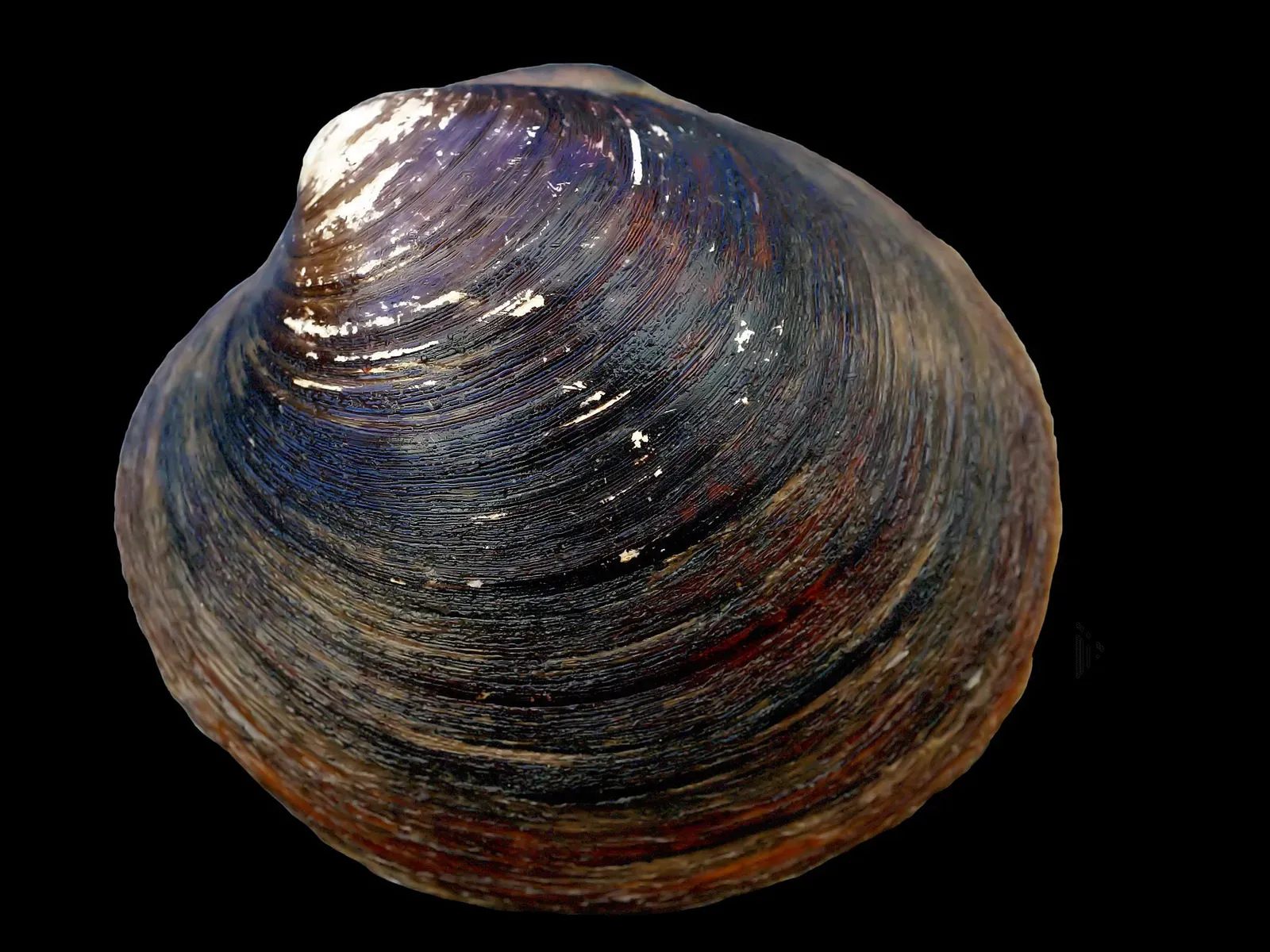
If Jonathan is impressive, wait until you hear about a small clam that was born the same year as Leonardo da Vinci’s Mona Lisa. One specimen made the news in 2006 when it was dredged up off the coast of Iceland by a Bangor University expedition. This ocean quahog turned out to be the oldest known individual ever discovered, and the oldest substantiated animal on Earth. It was nicknamed Ming, as the Chinese dynasty of the same name was coming into power at the time the mollusc was born, some 507 years ago.
Think about that. Scientists literally named a clam after an imperial dynasty because the math of its age connected it to that era of history.
Scientists from Bangor University found this especially large ocean quahog off the coast of Iceland. Using a powerful microscope, they counted the rings on the clam’s shell, each corresponding to a year of life. The clam turned out to be 507 years old. The cold waters these clams inhabit likely give them very slow metabolisms, which could account for their longevity.
As well as being the last of its family, the Arcticidae, a group of clams dating back to the Jurassic period, the ocean quahog is capable of record-breaking feats of longevity. Many populations live to well over 100 years old, with the oldest coming from the northern parts of their range. It’s hard to say for sure what the absolute ceiling of their lifespan is, but Ming suggests 500 years is not even close to it.
The Greenland Shark: A Living Ghost of the Arctic Deep
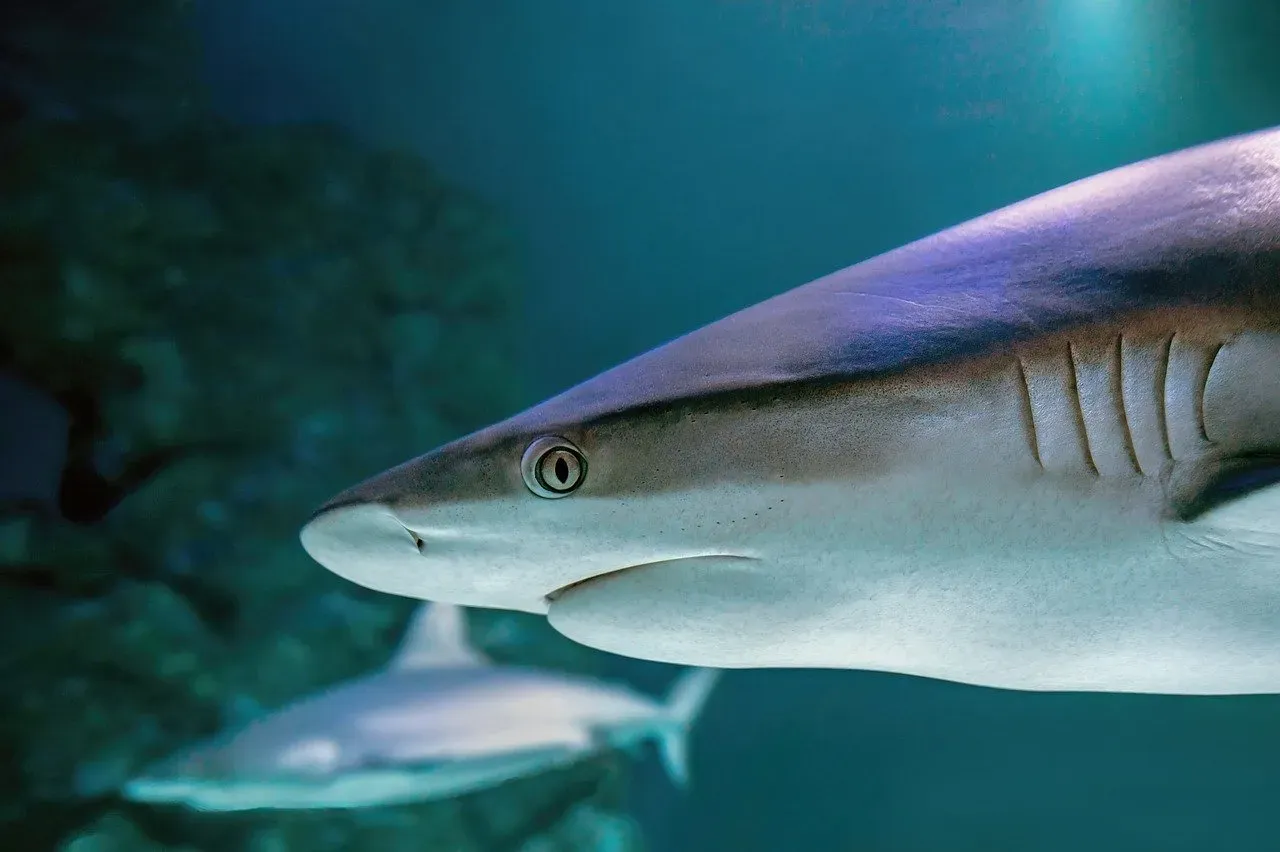
Honestly, the Greenland shark might be the most mind-blowing creature in this entire conversation. Greenland sharks are thought to have lifespans that can reach 400 years. University of Tokyo-led researchers sequenced a chromosome-level genome of the Greenland shark, revealing genetic adaptations linked to its extraordinary lifespan, immune function, and deep-sea survival.
Greenland sharks can live to be 400 years old and only become sexually mature at 150, raising significant conservation concerns. Let that be your metaphor for patience. Humans stress out about turning 30. These sharks spend their first century and a half as juveniles.
The genome assembly identified expanded gene families involved in DNA repair and immune function, suggesting a genetic basis for its extended lifespan and disease resistance. A gene called TP53, heralded as the “guardian of the genome,” is vital for cancer prevention. Many animals have it, including humans, elephants, and whales. TP53 contains instructions for the protein p53, which aids in tumor suppression and DNA repair.
In Greenland sharks, a portion of the TP53 gene sequence is altered from how it typically functions in other animals. Using an AI model, researchers predicted that the mutation could impact p53’s structure and how it handles DNA repair, possibly leading to a longer life. Nature, it turns out, has been doing genetic engineering for millions of years.
The Bowhead Whale and the Science of Cellular Repair
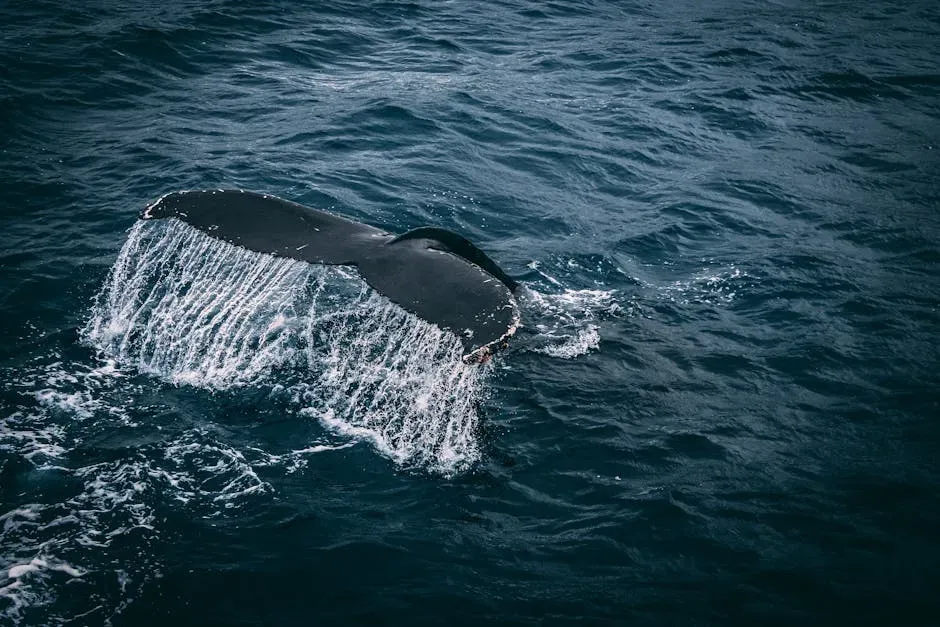
If the Greenland shark is the most dramatic example of extreme animal longevity, the bowhead whale is perhaps the most scientifically significant. At more than 200 years, the maximum lifespan of the bowhead whale exceeds that of all other mammals. The bowhead is also the second-largest animal on Earth, reaching over 80,000 kilograms. Despite its very large number of cells and long lifespan, the bowhead is not highly cancer-prone.
That last point is genuinely shocking. Larger bodies contain more cells, which statistically means more chances for cancerous mutations to occur. Yet bowhead whales live for over two centuries without getting cancer at a higher rate. Science calls this puzzle Peto’s paradox.
Bowhead whale cells exhibited enhanced DNA double-strand break repair capacity and lower mutation rates than cells of other mammals. The cold-inducible RNA-binding protein CIRBP was found to be highly expressed in bowhead fibroblasts and tissues. University of Rochester researchers discovered this new clue to the whales’ longevity: an abundant protein called CIRBP that helps repair DNA.
Bowhead whale cells contain a protein remarkably good at healing the breaks in DNA, and when added to human cells in a lab, research published in late 2025 found it increased cells’ ability to manage damage. That’s not a small finding. That is the kind of discovery that could one day reshape medicine as we know it.
What Ancient Animals Can Teach Us About Human Aging
Here is where this all gets personal, and I think it is worth slowing down to appreciate the bigger picture. Scientists have spent years trying to find the secrets to a long life, and many of these species may offer clues as to how we might be able to live healthier and prolonged lives in the future.
Longevity is not something there is direct evolutionary selection for. In the wild, most animals don’t die of old age. Predators eliminate them before cancer or heart disease, major killers of aging humans, ever become a problem. So when a species finds itself safe from predators, strange and wonderful things happen to its biology over millions of years.
There are certain species that have won the evolutionary lottery with genes that effectively halt the aging process and fend off age-related illnesses like cancer and neurodegenerative disorders. Exactly how genes are used over these animals’ lifetimes probably matters as much as the genes themselves. After all, though humans have almost the same DNA makeup as chimpanzees, we live around twice as long.
Understanding how genetic variations affect longevity may not only unveil secrets of nature’s oldest animals but also offer insights that could inform biomedical research aimed at enhancing human healthspan. By studying the genetic determinants of aging, scientists hope to reveal mechanisms that could be leveraged to promote longevity across species. We are, in a very real sense, using ancient animals as a natural library of anti-aging experiments.
Keeping track of the world’s oldest animals is important as it enables us to gain an understanding of why some species live longer than others. Studying them can provide valuable insight into the biological, molecular, and genetic mechanisms of aging. Through learning their tricks, we may even learn how to extend our own existence as a species.
Conclusion: The Oldest Lives Hold the Youngest Lessons
What strikes me most about all of this is how much humility is required. A 507-year-old clam, a tortoise born before photography was invented, a shark that doesn’t reach adulthood until well past the age most humans retire. These creatures have been quietly perfecting the art of staying alive while we were barely learning to write.
The science coming out in 2025 and 2026, from Nature journal publications to genome sequencing studies out of Tokyo and Rochester, is pointing toward something extraordinary: that the blueprints for a longer, healthier life may have already been written by evolution, inside creatures swimming silently through Arctic seas or plodding across a small island in the South Atlantic.
We just have to be humble enough to look, and patient enough to learn. Which, ironically, is exactly what the world’s oldest animals have always been. What would you choose to learn first from a 400-year-old shark? Tell us in the comments.

- The World’s Oldest Living Animals Hold Secrets to Longevity - August 7, 2026
- What Secret Social Structures Dictate Life Within a Wolf Pack? - August 7, 2026
- Your Gemstone According to Your Zodiac Sign - August 7, 2026