
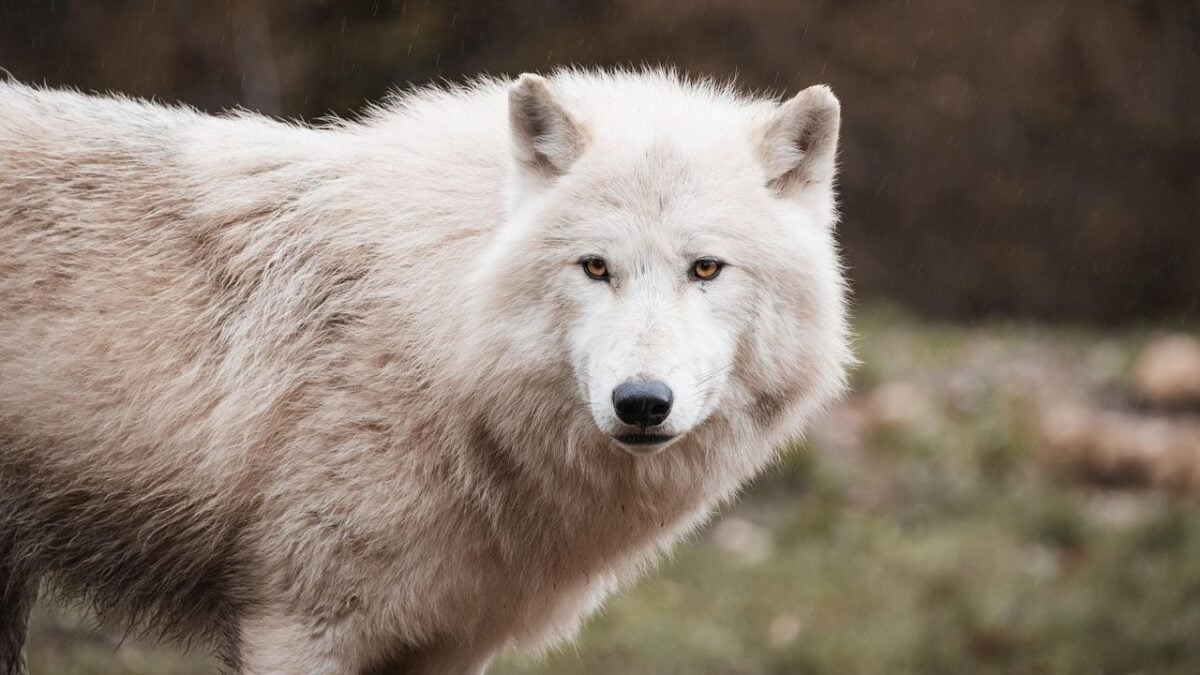
Few animals on Earth have captured the human imagination quite like the wolf. Mysterious, powerful, and deeply social, wolves have been misunderstood for centuries. Popular culture painted them as ruthless, power-hungry predators locked in perpetual battles for control. The truth is far more nuanced, far more fascinating, and honestly, a little humbling when you realize how much it mirrors our own family dynamics.
From the way they communicate without uttering a single sound, to the surprising role of the lowest-ranking pack member, the inner workings of a wolf pack are packed with secrets that science is still unraveling. So let’s dive in.
The Wolf Pack Is Not What You Think It Is
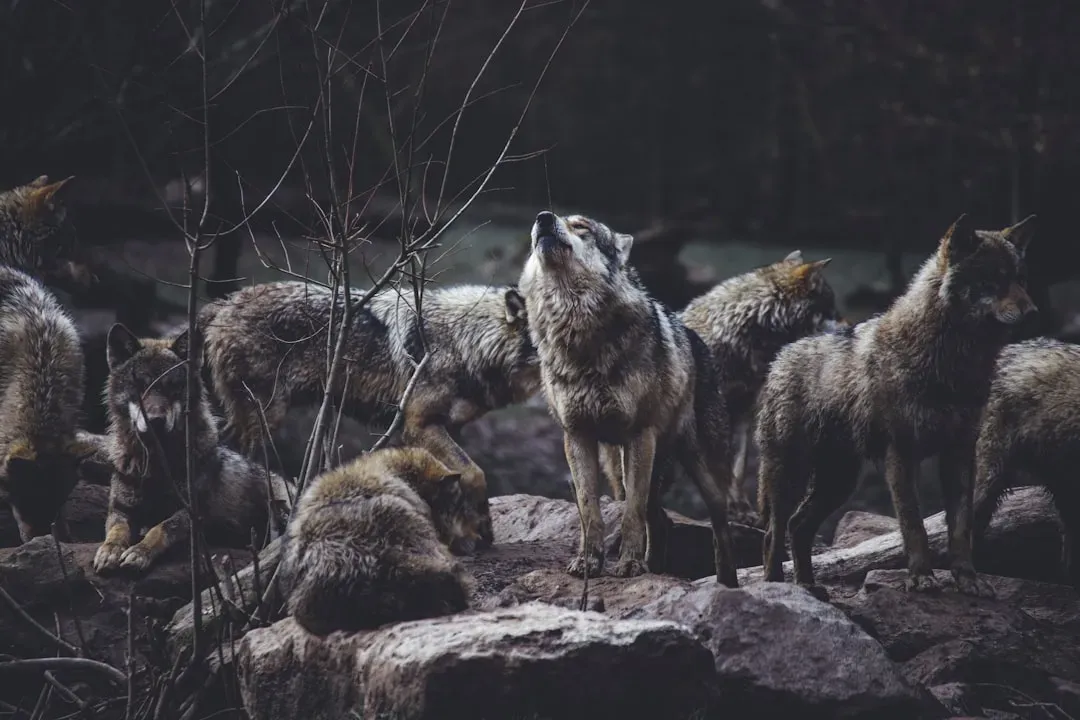
Let’s start by dismantling the biggest myth of all. Most of us grew up hearing about dominant “alpha” wolves ruling their pack through brute force and constant intimidation. It sounds dramatic and cinematic. It is also largely wrong. Most research on the social dynamics of wolf packs was conducted on non-natural assortments of captive wolves, which led scientists to wildly distorted conclusions about how wolves actually behave in the wild.
The long-standing notion of a strict, competitive “alpha” hierarchy maintained through constant aggression is largely a misconception derived from studies of captive, unrelated wolves. In the wild, the breeding pair leads primarily through parental authority and experience rather than physical domination, and their leadership is accepted by subordinate offspring much like a human family structure. Think of it less like a military dictatorship and more like a tight-knit family with mom and dad in charge. Because that is essentially what it is.
A pack is defined as a cohesive family group that uses an established territory, and it often contains a breeding pair and the current year’s pups, as well as any surviving pups from the previous year. The whole “alpha domination” narrative was never really the full story. It just made for better television.
The Breeding Pair: The Heart of the Pack
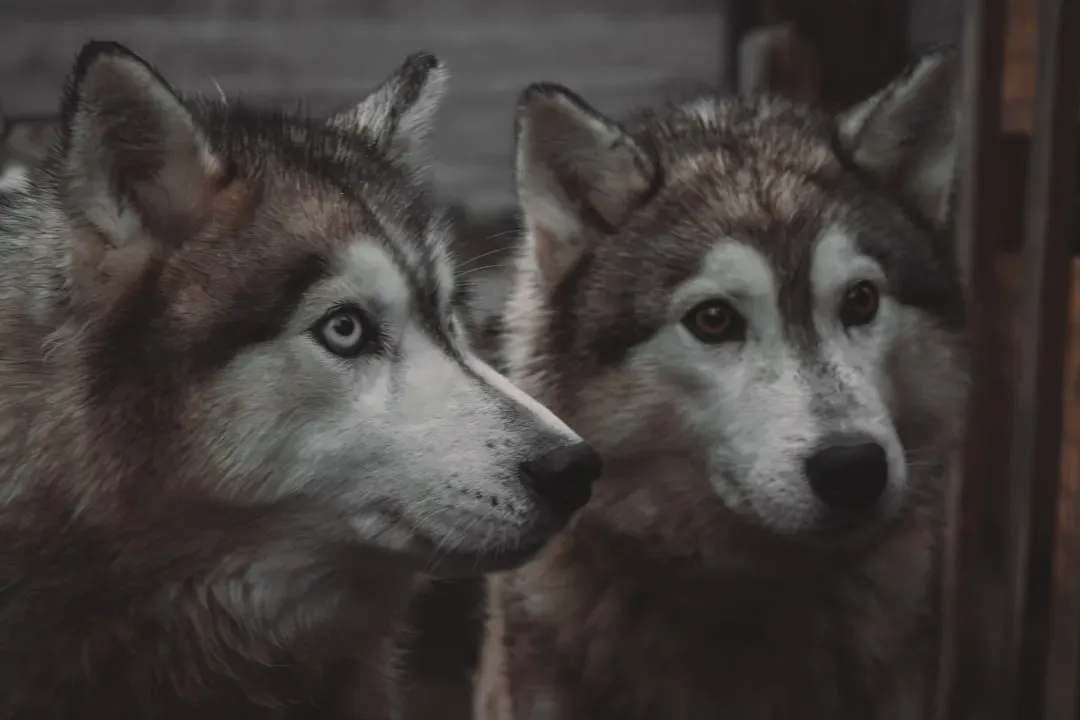
At the center of every wild wolf pack sits the breeding pair, sometimes called the dominant pair or, loosely, the alphas. These are essentially the parents of the group. The pack leaders are the male and female parent, usually the father and mother of the other pack members, known as the dominant pair, and they are usually the only members of the pack to produce pups. Their authority over the rest of the pack is not so much enforced as it is naturally inherited from a parental role.
The breeding pair generally directs the pack’s daily activities, such as initiating travel and hunts, and they are typically the sole animals to reproduce. Remarkably, wolves begin mating when they are 2 to 3 years old, sometimes establishing lifelong mates. That kind of bond between the breeding pair creates a stable emotional anchor for the entire group, something that has profound consequences when that bond is broken.
The loss of a parent can have a devastating impact on social group cohesion, and in small packs, human-caused mortality of the alpha female and/or the alpha male can cause the entire pack to dissolve. So when people talk about losing a wolf pack leader, they are not talking about a simple shuffle in power. They are talking about the potential collapse of an entire family unit.
The Beta, the Middle Ranks, and the Omega: Roles Within the Pack
Below the breeding pair, the social ladder gets genuinely interesting. After the alphas, wolves second in command are called the betas, followed by mid-ranking wolves, and finally the omegas. The beta wolves are the understudies of the pack, positioned to step up when needed and often acting as enforcers of social order among the lower-ranking members. Beta wolves, usually the alpha pair’s offspring, often assist with key decisions and may take on leadership roles in the future.
Mid-ranking wolves have a fluid hierarchy amongst themselves, ranking above the omega but below the alpha and beta wolves. This rank includes elderly wolves, aunts, uncles, and younger wolves who haven’t yet reached alpha or beta status, and their flexible role allows them to take on different tasks depending on the needs of the pack. Then there is the omega. Sitting at the very bottom of the social ladder, the omega wolf carries what is honestly one of the most misunderstood jobs in the animal kingdom. The presence of the omega wolf assists in reducing tension and conflicts within the pack, and by assuming the lowest ranking position, the omega wolf helps to diffuse potential conflicts between higher-ranking members, promoting a more stable and cohesive pack structure.
The Surprising Importance of the Omega Wolf
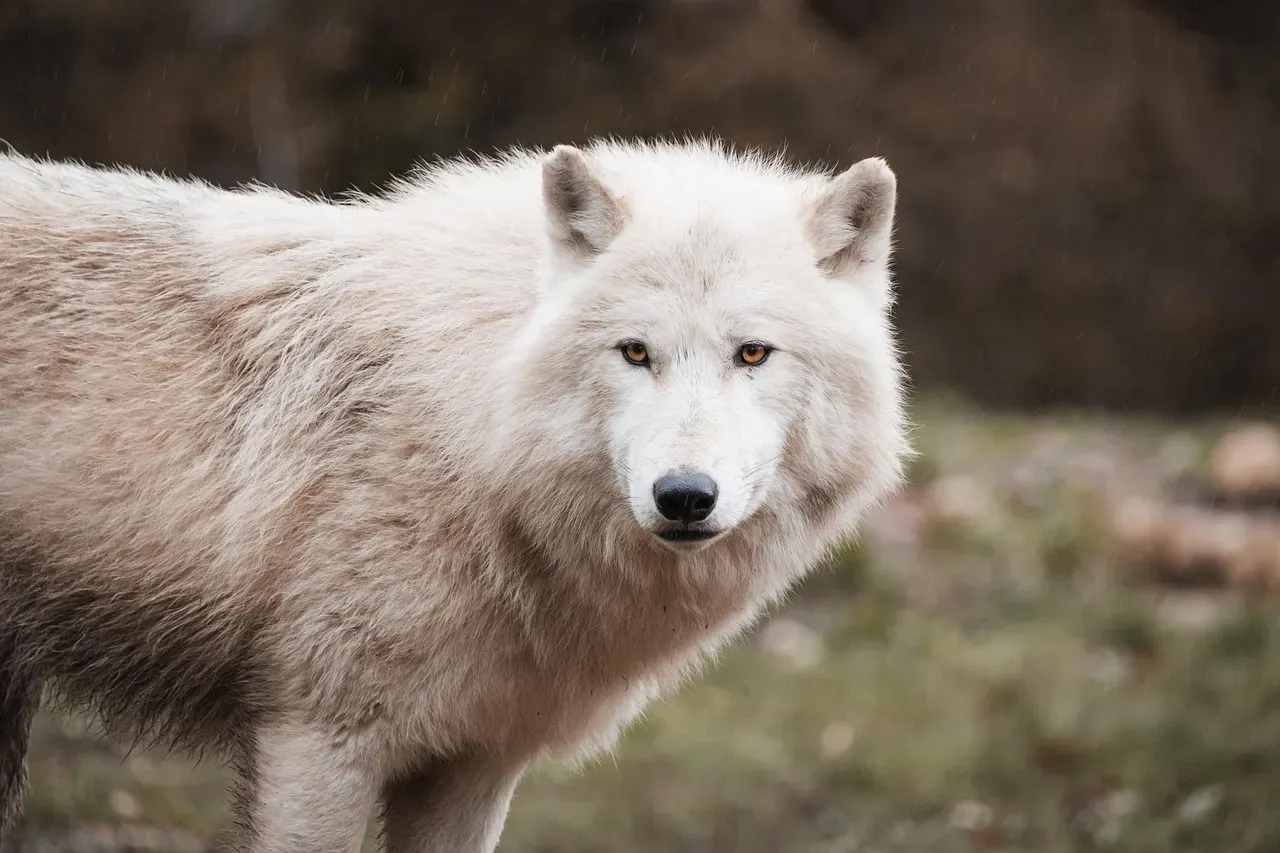
Here is where things get genuinely surprising. The omega wolf is bullied, fed last, and pushed around by practically everyone. You would think it serves no real purpose beyond being a punching bag. But that assumption could not be more wrong. While other members of the pack often bully the omega, it plays an important role. They help the pack vent off conflicts without acts of war, and recent studies showed that packs that lose their omegas stop hunting and begin mourning them. That is extraordinary. A wolf that seemed insignificant turns out to be a kind of emotional pressure valve for the entire group.
Both mid- and low-ranking positions are somewhat fluid, and although an omega may hold that position for many years, it is not unheard of for the pack to pick a new omega and let the other retire. Think of the omega’s role like a pressure valve on a boiler. Remove it, and the whole system risks overheating. The omega absorbs social tension, keeps the peace indirectly, and allows other wolves to discharge frustration without resorting to outright violence. It is a delicate and underappreciated position, and it matters enormously to the group’s stability.
How Wolves Communicate Without Words
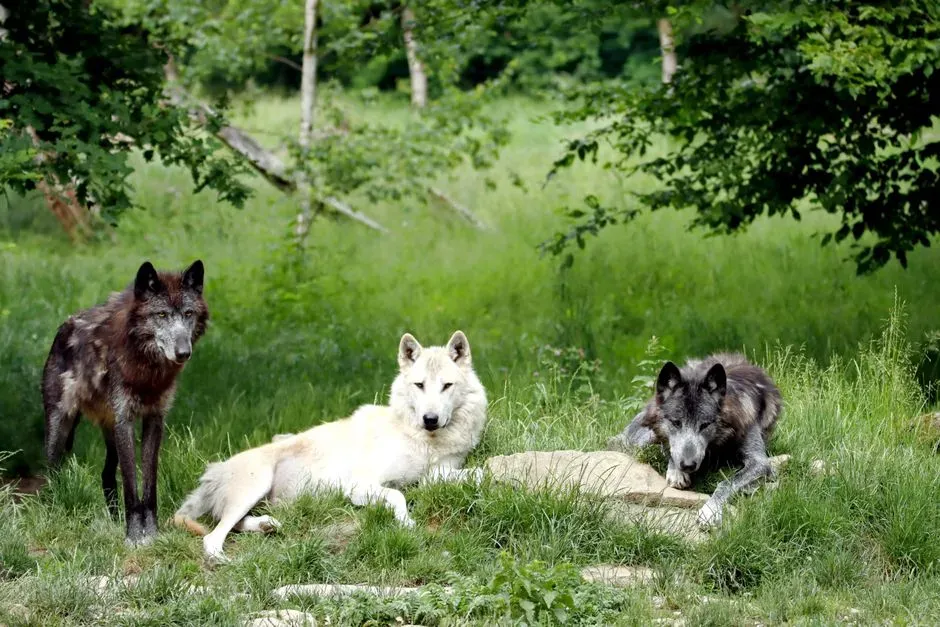
If you ever watch a wolf pack in action, you quickly realize that most of what passes between them is never spoken out loud. Wolf communication is a sophisticated system involving three main channels: vocalizations, body posture, and scent marking, all used to maintain social order and coordinate group activities. It is almost like watching a conversation between people who are deeply in tune with each other, where a glance or a posture says more than a paragraph ever could.
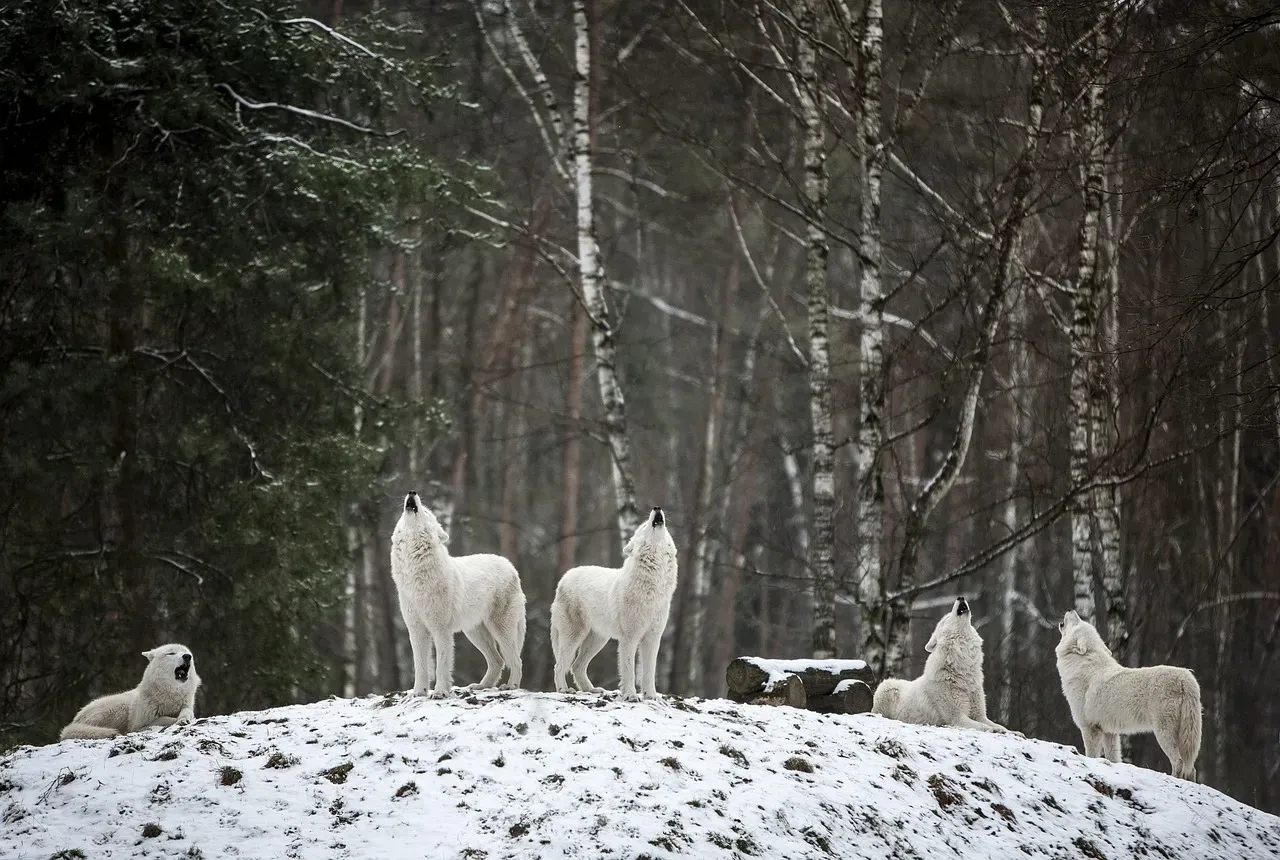
More obvious methods of non-verbal communication include tail position, which is used to communicate a wolf’s position within pack hierarchy. Wolves that carry their tails straight up are displaying dominance, while submissive wolf behavior is shown by tails that are pointed downward or tucked underneath the body. The howl, of course, is the most iconic. Howling is the most recognizable form of vocal communication, serving multiple purposes including long-distance assembly and territorial declaration, and a single howl can carry for up to six miles, allowing pack members to locate each other across vast distances. A six mile range. Without a signal tower in sight.
Much like each human has their own distinct voice, each wolf has a unique howl. When every pack member howls together, the harmony of their individual howls makes it sound as though the pack is larger than it is. That is strategic deception at its finest, and it is completely instinctual.
Territory, Scent Marking, and the Invisible Fence
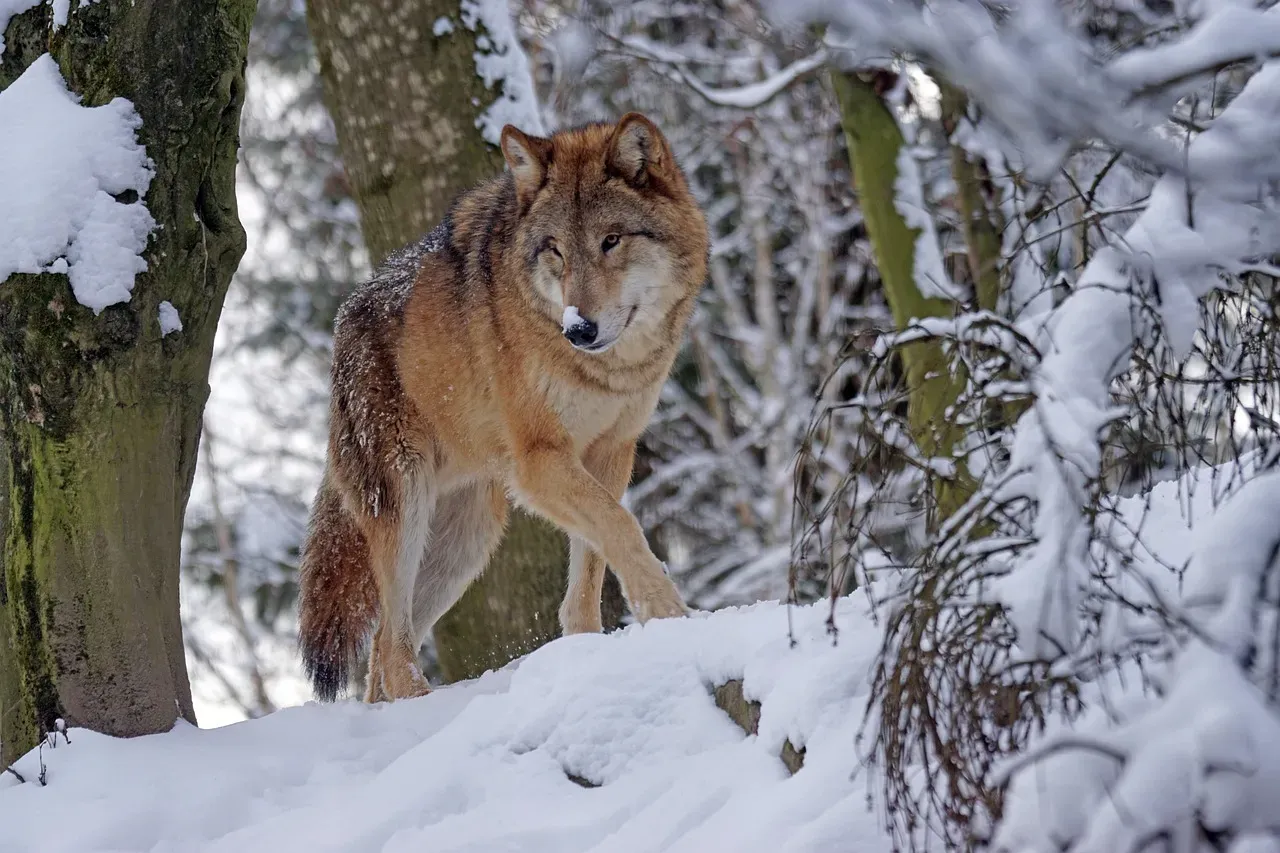
One of the most fascinating and least visible aspects of wolf social structure is the way they manage their territory. Territoriality is a defining feature of pack life, with packs establishing and defending territories that can span hundreds of square miles depending on prey density. The primary method of defense is proactive advertisement, using sustained chorus howling and frequent scent marking along boundary lines to deter neighboring packs, creating an acoustic and chemical barrier that minimizes the need for direct physical confrontations.
Wolves have a very good sense of smell, roughly about one hundred times greater than humans, and they use this sense for communication in a variety of ways. Wolves mark their territories with urine and scats in a behavior called scent marking, and when wolves from outside of the pack smell these scents, they know that an area is already occupied. It is essentially a no trespassing sign written in chemistry. Dominant animals may scent mark through urination every two minutes, and when they do so they raise a leg, a dominant posture that utilizes multiple forms of communication called a “Raised Leg Urination” or RLU.
Raising Pups and Passing Down Culture
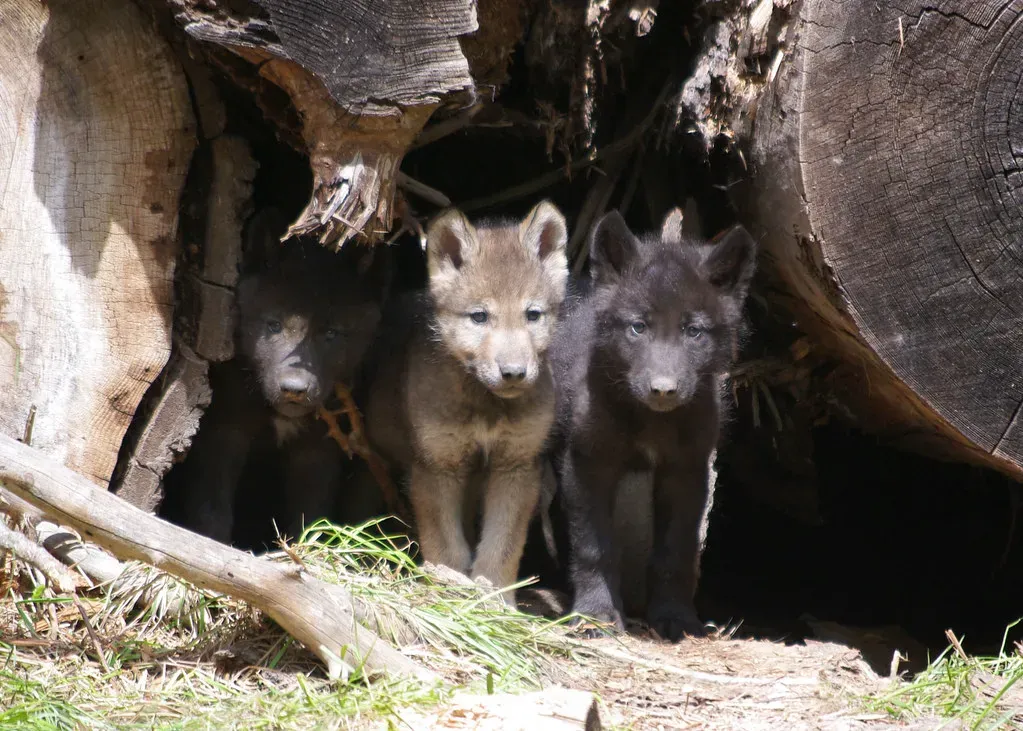
Wolves do not just survive together. They raise families together, and the process of raising pups within a pack is a deeply communal effort that borders on what we might call culture. Other adult pack members, often referred to as helpers, play an active role in raising pups in a practice known as alloparenting. These helpers contribute to feeding, guarding, and socializing the young, which increases the pups’ chances of survival, and this reliance on familial bonds minimizes conflicts within the pack because members share a strong genetic interest in the group’s success.
Pups are born in early spring and are cared for by the entire pack. They depend on their mother’s milk for the first month, and then they are gradually weaned and fed regurgitated meat by other pack members. By 7 to 8 months of age, when almost fully grown, the pups begin traveling with the adults. What gets passed down through this process goes beyond basic survival. Wolves communicate, collaborate, and share knowledge across generations, with older wolves sharing hunting strategies and techniques with younger wolves, maintaining a culture unique to that pack. That is not just parenting. That is civilization, on four legs.
There exists a culture within wolf packs that is passed on to offspring by the elders of the group. Pups learn something from each member of the pack and attain the vital social skills required to create powerful bonds upon which the wolf’s societal structure relies. I think that is the part that surprises people the most. The idea that wolves are actively teaching the next generation through lived experience and modeled behavior is something we usually reserve for our own species.
Conclusion: A Mirror We Did Not Expect to Find in the Wild
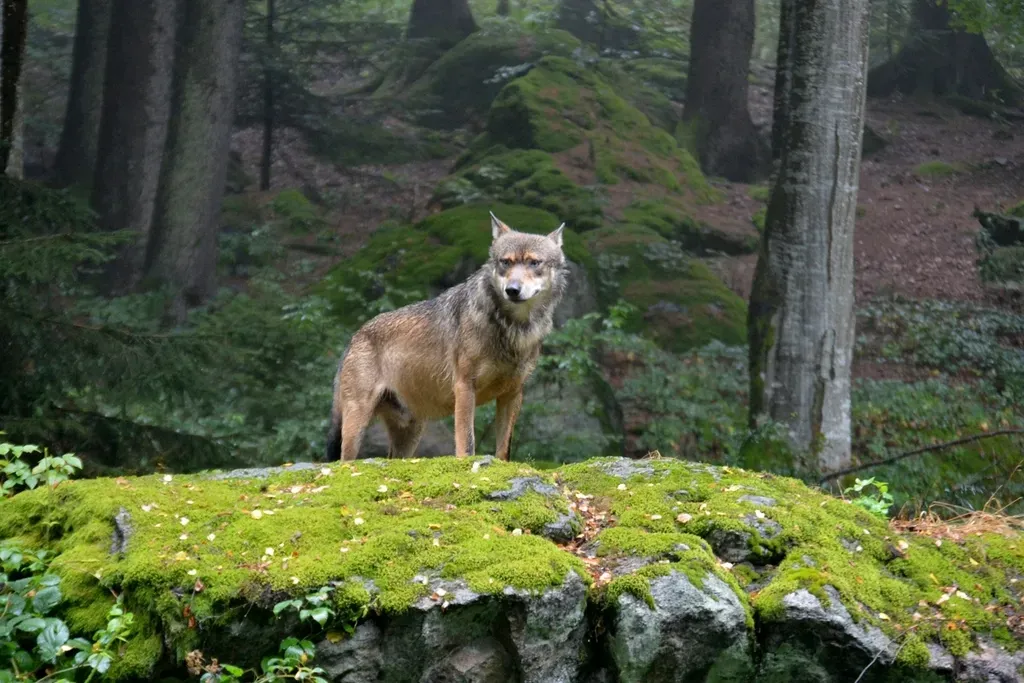
Spend enough time learning about wolf packs, and something quietly uncomfortable begins to emerge. These animals are not just fascinating predators. They are deeply social beings who grieve losses, protect the vulnerable, teach their young, and communicate in ways that border on language. Living in a pack not only facilitates the raising and feeding of pups, coordinated and collaborative hunting, and the defense of territory, it also allows for the formation of many unique emotional bonds between pack members, the foundation for cooperative living.
The old story of the alpha wolf dominating through aggression was, in the end, a story we told about ourselves and projected onto them. The real story is quieter, warmer, and far more complex. When you come to understand the inner workings of a wolf pack, the idea that only humans are capable of living in a perfect social structure seems somewhat pretentious. The wolf pack is a unit that comes together to protect each member, and each wolf accepts its unique position in the pack, just like a family member does.
Perhaps the most striking takeaway is this: the wolf pack does not run on power. It runs on belonging. And that, more than anything else, is what keeps it alive. What does that say about the kind of structures we build for ourselves? Tell us what you think in the comments below.

- The World’s Oldest Living Animals Hold Secrets to Longevity - August 7, 2026
- What Secret Social Structures Dictate Life Within a Wolf Pack? - August 7, 2026
- Your Gemstone According to Your Zodiac Sign - August 7, 2026