
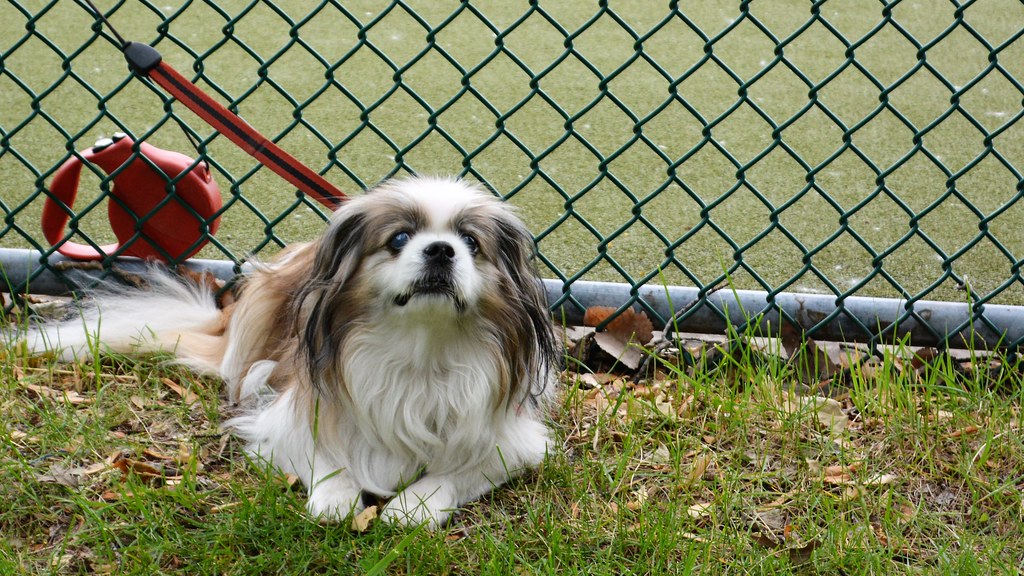
You’ve probably been there. The sky looks perfectly blue, not a cloud in sight, and your dog is pacing the hallway like something has gone terribly wrong. You chalk it up to nerves or a weird mood. Then, two hours later, a storm rolls in out of nowhere. Coincidence? Not really.
Dogs have fascinated scientists and pet owners alike for centuries with their seemingly supernatural ability to read the sky. There’s something deeply humbling about the idea that an animal who also eats socks and chases its own tail might actually be better at weather forecasting than we are. The science behind this is fascinating, a little surprising, and honestly, just a bit mind-blowing. Let’s dive in.
The Super Nose That Smells the Storm Before It Arrives

Here’s the thing about a dog’s nose – it’s not just better than ours, it’s on a completely different planet. Dogs have an exceptional sense of smell, with 220 million scent receptors compared to a human’s 5 million. That’s not just a small advantage. That’s like comparing a disposable camera to a high-powered telescope.
This extraordinary olfactory ability allows dogs to detect shifts in barometric pressure, humidity, or even chemical changes in the air before a storm. Dogs may pick up on the scent of rain or the ozone released during a lightning strike, warning them of impending weather changes.
Ozone, the gas that gives the air a distinctive “clean” smell before a storm, is something dogs can pick up on long before humans notice. The heightened olfactory senses of dogs allow them to smell the increase in ozone levels, often leading to behaviors like alertness or anxiety as a storm approaches.
Think of it like this: if you pressed your nose against a freshly baked pie, you’d smell pie. A dog would smell each individual ingredient, the oven temperature, the person who baked it, and the spices from three houses down. Applying that same principle to incoming weather is nothing short of remarkable. As the pressure in the air gets lower or changes, the way odors travel changes. Your dog can notice this because of his super-nose, but you can’t. That’s why you see your dog looking up to the sky and sniffing at the air when the weather changes.
Hearing What We Simply Cannot Hear
If smell is a dog’s first alarm, hearing is a close second. Dogs can hear frequencies between 40 Hz and 60 kHz, much higher than the human range of 20 Hz to 20 kHz. This allows them to hear sounds that humans cannot. For example, dogs can hear distant thunder long before it becomes audible to us.
They can hear the low rumble of thunder long before it reaches human ears, causing them to become nervous or hyper-alert. High-frequency sounds, like the hum of a distant lightning strike or the electrical activity in the atmosphere, can also be picked up by a dog’s sensitive ears.
It goes even deeper than thunder. The concept of dogs detecting infrasound, a type of sound wave characterized by frequencies below the human threshold of hearing, relates to their ability to perceive environmental cues that are otherwise unnoticed by humans. Infrasound waves can propagate over long distances and are produced by a variety of natural sources, including volcanic eruptions, avalanches, earthquakes, and severe weather phenomena such as storms.
Barometric pressure changes, specifically drops in pressure, can signal the approach of a weather front or storm. These changes can result in the generation of infrasound waves that dogs might detect. The ability to pick up on these low-frequency vibrations could provide dogs with an early warning system, alerting them to impending changes in the weather. This sensitivity could be the result of natural selection, where ancestral canines that could detect approaching dangers had a survival advantage.
Barometric Pressure: A Built-In Biological Barometer
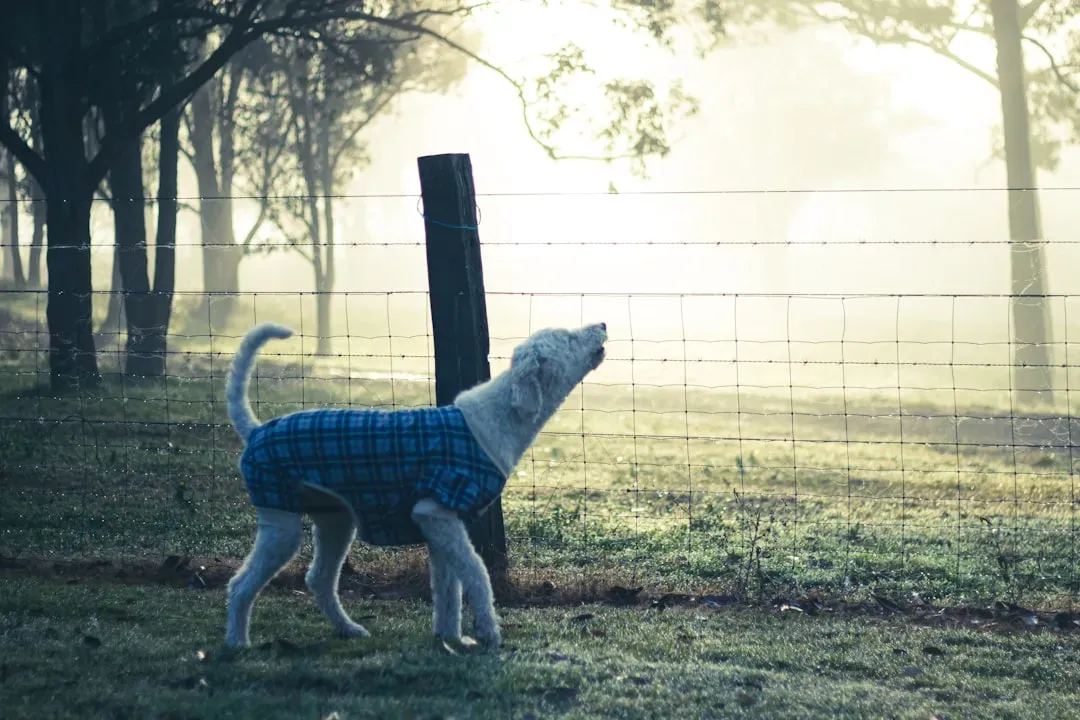
Honestly, this is where things get really interesting. Dogs, with their acute senses, often exhibit behavioral changes in response to shifts in atmospheric pressure, which typically occur before weather changes. We humans tend to only notice pressure shifts when our joints ache or our sinuses throb. Dogs, on the other hand, appear to feel it in a much more direct and immediate way.
During rapid changes in barometric pressure, such as those associated with fast-moving weather fronts, the ability of the Eustachian tube to equalize pressure may be challenged. If the external pressure drops quickly and the middle ear pressure cannot adjust at the same rate, a pressure differential can develop across the eardrum. This differential can lead to discomfort, a sensation of fullness, or even pain.
Many dogs become restless when the atmospheric pressure drops before a weather event. They may circle the room, whine, or refuse to lie down. Scientists believe that dogs can feel these barometric changes in ways humans cannot, making them sensitive to approaching weather patterns.
There’s also the question of scent and pressure working together. Research shows that barometric pressure affects odors for search and rescue dogs, so perhaps it’s the change in their olfactory mind map that lets them know the weather is changing. It’s a multi-sensory storm warning, firing on all cylinders at once.
Static Electricity and the Dog That Hides Under the Bed

If you’ve ever wondered why your dog dives under the bed or squeezes behind the couch long before a storm actually arrives, there’s a surprisingly concrete explanation. Dogs can sense electrical changes in the air that occur before a thunderstorm, which can make the fur on their body stand on end. Much like humans who experience static electricity, dogs can feel the atmospheric shifts through their skin, causing discomfort or anxiety. This may lead to behaviors like shivering, panting, or seeking shelter under a bed or in a dark room.
This behavior is especially common before thunderstorms, as dogs can sense changes in static electricity in the air. Their instincts tell them to seek shelter long before humans even notice the darkening skies.
Their fur coat may also make it worse, as they may feel the static electricity more in their coat and the hair on their body, which can give them a static shock when they touch something with their nose. This may be why dogs often run to the bathroom during a storm, as they’re looking for a place with less static electricity.
I know it sounds a little crazy, but your dog hiding in the bathroom before a storm might actually be a masterclass in self-preservation. The tiled room really does have less static buildup. Your dog figured that out without reading a single physics textbook.
What Your Dog’s Strange Behavior Is Actually Trying to Tell You
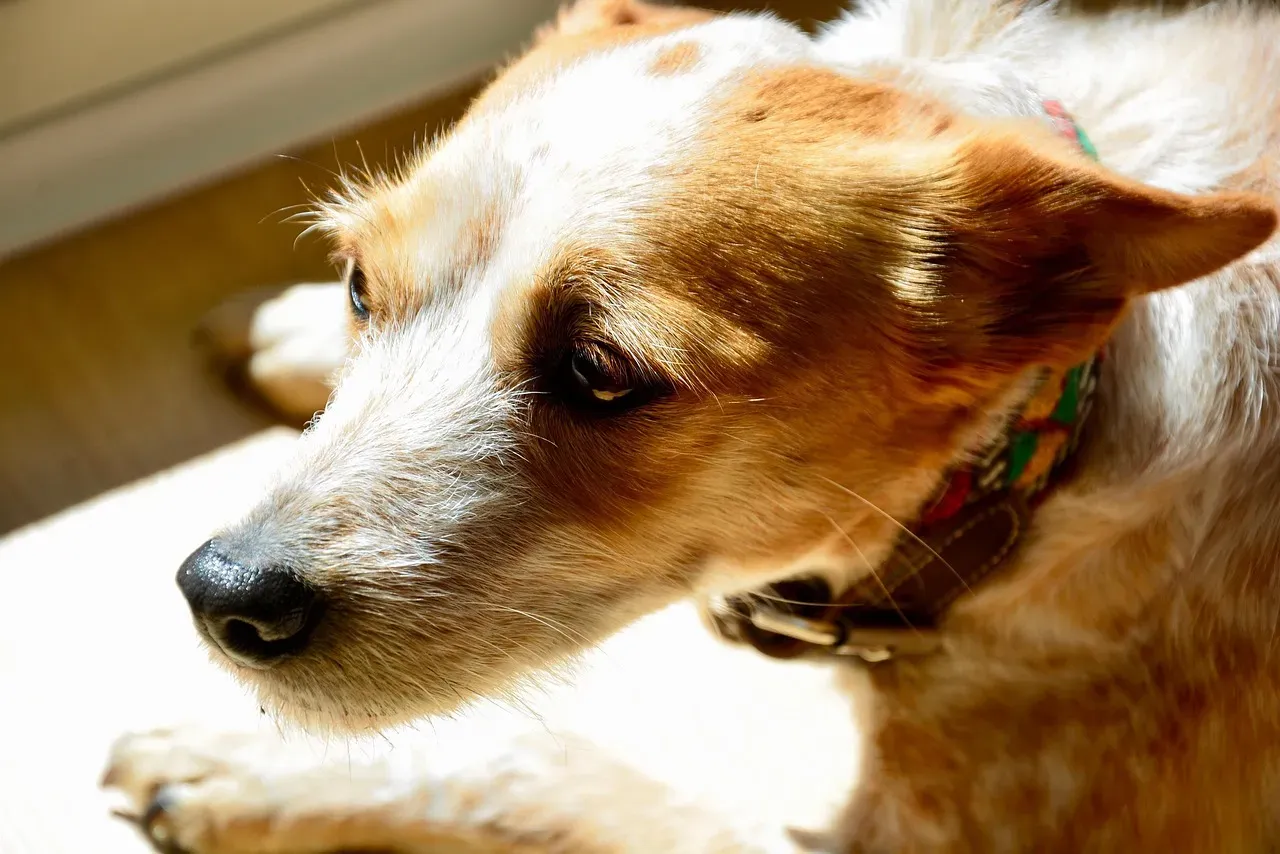
Let’s be real. Most of us have laughed off our dog’s pre-storm anxiety as drama or an odd personality quirk. It turns out we might have been dismissing a very real warning system. Dogs hear lower frequencies, smell chemicals we cannot detect, feel atmospheric pressure changes, and continuously observe the people around them. A sudden shift in a dog’s behavior, such as clinginess, alertness, pacing, or avoidance, is often a response to an environmental change we do not yet recognize.
Dogs will sometimes alert their owners of changing pressure through a few different behavior changes such as growling, barking, guarding, cowering, alertness, panting, and sometimes stiffening back hair.
Some dogs react to changes in barometric pressure and static electricity by having a random burst of energy, commonly known as zoomies. Right before a storm, they may suddenly start running around the house, spinning in circles, or acting overly playful. This behavior may be their way of releasing nervous energy or reacting to an uncomfortable shift in the air.
Some breeds are more sensitive to changes in their environment. For example, herding breeds like Border Collies or Australian Shepherds are known to be more reactive to environmental changes, including storms. So not every dog is an equal forecaster. Still, before dogs were domesticated they relied on their senses to seek shelter from storms. Their “advanced warning systems” told them a storm was coming and kept them safe. They would find a burrow or cave to shelter in until the storm passed. That instinct has never really left.
Conclusion: Maybe We Should Listen to Our Dogs More Often

There is something genuinely profound about the fact that the creature currently napping on your couch was engineered by millions of years of evolution into something resembling a living, breathing weather station. Whether through sound, scent, or atmospheric shifts, animals can sense impending weather conditions long before humans can.
We build satellites, deploy Doppler radar, and run supercomputer models, and yet a Golden Retriever sniffing the air in your backyard might be picking up signals that no machine has yet been designed to replicate. With climate change contributing to more unpredictable weather events, scientists are increasingly examining whether animal behavior could serve as a predictive model for weather-related hazards and natural disasters. If their actions are logged and analyzed systematically, they could enhance technological monitoring tools already in use today. Smart collars on dogs or migratory sensors on birds can collect real-time behavior data, adding a layer of animal-led forecasting into modern meteorology.
The next time your dog starts pacing, whining at nothing, or burrowing into the blankets on a seemingly calm afternoon, maybe don’t reach for the phone to call the vet just yet. Maybe reach for the umbrella instead.
So here’s the question worth sitting with: who’s really the smarter species in your household when the clouds roll in?
