
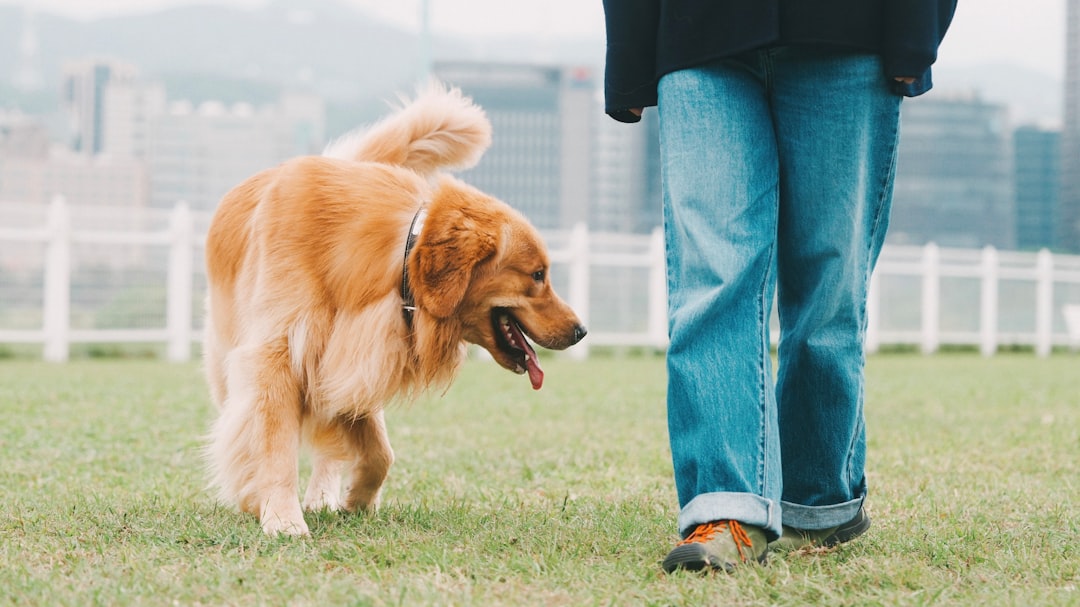
Most of us grew up thinking a wagging tail equals a happy dog. Cute, simple, done. But here’s the thing – that assumption has gotten a surprising number of well-meaning people into trouble, including a few who ended up with a bite they never saw coming.
Your dog’s tail is so much more than a fuzzy metronome of joy. It’s a deeply sophisticated signaling system, one that took millions of years of evolution to develop and that scientists are still unraveling today. The speed, the height, the direction, even the tiniest twitch – all of it means something specific.
If you’ve ever looked at your dog mid-wag and wondered what they’re actually feeling, you’re about to be surprised. Let’s dive in.
The Left-Right Secret That Most Owners Never Notice
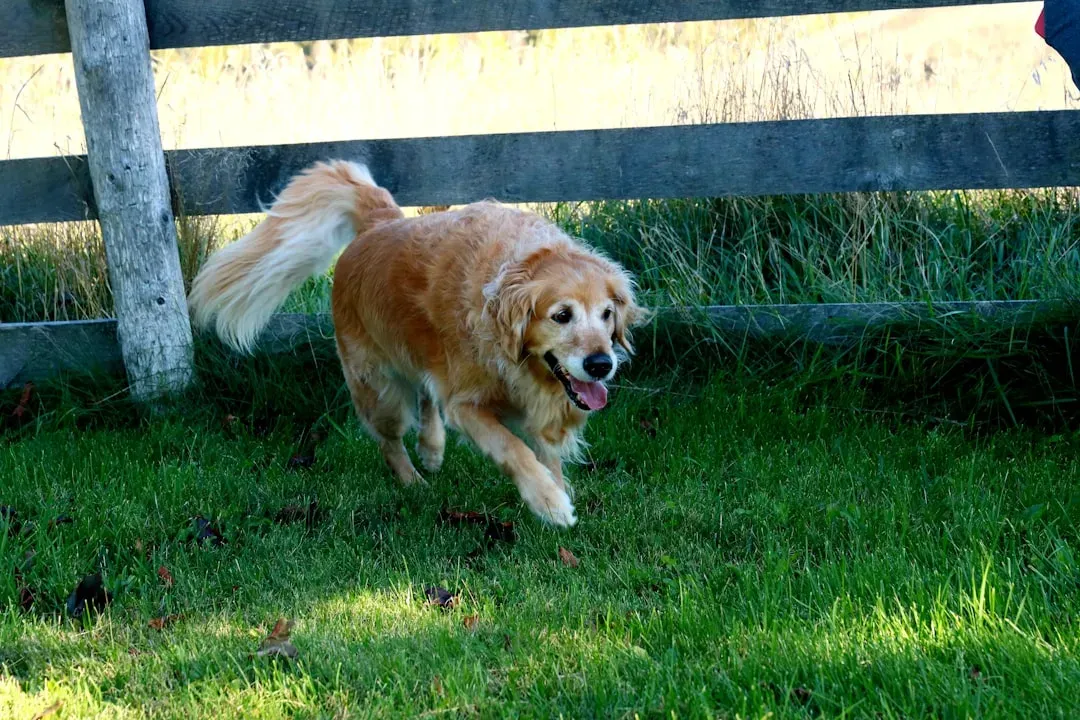
Honestly, this one blew my mind the first time I read about it. Research has shown that dogs tend to wag their tails to the right when experiencing positive emotions and to the left when feeling negative or uncertain. So your dog’s tail is essentially a mood compass, and the needle swings based on what’s happening inside their brain.
The same scientific team found that dogs wag their tails to the right when looking at something they want to approach, such as their owner, but wag their tails to the left when confronted with something they want to back away from, such as another dog with an aggressive posture.
The side bias of dog tail wags suggests a brain hemisphere lateralization that controls the movement of the tail. Tail wags biased to the right are controlled by the left hemisphere, while left-biased wags are controlled by the right hemisphere. Think of it like a tiny emotional brain scan happening right in front of you, every single day.
When dogs watched tails wagging to the left, their heart rate increased and they showed more signs of stress and anxiety. The dogs were more relaxed when they saw tails wagging to the right. Even other dogs pick up on this signal without any training whatsoever.
Tail Speed Is Basically an Emotional Volume Knob
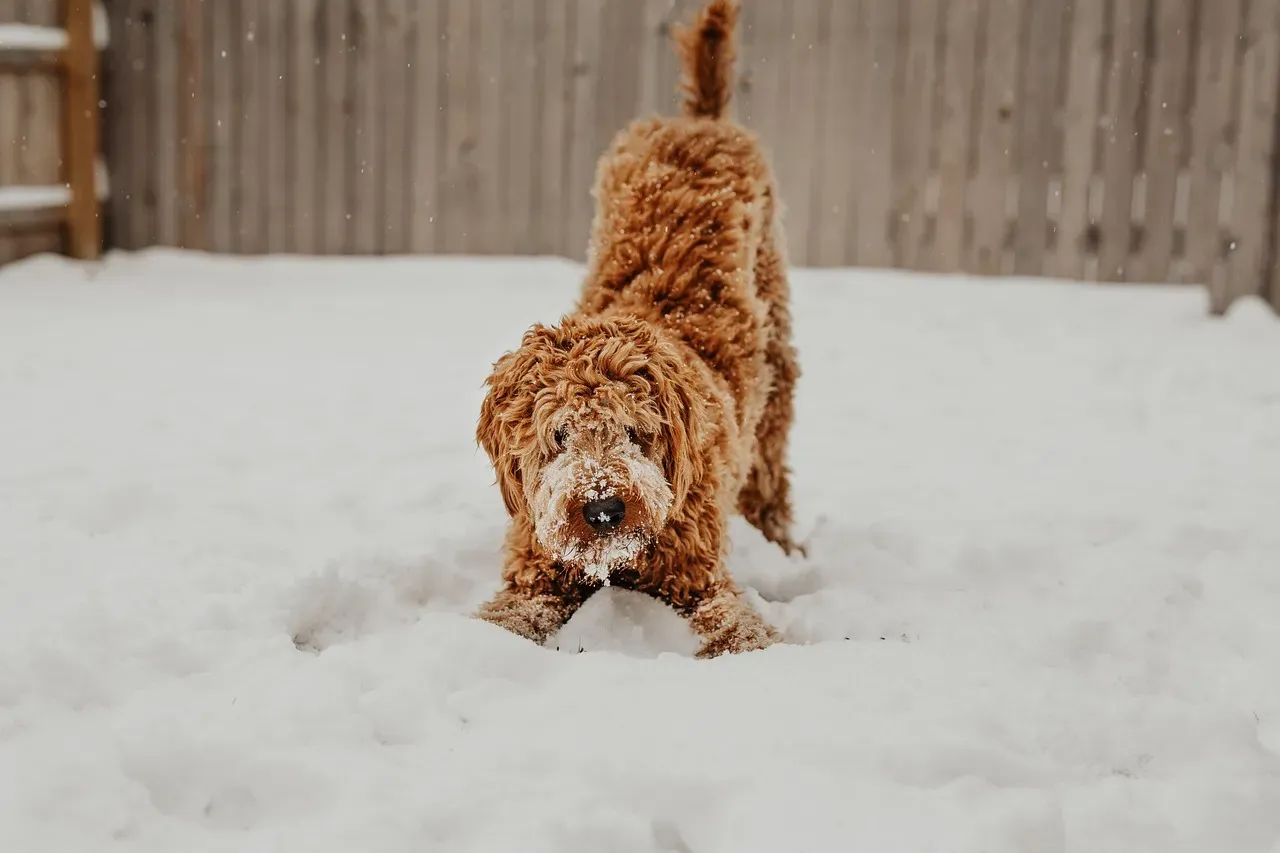
Think of the speed of a dog’s wag like the volume on a speaker. The louder it gets, the more intense the emotion. The rate at which a tail moves contributes to the dog’s communication, as does the position of the tail while wagging. As a dog’s arousal increases, its tail may wag more quickly regardless of the nature of arousal.
A slow wag with a sweeping motion can indicate relaxation. In contrast, a fast, brief wag might be a sign of excitement or agitation. These two wags look nothing alike once you know what you’re looking for. One is loose and lazy. The other is almost vibrating.
In general, the higher the dog’s tail and the faster the wag, the greater the level of arousal. While a very high tail indicates high arousal, a very low-wagging tail most often denotes fear and appeasement. So next time your dog is speed-wagging with their tail high in the air, they may not be thrilled to see you. They might just be extremely keyed up.
The Tucked Tail Is More Than Just Shyness
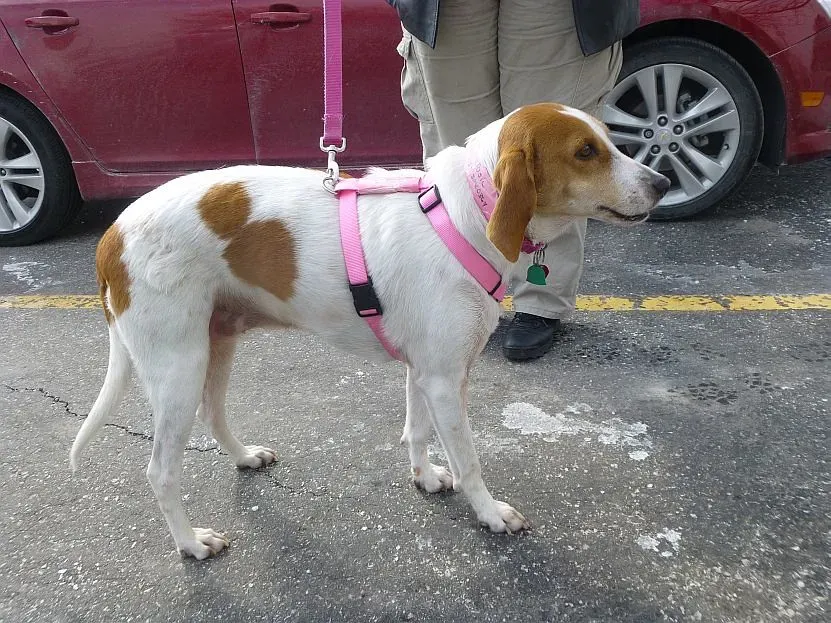
We’ve all seen it. A dog slinks in with its tail practically curled under its belly, and we assume it’s just being shy or timid. But the emotional reality behind a tucked tail runs much deeper than that.
As the tail lowers and becomes tucked between the legs in a low wag, your dog is expressing the most extreme form of fear and submission. This stance says “Please don’t hurt me.” That’s not shyness. That’s genuine emotional distress packed into a single physical gesture.
Dogs cover their genital area with their tails if they’re not ready to trust another dog. That’s because dogs gain information about another dog by sniffing scent glands in their anal area, so allowing that area to be exposed is a measure of trust. The tucked tail, then, is also a way of saying “I don’t trust you yet.” It’s communicative and protective at the same time.
A Stiff, High Tail Is Not an Invitation
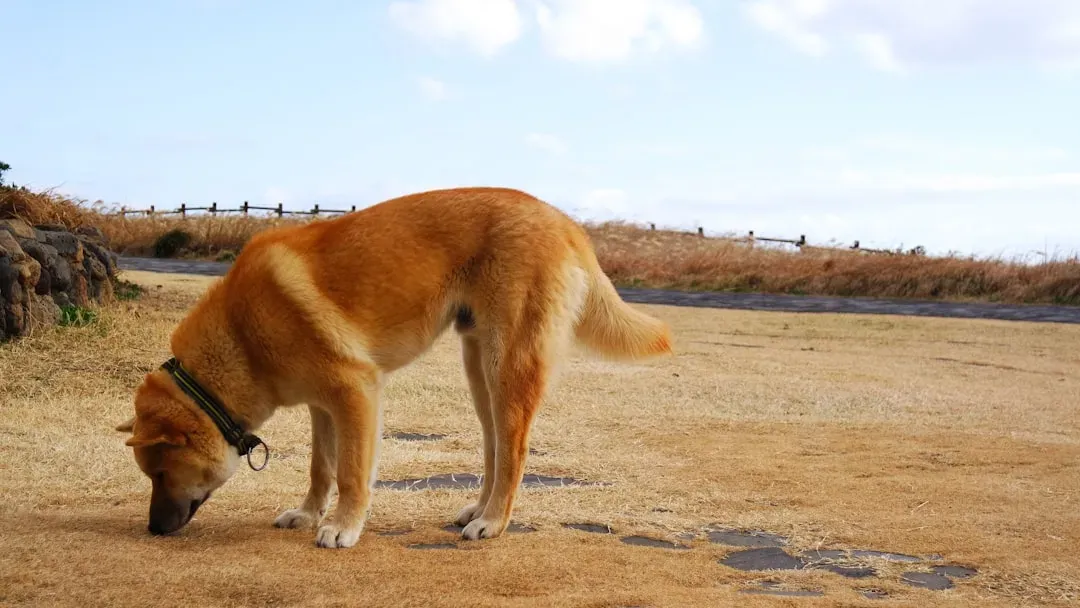
Here’s where a lot of people misread the room completely. A tail held high and rigid looks assertive, even proud. It can be mistaken for confidence or excitement. But that signal deserves a lot more caution.
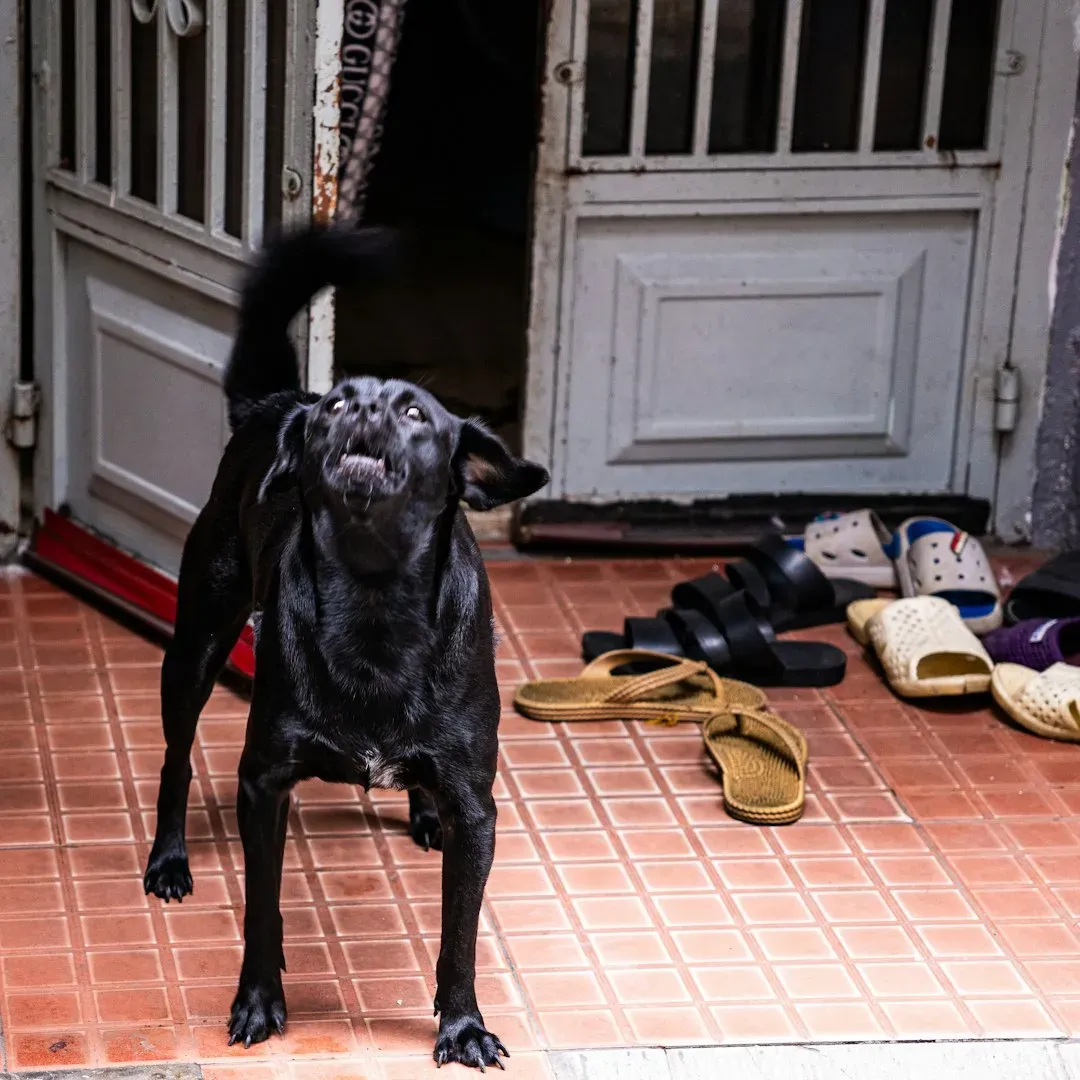
When a tail moves from neutral, to taut vertical, to a tight arch over the back, it indicates increased arousal. This tail position is an assertive posture that can progress to an intense aggressive display. That’s a significant escalation in just a few inches of tail height.
A dog holding their tail high with a rigid stance may be feeling confident, alert, or even aggressive. This posture is often seen in dogs that are asserting dominance or assessing a situation. Pair that stiff high tail with raised hackles and a hard, unblinking stare, and your best move is to give that dog plenty of space.
An upright, high tail position may aid in the release of pheromones from the anal sacs, further strengthening the communication. So it’s not just visual – the whole body is joining the conversation in ways we can’t even detect with our human senses.
Tail Wagging Is a Social Language, Not a Solo Performance
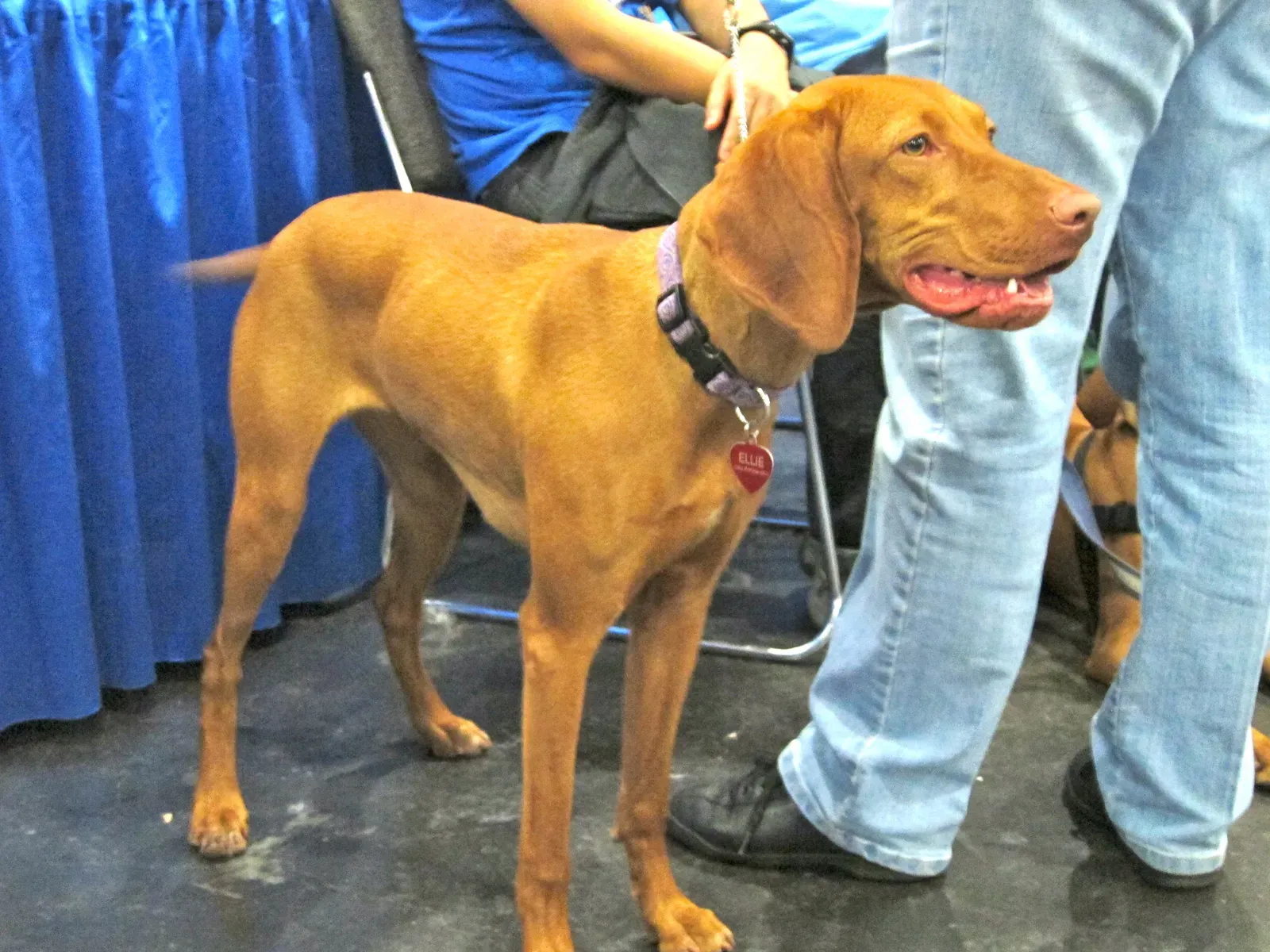
Here’s something fascinating that most people don’t stop to think about: dogs don’t wag their tails when they’re alone. I know it sounds crazy, but it’s true. Since tail wagging is meant as a signal, a dog will only wag its tail when other living beings are around – a person, another dog, a cat, or perhaps a ball of lint blown by a breeze and seemingly alive. When the dog is alone, it will not give its typical tail wags, in the same way people do not talk to walls.
Puppies begin wagging their tails around three to four weeks old as they start interacting with littermates. Over time, this develops into a nuanced language capable of expressing friendliness, uncertainty, or warning. It’s a learned social skill, not just a reflex.
The development of tail-wagging behavior in dogs is influenced by both genetic and environmental factors. As puppies grow, they learn to use their tails as a tool for communication, influenced by interactions with their littermates and humans. This behavior is shaped by the dog’s experiences and the responses it receives from others, reinforcing the tail wag as a means of expressing emotions and intentions.
Tail Position Reveals Social Status in the Pack
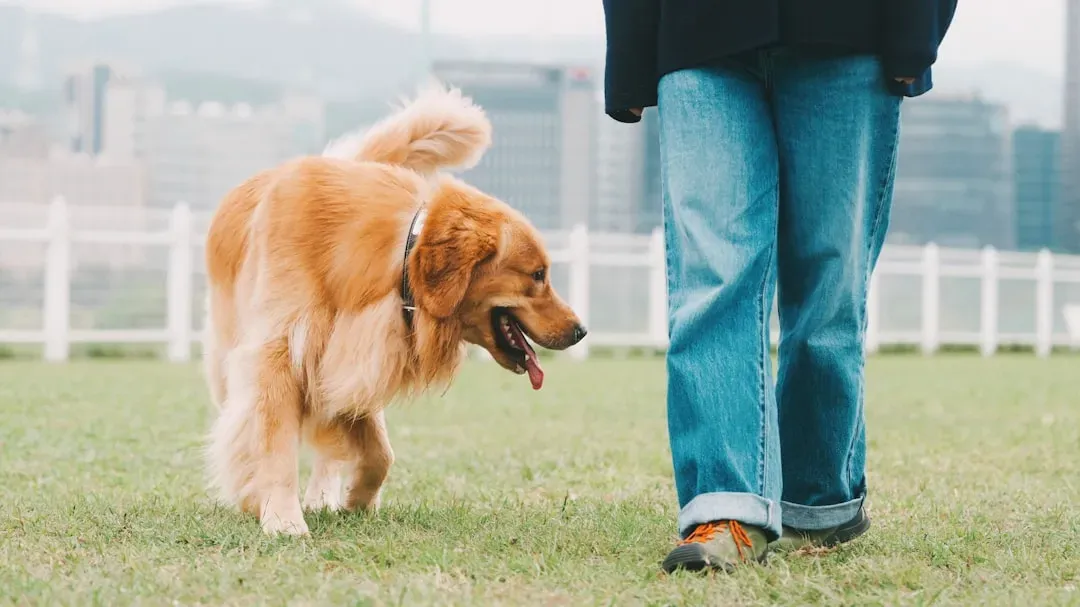
Dogs are deeply social animals with a sophisticated sense of hierarchy. And the tail? It reflects exactly where a dog feels they stand in any given moment.
When the tail is held at maximum height, it is a demonstration of dominance and can also indicate a positive demeanor. A tail held at medium height can indicate interest in the dog’s surroundings. Dogs may hold their tails low or even beneath them when presented with a stressful situation. The low height of the tail demonstrates submission and fear.
Dogs use their tails to communicate with each other, and tail wagging plays an essential role in social interactions. A relaxed, mid-level wag is usually a friendly greeting, while a stiff, high tail wag can indicate dominance. If a dog tucks its tail while meeting another dog, it is likely feeling submissive or anxious.
Dogs are more likely to approach other dogs with long tails when they exhibit wagging behavior. They are less likely to approach dogs with short tails, even if they exhibit the same wagging behavior. This may be because it is easier to interpret the social cues expressed by a longer tail compared to a short one. In dog social dynamics, even tail length itself becomes part of the conversation.
The Circular Wag and Whole-Body Wag Are Emotional Gold
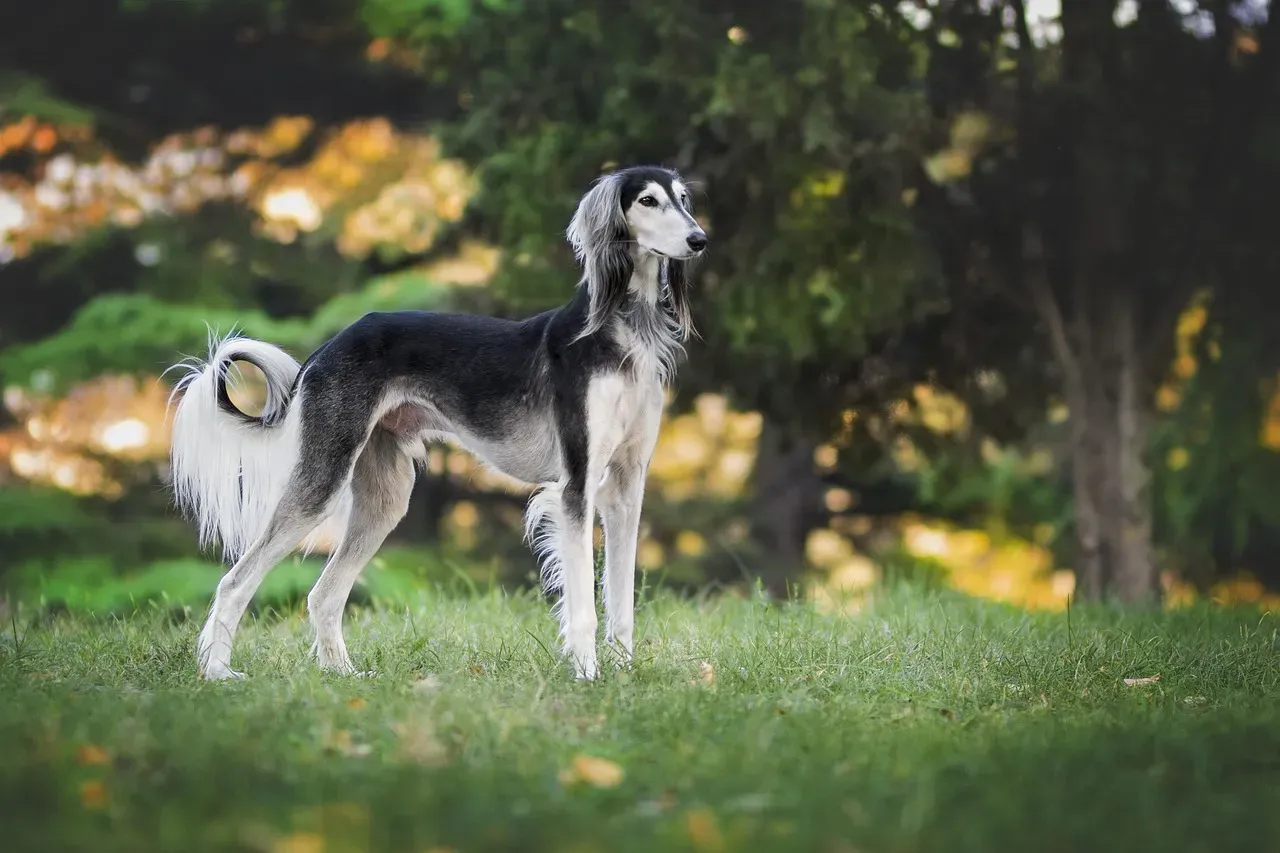
Let’s end on the most joyful note of all. Because among all the complex signals a dog’s tail can transmit, there are two movements that are about as pure and unambiguous as canine emotion gets.
A broad, full-body wag that moves the hips is typically a clear sign of friendliness and excitement. This kind of wag is commonly seen in dogs who are eager to play or interact with their favorite people. When the whole back half of the dog is involved, you can basically trust what you’re seeing.
There are several ways a dog can wag its tail. These include side-to-side, circular, or even with an entire body movement. Each of these methods of wagging conveys a different message. The circular “helicopter tail” in particular tends to show up in the most genuinely excited, happy dogs – the kind of wag that has no subtext, no tension, just pure enthusiasm.
In some ways, tail wagging serves the same communication functions as a human smile, a polite greeting, or a nod of recognition. Smiles are social signals and are thus reserved mostly for situations where somebody is around to see them. For dogs, the wag seems to have the same properties. That comparison feels right, doesn’t it? A wagging tail is a dog’s smile – but like any smile, it’s always worth reading more closely.
Conclusion: Start Watching More Closely
Your dog has been saying more to you than you ever realized, one tail movement at a time. The direction, the speed, the height, the tension – every variation is a word in a language that most of us have barely started to learn. And the more fluent you become, the deeper your connection with your dog grows.
It’s one of those rare things where a small shift in awareness, just actually paying attention to that wagging tail, can genuinely transform the relationship between you and your pet. You’ll catch fear before it escalates. You’ll know when they’re truly happy versus just aroused. You’ll understand them on a level that feels almost like a conversation.
So next time your dog runs up to greet you, look past the wag. Notice which way it leans, how fast it moves, how high it’s held. Your dog has been trying to tell you something all along. The question is: how closely have you been listening? Tell us in the comments what surprised you most about your dog’s tail behavior!
