
Somewhere out there right now, a tiny tropical bird is moonwalking backwards along a branch, a waterbird is literally running on water, and a master architect is arranging colorful objects with the precision of a museum curator – all in the name of love. The world of bird courtship is, honestly, one of the most jaw-dropping chapters in all of natural history. It makes human dating look remarkably boring by comparison.
Courtship behavior in birds can include things like food delivery, intricate dance moves, and mutual preening. In many cases, the most extravagant displays belong to species where males contribute little else to the relationship. Think of it as nature’s version of a talent show – except the prize is survival of the species. What follows are five birds whose courtship strategies will genuinely make you stop and wonder how evolution came up with this. Let’s dive in.
1. The Superb Bird-of-Paradise: Nature’s Shape-Shifting Showman
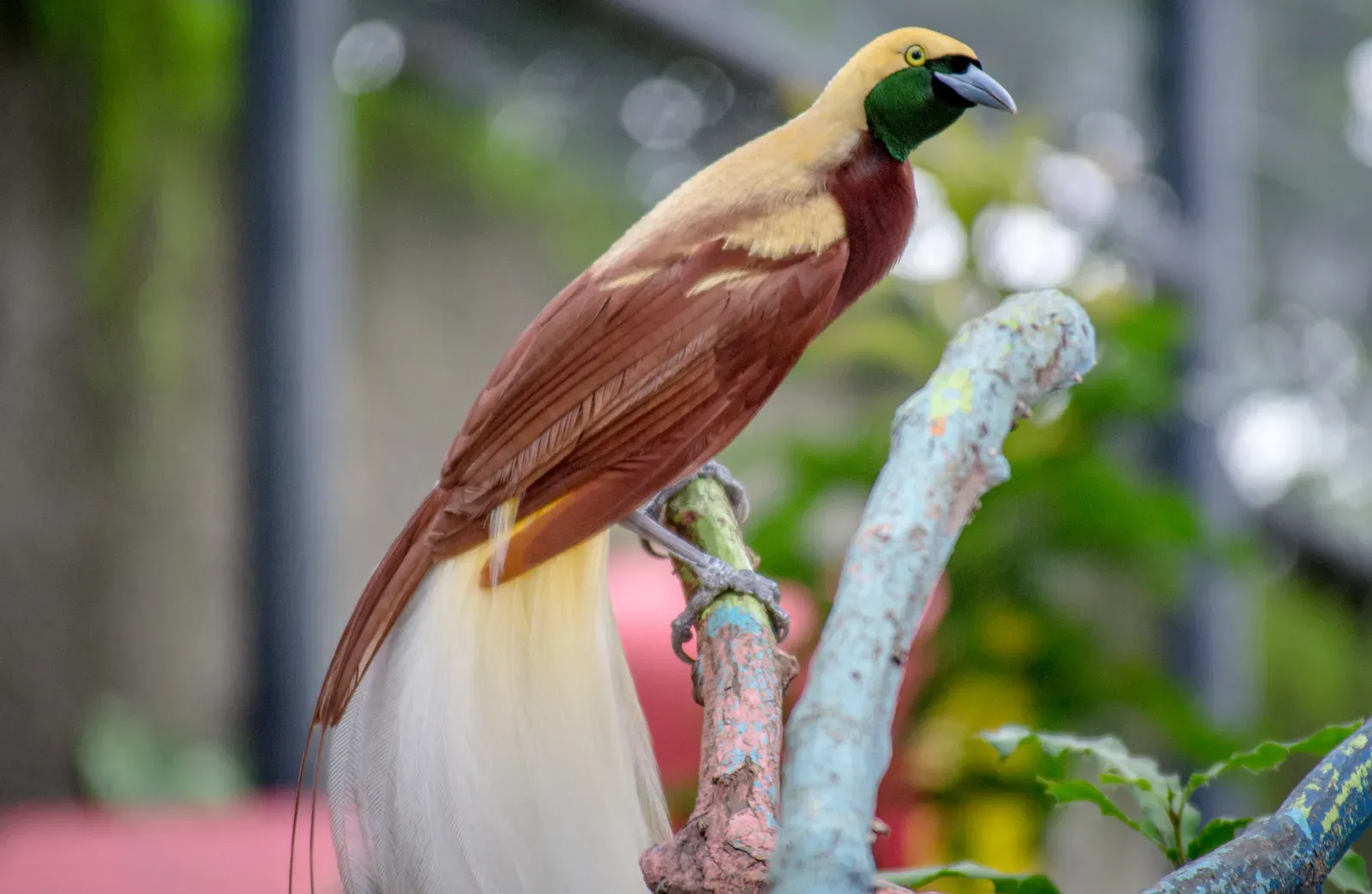
Let’s be real – if you’ve never seen a Superb Bird-of-Paradise perform its courtship display, you are missing one of the most surreal things on planet Earth. The species has an unusually low population of females, and competition amongst males for mates is intensely fierce. This has led the species to develop one of the most bizarre and elaborate courtship displays in the entire avian world.
After carefully and meticulously preparing a “dance floor,” even scrubbing the dirt or branch smooth with leaves, the male first attracts a female with a loud call. When the female approaches, his folded black feather cape and blue-green breast shield spring upward and spread widely and symmetrically around his head, instantly transforming him into a spectacular ellipse-shaped creature that rhythmically snaps its tail feathers while hopping in frantic circles around the female.
With a flick of his blacker-than-black cape feathers, the male shape-shifts into a barely recognizable form – endearingly dubbed the “psychedelic smiley face.” A frantic, twitching blur of feathers, he hops this way and that, making sure the female is always getting his best angle, whirring, clicking, and snapping his tail rhythmically while flashing a breastplate of iridescent feathers.
On average, the female rejects fifteen to twenty potential suitors before consenting to mate. So all that incredible effort? For many males, it still ends in rejection. I think that says something oddly relatable about love.
What makes this even more fascinating is the science behind it all. Scientists have discovered that birds of paradise are actually biofluorescent, a skill they likely use for unique mating rituals, and this quality has been found in roughly four-fifths of the known birds-of-paradise species. Males are literally putting on a light show that humans can’t even fully see. The bizarre dances of birds-of-paradise aren’t mere flights of fancy – young males inherit those dance steps from their fathers, then refine them through practice and watching adults. It’s ultimately the watchful females whose choices decide which dances reach the next generation.
2. The Western Grebe: Love at Full Sprint Across the Water
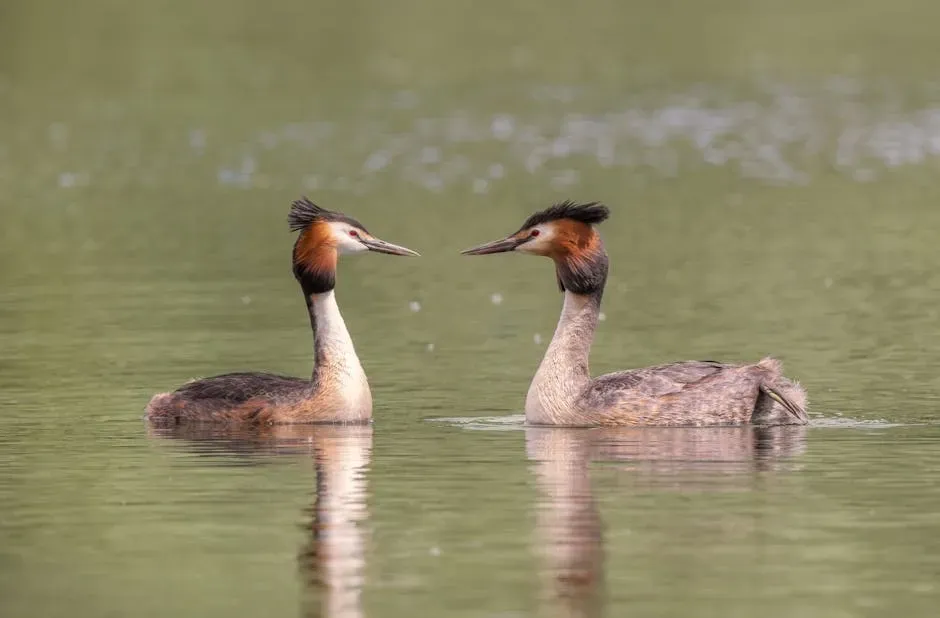
Imagine going on a date that literally involves running across the surface of a lake. For the Western Grebe, that’s not a metaphor. That is the actual plan.
The Western Grebe’s main courtship ceremonies have become emblematic examples of bird courtship. There are two main displays, called ceremonies because each involves a specific set of behaviors performed in sequence with an almost mechanical precision. The first is called the rushing ceremony.
The display climaxes with the “rushing,” when the pair suddenly launches forward, bills tucked into their chests, and begins running across the surface of the water side by side. Their lobed feet act as powerful paddles, allowing them to rapidly pat the water and remain upright as they sprint for distances up to sixty feet. It sounds impossible, and yet here we are.
Research shows that the birds made between fourteen and twenty steps per second during this display. By comparison, the fastest humans can make perhaps five or six steps per second. That is extraordinary athletic performance executed purely in the name of romance.
The slender Western Grebe, with its crisp black-and-white plumage and red eyes, is an elegant presence on lakes and ocean coasts of western North America. Along with its close relative, the Clark’s Grebe, it’s renowned for this ballet-like courtship display in which male and female run across the water in synchrony, their long necks curved in an S-shape. These breeding dances are considered the most elaborate dances in the waterbird species.
3. The Red-Capped Manakin: The Bird That Perfected the Moonwalk
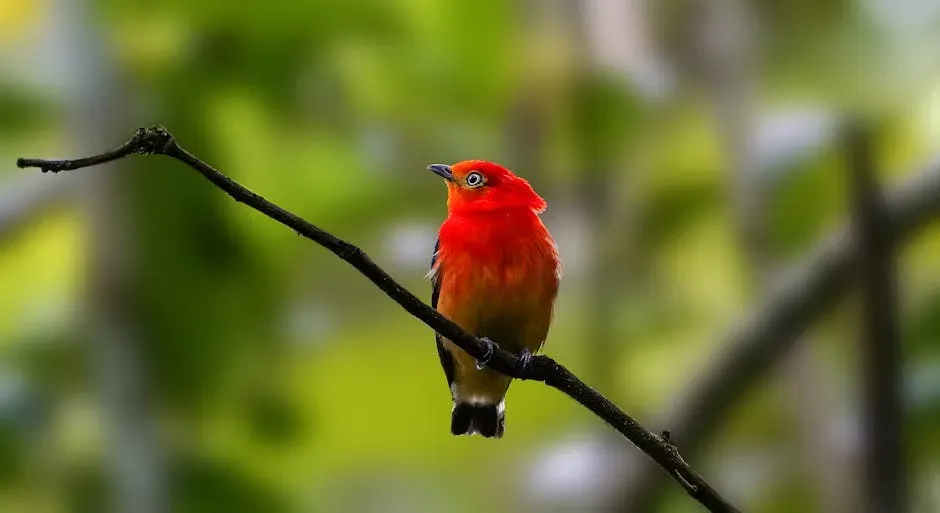
Here’s the thing – Michael Jackson may have popularized the moonwalk, but he almost certainly had never heard of the Red-capped Manakin. Because this tiny bird was doing it first. Way, way first.
The red-capped manakin is a small tropical bird that has captured worldwide attention thanks to its spectacular courtship ritual, often compared to Michael Jackson’s famous moonwalk. During mating season, the male moves rapidly backward along a branch, creating the illusion of effortlessly gliding. This unique behavior has earned the red-capped manakin the nickname “the Michael Jackson bird.”
The mating ritual is a truly remarkable display of avian athleticism. Male Red-capped Manakins perform intricate dance routines on branches, showcasing their agility and coordination. These routines involve a combination of slides, glides, jumps, and the moonwalk-like maneuver where they shimmy backward across a branch. They also utilize their bright yellow thighs and precise footwork to captivate the attention of females.
The male manakin looks for a long, straight branch without any leaves that might get in the way, and uses it as a display perch for the entire season. He has four common displays: flying in a circle, darting around surrounding vegetation, showing off his yellow thigh feathers, and shuffling backwards along his perch.
Like many manakin species, Red-capped Manakins often participate in lekking behavior, where multiple males gather in a display area to compete for the attention of females. This allows females to compare many male displays and choose the best mate. The females judge performances based on the backwards moonwalk and the speed and precision of the movements. So yes, it’s essentially a dance-off. And the stakes couldn’t be higher.
4. The Bowerbird: When Courtship Becomes Architecture
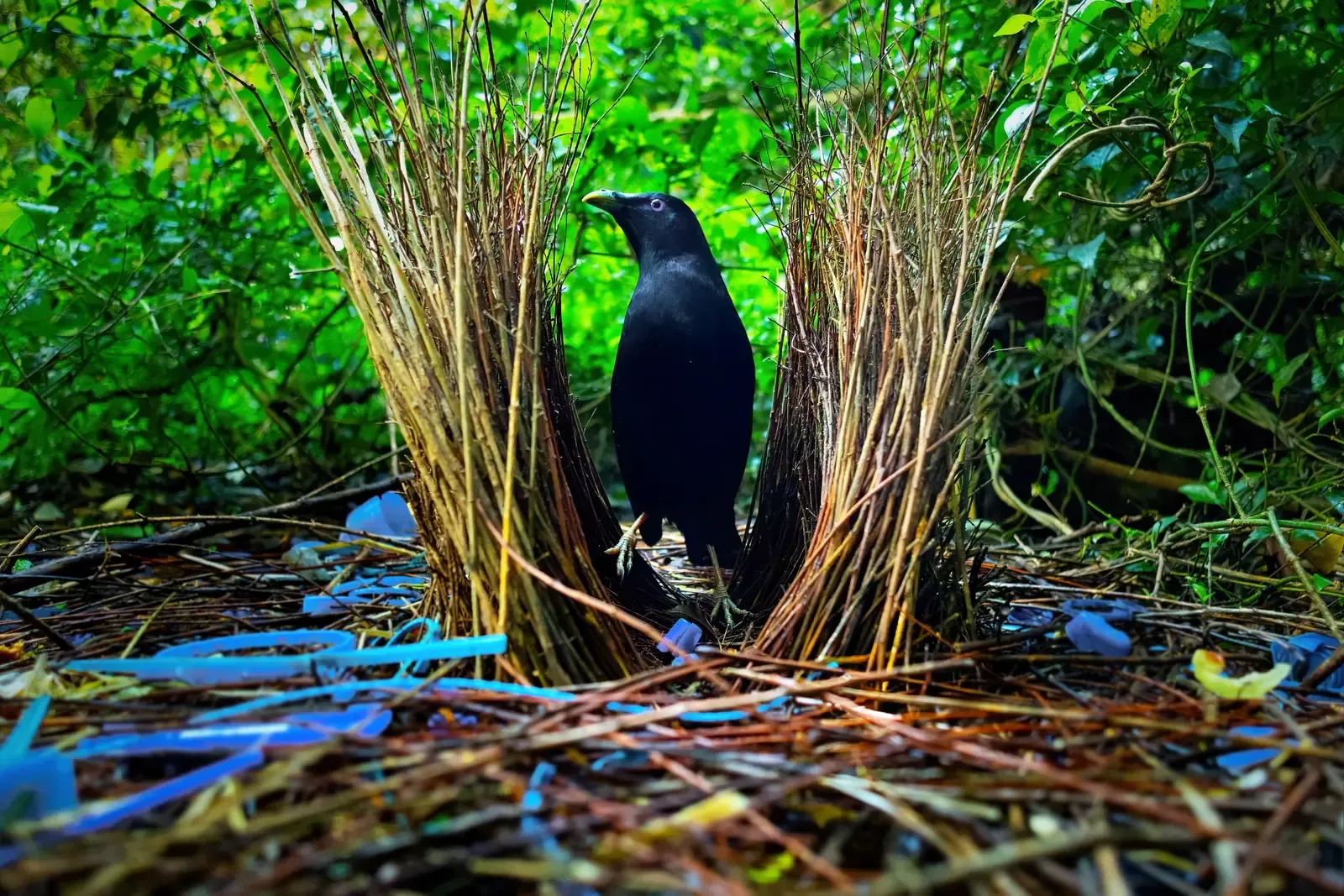
Most animals try to impress a mate with looks or strength. The Bowerbird builds an entire structure. A decorated one. With an aesthetic vision. Honestly, I find this more impressive than most human first dates.
Male bowerbirds construct elaborate structures called bowers to attract females. These aren’t nests – they’re purely for display. They decorate their bowers with colorful objects, such as berries, flowers, shells, and even human-made items like plastic and glass.
The females then take a tour of the land, visiting multiple bowers and inspecting the quality of the craftsmanship, all the while the males perform a little jig outside or even through the bower. After all that effort, the structure isn’t even used for nesting. Many people think the male is building a nest, but the bower is solely for showing off. If the female likes what she sees, they mate, and then she builds a comparatively modest nest of twigs and moss where she lays the eggs and rears the young, often alone.
Some species take this even further. Some species incorporate a mossy terraced lawn, and some, like the satin and regent bowerbirds, even paint the walls with a mix of saliva, charcoal, and vegetable pulp. That’s not just construction – that’s interior design.
Then there’s the flame bowerbird, which adds a final, almost unbelievable flourish. Once he is sure he has the attention of at least one female, he uses powerful muscles in his bright yellow irises to increase and decrease the size of his pupil in a pulsing motion – and can do it one eye at a time, alternately, in what essentially amounts to a hypnotic eye dance. Tiny black pin pricks become wide gaping holes from second to second, all while the bird performs a little dance of headbutts and whirring wings and makes a peculiar wheezing sound. This can last for several minutes.
5. The Laysan Albatross: A Lifelong Dance Rehearsal
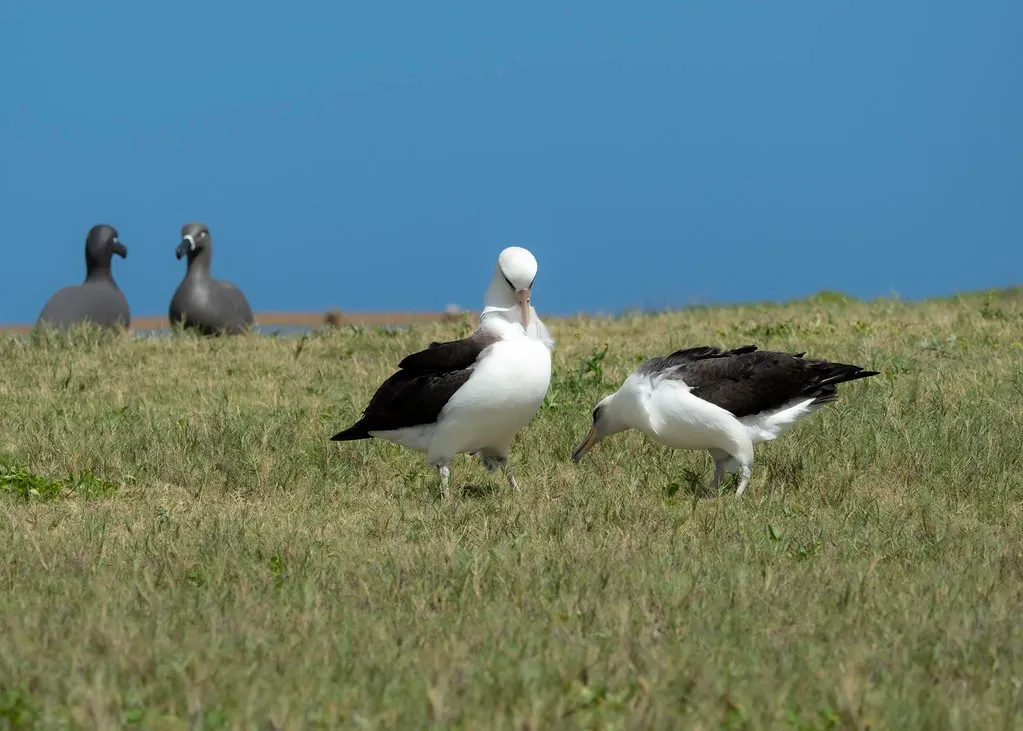
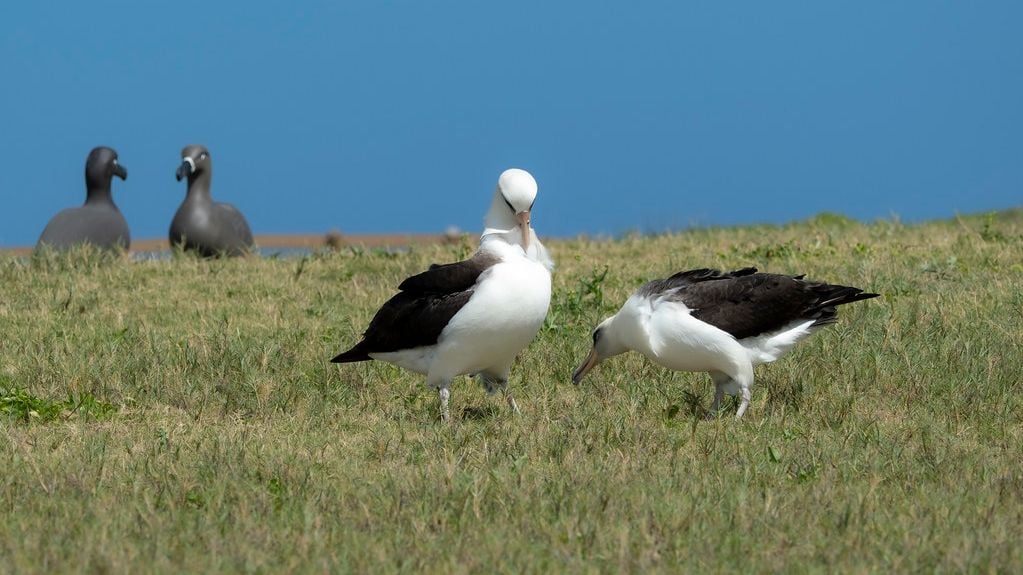
If the other birds on this list are about flash and spectacle, the Laysan Albatross is about something altogether different. It’s about patience, commitment, and years of practice. I know it sounds crazy, but this bird essentially spends years learning to dance before it ever finds a partner.
At around three years old, young Laysan Albatrosses return to their birthplace to start learning the ways of courtship. Deep in their bones they know the dance moves needed to woo a mate, but they haven’t yet developed their talent. At first, young birds gather in small groups to practice. As the years go on, those groups grow smaller, until finally the confident birds are ready for their big finale: a partnered dance.
A new Laysan Albatross pair works hard to perfect their dance, combining stock moves like the “sky snap,” “rapid bill clapper,” and “bob strut” into a sequence unique to that couple. Think about that for a moment. They create a dance that belongs entirely to them, a routine no other pair performs quite the same way. That’s a private language built from movement.
Albatrosses are known for forming monogamous bonds that can last a lifetime. The courtship dance is a beautiful and complex ritual involving synchronized movements, head nods, beak clacking, and sky pointing. This dance not only serves to strengthen the pair’s bond but also helps them recognize each other after long periods of separation during migrations.
Only when the dance is fully mastered and the bond is cemented will the birds lay their first egg, typically at age eight or nine. Roughly a decade of preparation for parenthood. By any measure, that is dedication.
Conclusion: What Birds Can Teach Us About the Wild Art of Attraction
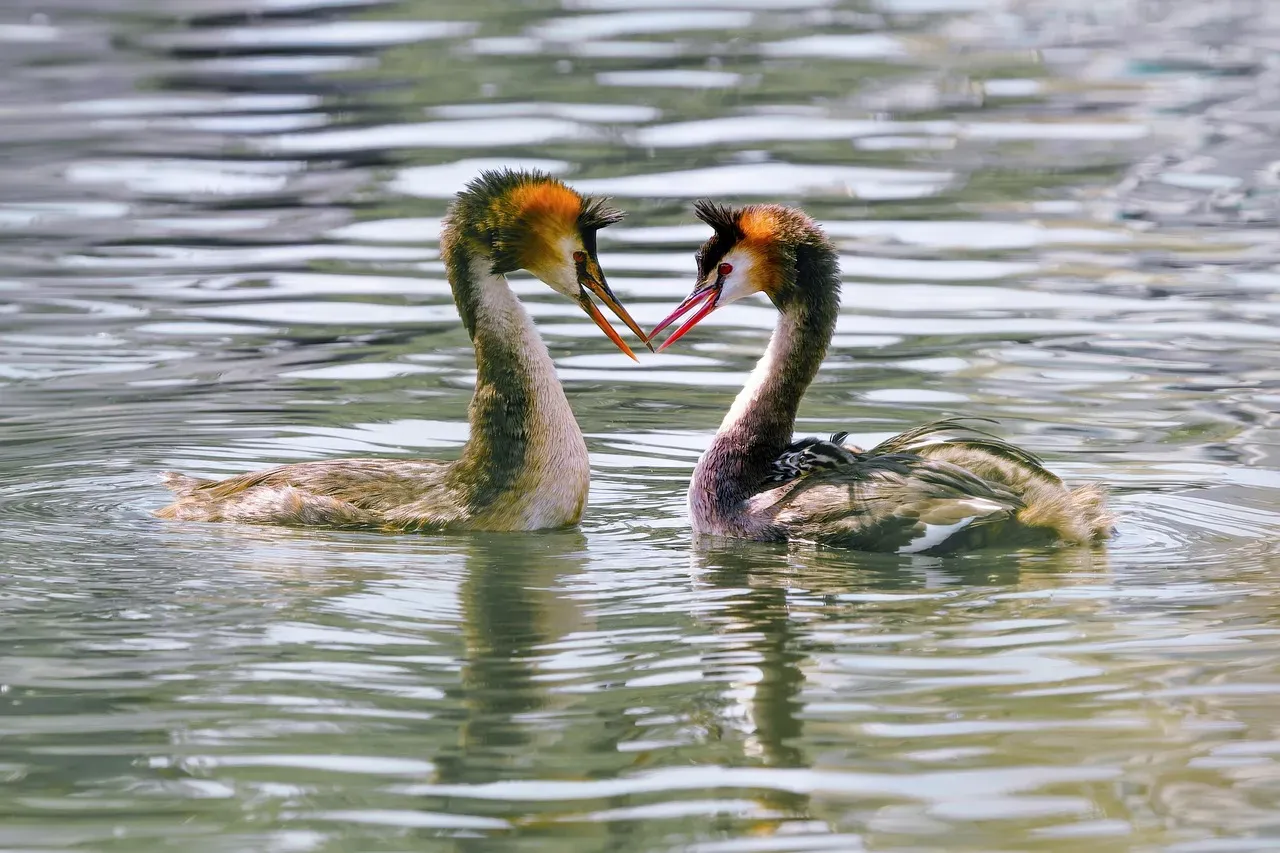
There is something genuinely moving about all of this. Whether it’s a tiny manakin moonwalking on a branch or two grebes sprinting side-by-side across a lake surface, these rituals remind us that the pursuit of connection is one of the most universal drives in the natural world.
The most outstanding courtship displays are found among non-monogamous birds, where males need to go the extra mile to attract females. Evolution has pushed these creatures to levels of performance, creativity, and endurance that are, by any honest measure, breathtaking. It’s hard to say for sure where the line between instinct and something resembling artistry falls, but watching these birds, it feels closer to the latter than you might expect.
Each of these five species tells a different story about what it means to be chosen. Some build, some dance, some transform, some run on water, and some spend years perfecting a private routine shared with one partner for life. The bird world, it turns out, has been doing extraordinary things in the name of love long before humans thought to write poems about it.
What’s the most surprising courtship ritual you discovered here? Drop your thoughts in the comments below.

- 14 Signs a Dog Near the Rainbow Bridge Is at Peace With Its Person - July 21, 2026
- 15 Ways a Shelter Animal Tells You It Was Always Meant to Be Yours - July 21, 2026
- 14 Ways a Dog Shows You Are the Center of Its Whole World - July 21, 2026