
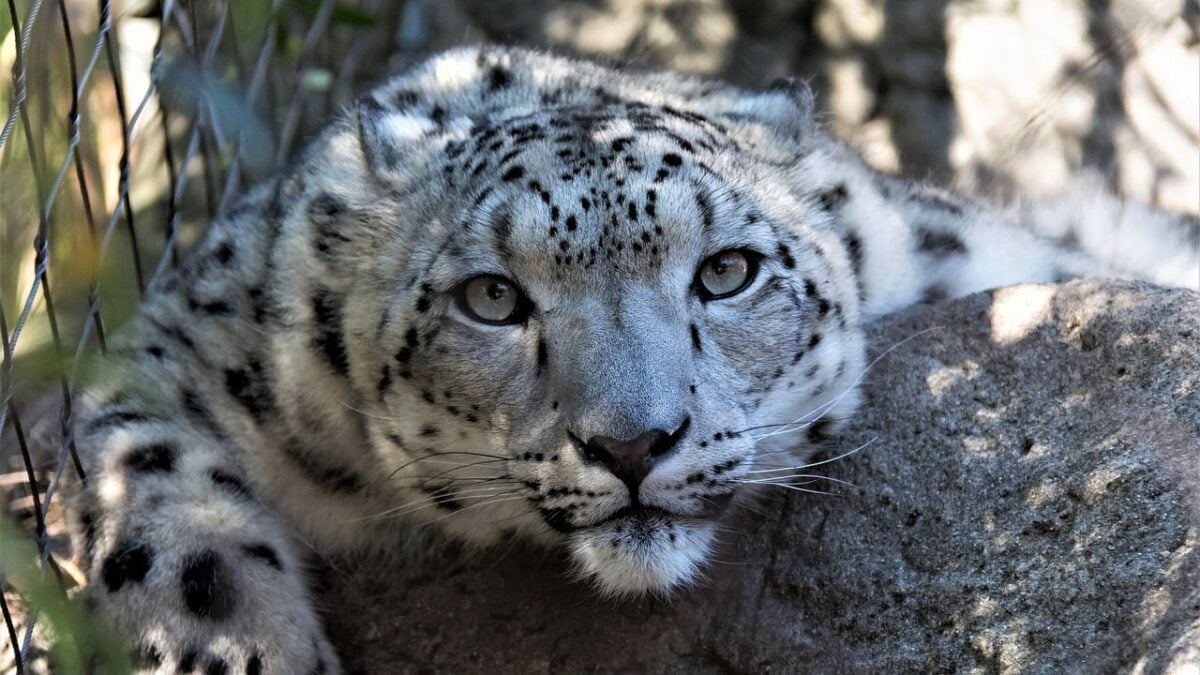
Nature has been playing hide and seek for millions of years. And honestly, it’s gotten frighteningly good at it. There are animals out there that can vanish into a forest floor, transform into a piece of coral, or mimic a dead leaf so convincingly that even your sharpest eyes would slide right past them. It’s not magic, though it certainly feels like it.
Camouflage is a stunning example of adaptation shaped by millions of years of evolution. Over time, the individuals with the best camouflage survived and passed their traits down to the next generation, giving modern-day species the key to staying safe or becoming successful hunters. The results are nothing short of jaw-dropping.
From the frozen Arctic to the buzzing rainforests of Madagascar, these creatures have turned invisibility into a survival art form. Some change color in seconds. Others grow to look exactly like the things around them. A few even perform, swaying and drifting to complete the illusion. So let’s dive in.
1. The Leaf-Tailed Gecko: When a Lizard Becomes a Dead Leaf
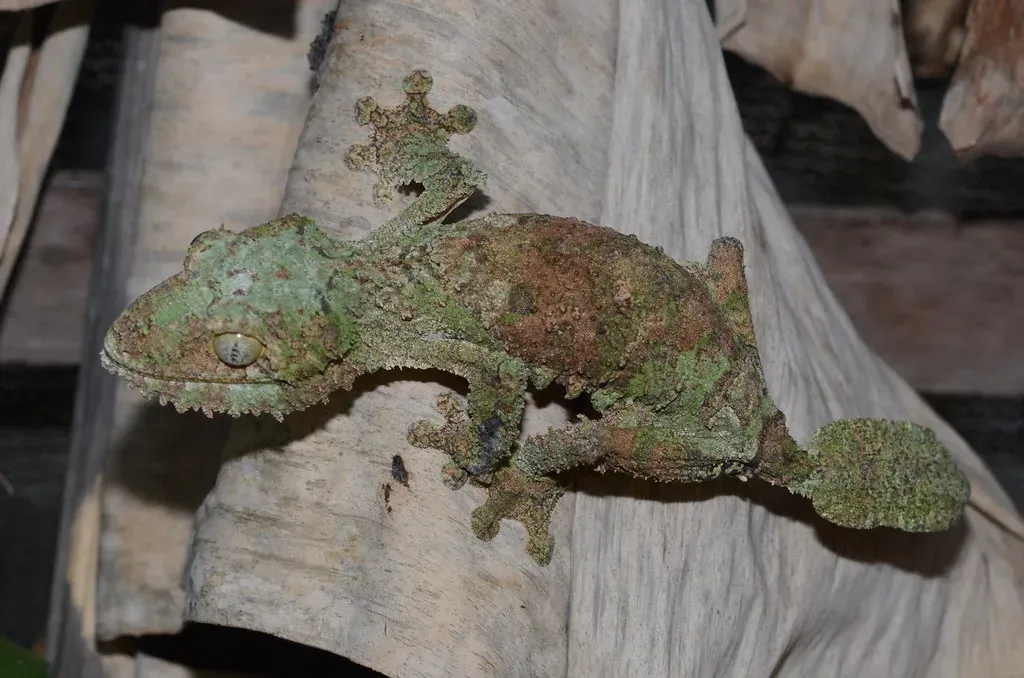
Let’s be real, no creature on this planet has committed harder to the leaf aesthetic than the leaf-tailed gecko. Also called the satanic leaf-tailed gecko, this master of camouflage is native to Madagascar and is notable for its pointed head scales which resemble horns, and its remarkably leaf-like appearance.
This creature possesses a slender and flattened body, with fringed dermal flaps extending along the head, torso, and limbs to disrupt its silhouette and eliminate shadows when pressed against a surface. Its skin is a mottled tapestry of browns, grays, rust, and even hues of purple or orange, with intricate patterns that mimic the veins and imperfections of a decaying leaf.
Its elaborate camouflage includes patches that resemble lichen, ridges that look like leaf veins, and missing chunks to mimic bits of a dead leaf that have broken off. I think that last detail is what separates this gecko from simply being “well camouflaged” and places it firmly in the realm of masterpiece.
This gecko is not merely patterned like a leaf; it actively mimics the behavior of a leaf blowing in the wind. When a gentle breeze passes, the gecko sways its body from side to side, completing the illusion and making it nearly impossible for predators to distinguish it.
Mossy leaf-tailed geckos have incredible night vision. They can see about 350 times better than humans in total darkness and can even see colors at night. Camouflage by day, precision hunter by night. Remarkable.
2. The Mimic Octopus: The Actor of the Ocean
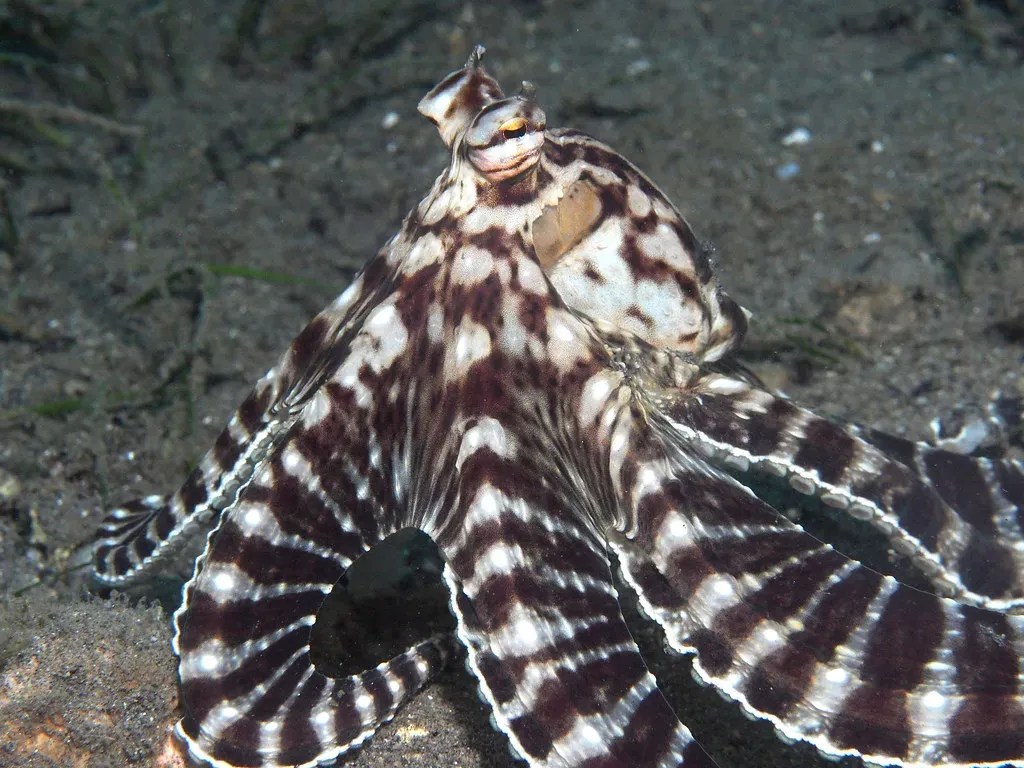
If the leaf-tailed gecko is a painter, the mimic octopus is a full Broadway performer. This creature doesn’t just blend in. It actively impersonates other animals, and it does so with terrifying accuracy.
The Mimic Octopus, first discovered in 1998 off the coast of Indonesia, has since amazed researchers with its ability to change its appearance and behavior to resemble various dangerous sea creatures. Think about that for a moment. An animal was discovered less than three decades ago, and it’s already rewriting everything we thought we knew about camouflage.
Unlike other octopuses that primarily rely on color change for camouflage, the Mimic Octopus takes it a step further by altering its behavior and shape. It can mimic a variety of creatures, including lionfish, flatfish, and sea snakes. This behavior, known as dynamic mimicry, involves both visual and behavioral changes to convince potential predators that it is a more dangerous animal.
The Mimic Octopus’s highly developed nervous system and large brain allow it to process complex visual information and execute precise movements. This neurological sophistication is crucial for its dynamic mimicry, enabling it to convincingly imitate various species.
3. The Cuttlefish: A Living Pixel Display
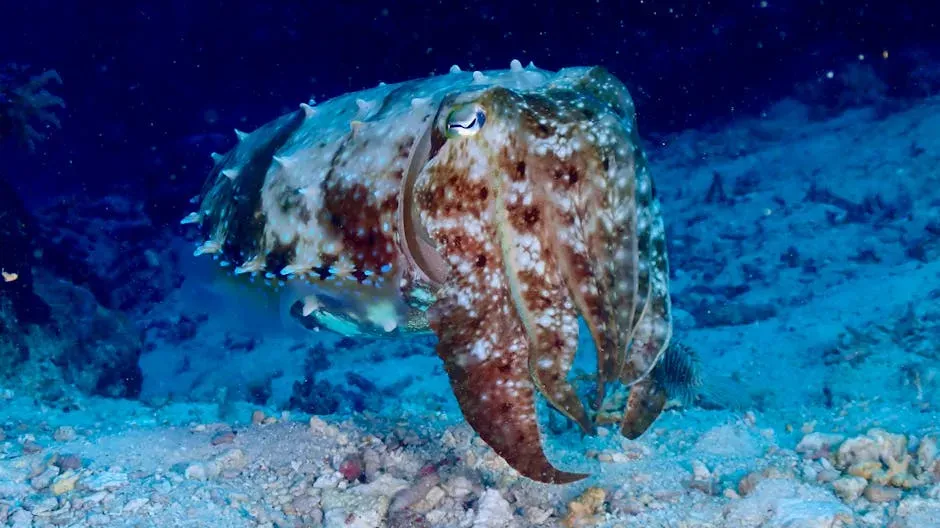
Here’s the thing about cuttlefish: they are, without question, one of the most astonishing color-change artists on the entire planet. Think of them as living, breathing, high-definition screens. Except far more impressive.
Cuttlefish are unparalleled in their ability to change color and texture almost instantaneously. Like the chameleon, they use chromatophores, iridophores, and leucophores to create complex patterns and colors to match their surroundings. Their dynamic capabilities allow them to blend into a variety of environments, from sandy seabeds to vibrant coral reefs.
What makes this even more mind-bending? What makes this even more remarkable is that cuttlefish are colorblind, yet they can precisely match complex backgrounds including the colors, patterns, and textures of their surroundings. Scientific studies have shown they use polarized light perception to accomplish this seemingly impossible task.
In laboratory experiments, cuttlefish have demonstrated the ability to mimic everything from checkerboard patterns to the appearance of seaweed and coral, making them true masters of disguise in the marine world.
Cuttlefish also make proactive decisions dependent on the predator, opting to deploy their color-changing prowess when threatened by visual predators such as flatfish, which actively search for prey, but beating a hasty retreat from sharks and crabs that hunt using entirely different senses. Strategic thinking, in a sea creature. Honestly wild.
4. The Arctic Fox: Nature’s Seasonal Wardrobe Change
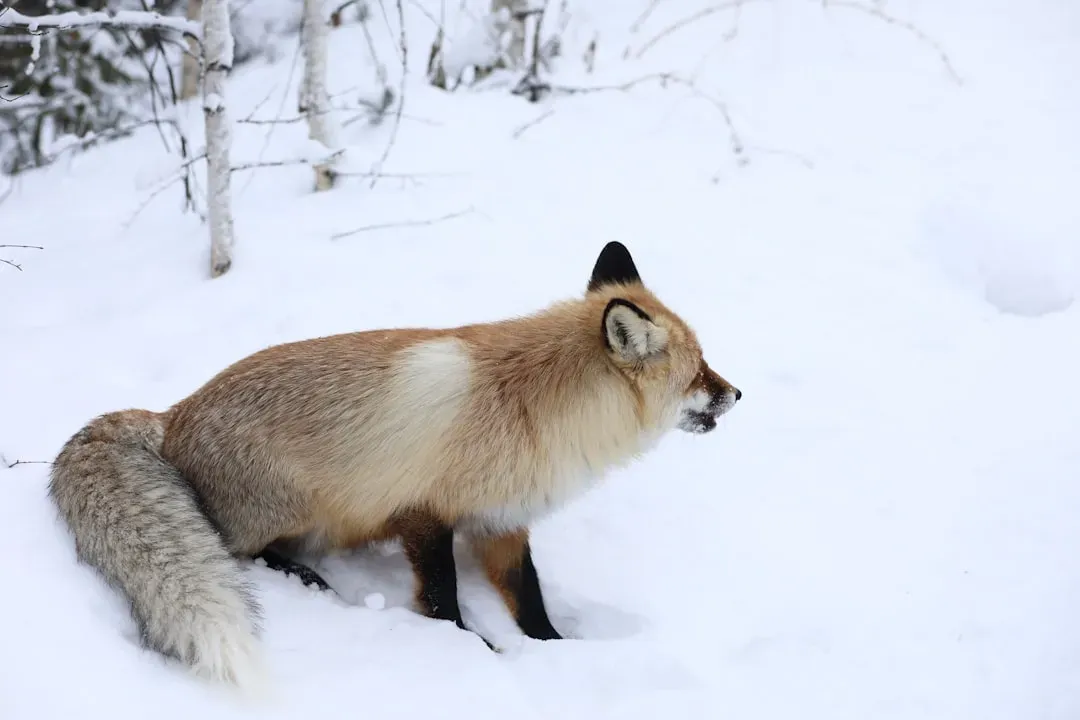
Most animals are stuck with the same look all year round. The Arctic fox, however, treats every changing season like a wardrobe refresh. It’s not subtle. It’s a complete transformation, and it has to be, because life in the Arctic is unforgiving.
Arctic foxes can change their fur color twice a year to protect themselves from predators. During the frigid winter months, their fur turns pristine white, providing camouflage against the snow-covered landscape. As summer approaches, the fox sheds its winter coat and dons a mottled brown or grey fur, blending seamlessly with the rocky tundra.
This remarkable adaptation is triggered by changes in daylight hours rather than temperature, ensuring the fox’s coat color change begins before the seasons fully transition. The biological mechanism involves a complex hormonal response that gradually alters melanin production in their fur.
What makes this even more impressive is the precision of this change. Arctic foxes living in areas with less snowfall often develop coats with more blue-gray tones instead of pure white, demonstrating incredible fine-tuning of this evolutionary adaptation to specific geographical conditions.
Climate change is beginning to disrupt this finely tuned system, as the camouflage value of the Arctic fox’s lighter coat decreases with less snow cover. A sobering reminder that the most elegant adaptations can be undone by a warming planet.
5. The Chameleon: The Animal World’s Most Famous Illusionist
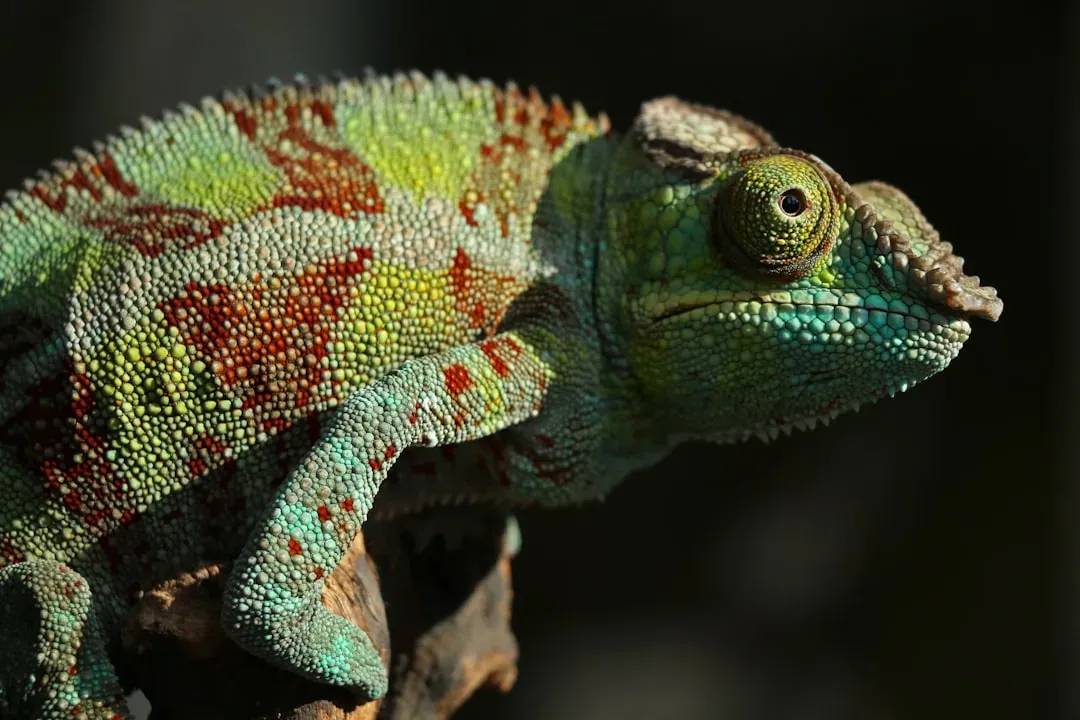
No list of camouflage masters is complete without the chameleon. It’s practically the mascot for the entire concept. Although, I think it deserves a bit more credit than just being the symbol on the poster.
These remarkable reptiles can change color rapidly, primarily for communication and temperature regulation. Their base coloration also helps them blend into leafy environments. So the color-changing is multifunctional. Camouflage is only part of the story.
Chameleons change color by using specialized cells in their skin called iridophores, which contain nanocrystals that diffract light differently based on spacing within cells. For example, a male veiled chameleon can flash vivid colors to repel rivals or to attract a mate.
If a predator can detect ultraviolet light, chameleons can modify their skin coloration to stay hidden even from those threats. That’s a level of adaptive precision that feels almost too clever for one animal. It’s like evolution kept going back to refine the design, over and over, until it was perfect.
6. The Stick Insect: The World’s Most Boring Looking, Most Brilliant Survivor
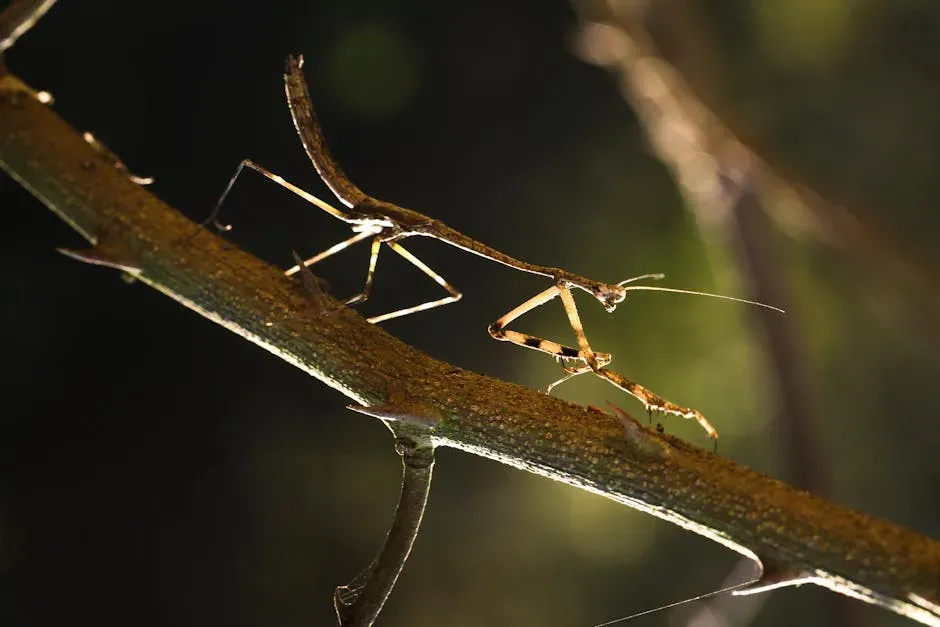
The stick insect might just be the most underrated creature on this entire list. It doesn’t shimmer. It doesn’t transform into something intimidating. It looks like a twig. Literally just a twig. Yet somehow, it has survived virtually unchanged for an extraordinarily long time.
Stick insect fossils from 130 million years ago are the oldest example of insects fooling animals with their shape. That means this disguise has been working since before most of the modern world existed. Let that sink in.
The defense mechanism most readily identifiable with these insects is camouflage in the form of plant mimicry. Most are known for effectively replicating the forms of sticks and leaves, and the bodies of some species are covered in mossy or lichenous outgrowths that supplement their disguise. Remaining absolutely stationary enhances their inconspicuousness.
When they need to move, they are even able to camouflage their motion. It is common to see them walk in a swaying motion, pretending to be a twig caught by the wind. Even their movement is part of the lie. There is something deeply elegant about that.
The scientific name for the order of stick insects is Phasmatodea, which derives from the Greek word phasma, meaning an apparition, phantom, or ghost. This is reflected in the animal’s strangely ethereal disappearing act.
7. The Scorpionfish: Danger Hidden in Plain Sight
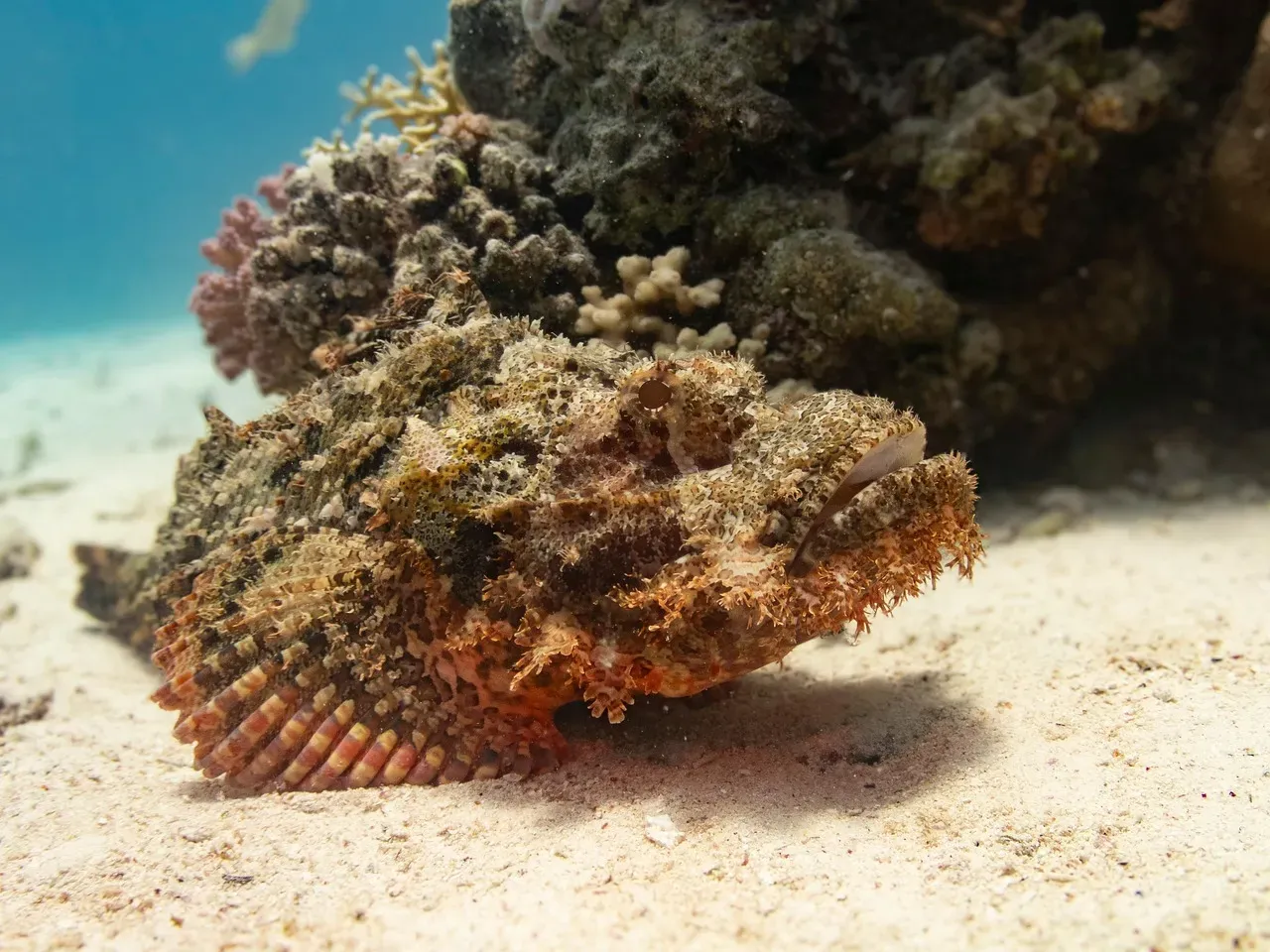
Most camouflage stories are about vulnerability, about hiding to avoid being eaten. The scorpionfish flips that script entirely. This animal hides not because it’s afraid, but because it’s waiting to ambush. And it does both with lethal efficiency.
Scorpionfish are some of the most venomous fish in the world. Mostly found in the Indo-Pacific region, the more than 450 species of scorpionfish are sit-and-wait predators, meaning they stay concealed in one place until they get the opportunity to attack their prey.
Scorpionfish get their name because of the dangerous stinging spines found on their body, especially in their dorsal fin. The spines are covered in venomous mucus and protect the animals from predators, but their coloring helps to hide the fish from potential prey.
Their superb camouflage abilities enable them to seamlessly blend with the intricate coral reefs, awaiting their unsuspecting prey, such as shrimp and crabs. They are the reef. They are the rock. Until they’re suddenly not, and something small has made a very unfortunate mistake.
8. The Leopard: The Big Cat That Disappears Into Shadow
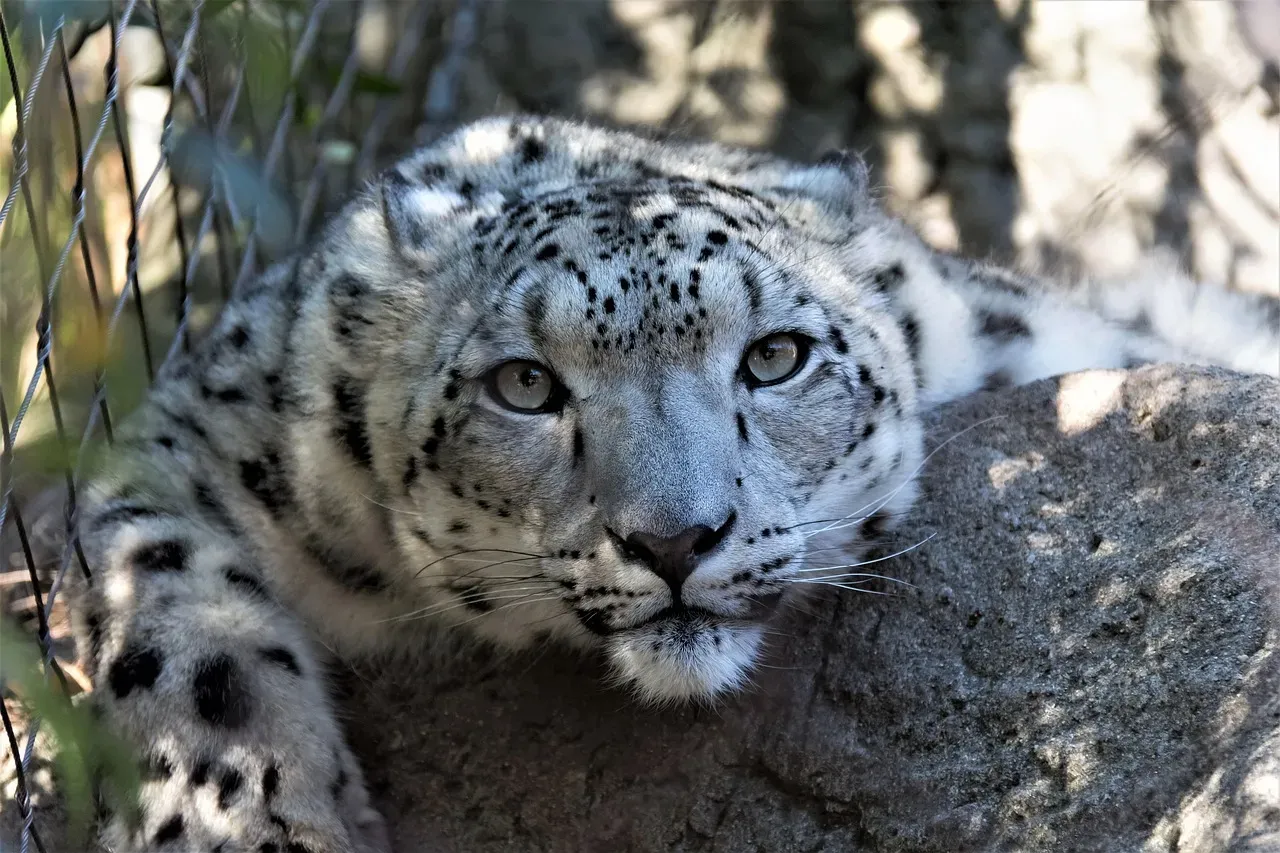
You’d think something as large and powerful as a leopard wouldn’t need to hide. Yet the leopard is arguably one of the most effective camouflage artists in the entire mammal kingdom. Its spots aren’t just beautiful. They’re weaponized.
You might think leopards’ contrasting golden coat and black spots make them stand out from a crowd, but leopards are actually great at blending into their surroundings, whether that be trees, rocky cliffs, or grasslands. Found across Africa and Asia, there are a number of leopard subspecies that each have their own camouflage adaptations depending on their unique habitats.
Their fur varies from shades of pale beige to darker gold, but all these big cats have the black rosette pattern that makes their camouflage so effective. Rosettes help them blend in with their surroundings as they mimic the appearance of shadows and leaves.
The leopard is a master of stealth and one of the most secretive members among large felines. Its remarkable fur, adorned with distinctive rosettes, functions as excellent camouflage, making it nearly invisible in its natural habitat. This big cat thrives in a diverse range of environments, from African savannas to forests in Asia.
A leopard’s presence often goes undetected until it decides to reveal itself. Astonishingly adaptable, leopards can be found lounging on tree branches, seamlessly blending in with the foliage while they await their next meal. Honestly, the fact that an animal the size of a leopard can go completely unnoticed in a tree is one of nature’s most quietly terrifying facts.
The Art of Invisibility: A Final Thought
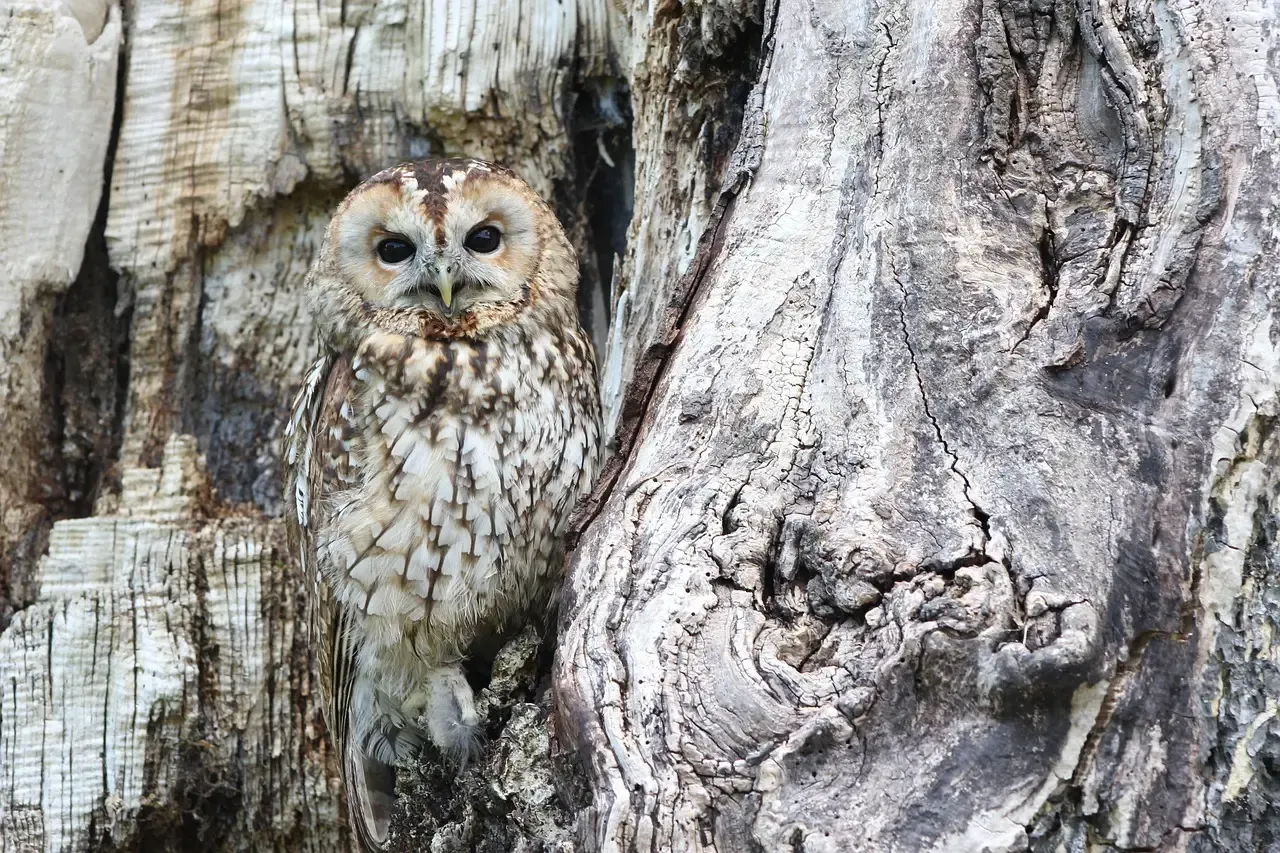
What unites every single one of these creatures is something deeper than just color or pattern. Evolution favors individuals that can better blend into their environments. Animals with effective camouflage are more likely to survive, reproduce, and pass on their genes. Over generations, natural selection enhances these traits, leading to more sophisticated and diverse camouflage strategies.
The gecko becomes a dead leaf. The scorpionfish becomes a reef. The Arctic fox becomes the snow itself. Each of these transformations represents millions of years of quiet, relentless refinement. Studying these camouflage artists offers more than survival tactics; it unveils the symbiotic web of life. Each evolutionary adjustment triggers cascading effects, shaping predator-prey interactions, reproductive strategies, and even ecosystem architectures.
There is something genuinely humbling about realizing how much of the natural world is hidden from us at any given moment. We walk past forests, coastlines, and deserts thinking we see everything. In reality, nature’s most gifted performers are right there, perfectly still, watching us walk by without a clue. Which of these eight surprised you the most?

- 14 Signs a Dog Near the Rainbow Bridge Is at Peace With Its Person - July 21, 2026
- 15 Ways a Shelter Animal Tells You It Was Always Meant to Be Yours - July 21, 2026
- 14 Ways a Dog Shows You Are the Center of Its Whole World - July 21, 2026