
Nature has always had a flair for the dramatic, but nothing quite tops the moment you watch an animal dissolve into its surroundings like a living magic trick. Color change in the animal kingdom is not just visually stunning – it is one of the most sophisticated biological feats evolution has ever produced. The mechanisms behind it are so advanced that scientists are still unraveling them today.
Some animals use color to hide, others to communicate, and a few to outright terrify their enemies. The reasons are as varied as the creatures themselves, and the science behind each transformation is genuinely mind-blowing. Get ready to be surprised. Let’s dive in.
1. The Cuttlefish: A Living, Breathing HD Screen
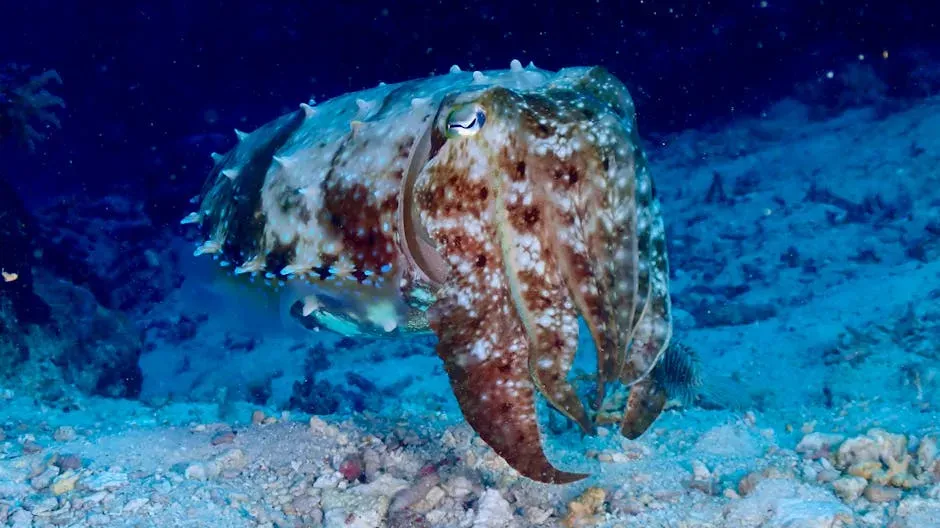
Here is a fact that will genuinely mess with your head. Animals like cuttlefish can rapidly change color to blend into the background and dazzle prospective mates – yet, as far as scientists know, they cannot see in color. Unlike our eyes, the eyes of cephalopods contain just one kind of color-sensitive protein, apparently restricting them to a black and white view of the world. A colorblind animal producing flawless, full-color camouflage. Honestly, I find that almost impossible to believe, yet here we are.
Cuttlefish control their camouflage by the direct action of their brain onto specialized skin cells called chromatophores, which act as biological color “pixels” on a soft skin display. They possess up to millions of chromatophores, each of which can be expanded and contracted to produce local changes in skin contrast. By controlling these chromatophores, cuttlefish can transform their appearance in a fraction of a second.
Cuttlefish skin has been likened to a color television – it has a way of combining basic colors to form more complex hues and dynamic patterns. Think about that. A creature without a backbone running software more complex than anything human engineers have managed to miniaturize. Cuttlefish have incredible control over the color and patterning of their skin, and their chromatophores are directly wired to the animal’s brain.
2. The Mimic Octopus: The Ultimate Underwater Actor
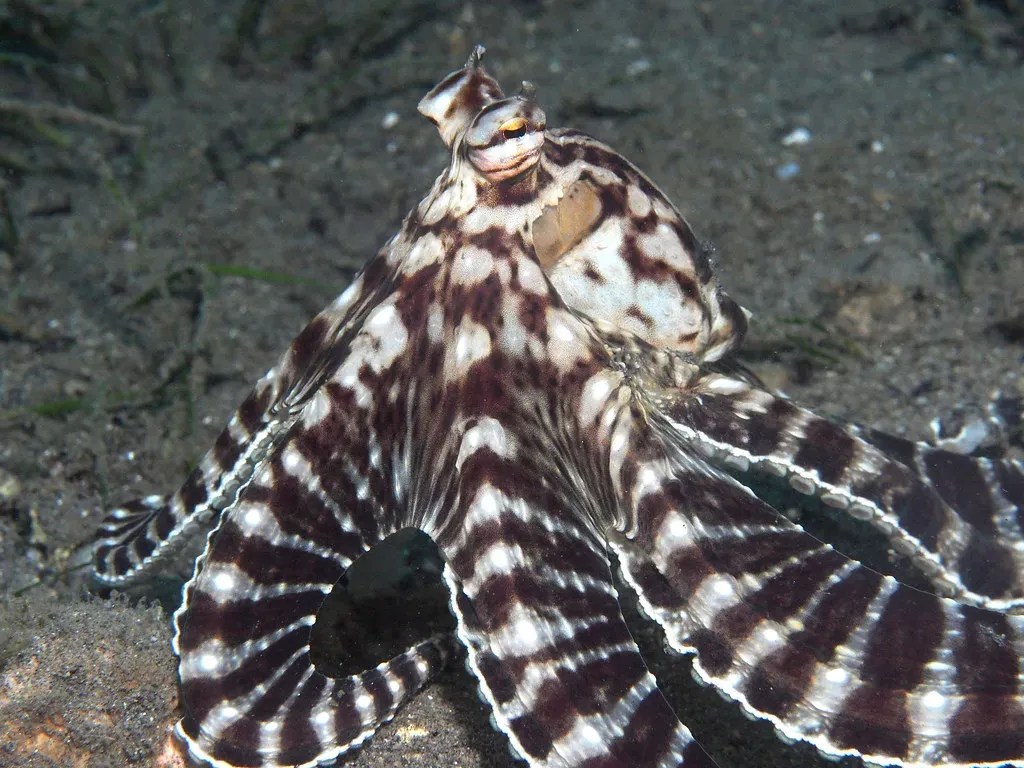
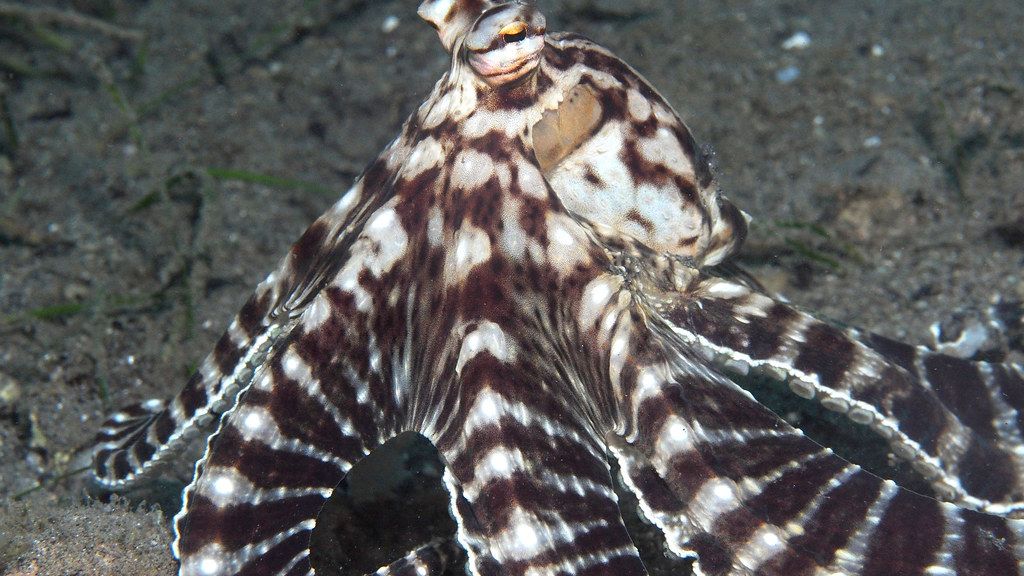
Discovered relatively recently in 1998 in the waters of Indonesia, this cephalopod can transform its color, texture, shape, and behavior to mimic at least 15 different marine species, including sea snakes, lionfish, and flatfish. That is not camouflage – that is a full performance. With a costume change between every act.
What makes this octopus truly extraordinary is its apparent ability to select which creature to impersonate based on the threat it faces – for instance, when threatened by damselfish, it may imitate a sea snake, a known predator of damselfish. Think of it like choosing which mask to wear depending on who is knocking at the door. The level of apparent intelligence behind that decision is staggering.
The ability to impersonate other dangerous animals is particularly helpful in the shallow, sandy environment that the mimic octopus calls home. Where other octopuses generally like habitat with complex structure like reefs to hide in, the river mouths and estuaries the mimic octopus frequents generally lack places to squirrel away in. By imitating toxic animals like the sea snake, lionfish and sole, mimic octopuses can protect themselves from predators while vulnerable in the open ocean.
3. The Chameleon: The Icon That Surprises Everyone
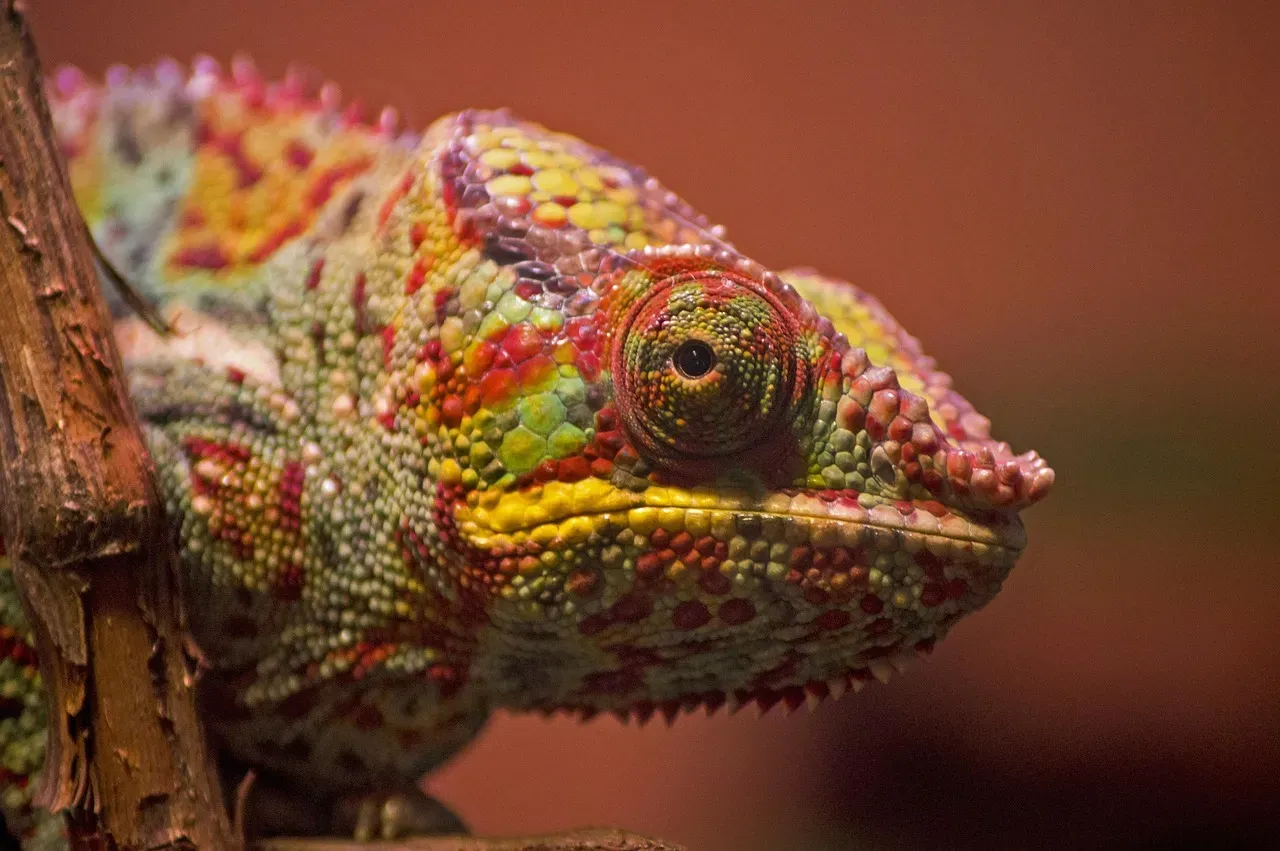
Let’s be real – this is the one everyone thinks of first. The chameleon is practically the mascot for color change. Chameleons can induce color change in less than half a minute with the help of special cells in their skin. Remarkably fast, but the real surprise lies in why they do it.
Contrary to popular belief, chameleons do not change color to blend into their background. Instead, color changes result from other factors, such as light, temperature, and even the reptiles’ emotions. Researchers found that chameleons change colors by rearranging a lattice of nanocrystals in one of the top layers of skin cells, called iridophores, which contain tiny crystals made from guanine. The nanocrystals have a highly ordered arrangement, which normally causes them to strongly reflect one color of light, such as green. When another male enters their surroundings, the animals stretch their skin cells, broadening the nanocrystalline lattice, thereby causing it to reflect a longer wavelength of light, such as yellow.
Rapid color displays are especially useful among males quarreling over territory. Male veiled chameleons signal their temperament to would-be rivals by changing tone, turning brighter to signal aggression and darker to convey submission. It is essentially a mood ring worn on the outside for all to see. No poker face whatsoever.
4. The Peacock Flounder: Flat, Fast, and Flawless
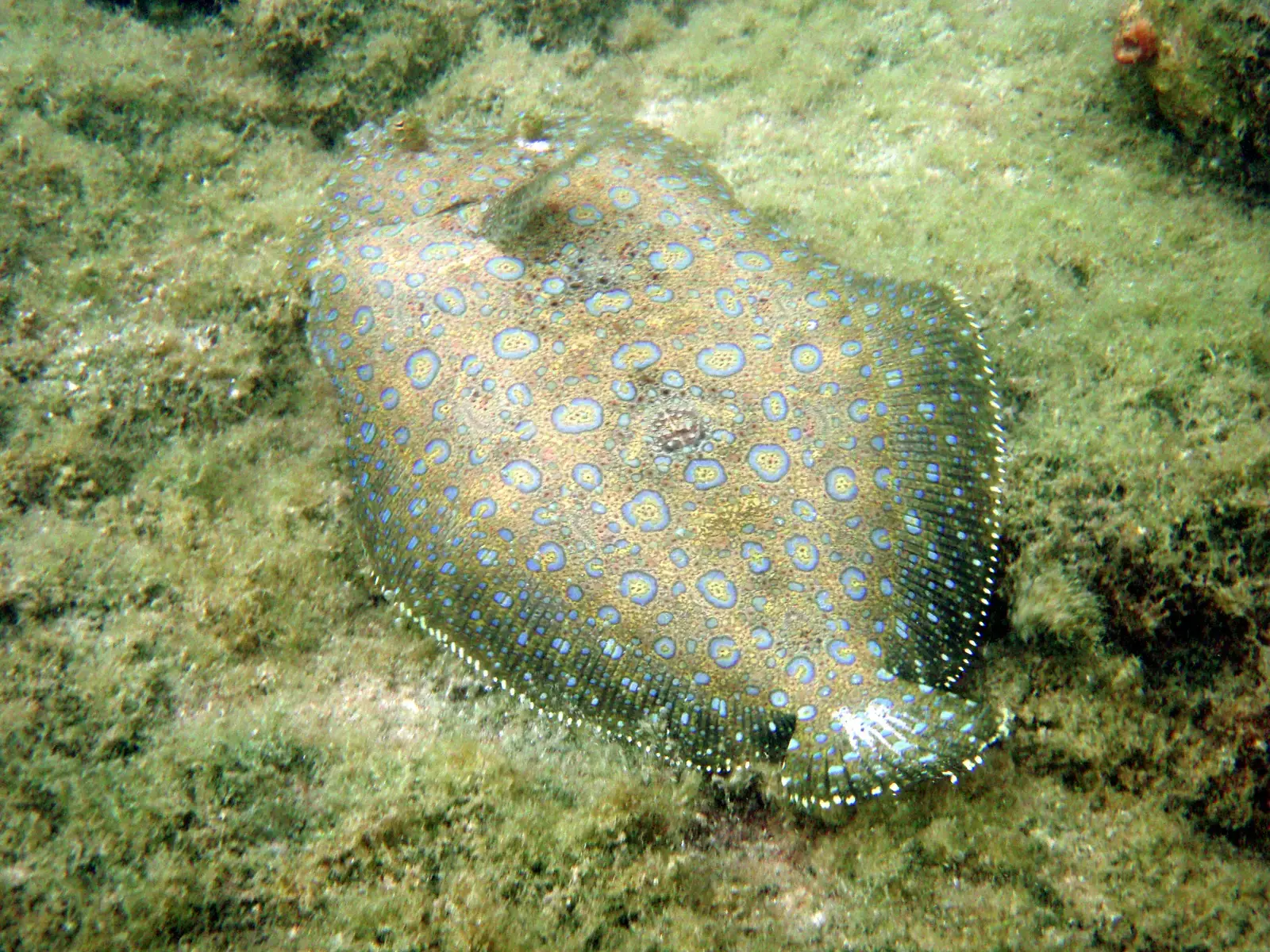
Imagine lying flat on the ground and becoming nearly invisible within eight seconds. That is exactly what the peacock flounder pulls off on a daily basis. In a study conducted on Peacock Flounders to check their color-changing abilities, it was astonishing to see that they matched their surroundings by changing color in just eight seconds.
Named for its iridescent blue-ringed spots and colorful patterning, the peacock flounder is capable of blending into its environment within seconds. Whether it is sandy seafloors, rocky coral patches, or patterned substrates, the peacock flounder can alter its color, brightness, and even pattern to match the surrounding environment. Unlike some fish that rely solely on static coloration, this flounder adjusts its appearance in real-time, making it one of the fastest color-changers in the ocean.
When a flounder moves to a new environment, the retina in the eyes captures the new color. Consequently, the color seen by the eyes is transmitted to the cells. The cells adjust the pigmentation to match the surface color. Scientists have discovered that flounders depend entirely on their vision to change color. When their eyes are damaged, they have difficulties camouflaging to their surroundings. The whole system is literally eye-controlled. Damage the eyes and the disguise crumbles.
5. The Seahorse: The Ocean’s Quiet Transformer
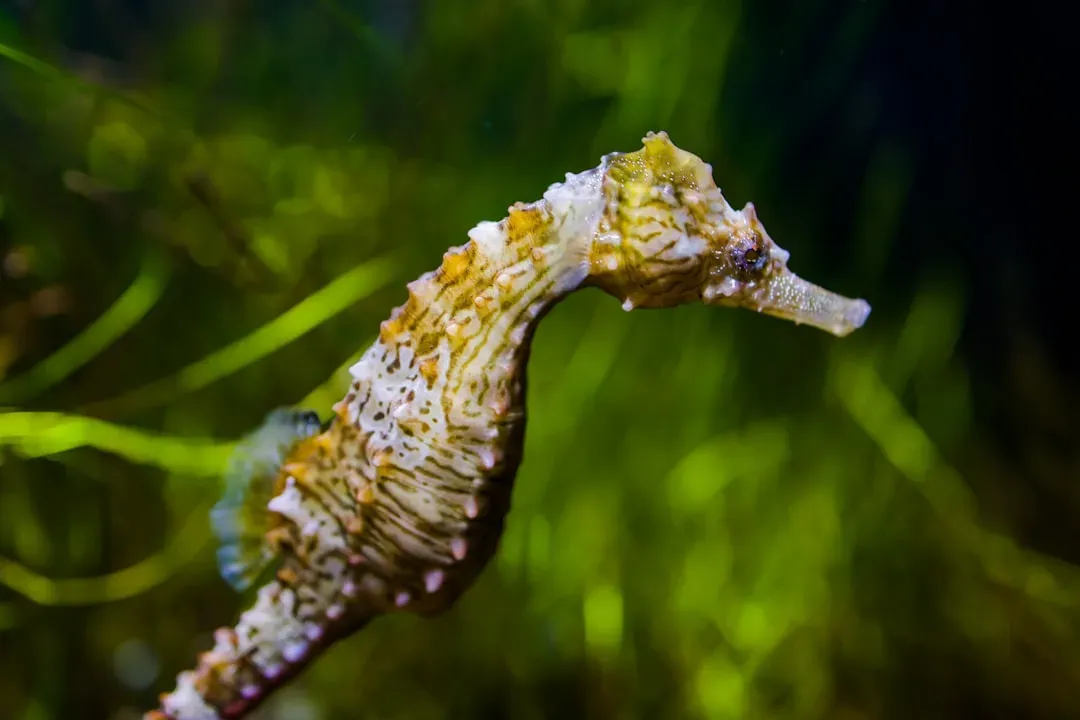
Seahorses might look fragile and gentle bobbing around in the current, but their color-changing abilities make them surprisingly formidable survivors. They have tiny organs in their skin known as chromatophores, which contain pigments that can expand or contract to reveal different colors. Most seahorses can appear brown, black, yellow, gray, gold, or beige, and they can change their skin color or grow skin filaments to blend in with their surroundings.
Thanks to their diminutive size, seahorses need all the help they can get to avoid predators, which is a primary reason for their color shifts, but not the only one. They also adapt colors to hunt, communicate with fellow seahorses, and to attract a mate. It is a Swiss Army knife of a survival trait.
Regarding the speed at which the skin color changes, this depends on the stimulus. In a life or death situation such as involving a predator, the color changes quickly. Whenever the seahorse is courting a mate, the change takes place slowly. Speed dating and survival, all in one remarkable little creature.
6. The Caribbean Reef Squid: Color as Language
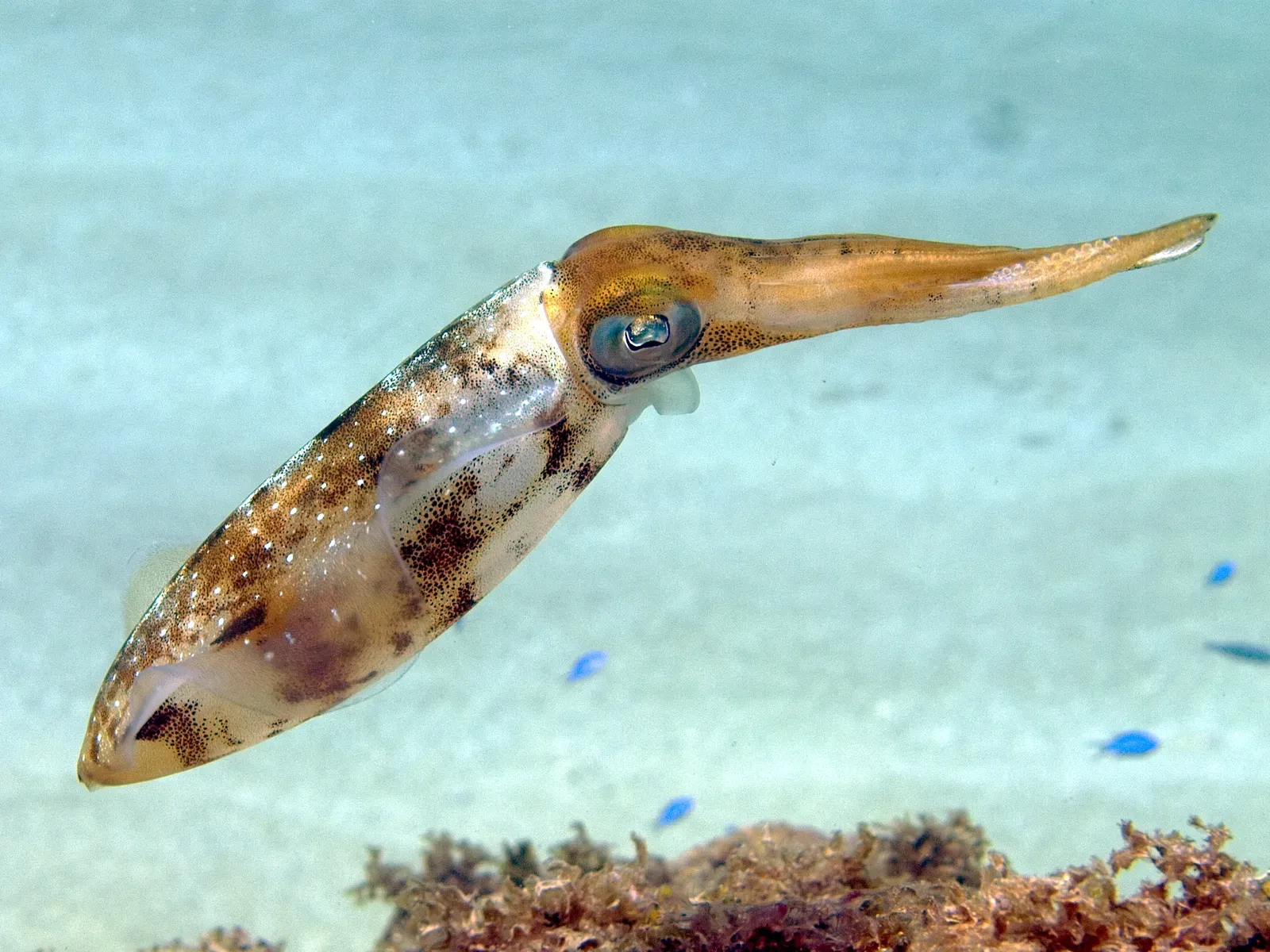
Most people lump squid in with octopuses and move on. That is a mistake. The changing of colors and patterns is the main way Caribbean reef squids communicate with one another. The mottled green or brown coloring of the Caribbean reef squid would not stand out as extraordinary in most diving expeditions, but their varied capacity for changing their pigmentation is actually the key to a complex system of communication.
In addition to camouflaging itself against underwater surfaces, it can assume several iridescent shades. Depending on the coloring and location of these spots, the sociable reef squid can use pigment to send warnings to fellow squid, announce its readiness to mate, and even identify itself to others. This, combined with several body language cues, reveals a level of social structure that is quite complex.
Many thousands of color-changing cells called chromatophores just below the surface of the skin are responsible for these remarkable transformations. The center of each chromatophore contains an elastic sac full of pigment, rather like a tiny balloon, which may be colored black, brown, orange, red or yellow. It is hard to say for sure just how sophisticated squid communication really is, but the more scientists look, the more complex it gets.
7. The Golden Tortoise Beetle: Nature’s Mood Ring
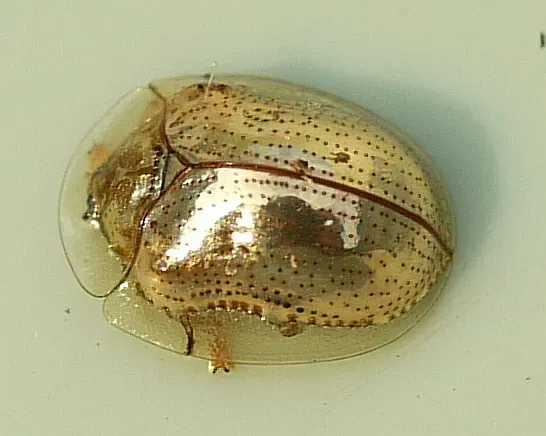
This one fits on your fingernail and yet it might be the most visually jaw-dropping transformation of them all. In its relaxed state, this beetle shimmers with a brilliant metallic gold, but when disturbed or stressed, it can rapidly shift to a reddish-orange or even a dull brown color. This remarkable transformation occurs thanks to microscopic cavities in its exoskeleton that contain reflective liquid. When the beetle is calm, these cavities are filled and reflect light to create that golden appearance. When threatened, the beetle can drain these cavities, changing how light reflects off its shell and altering its appearance.
The Panamanian golden tortoise beetle looks gold because of the way light reflects off pockets of fluid in the layers of its outer shell, or exoskeleton. When subjected to external stresses, the beetle has the rare ability to dry up that fluid – changing its color to dark red. No pigment involved whatsoever. It is pure optical physics at a microscopic scale.
Today, naturalists and gardeners often call the Golden Tortoise Beetle a “mood ring” insect because it suddenly changes from gold to reddish, like showing its inner state. Scientists are not sure why the beetle changes color, but they think it might help ward off predators by making the beetle look like a poisonous insect. A tiny gold jewel that transforms into a warning signal. Evolution really does not do things halfway.
8. The Blue-Ringed Octopus: A Warning in Electric Blue
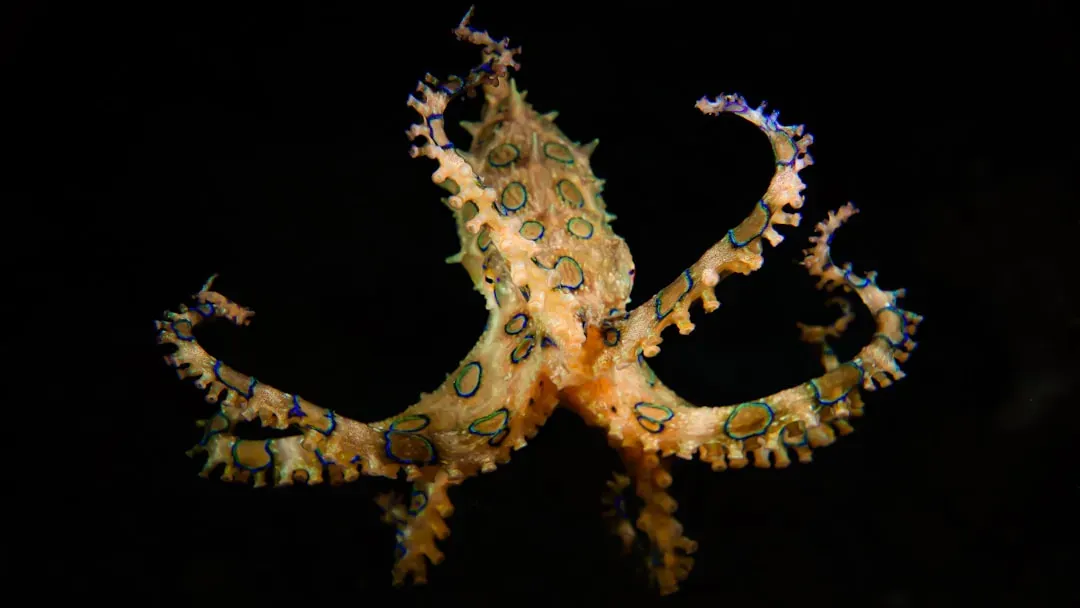
Most animals on this list change color to hide. The blue-ringed octopus does the exact opposite – and the result is one of nature’s most chilling spectacles. One of the best examples of color used as warning is the extremely venomous blue-ringed octopus, which lives in tide pools in the Pacific and Indian Oceans from Japan to Australia. When these small octopuses are provoked, iridescent blue rings surrounding dark brown patches appear all over their bodies.
It has been known to impersonate more than 15 different marine species, but when it comes to its own warning display, the message is unmistakable. The blue-lined octopus may be small, growing to at most 15 cm, but it can be deadly: its venom can cause breathing failure in humans as well as other animals. Something that small should not be that dangerous. Yet here we are.
The notorious blue-ringed octopus flashes iridescent blue rings to warn potential predators to stay away. It is nature’s version of a “Don’t Touch” sign. Bright, beautiful, and lethal. The color change here is not a survival trick – it is a declaration. A tiny creature saying, very clearly, that it would prefer you walked away.
Conclusion: The Living Art of Transformation
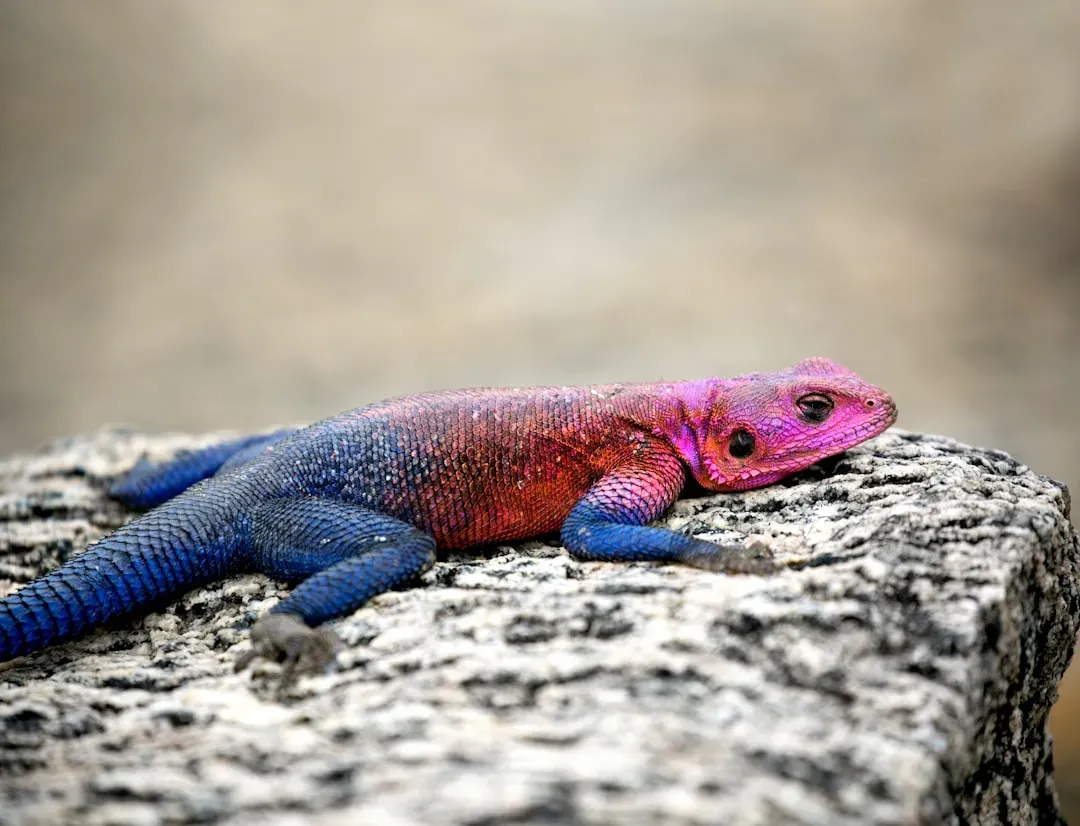
From a cuttlefish running millions of neural pixels to a beetle draining microscopic fluid from its shell, the animal kingdom’s relationship with color is far deeper than it first appears. Survival is one of the most important reasons for changing color. Animals like the chameleon mimic the colors of their environment, which makes it very difficult for predators to see them, allowing the animal to either flee or hide more effectively. Yet as we have seen, camouflage is only one chapter of the story.
Color change is also communication, emotion, seduction, and in some cases a flat-out declaration of danger. These animals carry their entire inner world on their skin. Animals change color for a rich tapestry of reasons including camouflage, communication, thermoregulation, and defense. From a tiny beetle draining fluid from its shell to an octopus impersonating a sea snake, evolution has produced some genuinely mind-blowing solutions to the challenge of survival.
The next time you walk past a garden or dive into the ocean, remember that the most extraordinary things are often happening right in front of you, completely invisible. Which of these eight animals surprised you the most? Share your thoughts in the comments below.
