

Most of us go through our daily routines without thinking twice about the items sitting on our counters, tucked into our cabinets, or stacked in the garage. They’re just part of life. Ordinary. Familiar. Safe.
Except they’re not. Not for your pets, anyway.
The truth is, the average home is packed with things that can seriously harm your dog or cat, and some of them are items you’d never suspect. We’re not talking about obvious hazards here. We’re talking about the stuff you reach for every single day without a second thought. The results can be devastating, and the worst part? Most of it is entirely preventable. So let’s get into it.
1. Over-the-Counter Pain Relievers
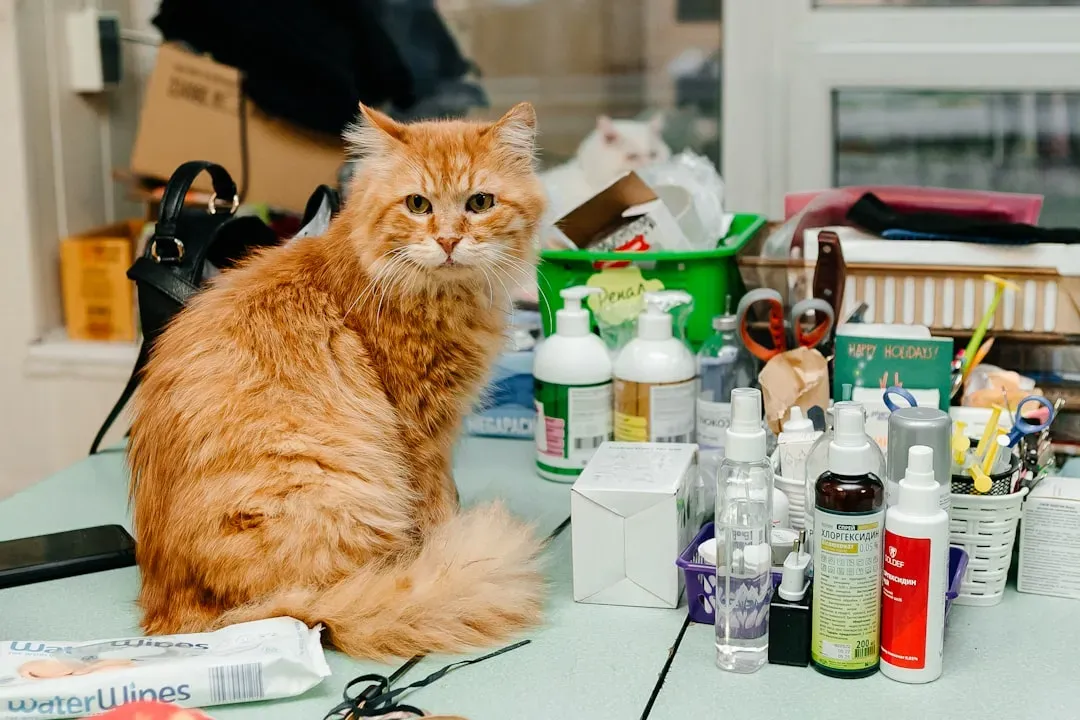
Here’s the thing that shocks most pet owners: the same pill you pop for a headache could kill your cat. Acetaminophen, known as Tylenol, is extremely toxic to cats, causing severe liver and red blood cell damage. This isn’t a “large dose” problem. Even a tiny amount can be fatal.
NSAIDs like ibuprofen and naproxen can lead to stomach ulcers and kidney failure in dogs. Think about that next time you leave a blister pack of pain relief on the coffee table. It takes about five seconds for a curious dog to investigate.
Pets metabolize drugs differently from humans, so medications that seem benign to us can be toxic, or fatal, to them. Honestly, this is one of those facts that should be posted on every medicine cabinet door in America.
2. Household Cleaning Products

According to the ASPCA Animal Poison Control Center, a significant portion of pet poison calls involve household cleaning products. These products can be dangerous in multiple ways – pets may walk across freshly cleaned floors, lick residue off surfaces, inhale fumes, or knock over bottles while exploring.
Bleach and ammonia are powerful cleaning agents that can cause severe respiratory problems, vomiting, and burns if ingested or inhaled. Your pet doesn’t even need to drink the stuff. Walking across a freshly mopped floor and then licking their paws is enough.
Some common ingredients that are toxic to pets include ammonia, bleach, chlorine, formaldehyde, and isopropyl alcohol. Read those labels carefully. A product that smells clean and fresh to you can be a chemical minefield for your furry companion.
3. Batteries

You’d never imagine that a AA battery could send your pet to the emergency room. Yet this happens more often than people realise. Batteries aren’t only a choking hazard, but also contain harmful chemicals. These highly corrosive acidic or alkaline chemicals leak out when pets bite or chew on batteries and can lead to serious internal burns. Pets can suffer from painful tissue damage in the oral cavity or anywhere along the digestive tract, including the esophagus, stomach, or intestines.
Ingestion or chewing on batteries can lead to clinical signs including pain, hypersalivation, oral inflammation and ulceration, vomiting, anorexia, and gastrointestinal ulceration due to battery acid exposure. X-rays should be taken to see if there are battery parts in the GI tract.
Remote controls, key fobs, toys, and smoke detectors all contain batteries that a bored dog might chew right through. Keep them out of reach and check battery compartment covers regularly. It’s a small habit with potentially life-saving consequences.
4. Xylitol in Sugar-Free Products
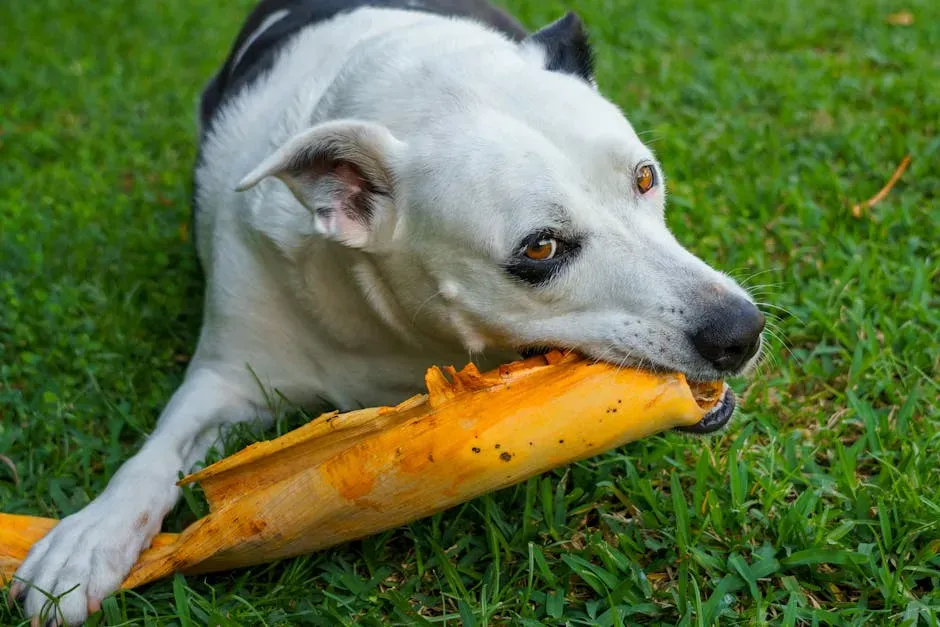
Let’s be real: this one catches almost everyone off guard. Xylitol is a sweetener hiding in plain sight. This sugar substitute is a major threat found in sugar-free gum, candy, some peanut butters, and baked goods. In dogs, it causes a severe drop in blood sugar that can lead to seizures and liver failure.
Toothpaste can also contain xylitol. If a large amount is ingested, it can cause severe stomach upset, irregular heartbeats, low blood pressure, and life-threatening electrolyte changes. Yes, your toothpaste is on this list too.
Xylitol can cause low blood sugar levels or damage to the liver if enough is ingested. The amount of xylitol present in toothpaste can vary significantly from brand to brand, so it’s best to keep all products containing it away from pets. Always check ingredient labels on anything sugar-free in your home.
5. Houseplants
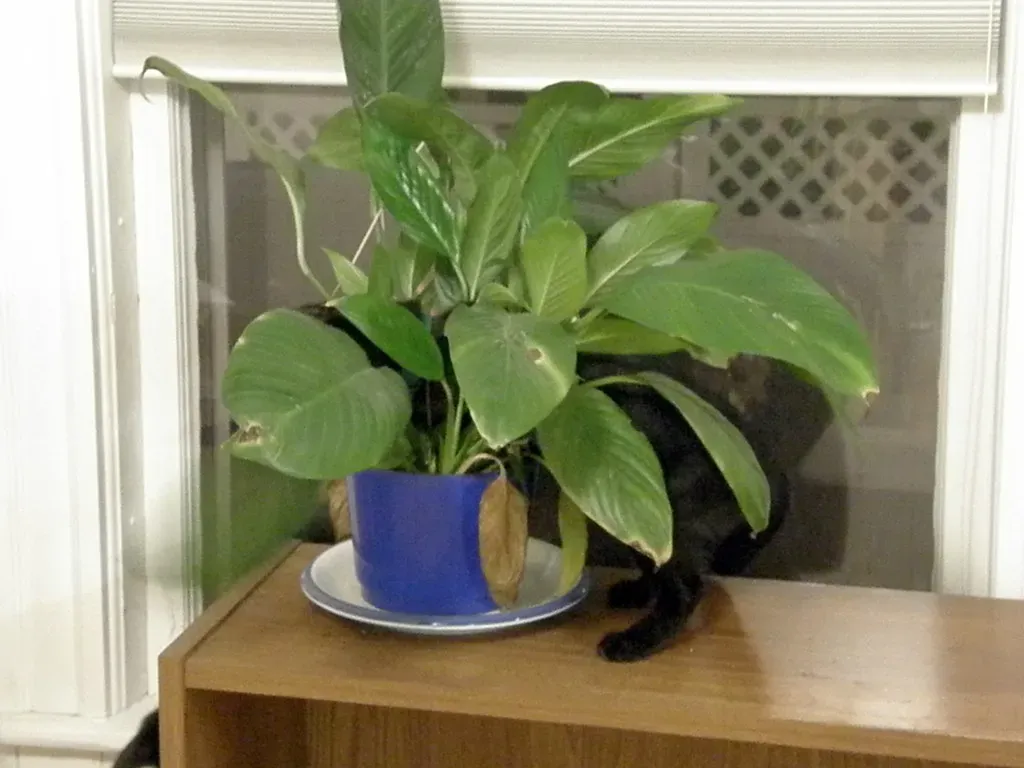
That gorgeous lily arrangement in your living room could be a death sentence for your cat. I know it sounds dramatic, but it’s true. For cats, true lilies such as Easter, Tiger, and Asiatic lilies are a deadly poison. Ingesting any part of the plant, including a small amount of pollen groomed from their fur, can cause acute kidney failure.
Other popular houseplants including aloe vera, philodendron, snake plants, and English ivy are also harmful to cats and dogs. These are plants that millions of homes display as decoration without any awareness of the danger they pose.
Sago Palm, a common decorative plant, is highly toxic to both dogs and cats. The seeds are especially potent and can lead to severe vomiting, liver failure, and seizures. Before you buy that next plant at the garden center, spend two minutes checking if it’s pet-safe. That’s all it takes.
6. Grapes and Raisins
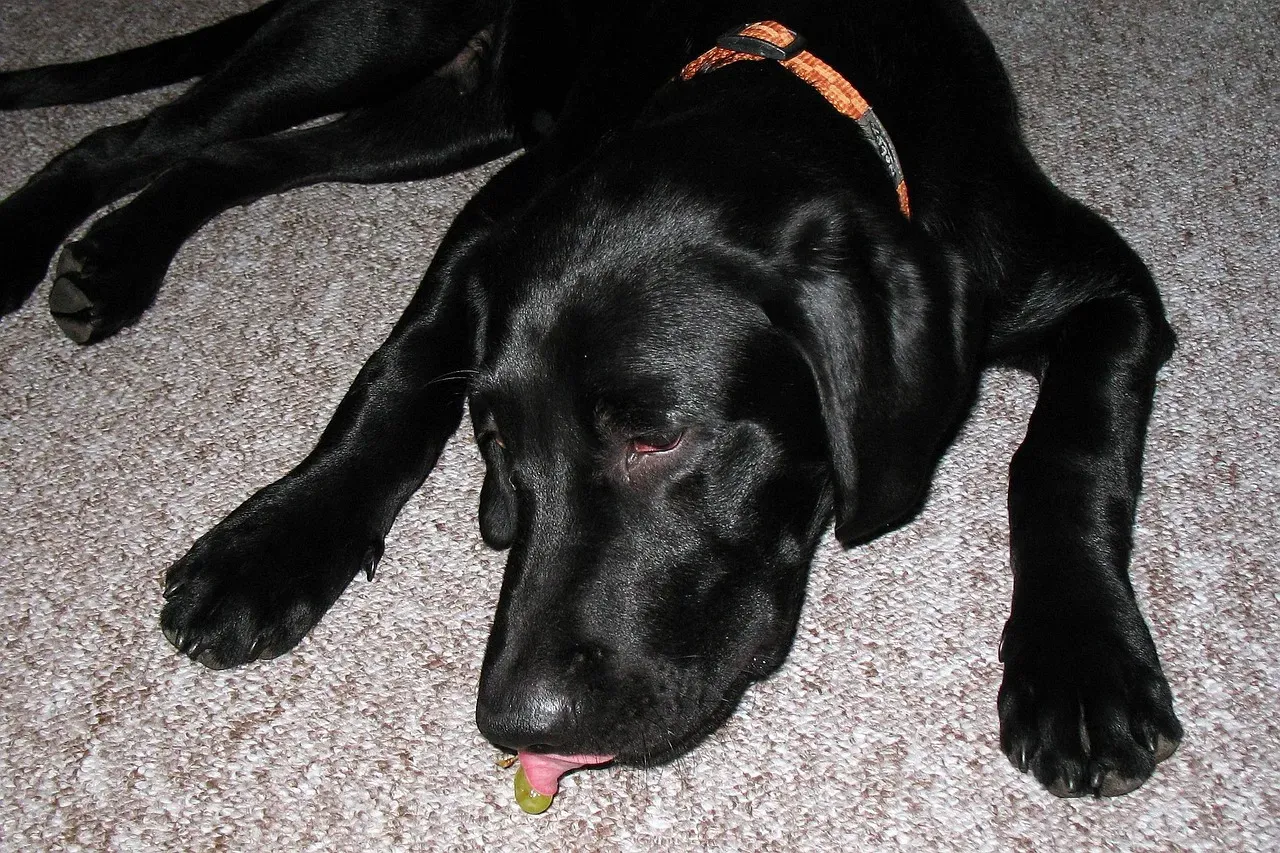
Most dog owners know that chocolate is dangerous, but far fewer know about grapes. The exact toxin responsible for their toxicity is unknown, but both grapes and raisins can cause kidney failure in dogs, even in small quantities. That unpredictability makes them especially frightening.
Grapes are a bit of a mystery when it comes to toxicity. It is not dose-dependent, meaning that a small amount of grape ingestion could cause a serious problem in some dogs, while some dogs can eat a large amount and never be affected. The randomness of that is what makes it so alarming. You simply cannot predict which dog will react and how severely.
Think about where grapes end up in your home. In a fruit bowl on the counter. In a child’s snack bag. In a salad left on the dining table. They’re everywhere, and dogs, especially larger breeds, can reach them easily. Don’t take the risk.
7. Laundry Products and Dryer Sheets
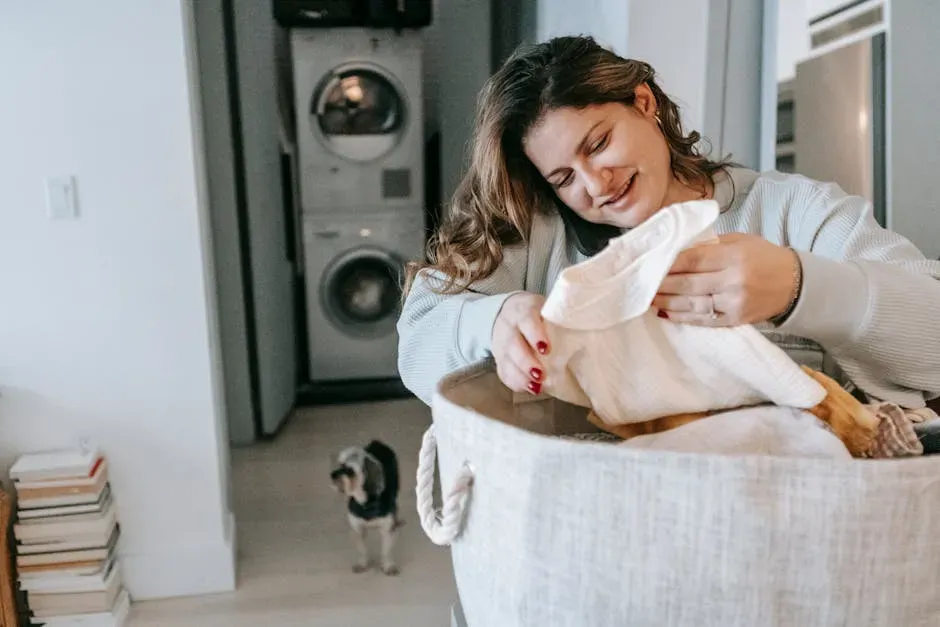
This one genuinely surprises people. A used dryer sheet on top of the laundry pile looks completely harmless. It is not. Most laundry dryer sheets, especially unused ones, contain cationic detergents. These detergents can cause severe chemical burns and ulcers to the pet’s mouth, esophagus, and stomach. Additionally, the sheets can pose a risk of a foreign body obstruction in the stomach or intestines and can be a medical emergency.
Laundry pods are especially dangerous if bitten or punctured, with the concentrated detergents capable of causing ulcers in the mouth, stomach irritation, or intestinal blockage. Think of it like a bubble of highly concentrated poison wrapped in a colorful, soft coating. It practically looks like a toy to a dog.
Liquid laundry detergent and laundry detergent pods can cause stomach upset and irritation to the mouth and throat, and in some cases, serious and life-threatening symptoms can occur. Store laundry products in high, latched cabinets and never leave pods accessible anywhere in the home.
8. Rodent and Pest Control Products

Here’s where things get genuinely chilling. Rat and mouse baits are designed to kill rodents through uncontrollable bleeding, brain swelling, or sudden kidney failure. Unfortunately, these poisonous products affect all mammals, including pets, the same way.
Rodent bait is scented and flavored to attract rats and mice, so dogs mistake it for food or treats and consume large quantities. It’s essentially designed to be irresistible to animals, and your pets have absolutely no idea it’s lethal.
These products can cause death via internal bleeding, high calcium levels, brain swelling, or poison gas production in the stomach. By the time symptoms appear, serious damage may already be done. If you use any pest control products at home, talk to your vet about the safest possible options.
9. Chocolate

Yes, most people know chocolate is bad for dogs. Fewer people understand just how bad, or that even tiny amounts can be dangerous for smaller breeds. Chocolate contains theobromine, a stimulant that can cause vomiting, diarrhea, tremors, seizures, and even death in pets. The darker the chocolate, the higher the concentration and the greater the risk. Even small amounts can be harmful, especially for smaller dogs.
Theobromine is a compound that dogs cannot metabolize efficiently, and dark chocolate and baking chocolate pose the greatest risk. Baking chocolate is the one that people forget about. It’s sitting in a kitchen cupboard, often unattended, and it’s among the most concentrated forms of the toxin.
Think about all the moments chocolate is accessible in a home. Birthday cakes cooling on a counter. Halloween candy in a bowl. Chocolate bars on a coffee table during a movie night. All of it represents a real risk to your dog.
10. Essential Oils and Liquid Potpourri
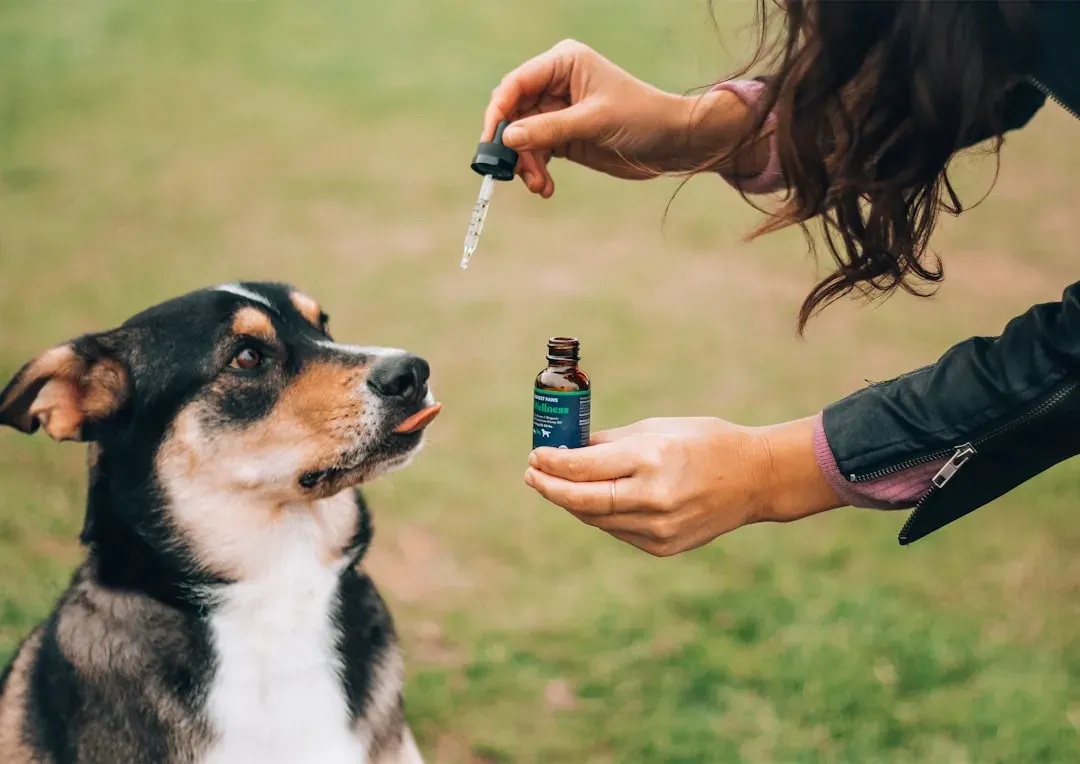
The wellness movement has brought essential oil diffusers into millions of homes. Unfortunately, what’s calming and aromatic for us can be genuinely toxic for our pets. Essential oils, particularly highly concentrated products, can harm pets. You should consult your veterinarian before giving your pet any product containing essential oil.
Liquid potpourri often contains detergents, essential oils, and other compounds that can cause chemical burns if ingested or licked. Dried potpourri may not burn but can cause gastrointestinal upset or obstruction if eaten. Some essential oils like tea tree and eucalyptus are also toxic if applied topically or ingested by pets.
Your cat or dog doesn’t need to swallow the oil either. Skin contact and inhalation can both cause problems in more sensitive animals. If you use a diffuser at home, make sure the room is well-ventilated and that your pet cannot access the device or the oils themselves.
11. Nicotine Products
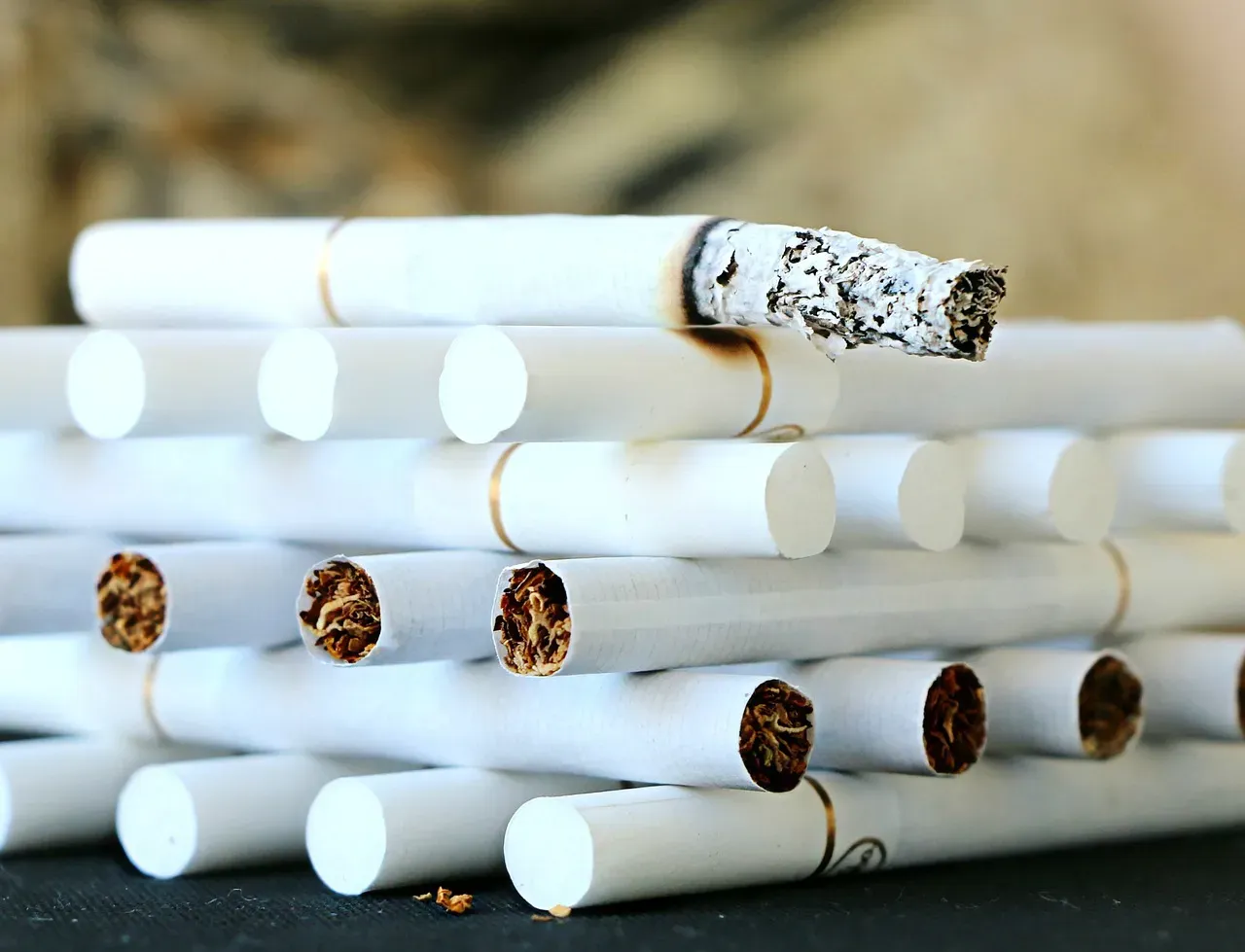
Cigarettes, vape pens, nicotine patches, and nicotine gums are all genuinely dangerous if your pet gets hold of them. Nicotine products including cigarettes, vape pens, and nicotine gums and patches can cause illness and death in pets.
Clinical signs of nicotine toxicity develop quickly, within 15 to 30 minutes, and include hyperexcitability, hypersalivation, fast breathing, diarrhea, and vomiting. Muscle weakness, twitching, collapse, coma, and death can occur at high enough doses. That’s an incredibly fast and severe reaction for something that looks like a harmless little stick.
Cigarette butts themselves contain roughly a quarter of the total nicotine content of a full cigarette. A dog nosing around an ashtray or a discarded vape pen on a table is at genuine risk. Keep all nicotine products locked away and never leave them within a pet’s reach.
12. Mothballs
Mothballs are one of those items that feel old-fashioned and somehow harmless, maybe because your grandparents used them. Don’t be fooled. Mothballs can be toxic, causing serious illness or death if inhaled or swallowed. This is especially true for mothballs that contain naphthalene.
The smell that repels moths is also a concentrated chemical vapor that can damage a pet’s liver, kidneys, and nervous system over time. Cats are especially vulnerable because of how their livers process toxins, which is far less efficiently than a human or even a dog.
If you use mothballs for storage, keep them in areas completely inaccessible to pets – sealed containers inside closed rooms. Never assume that because they’re tucked in a wardrobe your pet won’t eventually find them. Some cats treat a closet as their personal adventure zone.
13. Electrical Cords
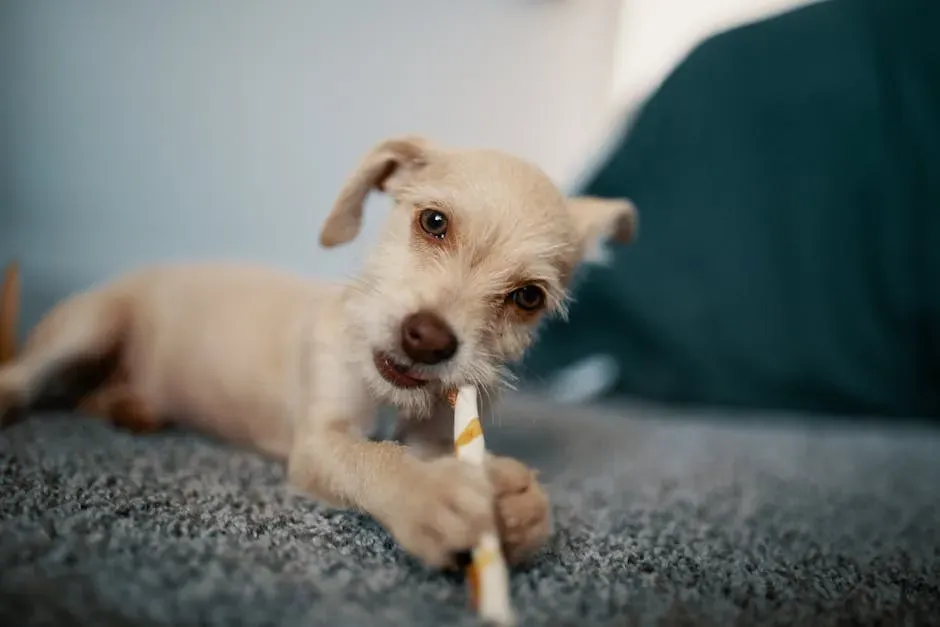
This one is more about physical danger than toxicity, though the consequences can be just as severe. Plugged-in electrical cords can cause burns or electrocution when pets chew on them. You can protect your pets by using cord covers and blocking access to cords and wires.
Puppies and young cats are the most likely culprits, but even older pets can develop the habit. A chewed cord doesn’t just risk electrocution. It can cause oral burns, pulmonary edema from the electric shock, and in worst-case scenarios, cardiac arrest. That beautiful power strip running along your baseboard is basically a row of potential dangers.
Placing cord covers on all electrical cords is a simple but important pet-proofing step. It’s a cheap fix that could prevent a tragedy. Tie up any loose or dangling cords, especially those near the floor, and use cable management solutions wherever possible.
14. String, Ribbon, and Dental Floss

Cats especially go absolutely wild for anything string-like. It’s practically hardwired into them. The problem is that what goes in doesn’t always come out safely. Long or linear items such as string, ribbon, or dental floss look innocent enough, but once ingested, these everyday items can have catastrophic consequences. Linear items can wrap around or under your pet’s tongue and obstruct blood flow.
The danger here is a condition called a linear foreign body obstruction. The string can anchor at one end while the intestines try to move it along, causing the gut to bunch and eventually perforate. It’s excruciatingly painful and requires emergency surgery.
Dental floss left in the bathroom trash, ribbon from a gift, tinsel on a Christmas tree, even hair ties scattered on a nightstand. All of these represent the same category of danger. Keep them stored away and be diligent, especially during holidays when ribbon and tinsel are everywhere.
15. Gorilla Glue and Expanding Adhesives

This one is genuinely terrifying once you know about it. Diisocyanate glues such as Gorilla Glue can lead to a life-threatening emergency when ingested by pets. When this glue reaches the stomach, it can cause severe irritation. The glue mixes with the pet’s stomach acid and the reaction forms a solid, expanding, foam-like mass that fills the stomach, prevents stomach function, and blocks the in- and outflow of materials.
Affected pets show obvious vomiting and diarrhea illness signs, including a distended abdomen and drooling. Emergency surgery is required to remove the blockage. Think about that. A small amount of glue essentially turns into a solid plug inside your pet’s stomach. Surgery is the only option.
Gorilla Glue is kept in toolboxes, junk drawers, and on garage shelves in homes all across the country. Dogs often chew on containers out of curiosity. The sweet smell of some adhesives can actually attract them. Store all glues and adhesives in sealed containers in areas your pet cannot possibly access.
A Final Thought Worth Keeping With You
Your pet’s safety at home often hinges on more than just choosing the right food or scheduling regular vet visits. Many of the most serious risks come from items we use every day, items that are safe for us but can be dangerous or even life-threatening to our animals. That’s the part that’s easy to forget.
We tend to think of danger as something that looks dangerous. But as this list shows, the most hazardous things in your home are often the most ordinary. A tube of toothpaste. A pack of gum. A ribbon from a birthday present. A glue stick on a workbench.
The good news is that most of these dangers are entirely preventable with a bit of awareness and some simple changes to how you store and manage everyday items. Pet-proofing isn’t a one-time task, it’s an ongoing mindset. Even household products we typically think of as safe and familiar can pose a risk to your pet if they are exposed. A bit of common sense and planning for how you use and store a product goes a long way to prevent dangerous exposure for your dog or cat.
Take a walk through your home today and look at it through your pet’s eyes. You might be surprised by what you find. How many of these items are sitting within reach of your curious companion right now?
