
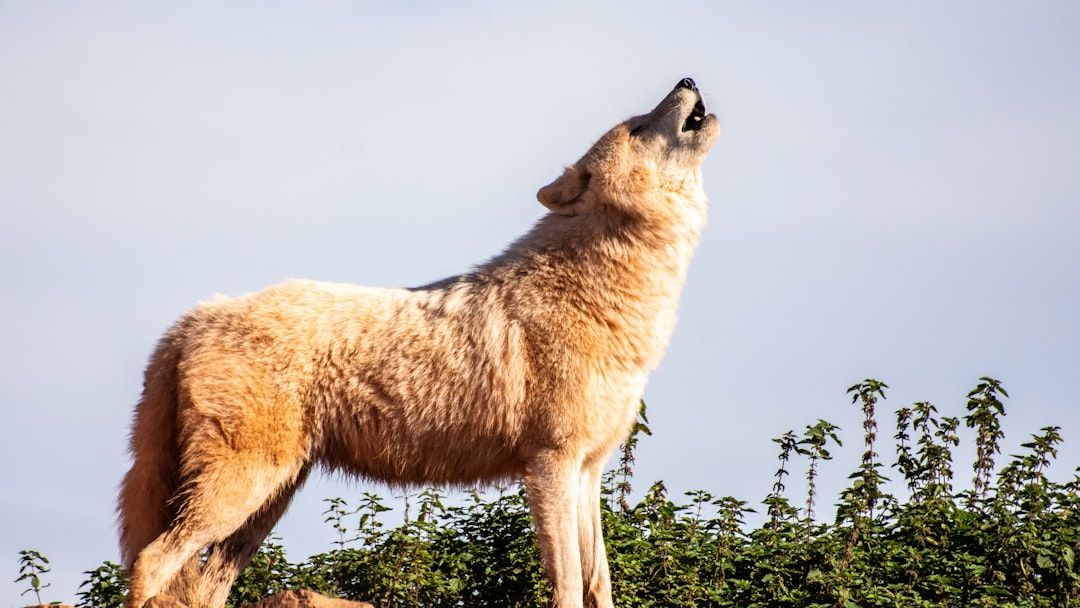
Picture this: a crisp winter night, a sky blazing with stars, and somewhere across the frozen wilderness, a wolf lifts its head and releases that haunting, bone-deep sound that somehow reaches straight into your chest. We’ve all seen the image. The full moon. The silhouetted wolf. The howl. It’s one of the most iconic scenes in all of nature – and one of the biggest myths too.
The idea that wolves howl at the moon is so deeply embedded in our culture that most people never think to question it. It’s in movies, tattoos, folklore, coffee mugs, and terrible T-shirts sold at truck stops. But here’s the thing – science has a completely different story to tell. A far more interesting one, actually. Let’s dive in.
The Big Myth: No, Wolves Don’t Actually Howl at the Moon
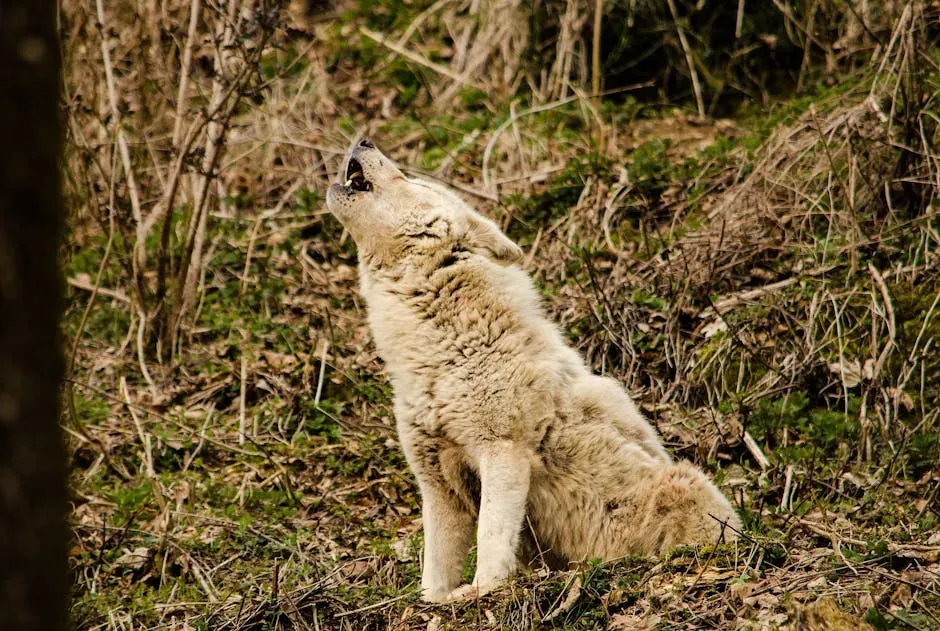
Let’s just get this out of the way immediately, because it’s genuinely surprising to most people. Canine experts have found no connection between the phases of the moon and wolf howling. None. Zero. Not even a small one.
Numerous research studies in modern times have shown that wolves do not howl in any sort of pattern with regard to the moon. Whether it’s a full moon, a new moon, or anything in between – including a completely cloudy sky where the moon hasn’t even risen – wolves are still known to howl. So the moon, quite literally, has nothing to do with it.
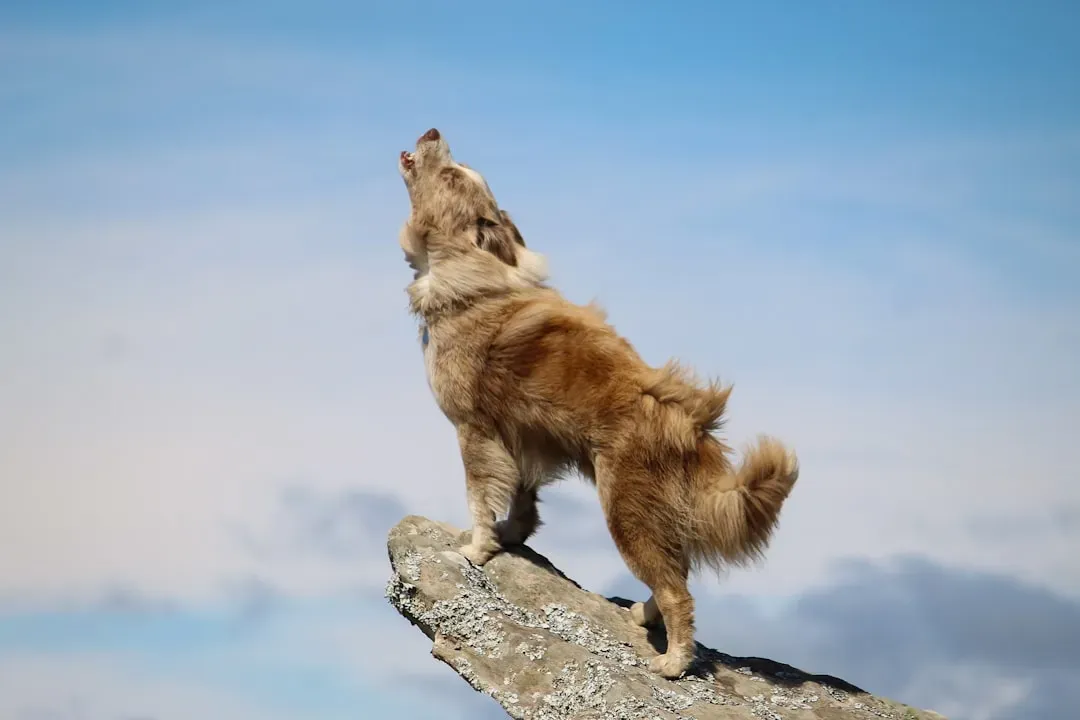
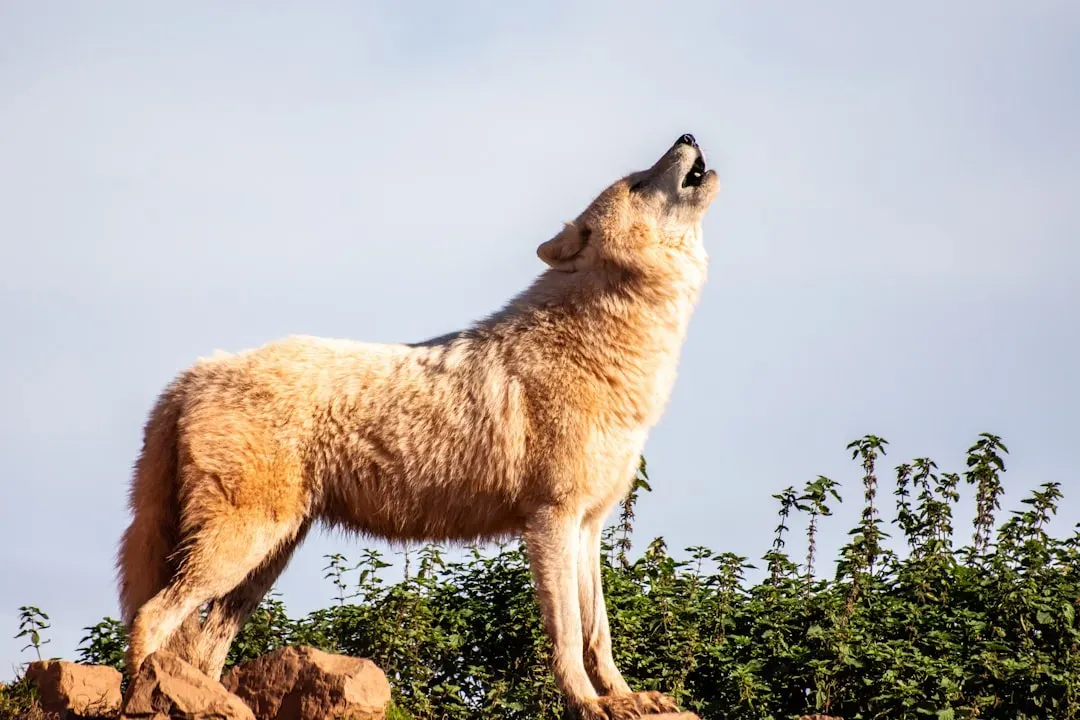
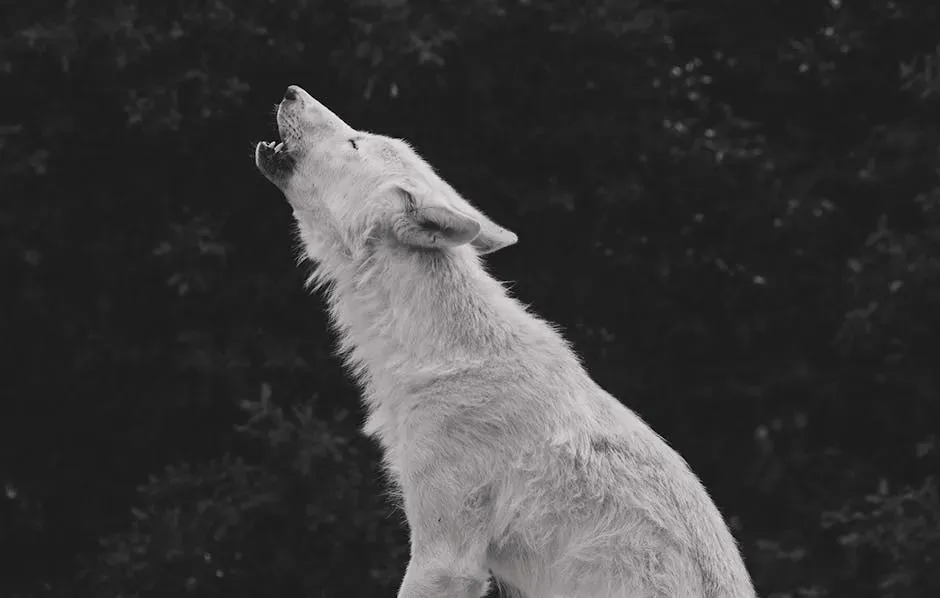
Then why does it look like they’re howling at the moon? Honestly, this is the clever part. When a wolf tilts its snout toward the sky as it opens its mouth to howl, it looks like it’s howling at the moon. However, experts believe this is actually an acoustic choice: it helps the sound travel farther than if they kept their snouts facing the ground. It’s pure physics, not poetic moongazing.
Wolves pipe up more often during the night simply because they’re nocturnal. So of course we hear them under moonlit skies. The timing is coincidence, not cosmic connection. I think once you understand this, the real story becomes even more fascinating.
So Where Did the Moon Myth Actually Come From?
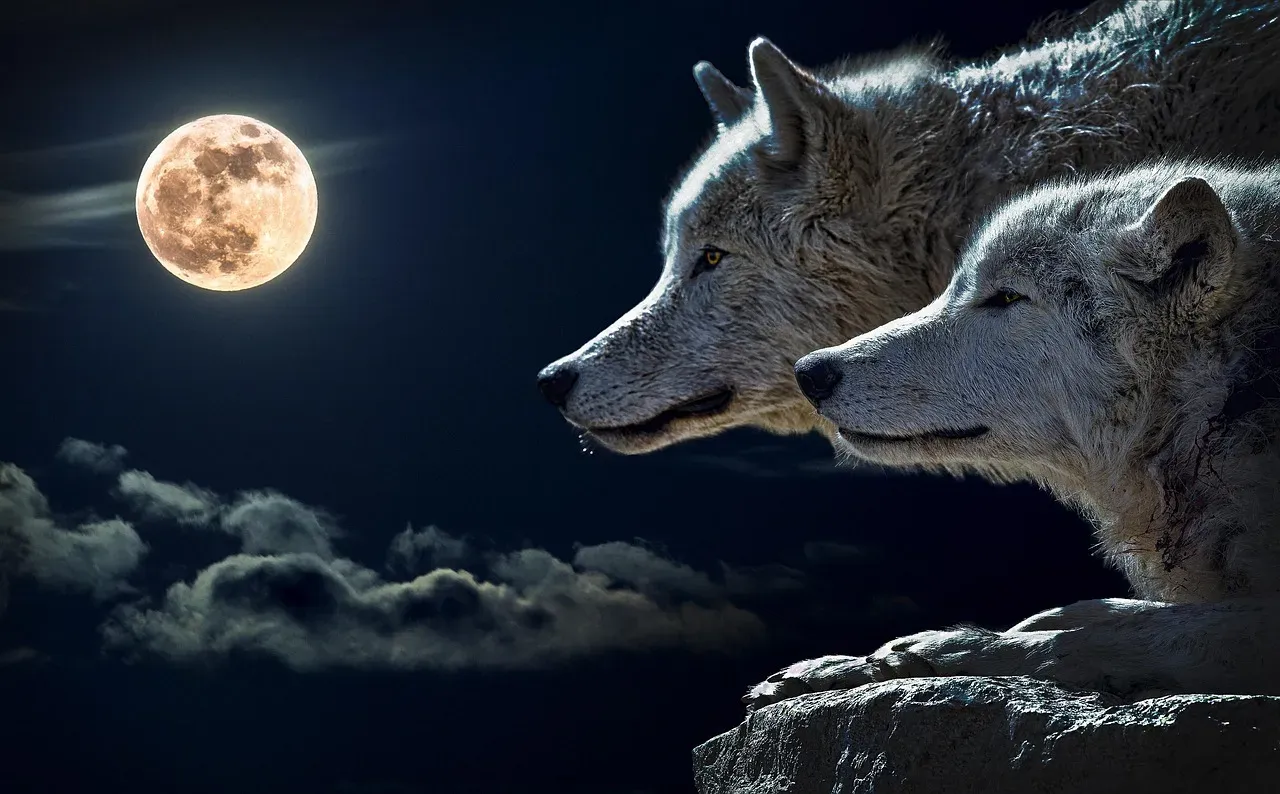
This is where things get wonderfully strange. The wolf-moon connection isn’t just a modern movie cliché – it goes back thousands of years. Many ancient civilizations stretching back to the Neolithic Age continually paired wolves with the moon in images and literature, which eventually evolved into today’s popular belief.
In Greek, Roman and Norse mythology, there was a strong connection between wolves and the moon, and Native American legends often saw wolves as the guardians of the moon, howling it into existence at night. That’s a breathtaking image, honestly. You can see how it stuck.
If wolves and the Moon had a fuzzy connection throughout history, the rise of popular gothic horror movies in the 20th century solidified it. Films like The Wolf Man (1941) and An American Werewolf in London (1981) and so many others have linked wolfish behavior to the lunar phases. Hollywood did what Hollywood always does: took a half-truth and made it immortal.
Hearing a wolf howl when you’re a peasant in the woods is frightening enough. Seeing them howling in the clear light of a full moon must have been a terrifying thing. So the added emphasis came into common use. When you think about it that way, the myth makes perfect human sense.
The Real Reason Wolves Howl: It’s About the Pack
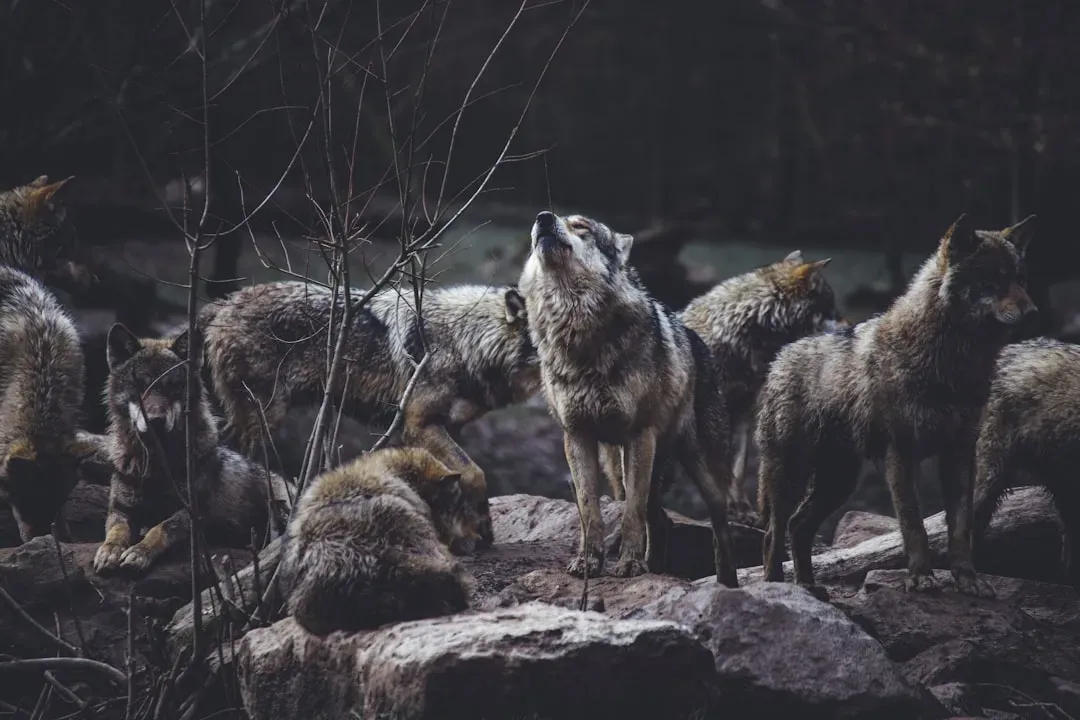
Here’s where the science becomes genuinely moving. Wolves don’t howl at the moon. They howl for each other. Wolves howl as a form of long-distance communication, conveying a range of information. Think of it as their version of a phone call, a group chat, and a GPS system all wrapped into one haunting sound.
Howling is the one form of communication used by wolves that is intended for long distance. A defensive howl is used to keep the pack together and strangers away, to stand their ground and protect young pups who cannot yet travel from danger, and protect kill sites. It’s practical, strategic, and deeply social.
Gray wolves howl to assemble the pack – usually before and after hunts – to pass on an alarm particularly at a den site, to locate each other during a storm or while crossing unfamiliar territory, and to communicate across great distances. That’s remarkably sophisticated behavior for an animal we once simply filed under “dangerous predator.”
There’s also something unexpectedly tender about it. Recent research has found that wolves howl most frequently to the members of their packs they spend the most time with. That sounds an awful lot like best friends chatting about their day. When I read that, I honestly had to stop for a second. Wolves howl most to their closest companions. That’s not monstrous. That’s almost heartwarming.
The Acoustic Science Behind a Howl That Can Travel Miles
Let’s talk about just how extraordinary a wolf’s howl is as a piece of biological engineering. Because of the high pitch and the suspension of notes, the sounds of wolf howls can carry as far as 6 miles in the forest and even 10 miles across the treeless tundra. To put that in perspective, that’s roughly the distance from one side of a large city to the other – just using your voice.
The nature of a wolf’s howl can also provide listeners with a sense of the animal’s overall size and health, with larger wolves producing deeper sounds. It’s like a biological business card. Before you ever see the wolf, you already know something about it.
There’s also a fascinating social trick embedded in group howling. When howling together, wolves harmonize rather than chorus on the same note, thus creating the illusion of there being more wolves than there actually are. Imagine a pack of five wolves deliberately sounding like fifteen. That’s not just communication – that’s strategy. That’s deception. That’s intelligence.
Wolf packs often claim large territories that can be as large as 3,000 square kilometers. With ranges that enormous, a voice that carries for miles isn’t a luxury. It’s a lifeline. The howl is less a song and more a survival tool, refined over thousands of years of evolution.
The Emotional Life of the Howl: More Human Than You’d Expect
Perhaps the most surprising corner of wolf howling research is the emotional dimension. Scientists have been probing the question of whether wolves howl out of stress, or out of something closer to genuine affection and social connection. The answer is astonishing.
Scientists tested the cortisol levels – a stress hormone – of wolves in the same pack. They discovered it wasn’t anxiety that was making these wolves howl at each other. It was likely that these wolves were using howling as a term of affection. Wolves. Howling affectionately at their packmates. Let that sink in for a moment.
Howling is highly flexible, expressed or withheld in almost all environmental and social situations based largely on inferred sensitivity to social relationships. It functions in mating, territoriality, social bonding, pack coordination, and reunion. That’s a staggering range of emotional and social work being done by a single vocalization.
There’s even a tragic side to howling. For lone wolves – those who have lost their pack or been ostracized – howling can be a liability. Without a pack to support them during a fight, howling could signal other predators or reveal their location. While howling is a way to confirm your place within a pack, it can have a decidedly negative effect for wolves without a group. The howl that bonds the pack can also betray the outcast. It’s a detail that stays with you.
The Surprising Truth That Changes Everything
When you peel back the mythology, the Hollywood drama, and the centuries of folklore, what you find is something more extraordinary than any legend could invent. Wolves howl not because of the moon. They howl because they belong to each other. Because they are searching, bonding, warning, grieving, and celebrating in the only language they have.
The image of a wolf howling into a moonlit sky will always be powerful. It will never stop giving people chills. But knowing the real science behind it makes the sound richer, not poorer. While there may not be any meaningful real-world connection between wolves and the Moon, the wolf howl is still a deeply important aspect of these social animals’ lives. Arguably, that makes it even more interesting than any made-up story we can conjure up.
The wolf isn’t communing with the cosmos. It’s calling out for its family across the darkness, hoping someone calls back. Honestly, is there anything more relatable than that?
Next time you hear that haunting sound drifting across a winter night, you’ll know what it really means. Not a creature worshipping the moon – but one that simply refuses to be alone. What do you think: does knowing the truth make the howl more beautiful, or less? Tell us in the comments.

- Why Do Wolves Howl at the Moon? The Surprising Truth Revealed - August 8, 2026
- What Amazon Animal Are You According to Your Zodiac Sign - August 8, 2026
- Which U.S. Birds of Prey Would Make the Best Esports Team? - August 8, 2026