
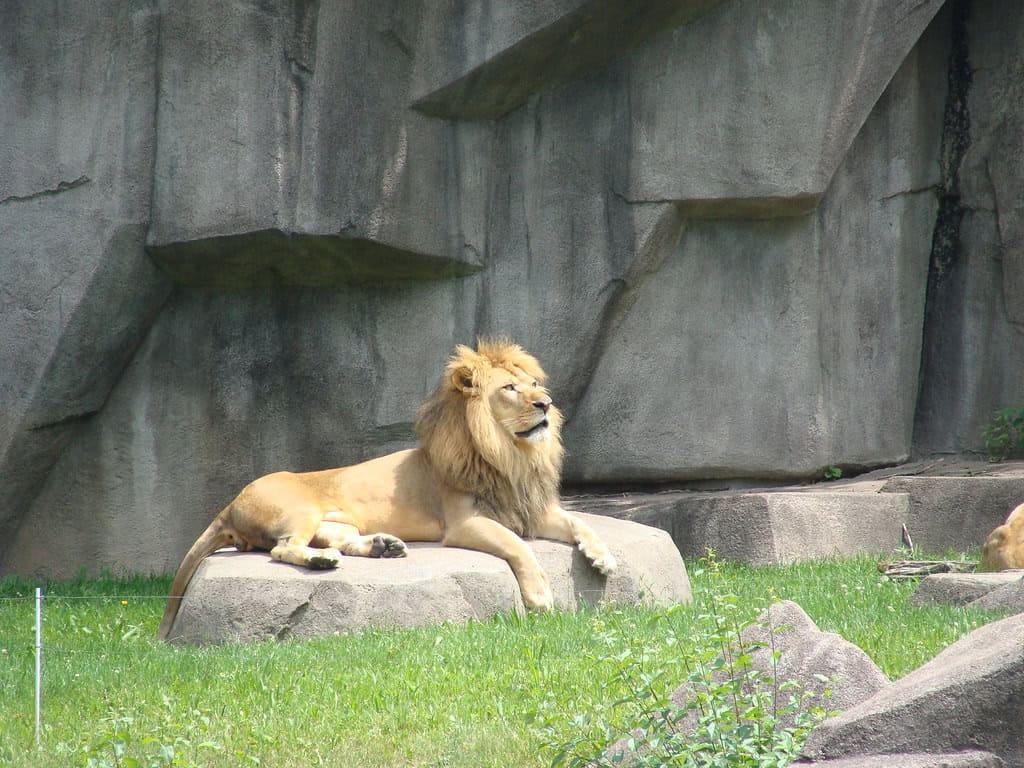
The Lion King captivated audiences worldwide with its breathtaking animation, compelling story, and iconic landscapes. Among these, Pride Rock stands tall as the centerpiece of the Pride Lands and the throne of the lion king. For decades, fans have wondered if this majestic formation has a real-world counterpart or if it was purely a creation of Disney’s animators. In this article, we’ll explore the truth behind Pride Rock, examining its potential real-world inspirations, the artistic choices that shaped it, and its enduring cultural impact.
The Origin of Pride Rock in Disney Animation

Pride Rock emerged from the creative minds at Disney Animation Studios during the development of The Lion King in the early 1990s. The film’s production team, led by directors Roger Allers and Rob Minkoff, sought to create a dramatic, throne-like formation that would serve as both the literal and symbolic center of the animal kingdom. Art director Andy Gaskill and his team crafted numerous sketches and designs before settling on the iconic jutting promontory we now recognize instantly.
Disney’s animators wanted Pride Rock to function as more than just a setting element; they envisioned it as a character in its own right. The formation needed to convey majesty, permanence, and the natural order of the kingdom. Its distinctive shape—with the extended rock ledge perfect for the iconic scene where Rafiki presents baby Simba to the gathered animals—became one of the most recognizable landmarks in animated film history.
African Landscapes That Inspired The Lion King
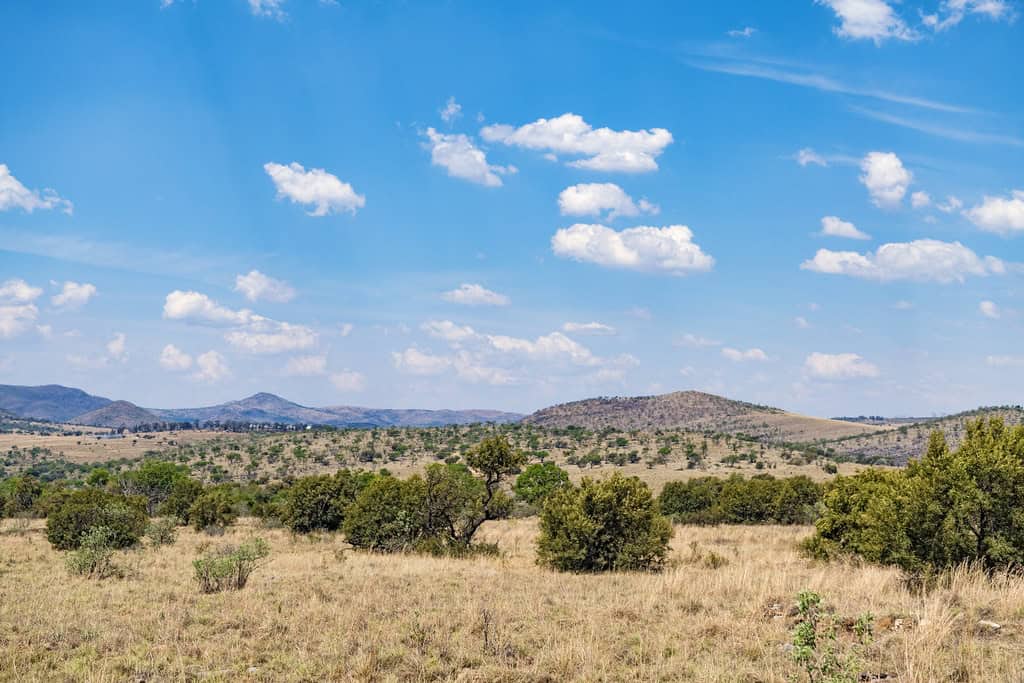
While developing The Lion King, Disney sent a team of animators and researchers to Kenya and Tanzania to study the landscapes, wildlife, and environment of East Africa. This research expedition provided invaluable reference material for the film’s settings, including potential inspirations for Pride Rock. The team photographed and sketched numerous rock formations, studying how light played across the African savanna at different times of day.
The landscapes of Kenya’s Serengeti National Park and Tanzania’s Serengeti Plain heavily influenced the film’s depiction of the Pride Lands. The rolling grasslands, scattered acacia trees, and dramatic rock outcroppings became the foundation for the animated world. However, the filmmakers weren’t trying to recreate any specific location but rather capture the essence and spirit of East Africa’s natural beauty.
Hell’s Gate National Park: The Leading Contender
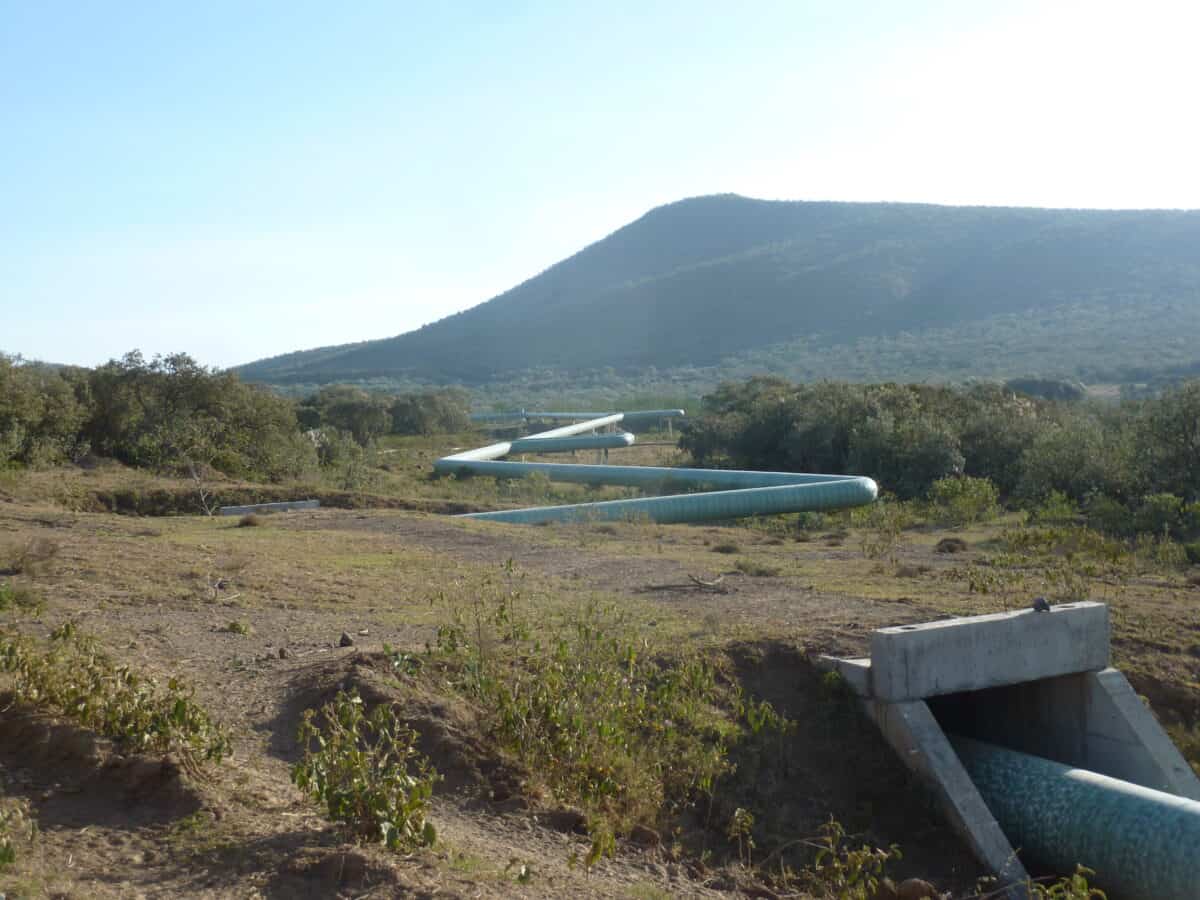
Among all the potential real-world inspirations for Pride Rock, Hell’s Gate National Park in Kenya stands out as the leading contender. Located about 90 kilometers northwest of Nairobi, this park features dramatic gorges and towering rock formations that bear striking similarities to scenes in The Lion King. The park’s Fischer’s Tower and Central Tower are often cited as potential models for Pride Rock due to their prominent, jutting profiles.
What strengthens Hell’s Gate’s claim is that we know Disney’s research team visited this specific park during their pre-production trip to Africa. The park is home to many of the animals featured in the film, including lions, baboons, and vultures, making it an ideal reference point for both landscapes and wildlife. Additionally, several other locations in the film—such as the gorge where Mufasa meets his fate—share visual similarities with Hell’s Gate’s dramatic terrain.
Mount Kilimanjaro’s Influence
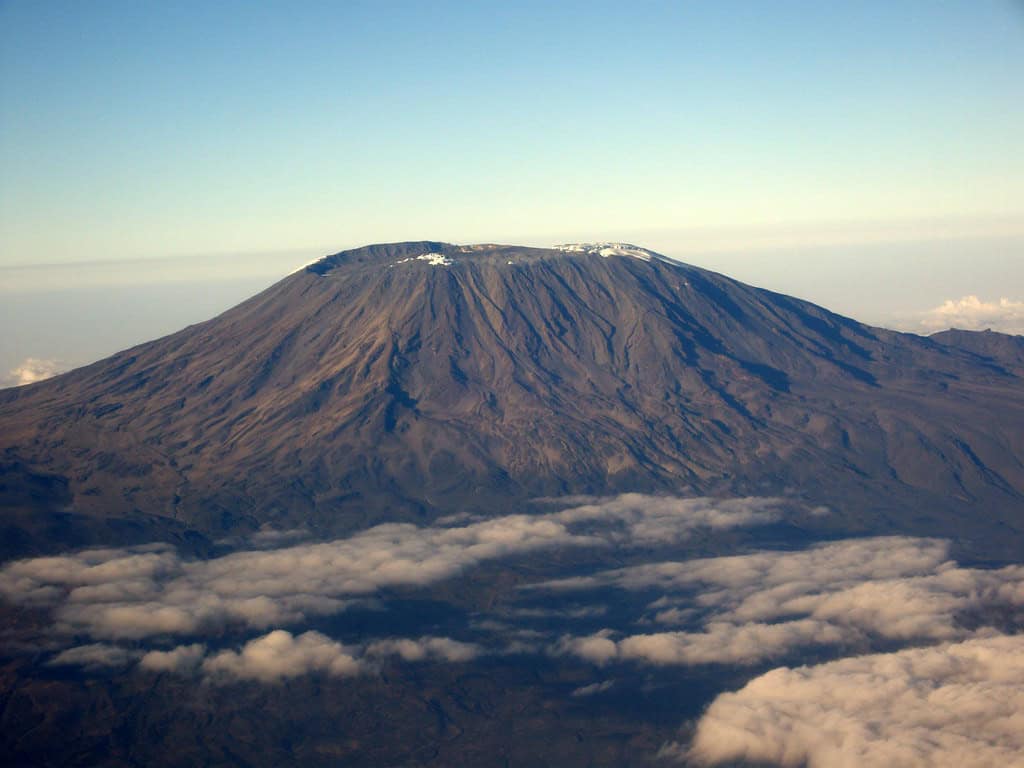
Another significant geographical feature that influenced The Lion King’s visual landscape is Mount Kilimanjaro, Africa’s highest peak. While Kilimanjaro itself isn’t directly portrayed as Pride Rock, its iconic silhouette appears in several scenes throughout the film, establishing the grand scale of the Pride Lands. The mountain’s presence in the background of key scenes helps create the sense of an expansive African kingdom.
Disney’s artists were drawn to Kilimanjaro’s distinctive flat-topped shape and the way it dominates the horizon. The mountain serves as a constant reminder of nature’s grandeur and permanence, themes that run throughout the film. Its influence can be seen in how Pride Rock is positioned within the larger landscape—a commanding presence that still exists in harmony with the natural world around it.
Artistic License in Creating Pride Rock
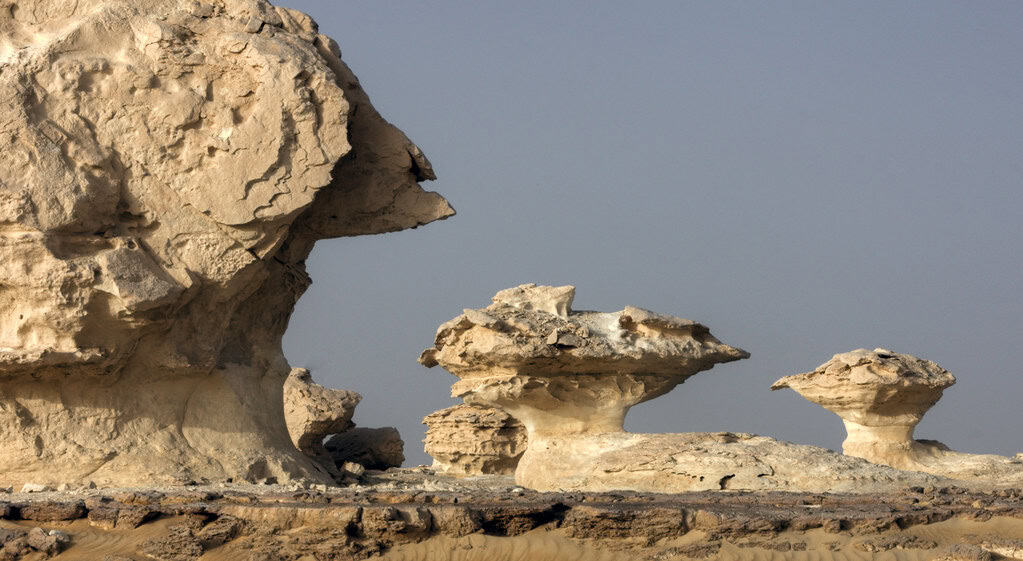
While real African landscapes certainly influenced Pride Rock’s design, it’s important to recognize that the formation as seen in The Lion King is largely a product of artistic license. Disney’s animators intentionally created a rock formation that would serve the story’s needs rather than accurately depicting any single real-world location. Pride Rock needed to function as a throne, a home, a stage for dramatic confrontations, and a symbol of the kingdom’s health.
The distinctive extended promontory, perfect for holding ceremonies visible to the entire kingdom, doesn’t typically occur in natural rock formations. Similarly, the internal cave systems that serve as the royal family’s living quarters represent a creative interpretation of how lions might inhabit such spaces. The artists combined elements from various African rock formations, then enhanced and exaggerated features to create a location that would be instantly recognizable and serve the narrative effectively.
The Symbolic Importance of Pride Rock
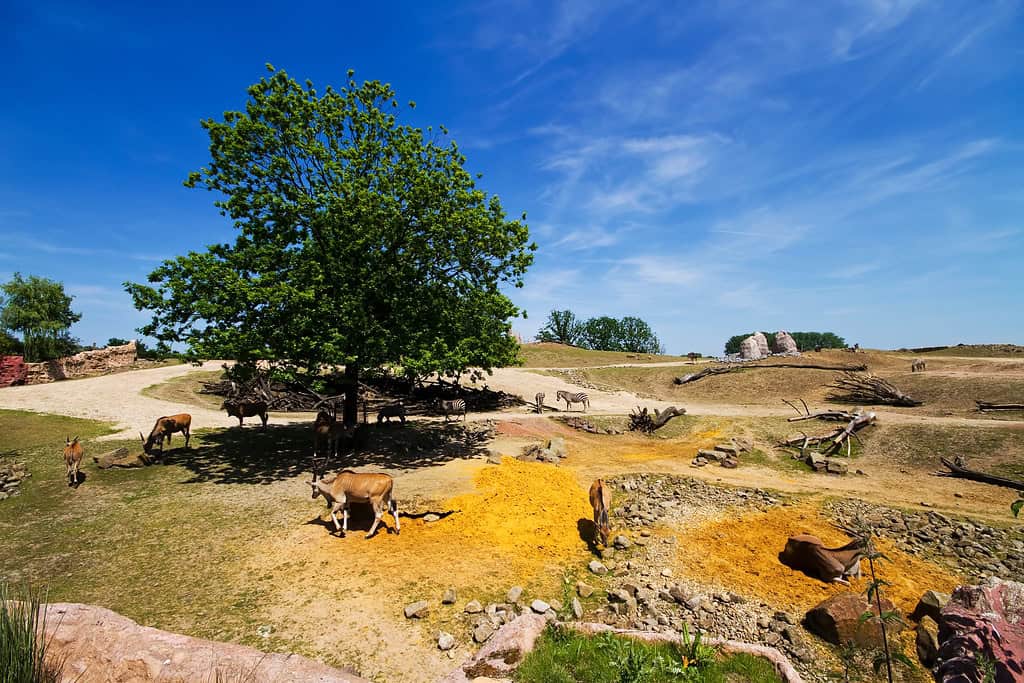
Beyond its physical attributes, Pride Rock serves as a powerful symbol throughout The Lion King. It represents the health of the kingdom—lush and vibrant during Mufasa’s reign, barren and shadowed during Scar’s rule, and restored to glory when Simba takes his rightful place. This visual storytelling technique uses the landscape to reflect the moral and spiritual state of the Pride Lands.
Pride Rock also embodies the film’s themes of responsibility, legacy, and the circle of life. Its permanence amid changing seasons and generations reinforces the idea that while individual lives may be fleeting, the natural order endures. The rock serves as both throne and altar, connecting the physical realm of the animals with the spiritual realm of the “great kings of the past” who watch from the stars, creating a sacred space where the mundane and the divine intersect.
Other Notable Rock Formations in Africa
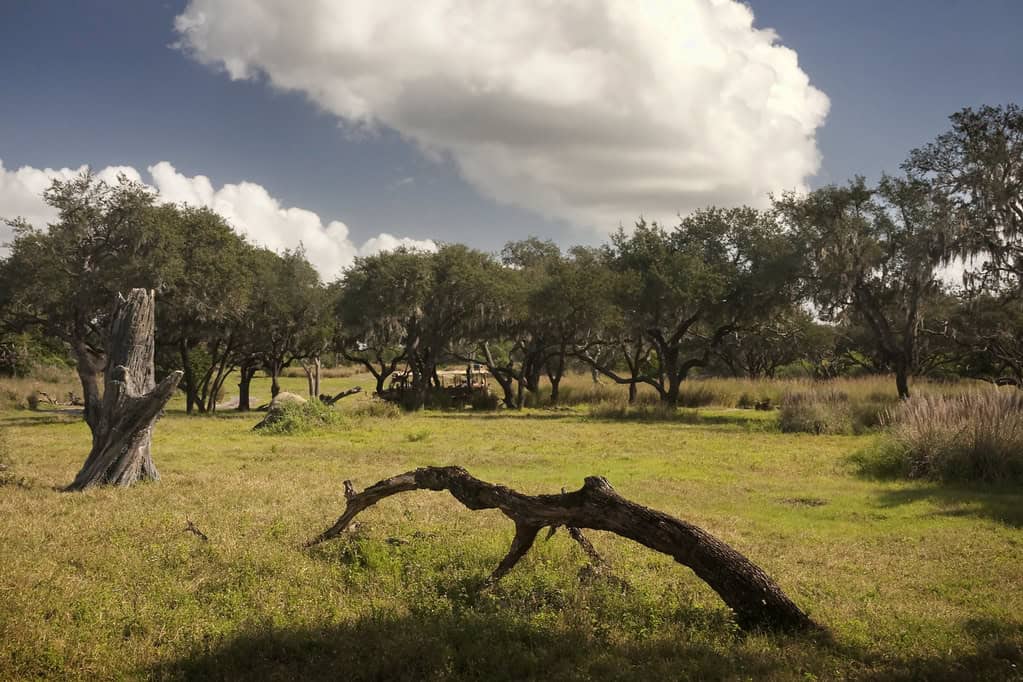
Beyond Hell’s Gate National Park, Africa boasts numerous dramatic rock formations that could have influenced Pride Rock’s design. The kopjes (pronounced “koh-pees”) of the Serengeti are isolated granite outcrops that rise from the plains, creating island-like habitats often favored by lions as vantage points. These natural formations serve many of the same functions for real lions that Pride Rock does in the film—places to rest, survey territory, and escape the midday heat.
The Drakensberg Mountains in South Africa feature dramatic basalt cliffs and freestanding rock columns that bear some resemblance to Pride Rock’s profile. Similarly, Ethiopia’s Simien Mountains contain spectacular escarpments and pinnacles formed by millions of years of erosion. While Disney hasn’t officially credited any of these specific locations as direct inspirations, they represent the type of dramatic African landscapes that informed the film’s visual aesthetic.
Pride Rock in The Lion King Remake

The 2019 photorealistic remake of The Lion King presented an interesting challenge: how to recreate Pride Rock in a way that would appear natural while still being recognizable as the iconic formation from the animated film. Director Jon Favreau and his visual effects team strove to create a version of Pride Rock that could plausibly exist in the real world while maintaining its symbolic importance and visual impact.
The remake’s Pride Rock features more weathered details, realistic textures, and natural coloration than its animated predecessor. The team studied actual African rock formations extensively to ensure geological accuracy while preserving the essential silhouette that audiences would recognize. The resulting formation appears more weathered and slightly less dramatic than the 1994 version, but it maintains the essential characteristics that make Pride Rock instantly identifiable.
How Real Lions Use Rock Formations
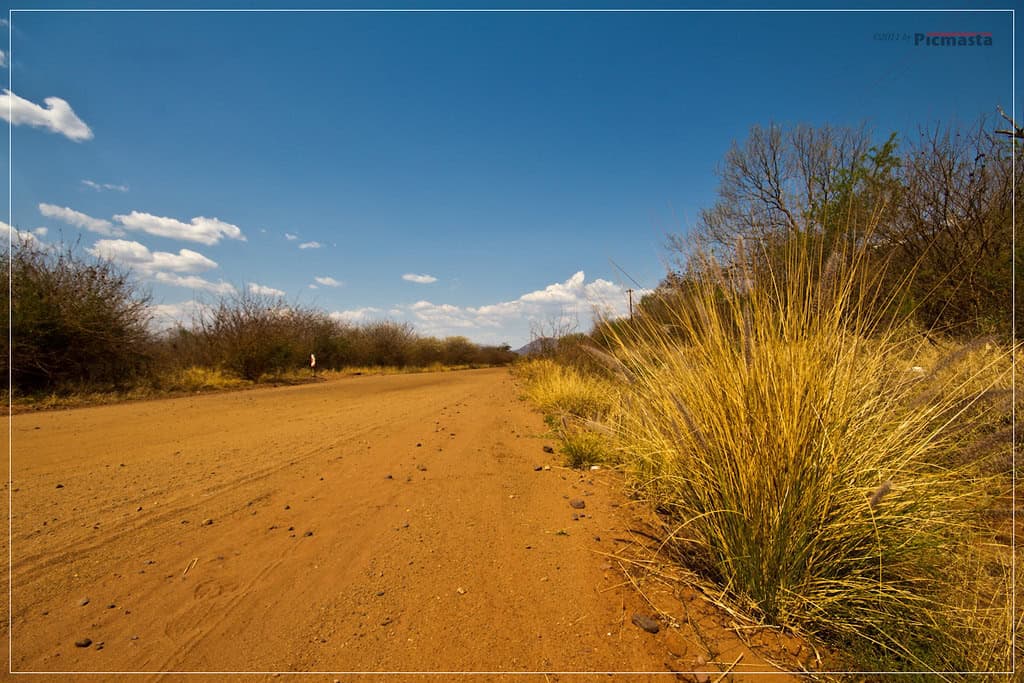
While Pride Rock represents an idealized lion habitat, real lions do make use of similar (if less dramatic) rock formations in their natural environment. Lions often seek elevated positions to survey their territory, spot potential prey, and catch cooling breezes. The kopjes scattered throughout the Serengeti provide these advantages, and lions can frequently be spotted lounging on these rock outcroppings, particularly during the heat of the day.
Unlike in the film, wild lions don’t typically live in cave systems within rock formations, though they may seek shelter in shallow caves or overhangs during extreme weather. Lion prides generally don’t have fixed dens except when raising cubs, preferring to roam throughout their territory. While The Lion King anthropomorphizes lion behavior for storytelling purposes, the filmmakers did incorporate many accurate aspects of lion ecology and social structure, creating a blend of fact and fiction that feels authentic despite its fantastical elements.
Pride Rock as a Cultural Icon
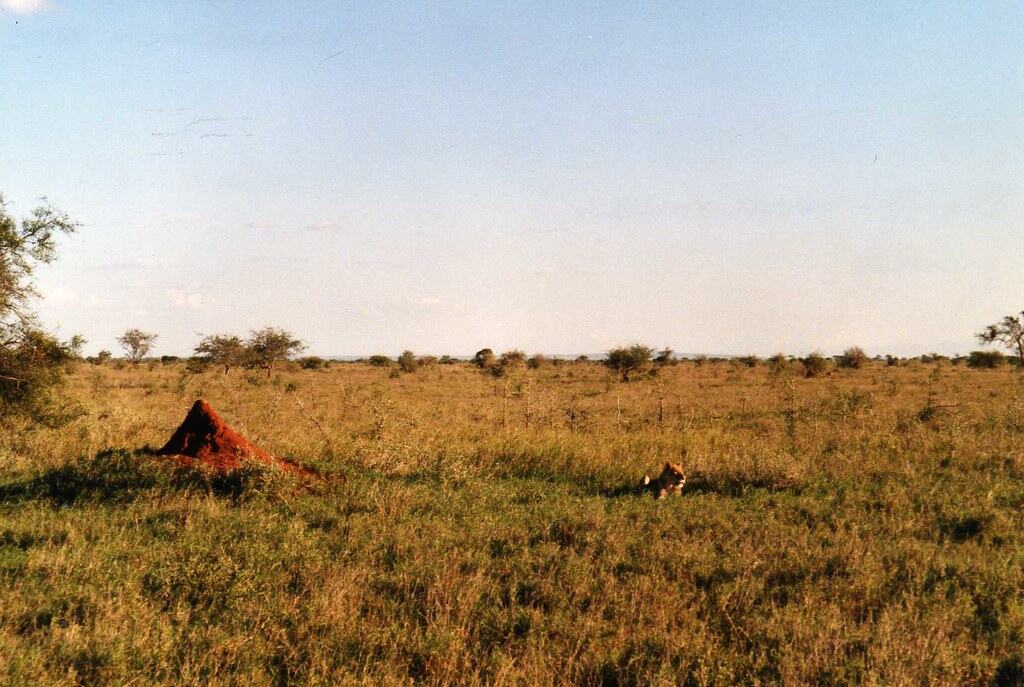
Since The Lion King’s release in 1994, Pride Rock has transcended its origins as a fictional setting to become a genuine cultural icon. Its silhouette is instantly recognizable worldwide, associated with themes of leadership, legacy, and the natural order. The image of Rafiki holding baby Simba aloft on Pride Rock’s promontory has become one of the most iconic scenes in cinema history, parodied and referenced countless times across popular culture.
Disney has leveraged Pride Rock’s cultural significance across various media and experiences. It appears in The Lion King Broadway musical (albeit in a stylized form), video games, and as a physical structure in Disney theme parks. At Disney’s Animal Kingdom in Florida, the Kilimanjaro Safaris attraction features a rock formation inspired by Pride Rock, allowing visitors to experience a version of the iconic landmark in person. This transformation from animated setting to real-world destination completes a fascinating circle from inspiration to creation and back again.
Visiting “Pride Rock” Locations Today

For fans seeking to experience locations similar to Pride Rock, several African destinations offer landscapes reminiscent of The Lion King’s iconic setting. Hell’s Gate National Park in Kenya remains the closest approximation to the film’s Pride Lands, featuring dramatic rock formations, abundant wildlife, and stunning savanna vistas. Visitors can hike, cycle, rock climb, and wildlife watch in the very landscapes that inspired Disney’s animators.
Safari experiences in Tanzania’s Serengeti National Park or Kenya’s Maasai Mara provide opportunities to witness real lions in their natural habitat, often using kopjes as vantage points much like their animated counterparts. For those seeking the grandeur of Pride Rock’s elevated perspective, guided hikes to viewpoints in various African national parks offer panoramic vistas over the savanna. While no single real location perfectly matches the fictional Pride Rock, the collective experience of East Africa’s landscapes provides a tangible connection to the world that inspired The Lion King.
Conclusion: The Reality Behind the Animation
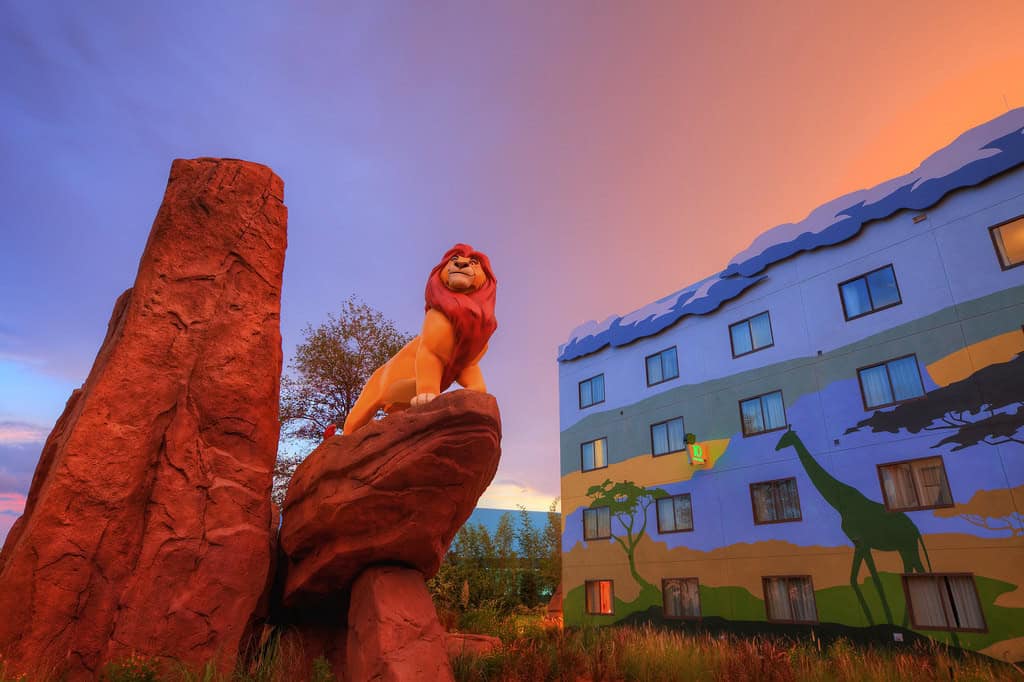
Pride Rock as depicted in The Lion King doesn’t exist as a single, identifiable formation in the real world. Instead, it represents a creative synthesis of various African landscapes, particularly those found in Kenya’s Hell’s Gate National Park, combined with artistic enhancements to serve the story’s needs. This blend of reality and imagination resulted in one of animation’s most iconic settings—a location so vividly realized that audiences continue to search for its real-world counterpart decades after the film’s release.
The enduring fascination with Pride Rock speaks to the power of Disney’s storytelling and the universal themes embodied in this fictional landmark. Whether or not we can point to an exact real-world equivalent, Pride Rock has become real in our collective imagination, standing as a symbol of leadership, responsibility, and the natural order. In creating a formation that captures the essence rather than the exact reality of African landscapes, The Lion King’s artists crafted something more powerful than a mere geographical feature—they created a cultural touchstone that continues to inspire wonder and reverence for the majesty of the natural world.

- Was Pride Rock From Lion King Real? - August 8, 2026
- This Dog Breed Outsmarts Most Wild Predators—Here’s How - August 8, 2026
- Lions, Lemurs & Penguins: The Real Wildlife of Madagascar (And What Hollywood Got Wrong) - August 8, 2026
Leave a comment
You must be logged in to post a comment.