
Imagine standing at the edge of a warm ocean at night, watching a creature crawl out of the sea that looked exactly the same when dinosaurs were still stomping around. No exaggeration. No Hollywood drama. Just pure, mind-bending biological reality. Our planet quietly harbors a handful of animals so ancient, so stubbornly unchanged, that scientists struggle to fully explain their survival.
We call them “living fossils,” though that term has sparked its own fascinating debate. The label describes organisms that have, at least superficially, remained unchanged for millions of years. While there are no individual species alive today that also lived hundreds of millions of years ago, there are several groups that look remarkably like their ancient ancestors, not just in appearance but in lifestyle too. That distinction matters more than people realize. So, who are these extraordinary survivors? The answers are more surprising than you’d think. Let’s dive in.
The Horseshoe Crab: Nature’s Original Blueprint
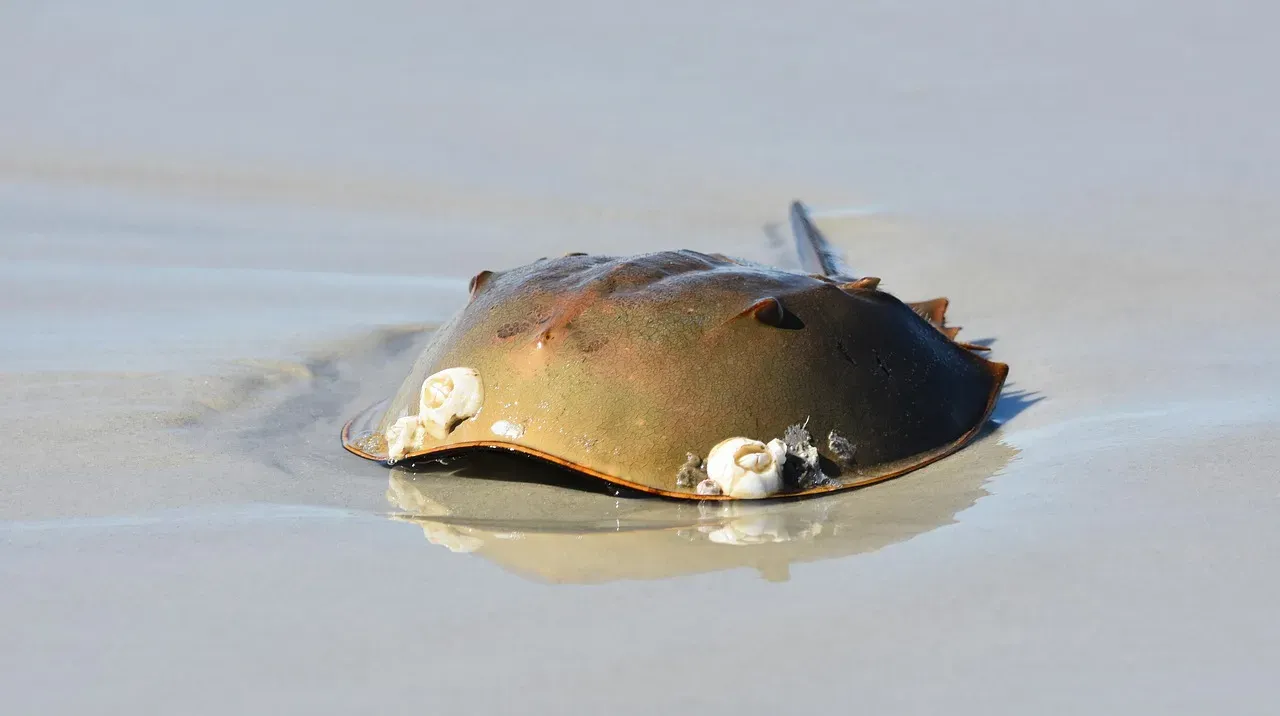
Here’s a fact that genuinely stopped me in my tracks: horseshoe crabs were crawling across seafloors before a single tree had ever grown on land. Horseshoe crabs have been described as “living fossils,” having changed little since they first appeared in the Triassic around 250 million years ago, and similar-looking fossil xiphosurans extend back to the Ordovician around 445 million years ago. That is an almost incomprehensible stretch of time.
Despite their name, horseshoe crabs are more closely related to spiders than to actual crabs. Their blue blood is even used in medical research to detect bacterial contamination. Think about that the next time you receive a vaccine. There is a very real chance it was tested using the blood of an animal older than the dinosaurs.
Why do horseshoe crabs still look basically the same as they did millions of years ago? Scientists suggest one reason is hitting on a winning formula early on, alongside living in a stable, predictable environment where there is little competition for resources. In other words, if your body plan works perfectly, evolution has no reason to change it. That is the ultimate “if it ain’t broke” story in all of natural history.
The Coelacanth: Back From the Dead
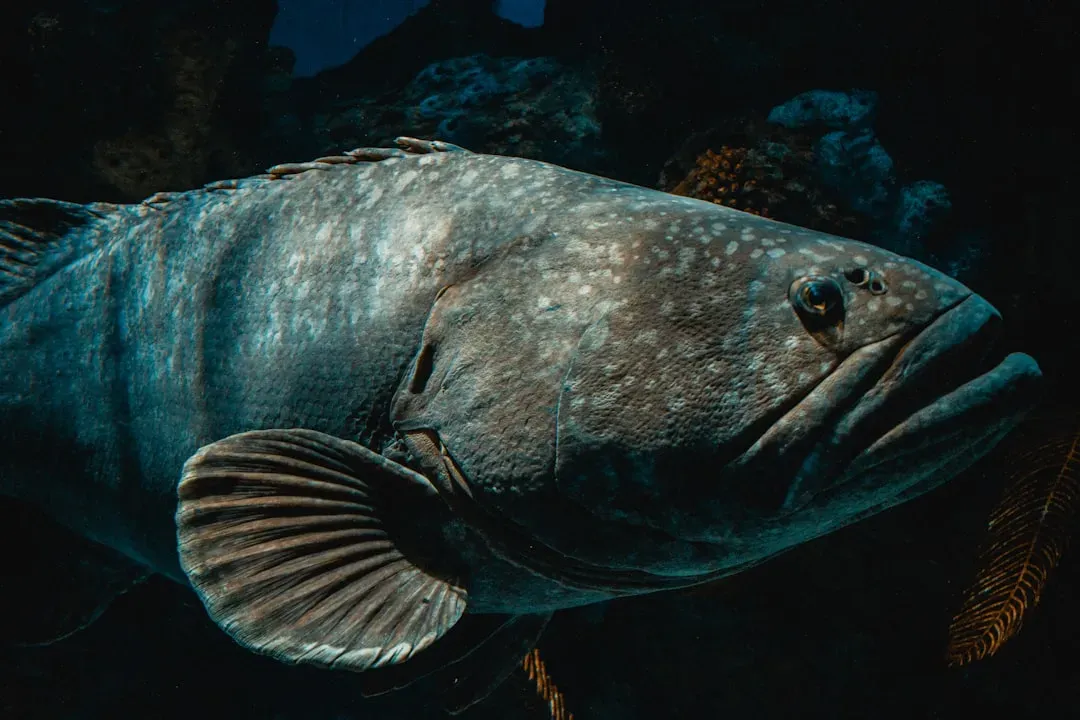
Honestly, the coelacanth story is one of the greatest scientific plot twists ever. One of the world’s most famous “living fossils,” coelacanths were once thought to have gone extinct approximately 65 million years ago, during the great extinction in which the dinosaurs disappeared. It wasn’t until 1938 when a live coelacanth was caught in a fishing trawl that scientists realized they were still alive.
The coelacanth is often considered an example of a “living fossil” in popular science, evolving a body plan similar to its current form approximately 400 million years ago. That is older than the first forests. Older than the first reptiles. While most fish today descended from a common ray-finned ancestor, coelacanths are one of the last remaining lobe-finned fish. They have fleshy, limb-like fins that are internally supported by bone. Their fins move in a synchronized pattern similar to four-limbed animals.
When scientists sequenced the coelacanth’s genome, they found that its genes have been evolving more slowly than those of other fish or terrestrial vertebrates. Researchers speculate that the coelacanth’s relatively unchanged deep-sea habitat, and an apparent lack of predation over thousands to millions of years, means this ancient fish didn’t need to change much to survive. The deep ocean, it turns out, is a very good place to hide from evolution.
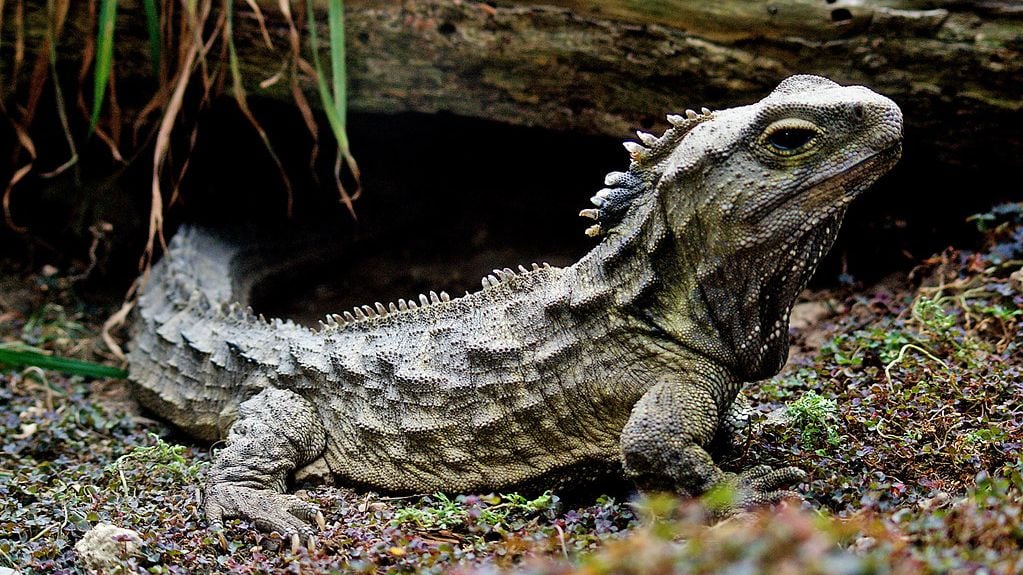
The Tuatara: The Reptile With a Third Eye
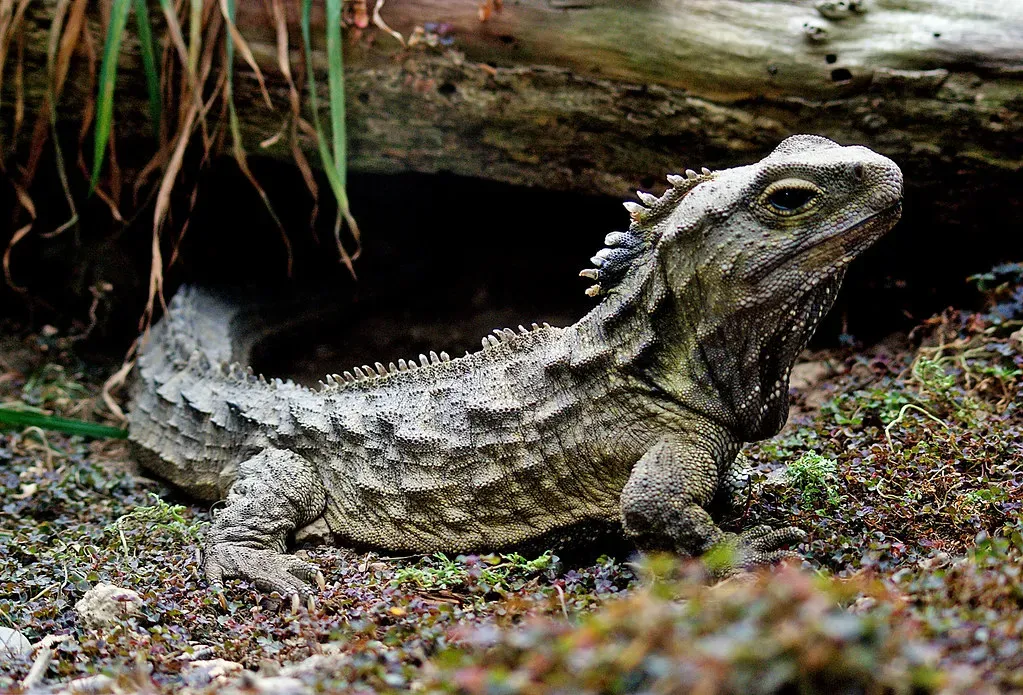
The tuatara looks like a lizard. Walks like a lizard. But calling it a lizard would be like calling a wolf a dog. Close, but deeply wrong. The tuatara is the last surviving member of a lineage that dates back over 240 million years, to the age of dinosaurs. It represents an entire order of reptiles, the Rhynchocephalia, that once thrived across the world. All its relatives have long vanished, leaving the tuatara as the sole guardian of this ancient genetic heritage.
Tuataras possess a third “parietal eye” on the top of their heads, thought to help regulate their biological clock and detect light changes. Their metabolism is incredibly slow. They can live for more than 100 years and thrive in cooler temperatures that would kill most reptiles. A creature that prefers cold, lives a century, and carries a light-sensing third eye. I know it sounds crazy, but it is completely real.
A study from Harvard shows that the bodies of modern tuatara appeared in the Jurassic era and have changed little in 190 million years, supporting these reptiles as “living fossils.” Today, tuataras live on 35 islands off the New Zealand coast, and their population includes around 100,000 individuals. They are a national treasure, and for very good reason.
The Nautilus: A Spiral of Half a Billion Years
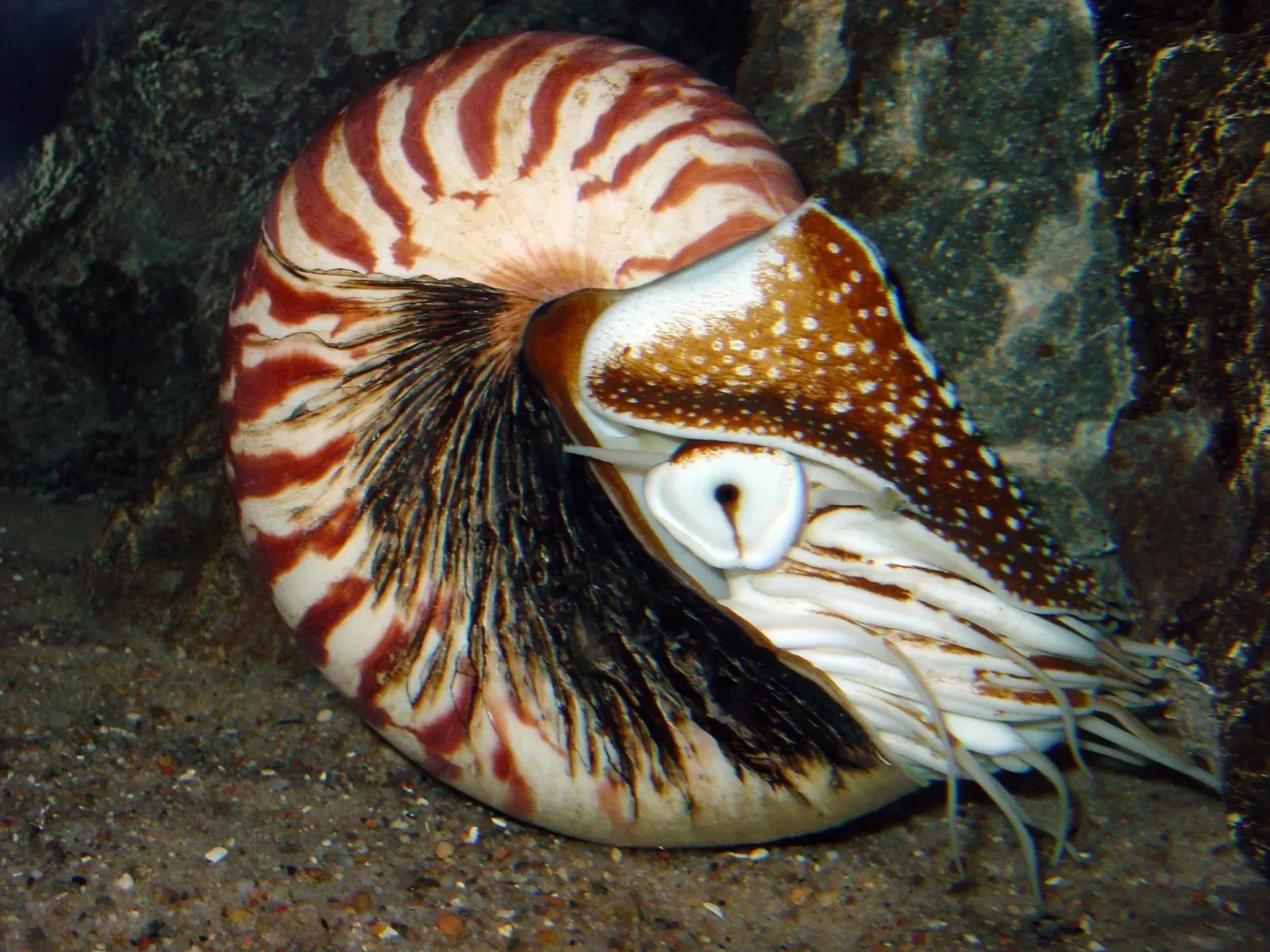
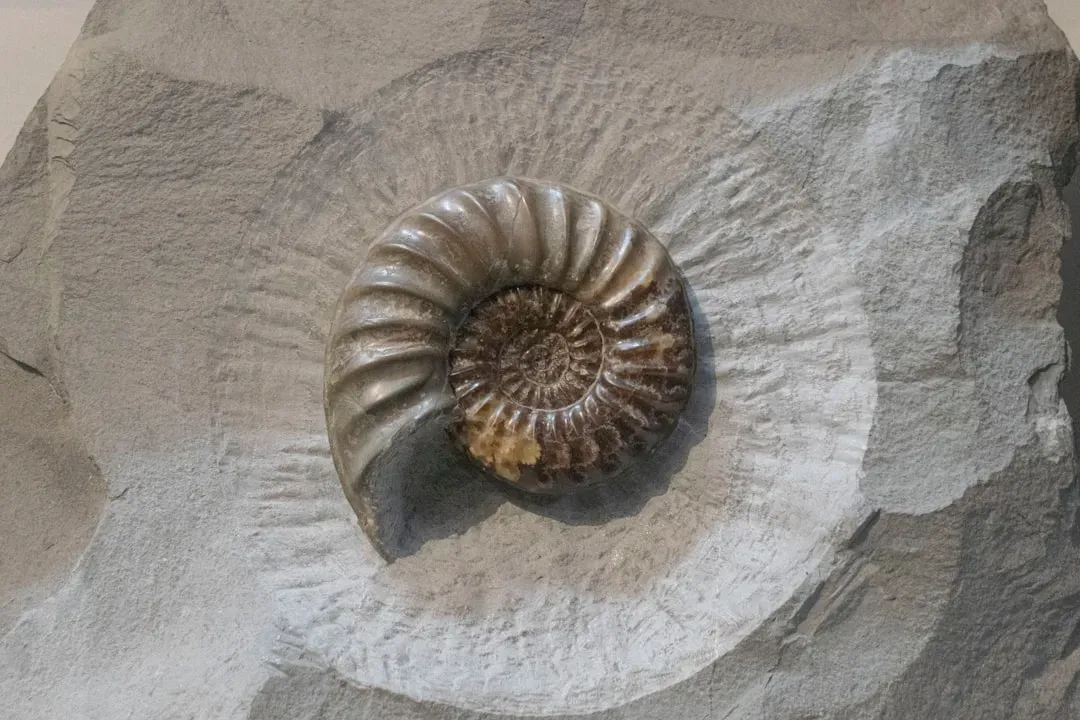
The chambered nautilus is an iconic marine creature that has survived relatively unchanged for 500 million years. With its beautifully spiraled shell, the nautilus is often considered a living fossil. These creatures inhabit deep slopes of coral reefs in the Indo-Pacific region. Think of it as nature’s own version of an architectural masterpiece, one that has never needed a redesign.
Inside its shell, gas and fluid adjust its buoyancy with mathematical precision, an ancient natural engineering marvel that inspired submarines and architectural designs. The nautilus was essentially the world’s first submarine. The nautilus moves by forcing powerful jets of water out through an organ called the siphon, propelling itself in the opposite direction of the jet flow. That is jet propulsion, perfected before fish even had jaws.
Through the fossil record, over 2,500 species of nautiloids have been discovered, but only six species still exist today. Nautiluses are the longest-living cephalopods, with a lifespan of 15 to 20 years. Six survivors out of 2,500 known relatives. That is a survival story so razor-thin it almost defies belief.
The Crocodile: A Predator That Outlived the Dinosaurs
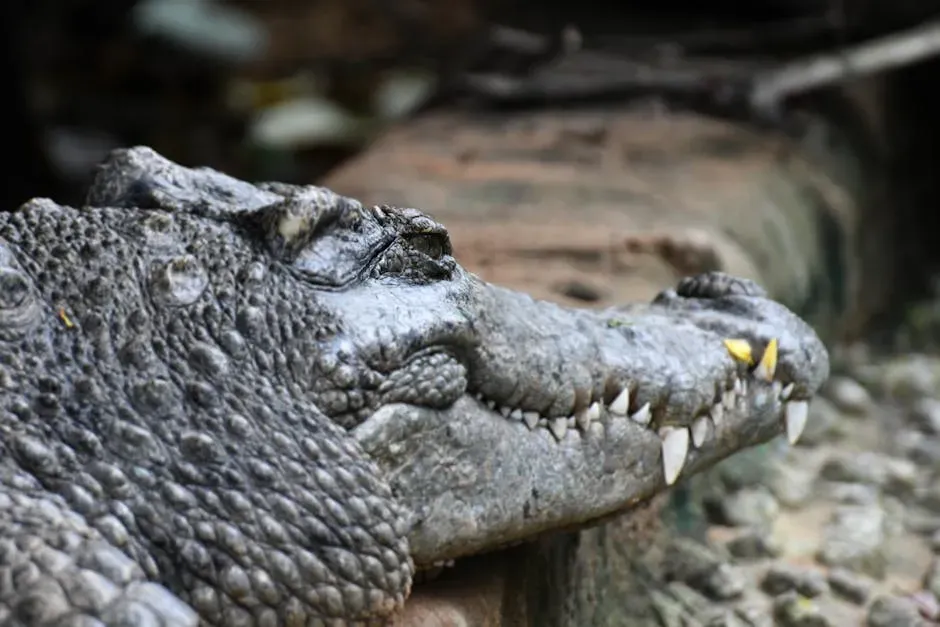
Let’s be real. When you see a crocodile, there’s something almost primal in how unsettling its gaze feels. That feeling is not irrational. Crocodile ancestors first appeared around 200 million years ago during the Late Triassic and Early Jurassic periods, and modern crocodiles are strikingly similar in appearance to their ancient ancestors. They looked into the eyes of actual dinosaurs and survived.
The basic anatomy of crocodilians is astonishingly similar to that of their 200-million-year-old ancestors. These are true survivors, having outlived the mass extinction event that killed off the dinosaurs. Yet here is the genuinely fascinating twist. Research shows that crocodiles have undergone significant evolutionary changes over millions of years, including developing very strong immune systems. Their evolved ability to slow their metabolism and survive for extended periods without food was another major adaptation, enabling them to outlast competitors when scarcity strikes.
So while they look unchanged, crocodiles have actually been quietly upgrading their internal systems the whole time. Their number includes the largest living reptile, the saltwater crocodile, which can reach lengths of up to 18 feet. Appearances can be deceiving. Even for creatures 200 million years in the making.
The Nautilus of the Sky: The Horseshoe Crab’s Cousin – The Lamprey
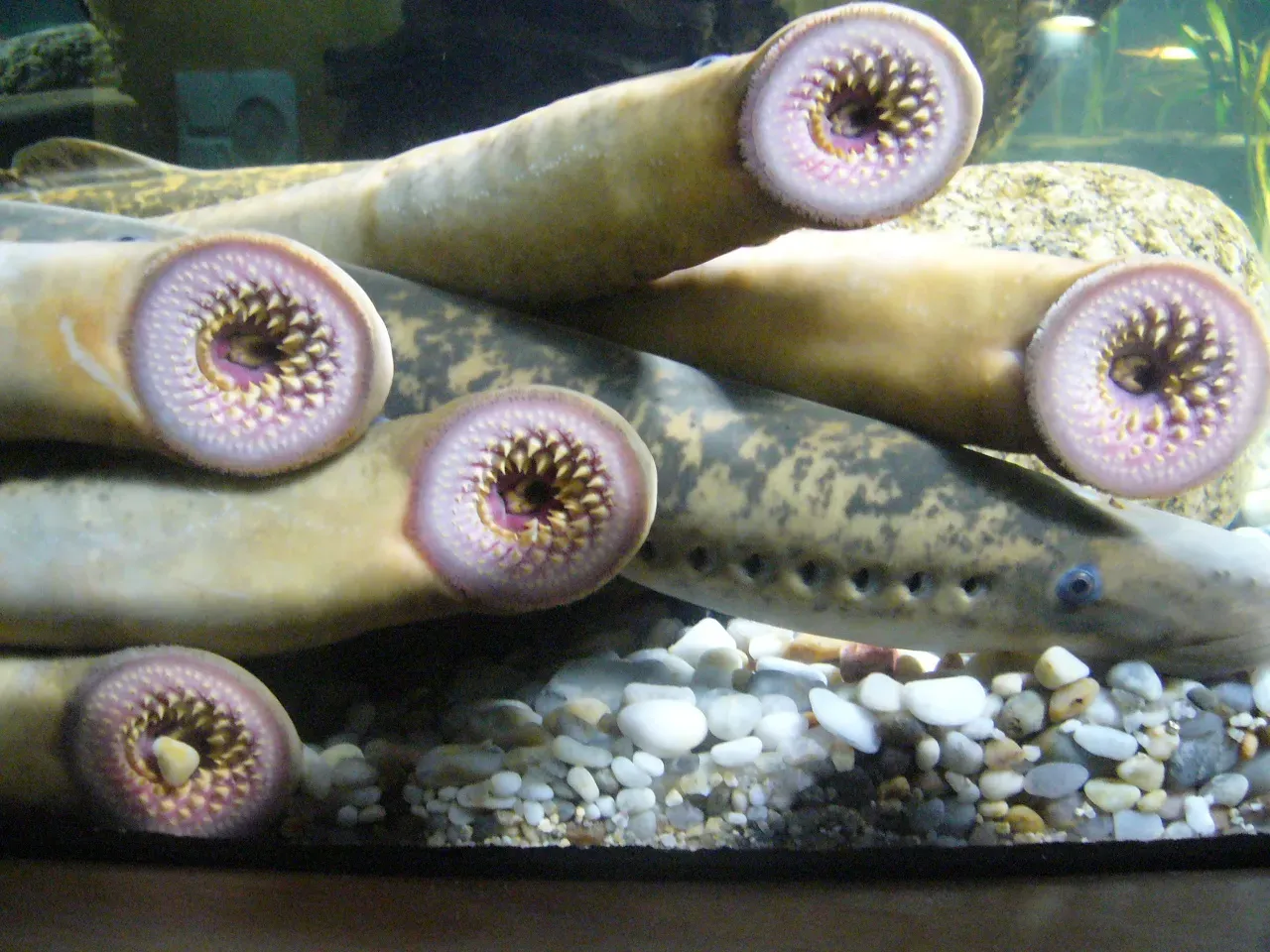
Lampreys are vertebrates that have been around for at least 340 million years. They are jawless and instead have a toothed sucker for a mouth. Yes, you read that right. A circular, tooth-lined sucker attached to a long, eel-like body. These creatures are the stuff of prehistoric nightmares and they are still very much with us today.
The lamprey is one of those animals that makes evolutionary scientists genuinely excited. It represents a stage of vertebrate life that most other animals simply moved past. Lampreys have tiny brains that only take up about one and a half percent of what’s in their cranial cavity, with fat taking up the remainder of the space. They operate on extraordinary biological efficiency, and that simplicity may be the very secret to their survival across hundreds of millions of years.
Still, the lamprey has made it through every major mass extinction on record. Ice ages, asteroid impacts, dramatic climate shifts. None of it was enough to stop this ancient, jawless swimmer from persisting into 2026. There is something strangely humbling about that.
The Nautilus of the Deep: The Goblin Shark
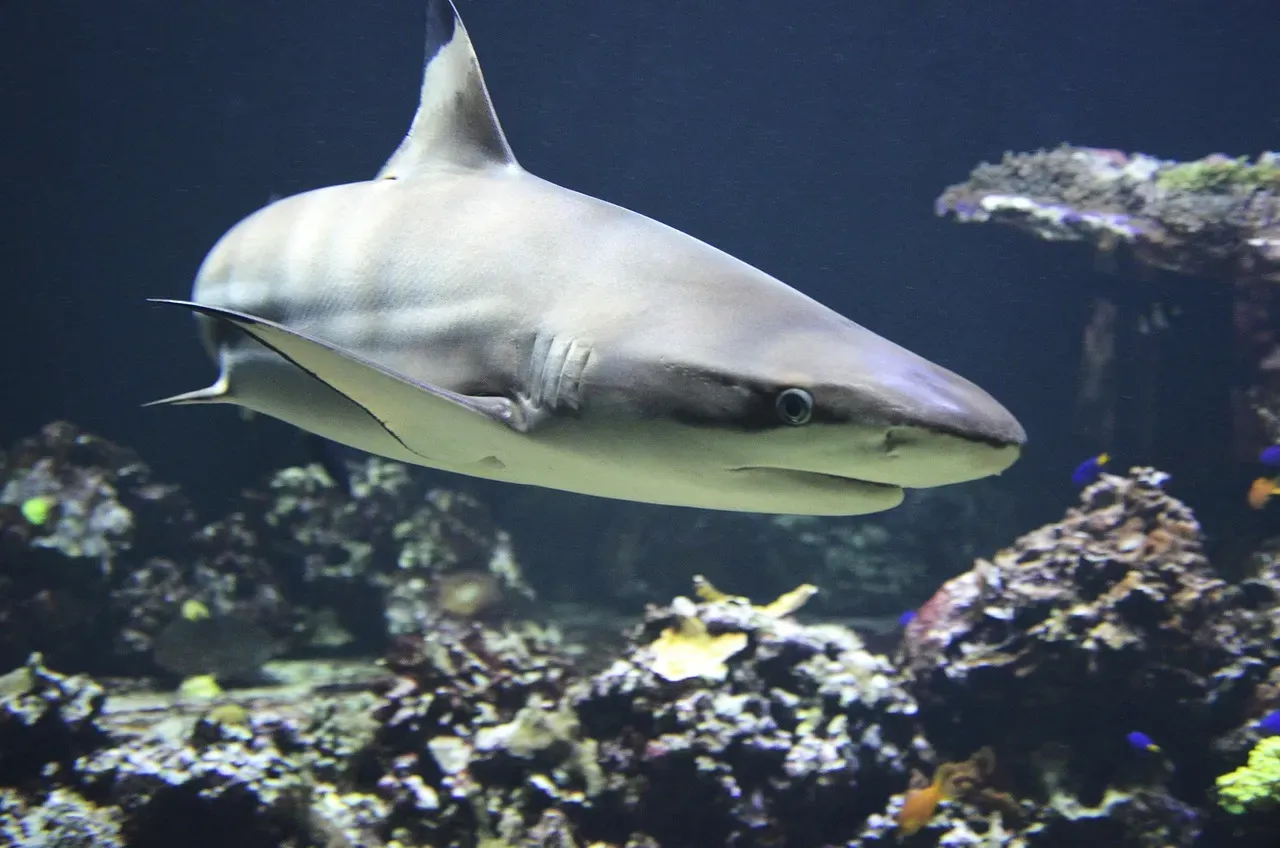
If you have never seen a goblin shark, prepare yourself. This deep-sea shark species is rarely seen and has an eerie, prehistoric appearance. With a protruding jaw and pinkish skin, the goblin shark is one of the ocean’s strangest ancient survivors. Its jaw can actually shoot forward to grab prey, a feature so bizarre it looks like something from a science fiction film.
The nurse shark is widely considered to be one of the oldest, if not the oldest, living vertebrate species at around 112 million years old. While most “living fossils” are contemporary species that superficially resemble their ancient relatives, today’s nurse sharks are so similar to those that lived during the Cretaceous that they’re considered the same species. The ancient shark family tree runs extraordinarily deep, and the goblin shark represents one of its most primeval, least-changed branches.
These creatures inhabit depths where sunlight never reaches, in cold, pressurized darkness that barely changes from era to era. It is an environment so stable that evolution simply has very little to work with. In the goblin shark’s world, the ocean has done more than preserve a species. It has preserved an entire moment in deep time, still breathing, still hunting, still waiting in the dark.
Conclusion: Nature’s Greatest Survivors Are Still Among Us
What strikes me most about these animals is not just their age. It is the sheer audacity of their existence. These living fossils give us a glimpse into what life was like millions of years ago. They also show us just how resilient some groups have been to calamitous, prehistoric events that have consigned others, such as the dinosaurs, to extinction.
Mass extinctions, ice ages, continental drift, asteroid impacts. These creatures have weathered them all. These prehistoric animals serve as time capsules of the past, offering valuable insights into evolution, adaptation, and survival. Their continued existence is a testament to the resilience of life on Earth. And yet, many of them now face threats from human activity that no mass extinction ever threw at them.
There is something both inspiring and sobering in that thought. These animals survived everything nature could invent over hundreds of millions of years. The real question is whether they can survive us. What would you think if one of these ancient survivors disappeared on our watch, after enduring half a billion years of everything else? Tell us in the comments.

- The Most Resilient Animals Ever Discovered Thriving in Extreme Environments - July 21, 2026
- 7 Signs Your Dog Thinks You're Family - July 21, 2026
- 12 Surprising Facts About North American Mountain Lions You Never Knew - July 21, 2026