

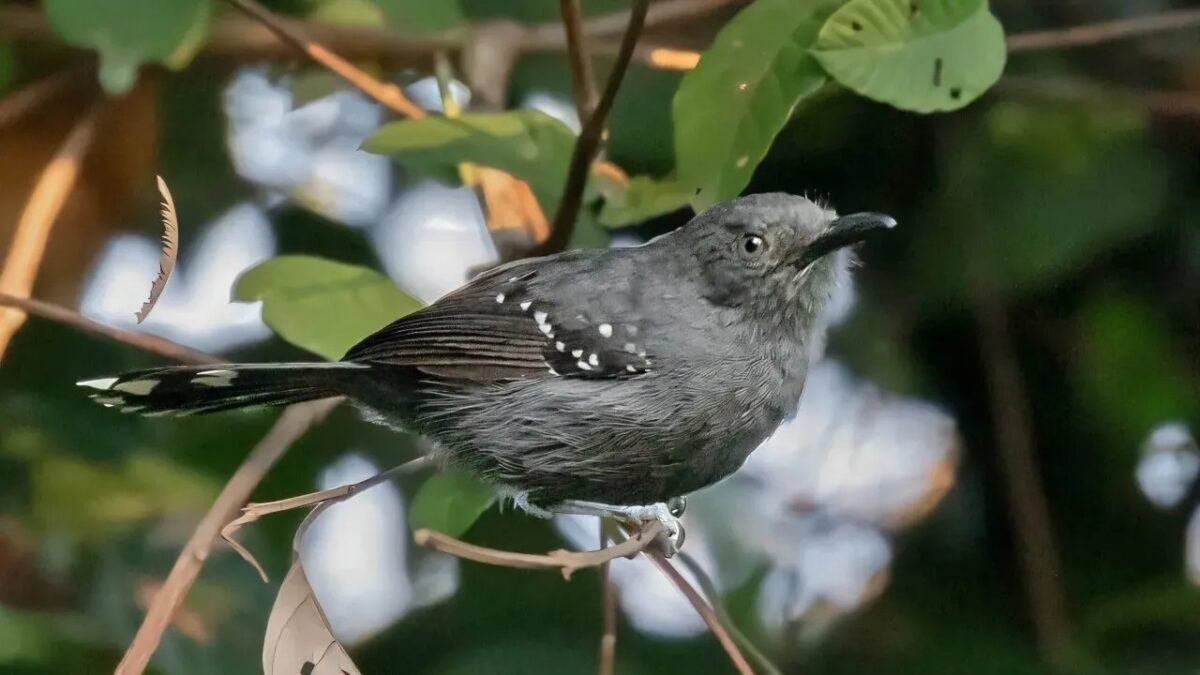
Deep in the Amazon rainforest, something extraordinary is happening – and it has nothing to do with chainsaws or conservation protests. Scientists are now turning to artificial intelligence to decode the secret language of the jungle itself, using the sounds animals make to reveal what’s really going on beneath the canopy.
It sounds almost too clever to be true. A forest that speaks, and machines that can actually listen. The implications for biodiversity monitoring are, honestly, staggering. Let’s dive in.
The Rainforest Has a Voice – And We’re Finally Learning to Hear It
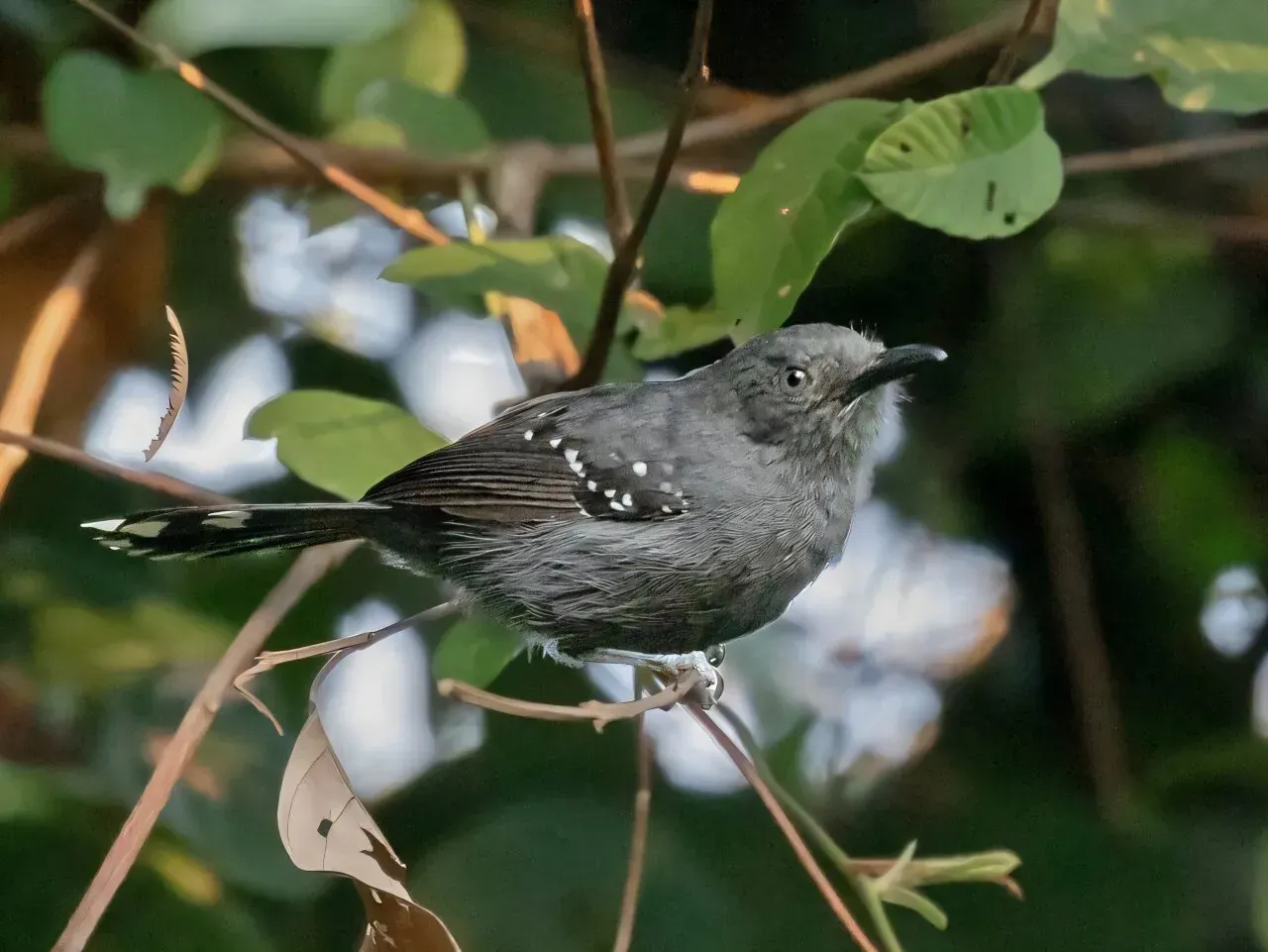
Here’s the thing about the Amazon: it’s not silent. It’s one of the noisiest places on Earth, filled with an overwhelming chorus of birds, frogs, insects, and mammals all communicating at once. For decades, researchers had to physically trek into these remote regions and manually record or observe wildlife – a process that was slow, expensive, and frankly impossible to scale.
Vocal analysis powered by AI is changing all of that. By deploying acoustic sensors throughout the forest and feeding recordings into machine learning models, scientists can now identify individual species by their calls alone. Think of it like fingerprint recognition, but for sound.
Acoustic Monitoring: Sensors in the Trees
The setup is deceptively simple. Researchers place rugged audio recording devices throughout strategic points in the rainforest, running continuously and capturing everything the ecosystem produces, from the screech of a howler monkey at dawn to the faint click of a beetle deep in the undergrowth.
These recordings are then processed by AI systems trained to recognize hundreds of distinct species by their acoustic signatures. What used to take a team of biologists months to catalog can now be analyzed in a fraction of the time. It’s a bit like having thousands of highly trained ears distributed across millions of acres all at once.
What the AI Actually Listens For
The AI models don’t just pick out individual sounds at random. They’re trained on vast libraries of verified animal vocalizations, learning to distinguish subtle differences in pitch, rhythm, duration, and frequency pattern. Some calls are obvious – the raucous shriek of a macaw is hard to miss. Others are incredibly difficult even for trained human researchers to separate.
What’s particularly fascinating is that these systems can detect not just the presence of a species, but behavioral cues too. A frog calling under stress sounds different from one calling during mating season. I think that level of nuance is what separates this approach from simple species counting. It opens a window into animal behavior that we’ve never had before.
Uncovering Hidden Biodiversity
One of the most surprising findings so far is just how much biodiversity was hiding in plain sight – or rather, plain sound. In regions considered well-surveyed, AI acoustic analysis has identified species that hadn’t been officially documented in those areas before. Rare birds, cryptic amphibians, and elusive mammals have all been detected through this method.
This isn’t a small discovery. It forces a rethink of how incomplete our understanding of Amazon biodiversity really is. Honestly, it’s humbling. We’ve been studying this forest for centuries, and there’s still so much we’ve apparently missed. The forest was always talking. We just didn’t have the tools to understand what it was saying.
Tracking the Impact of Deforestation Through Sound
Beyond cataloging species, vocal analysis is proving to be a powerful tool for measuring environmental damage. Researchers can compare acoustic recordings from intact forest areas with those from degraded or deforested zones. The difference is striking. Biodiversity-rich regions produce a dense, layered soundscape, while disturbed areas fall eerily quiet.
This shift in what scientists call “acoustic diversity” acts as a measurable signal of ecological health. When species start disappearing from a soundscape, it can serve as an early warning that an ecosystem is under pressure, long before traditional survey methods would catch the change. It’s like listening to a patient’s heartbeat before anything shows up on a scan.
The Role of Machine Learning in Species Identification
The sophistication of the machine learning models involved here really can’t be overstated. These aren’t simple pattern matchers. They’re deep neural networks trained on enormous labeled datasets, continuously refined as new recordings are added. The models improve over time, getting better at distinguishing species even in noisy, overlapping soundscapes.
There are still real challenges, though. Background noise, rain, wind, and the sheer acoustic complexity of the Amazon can confuse even the best systems. It’s hard to say for sure how accurate these models are in every situation, but ongoing validation against physical field surveys is helping researchers understand exactly where the AI performs well and where it still needs work. Progress is genuinely impressive, but nobody’s claiming it’s a perfect system just yet.
What This Means for the Future of Conservation
Scaling this technology across the entire Amazon could transform conservation policy in ways that would have seemed like science fiction just a decade ago. Continuous, real-time acoustic monitoring means governments and environmental agencies could receive near-instant data on biodiversity changes across millions of square kilometers.
Imagine a conservation dashboard that updates daily, flagging areas where species richness is dropping or where new illegal clearing activity might be silencing a previously rich soundscape. That kind of precision monitoring could fundamentally shift how we protect the world’s most critical ecosystems. The Amazon has always had stories to tell. AI might finally be giving us the ears to truly listen.
A Forest Worth Listening To
Let’s be real: conservation has always struggled with the problem of scale. The Amazon is simply too vast, too complex, and too layered for traditional methods alone. Vocal analysis powered by artificial intelligence isn’t a silver bullet, but it represents one of the most promising leaps forward in ecological science in recent memory.
The idea that an algorithm can hear a rare frog calling in a remote jungle and flag it on a researcher’s laptop halfway around the world is extraordinary when you stop and really think about it. It blurs the line between technology and nature in a genuinely beautiful way. If this research continues to develop, the Amazon might become the most closely monitored and best-understood ecosystem on the planet – not through human feet on the ground, but through the sounds that fill the air between the trees.
What do you think – could listening to nature be one of the most powerful tools we have for protecting it? Drop your thoughts in the comments.

- Urban Coyotes Show Remarkable Adaptability, Learning to Thrive in City Environments - July 22, 2026
- Beavers Are Nature’s Engineers, Creating Vital Habitats for Other Wildlife Species - July 21, 2026
- The Recovery of the California Condor Offers Hope for Other Critically Endangered Birds - July 21, 2026