
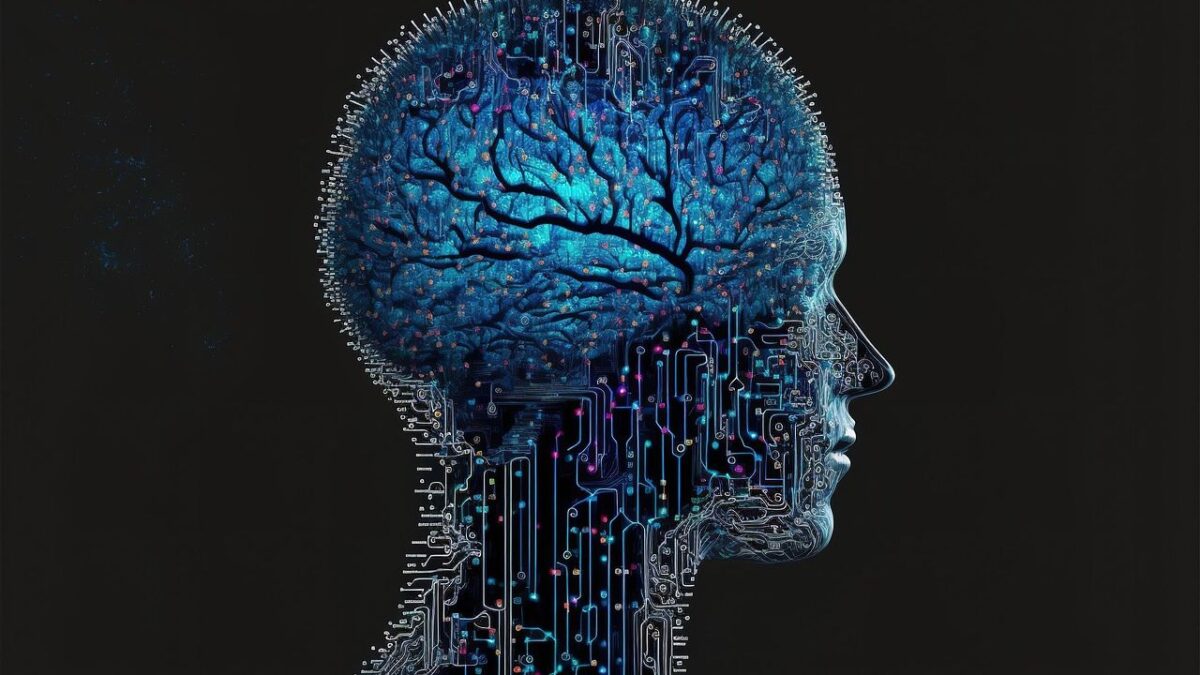
Science has a funny way of making you feel tiny and extraordinary at the same time. One moment you’re reading about the cosmos, and the next you’re staring at your own hand wondering what on earth is actually going on inside it. Honestly, the more you dig into the world of verified scientific knowledge, the more reality starts to feel stranger than fiction.
From the deepest corners of outer space to the microscopic universe hiding inside your own body, there are facts out there that genuinely stop people in their tracks. Some of them will make you laugh. Others will make you need to sit down quietly for a minute. Let’s dive in.
1. Your DNA Could Stretch From the Sun to Pluto and Back – 17 Times
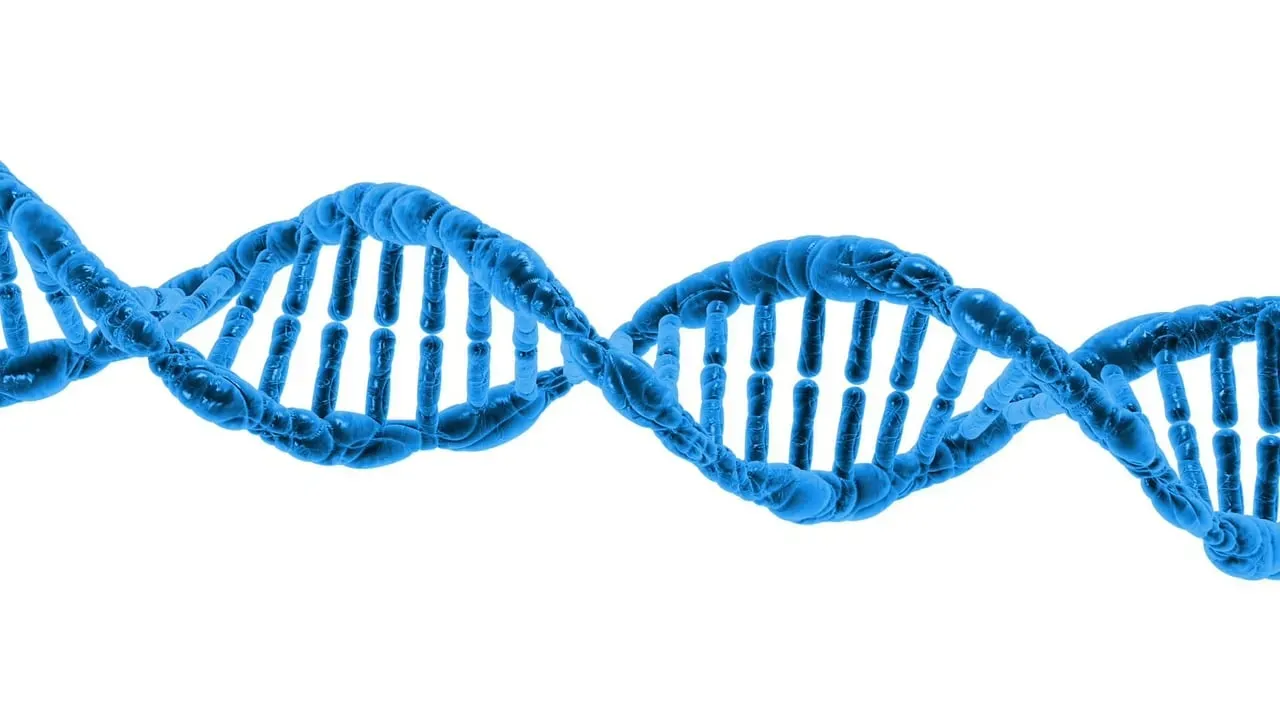
Here’s a fact that genuinely took me a few reads to accept. There is enough DNA in an average person’s body to stretch from the sun to Pluto and back 17 times. That’s not a metaphor. That’s geometry.
Each cell holds roughly two meters of DNA, and with roughly 37 trillion cells in the human body, that adds up to over 70 billion kilometers – far enough for a round-trip journey to distant Pluto. All of that, coiled up impossibly small, tucked inside every single one of your cells. Wild doesn’t even begin to cover it.
2. The Universe Is Mostly Made of Something We Cannot See
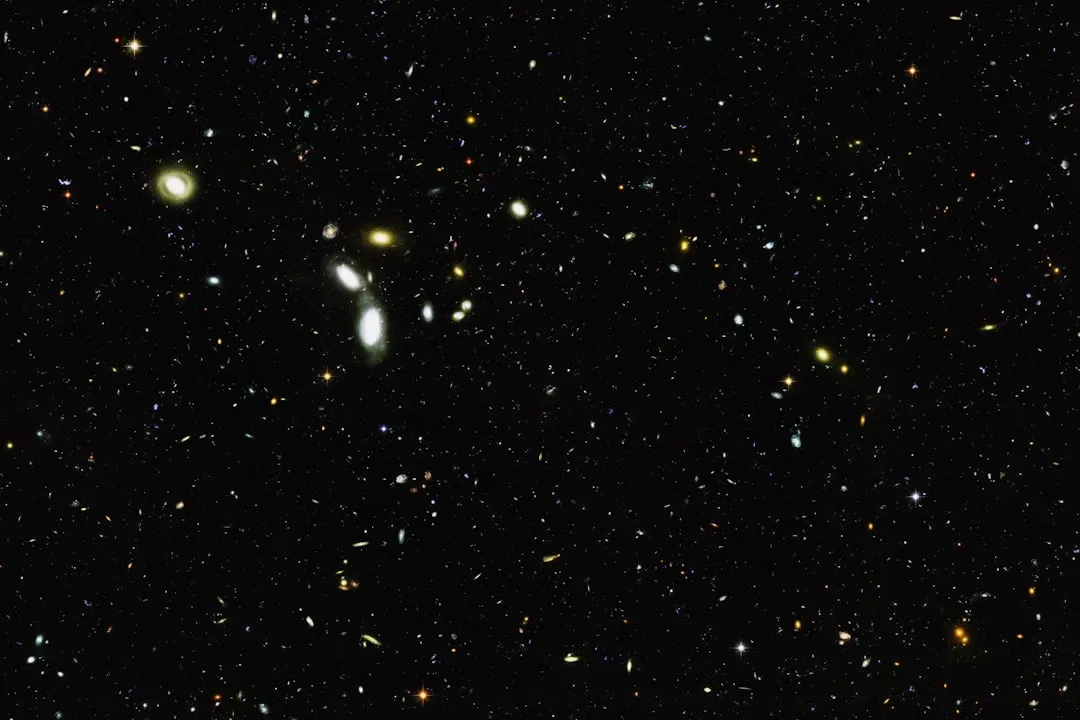
Let’s be real – most of us picture the universe as a vast dark sea dotted with glittering stars and galaxies. The truth is far stranger. Dark matter accounts for roughly a quarter of the cosmic contents, while dark energy – the energy of empty space that is causing the expansion of the universe to accelerate – accounts for the remaining nearly seven-tenths of the contents.
Ordinary matter, which includes atoms, stars, galaxies, and all life, accounts for only about five percent of the contents of the universe. Everything you can touch, see, taste, or even detect with our finest instruments? A tiny sliver. The rest is still largely unknown. That should keep you up at night.
3. The Human Brain Could Store the Entire Internet
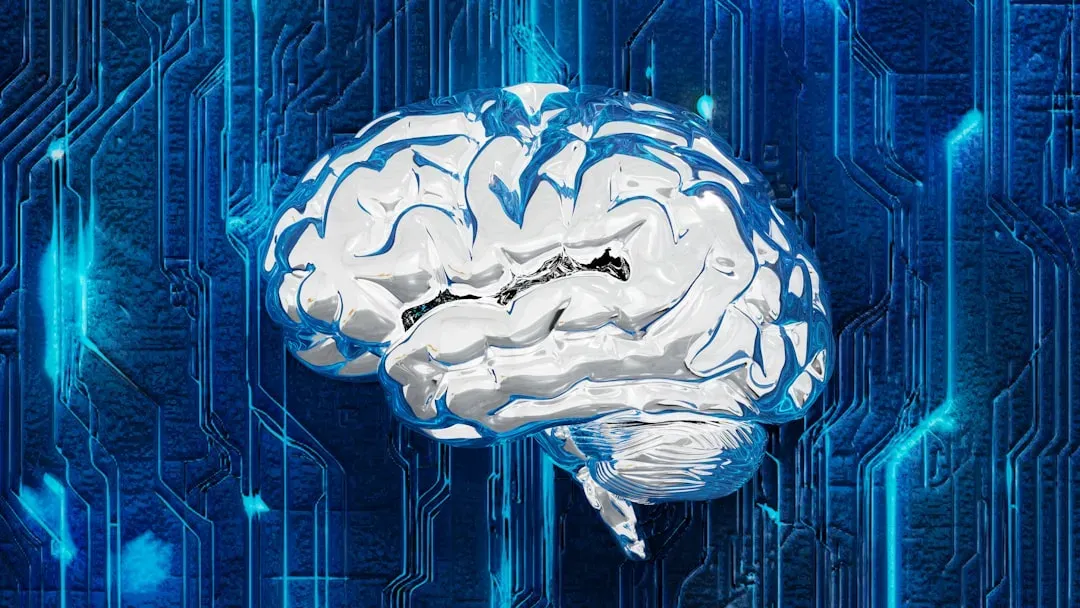
The human brain has 86 billion neurons connected by roughly 100 trillion synapses, making it one of the most complex objects in the known universe. Think about that for a second. Not just complex for a biological organ. Complex compared to everything we know exists.
A study by researchers at the Salk Institute shook the field of neuroscience, finding that the human brain’s memory capacity exceeded previous conservative estimates by a factor of ten. They calculated that the typical human brain could store one petabyte of information – a quadrillion bytes. To put this figure into perspective, that’s about as much information as was contained on the entire internet in 2016. And the brain does all of this running on roughly as much power as a dim light bulb.
4. You Are Made of Ancient Stardust
This one sounds like poetry. It’s actually physics. 13.8 billion years ago, the universe began with a Big Bang, and the atoms it created would find their way into everything: from celestial stars to the human body. The iron in your blood, the calcium in your bones, the oxygen filling your lungs right now – all forged inside dying stars.
Think of yourself less as a person and more as a very complicated arrangement of cosmic leftovers. Although human beings are made of cells, at a more fundamental level, we’re made of atoms. All told, there are close to ten to the power of 28 atoms in a human body, mostly hydrogen by number but mostly oxygen and carbon by mass. Every atom in you has a billions-of-years-old history. That’s genuinely humbling.
5. Adults Can Grow New Brain Cells
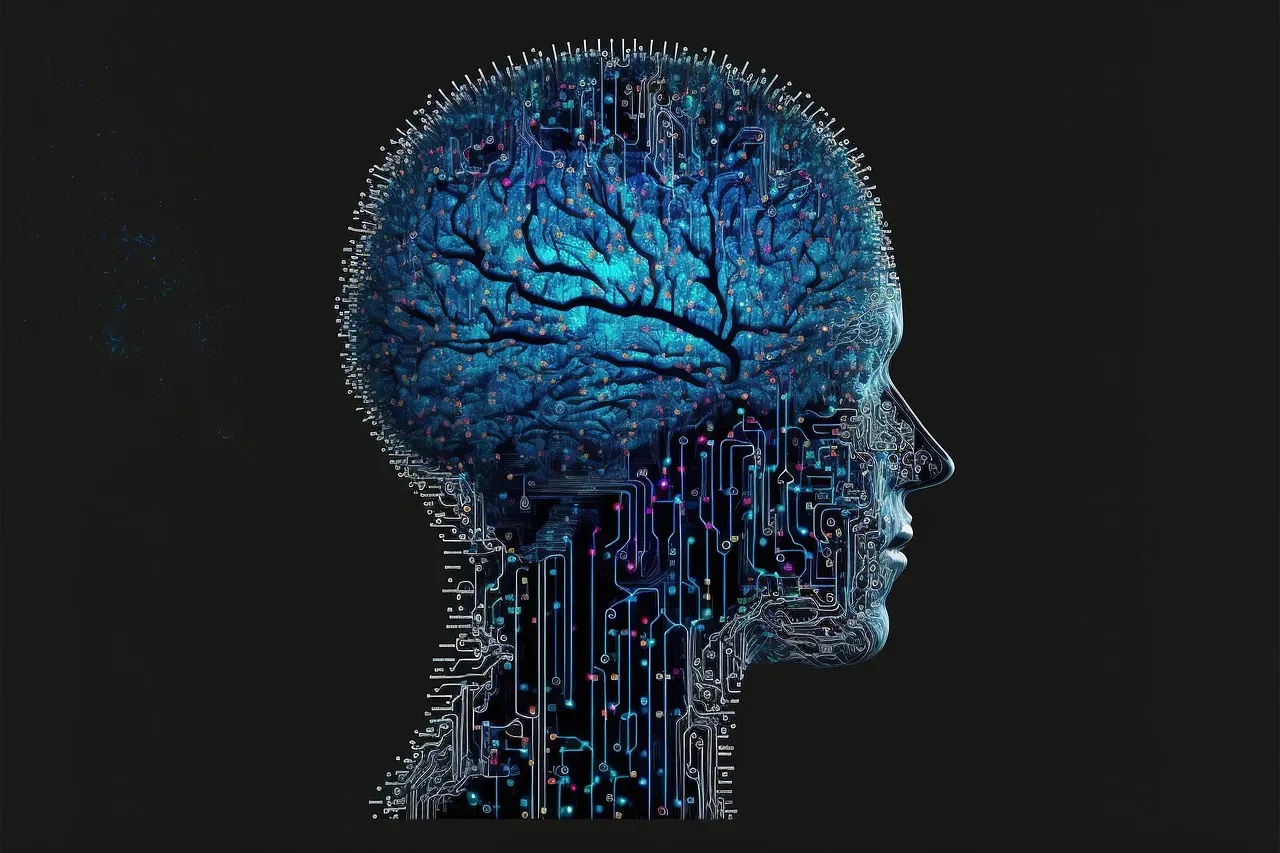
For most of the twentieth century, neuroscientists were pretty firm about this: you’re born with all the neurons you’ll ever have, and that’s that. Turns out, they were wrong. Neuroscientists long believed that you’re born with all of the neurons you’ll ever have. But evidence has slowly accumulated to suggest that adults can form new neurons, a process called neurogenesis.
This is not just a neat trivia tidbit. It has enormous implications for how we approach depression, memory loss, and even aging. The brain, it seems, is far more adaptable and regenerative than anyone gave it credit for. I think that’s one of the most hopeful facts on this entire list.
6. Newborn Brains Have Alzheimer’s Markers – and Then They Don’t

This one is bizarre in the best possible way. Researchers discovered that newborn babies’ brains have very high levels of a protein that, in adults, indicates Alzheimer’s disease. Tau proteins help to stabilize brain cells’ structure, but they can undergo chemical changes that lead them to become tangled up, a process linked to Alzheimer’s.
The fact that healthy newborn brains have high levels of these proteins, which later decrease, suggests that these detrimental changes in adults could be avoided or reversed. In other words, the baby brain holds a potential clue to one of the most devastating diseases in existence. Science is full of surprises hiding in the most unexpected places.
7. Your Body Produces Millions of New Cells Every Single Second
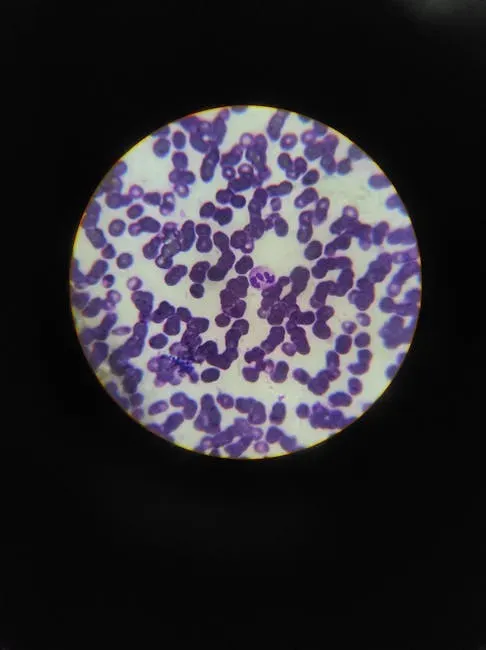
If you’ve ever felt like you’re stuck in a rut, consider this: your body is anything but. Every second, the human body produces an astonishing 25 million new cells. To put this into perspective, in just 15 seconds, an individual generates more cells than the entire population of the United States.
It’s like your body is running a non-stop construction project that never clocks out. The skin, the body’s largest organ, undergoes constant renewal. On average, the outer layer of skin known as the epidermis sheds about 30,000 to 40,000 dead skin cells every minute. You are, quite literally, a different person every few weeks. Take that however you like.
8. There Are More Stars in the Universe Than Grains of Sand on Earth
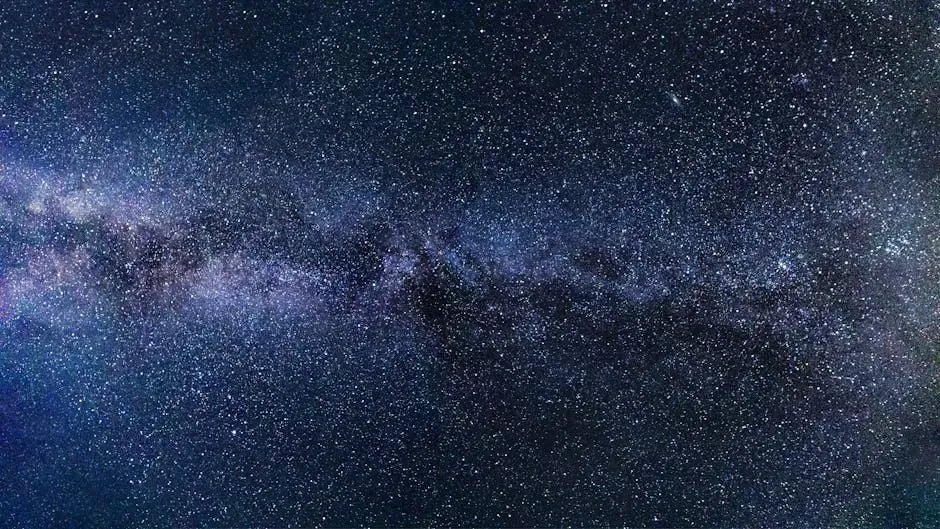
At some point, numbers become so large they stop feeling real. This is one of those moments. There are more stars in the universe than grains of sand on all the beaches on Earth. That’s at least a billion trillion. Pick up a handful of beach sand and try to count the grains. Then realize there are more stars than that, multiplied by every handful on every shore on the planet.
Calculated using data from the Hubble telescope and astronomers, there are likely to be around 170 billion galaxies in the observable universe. Many scientists also believe the actual number could be even more. And remember, each one of those galaxies contains hundreds of billions of stars. It’s hard to say for sure if there’s a number large enough to make you feel properly small, but this one comes close.
9. A Bolt of Lightning Is Five Times Hotter Than the Sun’s Surface
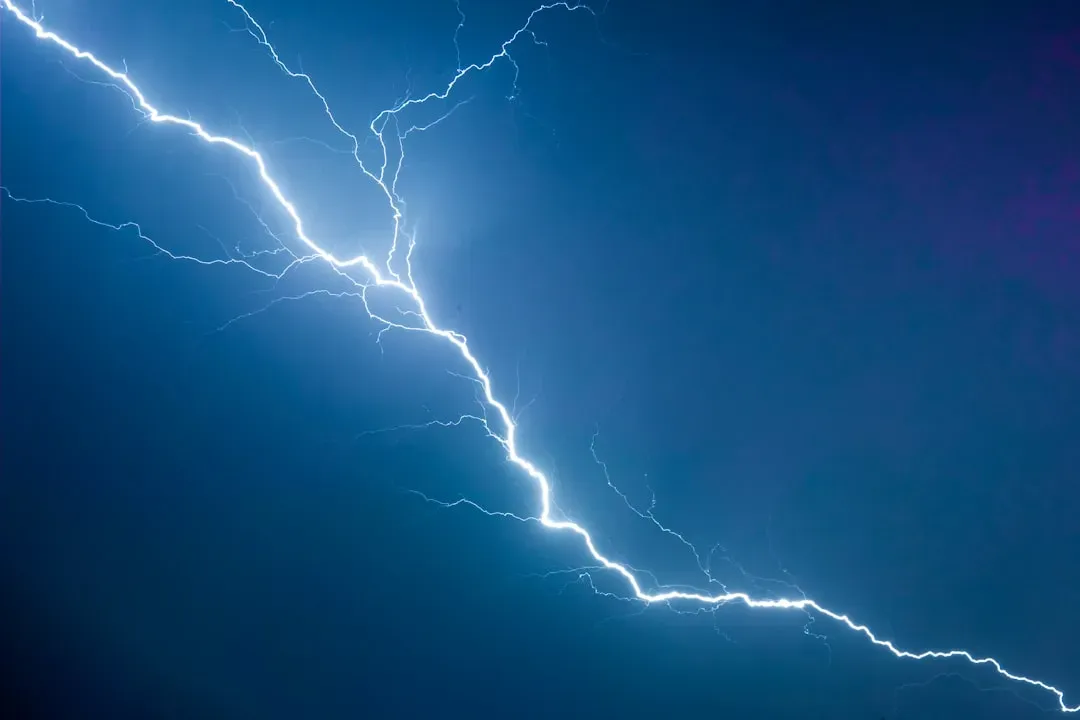
You’ve seen lightning. You might have even been close to a strike. What you probably didn’t know is that you were near something hotter than the surface of the star that powers all life on Earth. A bolt of lightning can heat the air around it to 30,000 kelvins – about five times hotter than the surface of the sun.
The entire event lasts a fraction of a second, which is the only reason it doesn’t vaporize everything in its path. Nature has this habit of casually packing unimaginable forces into mundane-looking events. A rainstorm suddenly sounds a lot more dramatic than it did before, doesn’t it?
10. Scientists Engineered an Entirely New Color the Human Eye Had Never Seen
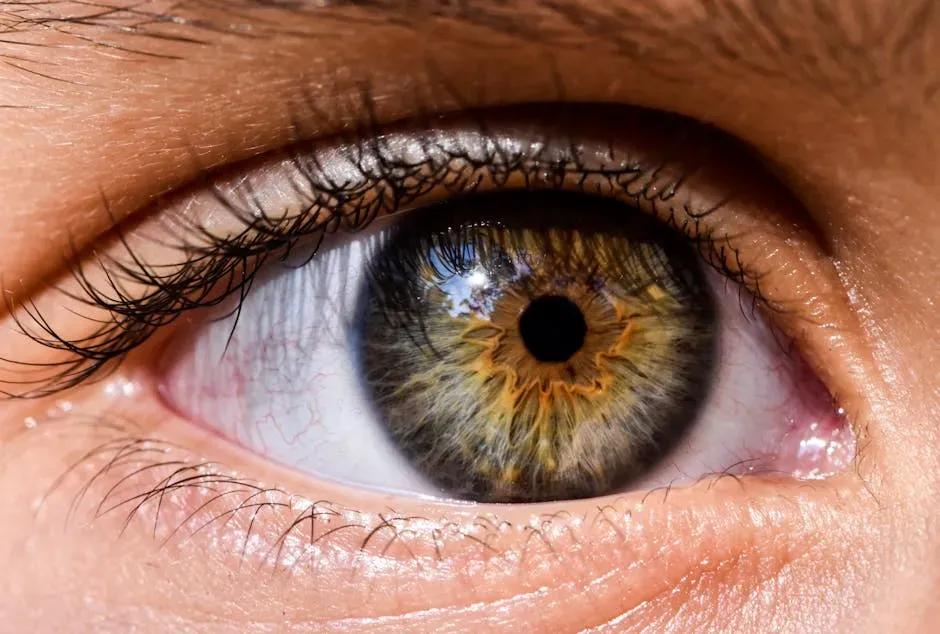
Most of us learned the rainbow in kindergarten and figured that was the complete picture. Not quite. Our brains construct colors based on the activation of cells in our retinas that pick up blue, green and red light. Because of a quirk of biology, there’s no light on Earth that can activate only green-light-detecting cells. But researchers were able to do just that by lasering the eyes of five participants to create an impossible new color the scientists called olo: a wildly saturated blue-green that exists beyond our normal visual range.
The participants described the experience as unlike anything they had ever seen before, because it literally was. Reality apparently has colors we’ve been missing our entire lives. That’s either thrilling or deeply unsettling, depending on your temperament.
11. The Universe Has No Center – and No Edge
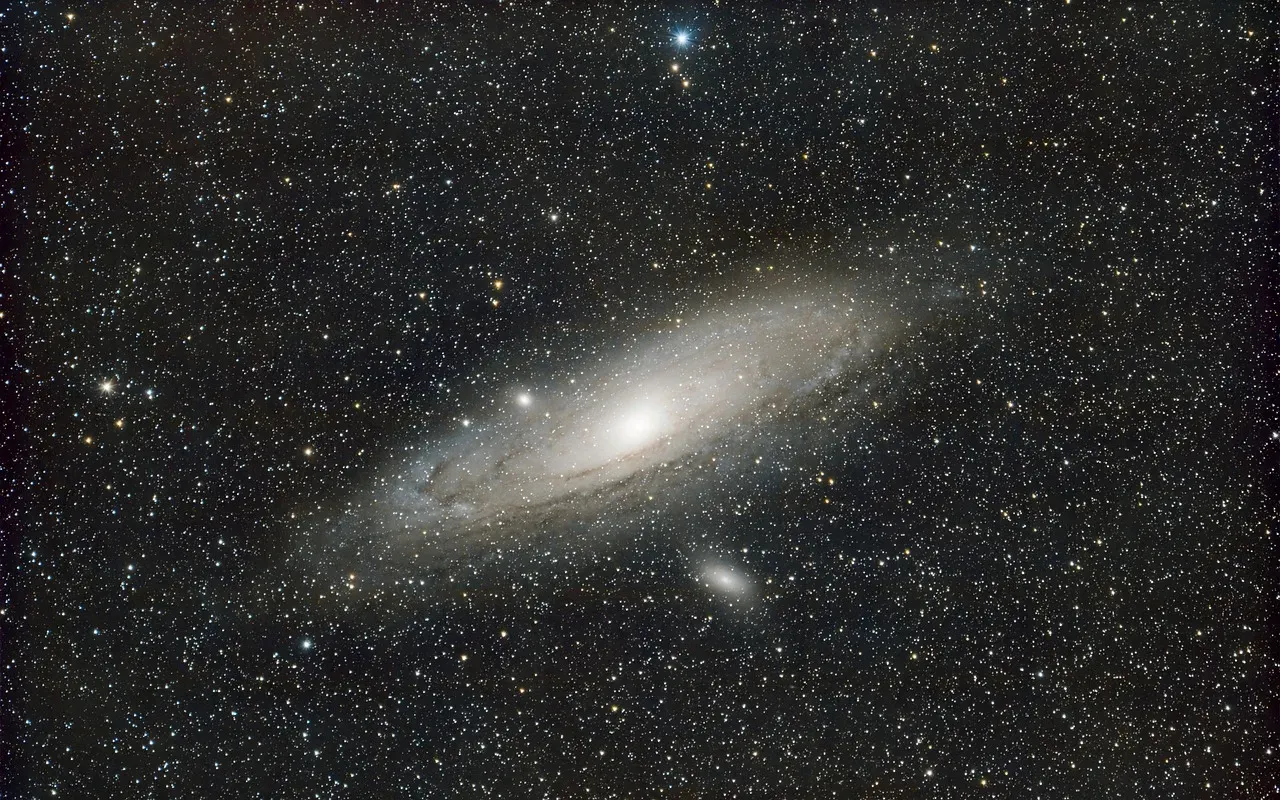
This one breaks brains reliably. We naturally imagine the universe like a giant balloon, with a center somewhere and edges somewhere else. The universe has no center and is constantly expanding, getting bigger every second, making it impossible to reach the edge. There is no point you could travel to and say “here, this is the middle.”
Ever since the Big Bang, most objects in space have been moving away from one another. The expansion of the universe is actually accelerating. This is known as dark energy, and it’s one of the facts about space that has really rocked the cosmological boat over the past few years. In other words, the universe is getting bigger, faster, with no known ceiling. Wrap your head around that before bed tonight.
12. Chimpanzees Can Update Their Beliefs When Proven Wrong
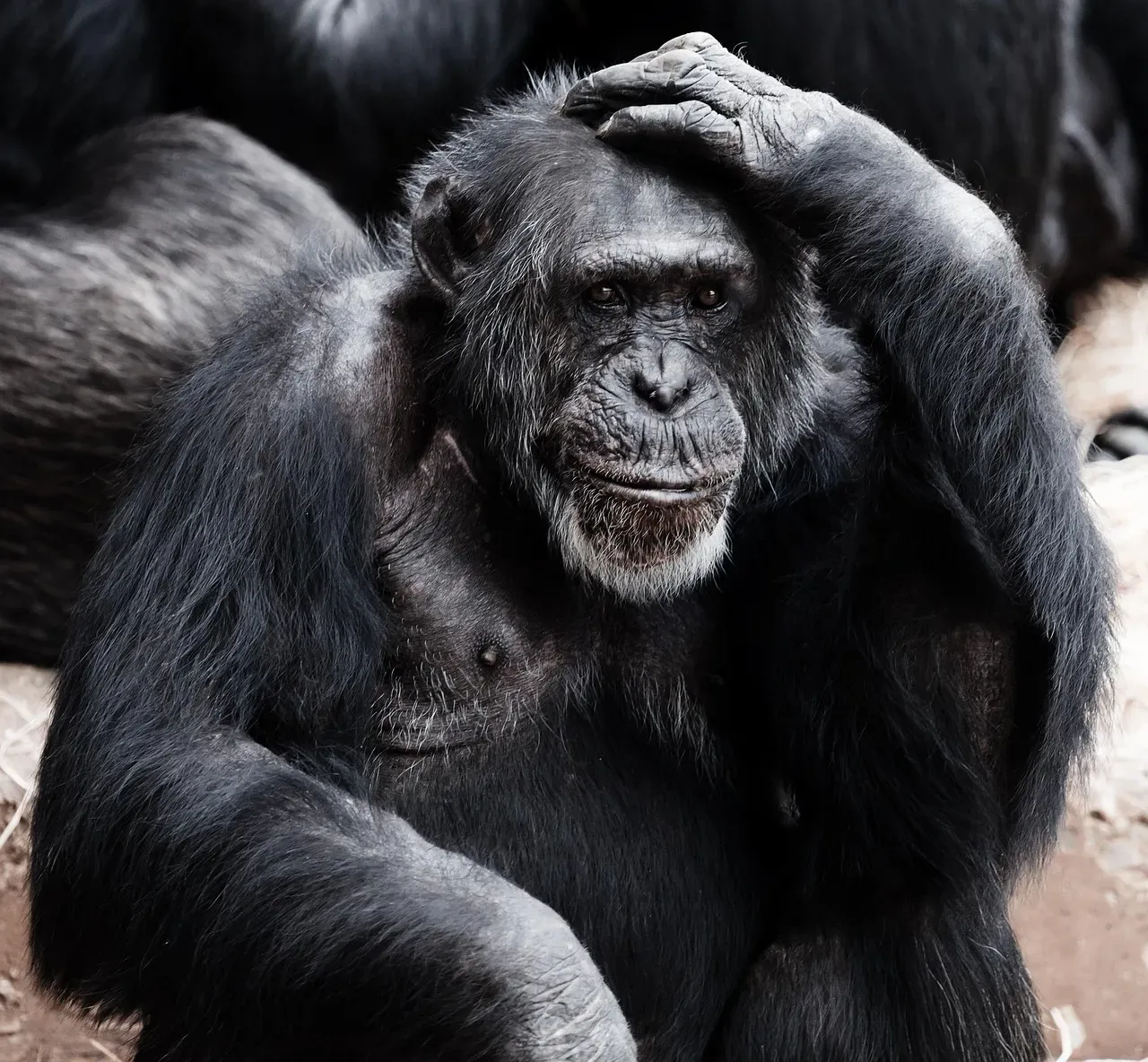
Honestly, some humans could learn something here. This year scientists learned more about the cognitive abilities of our closest primate relatives. Chimpanzees, for example, can weigh evidence to update beliefs when they are proven wrong, a type of rational thinking. Bonobos can also tell when a human doesn’t know something, an ability called theory of mind.
The idea that complex reasoning and social awareness were uniquely human traits is eroding steadily. The human brain is special. Yet much of what scientists thought made us different from other animals has been steadily eroded by evidence. Perhaps the boundary between us and the rest of the animal kingdom is a lot blurrier than we’d like to think.
13. Helium Can Literally Climb Out of Containers
Superfluid helium is one of those things that, if you saw it without context, you’d assume someone was pulling a trick on you. Helium doesn’t get affected by gravity in the ordinary sense. If you cool helium just a few degrees lower than its boiling point, it becomes superfluid, which means it can move without friction. It can rise up and over the sides of a glass. It can also drain through molecule-thin cracks in a container.
Picture pouring something into a cup and watching it silently creep up and over the rim by itself – not spilling, not splashing, just flowing upward as if gravity is simply not its problem. It looks like magic, but it’s entirely governed by quantum mechanics. Physics, when pushed to its limits, gets genuinely bizarre.
14. Dire Wolves Have Been Brought Back From Extinction

This fact feels straight out of a science fiction novel, and yet here we are in 2026 discussing it as reality. In April 2025, a biotech company claimed it had created the first modern dire wolves: two males named Romulus and Remus, born in October 2024, and a female named Khaleesi, born in early 2025. The startup, called Colossal Biosciences, aims to bring back extinct species by editing key genes of a close living relative.
In this case, they sequenced the dire wolf genome from a 13,000-year-old dire wolf tooth and a 72,000-year-old dire wolf skull, then identified 14 genes that differ between the extinct animal and canids of today. For more than 10,000 years, Earth had been devoid of the dire wolf, a long-extinct canid that chased down prey during the Pleistocene. That gap may now be closing in ways no one expected.
15. Mars May Have Already Shown Signs of Past Life
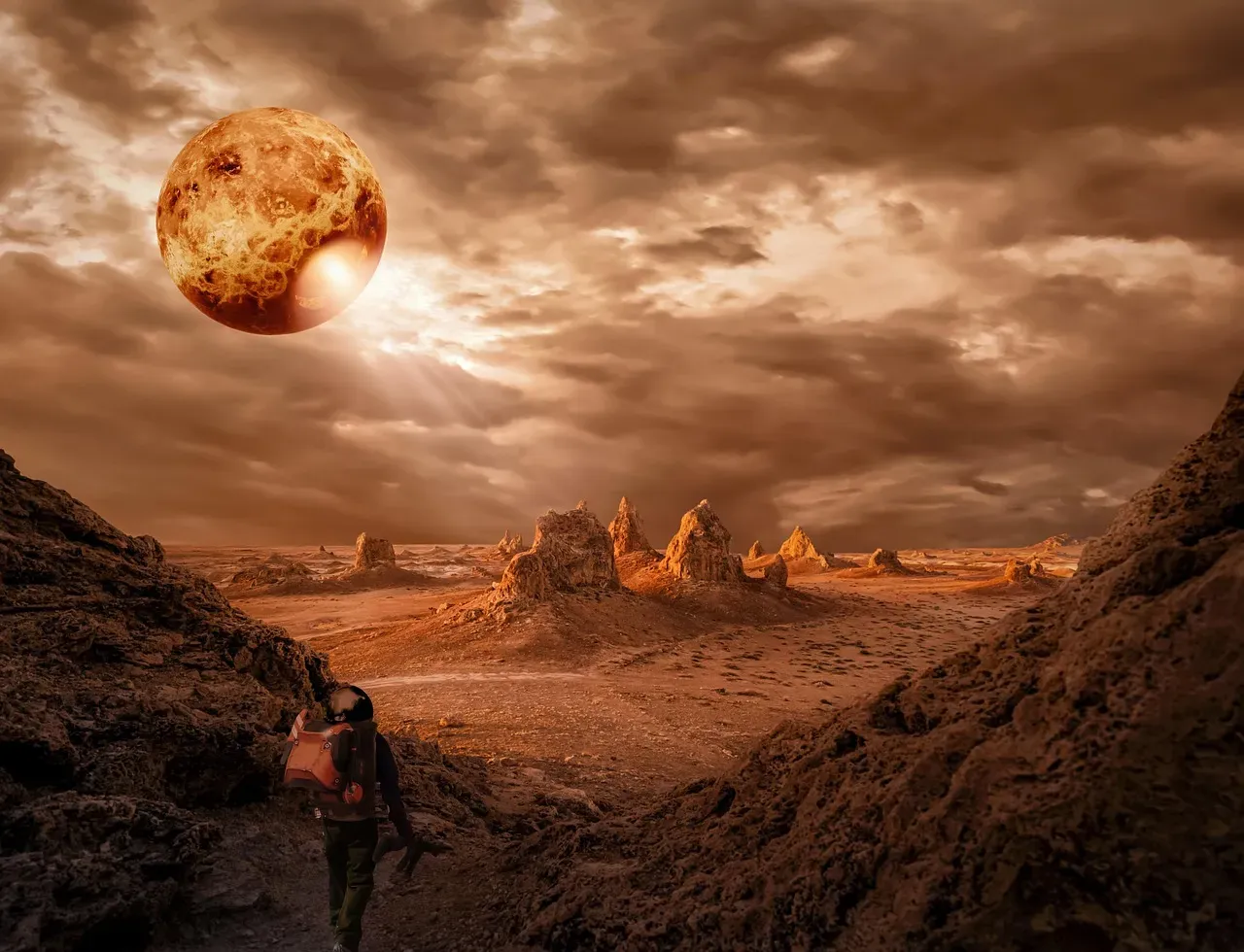
If any fact on this list deserves a dramatic pause, it’s this one. NASA’s Perseverance rover made a discovery in 2025 that the scientific community is still processing. A Martian rock called Chevaya Falls may in fact be the clearest sign of past life ever found on Mars. The rock contains ingredients for life including organic carbon, sulfur, oxidized iron, and phosphorus, as well as minerals often associated with microbial metabolism on Earth. These findings, published in the journal Nature, point to a possible biosignature.
To confirm this, scientists will need to retrieve the core sample and analyze it on Earth. It’s unclear whether that will ever happen. The possibility that we are not, and never were, alone in the universe may already be sitting on a dusty Martian plain, waiting to be confirmed. Few things in science carry more weight than that.
Conclusion: Reality Is Stranger Than Any Story We Could Invent
Take a moment and let all of this sink in. You are a walking archive of stardust, carrying enough DNA to span the solar system multiple times, running the most sophisticated computing structure in the known universe inside your skull, on a planet that is barely five percent of the stuff making up everything. That’s your Tuesday.
Science doesn’t just explain the world. It routinely humbles us, shocks us, and reminds us how much we’ve still got to discover. The facts listed here are not edge cases or fringe theories. They are verified, documented, and still somehow jaw-dropping every single time you read them.
Which one hit you the hardest? Was it the DNA stretching to Pluto, the color your eyes were never built to see, or the possibility that life once stirred on a neighboring planet? Drop your thoughts below – because honestly, science is always better when we talk about it together.

- 6 Exotic Bird Species You Can Spot in U.S. National Parks - July 19, 2026
- 11 Iconic American Birds Facing New Challenges and How You Can Help - July 19, 2026
- 10 Friendliest Animals in the World - July 19, 2026