
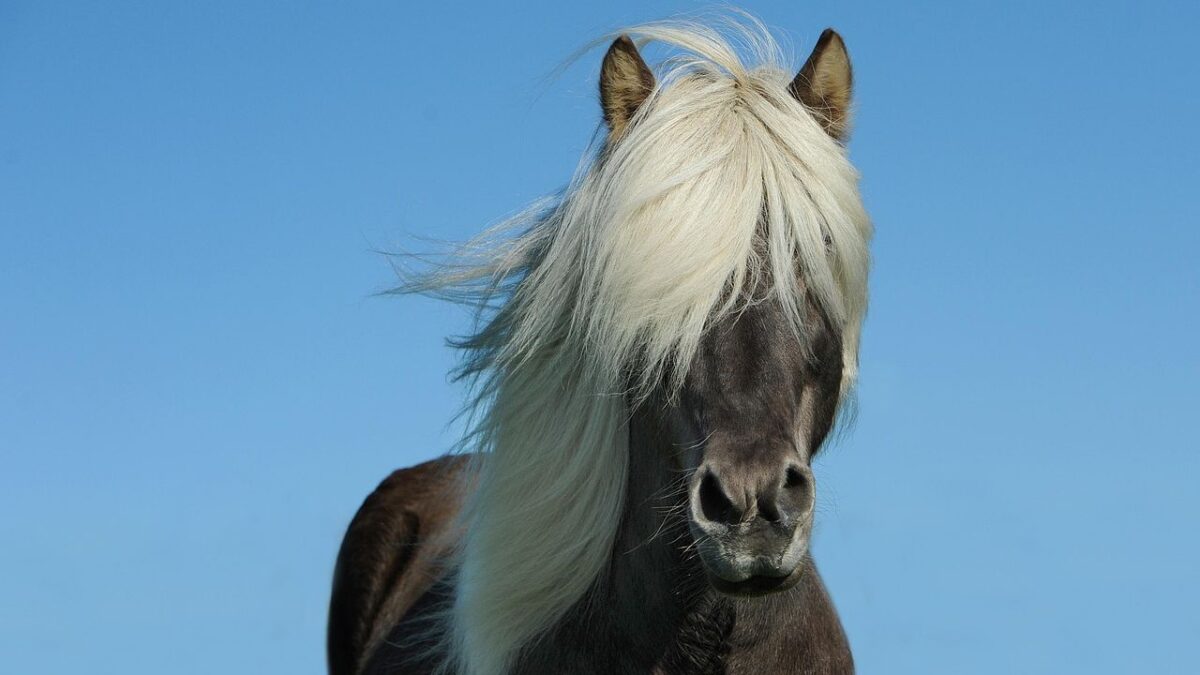
Picture this: a majestic horse in the field, head nodding gently, legs locked firm, looking for all the world like it’s wide awake. Yet it’s catching some Z’s right there on its feet. Wild, right?
This quirky habit isn’t just for show. It ties straight back to their ancestors dodging fangs on endless grasslands. Let’s dive into the fascinating reasons behind it.[1][2]
The Ingenious Stay Apparatus
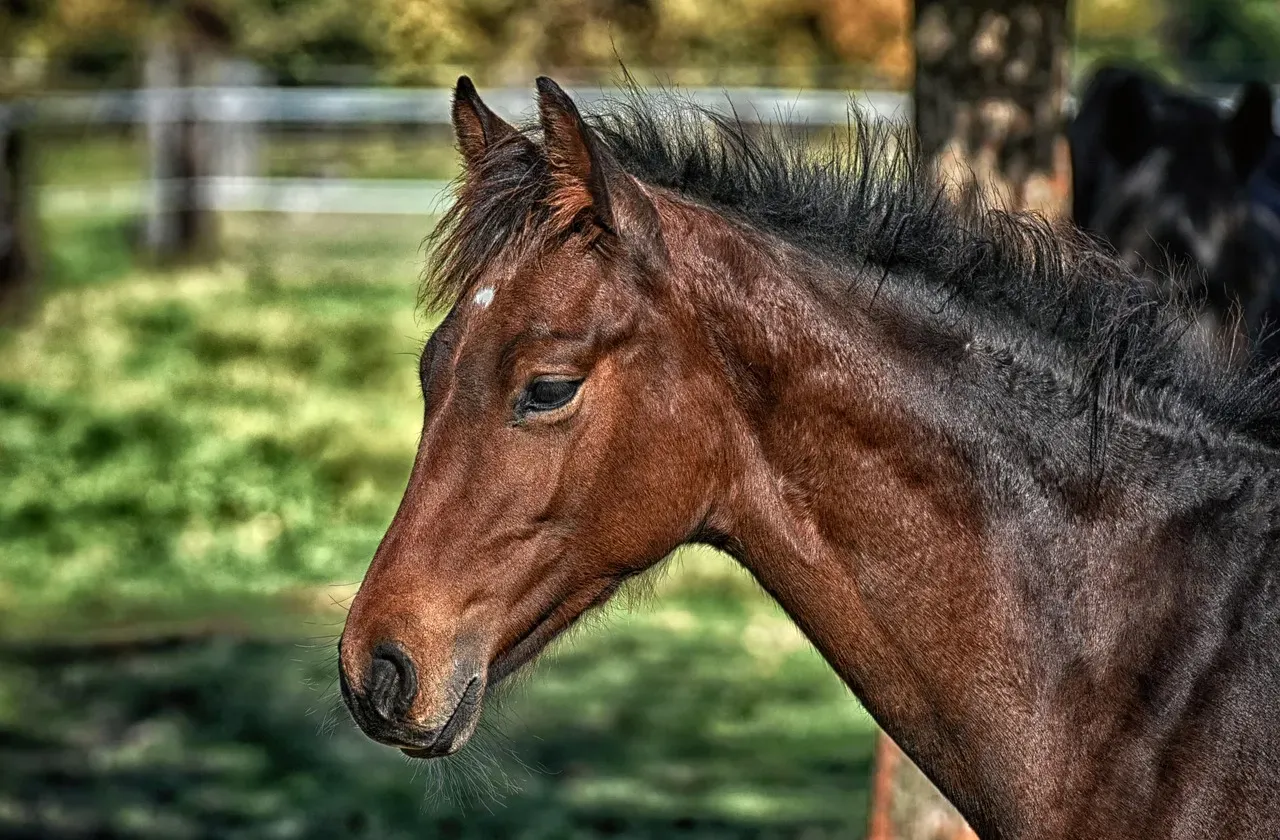
Horses pull off this standing snooze thanks to something called the stay apparatus. This clever setup involves tendons, ligaments, and muscles that act like natural locks on their joints. They engage it effortlessly, balancing without tiring out those big leg muscles.
Think of it as a built-in tripod mode. The hind legs straighten with a sling of ligaments, while the front uses a check apparatus to keep steady. No energy wasted, just pure restful dozing. I find it mind-blowing how evolution fine-tuned this for efficiency.[3][4]
Vulnerability on the Ground
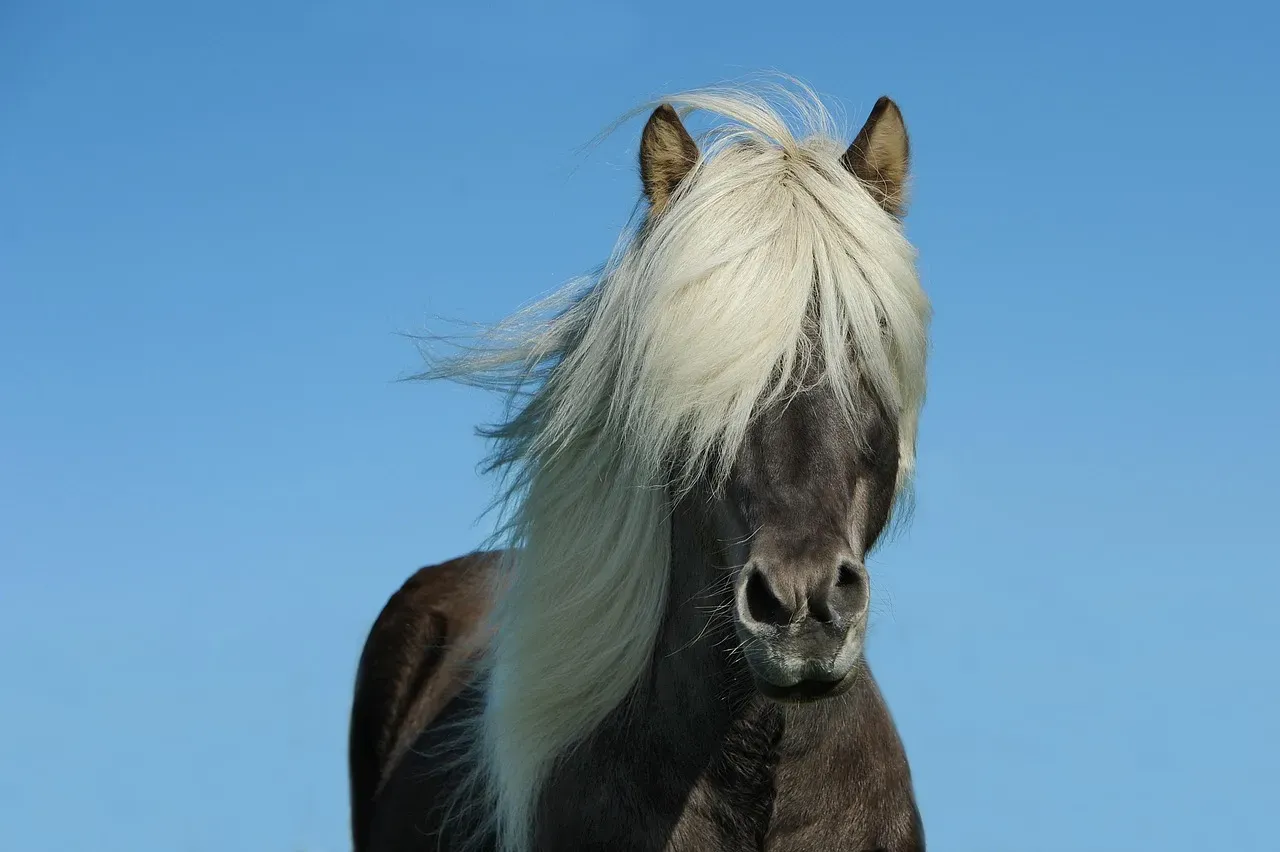
Lying down spells trouble for a horse in the wild. Getting back up takes precious seconds, maybe 10 or more, leaving them exposed to lions or wolves. Predators love that helpless scramble.
Standing means instant getaway. One hind leg shifts, and they’re off at full gallop. It’s a survival hack that saved countless lives over millennia. Honestly, it makes you appreciate their caution.[2][5]
Roots in Ancient Grasslands
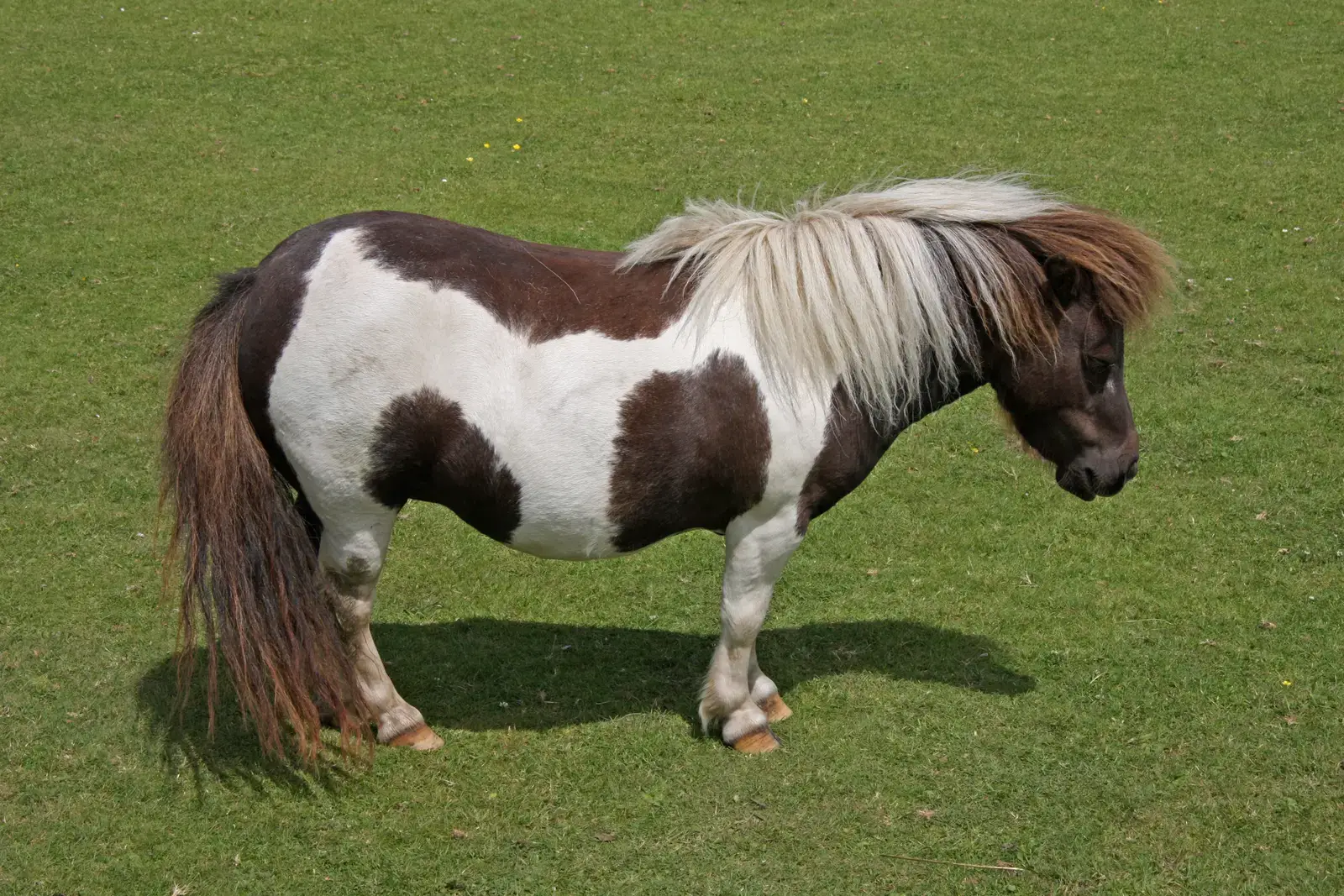
Horse ancestors roamed vast, open plains millions of years ago. As prey animals, constant vigilance was key. Evolving to rest upright let them recharge without dropping defenses.
This trait stuck around through domestication. Even today, farm horses nod off standing, echoing those primal fears. Nature doesn’t mess around with what works. It’s a testament to their resilient past.[6][7]
They Do Lie Down Sometimes
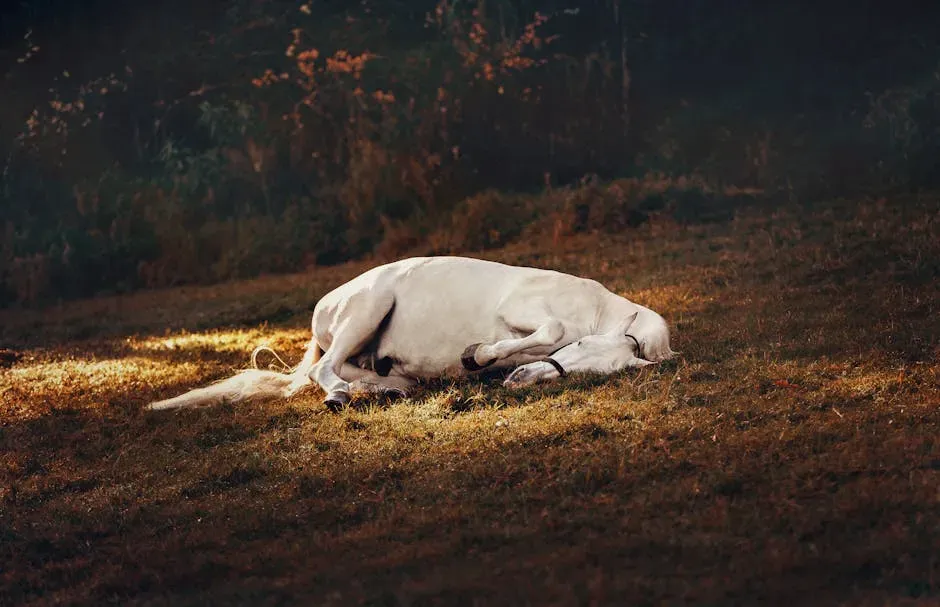
Not all horse sleep happens upright. They need deep REM stages, which require lying flat, usually for about 30 minutes a day. Foals crash out sternal or fully recumbent way more often.
Adults pick safe spots, like soft pastures with herd mates watching. Only when threats feel low do they risk it. Domestic horses might stretch out more, but wild ones stay wary. Safety first, always.[8][9]
Sleep Cycles: Short and Strategic
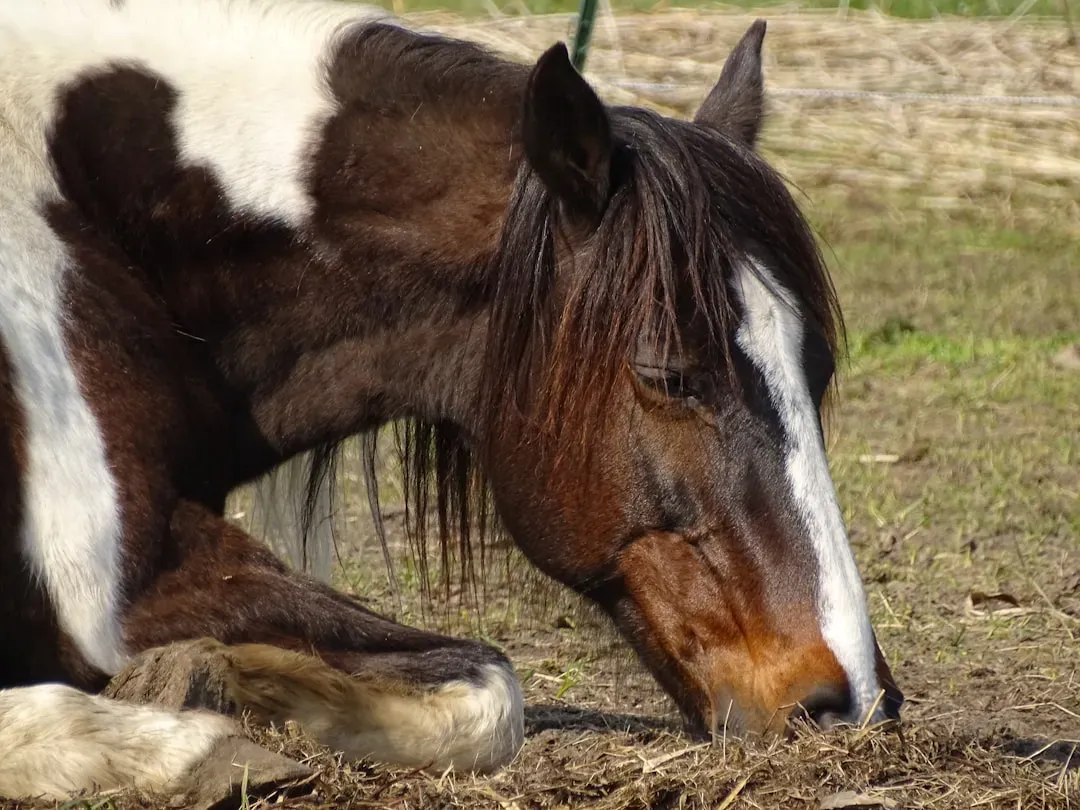
Horses snag total shut-eye in bursts, around three to five hours daily. Light dozing standing fills most of it, scattered through day and night. Polyphasic sleep keeps them alert.
Deep sleep comes in quick hits lying down, often at night. Herds take turns sentry duty, one stands while others rest. Smart teamwork from their wild days. It keeps the whole group sharp.[10][11]
Nature’s Enduring Legacy
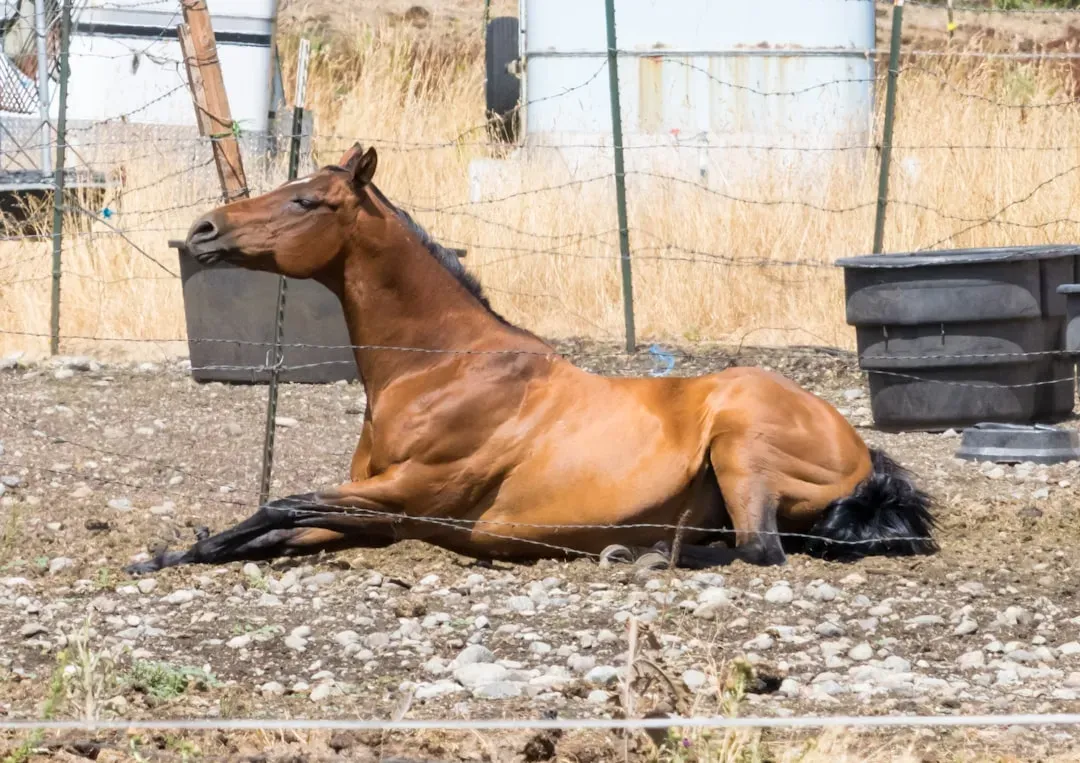
From savage plains to cozy stables, this standing sleep endures as a wild survival echo. It shows how deeply instincts shape even pampered pets. Horses remind us evolution leaves no detail unchecked.
Next time you spot one dozing upright, tip your hat to millions of years of clever adaptation. What surprises you most about their habits? Share in the comments.
