
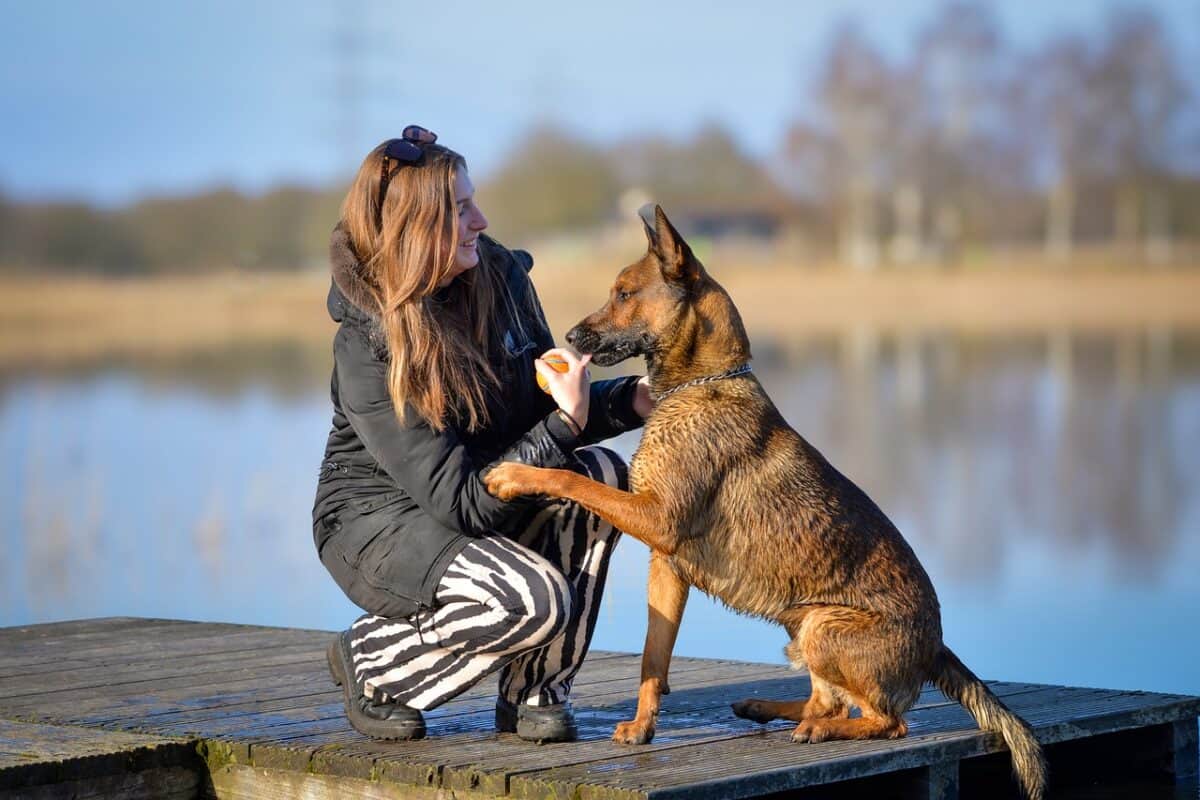
There’s something deeply moving about locking eyes with a stray dog on the street. Those uncertain, searching eyes. That cautious tail. The invisible wall between you and a living creature that just wants to feel safe. Most people either rush in, arms outstretched, and scare the dog off entirely, or they walk past and carry the quiet guilt of it for the rest of the day.
Here’s the thing, though. There is one foundational trick that unlocks the whole process, and once you understand it, every other step falls into place beautifully. It’s not about the treats. It’s not about a magic word. It’s something far simpler, and honestly, far more powerful. Let’s dive in.
The One Trick That Changes Everything: Become Invisible
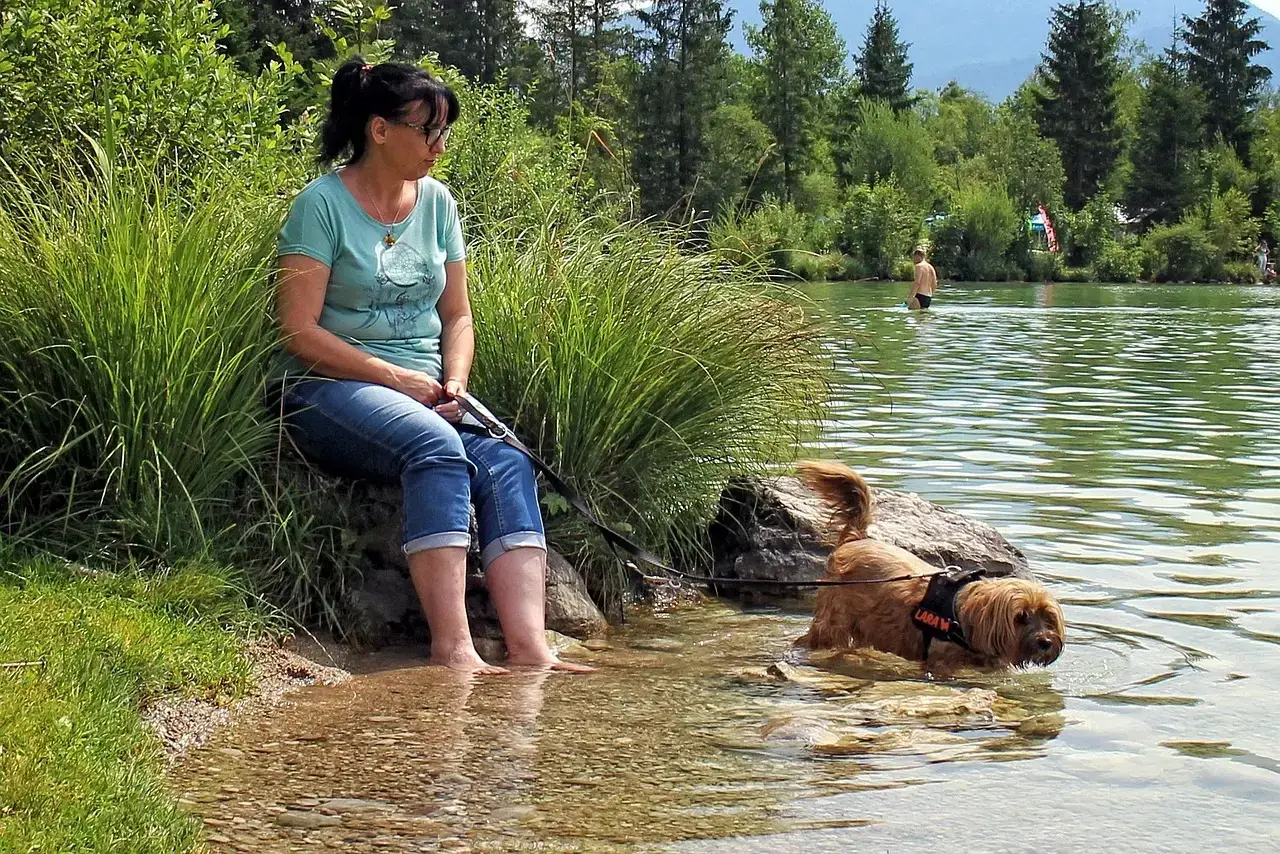
Most people think befriending a stray dog is about doing more. Moving closer, calling out, reaching a hand forward. Surprising truth? The real trick is doing less. Specifically, it’s the act of making yourself as non-threatening as possible by removing direct pressure entirely.
Getting down to the dog’s level so you’re less intimidating, turning sideways, and avoiding eye contact are among the most powerful things you can do in those first critical moments. Think of it like this: imagine a stranger running straight at you, staring you down. Your instinct is to back away fast. A stray dog feels exactly the same.
Dogs are very good at reading our body language, and certain human behaviors feel directly threatening to them, including staring, yelling, waving arms, leaning forward, and walking directly toward them. Every single one of those things signals danger. So the trick, the real golden rule, is to strip all of that away.
It is important that the dog comes to you voluntarily and that you do not actively approach it. That one sentence might be the most important in this entire article. Let them choose you. It makes all the difference.
Read the Dog Before You Do Anything Else
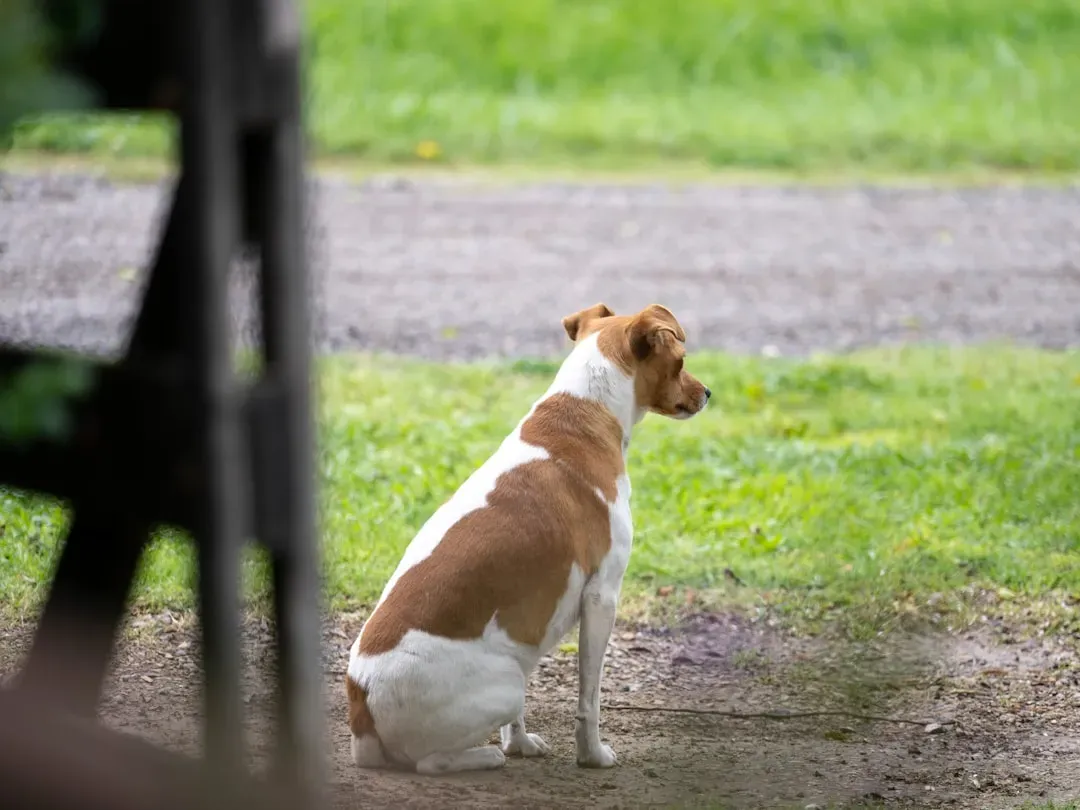
Before you even think about crouching down or pulling out a treat, stop. Just watch. Before approaching a stray dog, spend some time observing from a distance, taking note of their body language, behavior, and interactions. Are they cautious, aggressive, or relaxed? This observation period gives you valuable insights into how to approach safely.
A stray dog is usually safe to approach if it shows relaxed body language, tail wagging slowly, soft eyes, and no growling. That’s your green light. Aggressive or defensive signals include growling, stiff posture, raised hackles, a direct stare, or lunging, which means “stay back.”
Here’s something most people miss: a wagging tail is not always a welcome sign. His tail might be tucked, which can signify fear or timidity, but if his tail and body are stiff and his eyes are narrowed and fixed, this is more likely a sign of aggression than shyness.
Stray dogs don’t behave like household pets, and that’s not because they’re “wild” or “dangerous.” Their reactions are shaped by survival instincts, fear, and past human interactions. A street dog learns quickly who feeds, who threatens, and when to run or stay still. I think of it as a survival calculator running constantly in their heads. Your job is to make sure you register as “safe.”
Use Your Body Like a Language
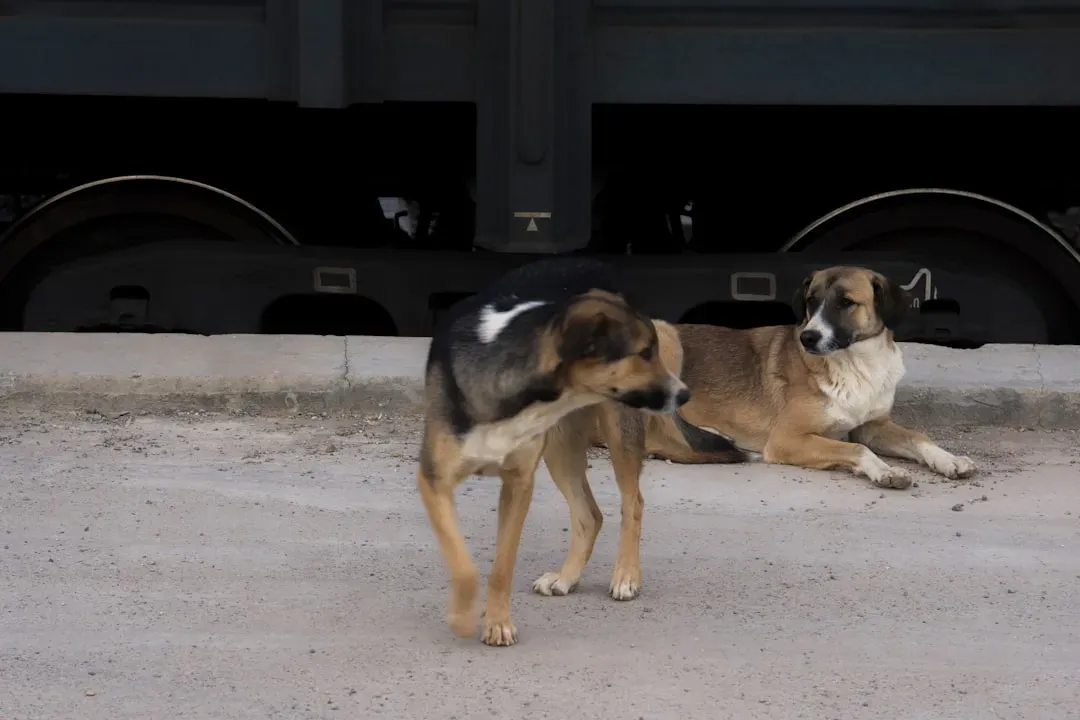
Once you’ve determined it’s safe to approach, the way you move your body is everything. This is where most well-meaning people get it wrong without even realizing it.
Approach the dog by walking on a curve rather than in a straight line toward them. Turn sideways and bend down rather than towering over the dog. A straight-line approach reads as predatory in dog psychology. Curving your path is almost like saying “I come in peace” in canine.
While dogs don’t understand the English language, they do understand body language. Use calming signals to show the dog you mean no harm. A few of these signals include yawning, blinking, and moving from the side instead of head on. Approach slowly and lower yourself to the ground. You are less likely to look intimidating if you are on the dog’s level.
Try putting your hand out, palm down, as it is less threatening than reaching from above. Palm down, low, still. Let them sniff first. The nose is their passport scanner, and once they’ve approved your scent, you’re in.
Food Is Your Best Friend, Patience Is Your Superpower
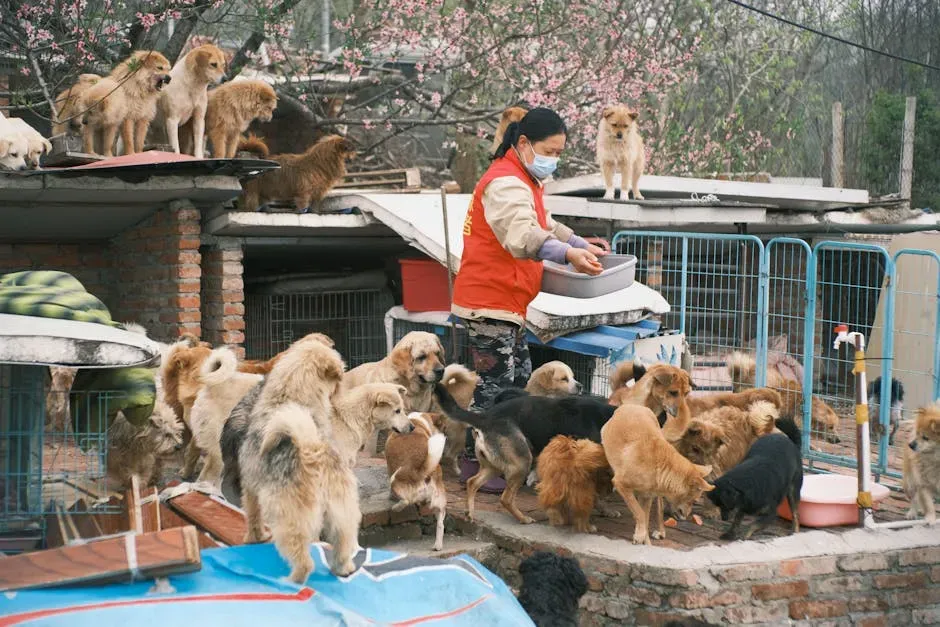
Let’s be real: treats are powerful. But it’s not just about throwing food and hoping for the best. The way you use food matters enormously.
One of the most effective ways to get a feral dog to trust you is through their stomach. Offer food and water, placing them a safe distance away and gradually moving closer with each feeding. Consistency is key, as regular feeding schedules will help the dog associate you with positive experiences.
Food is a great way to earn a stray dog’s trust. Gently place food and water nearby and step back to allow the dog to eat without feeling threatened. This helps the dog associate you with safety and kindness. Think of it like earning someone’s trust over coffee, one cup at a time, without pressure.
Patience is paramount, as it may take days or even weeks for the dog to feel comfortable enough to approach you. Sit quietly nearby while they eat, gradually reducing the distance over time. Honestly, this part requires more self-control than most people expect. The urge to pet them immediately is overwhelming. Resist it.
A stray dog’s trust isn’t easy to get, as they have lived on the streets with fear of humans and no love or affection. Give the dog space to come to you on their own terms. Don’t rush into petting or cuddling immediately, as this can be an overwhelming experience for the scared dog.
Building a Lasting Bond and Knowing When to Call for Help
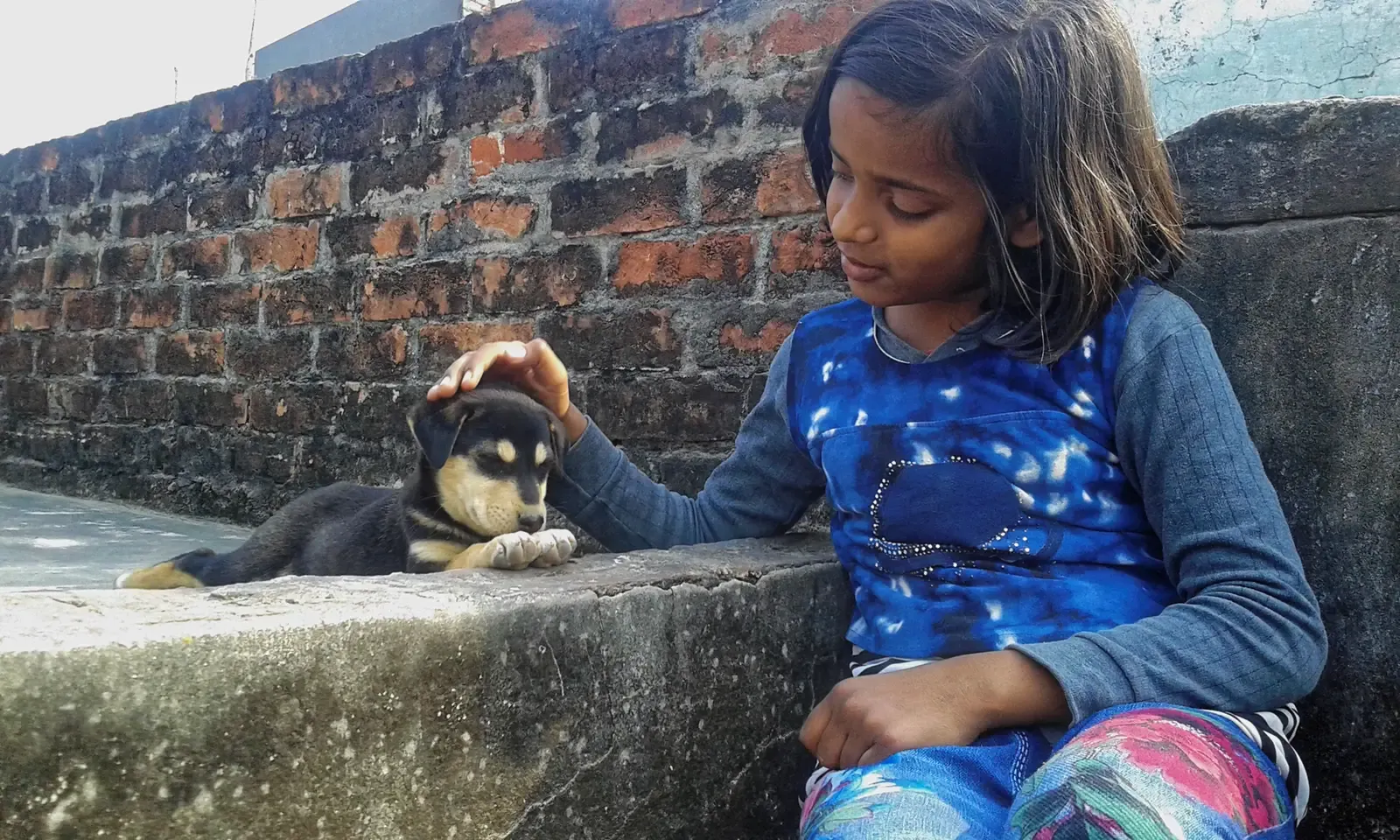
Once a stray dog starts choosing to be near you, the real relationship begins. It’s fragile at first, like a house of cards you’ve spent days building. Every interaction either reinforces trust or sets it back.
With time, as the dog chooses to stay near you, you can offer some light touch if they solicit it. Keep petting time to a few seconds, then stop. Keep all interactions on their terms to build a consent-based relationship. Short, calm, and always on their schedule. Not yours.
Positive reinforcement is crucial when working with stray dogs, so reward desired behaviors with treats, praise, and affection. If the dog responds to their name or follows a command, offer a treat as a reward. This method not only helps in training but also strengthens your bond.
It’s also worth knowing your limits. If a stray dog shows signs of aggression, it’s best not to approach. Instead, call your local animal shelter. There is no shame in that. Compassion includes knowing when a professional can do more good than you can alone. A dog’s behavior reflects its experiences, not its nature, and sometimes those experiences require expert hands to gently undo.
Conclusion: The Simple Truth Behind the Trick
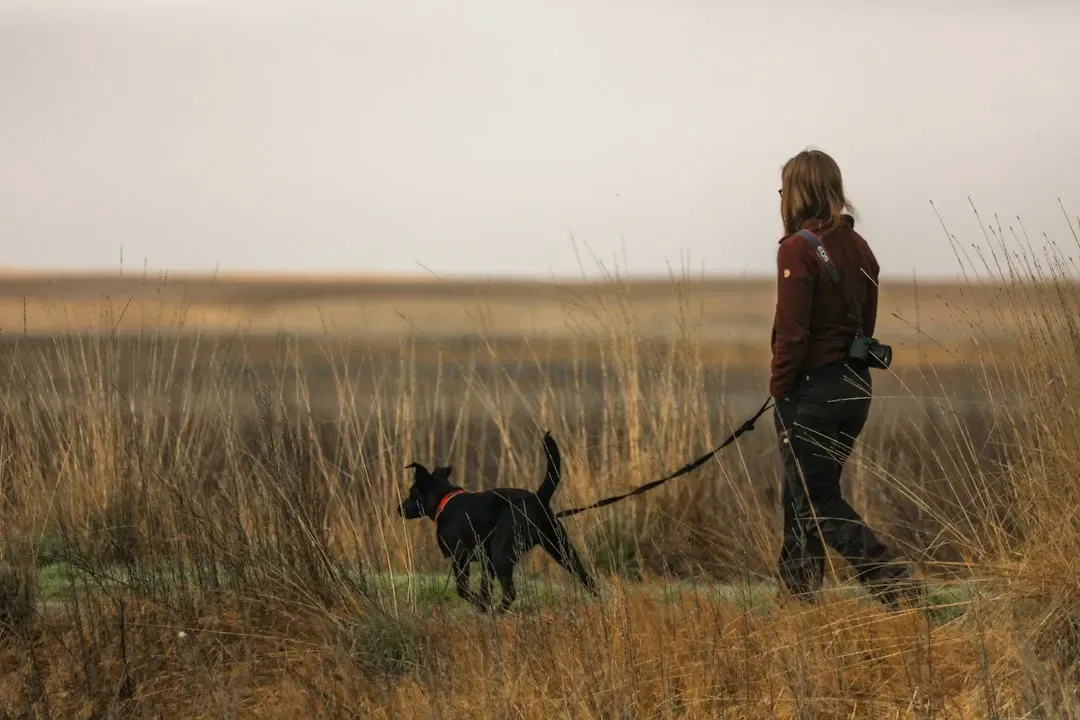
It sounds almost too easy when you put it all together. Slow down. Crouch low. Look away. Let them decide. Yet most of us instinctively do the exact opposite, rushing forward with open arms and good intentions, then wondering why the dog bolted.
The one simple trick at the heart of all of this is radical stillness combined with deliberate calm. It’s the art of saying, without a single word, “I am not a threat. I am here. I will wait.” That message, delivered through your posture, your pace, your patience, and your consistency, is what transforms a frightened stray into a trusting companion.
It’s hard to say for sure how long it will take with any individual dog. Some respond in minutes. Others need weeks. Every one of them is a different story shaped by different pain. What never changes is the approach.
The next time you cross paths with a stray dog, resist every instinct to rush. Get small, get quiet, and give them time. You might just change each other’s lives. What do you think, could you have that kind of patience? Tell us in the comments.

- 6 Exotic Bird Species You Can Spot in U.S. National Parks - July 19, 2026
- 11 Iconic American Birds Facing New Challenges and How You Can Help - July 19, 2026
- 10 Friendliest Animals in the World - July 19, 2026