

We spend so much time marveling at birdsong, whale calls, and the howl of wolves at dusk. Yet the animal kingdom’s most extraordinary conversations happen in total silence. No roar. No bark. No chirp. Just invisible chemical trails, electric pulses, living light shows, and hypnotic body dances that carry more meaning than most of us ever realize.
Honestly, when you start digging into how animals communicate without a single audible note, it makes human language feel almost embarrassingly limited. Nature has been engineering these silent systems for hundreds of millions of years. So let’s dive in – and prepare to see the world around you completely differently.
1. The Chemical Whisper: Pheromones and Scent Trails
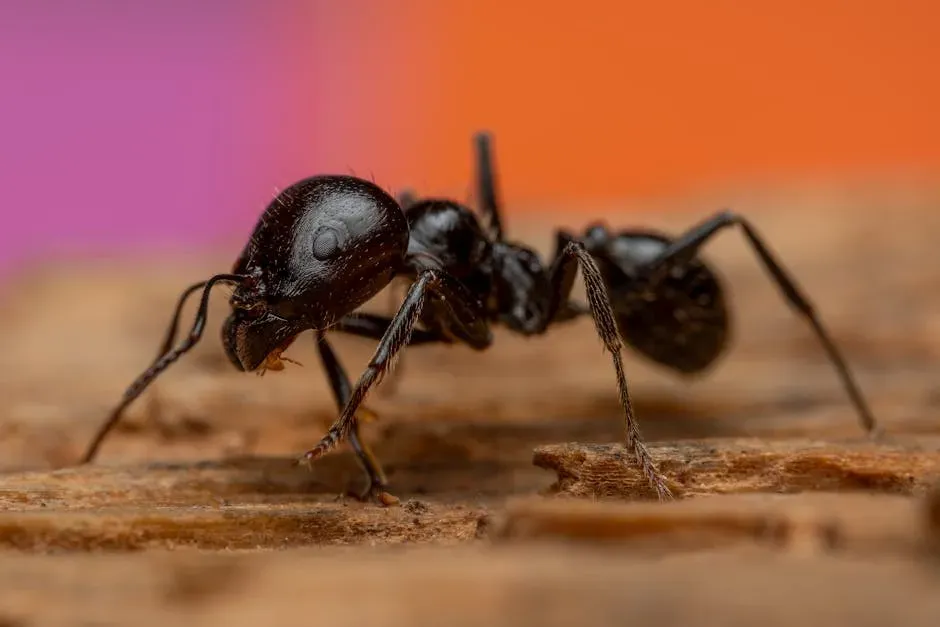
If you want to understand the most ancient form of animal communication, start with chemistry. Of all the modes of communication available, chemical signals, or pheromones, are assumed to have been the earliest signals used by animals. Think of it as the original silent language, invisible to the naked eye but extraordinarily precise.
When an ant finds a food source, it leaves a trail of pheromones behind it as it returns to the nest. Other ants can then follow this trail directly to the food. As more ants follow this trail, more pheromones are released, reinforcing the path and making it easier for others to find the food as well. It’s basically a self-updating GPS system, built entirely from chemistry.
Each type of pheromone sends a specific message: gather here, stay away, defend the queen. Ants can manage entire colonies and coordinate complex tasks like building, foraging, and even warfare – all without a single sound.
Transmission of chemical signals is not affected by darkness or by obstacles. One special advantage is that the sender of a chemical message can leave the message behind when it moves. That is something no vocal signal can ever do.
2. The Waggle Dance: Bees’ Living GPS System

Here’s the thing – if I told you that a tiny insect invented a form of abstract symbolic communication millions of years before humans, you might laugh. Yet that is exactly what the honeybee did. Honeybees perform the famous “waggle dance” to tell other bees where to find nectar or pollen. The direction of the dance indicates the angle of the food source relative to the sun, and the duration tells how far it is.
In these elaborate dances, foraging bees will perform a sequence of movements where they waggle their bodies and move in a specific pattern. Using these dances, they tell fellow hive members about the location of food sources. In most cases, these waggle dances follow a figure-eight pattern with a straight line down the middle.
This complex form of body movement acts like GPS instructions inside a dark beehive. Bees watch and interpret this silent dance to find food over kilometers of distance – all without vocalization. What’s even more mind-bending is that the information decoded from this dance is spatially accurate enough to navigate large distances across open terrain.
3. Bioluminescence: Nature’s Living Light Language

Imagine sending a love letter written entirely in flashes of glowing light. That’s essentially what fireflies do every summer evening. Fireflies use light to attract mates. In one system, females emit light from their abdomens to attract males; in the other, flying males emit signals to which the sometimes sedentary females respond.
To avoid confusion between members of different types of fireflies, the signals of each species are coded in a unique temporal sequence of flashing, the timing of which is controlled by the abundant nerves in the insect’s light-making organ. It’s essentially a species-specific Morse code written in cold fire.
Deeper in the ocean, the stakes get even higher. In the deep sea, bioluminescence is extremely common, and because the deep sea is so vast, bioluminescence may be the most common form of communication on the planet. That is a staggering thought. The most common conversation on Earth might be happening in total darkness, miles beneath the waves.
Lanternfishes and hatchetfishes possess distinct arrangements of light organs on their bodies that can serve as species- and sex-recognition patterns, and deep-sea dragonfish emit red light that is undetectable except by other dragonfish. A private channel, essentially, hidden in plain sight.
4. Ground Vibrations: How Elephants Feel the Conversation
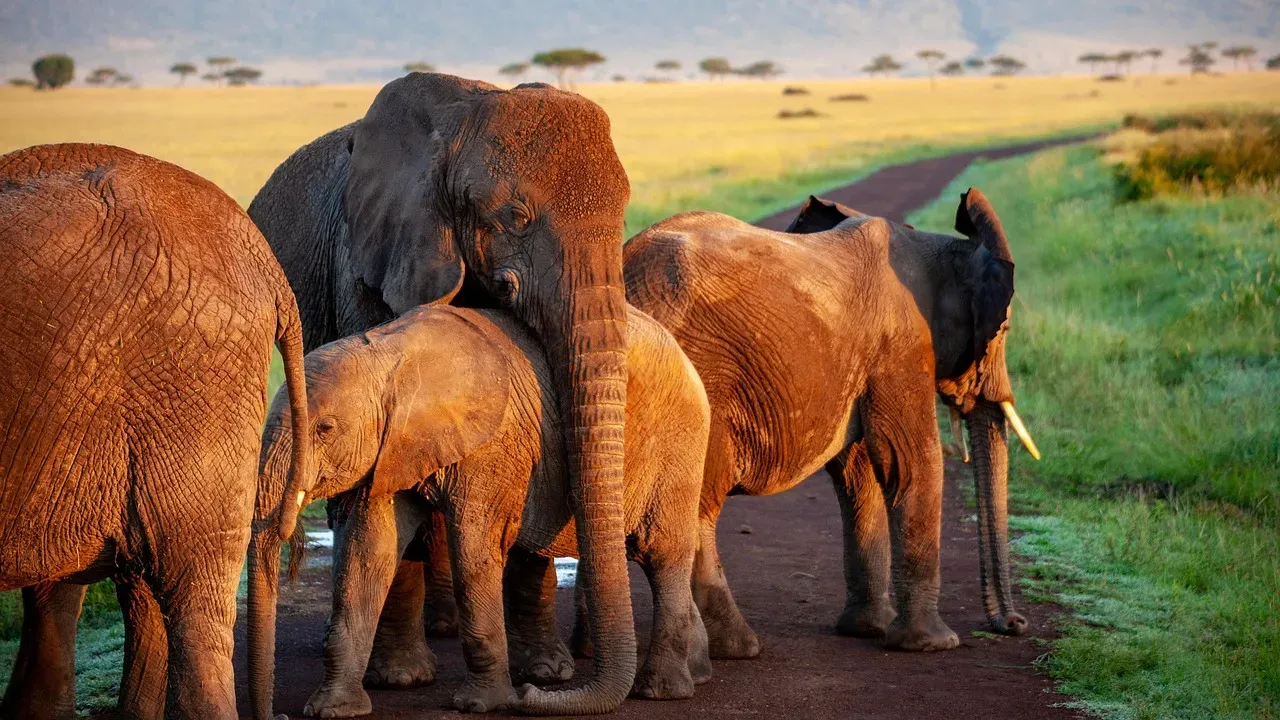
Elephants have always seemed wise – and it turns out there is hard science behind that instinct. Elephants can “listen” through their feet. They are capable of detecting seismic vibrations – low-frequency sounds that travel through the ground. When an elephant stomps or trumpets, the sound can travel long distances through the earth. Other elephants, even kilometers away, pick up these signals through sensitive cells in their feet and trunks.
Vibrations and rumbles are not just used by elephants to talk about food sources and watering holes. They are also used in maintaining delicate social bonds between members of the same herd. When an elephant is separated from the rest of the group, it can send a message through the ground to allow the others to relocate and reunite with it.
Known as “infrasound” (sounds below 20 hertz, too low for humans to detect), researchers estimate that one African elephant making an infrasound can be heard by another more than 175 miles away. That’s the distance from London to Amsterdam, communicated silently through vibrating earth. Let that sink in.
5. Color Shifting: The Skin-Screen of Cuttlefish and Octopuses
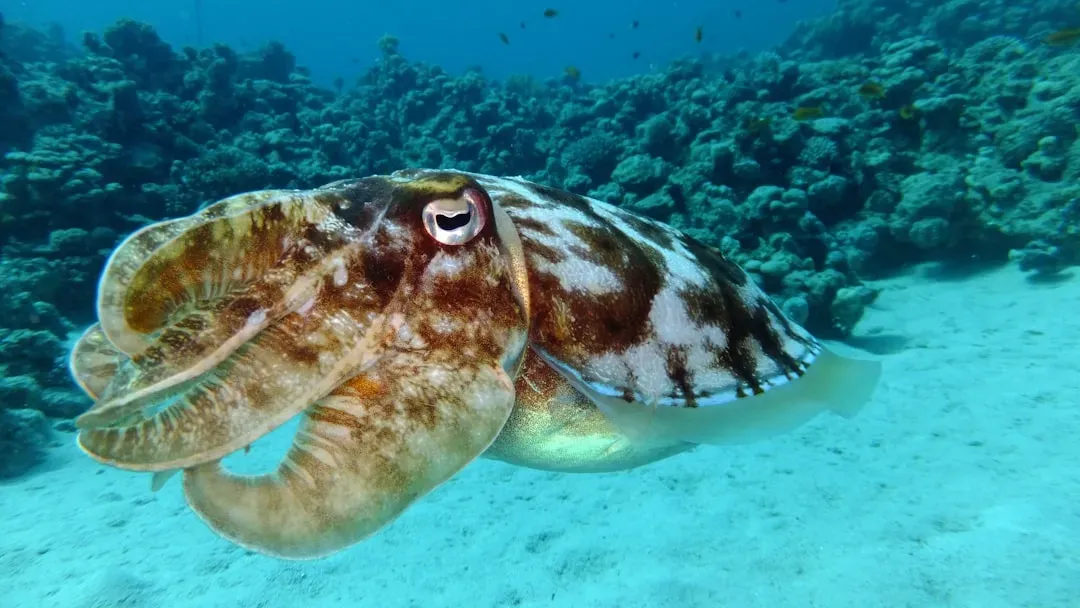
Think of your face when you’re angry, nervous, or flirting. Now imagine your entire body doing that, in full color, in under a millisecond. That’s the daily reality for cuttlefish and octopuses. Octopuses and cuttlefish flaunt skin like living canvases, pulsing colors and patterns to communicate moods or threats. One side might camouflage while the other waves aggression, multitasking in a blink. Males dazzle mates with rippling waves and rivals with bold stripes, all via tiny chromatophores.
A cuttlefish can display multiple messages at once – like showing dominance on one side and submission on the other – depending on who they’re facing. I think that might be the most sophisticated thing I’ve ever read about a sea creature.
This sophisticated form of visual communication highlights the incredible adaptations marine animals have developed to overcome the challenges of underwater communication, where sound and chemical signals might not always be sufficient. Color, in this world, is not decoration. It is a full conversation.
6. Body Language and Posture: The Silent Code of Wolves
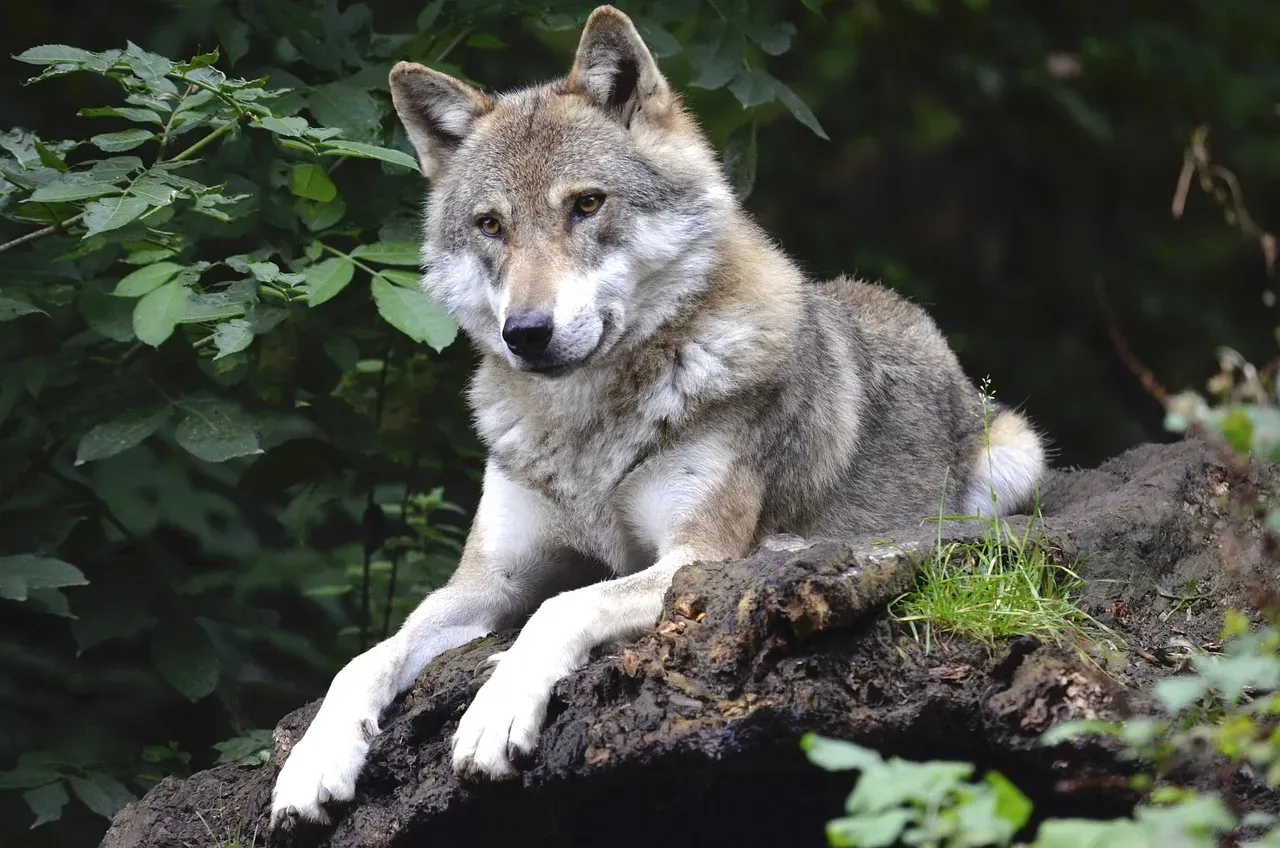
Wolves are famous for their haunting howls. Yet some of their most powerful communication happens without a single sound. Through a complex integration of body postures, facial expressions, scent marking, and spatial relationships, wolves conduct rich social dialogues – communicating emotional states, coordinating group activities, resolving conflicts, and maintaining social bonds all through silent means.
Most notably, wolves use what ethologists call the “submission grin” – a distinctive facial expression where a subordinate wolf pulls back its lips to expose teeth in a non-threatening display that communicates deference to a dominant individual. Wolves can also express mood through eye contact patterns; direct staring signals dominance or potential threat, while averted gazes communicate submission.
During the final stages of a hunt, wolves use subtle head gestures, freezing behaviors, and synchronized body tension to communicate readiness for the final attack. Studies of successful wolf packs show they can simultaneously launch coordinated attacks from multiple directions with precise timing – all orchestrated through silent visual communication. Prey never hears it coming. Literally.
7. Electric Fields: The Invisible Language of Electric Fish
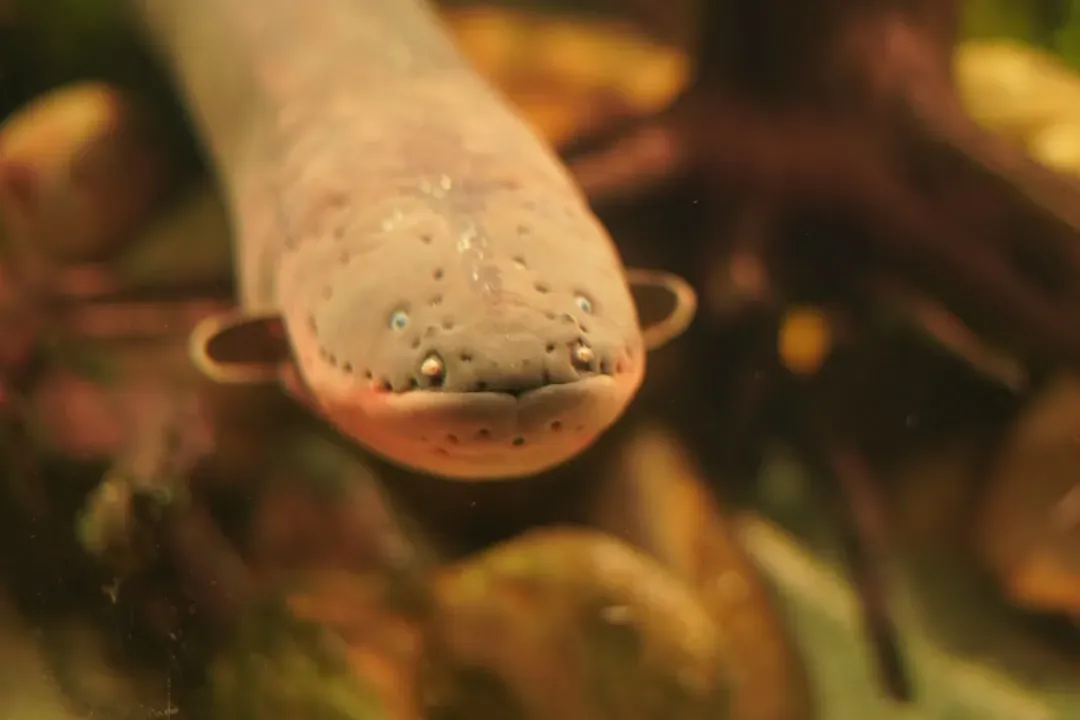
This one genuinely sounds like science fiction, but it’s very real. Some fish have evolved the extraordinary ability to communicate using self-generated electric fields. Active electrolocation works by the organism emitting an electrical pulse through its electric organ and sensing the projected geometrical property of objects. This is found in the electric fish Gymnotiformes (knifefishes) and Mormyridae (elephantfish).
It’s a bit like having a personal Wi-Fi signal permanently broadcasting from your body, detectable by others tuned to the same frequency. Animals have evolved sophisticated non-acoustic ways to share information, establish territories, find mates, and coordinate group activities. Electric fish use their pulses to do all of this simultaneously, in murky waters where neither sight nor scent would reliably work.
These silent messages are often more efficient, less energy-consuming, and safer – avoiding predator detection – than vocal communication. Evolution, as always, found the smartest path through the problem.
8. Seismic Signaling: How Insects and Spiders Talk Through Surfaces
It would be easy to assume that insects live simple, stimulus-and-response lives. But the reality is far more intricate and, honestly, far more surprising. Many animals communicate by creating vibrations that travel through substrates like soil, plants, or even spider webs. A spider’s web, for example, is not just a trap. It’s a communication network.
Alarm signals are not always vocalizations. Crushed ants will release an alarm pheromone to attract more ants and send them into an attack state. Meanwhile, other insects drum specific patterns into plant stems to signal mating readiness to partners on the same branch. It’s rhythmic, it’s coded, and it happens entirely out of human hearing range.
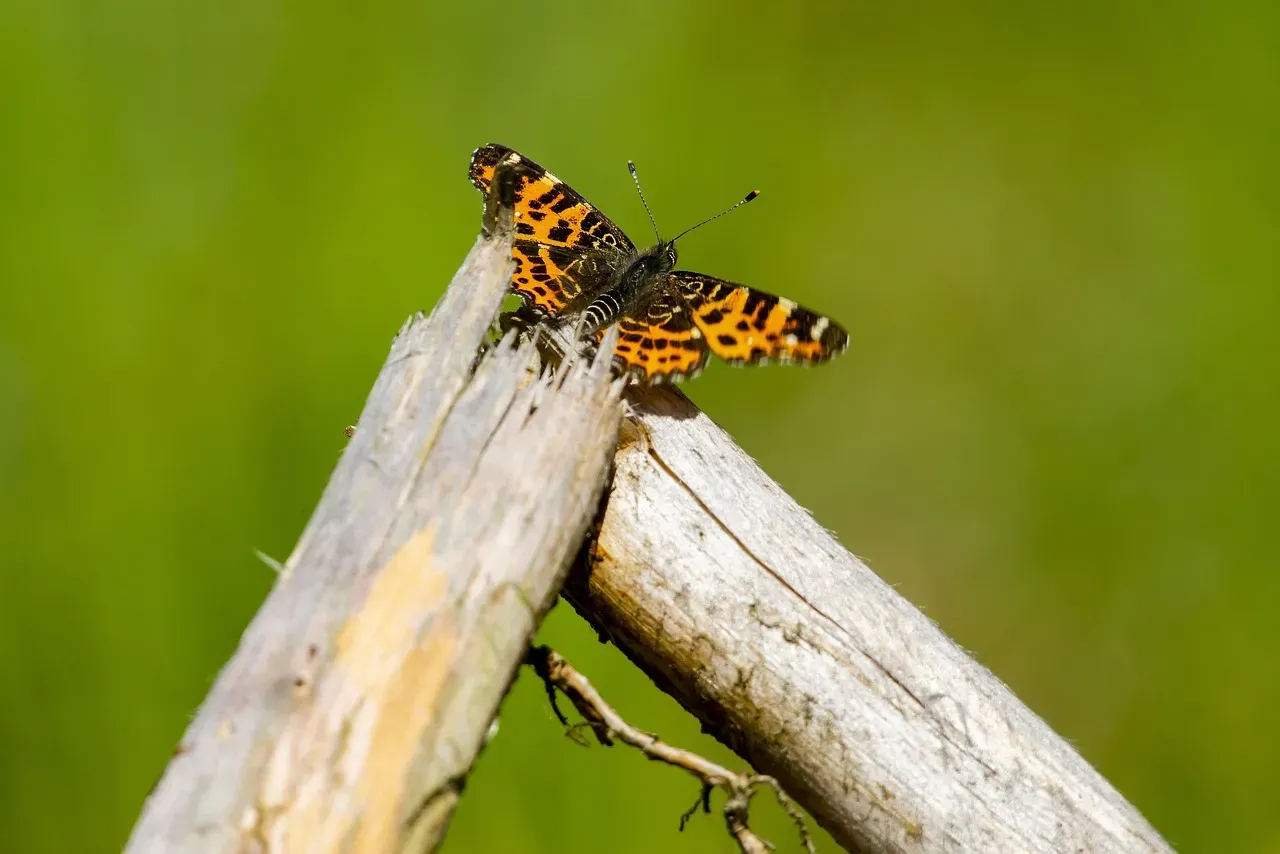
Although some species can produce clicking or buzzing sounds, most butterflies rely on visual and chemical methods to exchange information. Their bright colors and specially adapted wing scales play a key role in attracting attention and deterring predators. Even a butterfly’s markings are a message. Every pattern carries meaning to the right receiver.
The Animal World Has Always Been Talking – We Just Couldn’t Hear It
What strikes me most about all of this is the sheer creativity of nature. Millions of years before language, before the written word, before even the first human vocal cord drew breath, life on Earth had already solved the problem of complex communication. Through light, electricity, chemistry, vibration, color, and movement, animals carved out an extraordinary tapestry of silent dialogue.
From chemical signals that persist for days to split-second electrical discharges, animals have evolved communication strategies perfectly adapted to their environments, physiological capabilities, and social needs. These silent communication channels often operate in concert, with animals frequently using multiple methods simultaneously to ensure their messages are received clearly.
The natural world isn’t quiet at all. It’s just speaking in frequencies and forms we’re still learning to decode. Next time you watch an ant trail, catch a firefly’s glow, or lock eyes with a dog, remember: a conversation is taking place. You just weren’t meant to hear it.
Which of these silent communicators surprised you the most? Drop your thoughts in the comments below – we’d love to know.
