

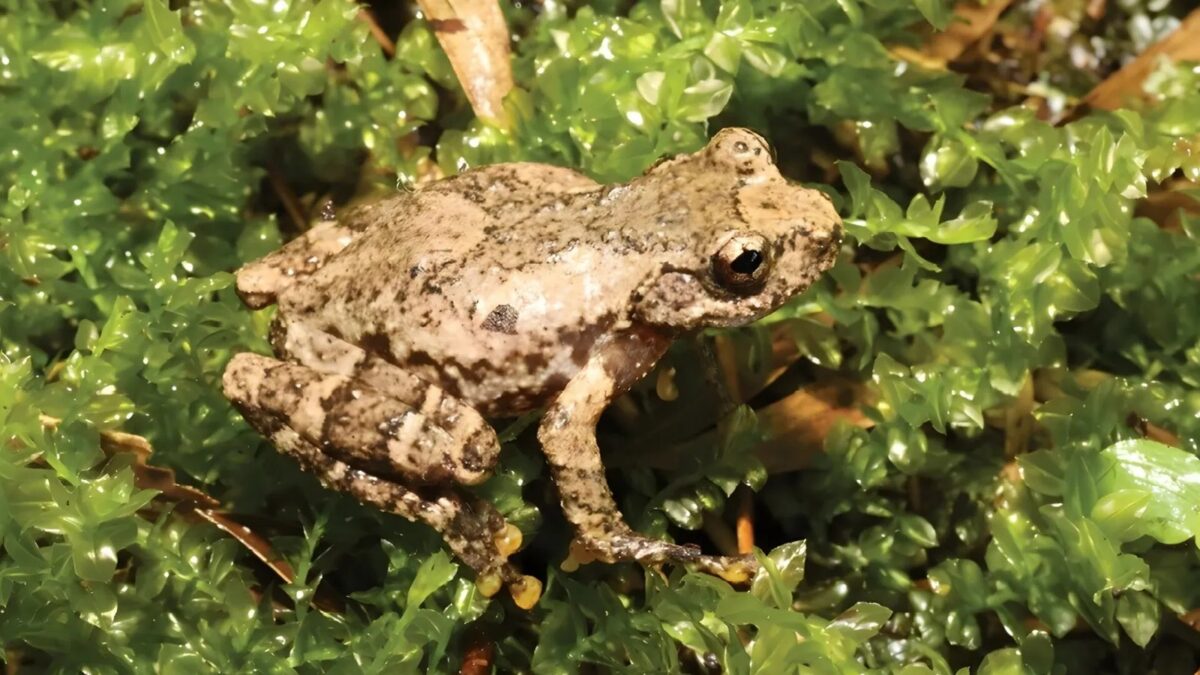
There are still corners of this planet that genuinely surprise us. Deep in the lush, mist-covered forests of Southeast Asia, researchers have uncovered something that many in the scientific community are calling a remarkable find – a brand new species of treefrog, never before described by science.
What makes this discovery so captivating isn’t just the frog itself, though it’s undeniably beautiful. It’s the story behind how it was found, what it tells us about biodiversity, and why places like these forests matter more than ever. Let’s dive in.
A New Species Emerges From the Forest Canopy
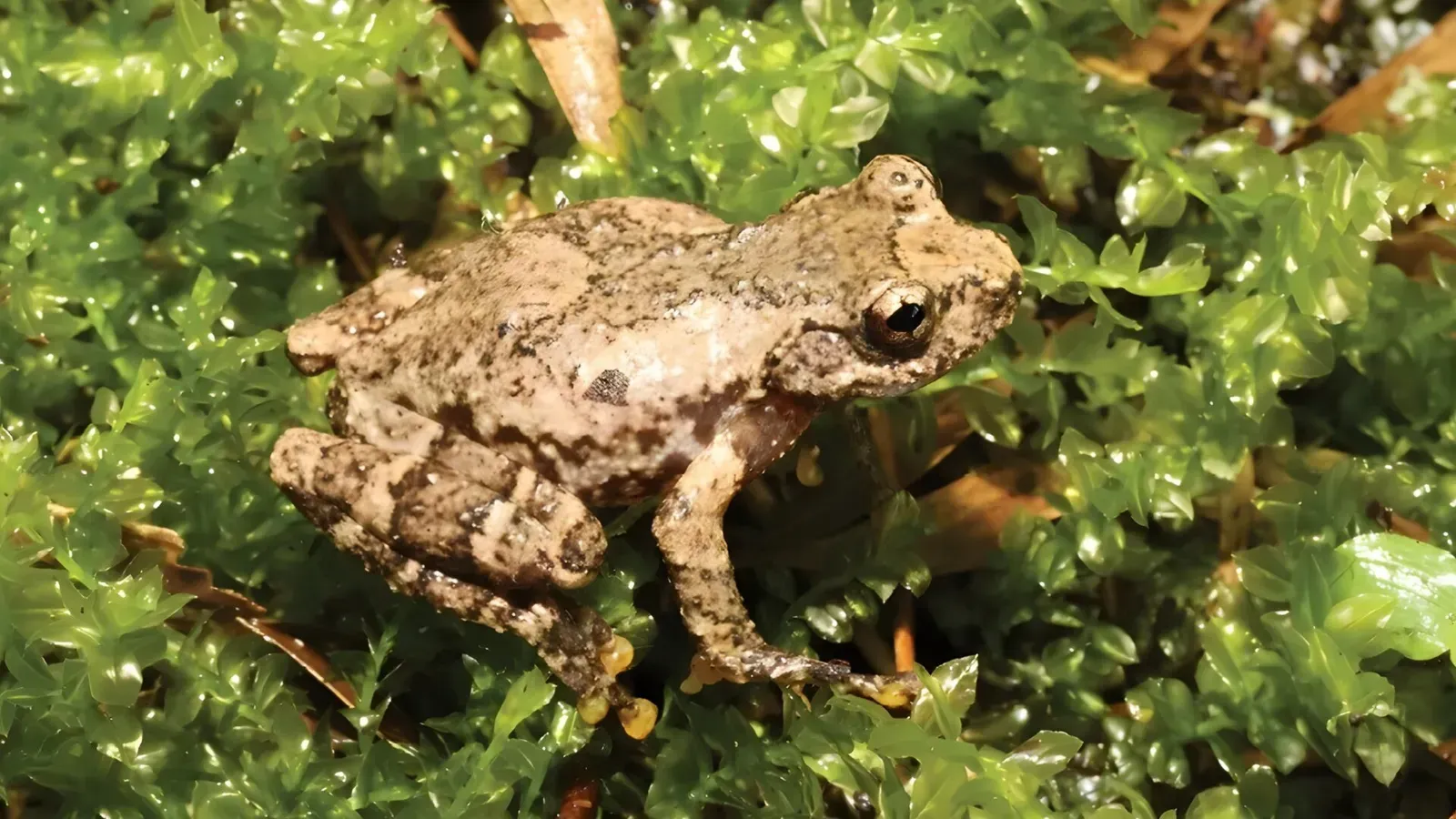
Here’s the thing – finding a completely new vertebrate species in the modern age still feels like something out of an explorer’s journal from the 1800s. Yet that’s exactly what happened when scientists identified Gracixalus weii, a newly described treefrog species found in the forested highlands of Southeast Asia. The species was formally described in a scientific publication in early 2026, adding a genuinely exciting chapter to regional herpetology.
The frog belongs to the genus Gracixalus, a group of small, slender treefrogs known for their delicate build and arboreal lifestyle. These are not your garden-variety pond frogs. They live high up in trees, often in montane forest environments where the air is cool and damp.
Who Discovered Gracixalus weii and How
The discovery came through a convergence of fieldwork and taxonomic analysis – essentially the pairing of boots-on-the-ground exploration with careful laboratory examination of specimens. Scientists collected individuals during surveys in the region and then subjected them to both morphological and genetic analysis to confirm the species was distinct from anything already known.
Honestly, this kind of work is painstaking. Researchers spend enormous amounts of time in remote habitats, cataloguing specimens, comparing minute physical differences like toe pad shape or skin texture, and running genetic sequencing to back it all up. The name weii pays tribute to a specific individual, as is common in taxonomic naming traditions when researchers honor colleagues or contributors to the field.
What Does This Treefrog Actually Look Like
Gracixalus weii is a small, visually striking frog with the kind of delicate elegance that makes you wonder how anyone spotted it in a dense canopy in the first place. It displays coloration patterns consistent with other members of its genus, featuring tones that help it blend into moss-covered branches and leaf litter in the forest understorey and canopy zones.
Like many treefrogs, its toe pads are expanded and adhesive, perfectly adapted for gripping smooth leaves and wet bark. Small but not insignificant – that’s probably the best way to describe it. In a world where we tend to celebrate megafauna like tigers and elephants, a tiny frog like this quietly does its ecological job without fanfare.
The Region Where It Was Found
The discovery location sits within the biodiversity-rich forests of Southeast Asia, a region that has long been recognized as one of the planet’s most significant hotspots for amphibian diversity. Montane forests in this part of the world are often shrouded in cloud and receive high rainfall year-round, creating ideal conditions for moisture-dependent animals like frogs.
It’s hard to say for sure just how many undescribed species still lurk in these canopies, but scientists suspect the number is substantial. Every new expedition into less-explored highland forests seems to turn up something unexpected. That, in itself, should tell us something important about how much we still don’t know.
Why Genetic and Morphological Analysis Both Mattered
What makes the formal description of Gracixalus weii particularly rigorous is the dual approach researchers used. Relying solely on physical appearance to define a new species can be misleading – nature is full of look-alike species that are genetically distinct, a phenomenon scientists call cryptic speciation. By cross-referencing DNA data with physical measurements, the team built a strong scientific case that this was genuinely something new.
This approach is now considered standard practice in modern taxonomy, and for good reason. Think of it like a fingerprint analysis combined with a DNA test at a crime scene – one form of evidence is good, two is far more convincing. The convergence of these two lines of evidence is actually reflected in the broader study’s conceptual framing, reinforcing how methodology shapes discovery.
What This Means for Amphibian Conservation
Let’s be real – amphibians are in serious trouble globally. Roughly about one third of all amphibian species are currently considered threatened, making them the most endangered class of vertebrates on Earth. Discovering new species is wonderful, but it also raises an uncomfortable question: if we’re still finding new frogs, how many have already gone extinct before we ever got to know them?
The description of Gracixalus weii adds urgency to conservation efforts in Southeast Asian montane forests, which face mounting pressure from deforestation, agricultural expansion, and climate-driven habitat shifts. A species can’t be protected if it hasn’t been named. In that sense, taxonomy isn’t just academic – it’s one of the first lines of conservation defense.
The Bigger Picture of Forest Biodiversity Research
Stories like this one are a reminder that the natural world is still writing new pages. Southeast Asian forests, particularly highland zones that are harder to access, remain among the least biologically surveyed environments on the planet. Scientists working in these regions are essentially racing against habitat loss to document life before it disappears.
The discovery of Gracixalus weii is a small but meaningful victory in that race. It proves that dedicated fieldwork, when combined with modern molecular tools, can still yield genuine surprises. I think that’s worth celebrating – not just for science, but for what it says about the resilience and richness of the natural world, and about the curious humans who keep looking.
Conclusion
The formal description of Gracixalus weii is more than a taxonomic footnote. It’s a signal that forests we think we know still hold secrets worth protecting. In an era where biodiversity news is often dominated by losses and extinctions, a new species announcement feels like a small, defiant act of hope.
Discoveries like this one depend entirely on continued investment in field research, forest protection, and the somewhat unglamorous but deeply vital science of taxonomy. What do you think – should we be doing more to fund the search for species we haven’t even met yet? Drop your thoughts in the comments.

- Urban Coyotes Show Remarkable Adaptability, Learning to Thrive in City Environments - July 22, 2026
- Beavers Are Nature’s Engineers, Creating Vital Habitats for Other Wildlife Species - July 21, 2026
- The Recovery of the California Condor Offers Hope for Other Critically Endangered Birds - July 21, 2026