

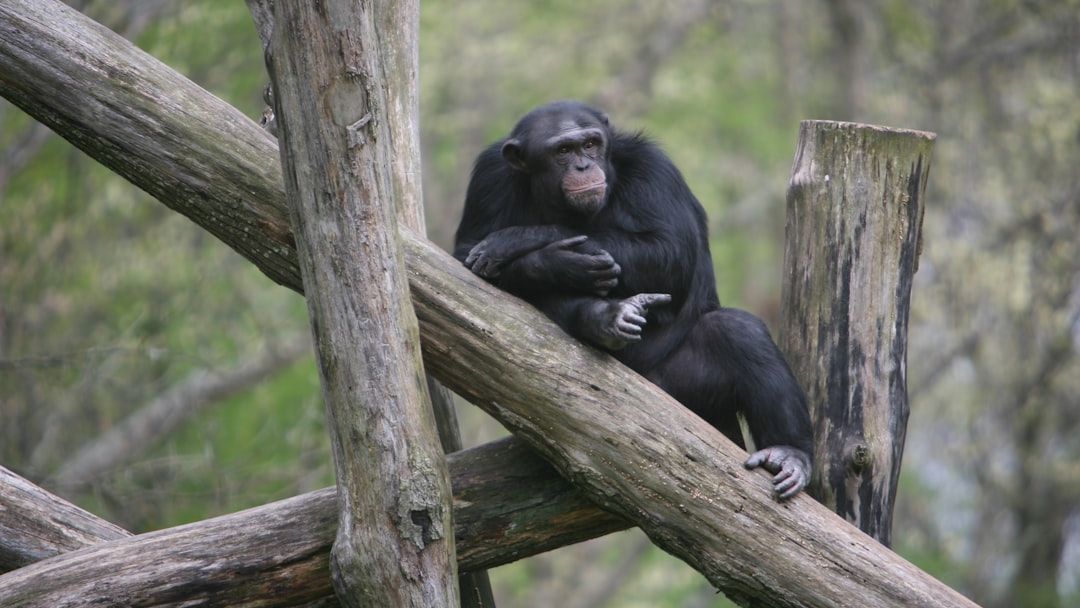
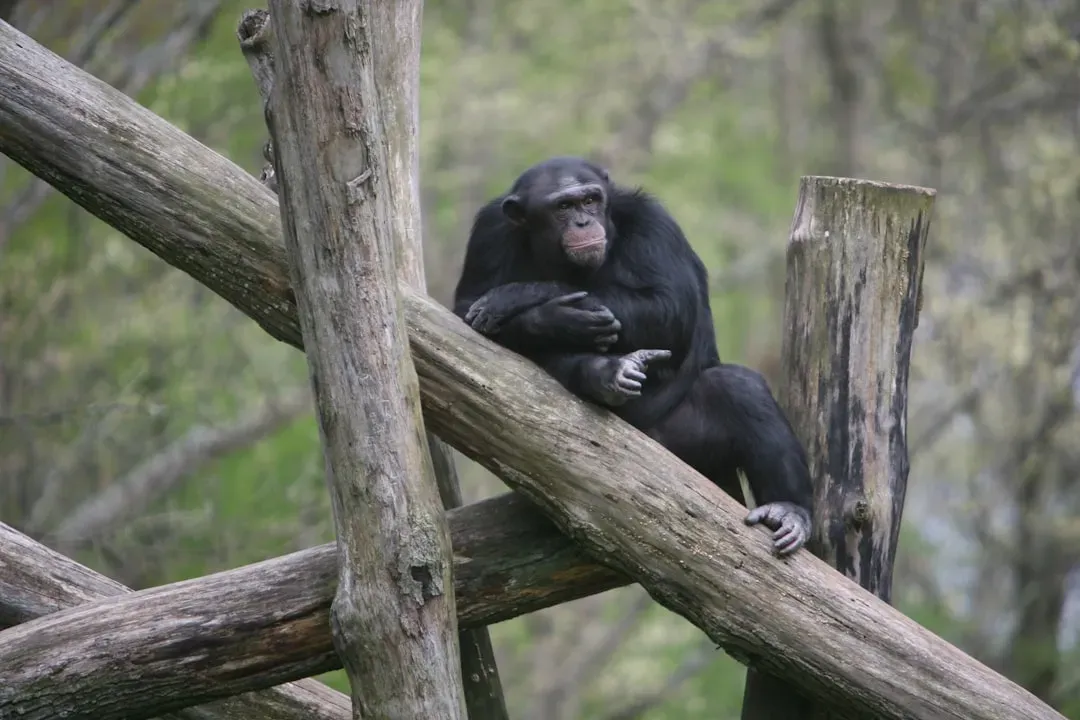
In the bustling heart of Bangkok, a chimpanzee named Canoe endured unimaginable isolation for over three decades. Trapped in a minuscule concrete cage at a local school, his world shrank to bars and shadows, a stark reminder of Thailand’s underground pet trade. Rescuers from the Wildlife Friends Foundation Thailand finally liberated him, relocating the primate to a dedicated island sanctuary. This triumph captures global attention, highlighting both the cruelty of illegal wildlife trafficking and the boundless spirit of rescued animals. What follows is Canoe’s extraordinary path from despair to delight.
Decades of Solitude in a Schoolyard Prison
Canoe arrived in Thailand as an illegally imported young chimp from central Africa, courtesy of a wildlife trafficker in the 1980s. For the next 34 years, he languished in a tiny cage right in the playground of a Bangkok private school, deprived of sunlight, space, and companionship. His muscles wasted away from lack of movement, while psychological scars mounted from constant confinement. School staff treated him as a novelty, feeding him scraps that barely sustained life. Veterinary checks upon rescue revealed chronic malnutrition and atrophied limbs, underscoring the toll of such neglect. This plight mirrors countless primates exploited in urban settings across Southeast Asia.
The High-Stakes Rescue by Wildlife Advocates
After years of advocacy, the Wildlife Friends Foundation Thailand coordinated Canoe’s extraction, navigating legal hurdles with school authorities. Edwin, a key figure at the sanctuary, spearheaded efforts, ensuring safe transport amid the chimp’s frail state. Sedation and medical monitoring prevented stress during the journey to their Phetchaburi facility. Initial assessments addressed dehydration and infections built up over decades. The operation demanded discretion to shield against trafficker backlash. Ultimately, this seamless handover marked the end of Canoe’s captivity.
Stepping into Island Freedom
Canoe’s new domain is a spacious island within the WFFT sanctuary, complete with climbing structures, streams, and lush vegetation mimicking African wilds. Isolation from humans allows natural behaviors to emerge without interference. Staff provided enrichment like puzzle feeders from day one, sparking his curiosity. Rapid gains in appetite and mobility surprised caregivers, as he bounded across ropes and explored beaches. Other chimps nearby offer potential for future socialization. This setup prioritizes autonomy, letting Canoe dictate his daily rhythm.
Blissful Rediscovery of Simple Pleasures
One defining moment came when Canoe stretched out on his back under the sun, legs kicking in the classic happy baby pose reserved for chimp contentment. After endless restraint, this uninhibited relaxation signaled profound relief. He soon took to swinging from vines and splashing in water, shedding years of tension. Volunteers witnessed grooming sessions and playful antics, hallmarks of emotional thawing. Such instincts, dormant for decades, resurfaced effortlessly. These joys validate the sanctuary’s patient approach to trauma recovery.
Ongoing Rehabilitation and Social Bonds
Physical therapy rebuilds Canoe’s strength through targeted exercises and a fruit-heavy diet packed with proteins. Enrichment rotates daily to combat boredom, from scent trails to novel toys. Gradual introductions to fellow rescues foster grooming and troop dynamics lost to isolation. Progress trackers note confident strides and brighter eyes within months. Long-term goals include full integration, minimizing human reliance. Vets monitor for setbacks, adjusting care as needed.
Ripple Effects on Primate Welfare in Thailand
Canoe’s saga spotlights thousands of primates in illegal captivity nationwide, fueling demands for ownership bans. WFFT’s success inspires similar operations, freeing hundreds across Asia lately. Public outcry via social media amplifies petitions for tougher trafficking penalties. Sanctuaries like this one strain under rising intakes yet prove vital alternatives to zoos. Awareness surges, drawing donations and volunteers. Challenges linger, from funding to enforcement gaps.
Final Thought
Canoe’s sun-soaked pose embodies unbreakable animal resilience, turning one rescue into a movement. Even after 34 lost years, joy rebounds swiftly in the right haven. How long should it take society to end such suffering? Share your thoughts in the comments.
Source: Original YouTube Video

- Urban Coyotes Show Remarkable Adaptability, Learning to Thrive in City Environments - July 22, 2026
- Beavers Are Nature’s Engineers, Creating Vital Habitats for Other Wildlife Species - July 21, 2026
- The Recovery of the California Condor Offers Hope for Other Critically Endangered Birds - July 21, 2026