
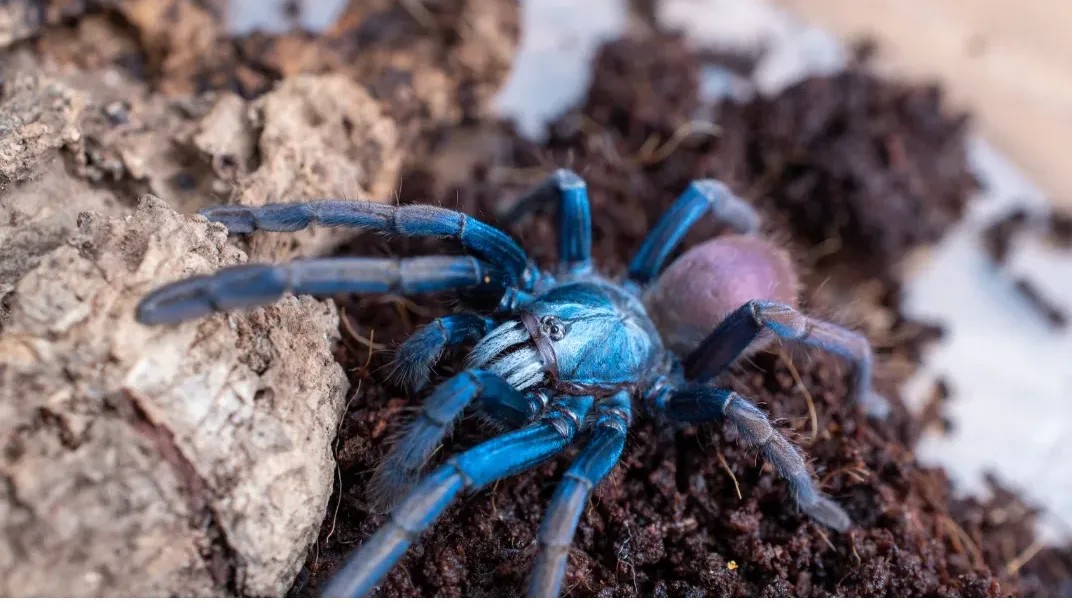
Picture this: a spider that shimmers like a living prism, flashing electric blues, deep violets, and neon greens right before your eyes. Hidden deep in India’s lush rainforests, the psychedelic earth tiger has captivated scientists and collectors alike with its otherworldly glow. Yet, this beauty hides a fierce survivor on the brink.
Honestly, it feels like nature cooked up a rave-ready arachnid just to blow our minds. What makes this tarantula so special? Let’s uncover seven jaw-dropping facts that reveal its secrets.[1][2]
A Blinding Discovery in 2014
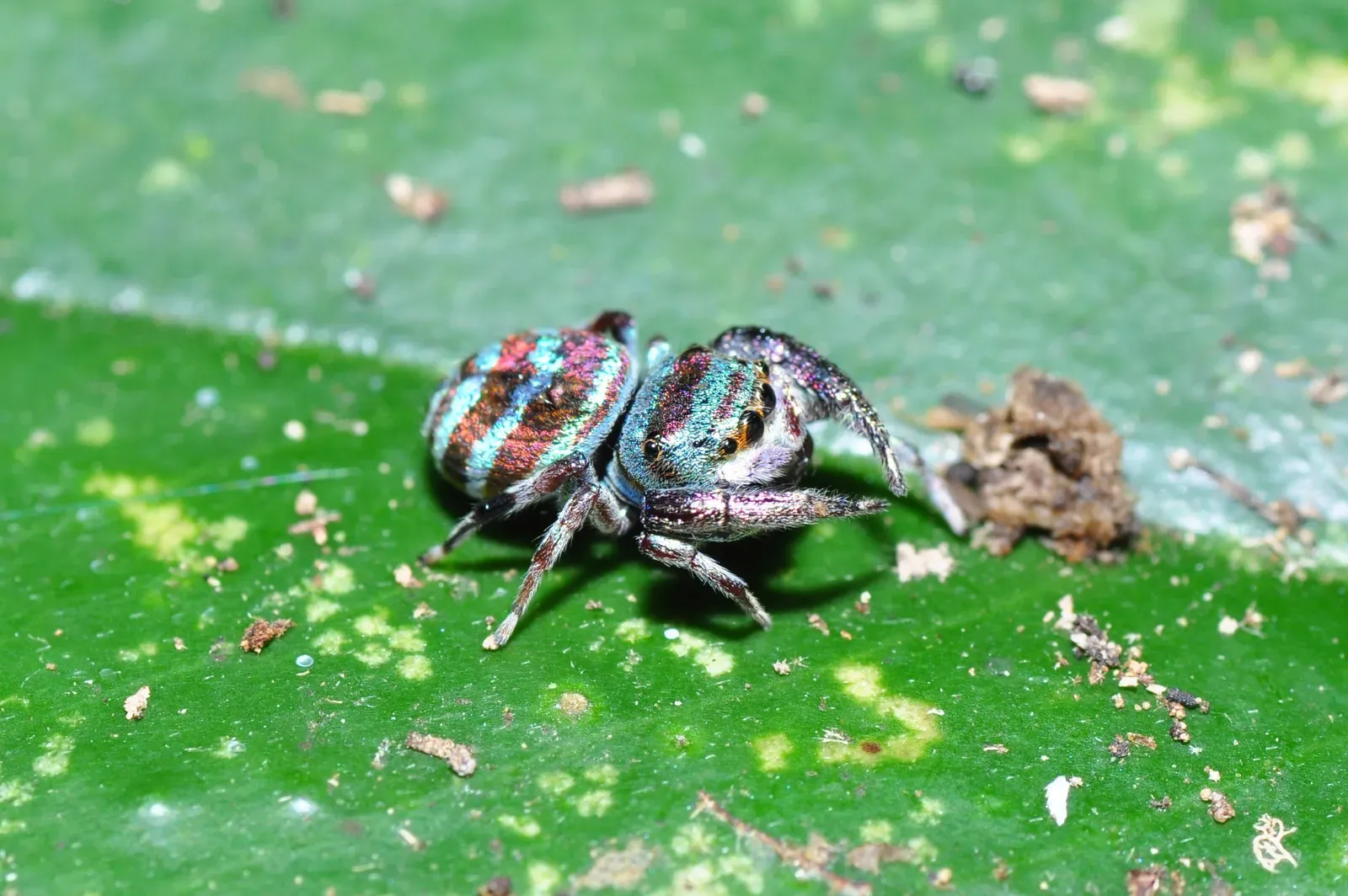
This stunning tarantula, scientifically known as Cilantica devamatha, burst onto the scene in 2014 from the southern Western Ghats in Kerala, India. Researchers were stunned by its holographic sheen, earning it nicknames like LSD earth tiger for that trippy vibe. Just eight months later, it hit the illegal pet trade, showing how fast fame can spell trouble.[1]
Its taxonomic journey adds drama too, shifting from Haploclastus devamatha to its current name amid debates. I mean, talk about a species that keeps scientists guessing. No wonder it’s already on watch lists.[2]
Colors That Shift Like Magic
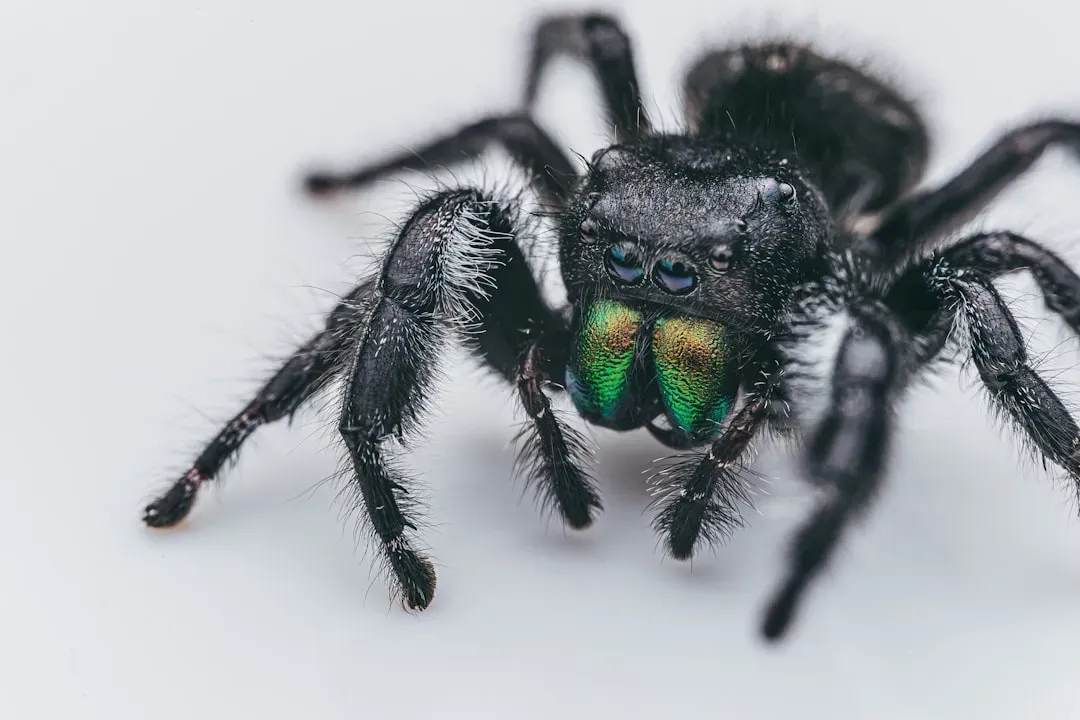
The psychedelic earth tiger’s iridescence comes from structural coloration in its hairs, not pigments, creating a rainbow shift from violet to blue to green depending on light angles. It’s like wearing a tiny disco ball, designed by evolution for camouflage or signaling. Spiderlings start glassy, maturing into full polychromatic glory.[1][2]
Here’s the thing: this isn’t just pretty; it might help blend into leaf litter or dazzle mates. Nature’s light show at its finest. Who needs paint when physics does the work?
Master of the Deep Burrow
As a fossorial expert, it digs deep silk-lined burrows in compact soil, turning them into climate-controlled fortresses against heat, rain, and predators. These tunnels can stretch far, reinforced with thick webbing for stability. It rarely ventures far, emerging only at night.[2]
Think of it as an underground bunker, perfectly tuned for survival in tropical swings. Extensive webbing makes the entrance a trapdoor masterpiece. Fossorial life suits its patient style perfectly.
Burrow destruction from poaching hits hard, ripping apart these microhabitats. Still, it thrives where soil stays just right.
Lightning Speed from the Depths
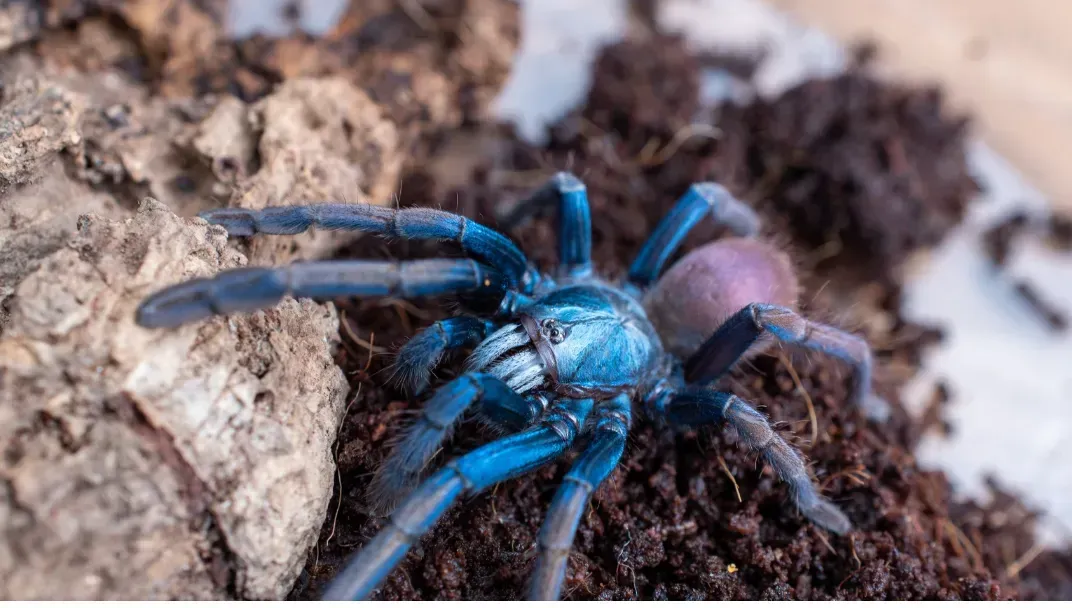
Don’t let the burrow fool you; this earth tiger explodes upward at startling speeds when threatened, covering burrow depths in a blink. Up to 6 inches across, it’s built for bursts like a tiger pouncing. No urticating hairs means it relies on raw agility and fangs.[1][2]
Highly defensive, it charges rather than flees, a bold move for such a burrow dweller. Experienced keepers respect that zip. It’s why beginners steer clear.
Ambush Hunter Par Excellence
Patience defines its hunting: motionless at the burrow mouth for hours, it ambushes passing insects with precision strikes. Energy-efficient, feeding every week or two on crickets or roaches. Aggressive eaters once prey’s in reach.[2]
This sit-and-wait tactic mirrors big cats, hence the tiger tag. Juveniles get small flies, adults tackle larger fare. Post-molt feasts wait days to avoid soft risks.
Ecologically, it keeps forest pests in check. A quiet guardian underground.
Venom with a Serious Bite
Old World potent, its venom packs pain, muscle cramps, and swelling that lingers days, though not deadly for adults. No hairs to flick; fangs do the talking. Defensive bites come quick if cornered.[1][2]
Medically significant, it demands respect in captivity. Pairing for breeding? Tricky with that attitude. Yet, females produce 80-200 eggs after months-long gestation.
Facing Extinction from Pet Craze
Added to Fauna & Flora’s 2026 “10 Species to Watch,” habitat loss and poaching threaten this Kerala endemic with no backup populations. Collectors crave its display wow-factor, smuggling boneless bodies easily despite high die-off. Wild sourcing booms despite captive breeding pushes.[3][1]
Teams led by experts document burrows, educate locals, and fight for protections. Its tiny range amplifies risks. Support breeding to save it.
One strong takeaway: beauty like this demands we act before it’s gone. What surprises you most about this rainbow tiger? Share in the comments.

- American Crocodiles Are Expanding Their Range in Florida’s Warm Waters - July 18, 2026
- 9 Common Myths About Wild Animals That Are Simply Not True - July 18, 2026
- 15 Signs Your Pet Is Secretly a Genius (And How to Spot Them) - July 18, 2026