
Picture a Labrador Retriever launching itself off a dock with pure, unrestrained joy, barely breaking its stride as it hits the water. Now picture a Bulldog doing the same thing. The difference is almost comical. One was practically born for this moment; the other would need a life jacket just to survive it.
The truth is, not every dog is built equal when it comes to water. While it’s tempting to assume all dogs can swim since they perform that familiar paddling motion the moment their paws leave the ground, the reality is far more nuanced and fascinating. The science behind why some breeds are aquatic superstars while others sink like furry little anchors comes down to millions of years of biology, centuries of human breeding, and some surprisingly clever anatomy. Let’s dive in.
The “Doggy Paddle” Myth: Not All Dogs Are Natural Swimmers
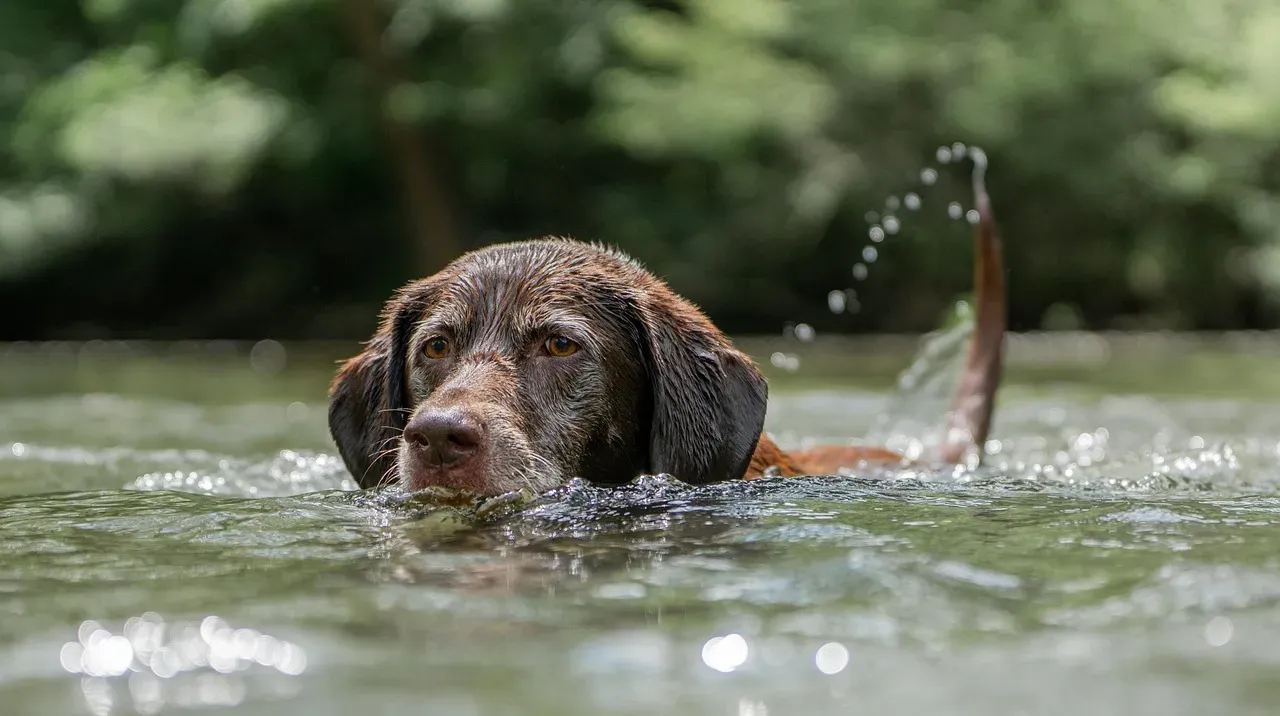
Here’s a surprising truth most people don’t know: the idea that all dogs are natural swimmers is actually a myth. It’s a widespread misconception likely born from the fact that most dogs have a natural “doggy paddle.” Some dogs don’t adapt to the water at all, and it causes them significant physical and mental stress.
Many dogs do have an instinct to paddle when placed in water, involving a coordinated movement of the front and back legs. This reflexive action can even be seen in puppies when they are first introduced to water. Think of it like a human baby’s swimming reflex. It exists, but it doesn’t mean every child becomes a competitive swimmer.
The paddling motion may be instinctive, but it doesn’t mean every dog is a proficient swimmer. The ability to swim confidently and efficiently varies significantly from one dog to another.
Some dogs genuinely love the sensation of water around their bodies. Others experience panic the moment their paws can’t touch the bottom. It’s a lot like how some people are natural ocean swimmers and others turn white just looking at the deep end of a pool.
The Anatomy Advantage: What Makes Some Breeds Built for Water
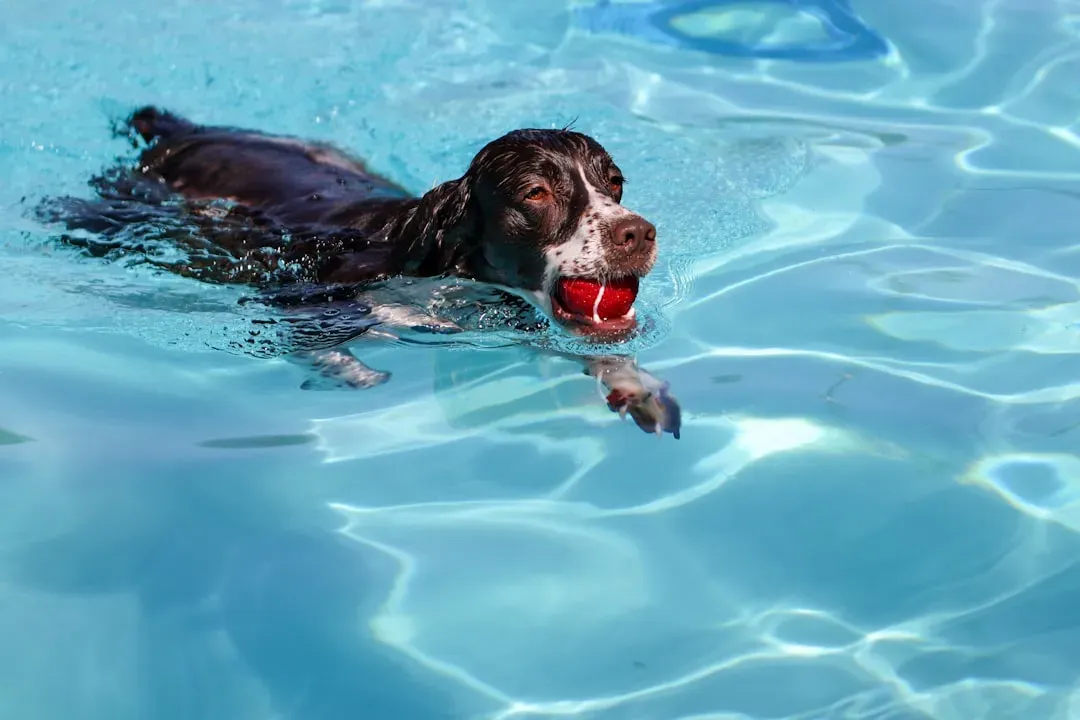
I think this is the most fascinating part of the whole story. The difference between a great swimmer and a poor one often comes down to specific physical features that some breeds were either born with or selectively bred to develop over hundreds of years.
The key physical traits that make a dog a strong swimmer include webbed feet that allow a dog to push more water when paddling, a strong muscular build that improves stamina, a water-resistant coat that improves buoyancy and technique, and sufficient body fat to help regulate temperature and lower the risk of hypothermia.
The skin webbing between the toes of certain breeds increases the surface area of their paws, acting like natural paddles. This adaptation improves their propulsion and balance while swimming or walking on muddy, slippery terrain.
Think of it this way: comparing a webbed-footed dog like a Newfoundland to a short-legged Dachshund in the water is like comparing a racing kayak to a bathtub toy. One was designed for exactly that environment. The other simply wasn’t.
Factors that affect a dog’s swimming ability include body shape, fur type, and muscle tone. Dogs with longer, slender bodies and long legs are better able to swim than those with short legs and stocky builds, because they have more surface area to help them stay afloat.
The Breeds That Rule the Water – and Why
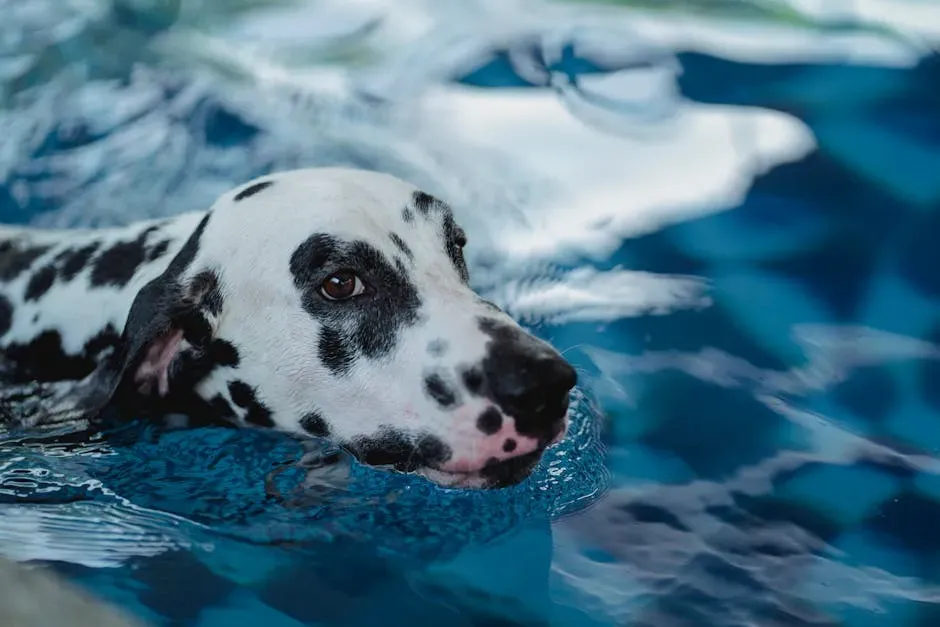
Certain breeds are naturally better swimmers due to their physical build and historical roles. Breeds like the Labrador Retriever, Newfoundland, and Portuguese Water Dog have webbed feet, water-resistant coats, and strong, muscular builds. These breeds were historically used for tasks that involved water, such as retrieving game or performing water rescues.
The Labrador Retriever deserves special mention here. Labs have webbed feet, a thick water-resistant coat, and a powerful build that makes them natural swimmers. Labradors were originally bred to retrieve game from water, and their love for swimming is deeply ingrained.
The Newfoundland is arguably the most impressive of all. Known as the swimming dog, Newfoundlands were bred for water rescue, which has given them exceptional lung capacity and strong water instincts. They have natural lifesaving instincts and, with a large lung capacity, can swim long distances to bring a victim to safety.
Portuguese Water Dogs have been furry first mates for hundreds of years, assisting sailors with everything from fishing and retrieving tackle to delivering messages between boats and conducting water rescues. Webbed feet and a curly, waterproof coat make them some of the most talented swimmers in the canine world.
Poodles are another brilliant example. The name Poodle actually comes from the German word “pudelin,” which means “to splash,” and they were originally bred in France to retrieve waterfowl. Those iconic haircuts seen at dog shows can be traced back to the breed’s duck-retrieving days, with hunters shaving Poodles in a way that promoted fast swimming yet protected their chest and hips from cold water. Who knew those fancy haircuts had such a practical origin?
Breeds That Struggle: When Biology Works Against the Water

Honestly, this is where things get a little heartbreaking, especially if you own one of these breeds and love swimming. Some dogs are built in ways that simply make water a dangerous environment for them.
Among the anatomical traits that are typical in poor-swimming dogs are flat and short muzzles (the brachycephalic breeds), large and heavy heads, and disproportionately short and stubby legs. If a dog has a flat and broad face like the Pug or Bulldog, it must position its body nearly upright in the water just to keep its nose and mouth above the waterline.
Dogs with heavy bones, wide chests, and short hair such as Dobermans, Rottweilers, and Bulldogs generally don’t float well, so they tend to paddle with only their front legs and can’t move forward efficiently through the water. As a result, they sink hind-end first, which only adds to their panic.
Dachshunds, Corgis, and Basset Hounds, with short legs and long bodies, are not very agile swimmers due to their weight distribution. Swimming requires them to make a tremendous physical effort.
Breeds with low body fat, like Boxers and Whippets, naturally dislike water, and their slim frames offer little insulation or buoyancy. It’s hard to say for sure, but putting a Whippet in a lake probably feels to that dog about as pleasant as jumping into an ice bath feels to most humans.
There are also breeds with anatomy that should theoretically allow them to swim, but unfortunately thick, dense coats can become waterlogged and heavy enough to drag them under the surface. Nature isn’t always perfectly consistent, even within the canine world.
Breeding History, Training, and the Role of the Human Hand
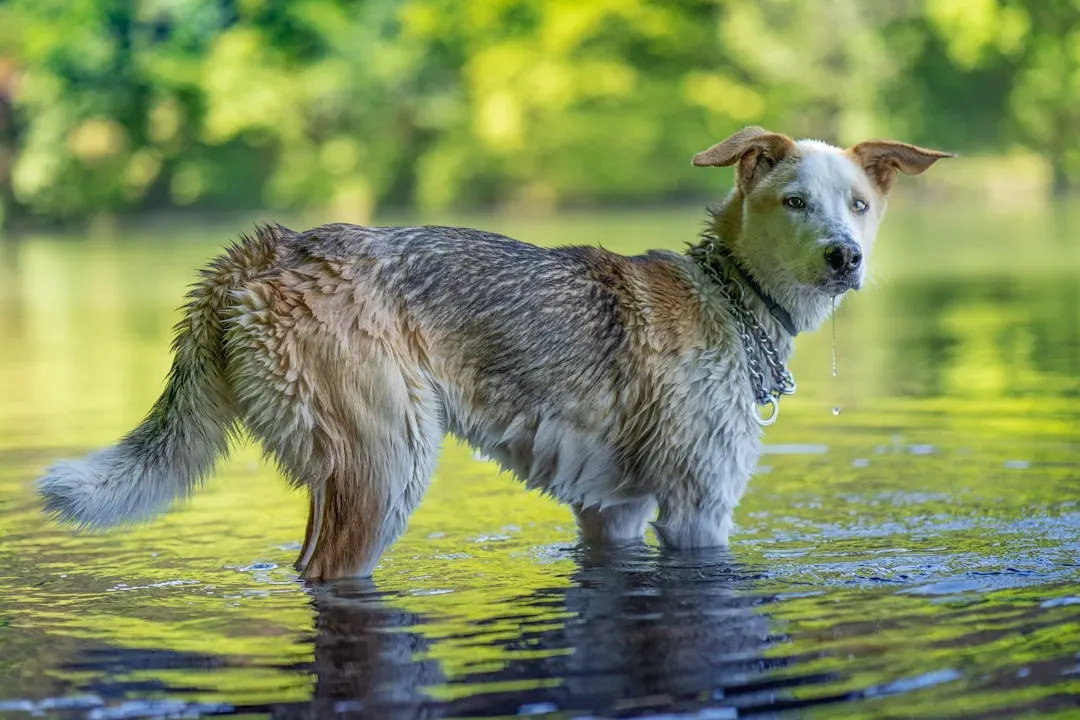
What makes this topic genuinely remarkable is how much human selective breeding has shaped these traits over centuries. The swimming ability of today’s water dogs isn’t an accident. It was engineered.
Water dogs were bred throughout history to excel in or around water. People relied on these dogs for tasks such as flushing out or retrieving game from water, retrieving things that fell overboard from ships, and even delivering messages between boats. Many of these dogs have retained their water-loving disposition to this day.
The Chesapeake Bay Retriever, descended from the interbreeding of several water-loving breeds, is hardy and well-suited to cold water. They have webbed feet, short thick fur with a dense water-resistant undercoat, and a wavy wind-resistant outer coat. Every feature there was chosen deliberately by human breeders over generations.
Water dog breeds need to be both physically and mentally ready for swimming. Some breeds may have all the physical attributes to be strong swimmers but may not have the temperament to flourish, and vice versa. Training, early exposure, and positive reinforcement all matter enormously.
Even if your dog is supposed to be a capable swimmer, each dog is a little different, and yours may not be as keen on swimming as expected. It’s important to understand your dog’s individual lineage and capabilities, and not be disappointed if your dog still prefers dry land over water. At the end of the day, every dog is an individual, just like us.
Conclusion: Nature Gave Some Dogs a Head Start in the Water
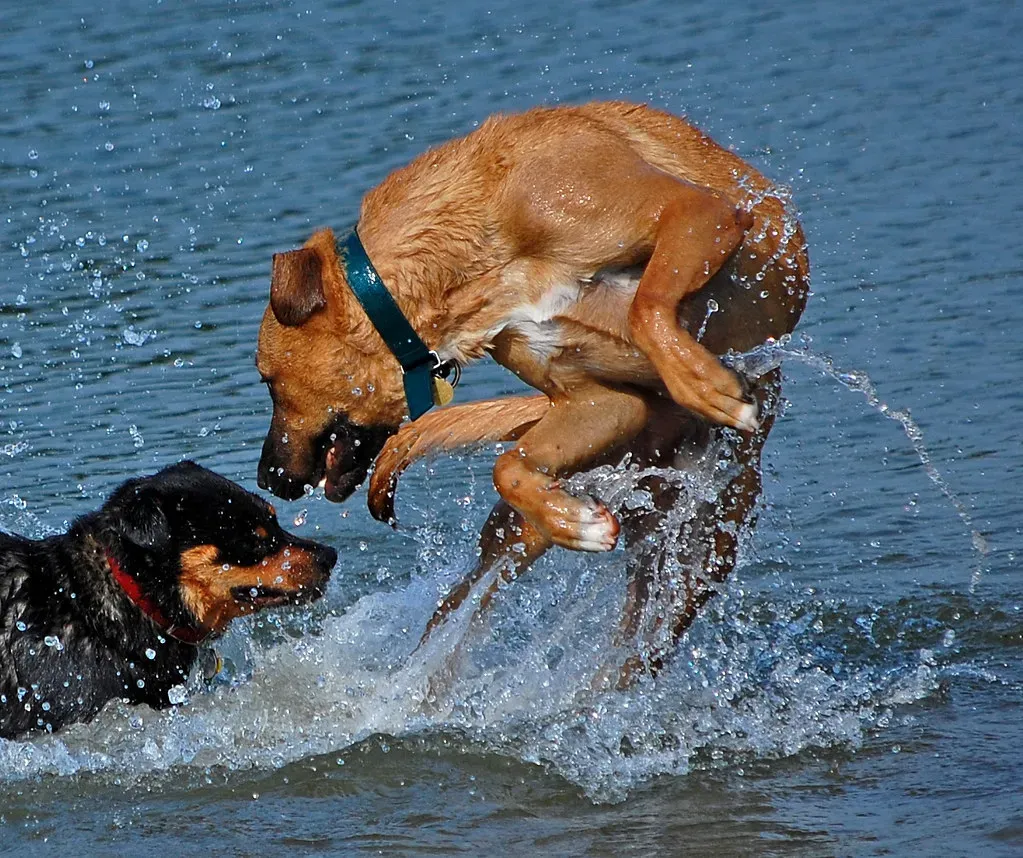
The gap between a Labrador Retriever effortlessly gliding through a lake and a French Bulldog struggling to stay upright in a puddle isn’t about effort or willingness. It’s about thousands of years of anatomy, evolution, and human breeding choices working together in very different directions.
While some swimming prowess comes down to confidence, good experiences, and practice, it has a whole lot more to do with a dog’s physical attributes. Some dogs are simply built to swim, with a streamlined body shape, strong muscles, and webbed feet to propel them through the water.
If your dog is one of the lucky natural swimmers, cherish every splash-filled moment. If your dog is not built for water, respect that fact, keep a life jacket close, and appreciate the extraordinary engineering that makes each breed uniquely suited to the life it was designed for.
The canine world is essentially a collection of highly specialized athletes. Some were built to sprint. Some were built to herd. Some were built to hunt. A remarkable few were built to conquer the water with grace, power, and pure joy.
Does knowing the science behind it change how you see your dog’s relationship with water? Tell us in the comments.
