
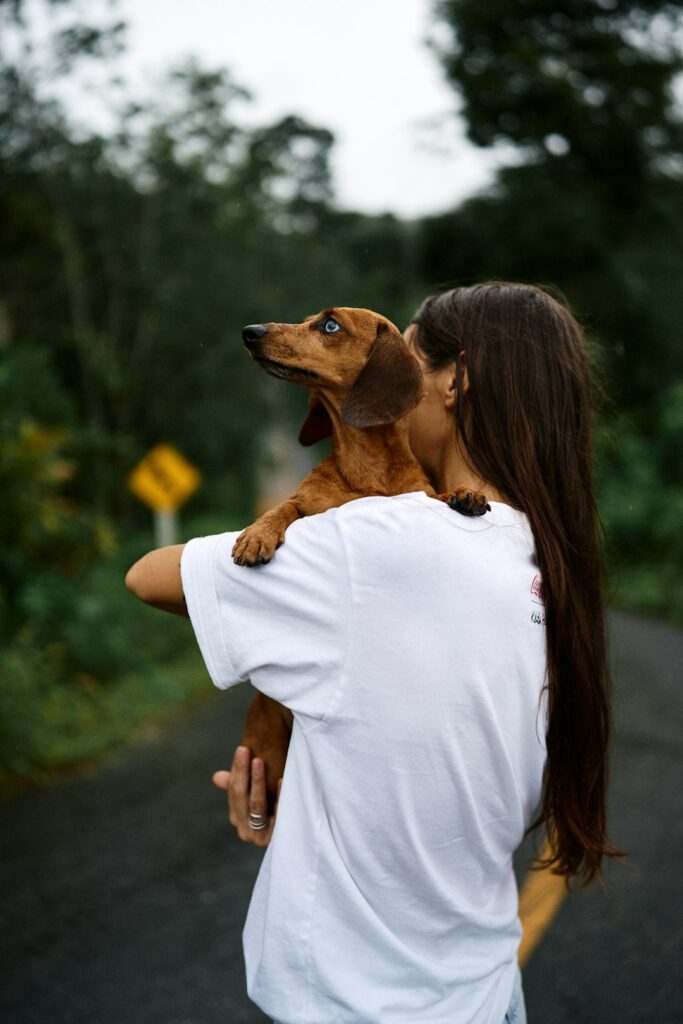
Dogs offer unwavering companionship, yet many owners overlook simple steps that transform casual interactions into profound connections.
Dogs Speak Volumes Through Behavior
Owners often miss subtle cues that reveal a dog’s emotional world. A wagging tail might signal joy, while flattened ears indicate fear or discomfort. Recognizing these signs forms the foundation of mutual understanding.
Rough play, frequently misunderstood as aggression, actually serves as a dog’s way of expressing affection and trust. Pups nip and tumble to test boundaries and invite engagement. Owners who respond appropriately strengthen their role as a reliable pack leader.
Play Strengthens Emotional Ties
Interactive games go beyond exercise; they create shared experiences that deepen loyalty. Fetch or tug-of-war mimics natural hunting instincts, releasing endorphins for both dog and human. Regular sessions build anticipation and excitement around time together.
Even short bursts of play daily reinforce positive associations. Dogs thrive on consistency, viewing play as a reward for good behavior. This approach turns routine moments into opportunities for closeness.
Training Fosters Trust and Communication
Positive reinforcement training transforms obedience into partnership. Simple commands like “sit” or “stay” teach dogs that their actions lead to praise or treats, establishing clear dialogue. Consistency in training prevents confusion and builds confidence.
Owners who use gentle methods report quicker results and happier pets. Sessions should remain short to avoid frustration, focusing on one skill at a time. Over weeks, this process cements a bond rooted in respect.
Daily Routines Nurture Security
Fixed schedules for meals, walks, and bedtime provide stability that dogs crave. Predictability reduces anxiety, allowing pets to relax and connect more freely. Owners notice calmer demeanors when routines align with natural rhythms.
Incorporate affection into these habits, such as gentle petting after dinner. Small gestures accumulate, signaling reliability. Dogs attuned to patterns respond with greater enthusiasm and attentiveness.
Key Takeaways
- Observe body language to decode emotions accurately.
- Engage in rough play as a sign of affection, not conflict.
- Use training to create clear, trusting communication.
- Maintain consistent routines for emotional security.
- Prioritize quality time through interactive activities.
A strong bond with your dog emerges from patience and attentiveness, yielding years of joyful companionship. What steps have you taken to connect with your pet? Share in the comments below.

- 7 Signs Your Dog Thinks You're Family - July 21, 2026
- These 6 Animals Have the Most Bizarre Mating Rituals on Earth - July 21, 2026
- 7 U.S. States That Have the Best Sunsets in the Country - July 21, 2026