

The ocean is rising. Slowly, steadily, and now faster than scientists had predicted just a decade ago. In 2024, NASA-led analysis found an unexpectedly fast rise in global sea levels. Scientists had anticipated a rise of 0.43 centimetres, but instead recorded a rate of 0.59cm. That may sound small, but at the scale of entire oceans covering millions of square kilometres, the consequences are staggering.
The United Nations calls it “a global crisis” – one that is already impacting roughly one billion people worldwide. Some cities are scrambling to build seawalls. Others are literally moving their governments. A few are still in denial, continuing to build luxury real estate on land that may not exist by the time today’s children grow old. The eight cities below represent some of the most dramatic, sobering, and frankly jaw-dropping examples of coastlines under siege. Let’s dive in.
1. Jakarta, Indonesia – The City That Is Sinking Faster Than the Sea Is Rising
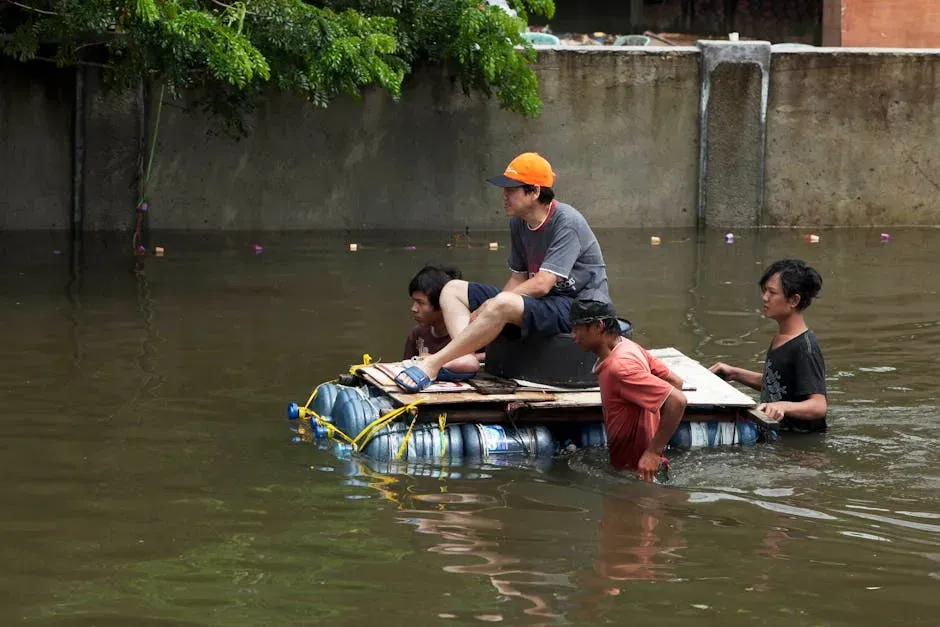
Here’s the thing about Jakarta: it doesn’t just have one problem. It has two, and they are happening simultaneously, pushing against each other like two slow-moving trains on the same track. Parts of Jakarta are sinking by 10 to 30 centimetres every single year, driven by natural soil compaction and decades-long overuse of groundwater by homes, businesses, and industries. The subsidence rate is among the fastest of any major city in the world.
As of late 2025, sea levels at North Jakarta’s coast now stand higher than the surrounding land, and Jakarta’s coastline is visibly sinking below sea level. Think about that for a moment. The ocean is literally looking down at the city.
A study by Indonesia’s National Research and Innovation Agency found that, without aggressive action, around a quarter of the capital area will be submerged by 2050. The risk could increase twofold or even more because of climate change. It is perhaps the most severe urban flooding crisis on earth right now.
A quarter of the city could be underwater by 2050, and the Indonesian government is now bidding farewell to Jakarta entirely, planning to relocate to a new capital called Nusantara, a purpose-built city more than 1,000 kilometres away on the island of Borneo. An entire national capital, abandoned because the sea won.
2. Miami, USA – Flooding on a Sunny Day
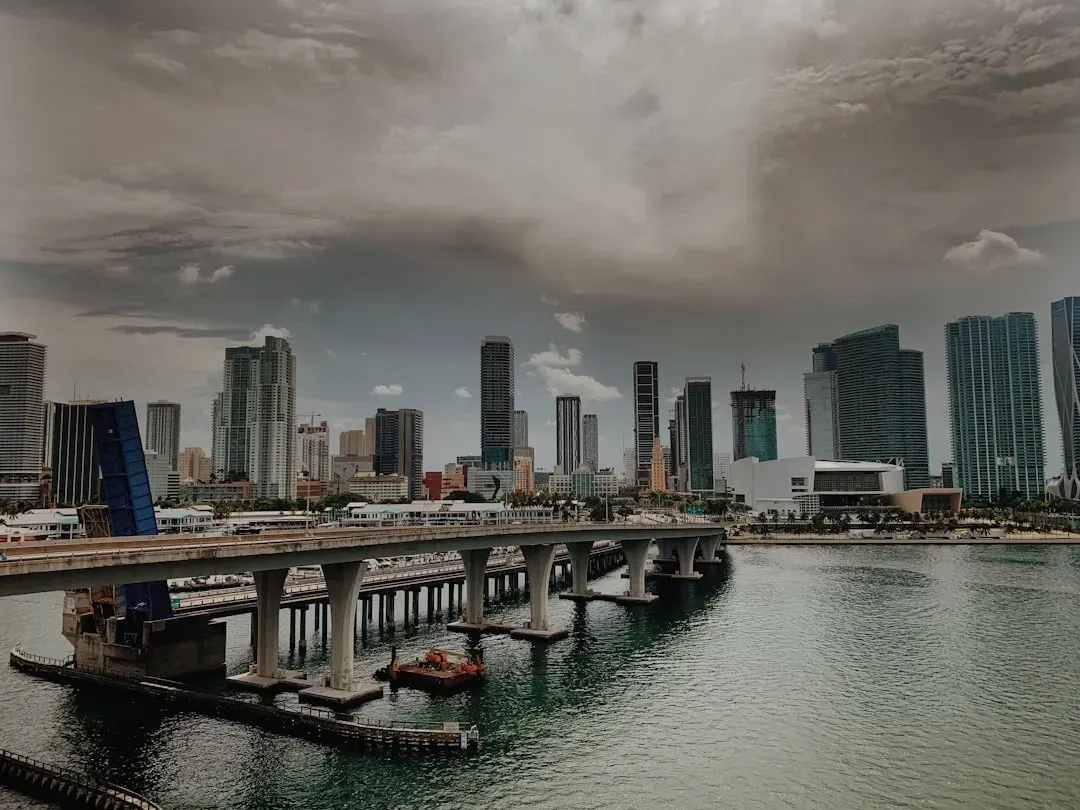
Most people associate flooding with storms, dark skies, and raging rain. Miami has already moved past that. Low-lying Miami is already experiencing frequent “sunny day flooding,” when high tides spill onto streets or bubble up from storm drains. These events will only become more common and more damaging as sea level rises.
Maps with sea level projections for 2030, 2060, and 2100 show an increasingly uninhabitable Miami. The city is built on porous limestone bedrock, which means no amount of seawalling will fully block the water because it seeps up from below. That is a uniquely terrifying geological problem, and honestly, I think most people who buy property there underestimate it enormously.
Cities on the east coast of the U.S., including Miami and New York City, are particularly vulnerable, and east coast cities are witnessing sea level rise that is two to three times faster than the global average. Miami sits at the epicentre of that acceleration.
According to a 2016 Christian Aid report, Miami is one of the top three cities in the world in terms of the value of assets exposed to coastal flooding between 2010 and 2070, with exposure of between 2 and 3.5 trillion dollars. Trillions of dollars, on land that is slowly being swallowed.
3. Bangkok, Thailand – A City Built Below Its Own Tidal Waves
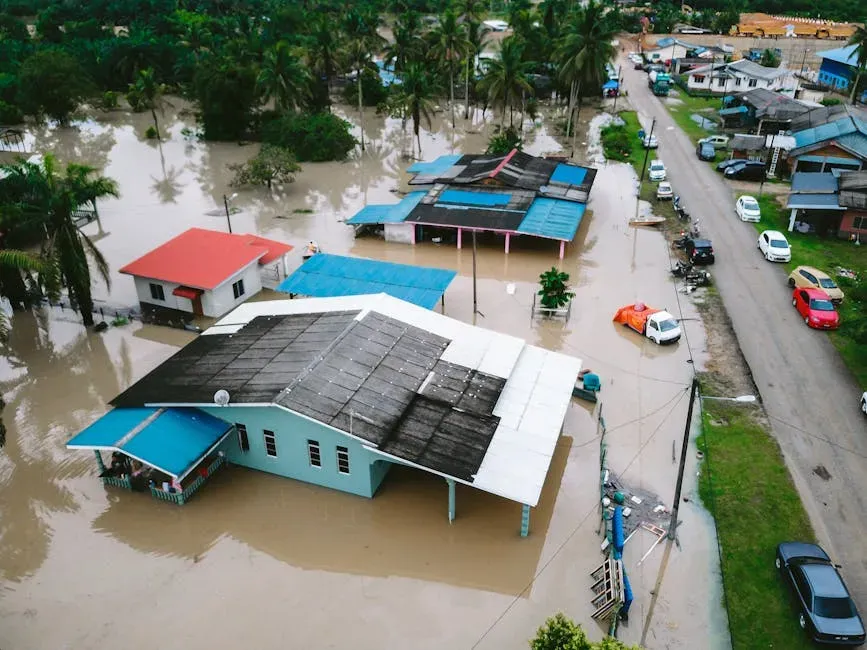
Sea level rise projections put Thailand’s capital as the world’s most vulnerable city. The low-lying city has an average elevation of just 1.5 metres above sea level and is already paying the price for this climate change-induced phenomenon. To picture that, imagine a city the size of Los Angeles sitting on a table barely taller than a kitchen countertop, with rising floodwaters lapping at every edge.
Subsidence, which is the sinking of land due to groundwater extraction or soil compaction, has dramatically worsened the effects of sea level rise in Bangkok. Much like Jakarta, the city is going down while the ocean is coming up.
Following the deadly floods of 2011, which cost the lives of hundreds of people, a fifth of the city was reportedly underwater. That was a preview. Authorities know it. To mitigate flooding in Bangkok, measures such as construction of dams and reservoirs, installation of pumps and discharge canals, upgrading existing drainage systems, and restoring mangroves have been implemented in an effort to improve the urban flood defence system.
Still, with millions of residents and a metropolitan economy deeply tied to its coastal geography, Bangkok remains one of the most exposed megacities on the planet.
4. Mumbai, India – Millions at Risk in India’s Financial Capital
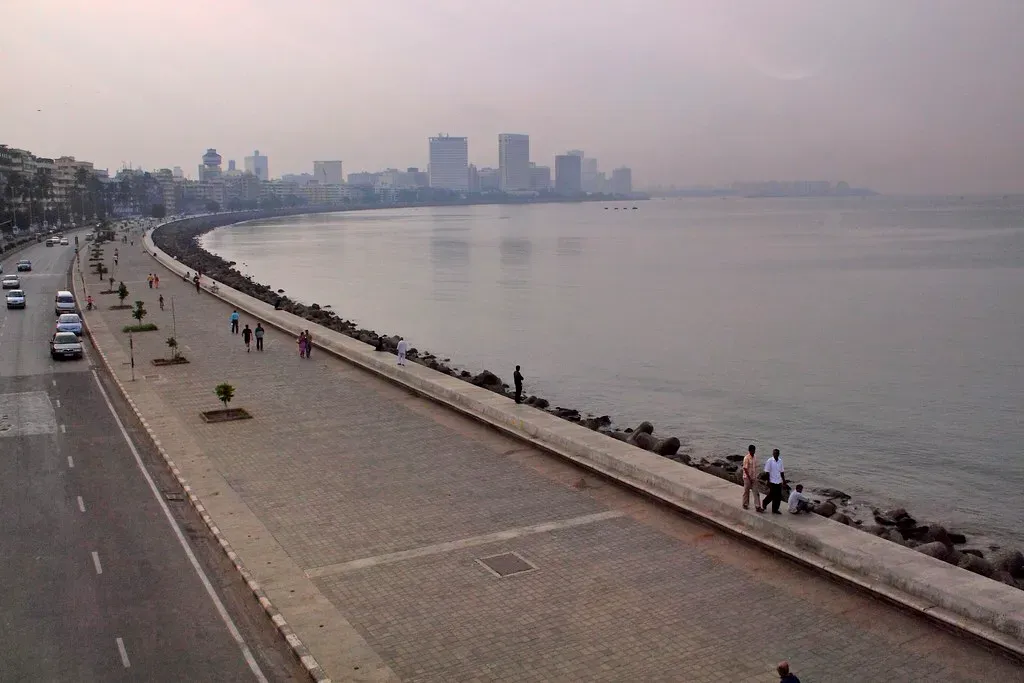
Mumbai is the financial heartbeat of India. It is also, geologically speaking, one of the most vulnerable cities on earth. By 2070, Mumbai is projected to be home to over 11 million people in areas susceptible to rising sea levels and heightened flooding. That is almost four times more than the current exposed population of roughly 2.7 million.
Mumbai was once comprised of seven separate islands, shaped through reclamation of waterlogged areas. The reclaimed spaces, now situated below the high water level, face a serious challenge during prolonged rainfall coinciding with high tides. This prevents water evacuation into the ocean, leading to flooding in low-lying regions.
It is Kolkata, Mumbai, and Dhaka that have the highest number of people at risk from coastal inundation – between 11 and 14 million people. That is not a projection for 2100. That is a figure reflecting the vulnerability that already exists today. It is shocking, and yet construction along Mumbai’s most vulnerable coastlines continues at pace.
According to a World Meteorological Organization report, Mumbai will be among the cities most affected as sea levels rise around the world. The science is unambiguous. The policy response, however, remains far behind.
5. New York City, USA – $129 Billion in Floodplains
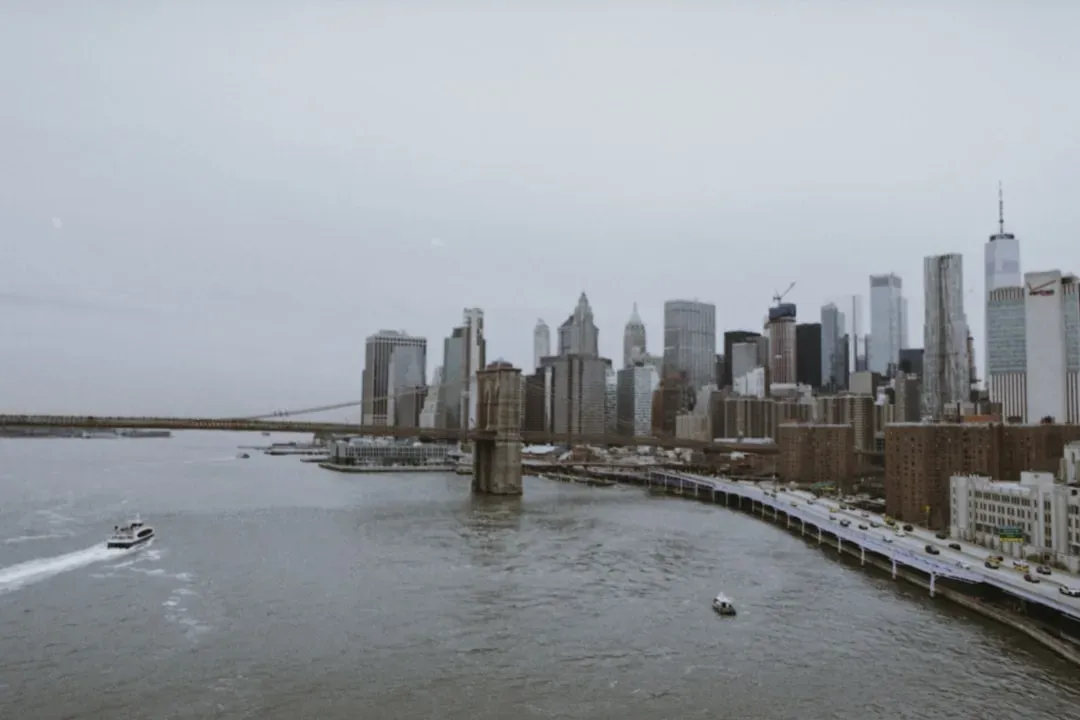
New York City is one of the most powerful, iconic, and economically significant cities on earth. It is also sitting on borrowed time when it comes to sea level rise. Some of the most valuable properties in the world are located in flood-prone areas at the southern tip of Manhattan, with real estate valued at an estimated $129 billion lying within the city’s floodplains.
When Hurricane Sandy struck New York in 2012, coastal floods impacted an estimated 90,000 buildings in New York City alone, while two million people lost power, causing extensive damage, disrupting commercial activity and costing the city over $19 billion. Sandy was not a once-in-a-lifetime event. It was a warning.
A Nature Communications study led by researchers from Climate Central showed that human-caused sea level rise accounted for $8.1 billion, or 13% of Hurricane Sandy’s total damages in New York, New Jersey, and Connecticut. In other words, the ocean’s rise directly amplified the disaster in a way that was measurable and directly tied to climate change.
Based on population density and flood risk criteria, New York City ranked first among all U.S. cities for coastal flood vulnerability, with over 245,000 people at risk. That number grows substantially when mid-century sea level projections are factored in.
6. Shanghai, China – A Sinking Delta Facing Accelerating Seas
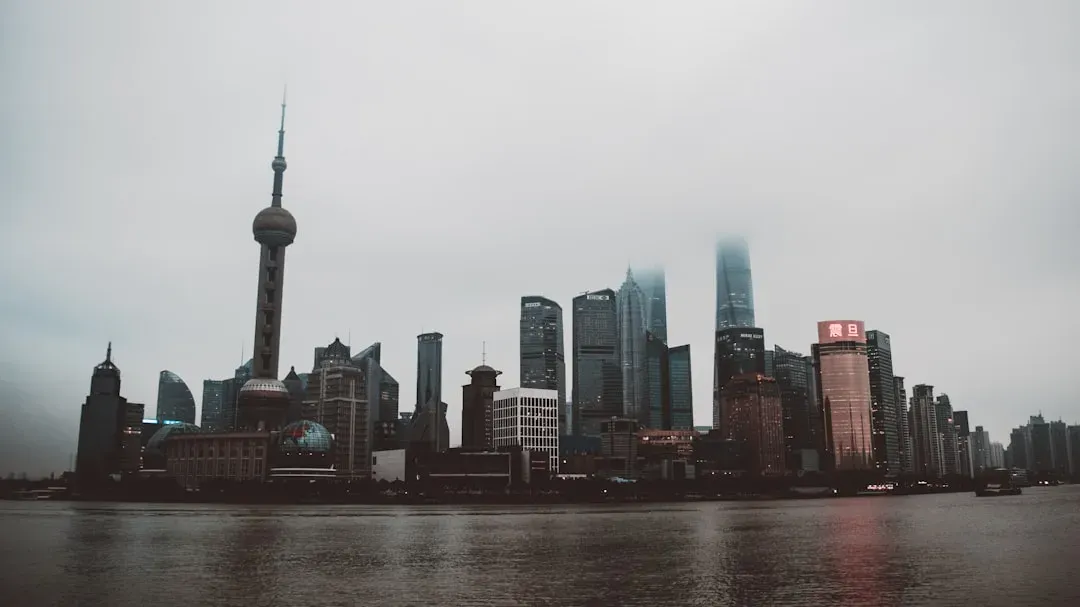
Shanghai is China’s global business hub, a city of towering skylines and extraordinary economic ambition. It also sits on a river delta, which is perhaps one of the worst possible foundations for a city confronting rising seas. Among the hardest hit areas globally will be tropical and sub-tropical river deltas, and because such deltas are often the sites of port cities, large human populations will be exposed to significantly higher risk.
Cities along China’s Yellow River Delta are experiencing sea level rise of more than 22 centimetres per year. That figure is almost incomprehensible when stacked against the global average. Shanghai, sitting on soft alluvial soil at the mouth of the Yangtze River, faces the double threat of rising seas above and sinking land below.
Climate Central found that through more accurate satellite-based land elevation calculations, the centre of Shanghai will be under water at high tide by mid-century. It is hard to say for sure exactly how fast this will unfold, but every credible projection points in the same direction.
In response, China has selected Shanghai and 15 other pilot cities to embrace the concept of “Sponge Cities,” defined as cities that strategically integrate urban flood risk management into planning and design, aiming to mimic the natural hydrological cycle as closely as possible. It is one of the most ambitious urban climate adaptation programs in the world, though the challenge it faces is equally immense.
7. New Orleans, USA – A City That Already Drowned Once
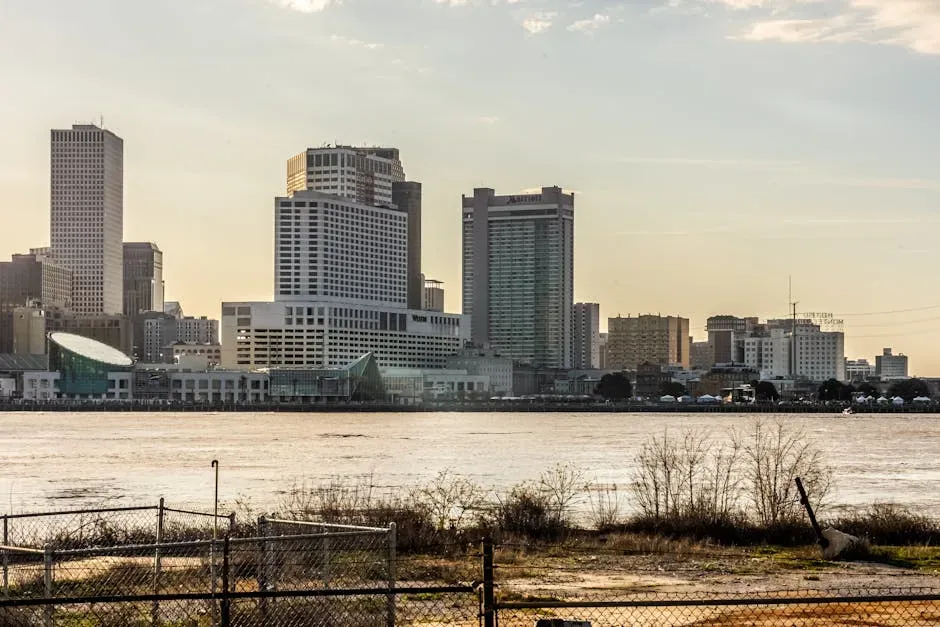
New Orleans does not need hypothetical scenarios to understand what sea level rise really means. It already lived through its worst nightmare. The devastating impacts of extreme weather on the low-lying coastal city were clearly demonstrated when Hurricane Katrina triggered deadly floods in 2005. Half of New Orleans dropped below sea level, resulting in over 1,800 fatalities and roughly $150 billion in damage.
Storm surges are amplified by sea-level rise, causing them to hit higher water levels and allowing the surges to reach farther inland. For New Orleans, which sits in a natural bowl below sea level, that dynamic is existential. Every inch of ocean rise means a storm surge reaches deeper into neighbourhoods that already suffered catastrophic loss.
Sea levels in Louisiana could rise, on average, by about one foot by 2050 and up to two feet by the end of the century. The city has invested heavily in new levee systems since Katrina. Yet the land beneath those levees continues to sink, and the Gulf of Mexico continues to rise.
Under a more extreme scenario that accounts for other worsening weather events driven by climate change, sea level rise could see nearly all of the population in New Orleans displaced. A city of extraordinary cultural richness, Creole heritage, jazz, and cuisine – quite possibly under water within our lifetimes.
8. London, United Kingdom – Racing Against Its Own Flood Barrier
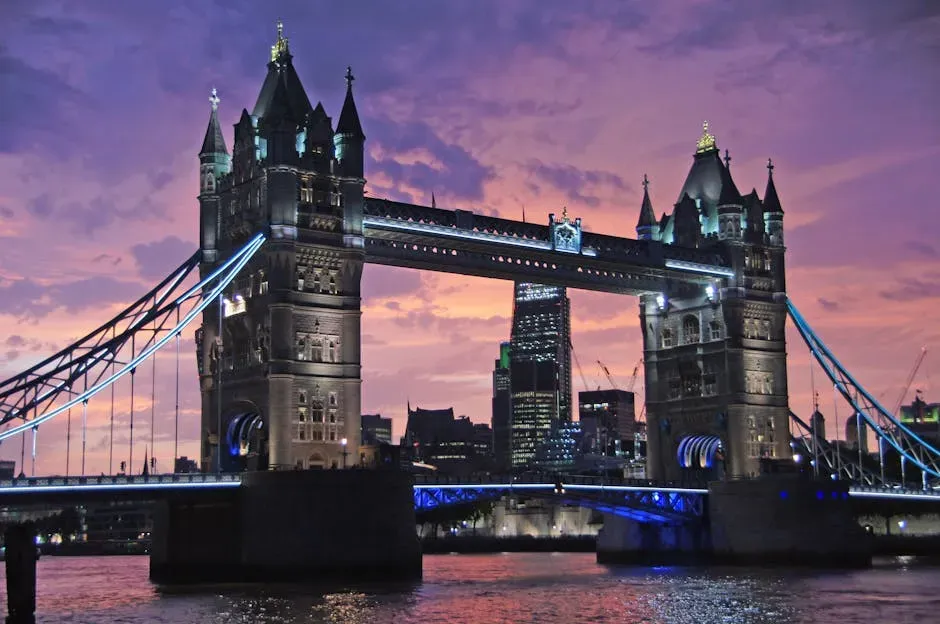
London is a city that built one of the most impressive flood defences in human history and is now quietly running out of time before that system becomes obsolete. Aware of the imminent threat, the city built an intricate flood defence system. Completed in 1982, it spans 520 metres and lifts up 10 steel gates to shut off the Thames’ flow, guarding London against tidal surges.
The Thames Barrier is a genuine engineering marvel. However, it was designed for a world of slower, more predictable sea level rise. Experts warn that these barriers will not save the city from potential flooding past 2070, considering the current pace of sea level rise. In the absence of new barriers and preventive measures, roughly 23% of the population – equivalent to almost two million people – could be displaced.
Like any city built around a major river, London is particularly vulnerable to flooding as a result of global sea level rise. The Thames Estuary is a natural funnel for storm surges pushing in from the North Sea, and as sea levels climb, those surges arrive with far greater force.
In urban settings along coastlines around the world, rising seas threaten infrastructure necessary for local jobs and regional industries. Roads, bridges, subways, water supplies, oil and gas wells, power plants, and sewage treatment plants are all at risk from sea level rise. London, a city whose infrastructure dates back centuries in many places, faces an enormous upgrading challenge – and the clock is ticking faster than planners anticipated.
The Bigger Picture: A Crisis With No Easy Off-Switch
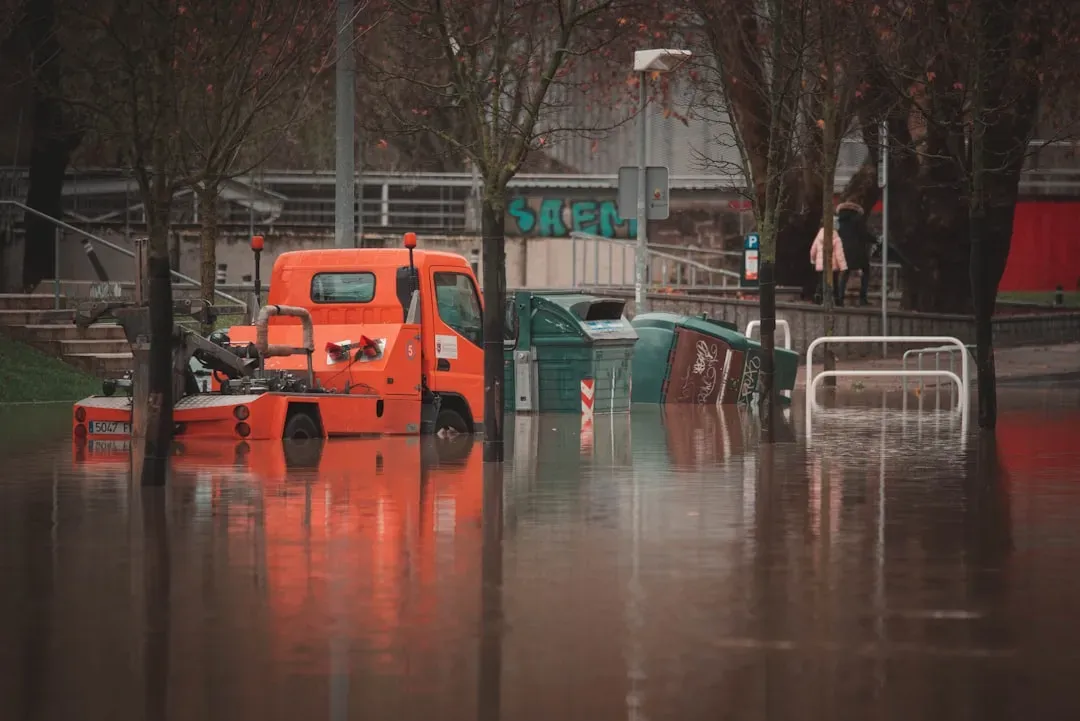
These eight cities are not isolated case studies. They are part of a global pattern that is accelerating in ways that continue to surprise even the scientists tracking it most closely. The total urban population at risk from sea level rise, if emissions don’t decrease, could number over 800 million people, living in 570 cities, by 2050. That is not a dystopian fiction. That is a mid-century projection based on current trajectories.
In the World Economic Forum’s Global Risks Report 2025, critical change to Earth systems is identified as the third-biggest threat to the world in the coming decade, with sea level rise from collapsing ice sheets identified as a key contributing factor. The economic cost alone is staggering.
Estimates suggest that the global economic costs to cities, from rising seas and inland flooding, could amount to $1 trillion by mid-century. That is assuming emissions are brought under some degree of control. A worst-case scenario would dwarf even that figure.
These cities illustrate how sea level rise and flooding intersect with urban planning, geographic vulnerability, and climate exposure. Sea level rise remains the primary driver behind increasing flood hazards, making long-term adaptation essential. The uncomfortable truth is that adaptation alone – seawalls, pumps, elevated roads – can only buy time. The deeper solution lies in reducing the emissions that are warming the oceans in the first place.
From Jakarta literally sinking beneath the waves to London racing to replace an ageing flood barrier, the eight cities above represent something profound. They show us what happens when the slow, quiet arithmetic of climate change meets the irreversible reality of geography. Some of these cities will survive with enormous investment and political will. Others may not. The question worth sitting with is this: how many more cities will join this list before the world decides it has seen enough?
What do you think – is your city ready for what is coming? Share your thoughts in the comments.

- 15 Tender Things Old Dogs Do the Closer the End Quietly Comes - July 21, 2026
- 14 Ways a Rescue Cat Shows It Has Given You Its Fragile Heart - July 21, 2026
- 13 Familiar Things That Bring an Aging Dog Deep, Quiet Comfort - July 21, 2026