

There’s something both terrifying and deeply fascinating about an animal defending its space. It’s primal, raw, and completely unfiltered. Unlike human conflict, there’s no diplomacy here, no back-and-forth negotiations, no second chances. You either respect the boundary, or you face the consequences.
Animals defend their territories to protect access to food, mates, and nesting sites. Think of it like a mortgage with claws. The animal has invested everything into that patch of earth, and it will do whatever it takes to keep it. From deafening roars to bone-crushing bites, nature has armed these creatures with everything they need to make trespassers regret their life choices. Let’s dive in.
1. The African Lion: King with a Hair-Trigger Temper
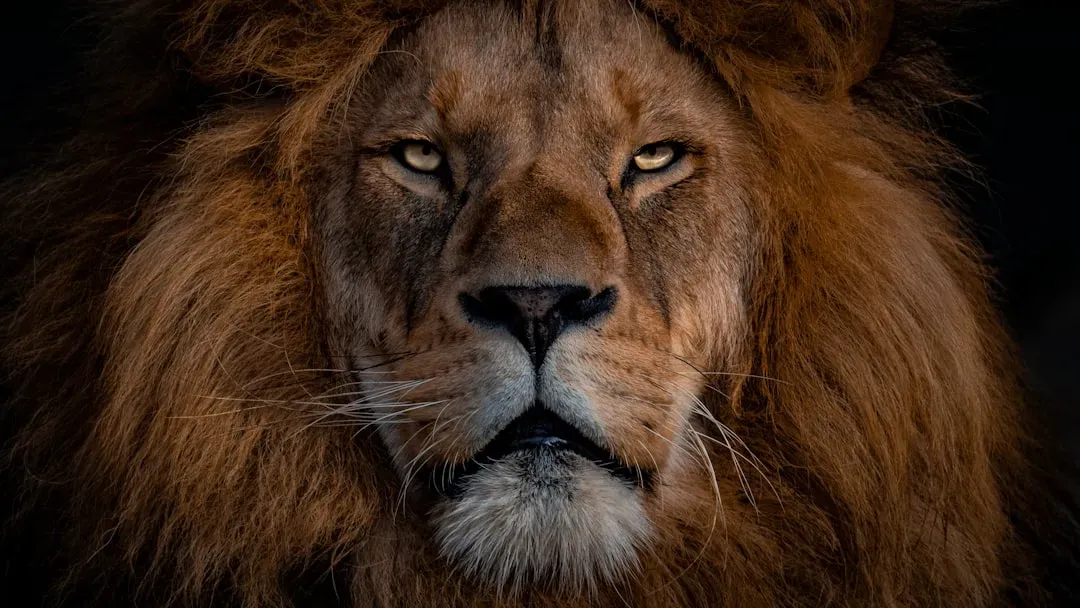
Most people picture lions as regal, slow-moving sunbathers draped over a rock. That image evaporates the moment a rival steps too close. Male lions are infamous for intense territorial aggression, especially during rival confrontations, with powerful jaws delivering a crushing force of 650 pounds per square inch, easily shattering bones.
Lions live in social groups called prides and defend territories that encompass hunting grounds, with male lions often working together in coalitions to protect their pride’s territory. It’s a team effort, and an incredibly violent one at that.
Think of a lion’s territory like a business empire. Losing it means losing everything: food, family, status. Most attacks occur due to hunger, perceived threats, or the need to protect cubs. That’s not random violence. That’s desperation wearing a mane.
2. The Hippopotamus: Africa’s Most Dangerous Landlord
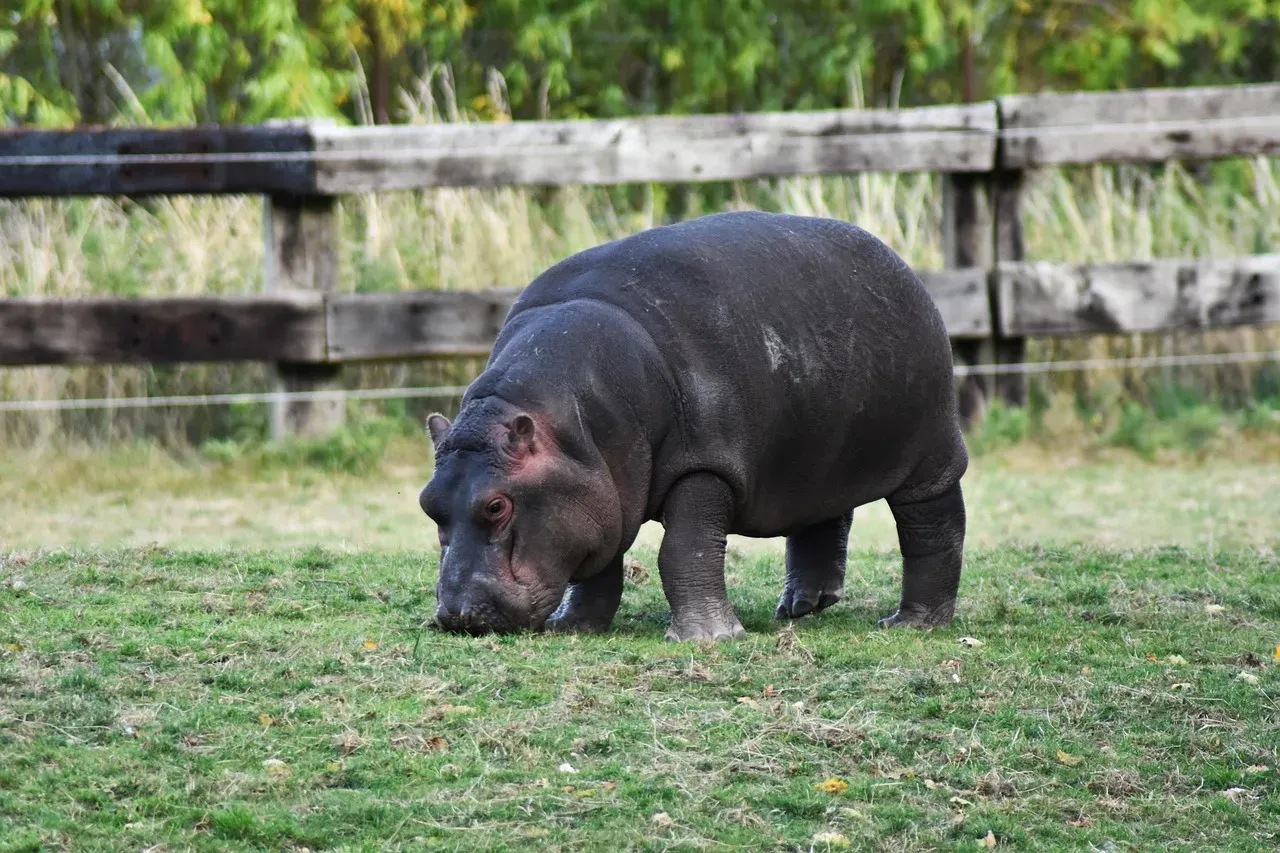
Here’s a creature that looks like it was designed for comedy but behaves like a nightmare. Hippos are the most dangerous animal in Africa. They are territorial and extremely aggressive. That round, lumbering body conceals one of the most short-fused tempers in the animal kingdom.
They have been known to attack boats in the river. If disturbed, hippos even attack lions or crocodiles. Their sheer size and large teeth can be a serious threat. Nothing about them screams “please don’t come closer” the way their behavior does.
Hippo bulls have been known to fight for days, sometimes resulting in fatal injuries. Days. Think about that. This isn’t a quick scuffle, it’s an endurance war. Despite the massive size of the body, hippos can run at a speed of 20 mph. You are not outrunning this.
3. The Saltwater Crocodile: Ancient Terror, Modern Fury
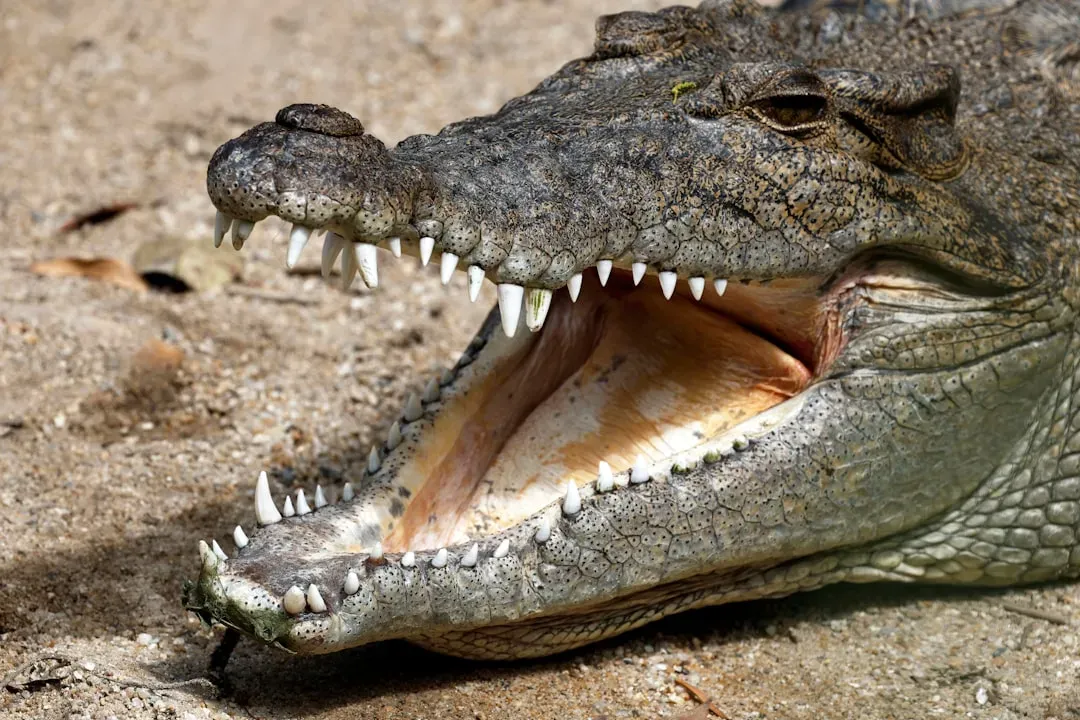
Measuring 20 feet in length and weighing close to a ton, the saltwater crocodile is the largest reptile in the world. These giants also hold the record of most powerful bite ever tested. Saltwater crocodiles have a fearsome reputation for being the most aggressive crocodile species in the world.
Honestly, if a creature has been basically unchanged for over 200 million years, it has clearly figured something out. They become even more aggressive during the mating season. Which is something you’d want to know before planning a swim in northern Australia.
The saltwater crocodile is the largest living reptile and crocodilian known. It treats its waterway like sacred ground. Cross it at your absolute peril.
4. The Honey Badger: Small Size, Zero Fear
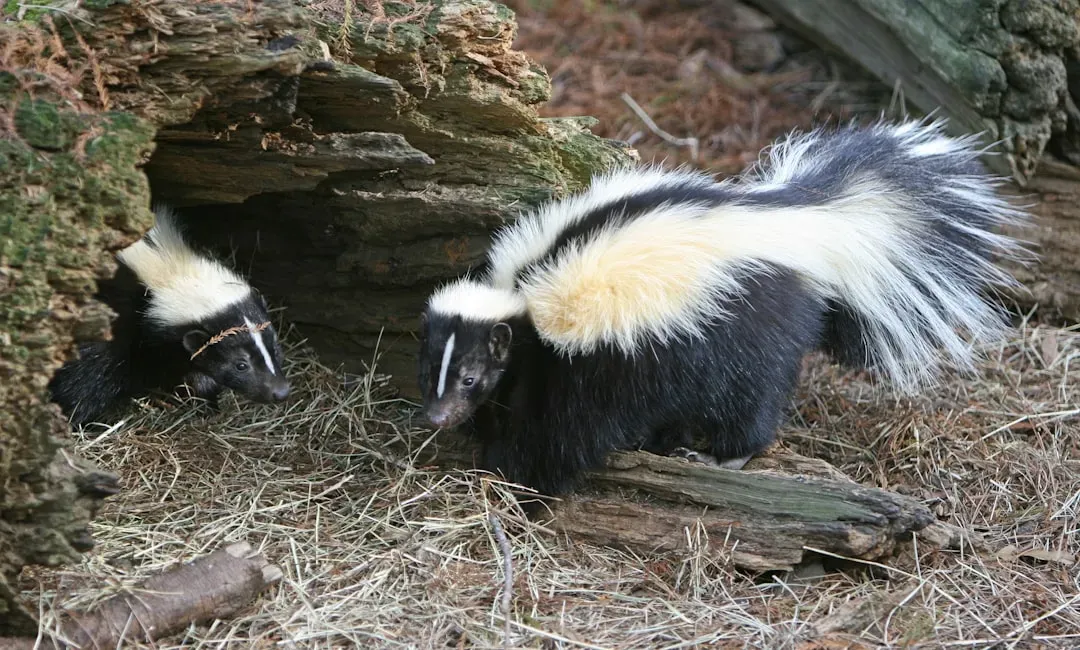
Let’s be real, if you judged this animal purely on size, you’d never expect it on this list. The honey badger, also known as the ratel, is notorious for its aggressive and fiercely territorial nature. Native to Africa and parts of Asia, it is a tenacious predator with a reputation for taking on animals much larger than itself.
This medium-sized mammal, a relative of skunks and otters, isn’t afraid to use its long claws and sharp teeth to defend itself and its burrow from anything it regards as a threat. The burrow is sacred. Violate it, and you get everything it has.
When faced with a threat to their territory, honey badgers will not hesitate to defend it with ferocity. They may growl, hiss, and snarl to intimidate intruders, and if necessary, they will engage in physical combat to drive them away. It’s the animal equivalent of someone who simply refuses to back down, ever. When threatened, the honey badger will also emit a foul-smelling liquid from a gland at the base of its tail, just in case the biting wasn’t convincing enough.
5. The Tiger: The Solitary Patrol Officer
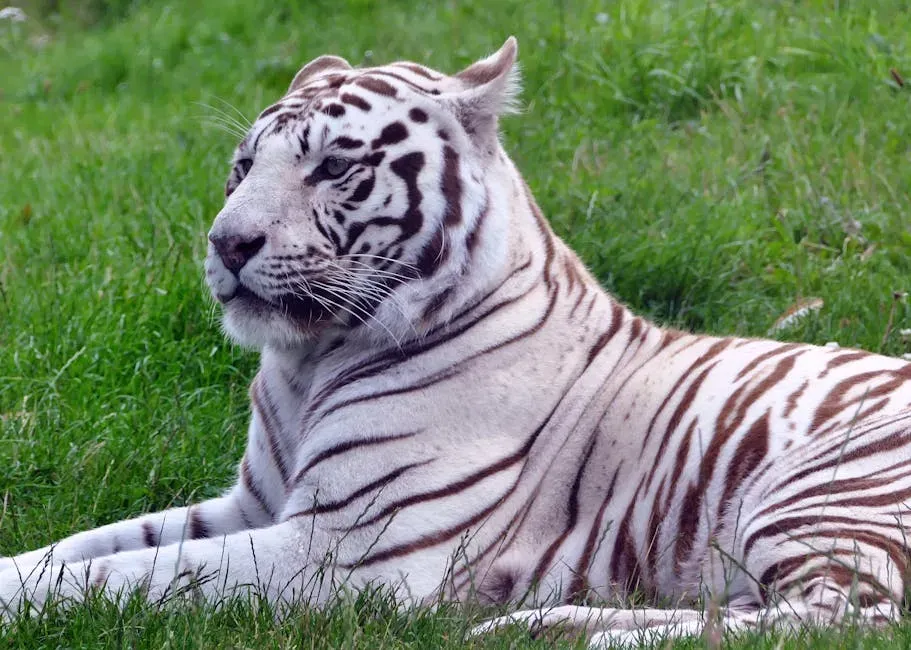
If lions are the team players of the big cat world, tigers are the lone wolves, and they take their solitude extremely seriously. Tigers are solitary predators that establish large territories to accommodate their need for ample prey. They use scent marking to define and communicate their territories.
A tiger’s territory is less of a home and more of a sovereign state. Intrude on it and you’ll meet something built entirely for killing. Animals such as polar bears, Nile crocodiles, and tigers pose significant risks to people, especially if they feel their territory is threatened.
I think what makes tigers especially unsettling is how methodical they are. They don’t just react, they patrol, they track, they remember. Their territorial scent markings are like invisible warning signs plastered across miles of forest, and most animals that encounter them take the hint.
6. The Cassowary: The Bird That Will Absolutely End You
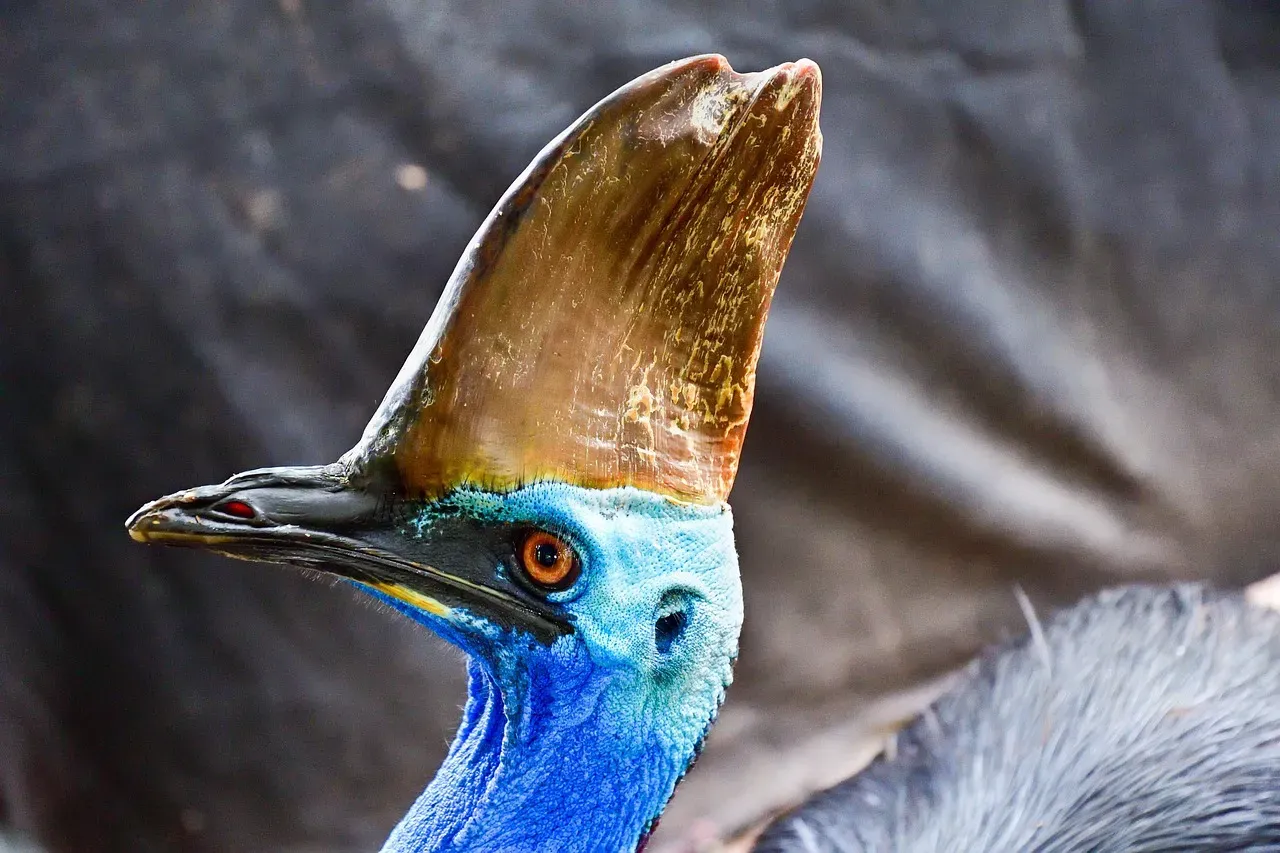
Most people forget birds can be terrifying. The cassowary is happy to remind them. Cassowaries are among the most aggressive and dangerous birds on Earth. Native to New Guinea and parts of Australia, these large flightless birds have powerful legs and sharp, dagger-like claws that can easily disembowel a human. Cassowaries are extremely territorial and will attack anything that threatens their space.
With speeds of up to 30 miles per hour, they can close in on their target in seconds and strike with deadly precision. Picture a prehistoric dinosaur wearing bad intentions. That’s a cassowary.
With one blow using these claws, they could even break the bones of a human. When they attack, cassowaries jump over the victim and strike in both forward and backward direction. This is what peak territorial commitment looks like, even if it’s wearing feathers.
7. The Wolverine: Nature’s Furious Compact Machine
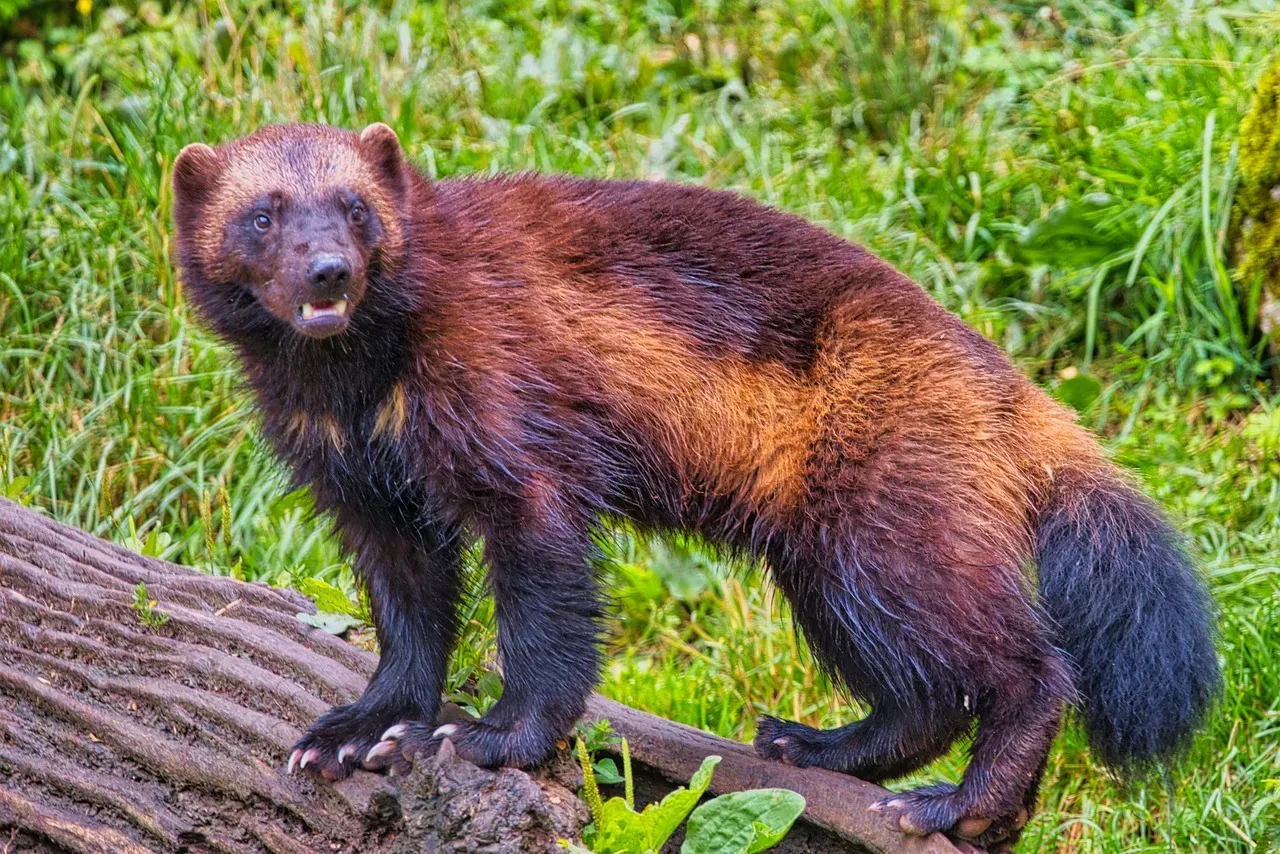
The wolverine looks like a chunky ferret but fights like it has something to prove to the entire universe. Wolverines are ferocious predators believed to kill prey much larger than themselves. They are fearless little animals that weigh in at under 40 pounds, yet they are powerhouses that put every pound and every tool they have to good use. Those tools include razor-sharp teeth and claws that rip and tear flesh like paper.
Weighing between 10 and 25 kilograms, wolverines are only the size of a medium-sized dog. Yet this amazing animal is fearless and aggressive. Surprisingly, they can even defend against large animals like bears or wolves.
Here’s the thing about wolverines: their territory can span enormous distances across frozen tundra and boreal forests. They cover more ground than almost any other carnivore relative to their size, and they guard every inch of it with the aggression of something ten times larger.
8. The African Buffalo: The Grudge Holder of the Savanna
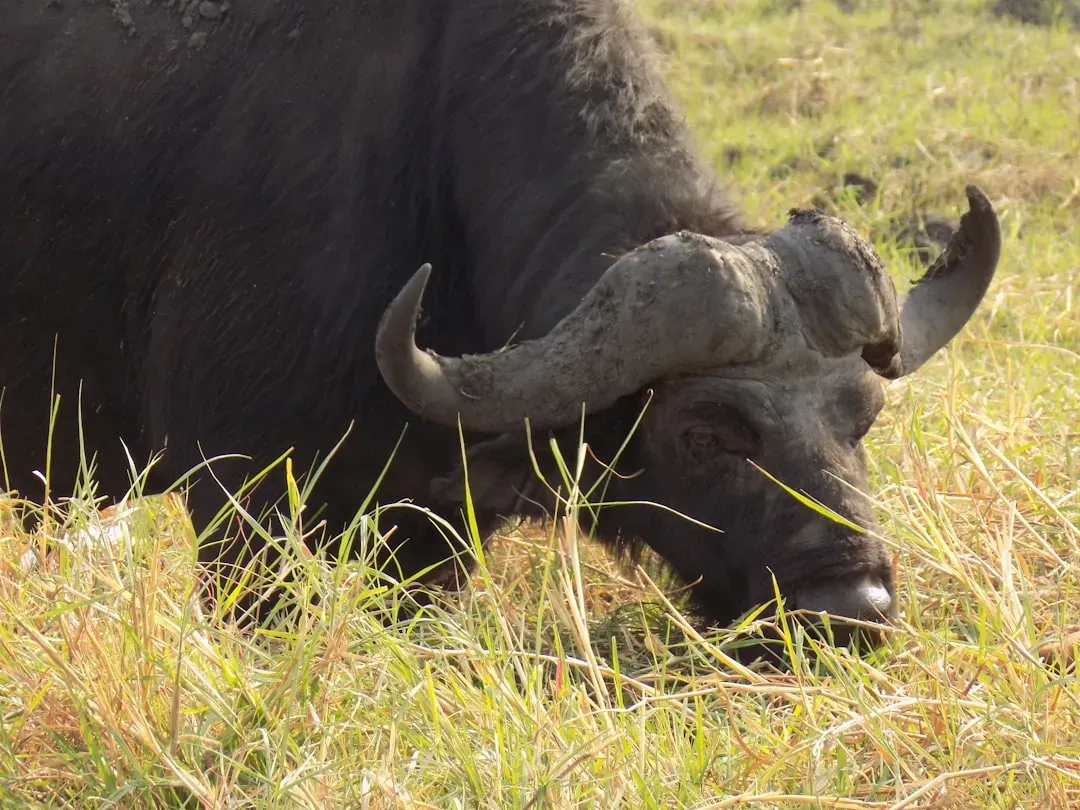
The African buffalo is not short of predators. This cow-like herbivore is on the menu for lions, hyenas, leopards, and African wild dogs, as well as humans. Yet it is far from an easy target, with an aggressive streak that kicks in when an individual senses a threat to itself or another member of its herd.
What makes the buffalo particularly interesting is that it remembers. Rangers in Africa have observed that cape buffalos will actually circle back and ambush hunters who injured them, sometimes hours later. That is not instinct alone, that’s a grudge.
The buffalo’s horns are capable of inflicting serious harm. When a herd decides something is a threat, they don’t scatter. They converge. Few predators, including lions, walk away from that encounter without damage.
9. The Wolf: Howling Borders and Pack Warfare
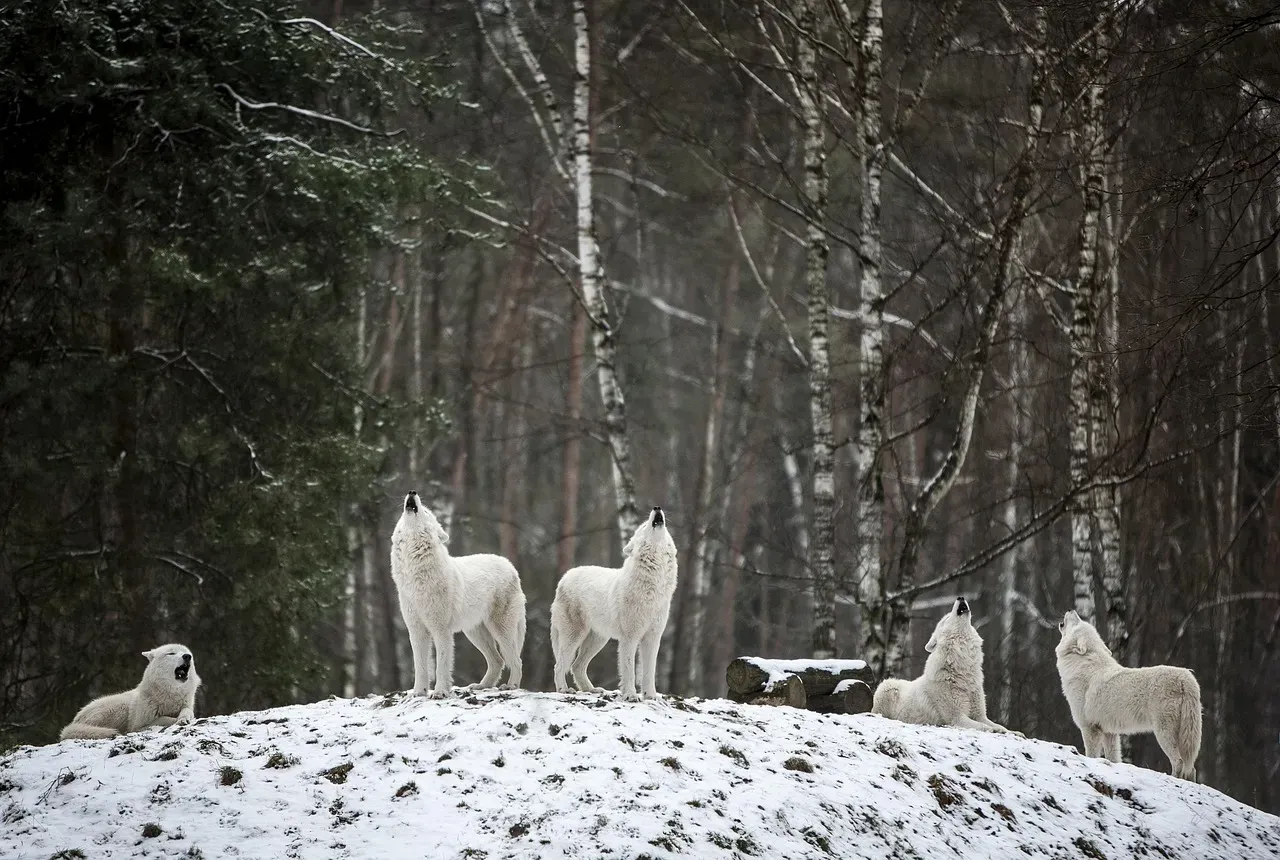
Wolves understand territory at a level that almost feels strategic. Wolves advertise their territories to other packs through a combination of scent marking and howling. Under certain conditions, wolf howls can be heard over areas of up to 130 square kilometers.
When howling together, wolves harmonize rather than chorus on the same note, thus creating the illusion of there being more wolves than there actually are. It’s psychological warfare conducted through sound. Brilliant, honestly.
A pack of grey wolves maintains a large hunting territory, marking the boundaries with urine and defending it violently against other packs. When two rival packs meet at a contested border, the confrontation can be brutal. These aren’t just warnings. These are full, coordinated territorial wars fought in the snow.
10. The Nile Crocodile: Ruler of the Riverbank
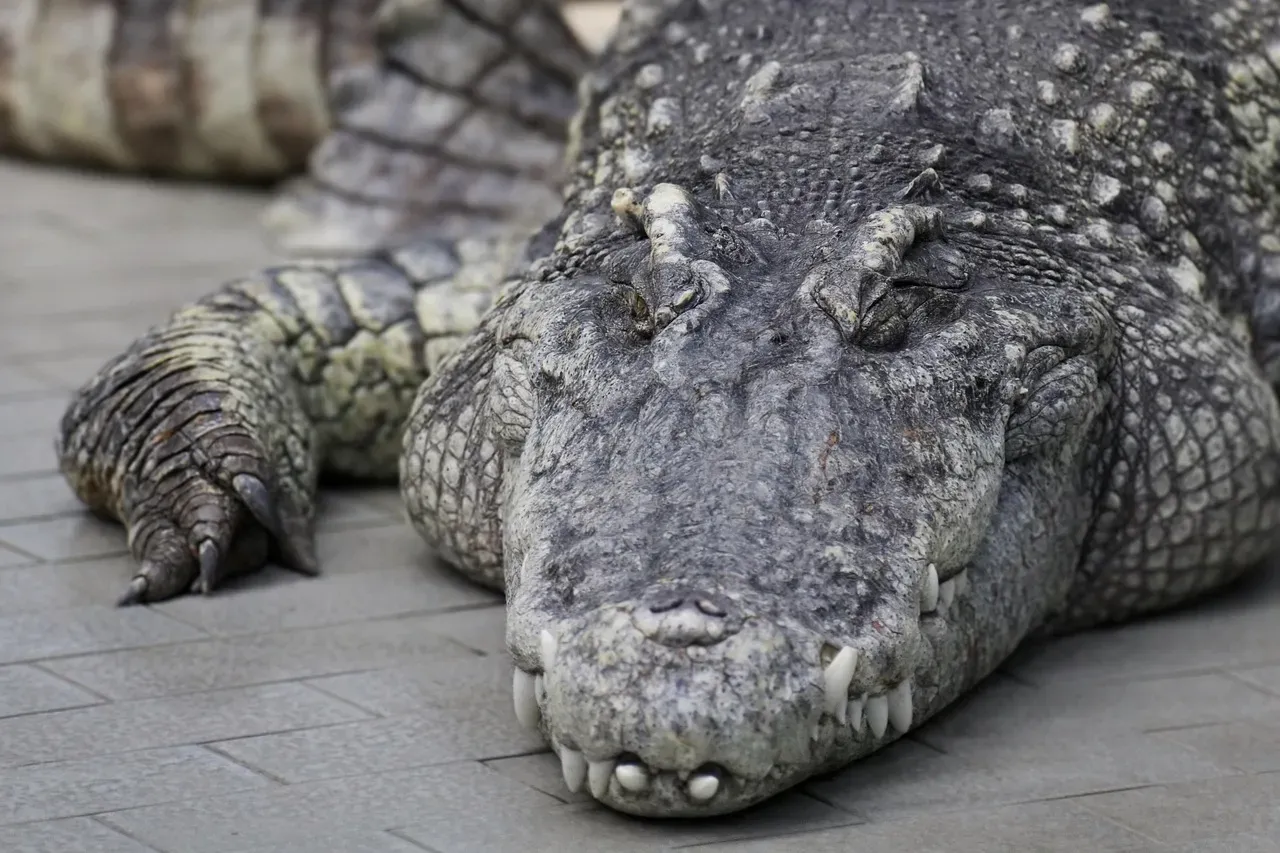
The Nile crocodile operates differently from its saltwater cousin, but no less ruthlessly. Attacks by Nile crocodiles on humans are unfortunately fairly common, owing to the fact that there’s quite a lot of crossover in our habitats, and because of the crocodile’s strength and speed, these attacks are often fatal.
A Nile crocodile’s territory is the waterway it commands. It controls the banks, the shallows, the drinking spots. Every animal that comes to drink enters on the crocodile’s terms, whether it knows it or not. That’s not just territory, that’s dominance over an entire ecosystem.
Animals such as polar bears, Nile crocodiles, and tigers pose significant risks to people, especially if they feel their territory is threatened. The Nile croc doesn’t issue warnings. It simply acts with devastating speed, making it one of the most feared territorial animals on the planet.
11. The Tasmanian Devil: Small Island, Maximum Chaos
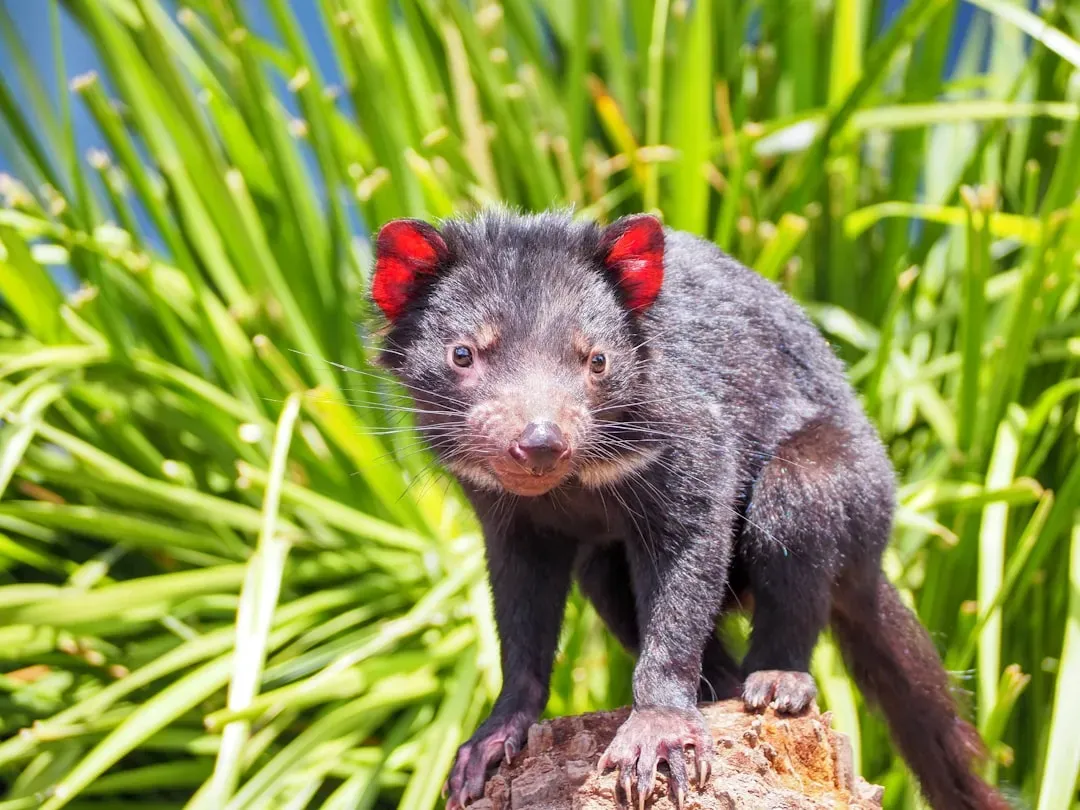
This fierce creature is found only in the Australian island state of Tasmania. They got the name ‘devil’ from their nature of being aggressive so quickly. When threatened, they display a frightening appearance by showing their teeth along with loud screeching.
Besides the aggressive nature, Tasmanian devils have powerful jaws which let them make a powerful bite. For a creature about the size of a small dog, the Tasmanian devil punches so far above its weight class it’s almost comical. Almost.
Not just the scary pose, the Tasmanian devil also has another weapon for defending. When threatened, they produce a foul smell to get rid of the danger. It’s a multi-layered defense system: ear-splitting screams, a terrifying bite, and a stench that sends any remaining doubters packing.
12. The Wild Boar: Explosive and Unstoppable
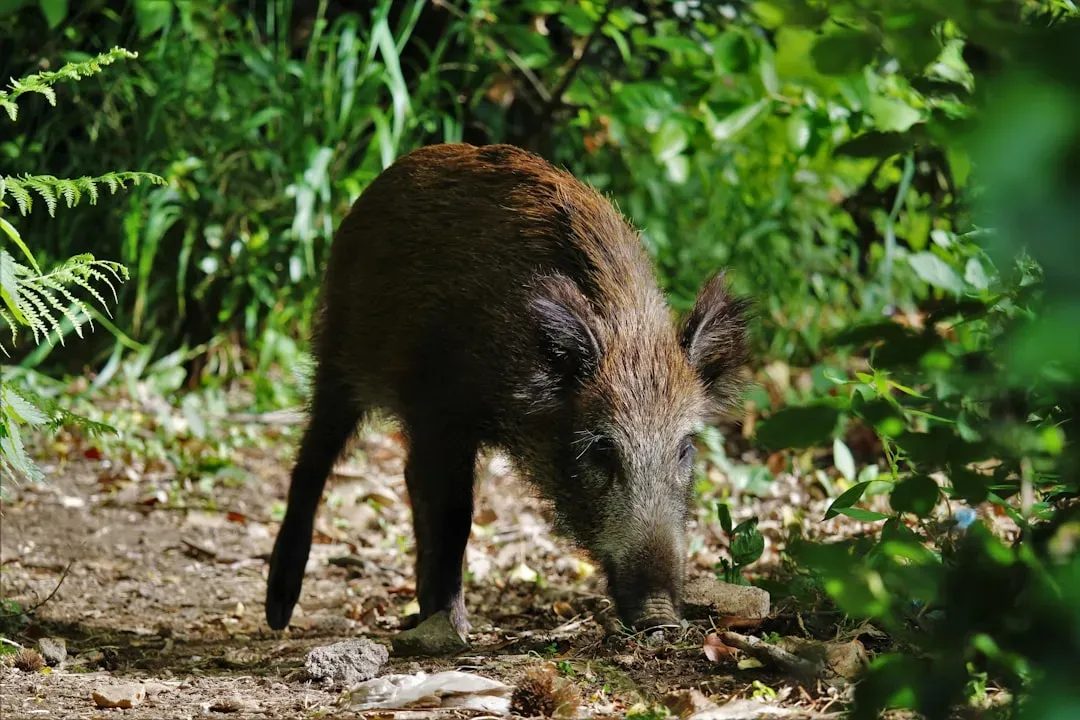
Wild boars rarely make the “scariest animals” headlines, and that is exactly why they catch people off guard. Wild boars are dangerous creatures capable of inflicting serious wounds. Wild boars can be found digging, multiplying, and wreaking havoc all over the world. Known for their aggressive and territorial behavior, these muscular wild hogs waste no time sizing up a threat, they just charge full speed.
When cornered, these boars will charge, using their sharp tusks to injure or kill predators and humans alike. Wild boars are territorial and can become highly aggressive during the mating season or when defending their young.
Think of a wild boar charge like a small car moving at full throttle with tusks attached. Once the aggression starts, it is not easily stopped. The animal’s aggression also depends on their mood, whether they’re well-fed, the time of day, whether they have territory or young to defend and other factors. In other words, every encounter is a gamble you really don’t want to take.
13. The Great Horned Owl: Silent Warden of the Night Sky
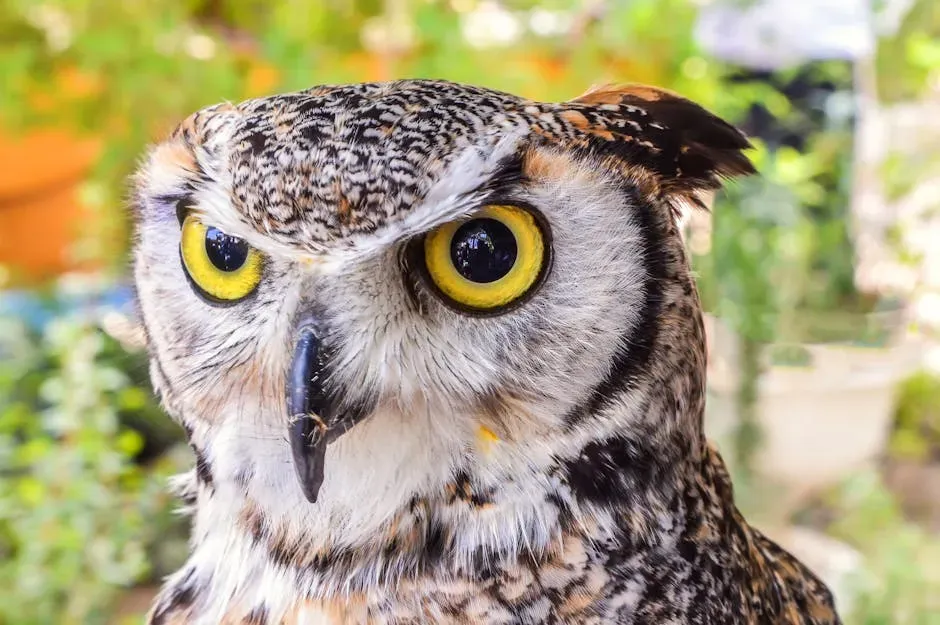
People tend to underestimate birds of prey, especially owls. That is a serious mistake with this particular species. The great horned owl, known for its intimidating look and large size, is a fierce defender of its territory. It uses its camouflage and agility to attack any intruder, be it another bird, a mammal, or even a human who comes too close to its nest.
Many raptors, such as eagles and hawks, establish territories for hunting and nesting. They defend their nesting sites vigorously against other birds of prey. The great horned owl takes this to a personal extreme. Hikers near nesting sites have reported being struck from behind, talons first, with no warning whatsoever.
It’s hard to say for sure which territorial bird is most feared, but the great horned owl’s combination of silence, night vision, and sheer aggression makes it one of the most sobering encounters in any forest. You’ll never see it coming. That’s the whole point.
14. The Spotted Hyena: Calculated and Relentless
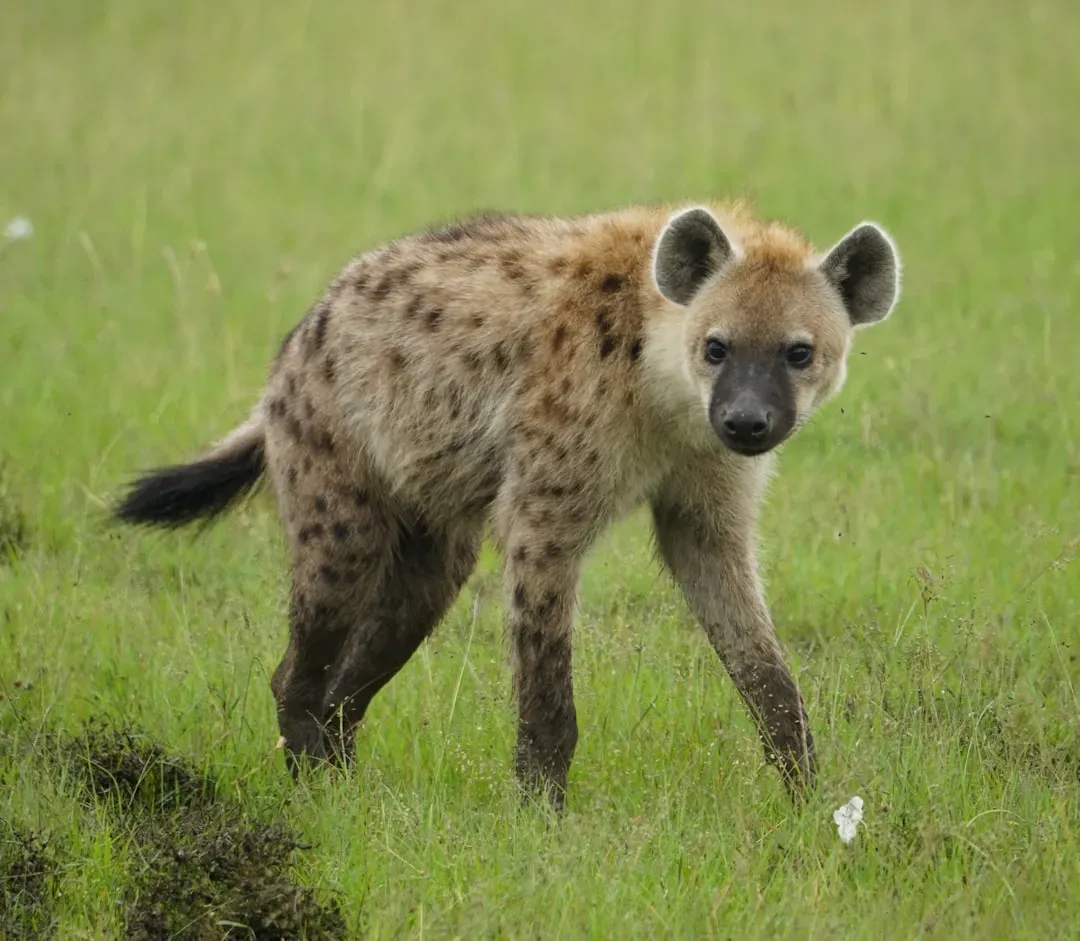
Hyenas are tragically misunderstood. They are not just scavengers stealing scraps. They are highly intelligent, coordinated, and ferociously territorial. Hyenas are often misjudged as mere scavengers, but they are actually fierce predators. With a highly structured social system, hyenas hunt in coordinated packs and can take down large prey like wildebeests and zebras. Known for their bone-crushing jaws, hyenas have one of the most powerful bites in the animal kingdom.
Spotted hyenas defend territories in the Ngorongoro crater, where their prey is predictable and abundant. Their territorial decisions are almost economic in nature, defending space only when the investment is worth it. That kind of strategic thinking combined with their physical power makes them genuinely dangerous to any rival.
They are aggressive both in the hunt and when defending their food. If a hyena is threatened, it will fight back with its powerful bite and relentless nature. Relentless is the right word. They don’t stop. They simply don’t know how to.
15. The Leopard: The Silent, Unforgiving Boundary Keeper
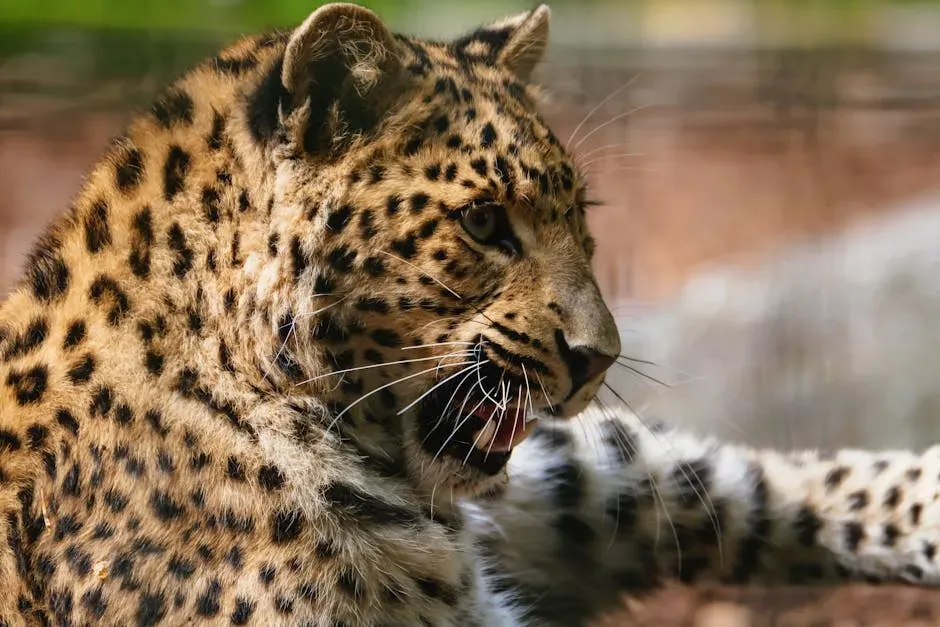
Of all the big cats, the leopard is perhaps the most quietly dangerous territorial animal alive. A leopard marks the boundaries of its territory with urine and will defend this area from other leopards of the same sex. That marking is more than a smell. It’s a statement: this land is mine, and I will enforce it.
Leopards are adaptive, capable of thriving in forests, deserts, mountains, and urban edges. Their territorial range shifts with the season and food availability, but their willingness to defend it never wavers. Unlike lions, a leopard defends alone. No coalition, no backup. Just itself.
Individuals that successfully defend territories often gain access to crucial resources like food, mates, and nesting sites, thereby enhancing their reproductive success. For the leopard, defending its patch of earth is not anger. It is survival, distilled into one of the most capable and dangerous predators that has ever stalked the dark.
The Untamed Truth About Territorial Animals
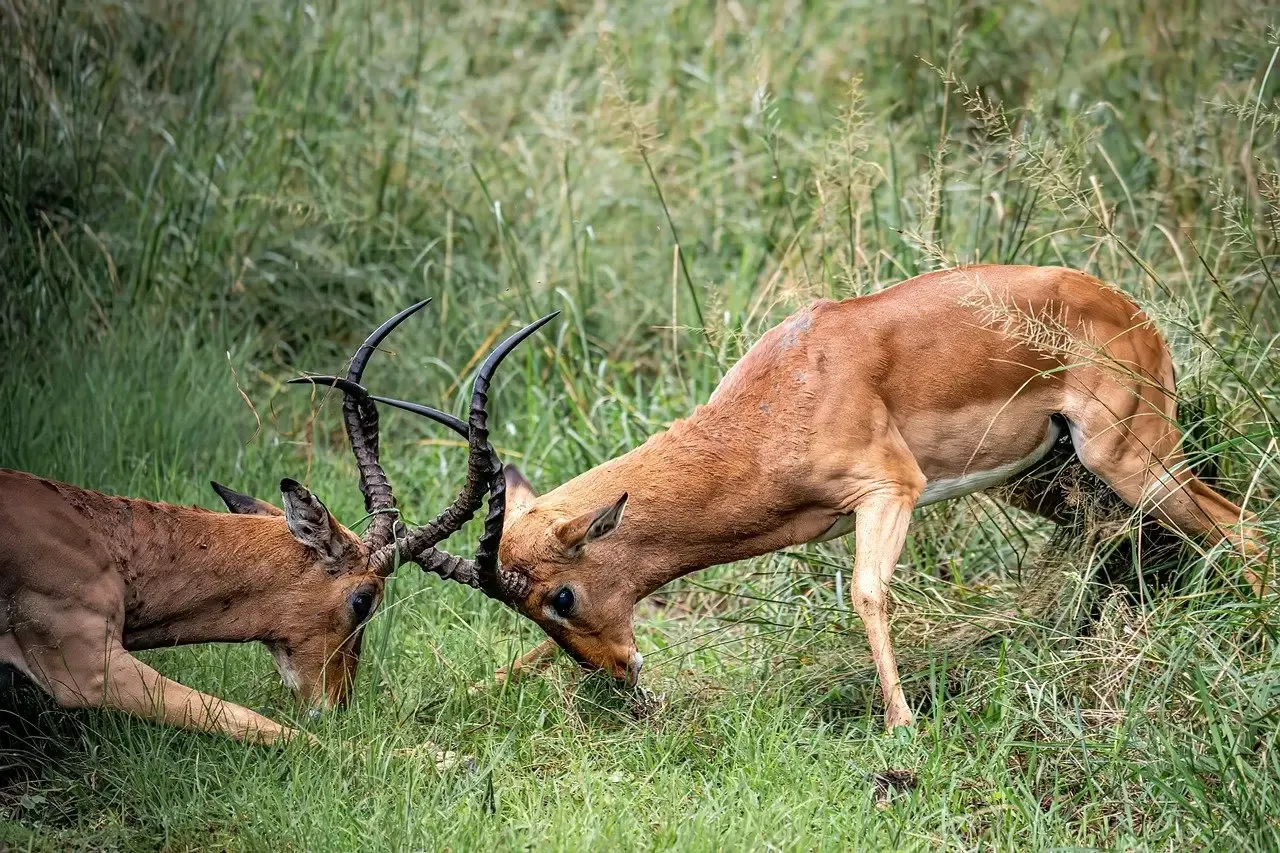
There’s a thread running through all 15 of these animals, and it isn’t just aggression. It’s purpose. Territorial defense is an instinctive behavior that has a clear purpose: to protect key resources. Water, food, breeding grounds, and even a mate are the main reasons why an animal decides to mark and protect its territory. In essence, animals view their territory as a pillar for their survival and reproductive success.
Territoriality and aggression in zoology refer to the behaviors exhibited by animals to defend their living spaces against others of the same species. These behaviors are shaped by evolutionary pressures, as individuals that successfully defend territories often gain access to crucial resources. Every roar, every charge, every spine-chilling screech is the product of millions of years of evolutionary pressure.
What I find most remarkable about all of these animals is that they aren’t cruel. They’re committed. There’s a difference. Their ferocity isn’t random, it’s deeply logical, even beautiful in its own primal way. Respect their space, and most of them want nothing to do with you.
Next time you’re out in nature and you feel like you’re being watched, you just might be. Something out there has drawn a line you cannot see. The question is: are you on the right side of it? What do you think – which of these fifteen surprised you the most? Tell us in the comments.
