

Picture this: you’re deep in the Texas Hill Country, sun filtering through ancient junipers, when a flash of gold catches your eye. Texas boasts some of North America’s most elusive feathered gems, birds so tied to its unique landscapes that spotting them feels like uncovering hidden treasure. These aren’t your everyday cardinals or mockingbirds. They’re the stars of a birder’s dream, thriving in habitats from rugged canyons to coastal prairies.
Here’s the thing. Many have dwindled due to habitat loss, making every sighting a thrill. Ready to chase them? Let’s explore these 10 rare wonders that make Texas birding legendary.[1][2]
Golden-cheeked Warbler
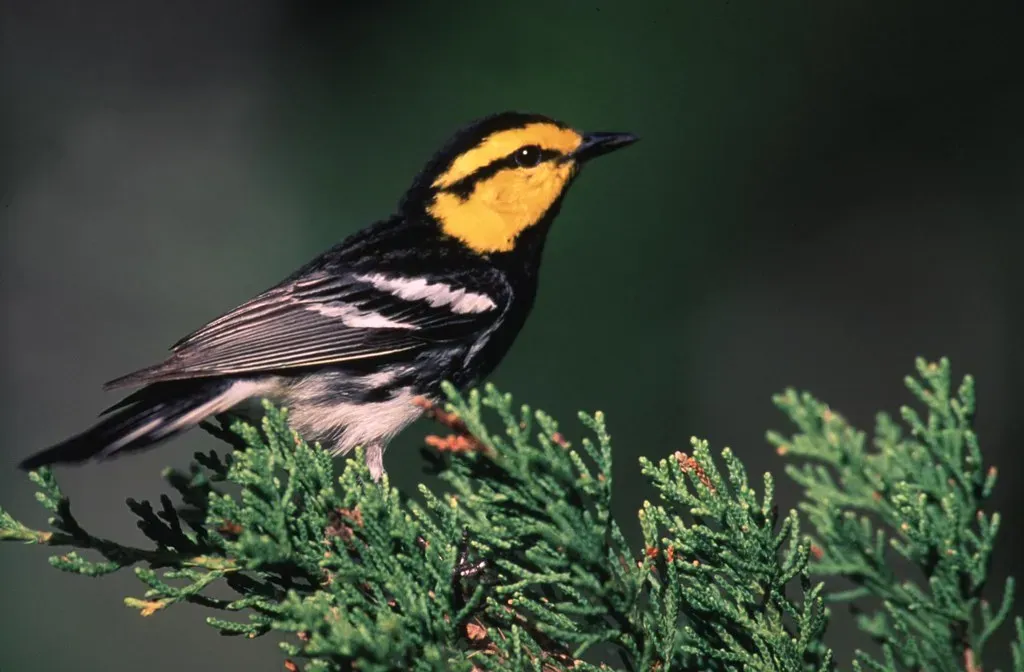
Ever heard a song that buzzes like a tiny chainsaw high in the treetops? That’s the golden-cheeked warbler, the only bird that breeds exclusively in Texas. Males sport a striking golden cheek patch against black throats and backs, while females keep it subtler. They weave nests from shredded juniper bark in mature Ashe juniper and oak woodlands.
Federally endangered, their numbers crash from habitat destruction. Head to Balcones Canyonlands National Wildlife Refuge or Pedernales Falls State Park from March to July for your best shot. Honestly, it’s heartbreaking how fragile their world is, yet spotting one rewards the early mornings.[1][2]
Black-capped Vireo
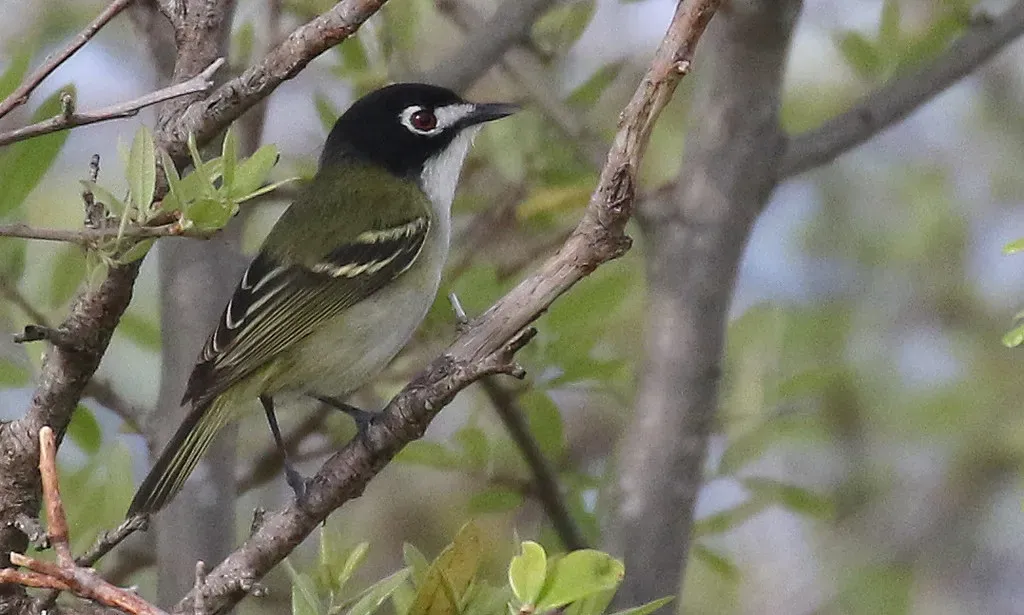
Imagine a pint-sized bird with a punk-rock black cap and white-rimmed eyes glaring from the brush. The black-capped vireo loves shrubby spots sparked by fires or grazing, turning chaos into home. Males flash olive-green backs and bold black throats; females play it low-key.
This federally endangered gem clings to life in Texas Hill Country. Try Kerr Wildlife Management Area or Fort Hood post-burn for active birds. Their sharp songs cut through the scrub, but populations teeter on the edge. I think their feisty vibe makes them unforgettable.[1][2]
Cave Swallow
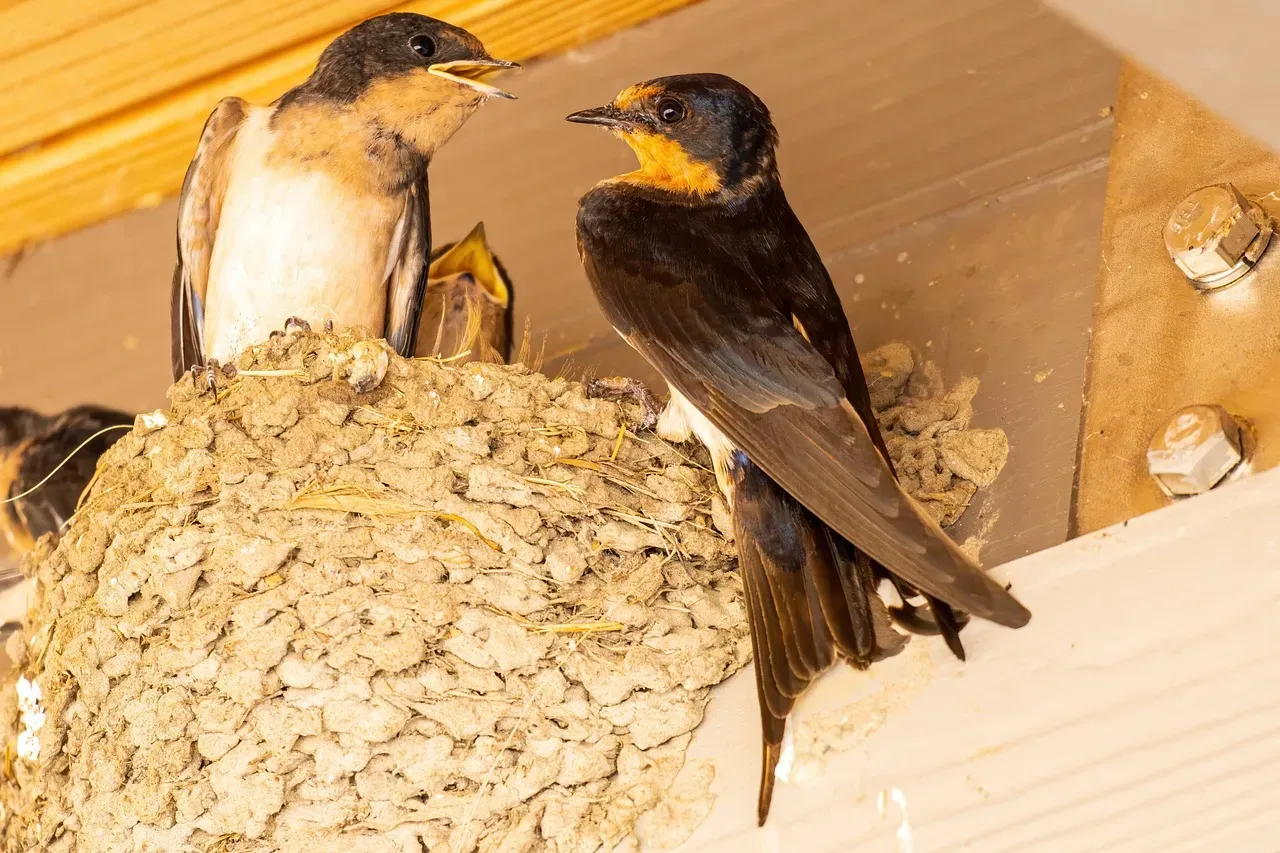
What if swallows ditched the eaves for actual caves? Cave swallows do just that, nesting in colonies inside sinkholes, caverns, and bridge undersides. Their rusty foreheads and dark buff throats stand out as they swoop with square tails.
Though spreading, they’re concentrated in Texas Hill Country’s karst wonderland. Devil’s Sinkhole State Natural Area buzzes with them in summer. It’s wild how they’ve adapted to our underground realms. Still rare enough to quicken your pulse on a hike.[1]
Rufous Hummingbird
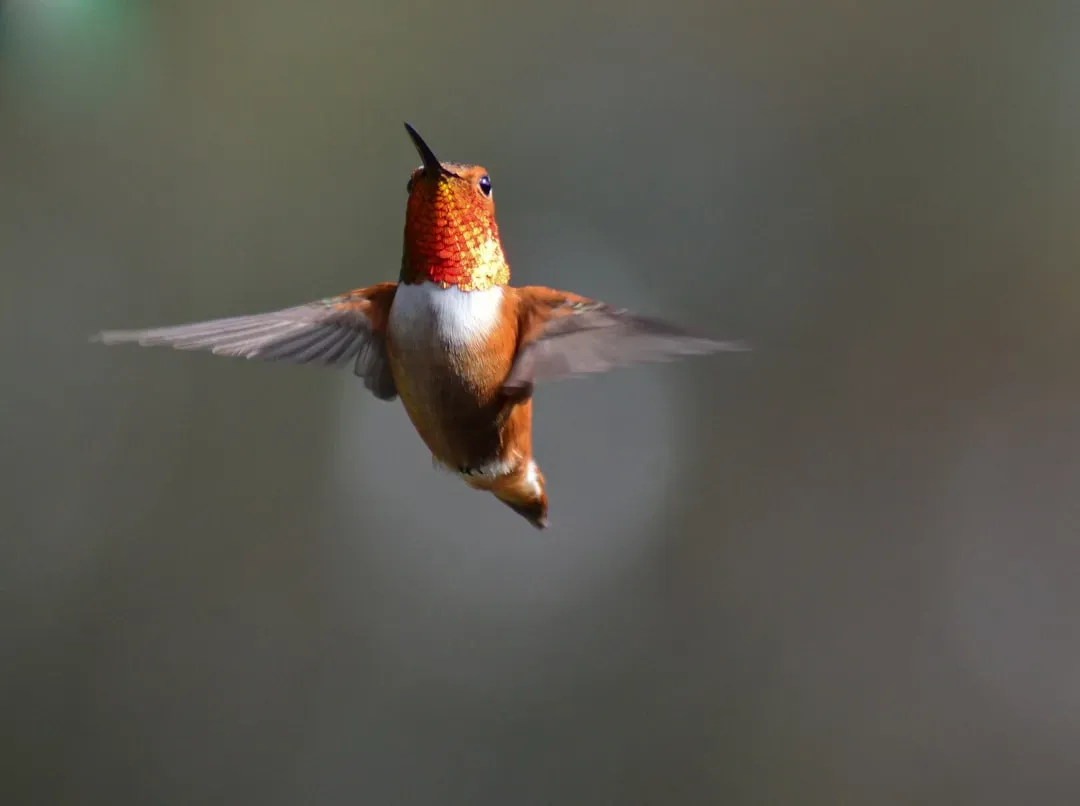
Fiery orange jewels zipping through fall skies – who could resist? Rufous hummingbirds, mostly western wanderers, flood Texas Hill Country during migration. Males glow brilliant rufous; females mix green with rufous hints.
Set up feeders from August to October, and they swarm yards like tiny helicopters. Their epic journey from Alaska demands pit stops here. Let’s be real, their speed blurs the line between bird and bullet. A backyard spectacle you won’t forget.[1]
Montezuma Quail
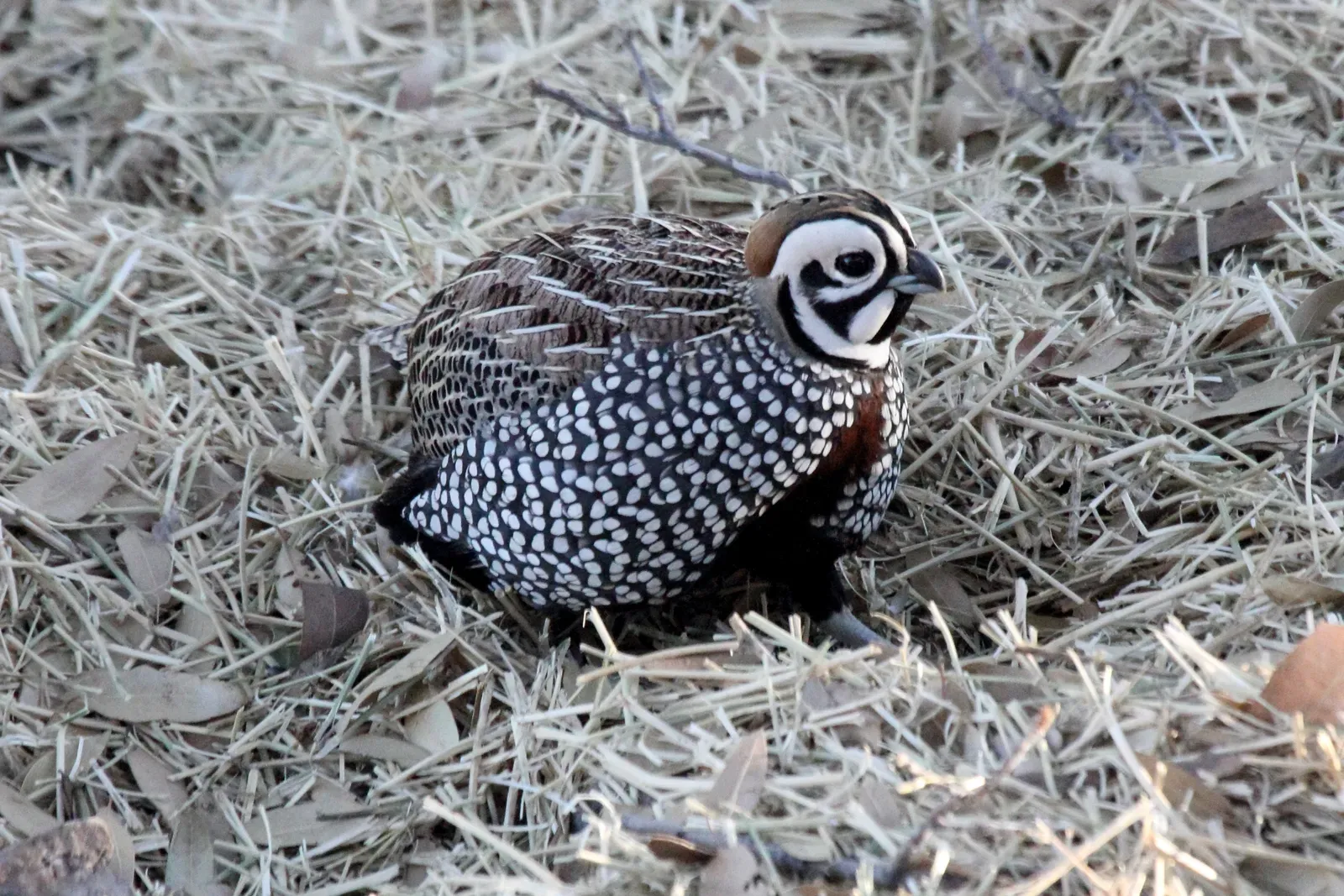
Plump, patterned like a living quilt, Montezuma quail vanish into grassy hillsides. Their black, white, and brown mosaics camouflage perfectly near rocky slopes. Listen for those wild, laughing calls to pinpoint them.
Elusive in Texas Hill Country’s brushy woodlands, they’re tough nuts to crack. Patience pays off amid scattered oaks and grasses. Their quirky strut feels like spotting woodland elves. Rare doesn’t even cover their shy charm.[1]
Zone-tailed Hawk
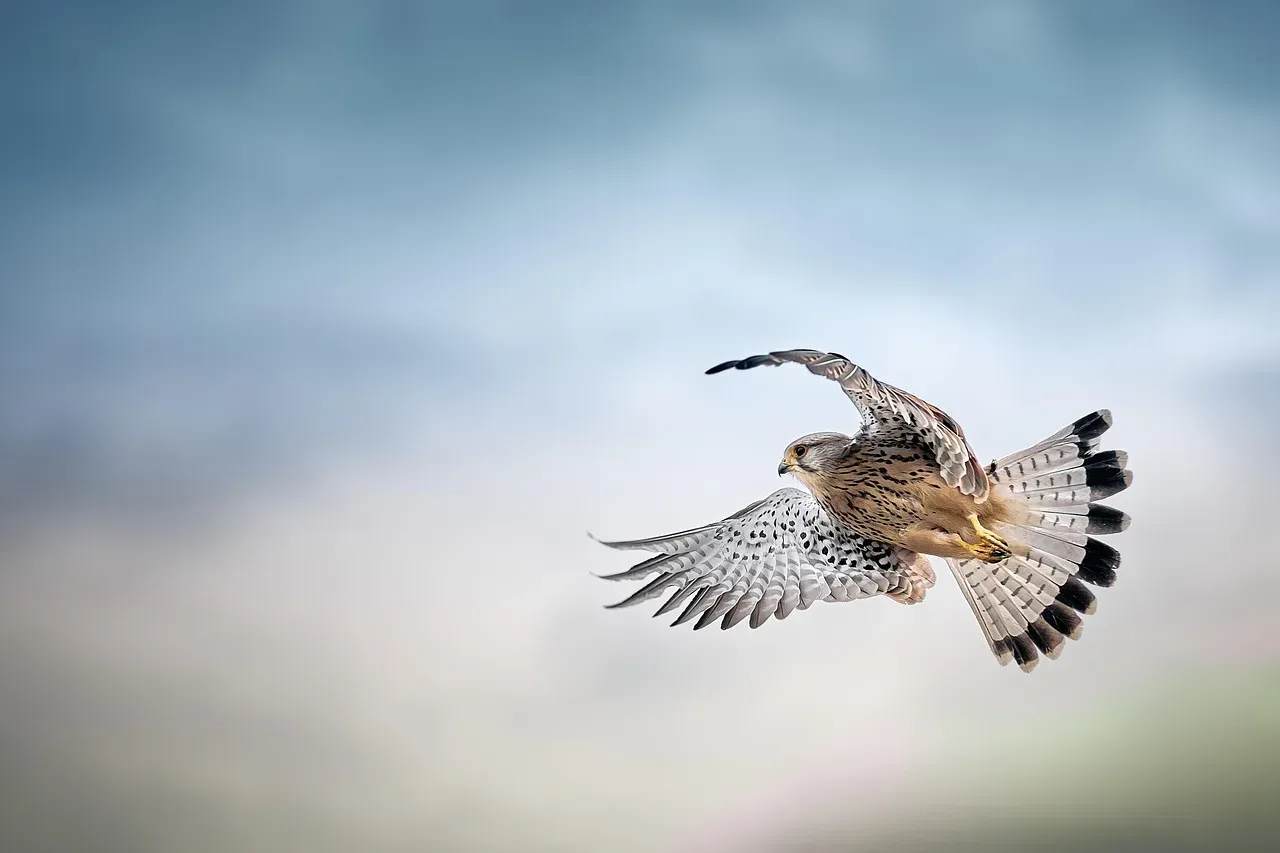
Soaring like a turkey vulture but with a hawk’s edge – that’s the zone-tailed hawk. Dark plumage and barred tails trick prey into relaxing. They glide over canyons with wings held high in a dihedral pose.
Western Hill Country canyons host these sly mimics. Their rarity amps the drama of every thermal ride. Spot one, and you’ve decoded nature’s camouflage game. Thrilling for raptor fans.[1][2]
Varied Bunting
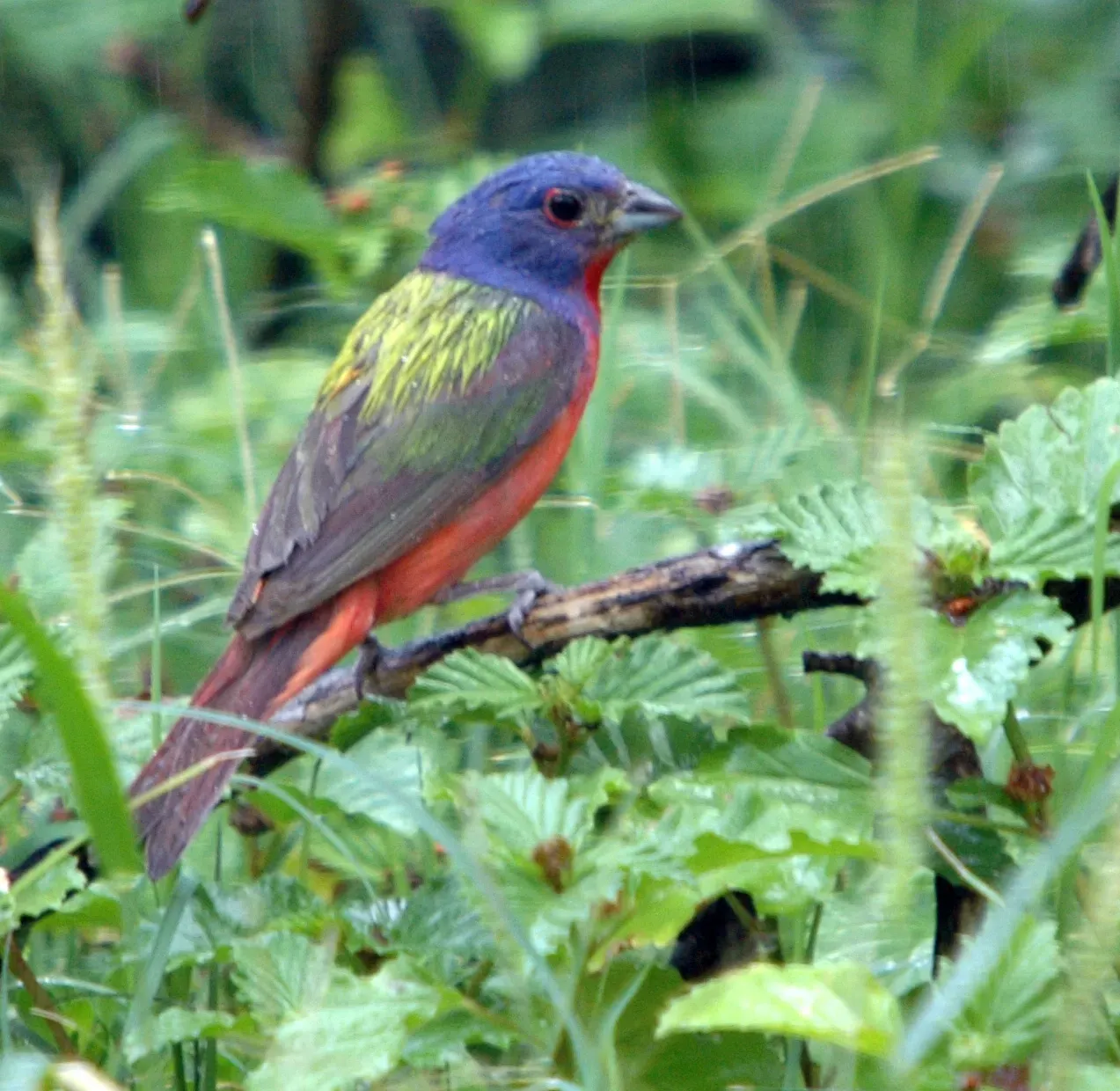
Uploaded by Jacopo Werther, CC BY-SA 2.0)
A burst of blue-purple-red fireworks in bird form? Meet the varied bunting male, dazzling near water. Females blend in gray-brown, but that breeding plumage screams southwestern flair.
Riparian brushy canyons in western Hill Country hide them well. Uncommon glimpses make hearts race. Like living jewels tucked in thorny thickets. Their colors rival any sunset.[1]
Bewick’s Wren
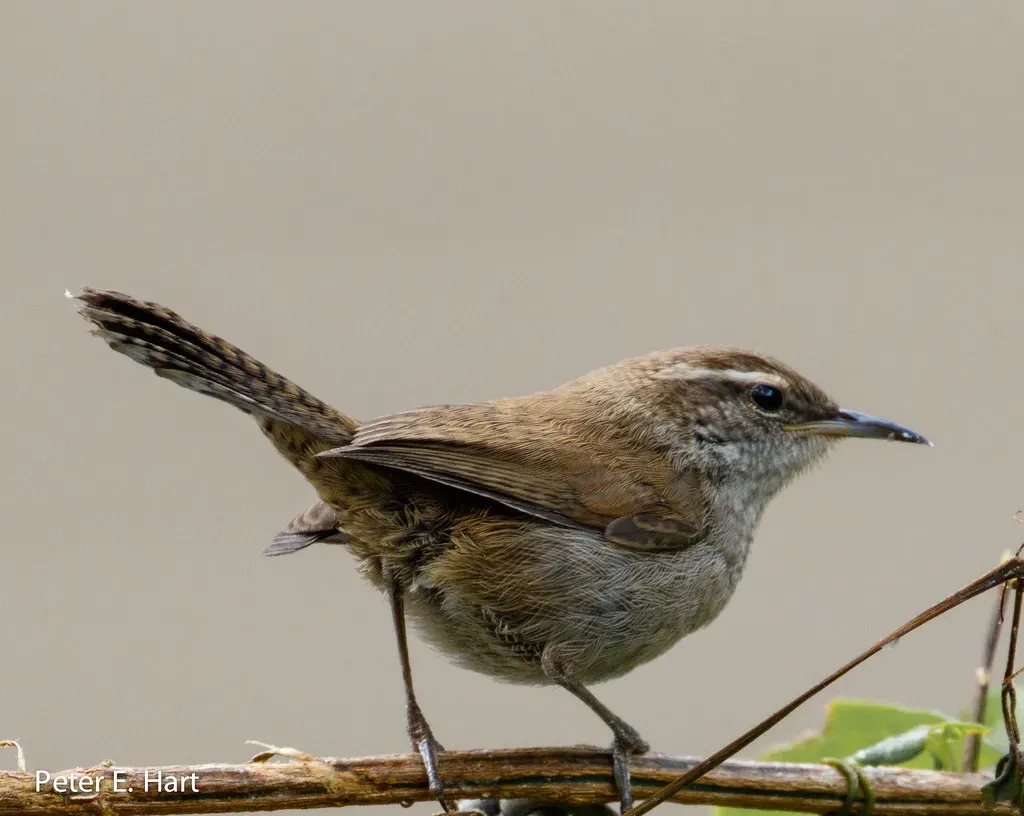
Long-tailed brown zippers with bold white eyebrow stripes – Bewick’s wrens cock their tails like perky flags. They thrive near brush, gardens, and woodland edges despite range-wide dips.
Texas Hill Country remains a reliable pocket for these decliners. Their bubbly songs echo from low perches. It’s a quiet win amid bigger rarities. Feels personal, like chatting with an old friend.[1]
Painted Bunting
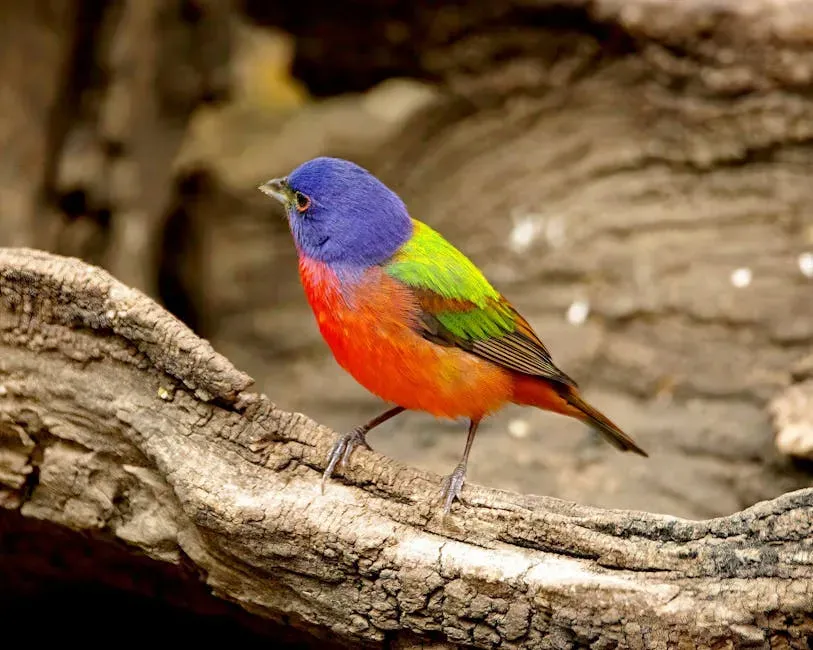
Rainbow on wings: blue head, green back, red underparts – that’s the painted bunting male. Females go all-green camouflage. Brushy thickets along streams call them home.
Hill Country holds strongholds for this North American color king. Roadside edges yield surprises at dawn. Their vibrancy punches above their tiny size. Pure eye candy in feather form.[1]
Green Kingfisher
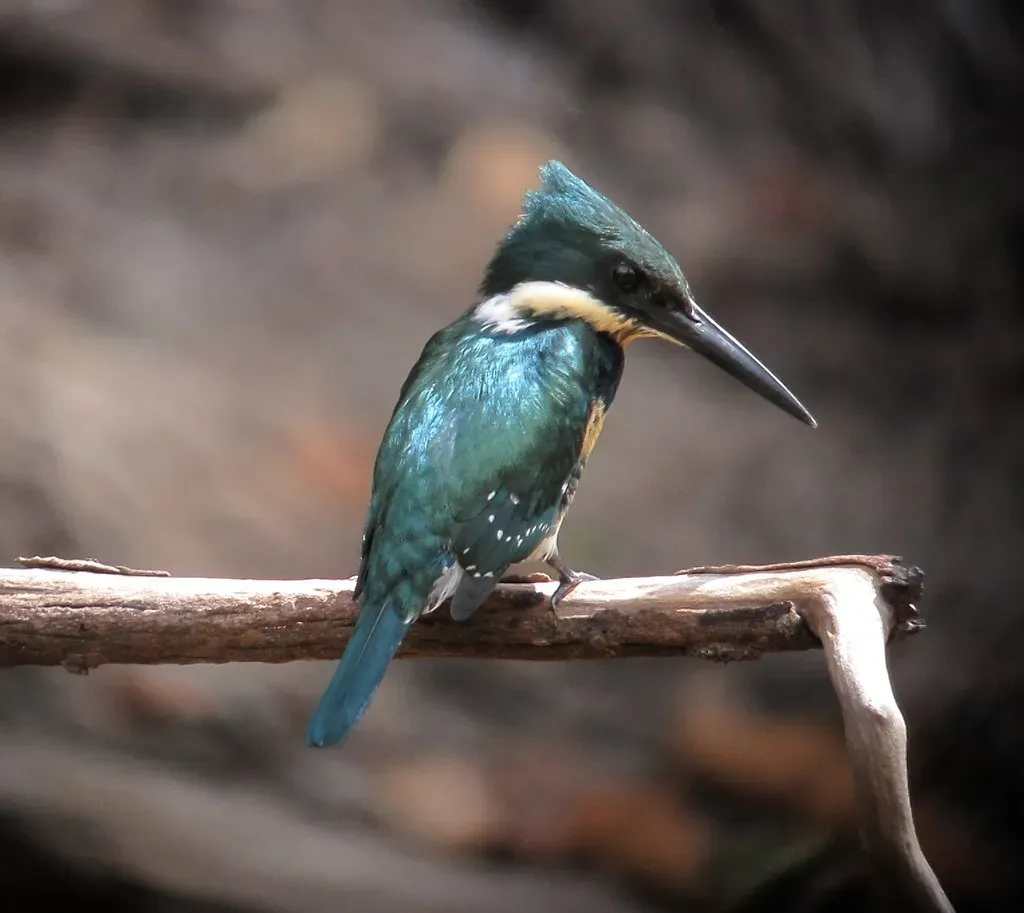
Tiny green darts with dagger bills plunge for fish along rivers. Green kingfishers perch low over water, white bellies flashing on dives. Overlooked but oh-so-cool.
Frio and Guadalupe Rivers in Hill Country offer prime perches. Their rattle calls hint at hidden spots. Like feathered submarines patrolling streams. A subtle thrill for patient watchers.[1]
Why Texas Calls Birders Home
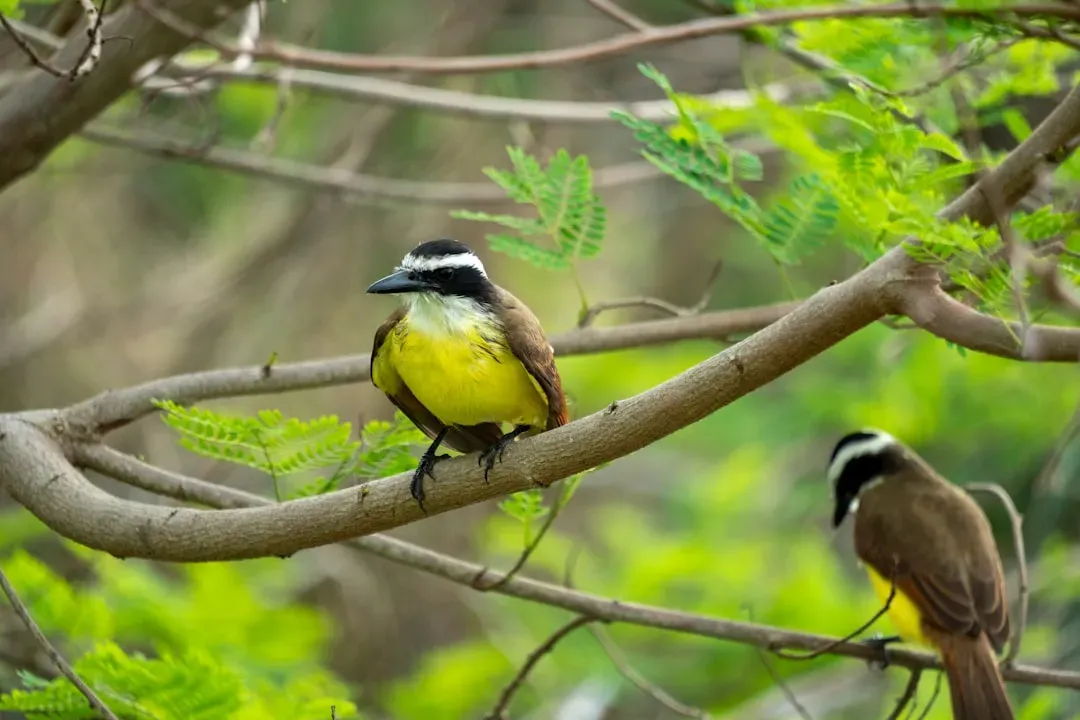
Texas’s wild mosaic cradles these rarities, from Hill Country karsts to coastal prairies. Conservation fights back against habitat threats, giving hope. Each bird tells a story of resilience.
Grab binoculars and hit the trails – you might just add a lifer. What rare Texas bird tops your list? Share in the comments and keep the chase alive.

- 7 Signs Your Dog Thinks You're Family - July 21, 2026
- 10 Fascinating Facts About Birds of Prey You Never Knew Existed - July 21, 2026
- These 6 Animals Have the Most Bizarre Mating Rituals on Earth - July 21, 2026