
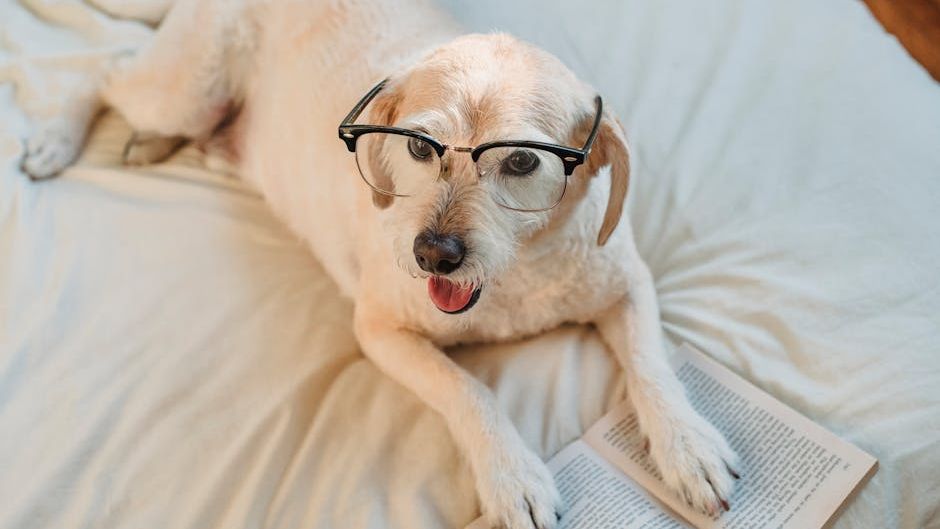
You’re sitting quietly on the couch, not doing anything particularly interesting. No food in your hand, no leash in sight. Yet there it is – that slow, steady, almost hypnotic gaze from your dog fixed directly on your face. It can feel a little intense, honestly. Maybe even a bit creepy at first. But here’s the thing: what your dog is actually doing in those moments goes so much deeper than most pet owners realize.
The science behind a dog’s loving stare is nothing short of breathtaking. It touches on evolution, brain chemistry, emotional intelligence, and a bond that has been thousands of years in the making. Be surprised by just how much is happening behind those soft, soulful eyes.
The Love Hormone Hidden Inside a Single Glance
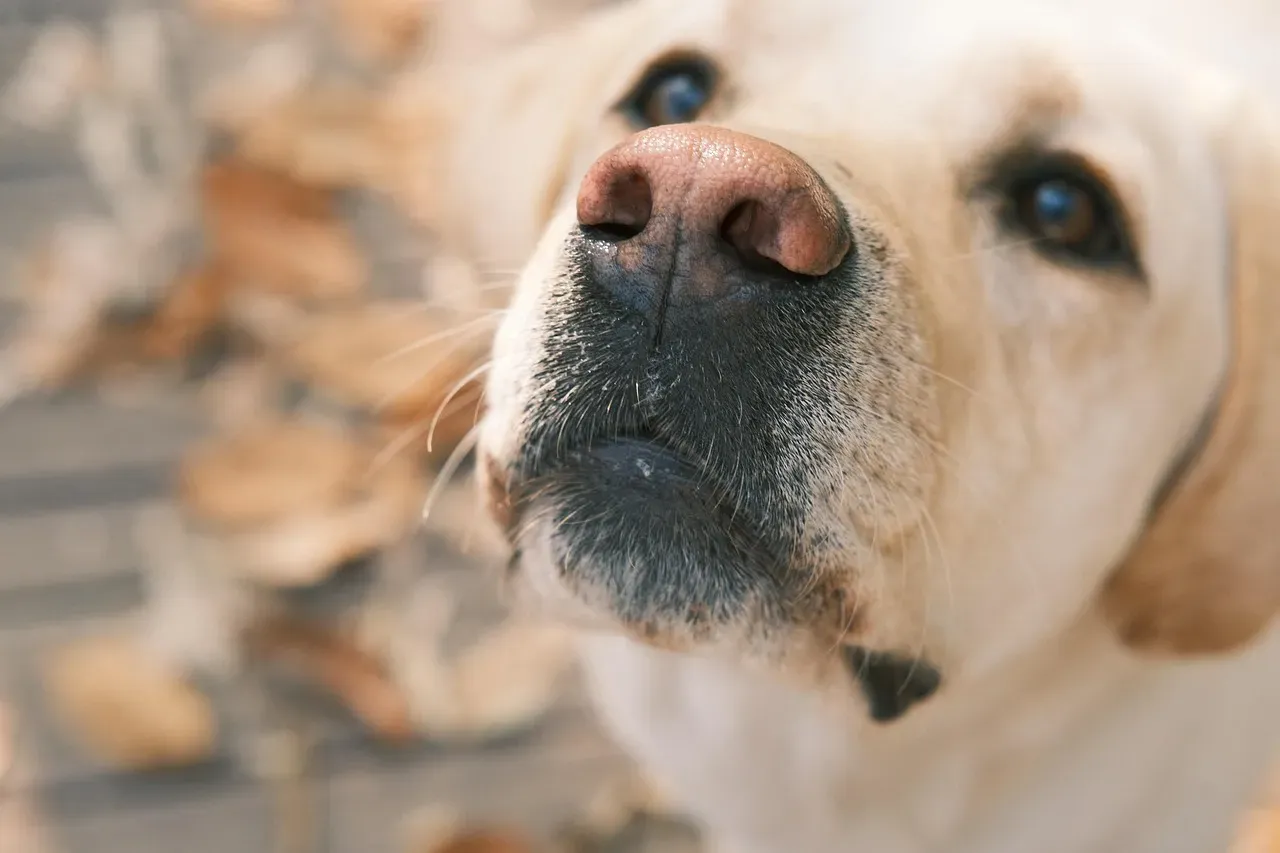
Let’s start with the most jaw-dropping piece of this puzzle. Mutual staring between humans and dogs releases oxytocin, known as the love hormone, a chemical that plays an important role in bonding and boosts feelings of love and trust. Think about that for a second. A glance from your dog is chemically changing your body.
Of the pairs that spent the greatest amount of time looking into each other’s eyes, both male and female dogs experienced a roughly one hundred and thirty percent rise in oxytocin levels, and both male and female owners saw a three hundred percent increase. That is not a small effect. That is a dramatic, measurable hormonal shift triggered purely by a look.
When a dog and their owner gaze into each other’s eyes, both of their oxytocin levels rise, and oxytocin is the same chemical that rises when mothers bond with their babies. The comparison to mother and infant bonding is not just poetic. It is biologically accurate, and that should genuinely move you.
A Bond Forged Over Thousands of Years of Evolution
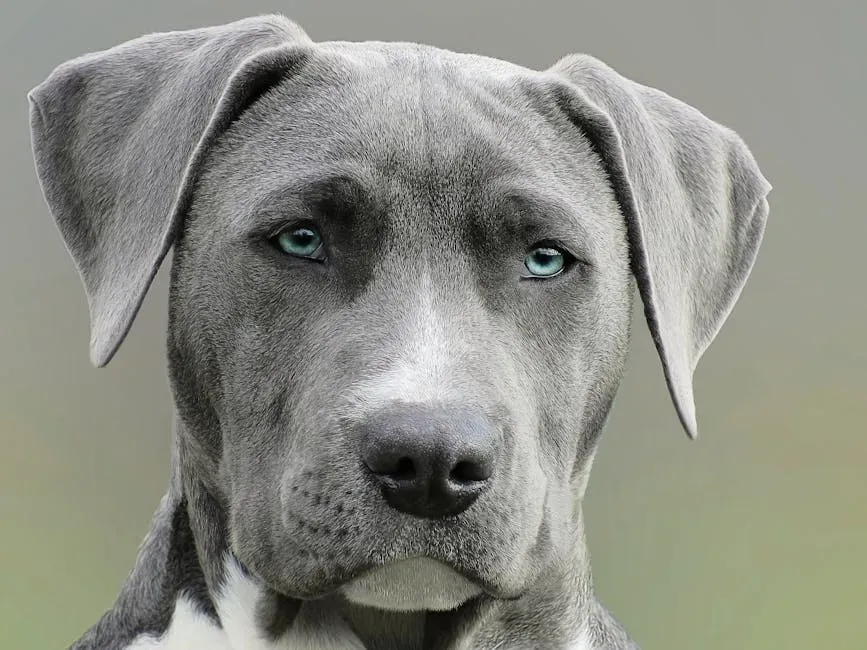
I think this is where the story truly gets extraordinary. Dogs did not accidentally learn to look at us. Human-like modes of communication, including mutual gaze, in dogs may have been acquired during domestication with humans, and gazing behavior from dogs, but not wolves, increased oxytocin concentrations in owners.
Wolves, even hand-raised ones that are comfortable around people, simply do not do this. Mutual gaze between wolves and their owners did not correlate with any oxytocin change, because wolves tend to use eye contact as a threat among their own kind and avoid human eye contact. Dogs, on the other hand, rewired themselves over millennia to use the gaze as a bridge rather than a warning.
As humans transitioned from nomad hunter-gatherers to sedentary farmers, surrounding groups of wolves would gather around, and being quite messy herds of people as we are today, we would leave scraps of food that wolves would scavenge. From those earliest encounters, a slow, extraordinary transformation began. The dogs that could connect with us emotionally, that could look us in the eye without aggression, were the ones that survived and thrived. The loving stare is, in a very real sense, a gift from history.
Your Dog Is Reading Your Face Like a Book
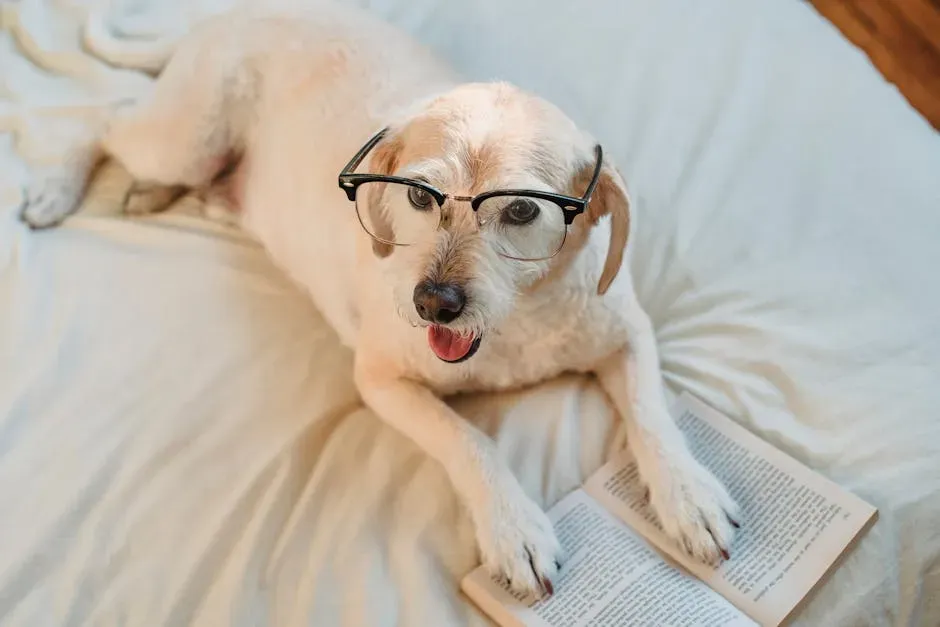
Here is something most people never think about. When your dog stares at you, they are not just adoring you. Your dog watches your body language and looks at your facial expressions to help them recognise what you’re thinking and feeling, relying on you for everything, from food and water to cuddles and exercise, and understanding your behaviour helps them work out what’s going to happen next.
Dogs have so fine-tuned their ability to read into us that they can distinguish their owner’s expressions even by looking at images. There was even a study where dogs were shown images of happy and angry faces on a screen. Researchers found that when seeing an angry face, the dogs would be reluctant to approach the image, despite the promise of a treat. That level of emotional literacy is remarkable.
More than almost any other animal on earth, dogs are in tune with humans, sensing our moods, following our pointing gestures, and reading us for information about what’s going to happen next. So yes, when your dog stares at you while you’re getting your shoes on, they have already figured out what comes next. That stare is part detective work, part devotion.
Not All Stares Are Created Equal – Learning to Tell the Difference
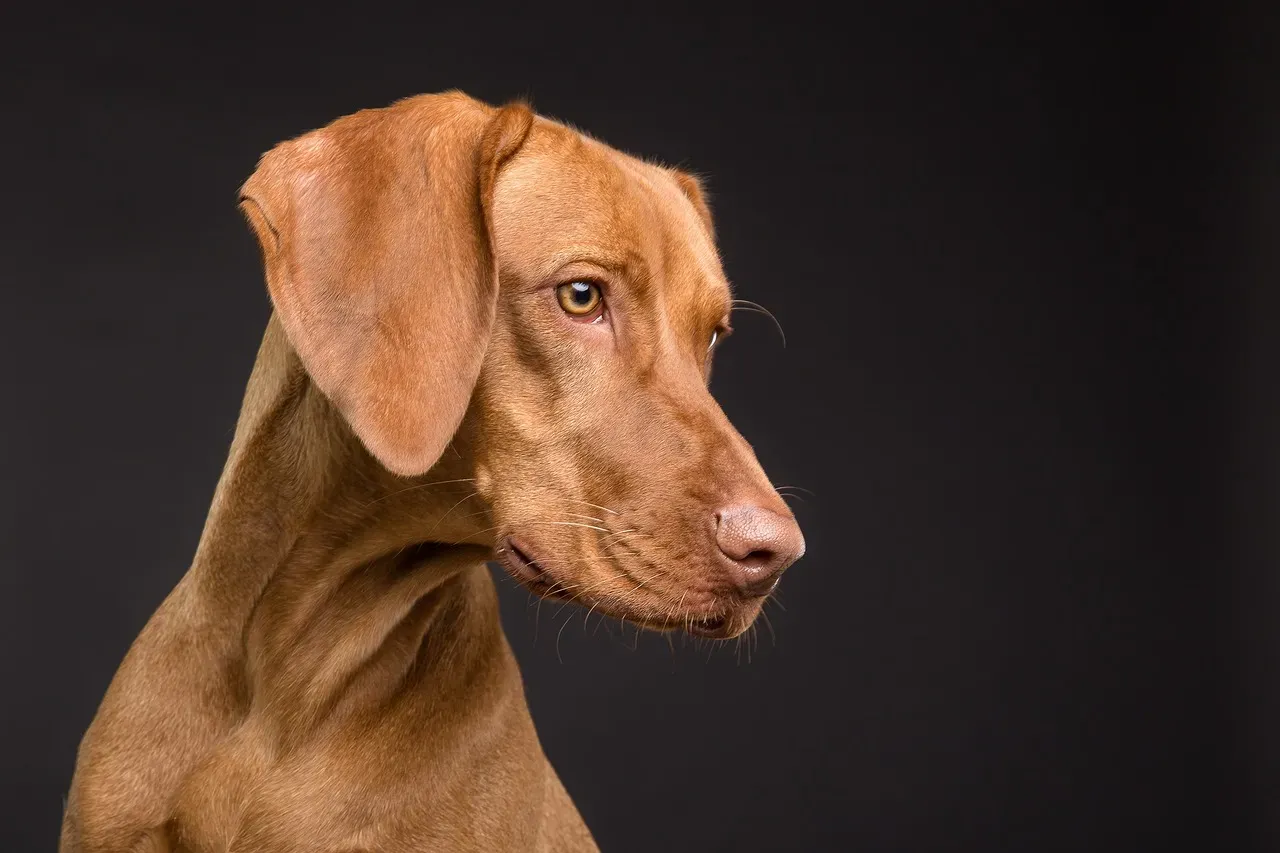
Let’s be real: not every gaze your dog sends your way is a love letter. A soft, relaxed gaze accompanied by a loose, wagging tail typically indicates pure love and affection, where your dog may simply be expressing their attachment to you and enjoying your presence. That is the one you want to look for.
If your dog’s eyes squint, their tail wags, or if they have relaxed body language, they are giving you a loving gaze. The soft squint, in particular, is what I’d call the canine equivalent of a warm smile. It is unmistakably tender. On the flip side, a hard stare, stiff posture, fur between the shoulder blades standing up, erect ears, and a tall stance all signify aggression.
If a dog is staring to warn you off, they will present mostly the whites of their eyes with little of the pupil and iris, often accompanied by baring of the teeth or snarling, and perhaps lowering of their body. The context matters enormously. A relaxed dog on the couch staring at you with soft eyes is something completely different from a rigid, silent stare across the room. Learn the difference and you will understand your dog on a whole new level.
How to Strengthen the Bond Through Mutual Gazing
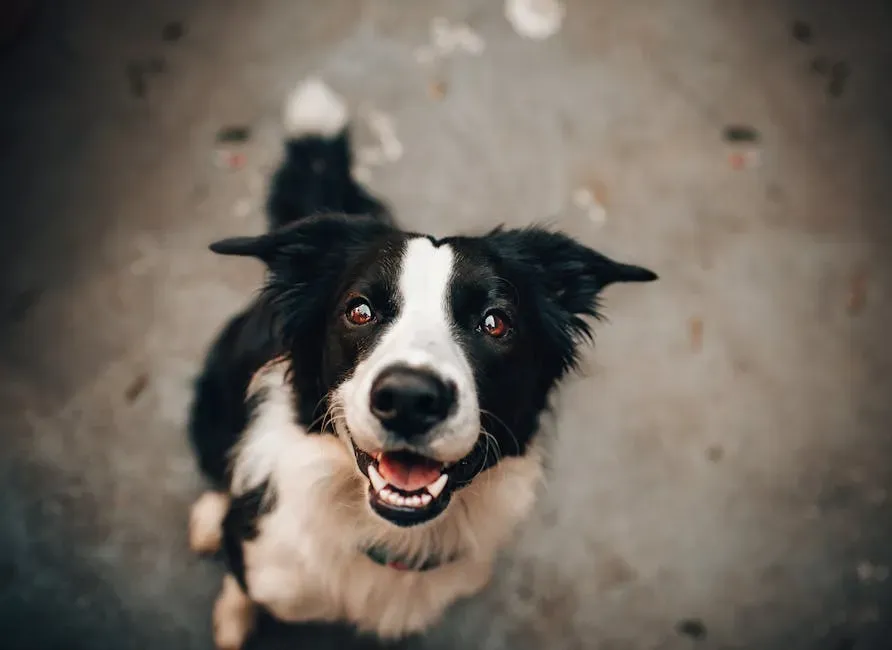
Here is the empowering part of all this. The oxytocin loop is not something that just happens to you passively. The bidirectional nature of the oxytocin loop between humans and dogs means that when you lock eyes with your dog, not only does oxytocin flood your system, but it also has the same effect on your furry companion, forming the foundation of the special relationship you share.
Like humans, dogs use eye contact to build a solid emotional connection with their pet parents, as mutual gazes are a sign of trust and affection that can help establish and strengthen bonds when shared with those who bring them comfort and security. The takeaway here is simple. Gaze back. Intentionally, calmly, and lovingly.
When you look at your dog lovingly and they look back into your eyes, they are letting you know that the feeling is mutual, though it is important to never force your dog to stare you in the eye, as it’s unlikely they’ll interpret this in a positive way. Keep it natural, keep it gentle, and let it happen organically. Oxytocin has stress-reducing effects, promoting feelings of relaxation and calmness, and increased levels can help alleviate symptoms of anxiety and stress in both humans and their canine companions. Honestly, that sounds like the simplest, most free therapy session available.
Conclusion
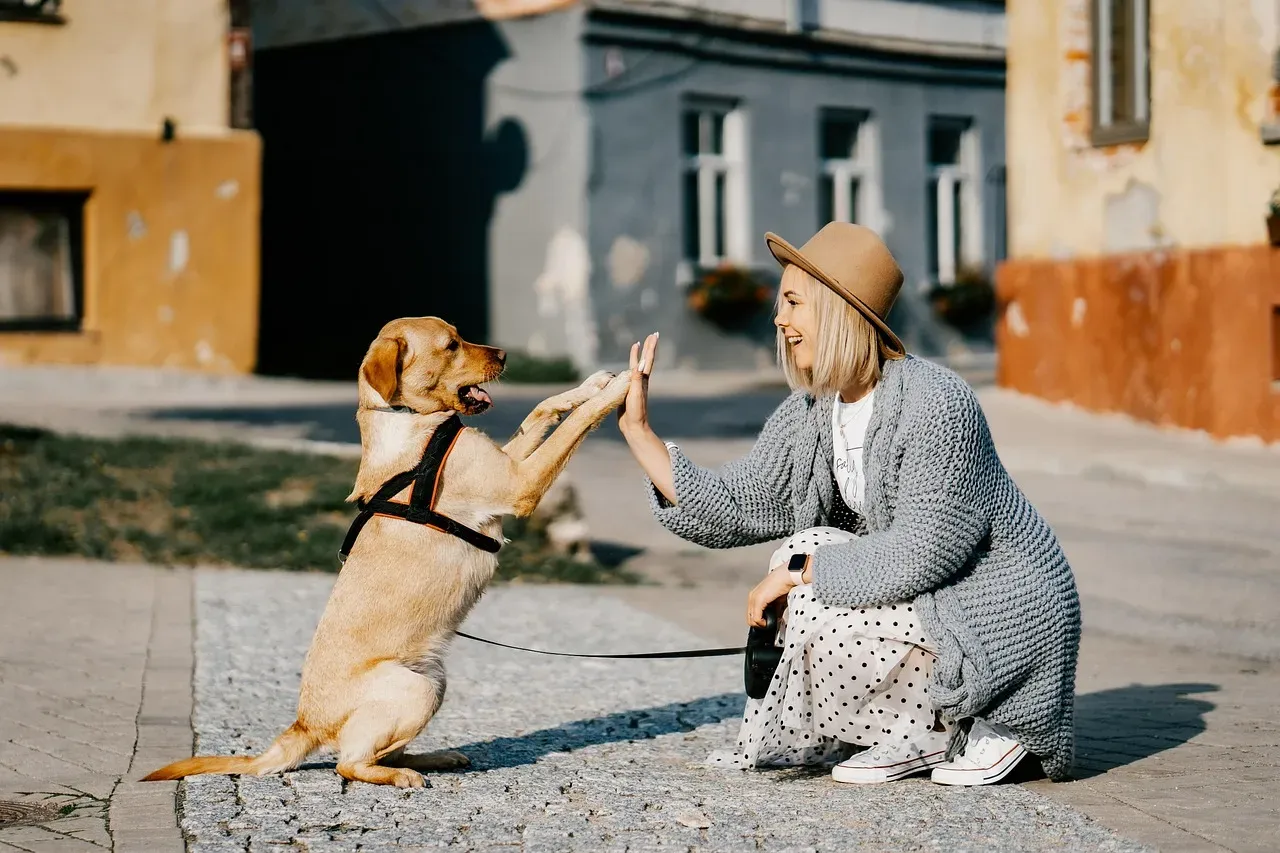
There is something quietly profound about the idea that a creature shares your home, watches your every move, and uses the power of a gaze to tell you it loves you. No words needed. No grand gestures. Just eyes locked on yours, hearts running the same hormonal script, across two entirely different species.
Most of the time, if your dog is staring at you, it’s because they consider you important, and they just want to be part of whatever you do. When you truly sit with that thought, it is hard not to feel something.
The next time your dog holds that long, soft, steady gaze, don’t look away. Stare back. Because in that simple moment, thousands of years of co-evolution, brain chemistry, trust, and love are all happening at once. What would you have guessed was hiding behind those eyes? Tell us in the comments.

- 6 Exotic Bird Species You Can Spot in U.S. National Parks - July 19, 2026
- 11 Iconic American Birds Facing New Challenges and How You Can Help - July 19, 2026
- 10 Friendliest Animals in the World - July 19, 2026