

Few places on Earth carry the weight of Chernobyl. The name alone conjures images of crumbling reactor halls, empty playgrounds, and a silence so complete it feels almost supernatural. For decades, the exclusion zone surrounding the 1986 nuclear disaster site has been one of the most restricted and eerie landscapes on the planet.
Yet something unexpected is unfolding inside that forbidden territory. Something that challenges everything we think we know about radiation, resilience, and the raw, unstoppable force of nature. Let’s dive in.
The Unlikely Residents of a Nuclear Wasteland
Here’s the thing most people don’t know: Chernobyl’s exclusion zone has become, against all odds, one of the most ecologically active regions in Eastern Europe. Wolves, lynxes, bison, and eagles have all moved in over the decades since humans moved out. Nature, it turns out, doesn’t wait for an all-clear signal.
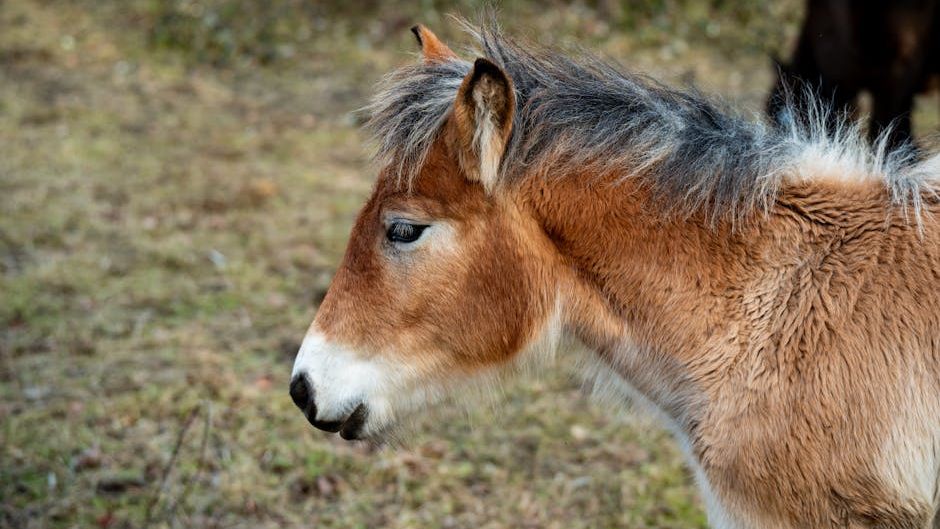
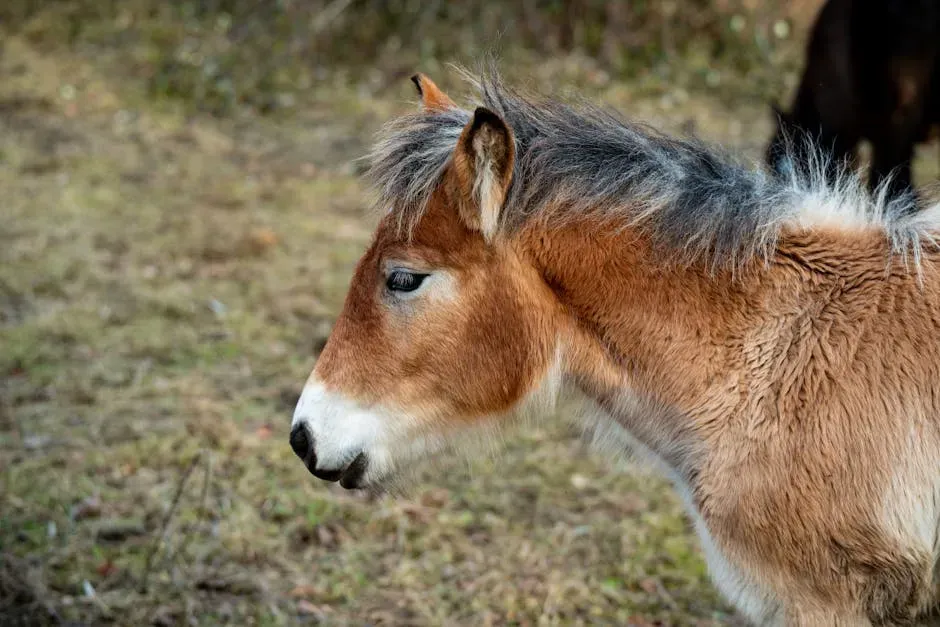
Among the most surprising inhabitants are Przewalski’s horses, a species once considered extinct in the wild. These stocky, prehistoric-looking animals were introduced to the exclusion zone in the 1990s, partly as a conservation experiment. Nobody was entirely sure what would happen. What followed has genuinely stunned researchers.
Who Are Przewalski’s Horses and Why Do They Matter
Przewalski’s horses are not your average horse. They are widely considered the last truly wild horse species on Earth, never fully domesticated the way modern breeds have been. Their lineage stretches back tens of thousands of years, and for a time, they vanished entirely from their native Central Asian steppes.
Conservation programs in zoos and reserves painstakingly rebuilt the population from just a handful of surviving individuals in captivity. Reintroductions happened in Mongolia, China, and a few other locations. The Chernobyl zone, strangely enough, became one of the most successful reintroduction sites of all. Honestly, nobody fully predicted that.
How a Nuclear Zone Became a Safe Haven
The absence of humans is the single most powerful factor driving the ecological recovery inside the exclusion zone. No farming, no hunting, no urban sprawl. The landscape has been left almost entirely alone for roughly four decades now, and the result looks closer to a rewilded nature reserve than a nuclear disaster site.
For Przewalski’s horses specifically, this emptiness has been a gift. They’ve spread across thousands of hectares of forest, meadow, and wetland. The herd, which started with just a few dozen animals, has grown substantially over time. It’s a strange kind of irony that one of humanity’s worst accidents accidentally created ideal conditions for one of conservation’s great success stories.
Living With Radiation – What the Science Actually Shows
Let’s be real: radiation is serious, and nobody should romanticize the contamination that still exists in parts of the zone. Some areas remain heavily contaminated. Animals living there do carry measurable levels of radioactive material in their bodies, and researchers have documented various biological effects in certain species over the years.
Still, the Przewalski’s horses appear to be thriving despite the background radiation levels. Scientists studying the population have noted that the animals are reproducing, forming natural social groups, and exhibiting wild behaviors that are deeply encouraging from a conservation standpoint. It’s hard to say for sure whether long-term radiation exposure creates subtle effects that aren’t immediately visible, but the population trend is clearly upward. Nature, as it so often does, keeps finding a way.
The Herd Dynamics and Social Structure Taking Shape
What makes the Chernobyl horse story genuinely fascinating is watching a wild society rebuild itself almost from scratch. Przewalski’s horses in truly wild conditions form harems – dominant stallions leading small groups of mares and foals – along with separate bachelor groups of younger males. These structures have been observed developing naturally inside the exclusion zone.
Foals born there have never known human handling. They are wild in every sense of the word, which is precisely the goal of any meaningful reintroduction program. Think of it like watching a civilization form in fast-forward, with all the social drama, competition, and cooperation that comes with it. Researchers observing the herds describe behavior that mirrors what’s been documented in Mongolia, thousands of miles away.
What Researchers Are Learning From This Accidental Experiment
The Chernobyl exclusion zone has become an unintentional living laboratory, and scientists are paying close attention. Studies examining the horses and other wildlife there are helping researchers understand how ecosystems recover after catastrophic disruption, how wildlife populations rebuild social structure, and how animals adapt to persistent low-level stressors like background radiation.
Some of the findings are genuinely surprising. The speed of ecological recovery in the absence of human activity has outpaced many scientific projections. Biodiversity in the zone is, in several measurable ways, higher than in comparable human-occupied regions nearby. That doesn’t mean radiation is harmless, not even close. It means the damage humans do simply by being present and active in a landscape is far greater than many people have assumed.
What This Means for Conservation and Our Understanding of Nature
I think the Chernobyl horse story forces us to ask some uncomfortable questions about conservation priorities. If wildlife thrives most when humans step back entirely, what does that tell us about how we manage protected areas elsewhere? Rewilding movements around the world are already drawing lessons from places like Chernobyl, Pripyat, and other abandoned zones.
The Przewalski’s horse recovery in the exclusion zone also highlights how thin the line between extinction and survival can be. These animals were brought back from the absolute brink. Now a herd roams freely through one of the most iconic disaster zones in human history, cropping grass under skies that once choked with radioactive smoke. There’s something almost poetic about that, even if the circumstances that made it possible were devastating.
A Closing Thought on Nature’s Stubborn Resilience
The story of wild horses in Chernobyl is not a simple feel-good tale. It’s complicated, layered, and full of scientific nuance. It asks us to hold two things at once: the horror of what happened in 1986 and the extraordinary, stubborn persistence of life in the aftermath.
These horses didn’t choose Chernobyl. They were placed there, cautiously, by people hoping for the best. What’s happened since has exceeded almost every expectation. Nature doesn’t forgive or forget, but it does persist with a tenacity that is, if you let yourself feel it, genuinely awe-inspiring.
What does it say about our world that some of the most thriving wildlife populations now live inside the boundaries of our greatest industrial disasters? That’s a question worth sitting with. What do you think about it? Share your thoughts in the comments.

- Urban Coyotes Show Remarkable Adaptability, Learning to Thrive in City Environments - July 22, 2026
- Beavers Are Nature’s Engineers, Creating Vital Habitats for Other Wildlife Species - July 21, 2026
- The Recovery of the California Condor Offers Hope for Other Critically Endangered Birds - July 21, 2026