

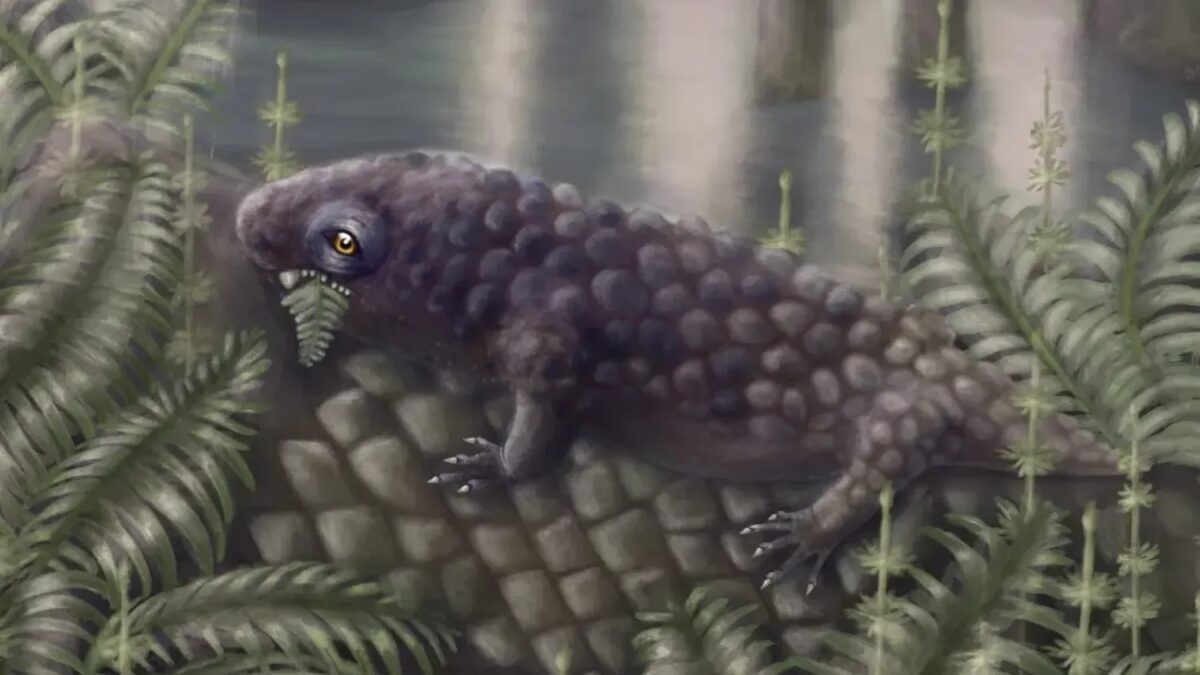
Dinosaurs never stop surprising us. Just when paleontologists think they’ve mapped out the major players of the Mesozoic era, the earth gives up something completely unexpected. This time, it’s a massive, plant-chomping beast that’s been hiding in plain sight for tens of millions of years.
What makes this discovery particularly exciting is not just its sheer size, but what it tells us about ecosystems we thought we already understood. A creature this significant changes the story in ways that ripple far beyond a single fossil site. Let’s dive in.
A Brand New Dinosaur Has Entered the Chat
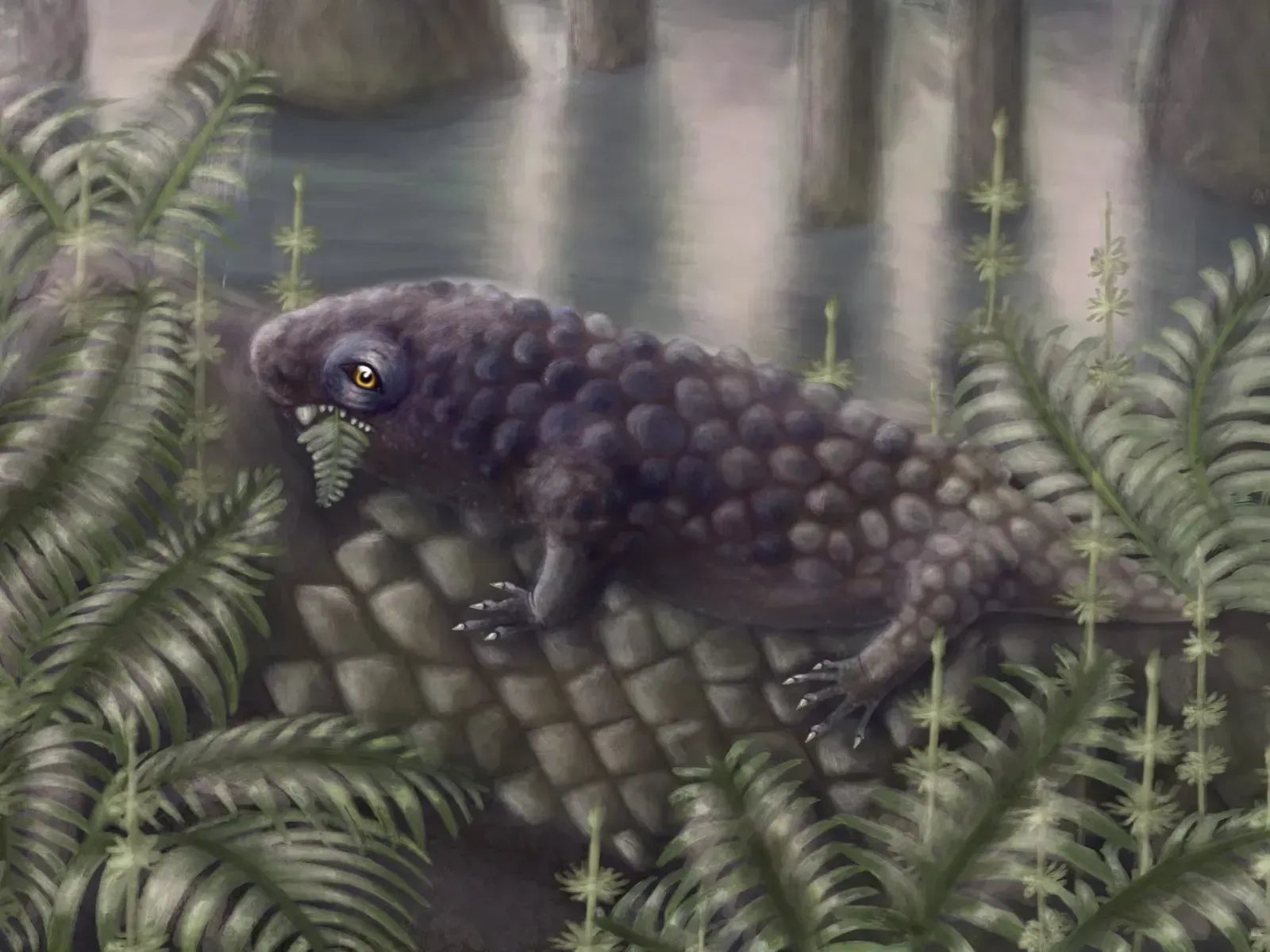
Here’s the thing about paleontology – most people assume all the big dinosaur discoveries happened a century ago. Wrong. Scientists have formally described a newly identified dinosaur species called Tyrannoroter heberti, and it’s a genuinely thrilling find. This wasn’t some tiny lizard-like creature either. We’re talking about a large, herbivorous dinosaur that roamed what is now North America during the Late Cretaceous period.
The species was identified based on fossil material that had actually been collected some time ago, which is honestly one of the more fascinating parts of the story. Fossils sometimes sit in collections for years before someone connects the dots and realizes what they’ve actually got. This one turned out to be something entirely new to science.
Where Did Tyrannoroter Heberti Actually Live?
The fossils were discovered in Alberta, Canada, a region that has proven to be one of the most dinosaur-rich areas on the entire planet. The Dinosaur Provincial Park area in particular has been yielding remarkable finds for well over a century. It’s almost like the ground there just doesn’t stop giving.
Alberta’s badlands preserve a snapshot of a lush, subtropical environment from roughly 75 to 77 million years ago. Back then, the area was teeming with rivers, dense vegetation, and a staggering diversity of prehistoric life. Tyrannoroter heberti was one piece of that enormous ecological puzzle.
What Kind of Dinosaur Was It Exactly?
Tyrannoroter heberti belongs to the hadrosaur family, commonly known as duck-billed dinosaurs. These were among the most successful and widespread herbivores of the Late Cretaceous, and honestly, they don’t always get the attention they deserve compared to the flashier predators. Hadrosaurs were sophisticated animals with complex teeth designed for grinding through tough plant material.
What set Tyrannoroter heberti apart from other known hadrosaurs were specific anatomical features in its skull and body structure that researchers hadn’t seen combined quite that way before. I think that’s what makes new species designations so compelling – it’s never just a slightly different version of something familiar. The details matter enormously in this field.
How Big Was This Creature?
Let’s be real, size is always one of the first things people want to know about a dinosaur. Tyrannoroter heberti was a large animal by any measure. Hadrosaurs as a group were already substantial creatures, often reaching lengths comparable to a school bus, and this species fits within that impressive size range.
These animals were built for bulk feeding, moving through vegetation and processing enormous quantities of plant matter every single day. Think of them less like delicate grazers and more like living, breathing lawn mowers the size of a double-decker bus. Their sheer body mass would have made them significant presences in any ecosystem they inhabited.
What Does the Name Actually Mean?
The name Tyrannoroter heberti is a combination of Greek and Latin roots, a common practice in taxonomic naming. The species name heberti honors someone connected to the discovery or study of the fossil, which is a traditional way paleontologists acknowledge contributions to a find. It’s a small but meaningful detail that often gets overlooked in the excitement of the broader announcement.
Naming conventions in paleontology follow strict scientific rules established through the International Code of Zoological Nomenclature. It sounds incredibly dry, but it actually prevents chaos in a field where miscommunication about species identity could derail entire research programs. Every name tells a small story if you know how to read it.
Why Does This Discovery Actually Matter?
Discovering a new hadrosaur species in Alberta might sound routine at first, but Tyrannoroter heberti fills a specific gap in our understanding of hadrosaur diversity during a critical window of Cretaceous history. The Late Cretaceous was a period of extraordinary evolutionary activity, with species diversifying rapidly before the mass extinction event roughly 66 million years ago.
Each new species identified from this era helps scientists build a more accurate picture of how ecosystems were structured, how different animal groups related to one another, and ultimately why some lineages thrived while others disappeared. It’s hard to say for sure, but discoveries like this one often quietly reshape entire branches of the dinosaur family tree in ways that take years to fully appreciate.
The Fossil Record Still Has Plenty Left to Reveal
Paleontology in 2026 is a genuinely exciting discipline, and discoveries like Tyrannoroter heberti remind us that the fossil record is far from exhausted. Roughly three quarters of all dinosaur species that existed probably haven’t been found yet, at least that’s what many researchers in the field suggest. That’s a staggering thought.
Advanced imaging technologies, new excavation techniques, and a growing global network of researchers have dramatically accelerated the pace of discovery in recent decades. Honestly, we’re living through something of a golden age for paleontology, even if it rarely makes front page news. Every new species is another piece of a puzzle that stretches back almost incomprehensibly far in time, and Tyrannoroter heberti is a vivid reminder that the earth still has secrets worth digging for.
Final Thoughts: History Keeps Getting Bigger
Tyrannoroter heberti isn’t just a new entry in a scientific catalog. It’s evidence that our understanding of prehistoric life remains genuinely incomplete, and that’s not a failure of science – it’s an invitation. The Cretaceous world was unimaginably rich, and each new species we name brings us one small step closer to grasping its full complexity.
I think what strikes me most about discoveries like this is how they humble even the most confident assumptions about the past. We thought we knew the major players. We didn’t. There were giants walking through ancient forests that we’ve only just now given a name. What other creatures are still waiting to be found, buried just beneath the surface?

- Urban Coyotes Show Remarkable Adaptability, Learning to Thrive in City Environments - July 22, 2026
- Beavers Are Nature’s Engineers, Creating Vital Habitats for Other Wildlife Species - July 21, 2026
- The Recovery of the California Condor Offers Hope for Other Critically Endangered Birds - July 21, 2026