
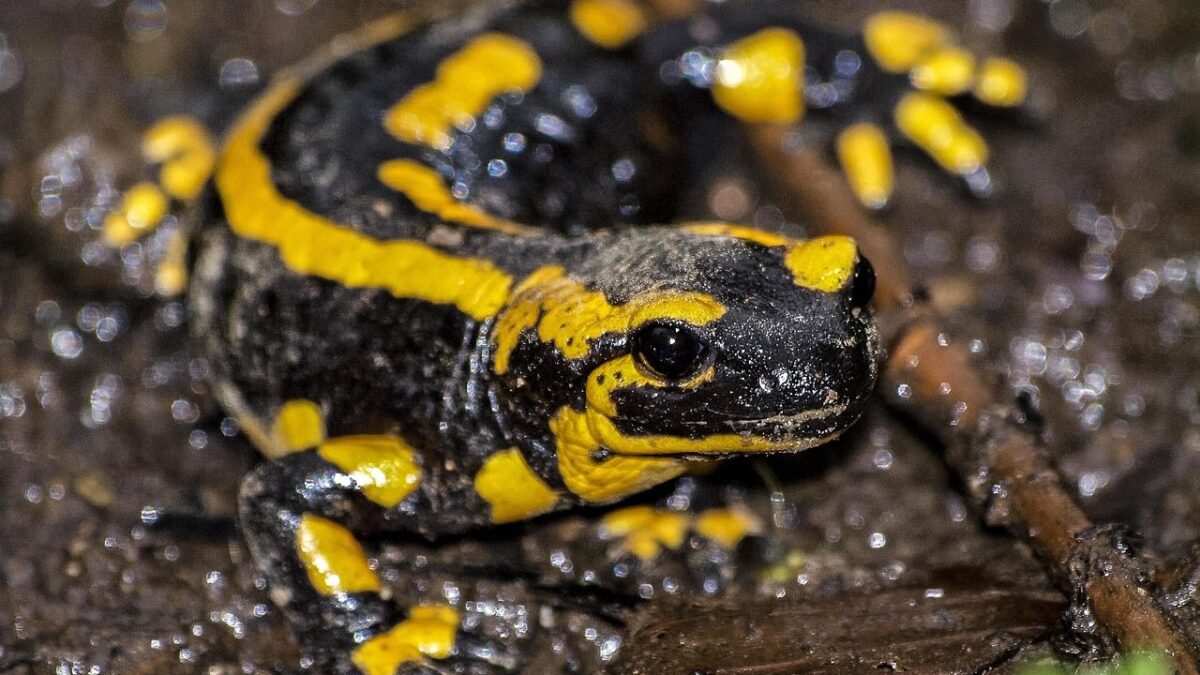
Most people think of biodiversity as something that happens in faraway rainforests or exotic wetlands. Yet right here in the United States, some states are quietly hosting a jaw-dropping number of frogs, salamanders, toads, and other amphibians that scientists from around the world travel just to study. It’s one of those facts that genuinely surprises people.
The US hosts around 345 amphibian species, with its most significant diversity clustered in the southeastern regions. That concentration is not random – it is the result of ancient geology, ancient forests, and wet mountain climates doing something extraordinary over millions of years. The US is, in fact, the global hotspot for salamander biodiversity. That alone should grab your attention.
So which states are actually leading this living treasure chest of unique amphibian life? The answers might genuinely surprise you. Let’s dive in.
1. North Carolina – The Undisputed Salamander Capital of the World
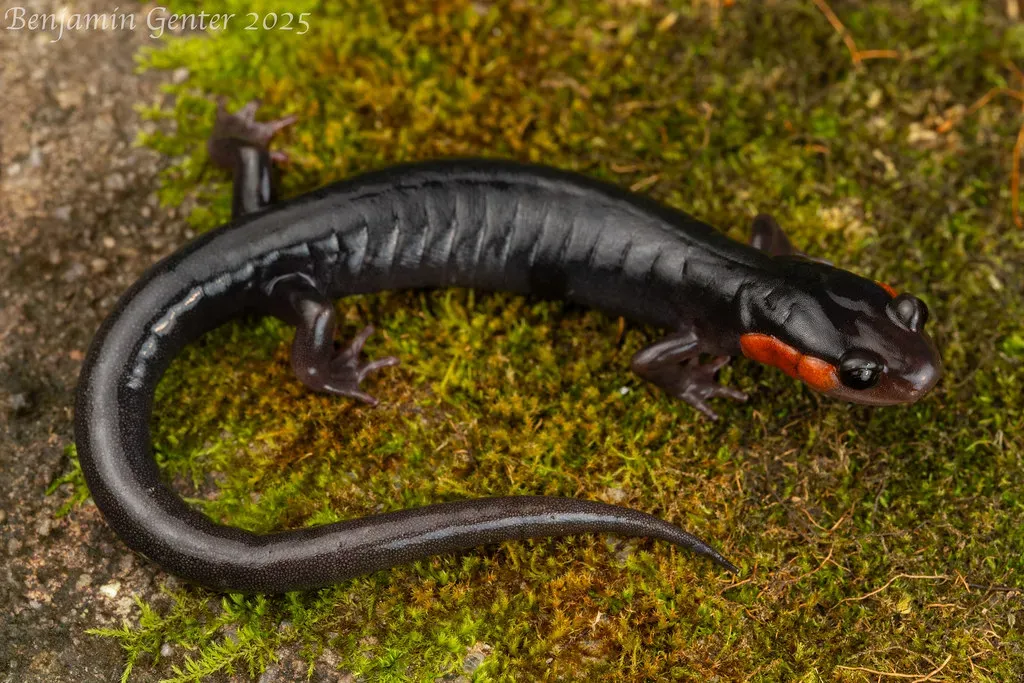
Here’s the thing – if you had to name one state that rules the amphibian world, this is it. North Carolina is globally recognized as the undisputed Salamander Capital of the World, boasting the highest diversity of these fascinating amphibians outside of the tropics. The state’s unique ecological zones, particularly the Appalachian Mountain range, provide the perfect cool, damp, and isolated habitats essential for their survival and speciation.
North Carolina has an exceptionally rich and taxonomically diverse group of amphibians for a temperate area of the world, with a current list that includes 31 species of frogs and 69 species of salamanders, including several new species described in just the last few years. That is a staggering number for a single state.
The true heart of North Carolina’s salamander hotspot lies within the family Plethodontidae, the lungless salamanders. These prolific species represent the majority of Appalachian diversity and breathe entirely through their skin and the lining of their mouths, flourishing in the region’s cool, moist conditions.
Think about that for a moment – salamanders with no lungs at all, breathing through their skin like living atmospheric sponges. The abundance of cool, clean water and perpetually damp environments has allowed plethodontids to specialize rapidly, resulting in dense populations of endemic species found nowhere else on the planet, such as the impressive lineages within the Desmognathus and Plethodon genera. Nowhere else. Not just rare in the US – literally nowhere else on Earth.
2. Alabama – A Shocking Biodiversity Giant Hiding in Plain Sight
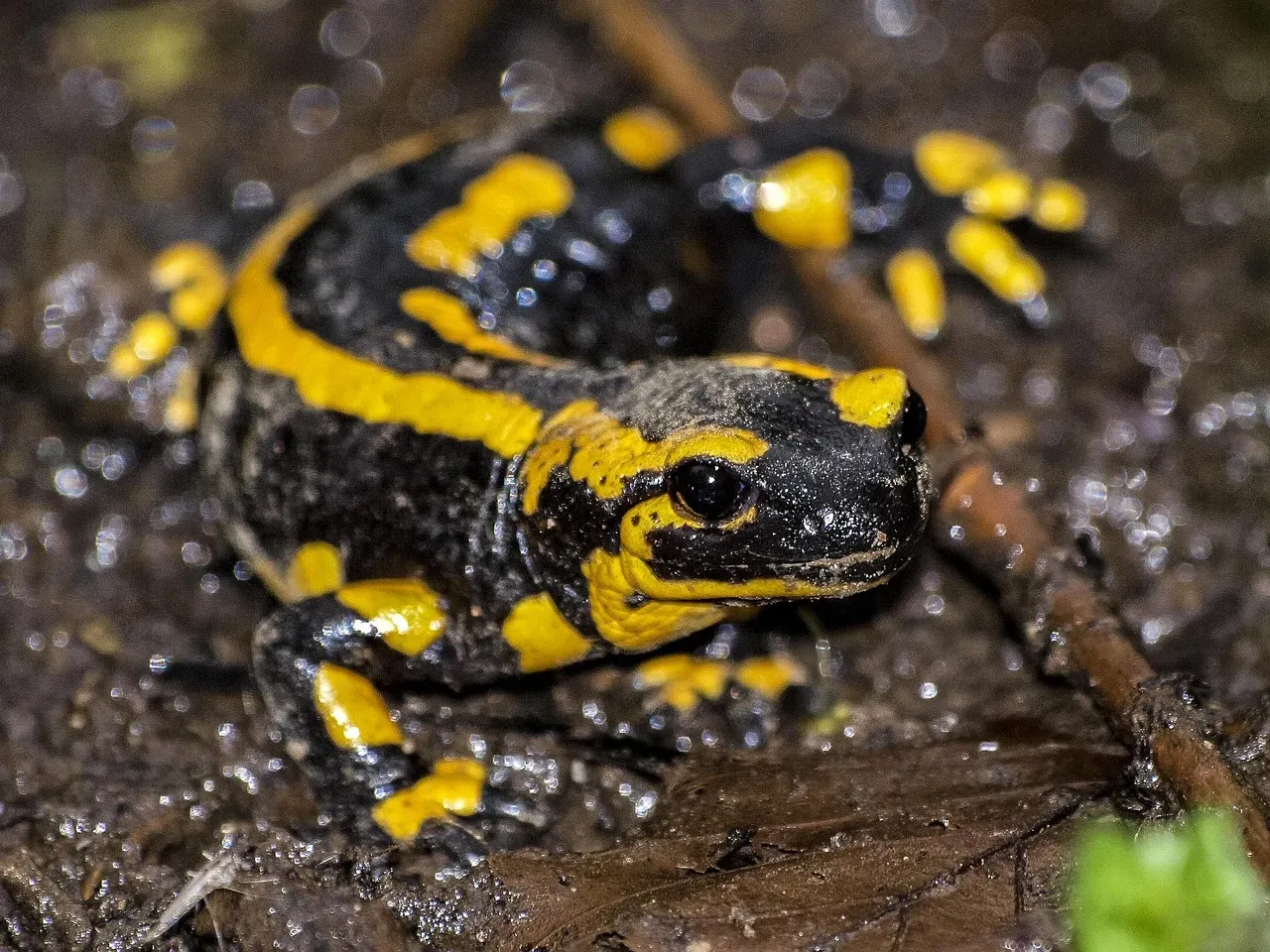
Honestly, Alabama does not get nearly enough credit. Most people picture this state in very different terms, but from a biodiversity standpoint, it is quietly one of the most extraordinary places in the entire country. Alabama is a surprising hotspot for biodiversity in North America, boasting more species of freshwater fish, mussels, snails, turtles, and crayfish than any other state.
According to biodiversity rankings from NatureServe, Alabama ranks first among all US states for amphibian diversity. Yes, first. Above every other state in the nation.
Alabama’s biodiversity is largely due to its geological history, which created a variety of habitats including mountains, rivers, wetlands, and coastal plains. It is basically a patchwork of wildly different ecosystems stitched together, each supporting different amphibian communities. With more than 6,350 species overall, Alabama ranks fourth among all states in terms of total species diversity and is first among states east of the Mississippi River.
The Red Hills Salamander is found only in the Red Hills region of Alabama, growing to lengths of around 25 cm. Its skin is pinky-grey in color with short legs, and its endangered status is mainly due to habitat loss caused by logging. It is both extraordinary and heartbreaking that such a remarkable creature exists nowhere else and is already under serious threat.
3. Tennessee – Where Ancient Mountains Breed Ancient Diversity
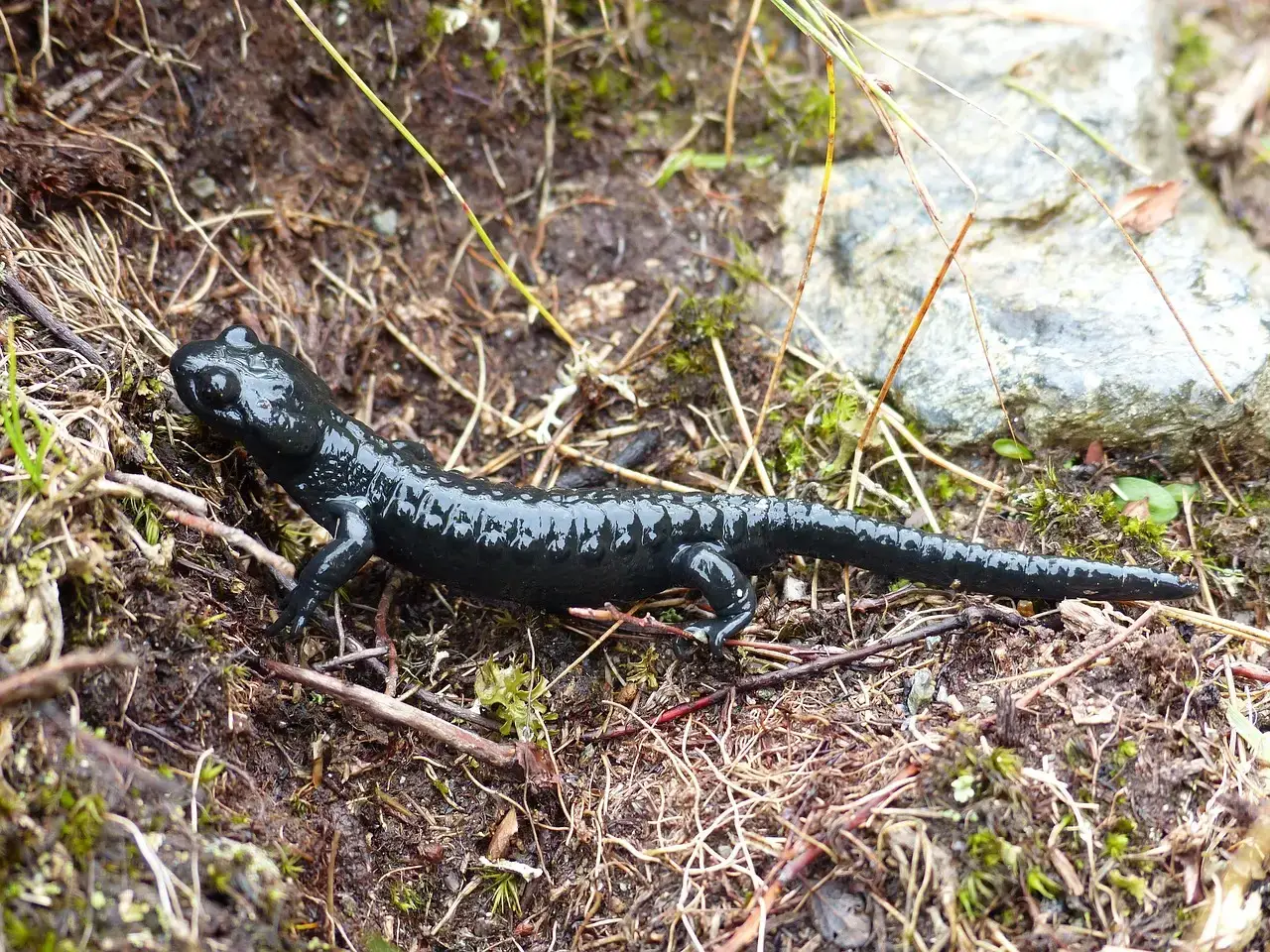
The Southern Appalachian Mountains, specifically the Blue Ridge and Great Smoky Mountains, harbor over 19,000 different recorded species, and may potentially support up to 100,000 different species within the park alone. Tennessee sits right at the heart of that explosion of life.
Currently there are more than 70 amphibian species known to inhabit or migrate through Tennessee. The number of salamanders inhabiting Tennessee reaches 48, reflecting the deep importance of the Appalachian Mountains to these populations. Imagine finding nearly 50 salamander species in a single state. It almost sounds like a fantasy, yet it is documented fact.
The Tennessee cave salamander is endemic to the Appalachian Mountains, was named Tennessee’s official state amphibian in 1995, and is currently listed by the IUCN as a globally threatened species. It exists only in Tennessee’s cave systems – blind, pale, and perfectly adapted to total darkness – a creature that feels almost otherworldly.
Tennessee also has more than 60,000 miles of rivers and streams draining into three major river systems, and is home to endemic or rare species such as the Nashville crayfish and the Tennessee cave salamander. All that flowing, clean water is essentially a highway system for amphibian life.
4. Georgia – Where the Mountains Meet the Lowland Swamps
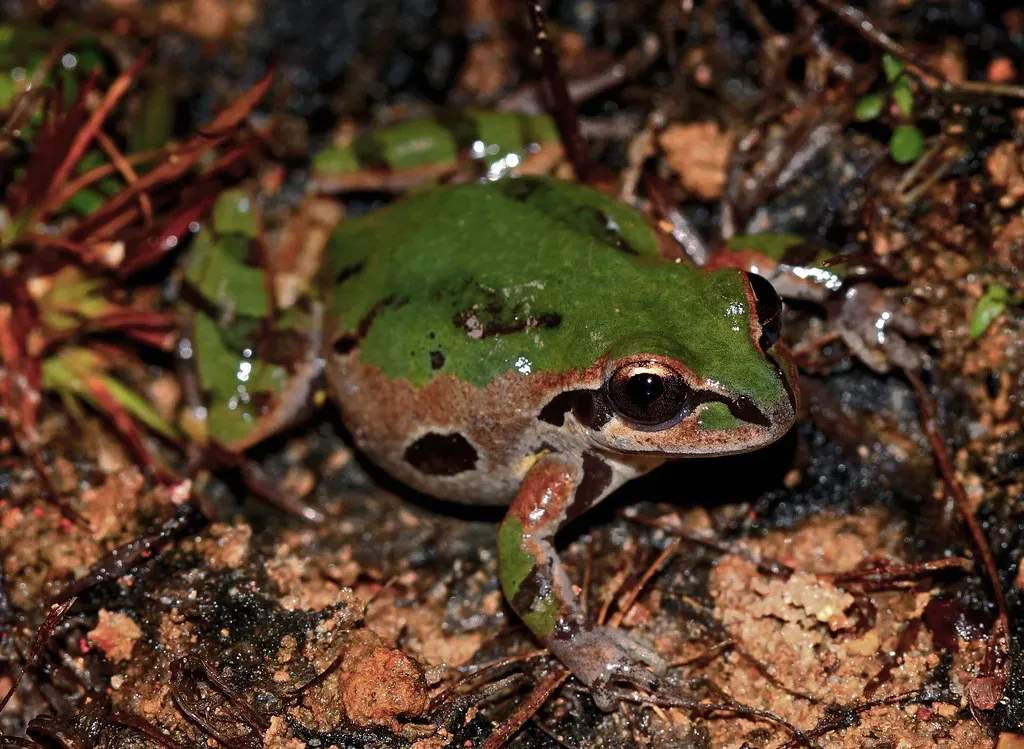
Georgia’s power as an amphibian hotspot comes from something a bit like geographic luck. Georgia’s biodiversity is influenced by its location at the crossroads of several major ecoregions, including the Appalachian Mountains in the north, the Atlantic Coastal Plain in the east and south, and the Piedmont Plateau in the center. That crossroads position means the state essentially gets the best of multiple worlds.
The number of salamanders inhabiting Georgia reaches 44 species, again reflecting the critical influence of the Appalachian mountain system. Georgia is sandwiched between Alabama to the west and North Carolina to the north, so it benefits from the spillover of both states’ remarkable amphibian heritage.
In national diversity rankings, Georgia holds the second position for amphibian species richness among all US states. That ranking is backed by real ecological complexity. The greatest diversity of amphibians in the United States occurs in the Southeastern US, and Georgia is squarely at the center of that zone.
The Okefenokee Swamp alone – one of the largest intact freshwater ecosystems in North America – supports dozens of amphibian species year-round. Tree frogs calling at night in Georgia’s lowland forests create a sound so dense and layered that it feels almost orchestral. It’s hard to describe without hearing it yourself.
5. California – The Western Outlier With Remarkable Homegrown Species
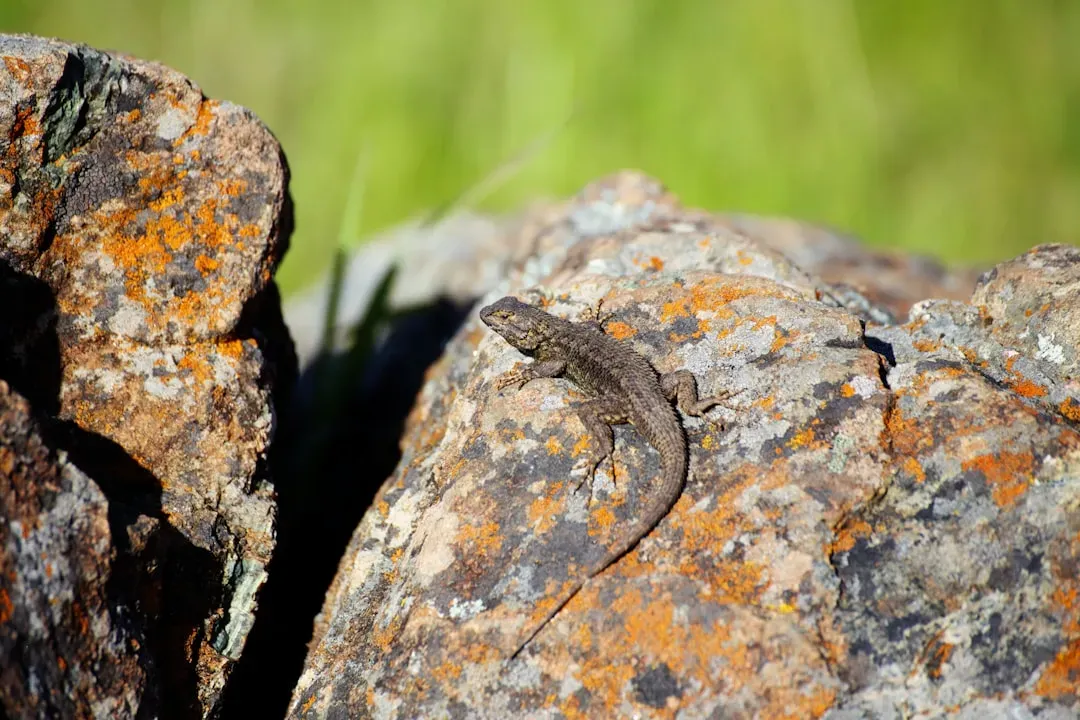
California stands somewhat alone in this list, because unlike the southeastern cluster, it earns its spot through sheer ecological range rather than Appalachian mountain isolation. California is a remarkable state biologically. Often referred to as an ecological island, separated by high mountains from the rest of the continent, California’s diversity is the product of the state’s variability of landforms, climate, and soil types.
According to diversity rankings covering amphibians, California places among the top five states in the nation. California ranks highly across all biodiversity categories, and its physical complexity has driven the evolution of a highly specialized fauna. The state has everything from coastal redwood forests to the Mojave Desert, and amphibians have evolved to fill niches in nearly all of them.
The family Plethodontidae, the lungless salamanders, represents a dominant force in western amphibian diversity as well, breathing entirely through their skin and mouths, flourishing wherever cool and moist conditions exist. California’s fog-drenched coastal hills and cool mountain streams make it surprisingly well-suited for these creatures.
With their complex reproductive needs and permeable skins, amphibians are often ecological indicators of habitat conditions, and in recent decades there has been a dramatic decline in amphibian populations for many species around the globe. California is unfortunately also a case study in how quickly unique amphibian species can become threatened when habitat changes rapidly. The state’s biodiversity is spectacular but increasingly fragile.
Why These States Matter More Than Ever
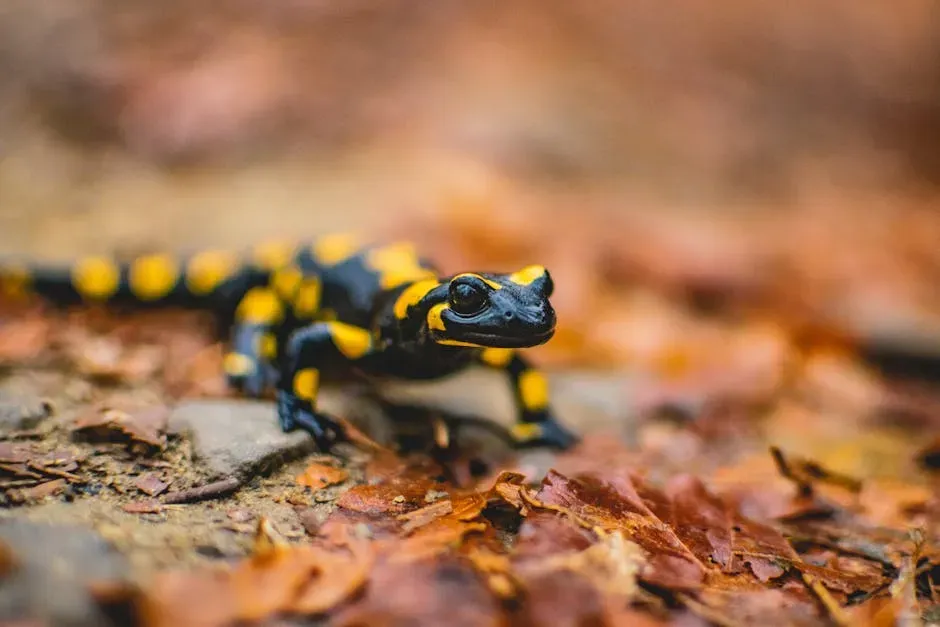
Amphibian declines represent a global biodiversity crisis. Scientists noticed that amphibians were getting harder to find 30 years ago, and we now know that there are multiple causes and that declines are occurring on every continent in the world. That context matters deeply when looking at these five states – because losing species here doesn’t just mean losing a frog or a salamander. It means unraveling ecosystems.
Amphibians’ permeable skin and dual life stages – both aquatic and terrestrial – make them sensitive indicators of environmental health. They are essentially living alarm systems. When their numbers fall, something is wrong with the water, the soil, or the forest.
National parks in the southeastern and northeastern US, where salamander species outnumber frogs and toads, have more species than the big western parks. From a conservation perspective, this means that even small increases in the size of parks in the Southeast and Northeast can extend protection to many more species. That is a powerful argument for protecting these landscapes before more is lost.
Habitat loss is still the top cause of declines, but infectious disease remains another important and growing cause. The threats are layered and complex, and the states on this list are on the front lines.
Conclusion
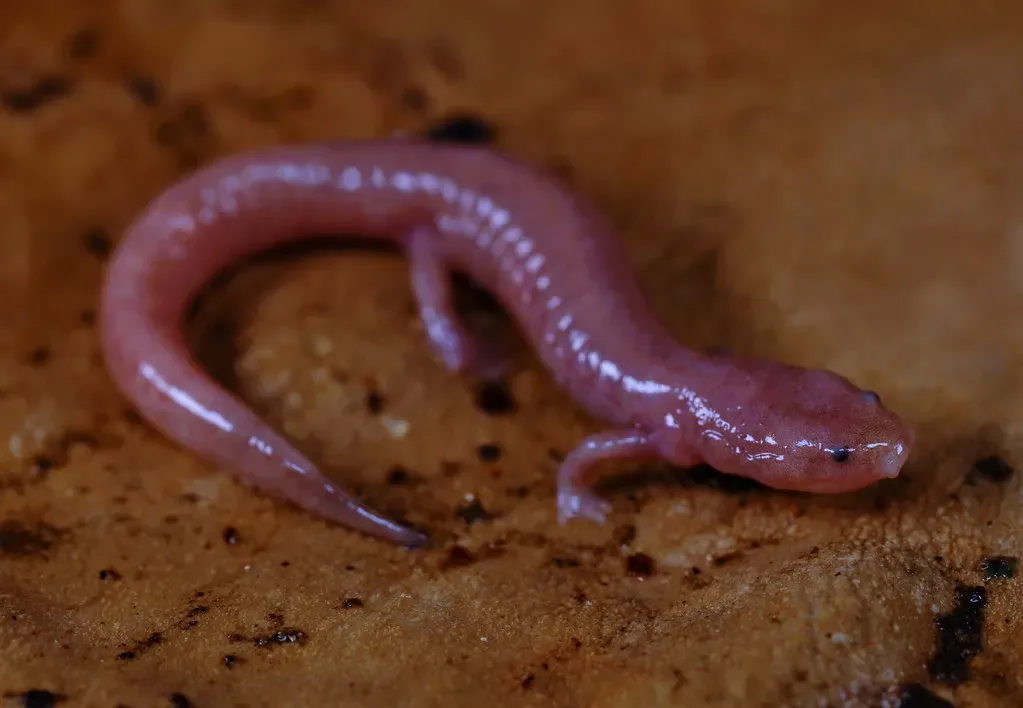
North Carolina, Alabama, Tennessee, Georgia, and California are not just states on a map. They are living arks, quietly sheltering an extraordinary proportion of the world’s most unique amphibian species. The richest diversity of frogs alone in the United States is found in the Southeastern region, which has nearly half of all native species. Add the salamander counts and the endemic species found nowhere else on Earth, and these five states represent something genuinely irreplaceable.
I think what strikes me most is how little attention this gets in everyday conversation. We talk about the Amazon, Madagascar, the coral reefs – all valid and urgent. Yet right here, in places like the Smoky Mountains of Tennessee or the Red Hills of Alabama, there are creatures that exist only in a handful of counties, breathing through their skin in ancient mountain streams.
No amphibians have been declared extinct in the United States yet, but concern is growing. The word “yet” in that sentence deserves a long pause. These five states hold the key to whether we preserve one of the most concentrated pockets of amphibian biodiversity on the planet – or lose it quietly, one species at a time.
What would it take for your state to step up its protection of these remarkable creatures? Tell us what you think in the comments.
