
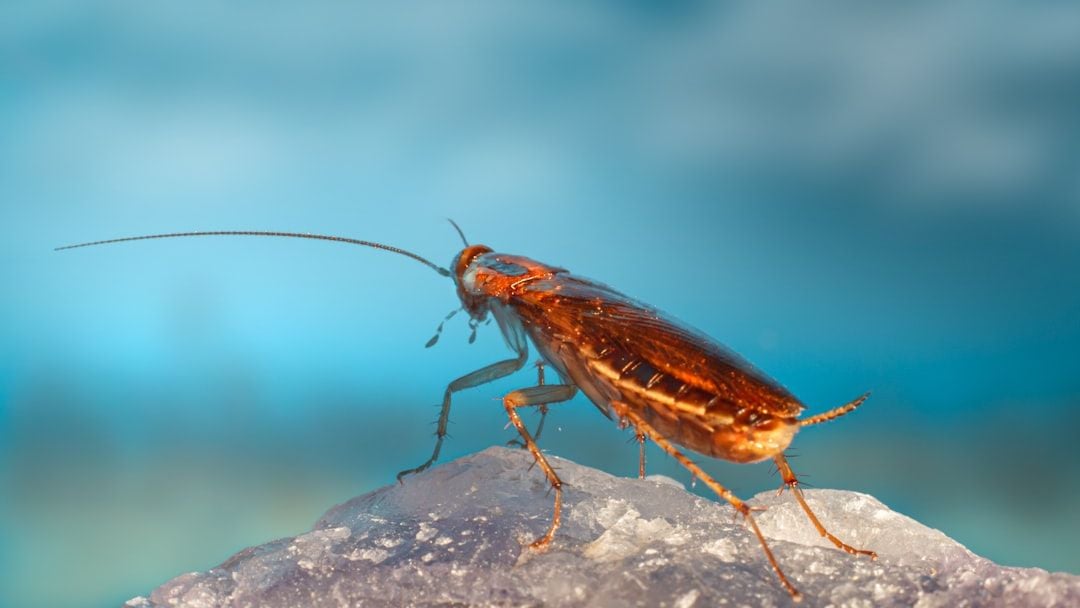
Nobody wants to find a cockroach in their kitchen at midnight. These creatures are survivalists in the truest sense, having reportedly outlasted dinosaurs and showing almost no sign of slowing down. They squeeze into impossible spaces, thrive in the dark, and do most of their damage when you’re not looking.
Here’s what most people don’t realize, though. Cockroaches rely heavily on their sense of smell to interpret their surroundings, using thousands of olfactory receptors in their antennae to locate food, detect threats, and communicate with others. Because of this extreme sensitivity, strong odors can disrupt their normal behavior or make treated areas feel deeply uninviting. ‘s actually your advantage. Nature has given us a surprisingly powerful set of aromatic weapons, and the best part is, most of them are already sitting in your pantry or garden. Let’s dive in.
1. Peppermint Oil: The Menthol Menace
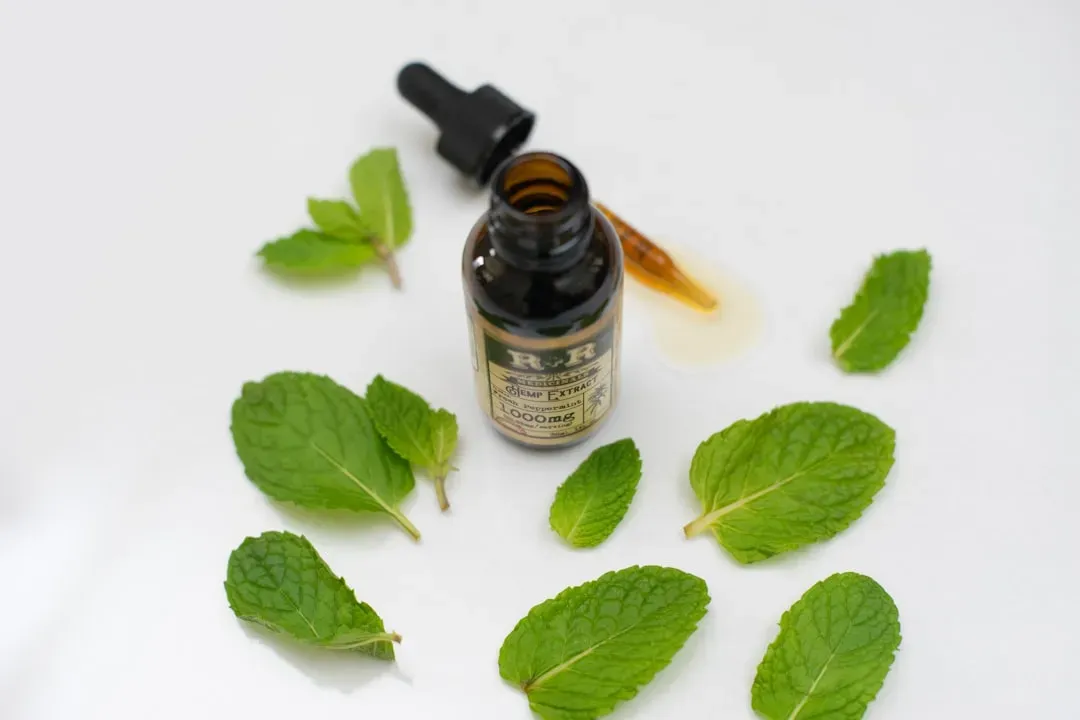
If cockroaches had a nemesis, peppermint oil would probably top the list. Roaches genuinely hate mint, and the reason is fascinating. The strong scent of peppermint overwhelms them by disrupting their nervous system, making it a highly effective natural repellent.
The menthol aroma of peppermint is highly repellent to roaches. You can grow peppermint plants indoors, use peppermint essential oil, or sprinkle dried peppermint leaves in areas prone to roach activity. Think of it like blasting an air horn directly into their sensory world every time they try to get comfortable near your countertops.
2. Eucalyptus: The Fresh-Smelling Force Field

Planting a eucalyptus bush or spraying your home with eucalyptus oil is an effective way to get rid of cockroaches since they find the smell unpleasant. Use it by diluting essential oils with water and spraying it as a barrier, or plant it in your yard. You can also hang eucalyptus plants in rooms where you may find roaches, and it adds a relaxing fragrance to the area at the same time.
Eucalyptus is another scent that cockroaches are known to hate. Hanging fresh eucalyptus in your shower will not only create a relaxing vibe but can also prevent cockroaches from entering your space. Eucalyptus oil can also be diffused in the home as an alternative pest control method. Honestly, it’s one of those rare wins where your home smells incredible and the roaches flee simultaneously.
3. Lavender: Beautiful to Us, Unbearable to Them

Lavender is a scent that relaxes us but seems to have the opposite effect on cockroaches. It can be used in various ways to keep them away, either by keeping potted lavender plants in your home or by using it in essential oil form. Lavender essential oil can be diffused or diluted with water and used to wipe down countertops to keep cockroaches at bay.
Linalool, which occurs naturally in lavender oil, has been the subject of studies exploring its potential effects on insect behavior, including avoidance. It is frequently used in natural scent deterrent applications. The irony is almost poetic. The scent that sends humans into a state of calm sends cockroaches running for the exits.
4. Citrus: The Zesty Cockroach Kryptonite

Roaches despise the smell of lemons, limes, oranges, and other citrus fruits. The d-limonene found in citrus peels is believed to disrupt their ability to breed and reproduce. That’s more than just a deterrent. That’s a genuine biological interference, and it’s sitting right there in your fruit bowl.
Research from the University of Florida found that d-limonene is effective as a repellent and a contact insecticide against several cockroach species. You can use the rinds of citrus fruits like oranges, lemons, grapefruits, and limes, tucking them into corners and cracks where the roaches seem most concentrated. Simple, cheap, and it makes your kitchen smell like a sunny Mediterranean morning.
5. Citronella: Not Just for Mosquitoes
Most people reach for citronella candles on a summer evening to ward off mosquitoes. What they don’t know is that cockroaches share that same hatred for the scent. Citronella is normally used to repel mosquitoes, but cockroaches do not like its strong, lemony scent either.
According to the Environmental Protection Agency’s Oil of Citronella fact sheet, citrus-based citronella is categorized as a bio-pesticide. The report suggests putting drops of citronella oil around the home to ward off cockroaches. Burning citronella candles near your outdoor living spaces can be a great way to keep cockroaches away, and you can also grow citronella plants in your garden. A two-for-one pest solution, really. I think that’s a deal worth taking.
6. Clove Oil: Small Bottle, Big Punch
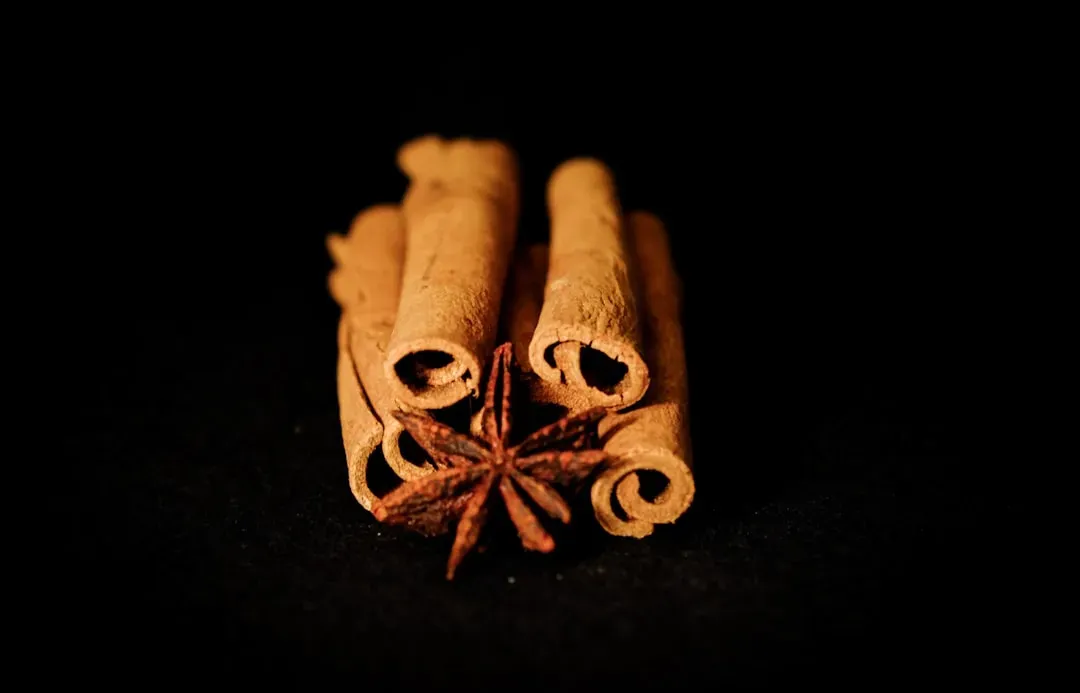
Clove oil contains eugenol, a compound that is particularly effective at repelling cockroaches. Eugenol, a component of clove oil and cinnamon, has been studied in laboratory settings for its potential to affect insect nervous system function. This stuff is potent, and a little goes a very long way.
Think of clove oil as the concentrated, no-nonsense member of the essential oil family. It doesn’t pretend to be subtle. Cinnamon, which shares similar compounds, has a strong scent that cockroaches dislike as well. Sprinkling cinnamon powder along baseboards and in cupboards can help reinforce your defense. Together, clove and cinnamon form a spicy, aromatic barrier that cockroaches simply want nothing to do with.
7. Garlic: The Kitchen Staple That Pulls Double Duty
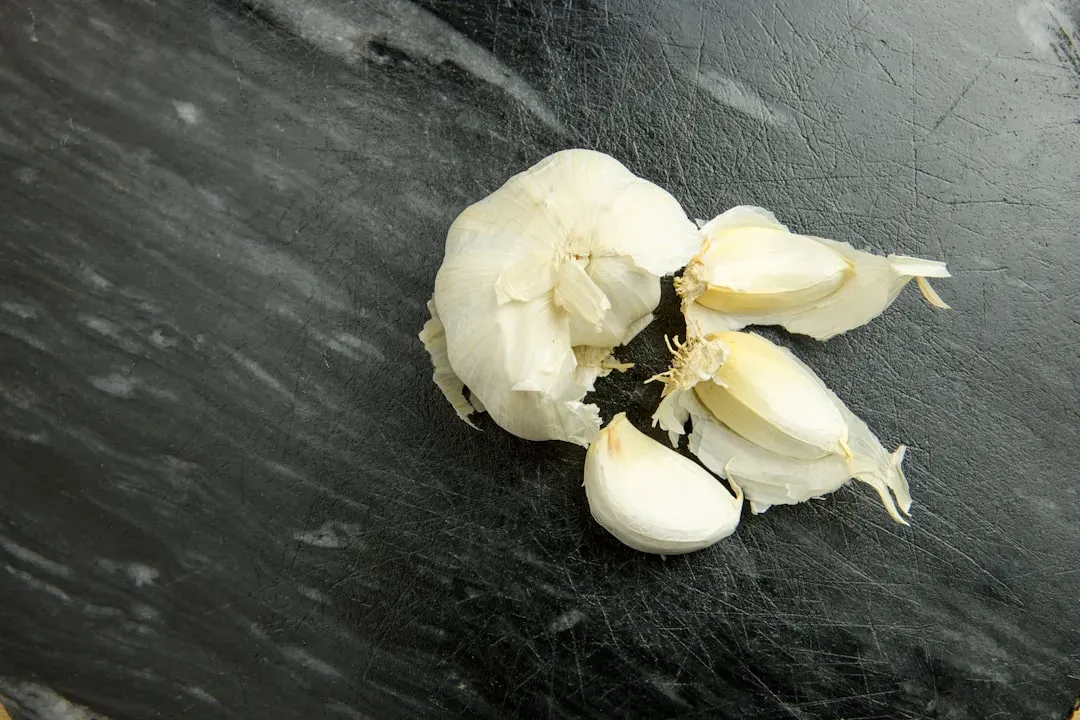
Let’s be real, garlic smells strong to us. To cockroaches, it’s practically unbearable. While we use garlic in our food, its pungent scent repels roaches, as it can be quite overpowering. Sprinkling garlic powder in infested areas may drive cockroaches out, though it may overpower other fragrant smells in your home, so use it sparingly.
Garlic may not eliminate roaches entirely, and it is most effective when used with other methods. Garlic combined with cayenne and onion powder creates a potent roach deterrent that draws from ingredients already sitting in most kitchen pantries. It’s not glamorous, but neither is finding a cockroach in your pantry at 2 a.m.
8. Coffee Grounds: Your Morning Brew Does More Than Wake You Up
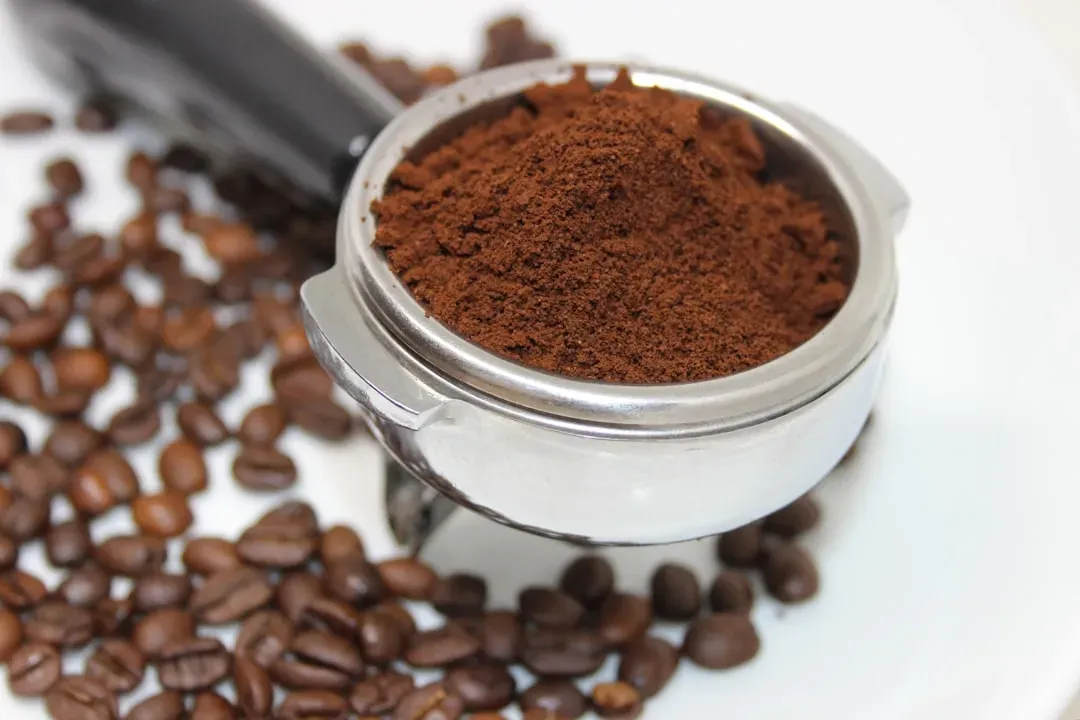
the smell of coffee, and the oils in used coffee grounds are highly repellent to them. Simply sprinkle coffee grounds along the perimeter of your home to keep them away. It’s one of those discoveries that makes you appreciate your morning ritual just a little bit more.
The strong aroma of coffee grounds masks food smells, making it significantly harder for roaches to locate food sources. Placing them in small bowls near entry points helps repel roaches effectively. This approach also repurposes a common household waste product, making it both environmentally friendly and economical. Used coffee grounds would have otherwise gone in the bin, so turning them into pest defense feels almost like a superpower.
The Bigger Picture: Scents Work Best as Part of a Strategy
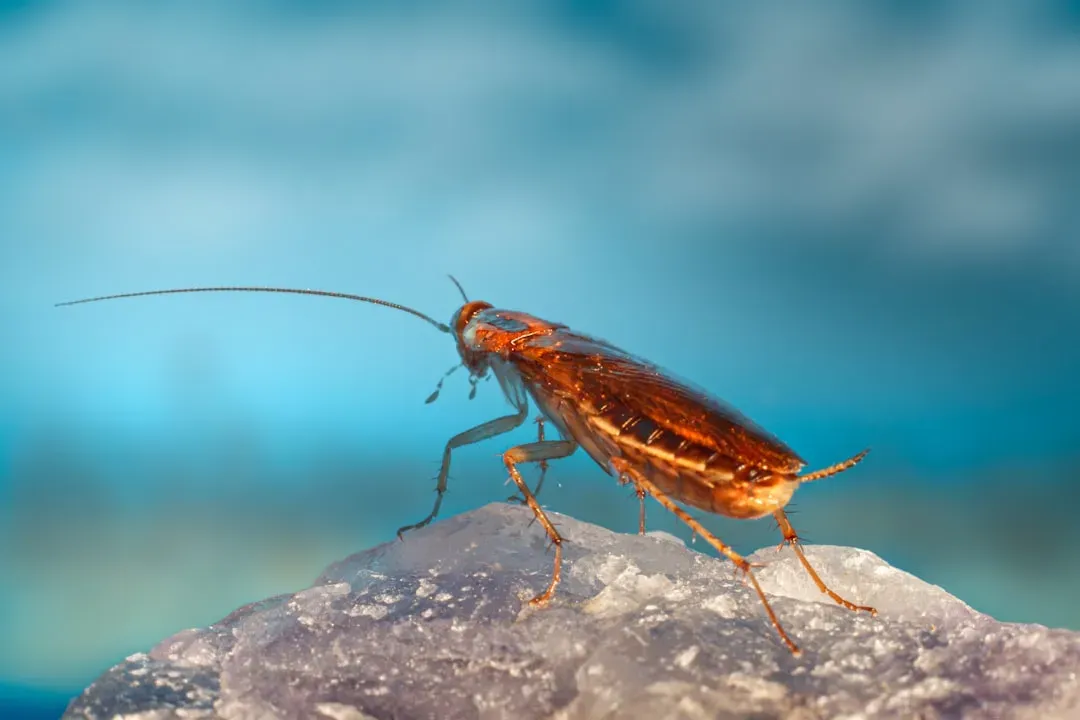
Here’s the thing, none of these scents are a silver bullet. This reaction is stress-based, not lethal. If food and water remain nearby, roaches will adapt or return once the smell fades. That is why cleaning, sealing entry points, and reducing clutter matter just as much as using repellents.
If you have pets in your home, be sure to research which essential oils are safe for your furry friends, as many of them are not. Overall, combining fresh herbs and essential oils will yield the best results against cockroaches. The scents listed above are your first line of aromatic defense, a natural, affordable, and surprisingly satisfying way to make your home feel hostile to one of nature’s most stubborn survivors.
So next time you peel an orange, grind some coffee, or light a lavender diffuser, know that you’re doing more than enjoying a pleasant scent. You’re drawing a line in the sand. What’s your go-to natural pest remedy? Drop it in the comments below.
