

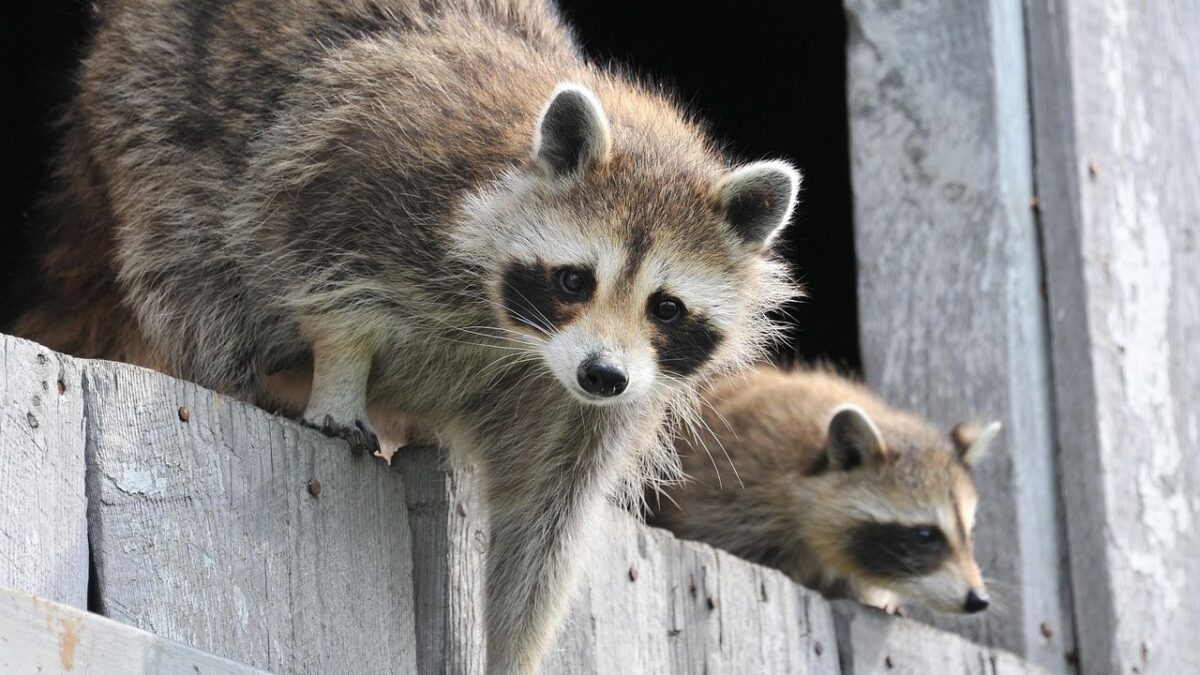
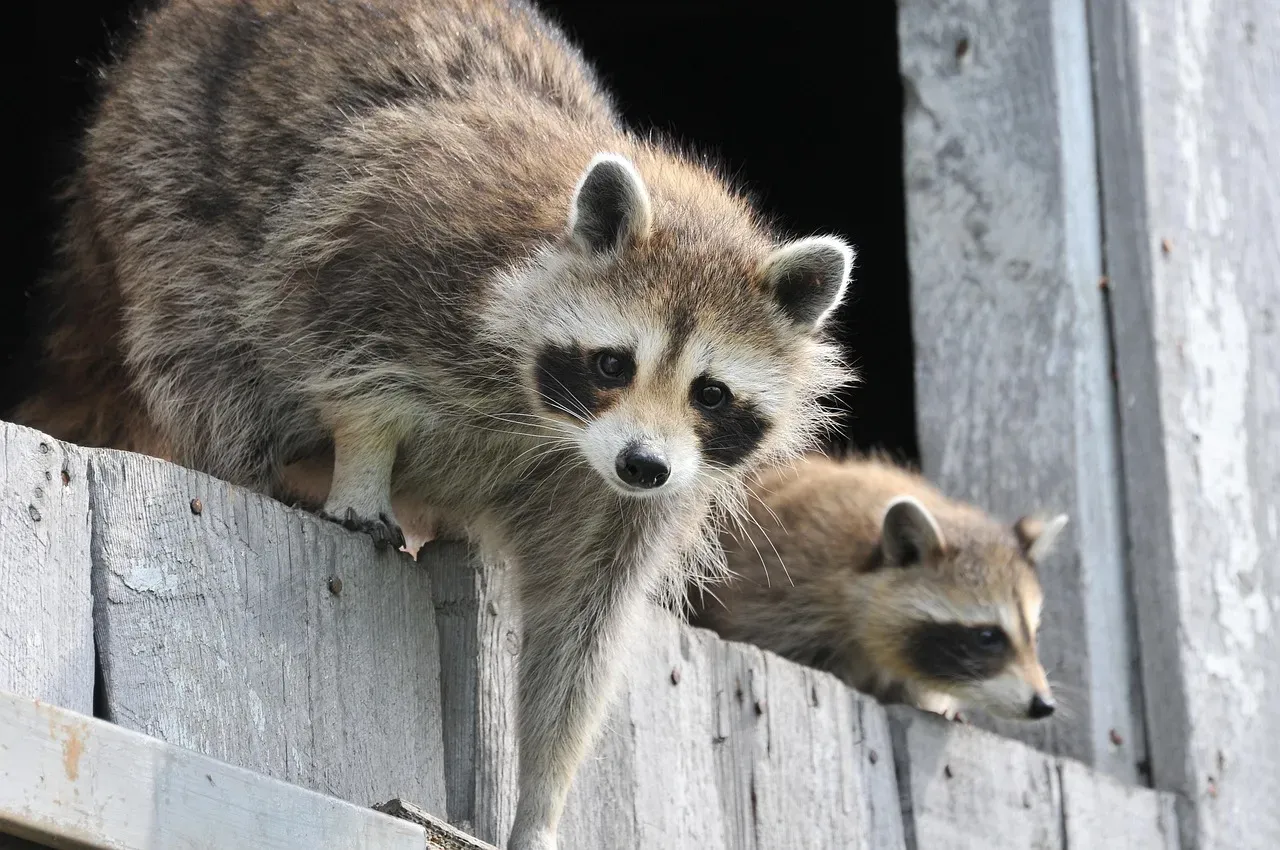
In a typical suburban neighborhood on March 20, 2026, a determined mother raccoon turned a homeowner’s garage into an emergency sanctuary for her vulnerable newborns. Facing urban hazards, she meticulously relocated her tiny kits one by one, showcasing raw maternal drive amid encroaching development. Gates Wildlife Control responded swiftly, transforming a potential standoff into a seamless family reunion. This incident captures the tense dance between wildlife and human spaces, where instinct clashes with convenience.
Here’s the thing: such encounters reveal how adaptable raccoons have become, thriving where natural dens fall short. Let’s dive into what unfolded and why it matters for neighborhoods everywhere.
Maternal Drive on Display
A mother raccoon’s priority is clear – protect her litter at all costs. She navigated open terrain with precision, gripping each blind, furless kit by the scruff to minimize harm and ensure a secure hold. Pausing to scan for threats like traffic or predators, her methodical pace highlighted evolutionary smarts honed over generations. The kits stayed remarkably calm, trusting her completely during the tense transfers that spanned several minutes. Once inside the garage, the space offered dry shelter from harsh weather, turning it into an ideal temporary den. This behavior underscores raccoons’ resourcefulness in fragmented habitats.
Expert Handling by Gates Wildlife Control
Gates Wildlife Control arrived prepared, prioritizing the family’s unity over hasty eviction. Their team used non-invasive techniques to assess the kits’ health, confirming all were thriving despite the upheaval. The mother displayed minimal aggression, allowing professionals to work efficiently and avoid stress-induced issues. They relocated the group to a nearby natural site with a custom den box, just under two miles away to preserve familiar territory. Post-move checks showed the mother foraging successfully, kits in tow, proving the operation’s success. Such precision aligns with humane standards, preventing orphans and repeat visits.
Rising Urban Wildlife Tensions
Raccoons increasingly invade garages, attics, and sheds as habitats shrink and food lures abound. Sightings in cities have surged alongside development, with urban populations booming due to easy scavenging. This garage choice shielded the family from elements but ignited homeowner concerns over property and safety. Communities now push raccoon-proofing like sealed vents and trimmed branches to deter entry without harm. Education campaigns emphasize calling pros over traps, reducing conflicts long-term. Let’s be real – these intrusions signal deeper issues in human-wildlife overlap.
What makes this case stand out is its peaceful resolution, setting a model amid growing encounters.
Raccoon Parenting: Instincts in Action
Females typically birth three to five kits in spring, after a 63-day gestation from late-winter mating. Newborns emerge blind and hairless, dependent for months in elevated, dry dens – garages fit perfectly. The scruff-carry technique distributes weight evenly, boosting safe mobility even for larger juveniles. Litters stay with mom up to a year, learning survival amid challenges. Research shows these traits enhance viability in cities, where bold moms outcompete others. Bonding strengthens post-reunion, vital for the group’s future.
Building Better Coexistence
Incidents like this spotlight prevention over reaction. Homeowners secure gaps and remove attractants, while experts like Gates offer free tips on exclusion. Local programs promote wildlife corridors, easing expansion pressures. Public awe at the mother’s devotion fuels empathy, shifting views from pests to survivors. Authorities now adopt relocation protocols, cutting control calls through awareness. Proactive steps promise harmony, turning close calls into shared wins.
Final Thought
This raccoon family’s tale reminds us of nature’s tenacity in our backyards. Simple changes keep wildlife wild and homes peaceful. What steps would you take to raccoon-proof your space?
Source: Original YouTube Video

- Urban Coyotes Show Remarkable Adaptability, Learning to Thrive in City Environments - July 22, 2026
- Beavers Are Nature’s Engineers, Creating Vital Habitats for Other Wildlife Species - July 21, 2026
- The Recovery of the California Condor Offers Hope for Other Critically Endangered Birds - July 21, 2026