

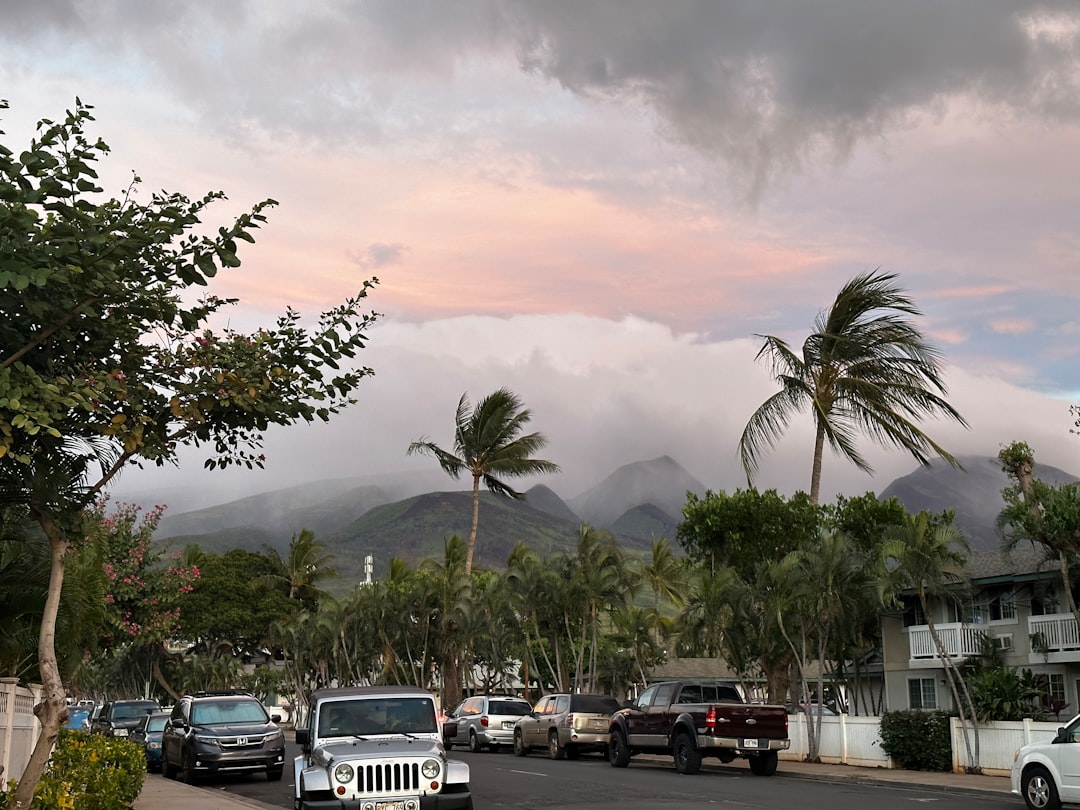
Oahu’s North Shore Faces Historic Flooding (Image Credits: Unsplash)
Oahu – Thousands of residents returned home Saturday afternoon after officials lifted evacuation orders prompted by severe flooding from a powerful Kona low storm system. The intense rains that battered the island’s North Shore receded enough to allow safe reentry, though cleanup efforts revealed widespread damage from the deluge.[1][2] As conditions improved on Oahu, the storm shifted eastward, placing Maui under heightened alert with flash flood warnings and evacuation advisories in vulnerable areas still recovering from prior rains.
Oahu’s North Shore Faces Historic Flooding
Muddy waters surged through communities like Waialua and Haleiwa late Thursday, lifting homes and cars in what officials described as the worst flooding in over two decades.[3] Rains dumped 8 to 12 inches in mere hours, overwhelming streams and threatening the 120-year-old Wahiawa Dam with potential failure. Emergency teams conducted more than 230 rescues as roadways submerged and access routes risked collapse.[2]
Evacuation orders covered areas downstream of the dam, affecting roughly 5,500 people north of Honolulu. Hawaiian Electric proactively shut off power to thousands in the North Shore to prevent hazards, while wastewater facilities in Ahuimanu, Kailua, and Waimanalo overflowed. By early Saturday, water levels began dropping, but officials warned of lingering dangers from debris and saturated soil.[1]
Evacuations Lifted, But Challenges Persist
Around 2:41 p.m. on March 21, Honolulu authorities canceled all remaining evacuation mandates for Waialua and Haleiwa residents as floodwaters receded and the dam threat eased. Shelters closed by evening, except one in Kaneohe, signaling a shift toward recovery. Power restoration progressed, with Hawaiian Electric reconnecting over 3,000 customers by nightfall, though 3,300 remained offline for safety inspections.[2]
Returning homeowners confronted mud-caked interiors and structural damage. One Waialua resident, Emily McLaughlin, recounted fleeing knee-deep water without her late husband’s Navy medals and ashes. The Lucero family in the area discovered a foot of water ruining irreplaceable antiques from a deceased veteran relative. A boil-water notice took effect for North Shore communities, urging three minutes of boiling before use due to system vulnerabilities.[4][1]
- Road closures lingered on Farrington Highway and Waialua Beach Road Bridge.
- Landslides and downed trees complicated access across northern Oahu.
- Mayor Rick Blangiardi highlighted first responders’ life-saving efforts amid home destructions.
- Residents called the 311 hotline for aid in debris removal and assessments.
Maui Activates Defenses Against Approaching Storm
The Kona low’s core pivoted to Maui by midday Saturday, prompting the National Weather Service to extend flash flood warnings through midnight and beyond in West Maui. Stream gauges showed rapid rises in Ukumehame Gulch, while retention basins neared overflow in flood-prone zones. Maui Emergency Management Agency issued warnings for neighborhoods in Lahaina, Kīhei, ʻĪao Valley, and Wailuku, upgrading prior advisories due to saturated ground from an earlier storm.[5][2]
A hospital in Kula evacuated Friday out of caution from extensive water intrusion. Shelters reopened at Baldwin High School and others in South Maui and Lahaina. Officials stressed that warnings signaled imminent risks to life or property, though not yet mandatory orders. Heavy showers at 1-3 inches per hour fueled thunderstorms over the west side, with road blocks in Lahaina and Kahakuloa.[3]
Statewide Toll and Leadership Response
Governor Josh Green assessed the crisis as potentially costing over $1 billion, rivaling the 2004 floods that swamped homes and a university library. Damage spanned airports, schools, roads, and residences across islands. His team secured White House assurances for federal aid. “This is going to have a very serious consequence for us as a state,” Green stated.[3]
Meteorologists like Tina Stall cautioned against complacency: “Don’t let your guard down just yet.” A statewide flood watch persisted through Sunday afternoon, March 22, as the second Kona event in weeks exacerbated vulnerabilities. Proactive measures, including pumped basins and upstaffed operations centers, underscored lessons from the initial March 13-16 downpours.[3]
| Island | Key Impacts | Status |
|---|---|---|
| Oahu | 230+ rescues, 5,500 evacuated, power outages | Evacuations lifted, cleanup active |
| Maui | Hospital evacuation, basin overflows, road closures | Warnings active, shelters open |
Key Takeaways
- Oahu’s North Shore saw unprecedented rains, but immediate threats subsided.
- Maui’s post-wildfire areas like Lahaina face compounded risks from wet soil.
- State officials eye federal support amid billion-dollar damages.
Hawaii’s island chain demonstrated resilience amid this Kona low’s punishing path, but saturated landscapes signal caution ahead. What steps are you taking to stay safe during flood watches? Share in the comments below.

- Urban Coyotes Show Remarkable Adaptability, Learning to Thrive in City Environments - July 22, 2026
- Beavers Are Nature’s Engineers, Creating Vital Habitats for Other Wildlife Species - July 21, 2026
- The Recovery of the California Condor Offers Hope for Other Critically Endangered Birds - July 21, 2026