
The ocean is, without a shadow of a doubt, one of the last truly wild frontiers on Earth. Most of it remains unexplored. Most of it exists in a darkness so complete that your eyes would never adjust. Yet somehow, impossibly, this darkness is full of light.
Scattered through the depths, from the shallow coasts to the crushing abyss thousands of meters down, are creatures that create their own illumination. Living lanterns. Natural neon signs flashing in the pitch-black void. I think most people have no idea just how common this really is.
Once thought to be rare, a study in Scientific Reports estimated that more than three-fourths of all the animals living from the sea’s surface to 4,000 meters below can light up. That is not a small number. That is the majority of ocean life quite literally glowing in the dark around us, completely unseen by most humans above the surface. Let’s dive in.
1. The Deep-Sea Anglerfish: Nature’s Most Terrifying Fishing Rod
If there were a competition for the most nightmare-inducing glowing creature on the planet, the deep-sea anglerfish would win by a landslide. It is the ocean’s master of deception, and honestly, it deserves a certain grudging respect for the sheer elegance of its horror.
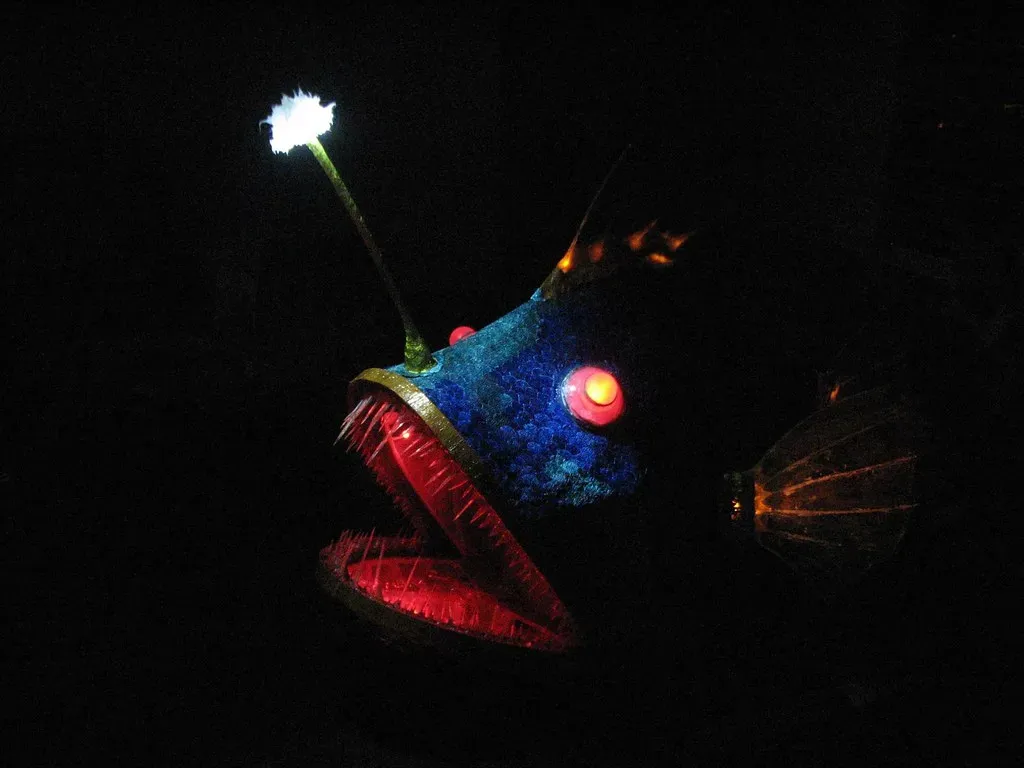
Among the most remarkable examples of bioluminescent adaptation in the deep ocean, deep-sea anglerfish have perfected the art of deception. These fascinating creatures employ a highly specialized organ called the esca, a modified dorsal spine that extends from their head like a fishing rod with a glowing tip. This natural fishing lure isn’t actually produced by the anglerfish itself, but rather by symbiotic bacteria living within the esca.
The bioluminescent bacteria emit a blue-green light that proves irresistible to curious prey in the darkness. When smaller fish or crustaceans approach to investigate the ghostly glow, they quickly become meals for the patient predator. This hunting strategy is particularly effective because the anglerfish can control the intensity of the light and even create pulsing patterns to better attract prey.
Only female anglerfish exhibit bioluminescence by glowing whitish-blue lures dangling on their forehead, used to attract prey toward them. The males, by contrast, spend their lives fused permanently to the female’s body as little more than a parasitic passenger. It is strange, unsettling, and entirely fascinating.
2. The Firefly Squid: Japan’s Living Light Show
Every spring, something magical happens in the waters of Toyama Bay, Japan. Millions of tiny squid rise to the surface, turning the ocean into a shimmering sea of electric blue. It looks like something out of a dream. Or a very well-funded science fiction film.
Firefly squid possess multiple photophores, including hundreds of small ones covering the ventral surface, five larger photophores around the lower margins of each eye, and three very large photophores at the tip of each of the fourth pair of arms. The photophores on the body produce two different wavelengths of light, both blue and green bioluminescence, while those around the eye and on the arms only produce blue light.
These tiny squid spend most of their lives in deeper waters between 200 and 400 metres, but are found on the shores of Japan in springtime during spawning season. What makes them extra remarkable is their vision. The firefly squid is the only member of the squid family believed to have color vision. While most cephalopods have only one visual pigment, firefly squid have three. They also have a double-layered retina. These adaptations may have evolved to enable them to distinguish between ambient light and bioluminescence, and to help decode the light patterns of other members of the species.
3. The Vampire Squid: Dark, Dramatic, and Deeply Misunderstood
Its name sounds like the villain in a gothic novel. “Vampire squid from hell” is literally part of its scientific name, Vampyroteuthis infernalis. Scientists apparently had fun on the day they named this one. Here’s the thing though, it is far less terrifying than it sounds.
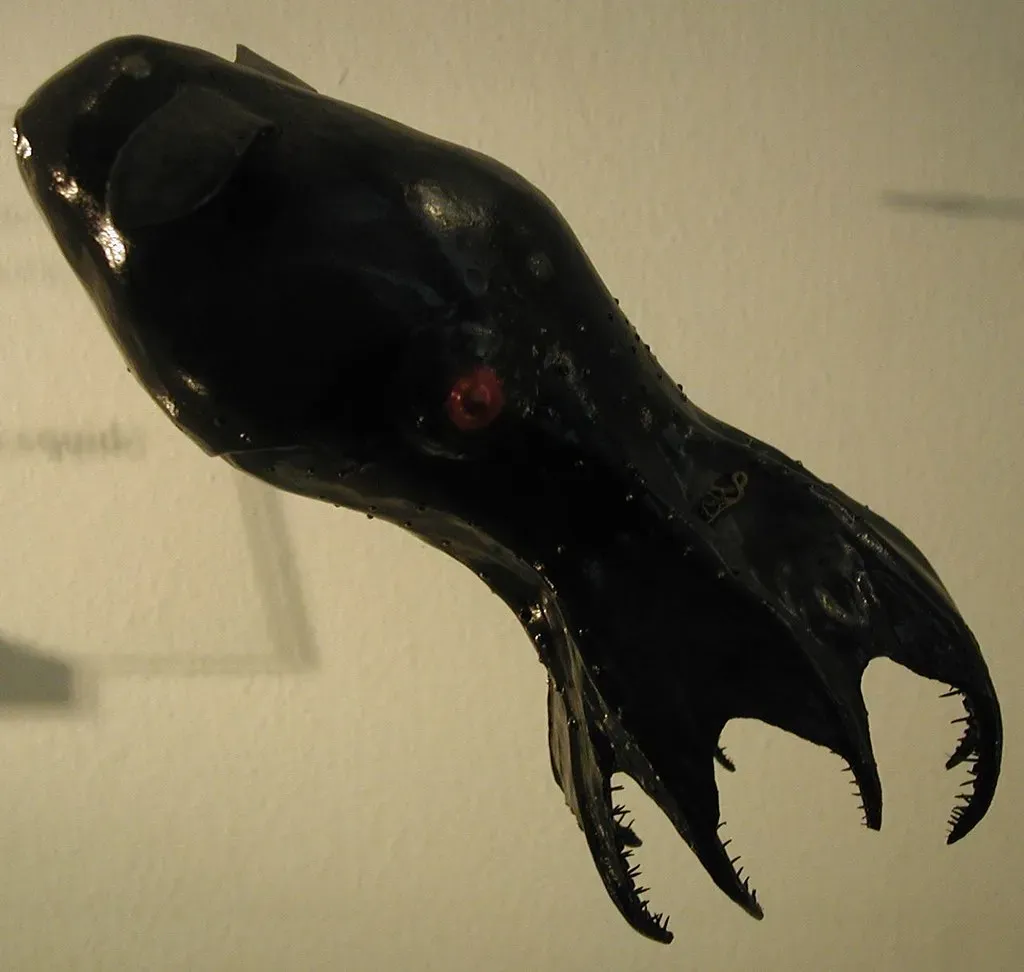
While not technically a squid, as it is the sole member of its own taxonomic order, it has fins like a squid, eight arms like an octopus, and two long feeding filaments that are pretty unique. It lives in the oxygen minimum zone of the deep ocean, where very few other animals can survive.
With glowing arm tips, small nodule-like organs on its skin, photophores at the base of its fins, and the ability to excrete bioluminescent mucus, the vampire squid uses bioluminescence to its fullest potential. When threatened, it ejects a cloud of bioluminescent mucus filled with glowing particles, which confuses predators and allows it to escape into the darkness. Rather than a fearsome predator, it feeds on something called marine snow, tiny particles of dead organic material drifting down from above. Dramatic name, surprisingly gentle lifestyle.
4. The Comb Jelly: A Rainbow in the Deep
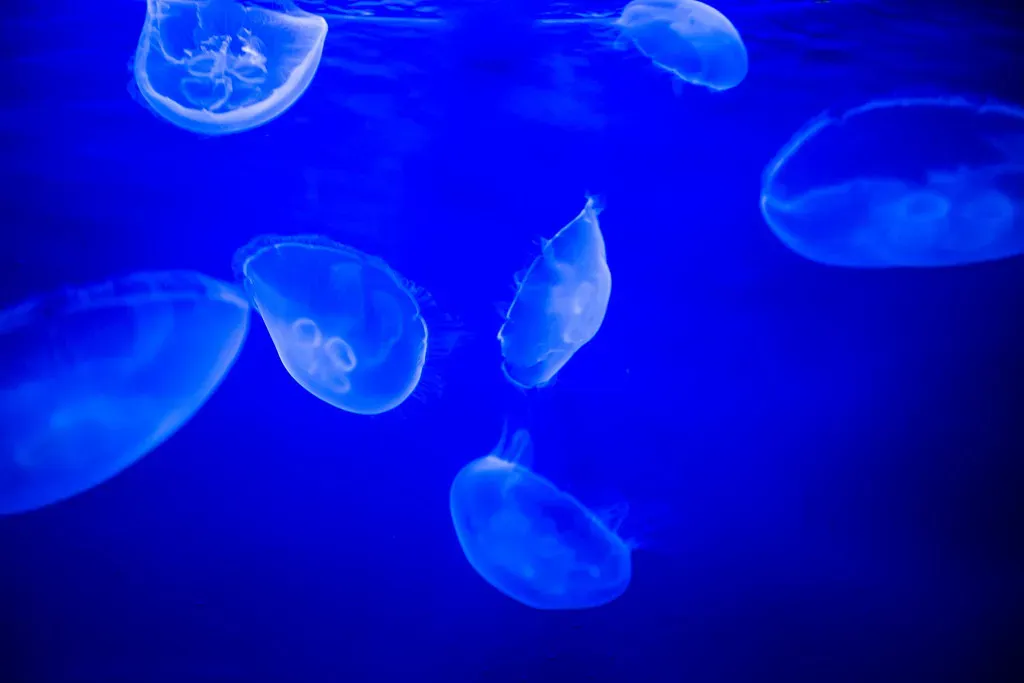
If you have ever seen footage of a comb jelly moving through dark water, you already know. It is one of the most visually stunning things nature has ever produced. Iridescent bands of light ripple across its body like a living prism, like someone wrapped a rainbow around a piece of gelatin and sent it drifting into the void.
The comb jelly lives in the open ocean and usually has the shape of an oval. The animals come in a variety of sizes, but all of them . They use eight rows of comb-like plates with infused cilia on them to move through the water. These plates have podocytes under their cilia, which produce a shimmering bluish light that looks like a rainbow.
From the sea surface down to 1,500 meters, most of the glowing animals were jellyfish or comb jellies. Comb jellies are also ancient beyond imagining, among the earliest animal life forms on Earth. That pulsing, rainbow glow is a feature that has been drifting through Earth’s oceans for hundreds of millions of years. I find that genuinely humbling.
5. The Lanternfish: The Ocean’s Most Abundant Glowing Vertebrate
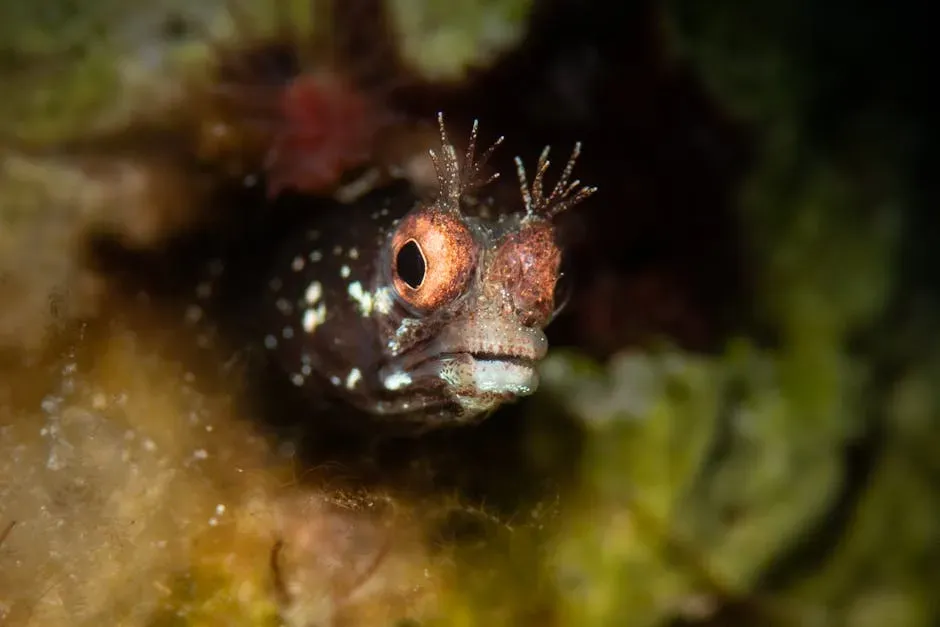
Most people have never heard of lanternfish, which is a shame because they are arguably some of the most important fish in the entire ocean. They are small, unremarkable-looking, and utterly essential to the marine food web. Oh, and they glow.
Lanternfish have adapted an ingenious ability to camouflage themselves using light. These masters of disguise have rows of photophores on their underside. They emit a faint glow which allows them to blend in with any remaining light that filters down from the surface. This process is known as counter-illumination and renders them almost invisible to attackers hunting from below.
One lanternfish found in the Red Sea has light-producing photophores along its ventral surface and a nasal light organ that acts like a headlight. Think about that for a second. A fish with a built-in headlamp. Evolution has a real flair for the unexpected. Lanternfish also perform one of the largest daily animal migrations on the planet, rising toward the surface each night and sinking back down at dawn.
6. The Hawaiian Bobtail Squid: The Ocean’s Cloaking Device
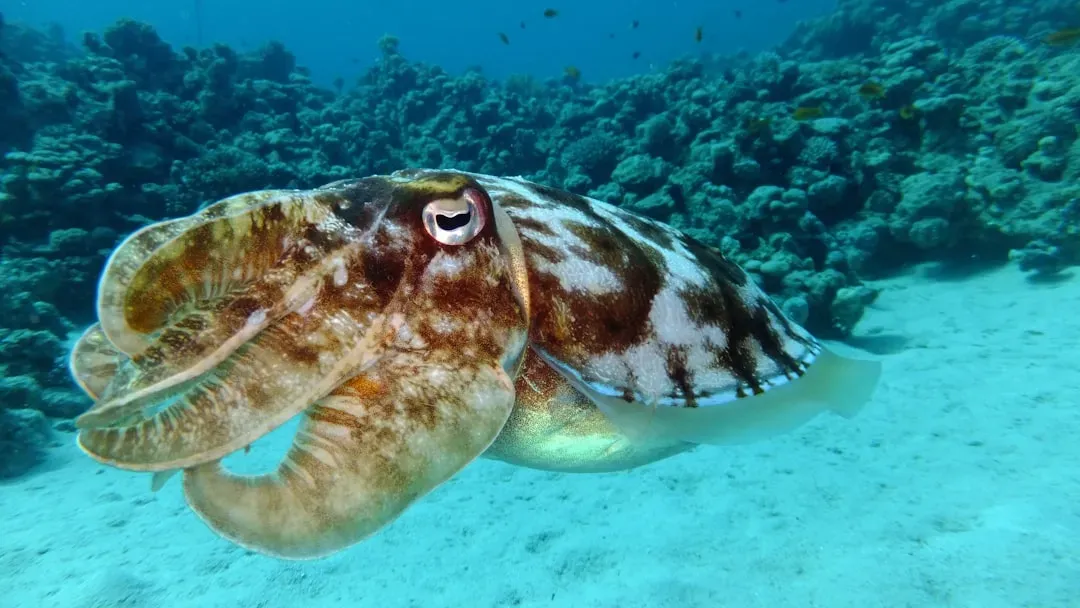
This little squid barely reaches a couple of inches in length, making it look about as threatening as a bath toy. What it lacks in size, however, it makes up for in sheer biological ingenuity. The Hawaiian bobtail squid has basically evolved its own stealth technology.
A master of camouflage, the Hawaiian bobtail squid uses bioluminescent bacteria to create a glow that helps it blend into moonlit waters. Its glowing underside mimics the light coming from the surface, making it invisible to predators below. This squid’s symbiotic relationship with the bacteria allows it to regulate its glow depending on the environment.
The Hawaiian bobtail squid has a special light organ that is colonized by bioluminescent bacteria within hours of its birth. That is remarkable in itself. From the moment it enters the world, this squid begins building a partnership with glowing bacteria that will protect it for its entire life. The light emitted helps camouflage the squid by mimicking moonlight, while the bacteria benefit from a nutrient-rich environment. A perfect deal for both parties.
7. The Dragonfish: Seeing Red in the Deep Dark
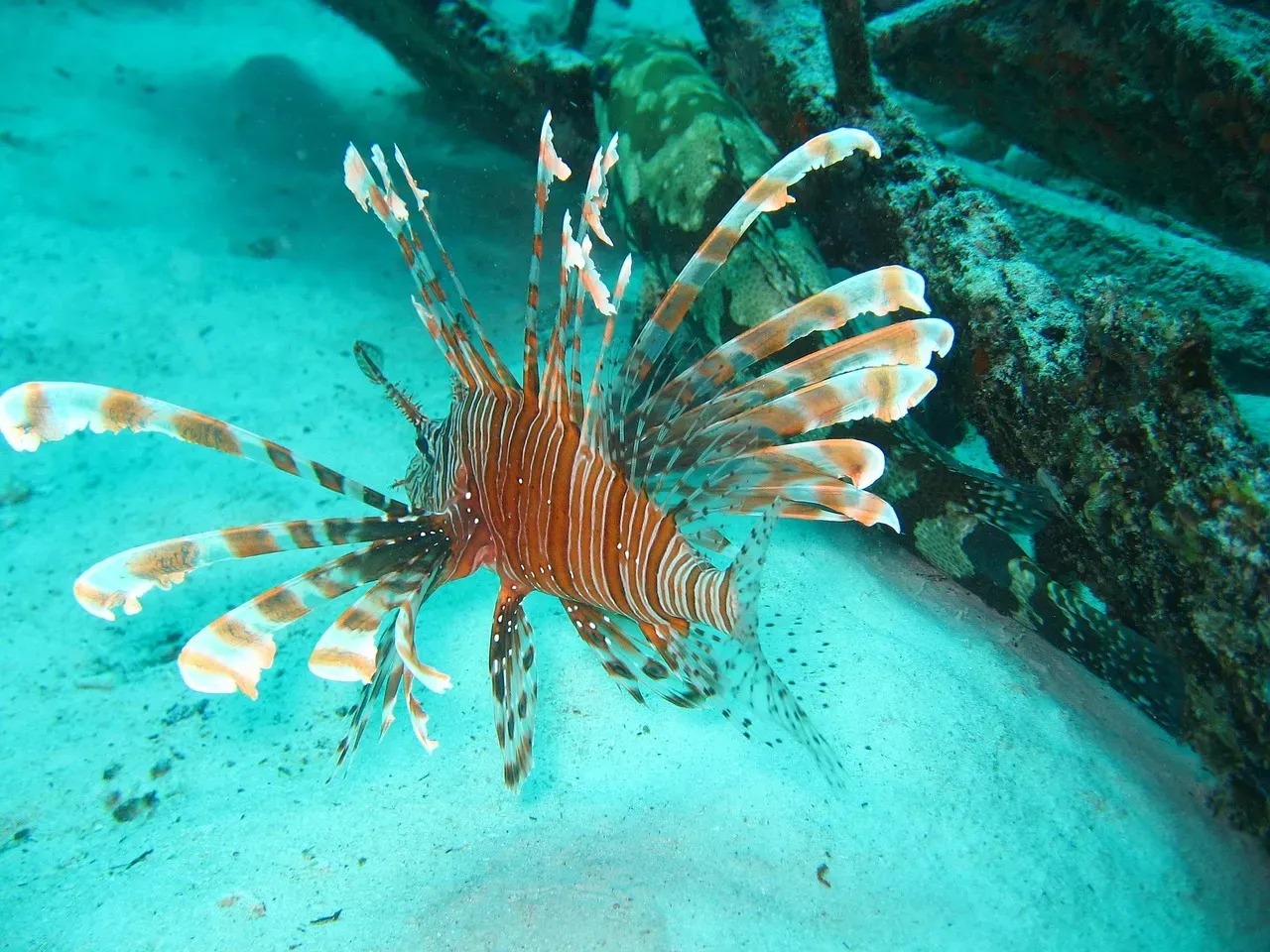
Most deep-sea creatures can only see blue and green light. Red wavelengths simply cannot travel deep enough to matter, so most animals at those depths never evolved the ability to see it. The dragonfish, however, decided to break the rules entirely.
Some animals evolved to emit and see red light, including the dragonfish. By creating their own red light in the deep sea, they are able to see red-colored prey, as well as communicate and even show prey to other dragonfish, while other unsuspecting animals cannot see their red lights as a warning to flee. This gives them a spectacular, almost unfair hunting advantage.
The long barbel on the chin of this dragonfish has a glowing tip that may attract prey. With its large mouth and sharp, curved teeth, the fish makes quick work of any prey that ventures too close. Scaly dragonfish live at depths of 200 to 1,500 meters and grow up to 32 centimeters long. It is, to put it simply, one of the most sophisticated ambush predators in the entire ocean. The fact that it wields its own private red spotlight is almost unfairly clever.
8. The Gulper Eel: The Deep’s Most Unexpected Glower
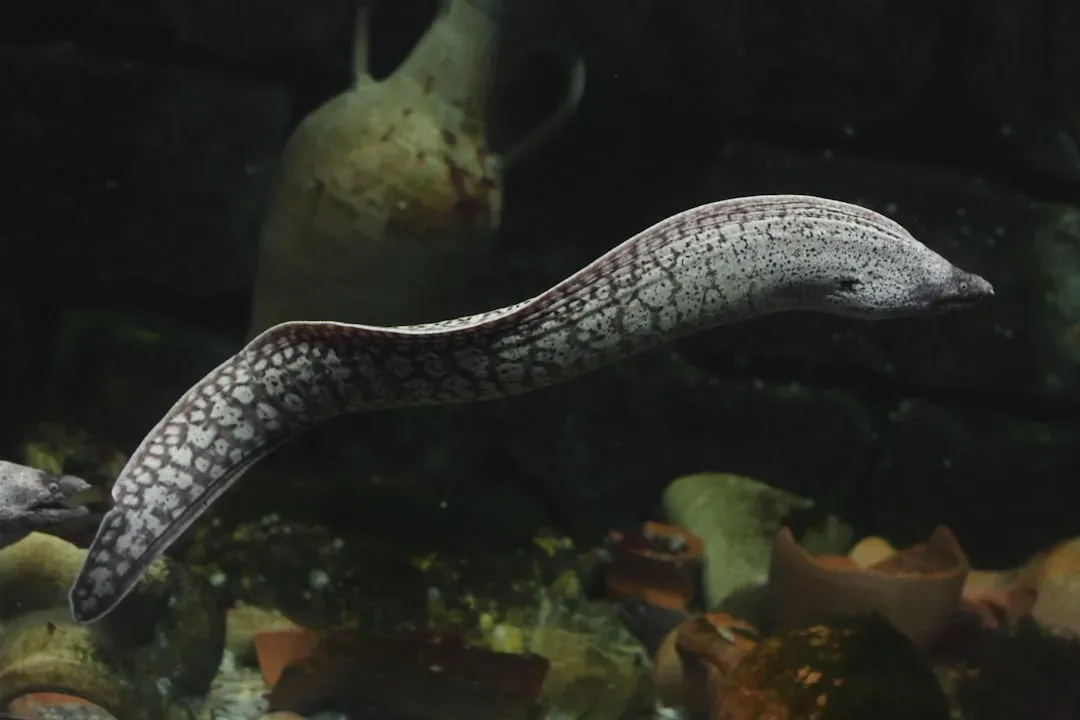
The gulper eel looks like something drawn by a child who has only ever heard a verbal description of a fish. It is mostly mouth. A cavernous, hinged jaw that can open wide enough to swallow prey far larger than its own body. It is deeply, wonderfully weird.
At a depth of up to 3,000 meters, the gulper eel has a bioluminescent organ at the tip of its long, slender body. This animal might use the glow-in-the-dark organ for attracting prey, seeking mates, or distracting predators. Because this animal lives so deep in the ocean, humans rarely observe them.
The glowing tip at the end of its tail acts almost like a fishing lure, drawing curious creatures right into the range of that enormous jaw. It is a strategy similar to the anglerfish, though the gulper eel takes a distinctly more elongated approach to the whole business. There is something almost poetic about an animal that is mostly mouth and a tiny flickering light in the darkness.
9. The Siphonophore: The Longest Glowing Creature on Earth
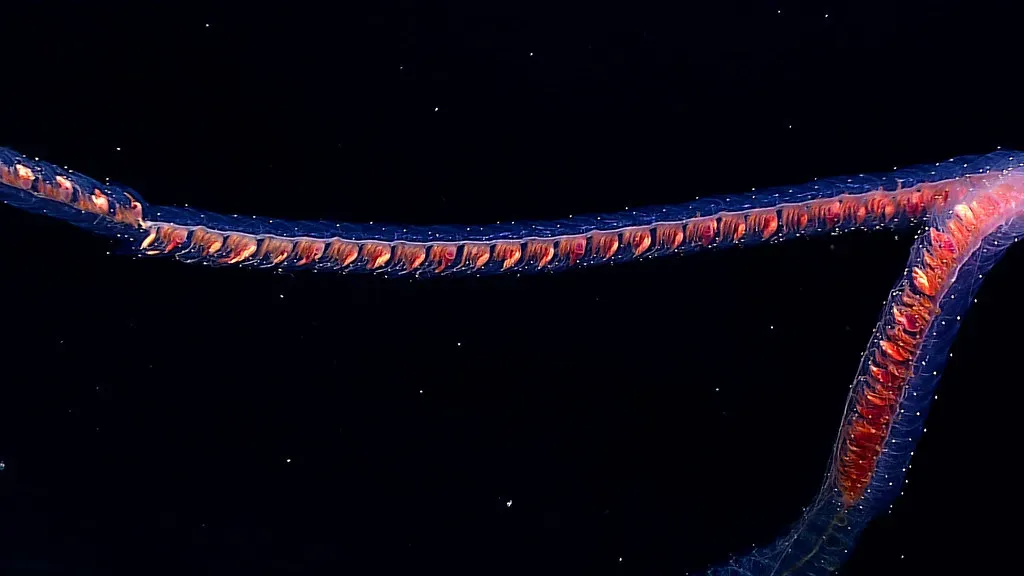
Here is a creature that consistently blows people’s minds when they first learn about it. A siphonophore is not technically one animal. It is a colonial organism, a floating superstructure made up of thousands of individual creatures called zooids, each performing a specific function for the whole. And it can glow the entire length of its body.
A recent study showed that nearly all siphonophores in Monterey Bay can create their own light. Some siphonophore species can stretch to lengths that rival or exceed the blue whale, making them candidates for the longest animals ever recorded. Creatures like siphonophores lure prey toward their mouths using glowing organs.
Imagine a glowing string of lights stretching through the darkness of the deep ocean, but that string of lights is actually alive, hunting, and entirely aware of its surroundings. A colony like Rosacea may look like a single jellyfish, but it is actually a large group of smaller siphonophores clustered and living together. The individual zooids cannot survive on their own. It is one of the strangest, most alien things in the ocean.
10. The Atolla Jellyfish: The Ocean’s Burglar Alarm
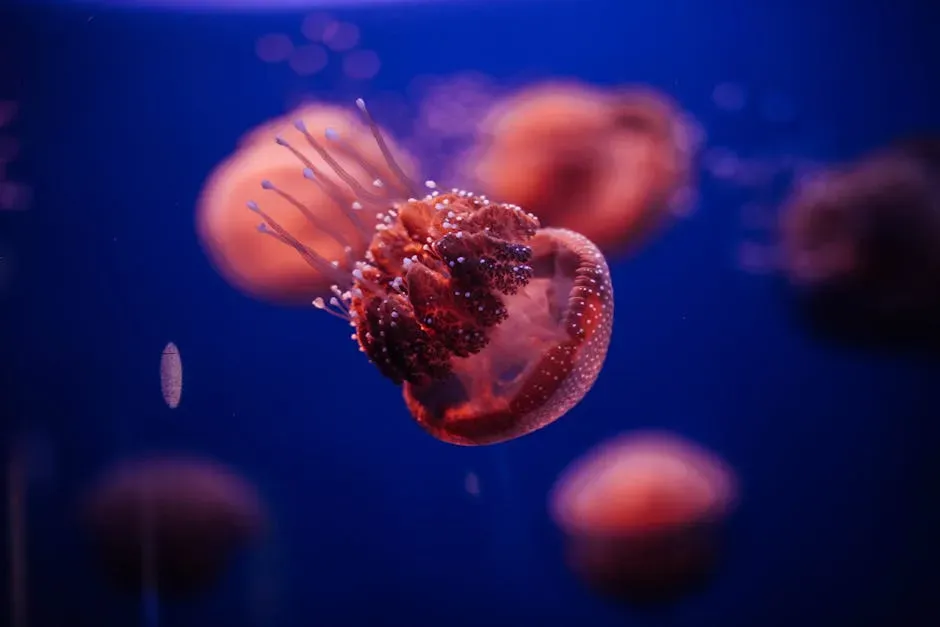
Most glowing creatures use their light to hunt or hide. The Atolla jellyfish does something far more clever. It uses its light to call for help. Honestly, I think this is one of the most underrated survival strategies in the animal kingdom.
The Atolla jellyfish uses a dazzling, spinning light display when attacked, which may summon even larger predators to attack its attacker, a strategy known as the burglar alarm hypothesis. Rather than fleeing or fighting, the Atolla essentially sets off a distress flare in the darkness, hoping a bigger, badder creature comes to investigate and inadvertently scares off its attacker. It is elegant, counterintuitive, and apparently quite effective.
The Atolla belongs to the scyphozoan jellyfish group, and it is a deep-sea resident found throughout the world’s oceans. Its spinning blue light display when disturbed is so consistent and distinctive that scientists actually used a replica of the Atolla’s alarm display to attract and film a giant squid in the deep ocean for the first time. An indirect hero of marine science.
11. The Deep-Sea Shrimp: The Creature That Vomits Light
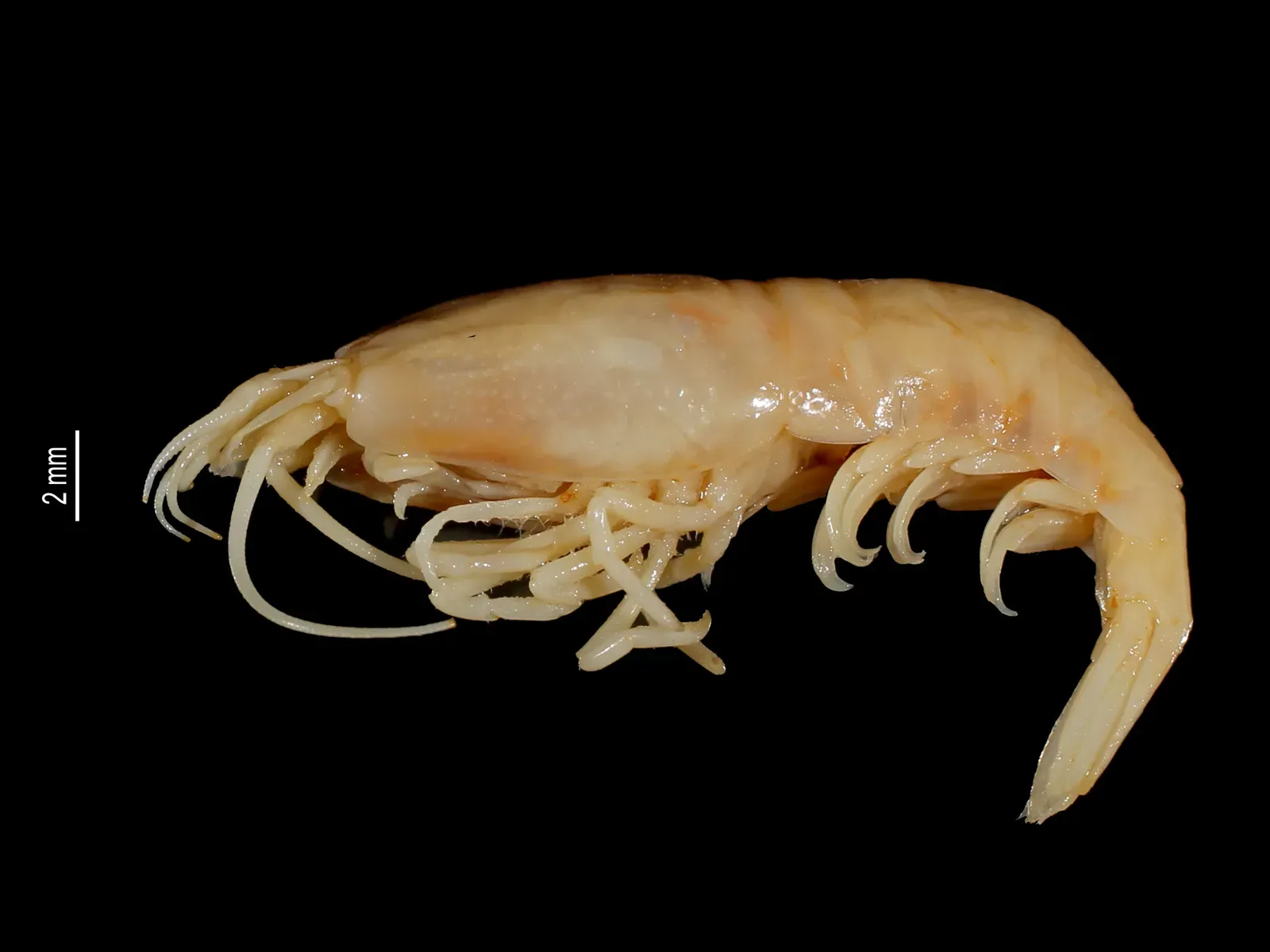
Yes, you read that correctly. There is a shrimp that effectively vomits light at its predators. It sounds ridiculous. It is also completely real, and in retrospect, you have to admire the sheer creativity of evolution.
Some species like the deep-sea pandalid shrimp Heterocarpus ensifer can actually “vomit” light from glands located near its mouth. This is thought to distract predators and allow the shrimp a quick getaway. They will also spew glowing blue sticky secretions to defend against predators, and emit light from their body, limbs, and abdomen. This light allows them to camouflage from predators and migrate to shallow waters.
Scientists have discovered bioluminescence is actually quite common among deep-sea shrimp, with a study identifying 157 species believed to possess the ability to emit light. Special proteins called opsins allow the shrimp to see a range of colors including environmental and bioluminescent blue light, and they might even be able to differentiate between their own glow and the bioluminescence of others. These creatures are far more sophisticated than their small size would suggest.
12. The Dinoflagellate: When the Sea Itself Glows

Most of the creatures on this list are things you could theoretically spot through the window of a submersible. This one is different. Dinoflagellates are microscopic, single-celled organisms, but when millions of them gather together, they create one of the most breathtaking natural spectacles on the planet.
Bioluminescence is a chemical reaction that occurs when the light-emitting molecule called luciferin reacts with a luciferase enzyme, releasing energy in the form of light. In dinoflagellates, this reaction is triggered by mechanical disturbance. When waves crash or a swimmer moves through the water, the organisms flash. Entire bays and beaches have been observed glowing an ethereal electric blue at night because of these tiny organisms.
A biological clock triggers bioluminescence in the dinoflagellate Pyrocystis fusiformis. At dusk, cells produce the chemicals responsible for its light. There are places around the world where bioluminescent bays glow reliably almost every night, largely due to massive concentrations of dinoflagellates. It is, without exaggeration, one of the most magical things you can witness with your own eyes in the natural world.
13. The Tomopteris Worm: The Yellow Light Oddity
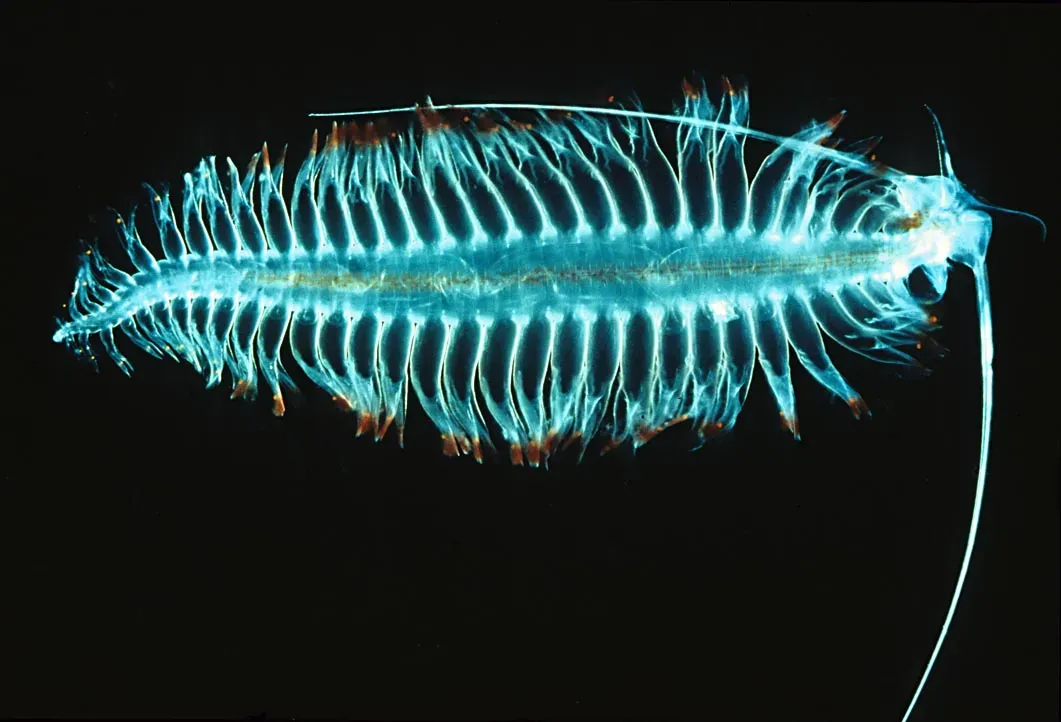
Here is a creature that breaks one of bioluminescence’s most consistent rules. Nearly all ocean glow comes in shades of blue and green, for the simple reason that these wavelengths travel farthest through seawater. The tomopteris worm, however, glows yellow. In the deep sea. Where yellow light is essentially useless. Scientists are still not entirely sure why.
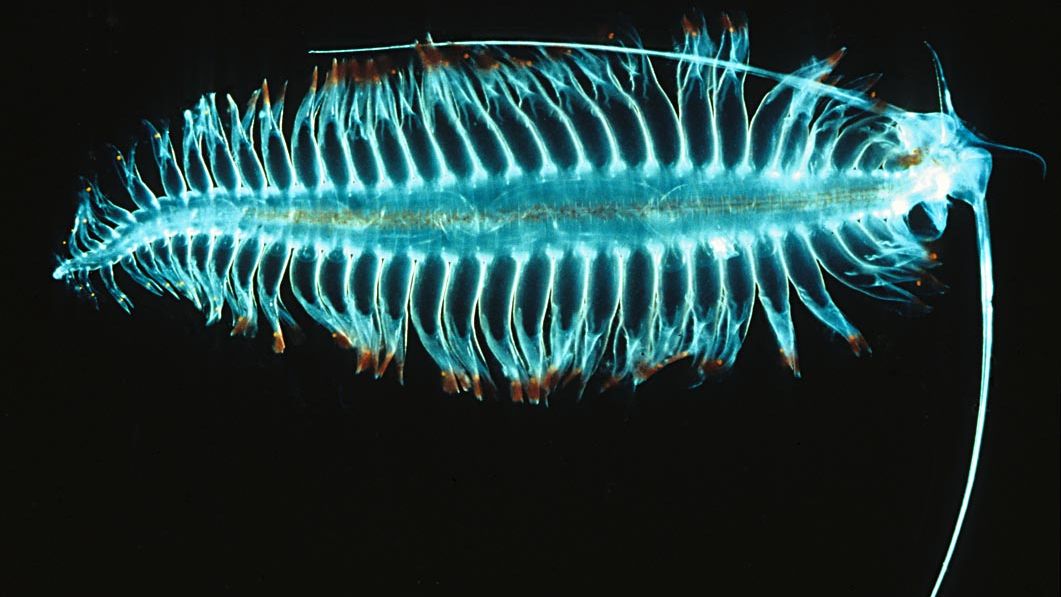
Tomopterids are one of the few deep-sea animals that emit yellow light. From 1,500 meters to 2,250 meters down, worms were the most abundant glowing animals observed. Tomopteris worms are transparent, graceful, and deceptively beautiful, drifting through the water column like living ribbons of pale fire. Their yellow glow is produced from specialized paddle-like appendages called parapodia.
It’s hard to say for sure why they evolved yellow bioluminescence when blue or green would seemingly be more useful in their environment. Some researchers speculate it may still serve a communication function we simply do not yet understand. It is a reminder that the ocean holds mysteries science has barely begun to scratch. Much about bioluminescence remains a mystery.
14. The Pineapplefish: The Ocean’s Spiky Lantern
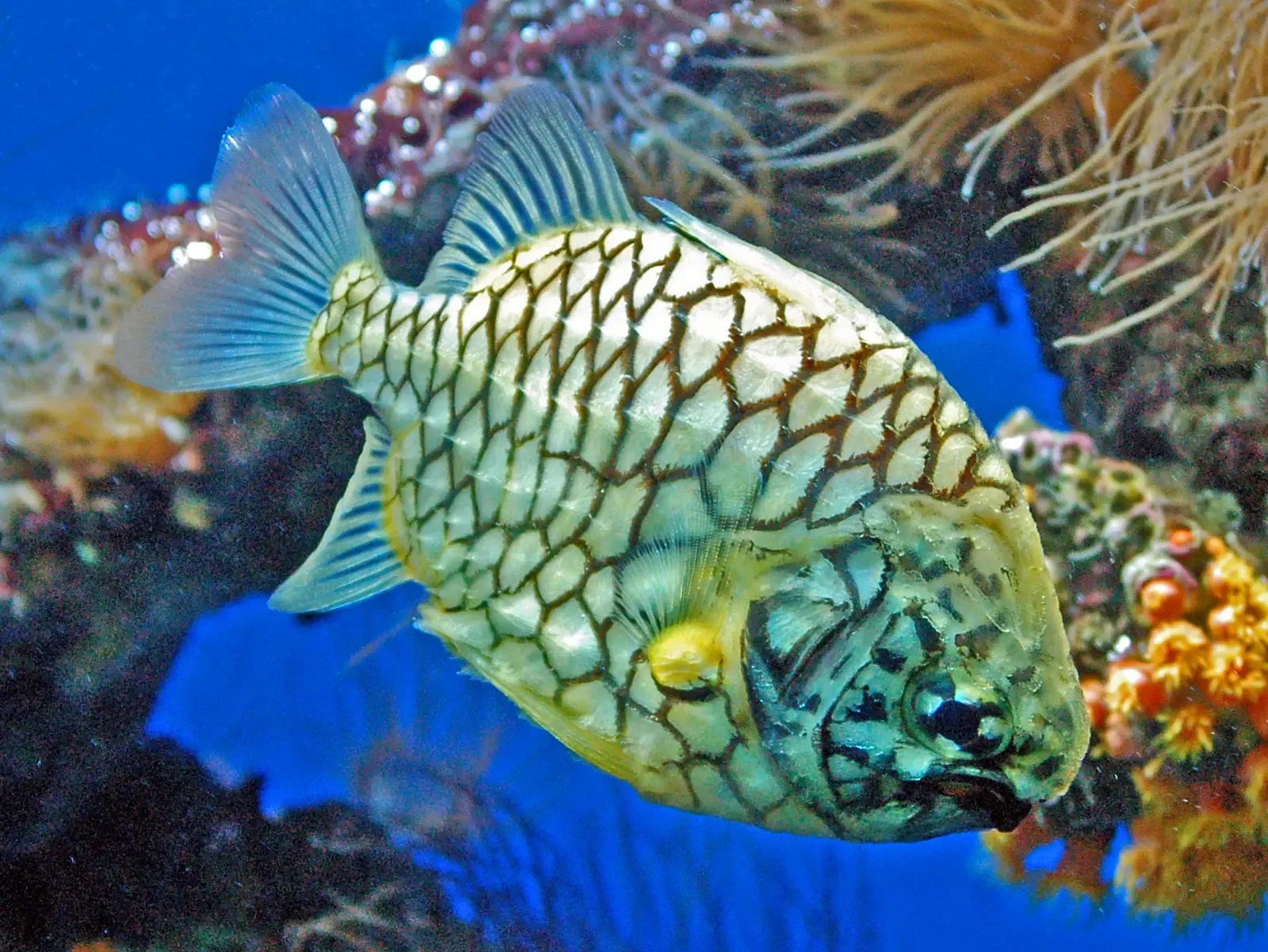
With a name like the pineapplefish, you might expect something fruity and cheerful. In reality, it looks like a small, armored tank with a built-in headlamp. Spiky, rigid, and surprisingly well-lit for a fish that nobody talks about nearly enough.
Named for its spiky, armor-like appearance, the pineapplefish uses bioluminescence to help it see in the dark. It has light organs near its mouth that glow, illuminating its path as it searches for food in the deep waters. This light allows the pineapplefish to navigate through coral reefs and rocky outcrops, even in total darkness. Its glow also serves to attract prey, drawing small fish into its waiting jaws.
Found in the waters off Australia and Japan, this fish is both fierce and fascinating. The pineapplefish uses bioluminescent bacteria housed in its light organs, making it a great example of the symbiotic relationships that power so much of the ocean’s living light. It is built like a fortress and lit up like a lantern, which is honestly a combination I deeply respect.
A World Lit from Within
The ocean’s darkness is not empty. It is, in fact, one of the most luminous environments on Earth, lit not by the sun but by the creatures themselves. In the deep sea, bioluminescence is extremely common, and because the deep sea is so vast, bioluminescence may be the most common form of communication on the planet.
The number of species that bioluminesce and the variations in the chemical reactions that produce light are evidence that bioluminescence has evolved many times over, at least 40 separate times. That tells you something profound about how useful and powerful this adaptation really is. When nature independently invents the same solution dozens of times across completely unrelated species, it is not a coincidence. It is a masterpiece.
From the anglerfish’s devious glowing lure to the vampire squid’s defensive light cloud, from the pineapplefish’s personal headlamp to the tomopteris worm’s mysterious yellow glow, each creature on this list is proof that the most extraordinary technology in existence is not in any laboratory. It has been drifting silently through the depths of the ocean, lighting itself up in the dark, for hundreds of millions of years. What would you have guessed was down there?
