
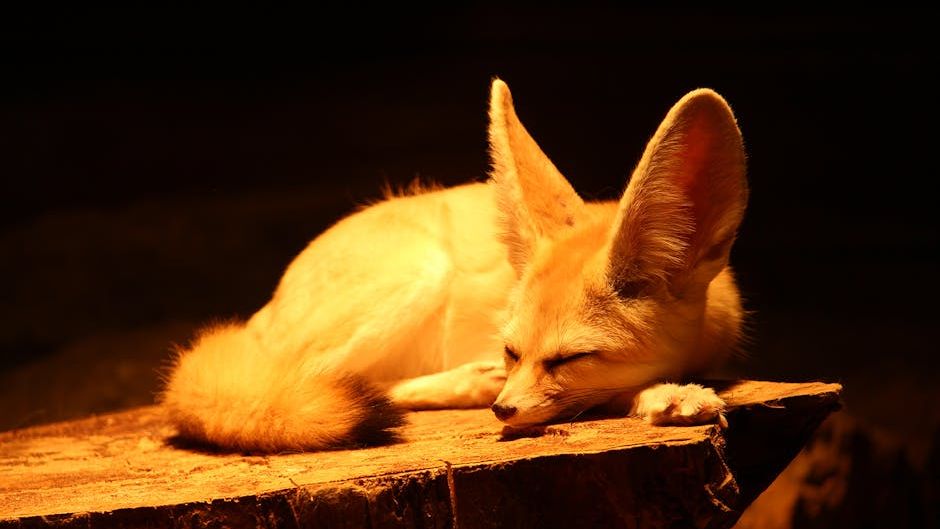
Picture this: scorching days topping 120 degrees Fahrenheit, nights plunging below freezing, and water rarer than a honest politician. Deserts seem like no-go zones for life, yet animals not only survive but thrive there. These creatures have evolved tricks that border on the superhuman.
From furry radiators to seed-munching water factories, their adaptations stun scientists even today. Honestly, it’s a masterclass in resilience that makes our air-conditioned lives look lazy. Let’s dive into seven incredible ways they pull it off.[1]
1. Supercharged Kidneys for Water Recycling
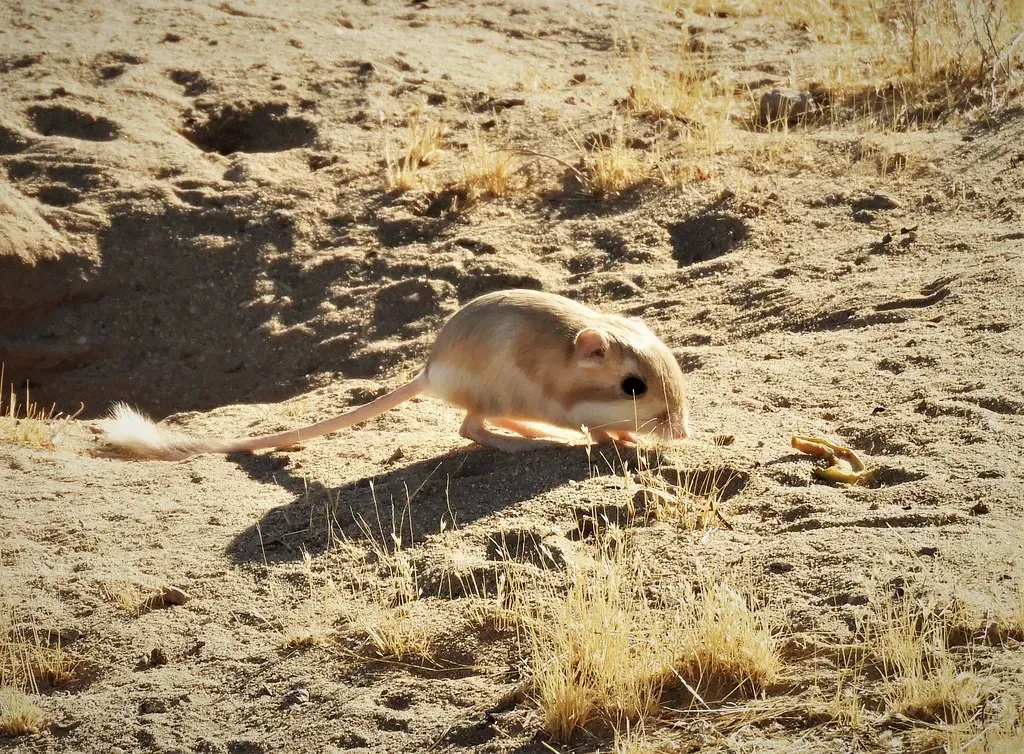
Kangaroo rats never sip a drop of water in their lives. They extract all moisture from seeds through metabolic wizardry, producing urine so concentrated it’s like syrup. Their kidneys work overtime, reabsorbing nearly every bit of fluid to thwart dehydration.[2][3]
This setup lets them thrive in bone-dry burrows. I think it’s wild, how evolution turned a rodent into a desert survival machine. No wonder they’re poster kids for adaptation.[4]
2. Fat Humps as Portable Survival Kits
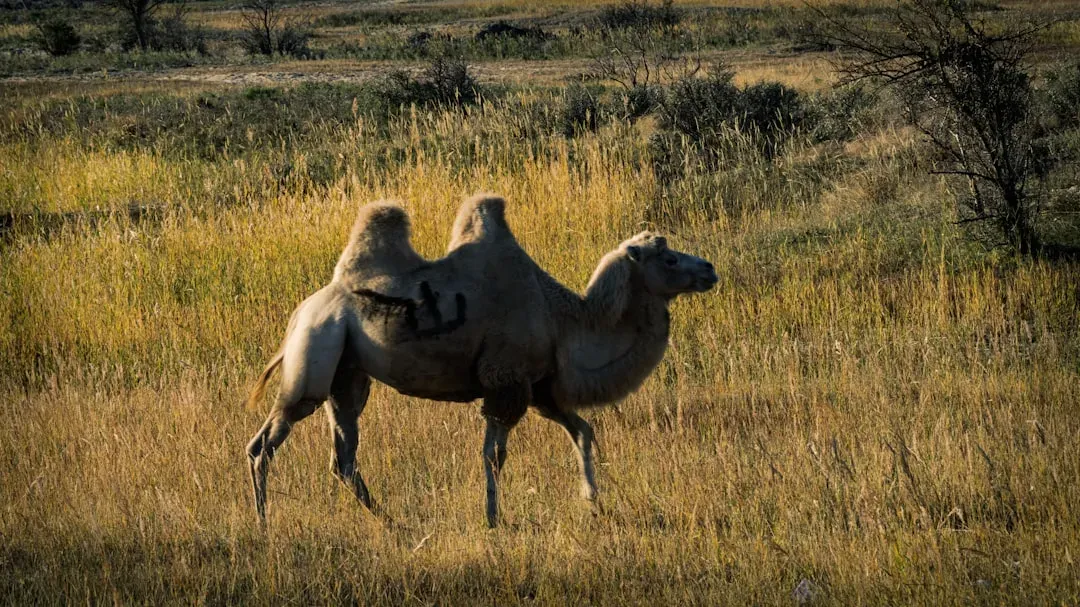
Camels don’t store water in those iconic humps, contrary to old myths. Instead, fat packs provide energy and generate water as a byproduct when broken down. They can trek weeks without refueling, losing up to a third of body weight before stress hits.[5][6]
Thick lips munch thorny plants others ignore. Broad feet prevent sinking in sand. Here’s the thing: camels redefine endurance.[7]
They rarely sweat, conserving what little they drink.
3. Giant Ears That Double as Cooling Fans
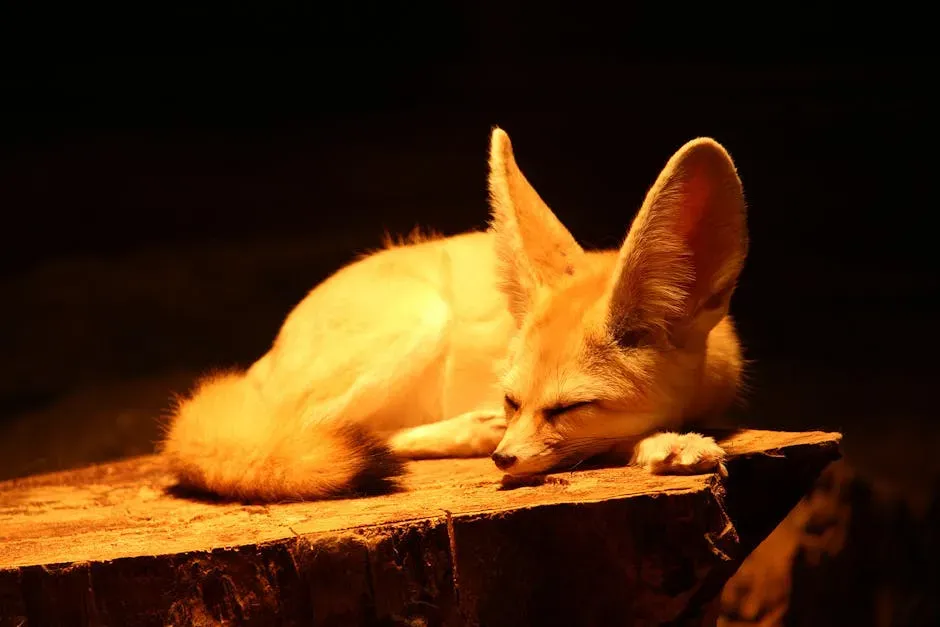
Fennec foxes and jackrabbits sport ears like satellite dishes. These flaps radiate body heat into the air, dropping core temps fast. Blood vessels close to the surface dump warmth efficiently, like built-in car radiators.[8][5]
Nights bring the ears tight to the body for warmth. It’s a simple yet genius toggle switch for desert swings. Imagine wearing your AC on your head, furry style.
4. Burrowing Deep to Dodge the Blaze
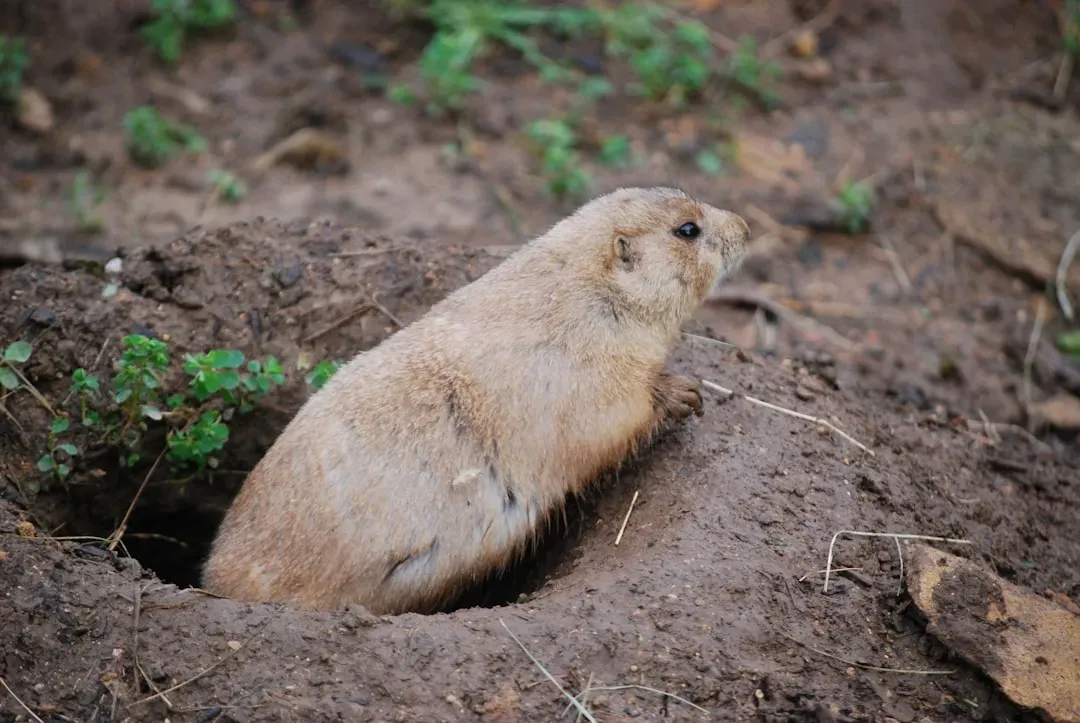
Many desert dwellers, like prairie dogs and kit foxes, dig elaborate underground lairs. These cool havens stay steady at 70 degrees while surface scorches. They seal entrances to trap humidity from breath, recycling precious moisture.[2][4]
Nocturnal hunts keep them out of peak sun. Pack rats even build forts from cactus pads for extra shade. Underground life beats frying any day.
It’s like having a natural bunker.
5. Thick Fur and Skin Against Sun and Chill
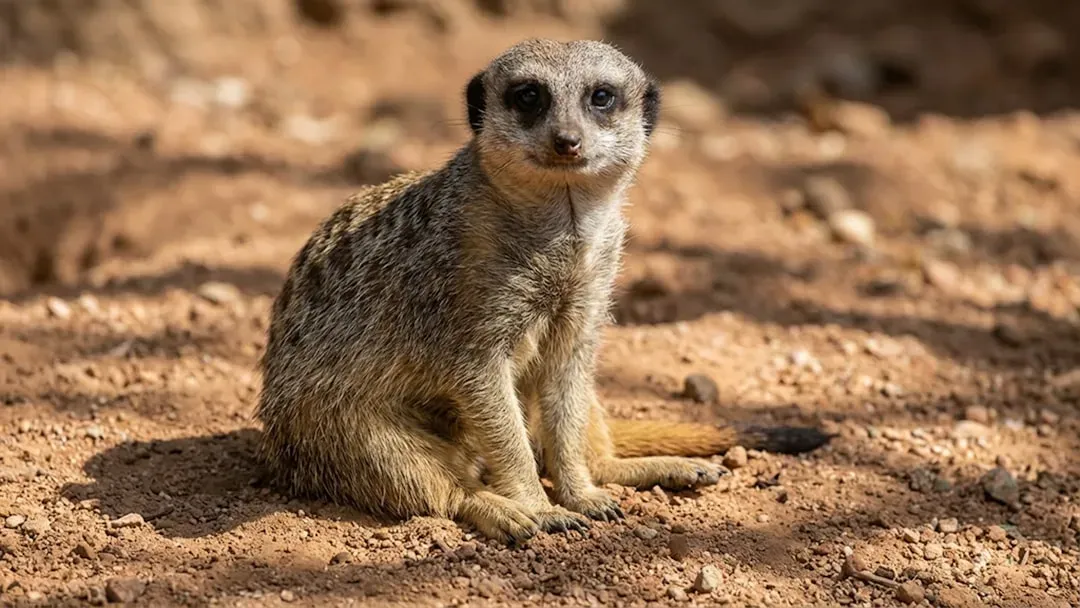
Surprisingly, desert foxes and hedgehogs rock dense fur. It blocks UV rays by day and insulates against frosty nights. Light colors reflect sunlight, keeping skin safe from burns.[9][7]
Camels’ woolly coats work the same magic. This counterintuitive armor turns harsh extremes into manageable ones. Who knew fluff could conquer fire?
6. Tail Umbrellas and Shade Shenanigans
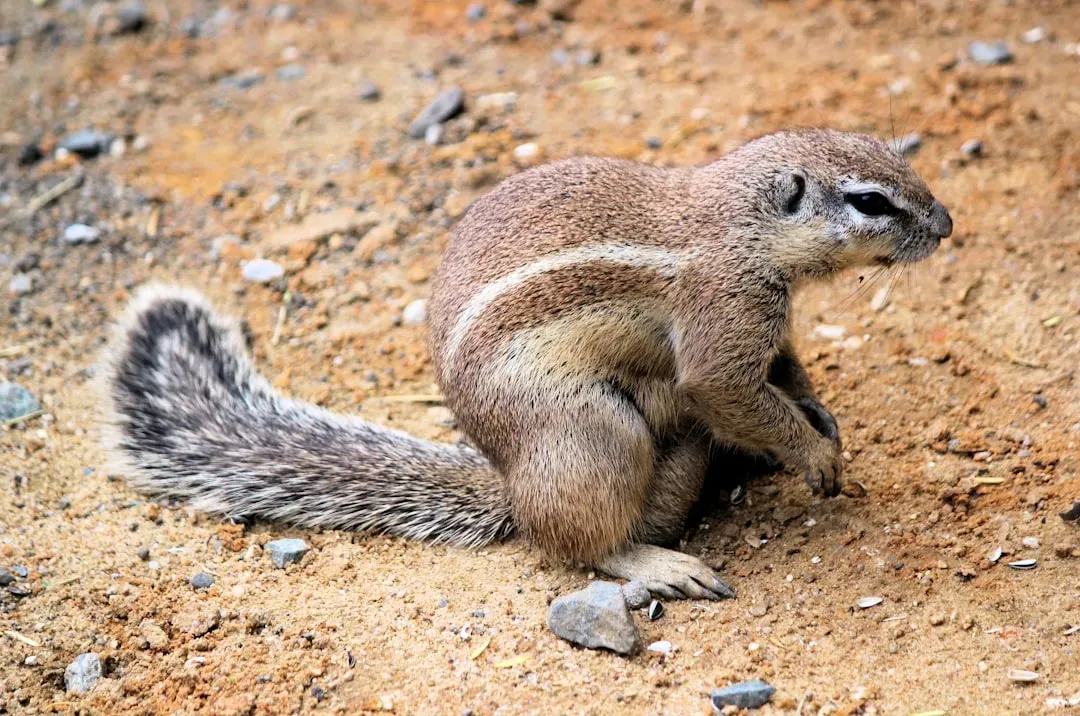
Cape ground squirrels flip their bushy tails into personal parasols. They perch upright, tail shading head and body from relentless sun. This behavioral hack cools without wasting water on sweat.[5]
Chuckwallas wedge into rock cracks, puffing up to plug gaps and block heat. Roadrunners spread wings like fans. Smart moves like these show brains beat brawn in the bake-off.
Let’s be real, it’s adorably ingenious.
7. Aestivation: Desert Hibernation for Tough Times
African bullfrogs burrow deep, wrapping in a waterproof cocoon for years. They aestivate through dry spells, emerging only after rain. Thorny devils sip dew through skin grooves, channeling it to the mouth.[1][5]
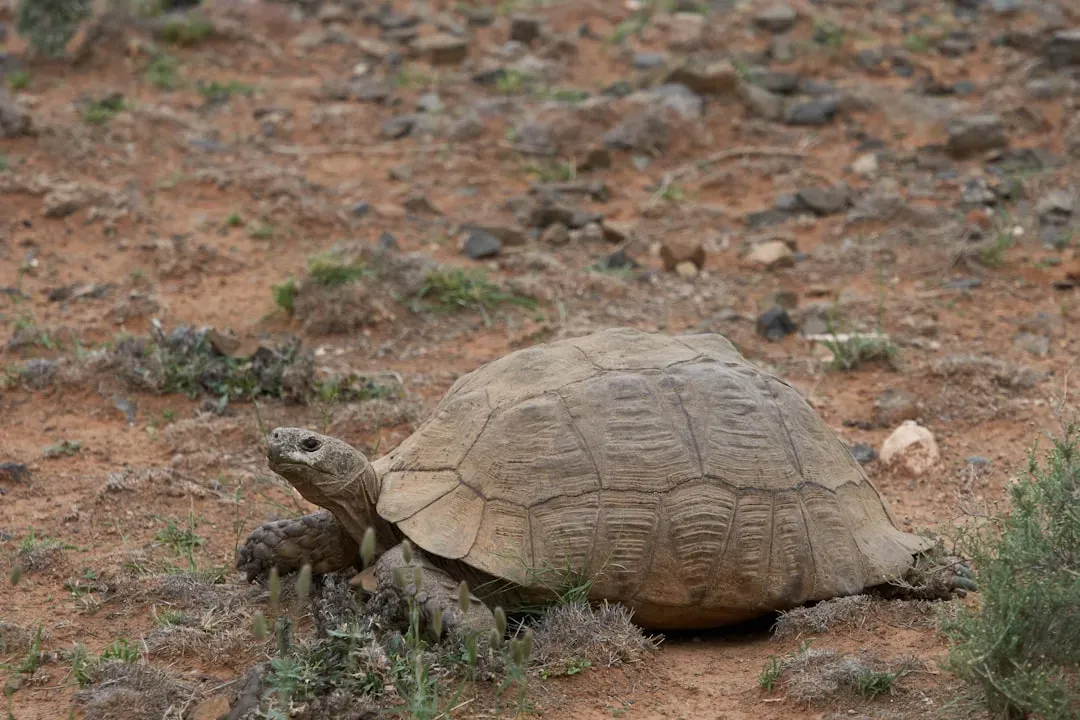
Desert tortoises store water in bladders for lean months. These wait-it-out strategies turn famine into siesta. Nature’s pause button, perfectly tuned.
Shocking how patience pays off here.
Deserts forge the ultimate survivors, proving life’s tenacity knows no bounds. These adaptations humble us, reminding that ingenuity trumps brute force every time. What blows your mind most about these desert dynamos? Share in the comments.

- 10 Mind-Blowing Facts About Our Solar System You Never Knew - July 22, 2026
- 10 Heartwarming Ways Pit Bulls Show They’ve Bonded With You - July 22, 2026
- 10 Animals With the Most Unique Parenting Techniques in Nature - July 22, 2026