
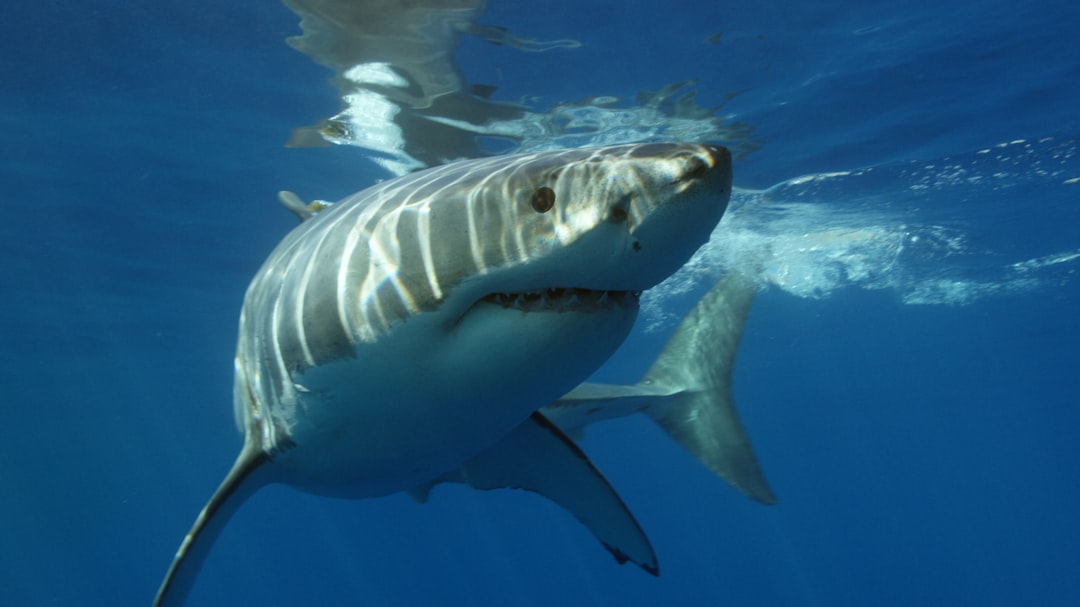
Picture this: you’re standing at the shoreline, the Atlantic foaming around your ankles, the sun blazing overhead. Millions of Americans do exactly this every single summer, completely unaware of what’s silently cutting through the water just a few hundred yards away. Sharks. Real ones. Big ones. And closer than most people would ever feel comfortable knowing.
The United States has one of the most documented histories of shark encounters in the world, and certain states carry a reputation that goes far beyond campfire stories. At least 1,660 unprovoked shark attacks have been reported in the US since the 1800s. That number is both humbling and, honestly, a little spine-chilling. Consistent with long-term trends, the United States recorded the most unprovoked shark bites globally in 2025, with 25 confirmed cases.
So which states should you think twice about before diving headfirst into that gorgeous, inviting water? Let’s find out.
Florida: The Undisputed Shark Capital of America
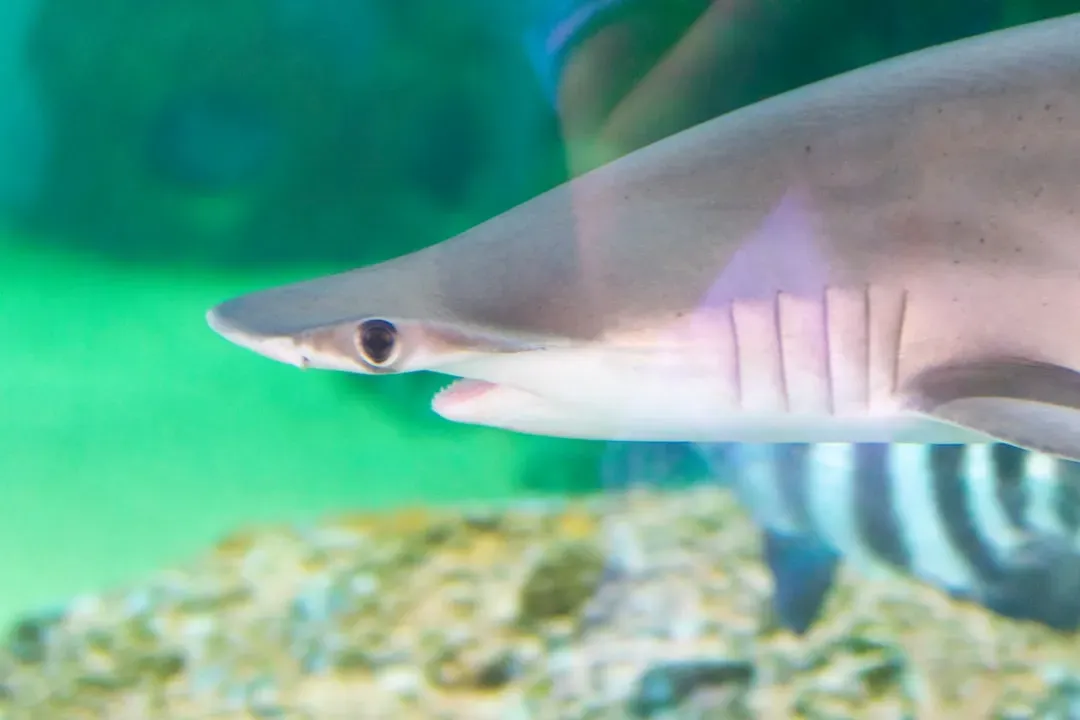
There is no sugarcoating this one. According to the International Shark Attack File, Florida has consistently topped global charts in terms of unprovoked shark bites. It’s not even close. Think of it like the New York Yankees of shark territory – dominant, relentless, and showing no signs of slowing down.
Florida has reported 942 shark attacks since 1882, far more than any other state. To put that in perspective, no other state even comes close to half that number. The most shark attacks are in the state of Florida, and the majority of those attacks occur in Volusia County, which has the most shark attacks ever recorded, at 343.
Despite its reputation as the “Shark Bite Capital of the World” due to the high frequency of shark encounters, New Smyrna Beach continues to attract fearless visitors to its laid-back surf culture and reliable, year-round waves. It’s almost poetic, really. The more dangerous the beach, the more surfers show up.
Palm Beach isn’t just famous for luxury resorts and pristine beaches. It’s also one of the most shark-infested shorelines in America, thanks to its location along the Gulf Stream, which keeps the waters continually teeming with fish, corals, and sponges – the exact conditions that entice sharks to the area.
Given the number of tourists drawn to the Sunshine State, 2024 was a relatively calm year for shark attacks in Florida, with 14 confirmed bites reported. By contrast, in 2023, the state saw increased activity, with 19 confirmed bites. Even on a quiet year, Florida still leads the pack by a wide margin.
Hawaii: Paradise With a Very Sharp Edge
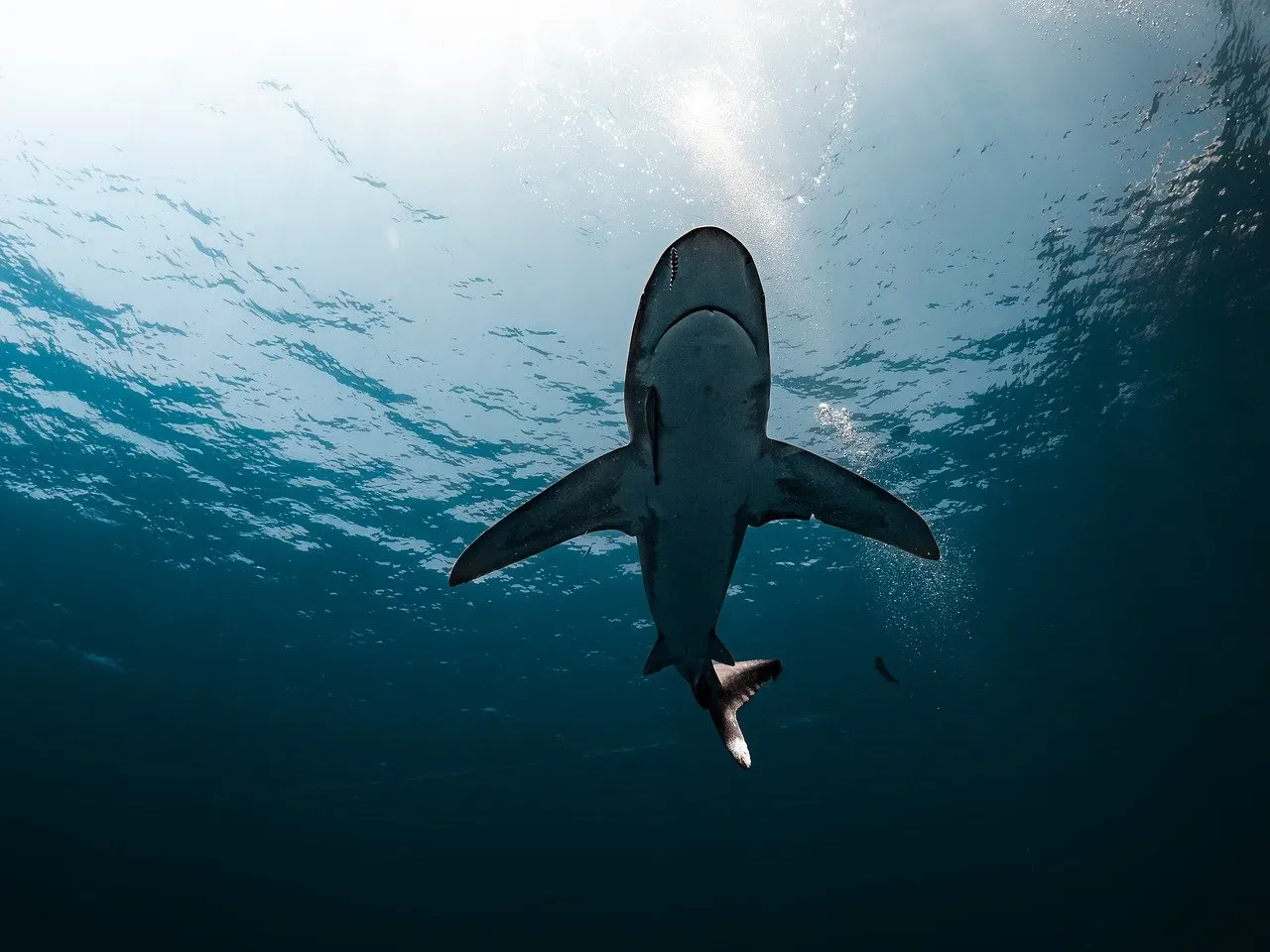
Hawaii looks like it was lifted straight out of a dream. Crystal water, volcanic cliffs, world-class surf. Honestly, it probably is the most beautiful coastline in the country. The only catch? The sharks here mean serious business.
Hawaii, with a total of 76 shark-bite incidents since 2012, has the second most incidents in the United States. According to the International Shark Attack File, most of Hawaii’s incidents have happened around Maui, which has the second-largest population in the Hawaiian islands.
In June of 2024, local news outlets reported that a 20-year-old tourist had been bitten by a shark on the North Shore beach of Waikoloa, an attack that came just days after the fatal shark attack that tragically took the life of Tamayo Perry, a local lifeguard and famed surfer. These two encounters are indicative of a long-standing issue with sharks crowding Hawaii’s North Shore.
The leading perpetrators are tiger sharks, large hunter sharks that derive their name from the tiger-like stripes marked down the sides of their trunks. Carnivorous and known to stalk tropical and sub-tropical waters, it’s no surprise to scientists that tiger sharks have made a home for themselves off the coast of the North Shore.
Kauai’s breathtaking beaches and turquoise waters may look like paradise, but danger lurks beneath the surface in the form of some of the ocean’s most formidable predators. As a shark-active region, Kauai County officials have recorded 24 shark attacks since 1997, with the most recent incident occurring in Hanalei Bay in 2023. I think that’s the thing about Hawaii that people always underestimate – the beauty almost makes you forget.
South Carolina and North Carolina: The Twin Threat of the Atlantic Coast
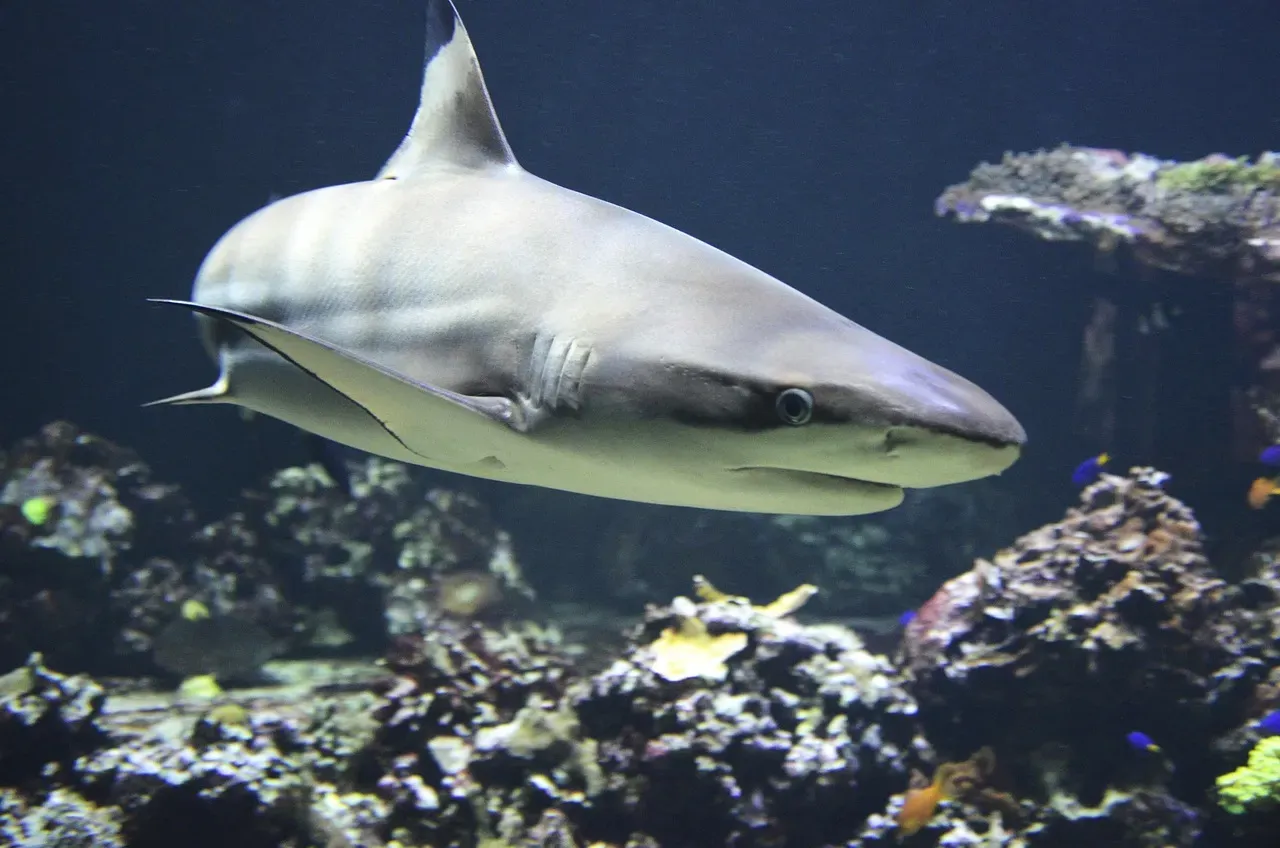
Here’s the thing about the Carolinas – they tend to fly under the radar compared to Florida. Families pack up the minivan, head to Myrtle Beach, and assume the shark hysteria is all a bit overblown. It’s really not.
After Florida and Hawaii, South Carolina has the most recorded shark-bite incidents in the United States. There have been 45 incidents recorded since 2012, with 10 in 2017 alone. That single-year figure is genuinely startling. Ten bites in one year, in one state. Think about that next time you’re wading past your knees at Hilton Head.
Myrtle Beach, despite its fun-wheeling reputation, is also known as a magnet for sharks. Although the last fatal incident was recorded nearly two centuries ago in 1852, 2024 saw two people nipped by a shark off the Myrtle Beach coast, resulting in minor injuries. With small species of sharks like blacktips, spinners, and sandbars attracted to these waters, these sand-scrubbing sea animals crawl close to the shoreline and surprise unsuspecting vacationers. Blacktips are the biggest offenders and are often the culprits behind hand chomps and leg bites.
North Carolina is no quiet corner of the coast either. The fifth-highest number of shark-bite incidents in the United States is in North Carolina. Notably, the county in North Carolina with the highest number of incidents is Brunswick, which is considered part of the Myrtle Beach metropolitan area. Emerald Isle Beach in North Carolina is considered one of the world’s most shark-infested beaches, as the coastal waters off Emerald Isle serve as a major migration route for sharks.
According to the Florida Museum of Natural History ISAF, the odds of being attacked by a shark are 1 in 11.5 million. Low odds, sure. Still, tell that to the person standing in waist-deep water at dusk.
California: Fewer Attacks, But Far More Deadly
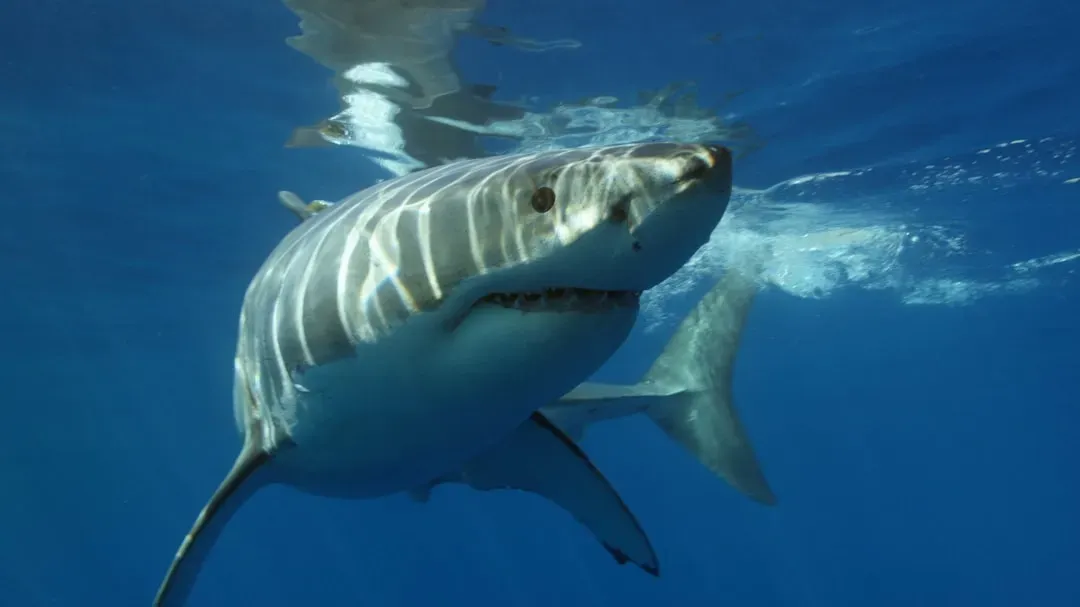
California flips the script in a fascinating and somewhat terrifying way. It doesn’t have nearly the raw number of shark incidents that Florida does. What it does have is arguably scarier – a much higher proportion of fatal encounters. That changes the conversation entirely.
After South Carolina, California ranks number four among US states with the most shark-bite incidents. There have only been 29 of them recorded since 2012, but three of those 29 have been fatal, which is about 10 percent. That ratio adds to the scare factor in news stories about the incidents.
Recently, there has been an influx of juvenile white sharks flocking to the San Diego area. Some of the beaches where these younglings have made their home are Solana Beach, Del Mar, and Torrey Pines. Let’s be real – “juvenile white sharks” sounds almost cute until you remember they are still great white sharks.
In 2024, one of these great white sharks attacked a swimmer on Del Mar beach. The swimmer, Caleb Adams, was only 100 yards away from a lifeguard when the incident occurred, though he survived and his injuries were treated. San Diego County, far to California’s south, has seen the most activity and has reported shark encounters and bites in the news for generations, involving surfers, swimmers, and kayakers.
Texas: The Gulf’s Underrated Shark Hotspot
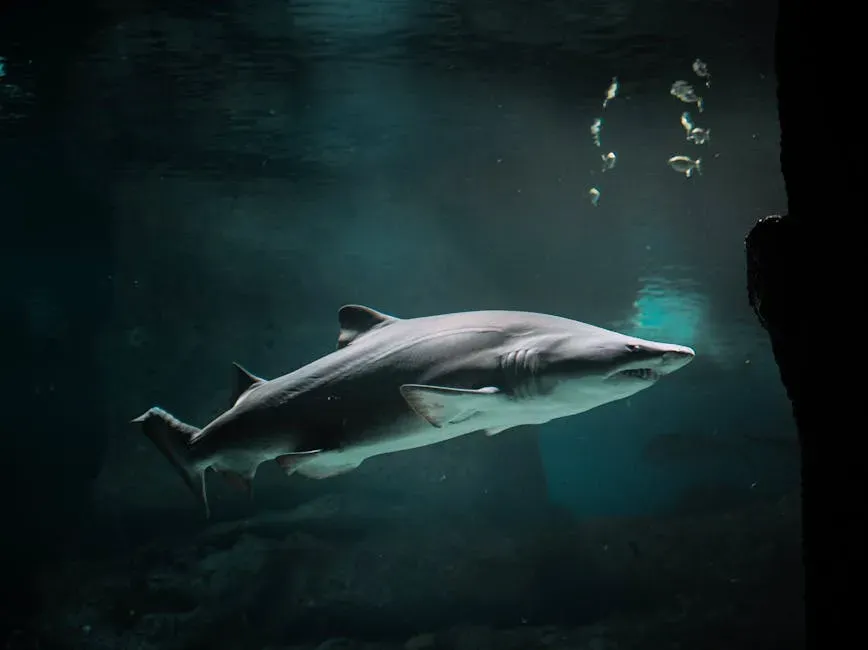
Nobody sits around a barbecue in Texas talking about shark attacks. It just doesn’t come up. Yet the data tells a quietly uncomfortable story about the Lone Star State’s gulf-facing coastline. Texas deserves far more attention in this conversation than it usually gets.
As in other years, Florida is the leading shark hotspot with 14 bites, followed by Texas and Hawaii, each with four recorded bites in 2024. Four bites in a single year puts Texas firmly in the company of states people actually fear entering the water in. On July 4th, 2024, a single shark injured four people in the waters off South Padre Island. One shark. One day. Four people. That story barely made national headlines, which says everything about how underreported Texas shark activity really is.
South Padre Island is located on the southern tip of Texas along the Gulf of Mexico and is renowned for its miles of pristine beaches and warm waters, which draw beachgoers and nature lovers year-round. Often referred to as the most shark-infested beach in Texas, Mustang Island ranks as one of the most beautiful islands in Texas and has recorded nine non-fatal shark attacks since 1987.
In June 2024, a shark latched onto a teenager’s hand as she was standing in waist-deep water off Jamaica Beach. After being treated onsite, she was transported to the hospital, where she required surgery on her hand. Shallow water. Waist deep. That’s the part of these stories that never gets old in a unsettling sense – the idea that you don’t need to be some deep-sea daredevil to encounter a shark. You just need to be at the beach.
Conclusion: Respect the Water, Know the Risk
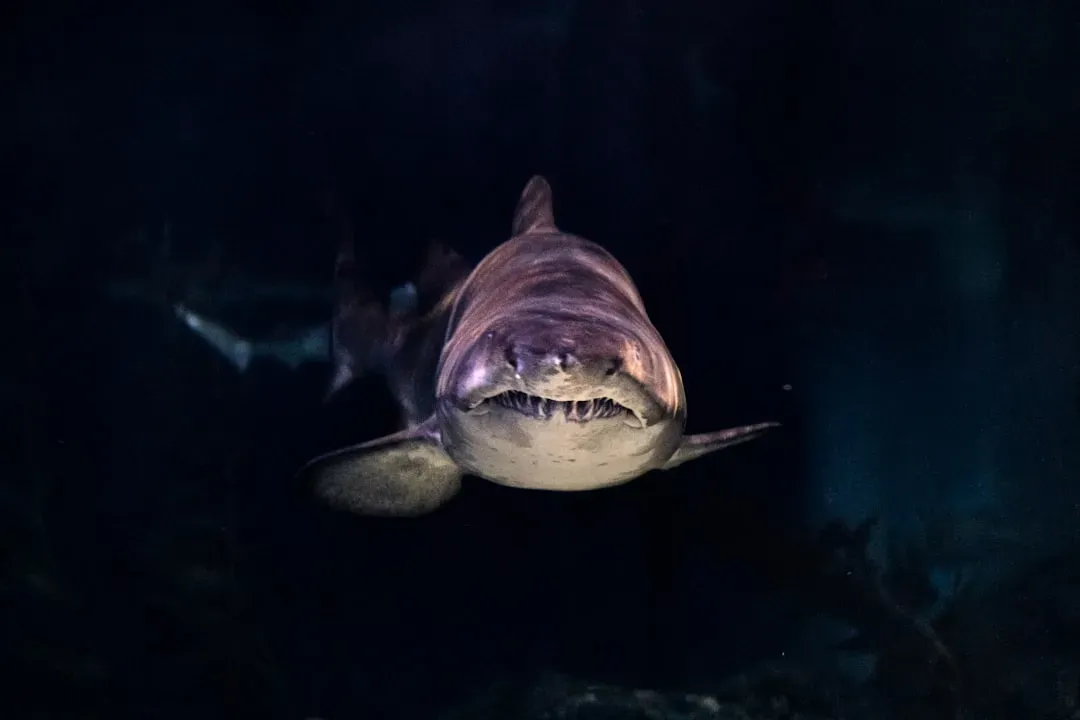
Here is what all of this actually adds up to: the United States is, without question, the most shark-active nation on earth when it comes to documented human encounters. With an average of 40 shark attacks in the United States each year and the average shark attack fatality rate at just one per year, plenty of other things have a much better chance of killing a person than a shark attack. Deer, bees, even your own bed – statistically, they are all more dangerous than sharks. Yet nothing triggers primal fear quite like that silent, triangular fin cutting through the surface.
The five states covered here – Florida, Hawaii, South Carolina, North Carolina, California, and Texas – are also some of the most visited, most beloved coastlines in the entire country. That is not a coincidence. More people in the water simply means more chance of an encounter. Year-to-year variability in oceanographic conditions influences the local abundance of sharks in the water, while weather patterns and economic conditions impact human activities along coastlines.
The ocean belongs to them. We are the visitors. While the odds of being bitten by a shark are fairly low and the odds of being killed by a shark are even lower, there are some steps that can be taken to further reduce the risk. Swim during daylight, stay away from piers where fishing activity attracts predators, and never enter the water with an open wound. Simple things, really.
Knowing the risk doesn’t have to take the joy out of the ocean. It should actually do the opposite – it should make you appreciate every swim, every wave, and every salt-spray moment for exactly what it is: a privilege, enjoyed in someone else’s home. What would you do differently at the beach knowing all of this? Drop your thoughts in the comments below.

- 14 Quiet Signs Your Dog Knows Its Time Is Near and Wants You Close - July 22, 2026
- 10 Falcon Facts That Will Blow Your Mind - July 22, 2026
- 5 Incredible Migratory Journeys Animals Make Every Year - July 22, 2026