

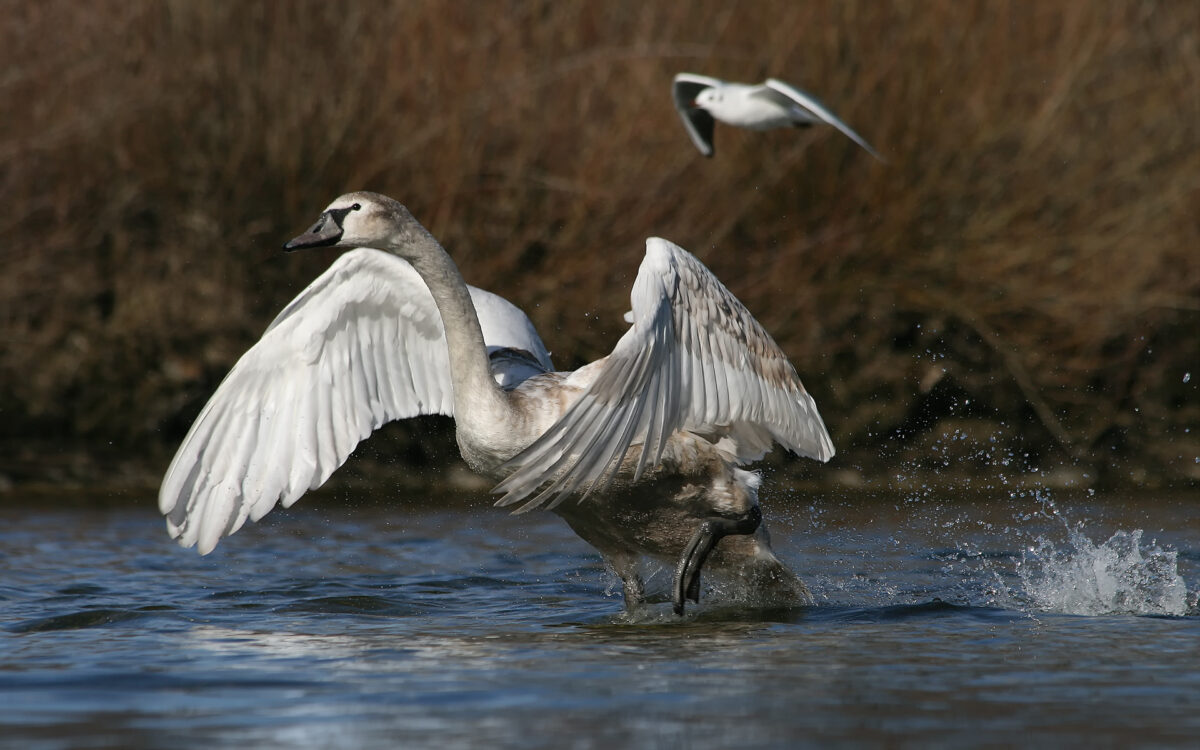
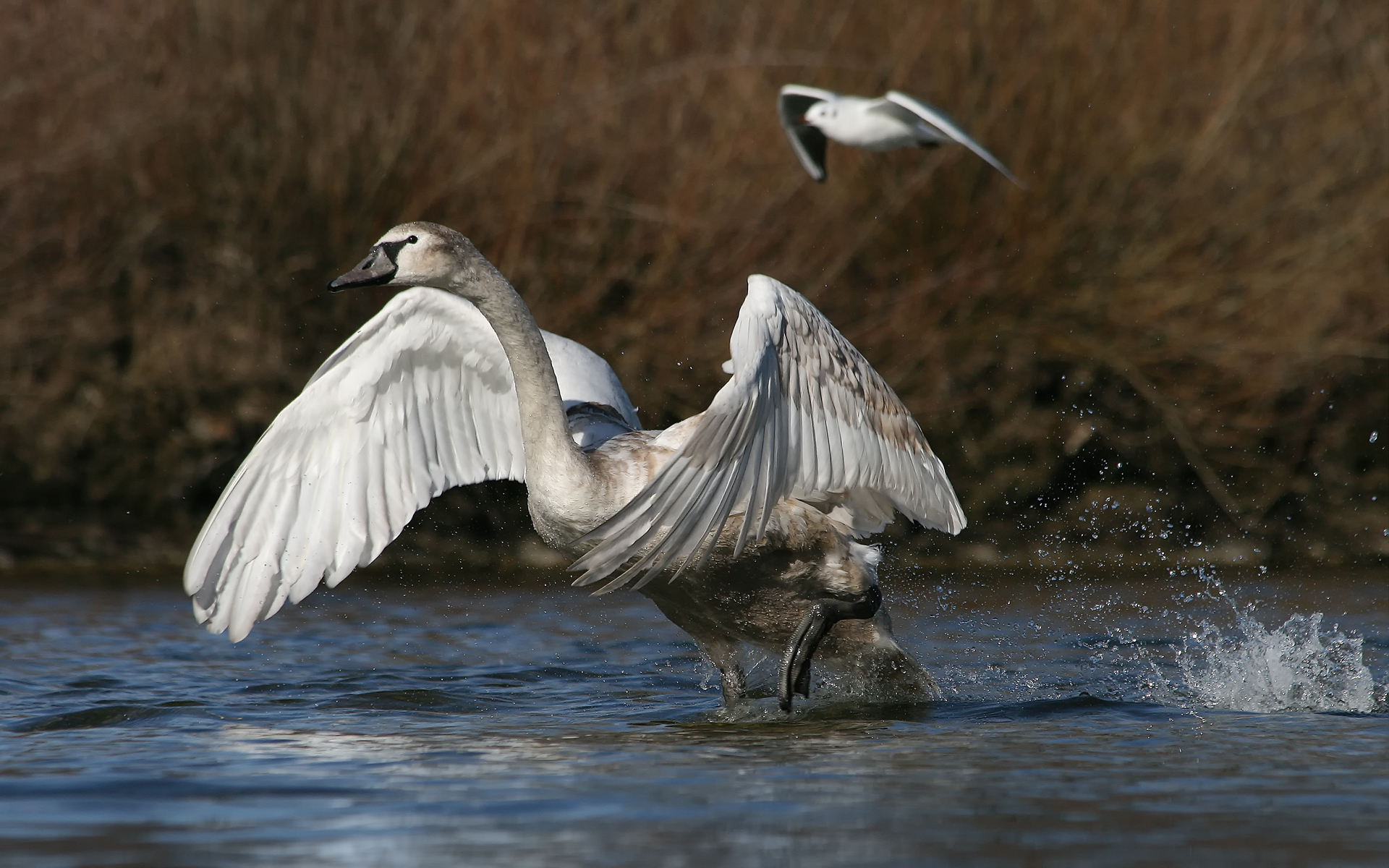
Escalating Injuries Grip Local Swan Population (Image Credits: wikimedia)
Hullbridge, Essex – Swans along the River Crouch have faced a surge in debilitating foot infections from harsh concrete riverbanks. Wildlife rescuers describe the surfaces as akin to broken glass, lacerating the birds’ delicate feet as they clamber ashore. Cases at a nearby hospital have risen sharply in recent months, highlighting risks where natural habitats meet man-made structures.[1]
Escalating Injuries Grip Local Swan Population
South Essex Wildlife Hospital reported six or seven instances of foot problems among swans from the River Crouch stretch in Hullbridge over the past few months. Volunteers noted the trend intensified recently, overwhelming treatment efforts. Two birds arrived in particularly dire condition, marking some of the severest cases staff had encountered.[1]
The concrete edges pierce the swans’ soft webbing with embedded grit particles. This triggers bacterial invasions, swelling tissues and forming painful abscesses. Hospital founder Sue Schwar explained the vulnerability: “Unfortunately, water birds have very soft feet. They’re not really designed to be kept on concrete… it’s like us walking over broken glass. It’s really painful for them.”[1]
Swans rely on riverbanks to rest, preen, and feed. Yet these artificial barriers, intended for flood control or erosion prevention, prove treacherous. Staff observed the injuries worsen without intervention, limiting the birds’ mobility and foraging ability.
Bumblefoot: A Bacterial Menace Explained
Bumblefoot emerges when grit breaches the skin on a bird’s foot, inviting bacterial growth. Inflammation follows swiftly, often culminating in deep abscesses. Affected swans limp severely, unable to bear weight on the impacted limbs.[1]
Treatment demands precision. Surgeons lance the abscess, drain pus, and suture the wound. However, procedures occur one foot at a time to preserve mobility. Schwar detailed the challenges: “Our tendency is to do one foot at a time, but obviously if you perform a surgery on one foot and the other foot is still bad, effectively the animal’s got no feet to walk on. It’s a bit of an impossible thing for a wild animal to cope with.”[1]
- Symptoms include rapid swelling and redness in the foot webbing.
- Untreated cases lead to systemic infection and starvation.
- Recovery spans weeks, with bandaging and antibiotics essential.
- Both feet compromised often necessitates humane euthanasia.
- Early detection improves survival odds significantly.
Volunteer Michelle Collier witnessed two of the worst examples recently. The hospital in Orsett serves as a lifeline, rehabilitating birds before release back to safer waters.
Worsening Conditions Spark Concern
Incidents climbed notably in recent months along this Essex waterway. Hullbridge’s River Crouch section, near Hockley, draws flocks for its accessible shores. Concrete reinforcements, while practical for human needs, clash with avian biology.[1]
Schwar observed: “It just seems to be on the increase, certainly in the last few months. We’ve had six or seven birds from that venue that have got bumblefoot.”[1] Natural mudflats or grassy verges once cushioned exits from the water. Now, jagged textures dominate, amplifying harm during low tides when birds seek dry ground.
Local awareness grows through social media and news coverage. Rescuers urge prompt reporting of limping swans to avert fatalities. The hospital transports patients swiftly, prioritizing those grounded and vulnerable to predators.
Toward Safer Shores for Swans
Experts advocate simple modifications. Schwar recommended: “They need some area if they’re coming out of the water that isn’t sharp, that isn’t rocky, that’s soft light grass that they can stand on, which would be a more natural ground for them.”[1]
Communities could install grassy ramps or mud banks alongside concrete. Landowners and councils hold key roles in balancing infrastructure with wildlife needs. Monitoring programs might track swan health, informing future designs.
Key Takeaways
- Concrete riverbanks cause bumblefoot in swans via grit-induced cuts.
- South Essex Wildlife Hospital treated 6-7 cases recently from River Crouch.
- Soft grass alternatives prevent injuries and support natural behaviors.
Swans symbolize grace on Britain’s rivers, yet urban edges threaten their well-being. Protecting these shared spaces demands thoughtful action from residents and authorities alike. What do you think about it? Tell us in the comments.

- Urban Coyotes Show Remarkable Adaptability, Learning to Thrive in City Environments - July 22, 2026
- Beavers Are Nature’s Engineers, Creating Vital Habitats for Other Wildlife Species - July 21, 2026
- The Recovery of the California Condor Offers Hope for Other Critically Endangered Birds - July 21, 2026