

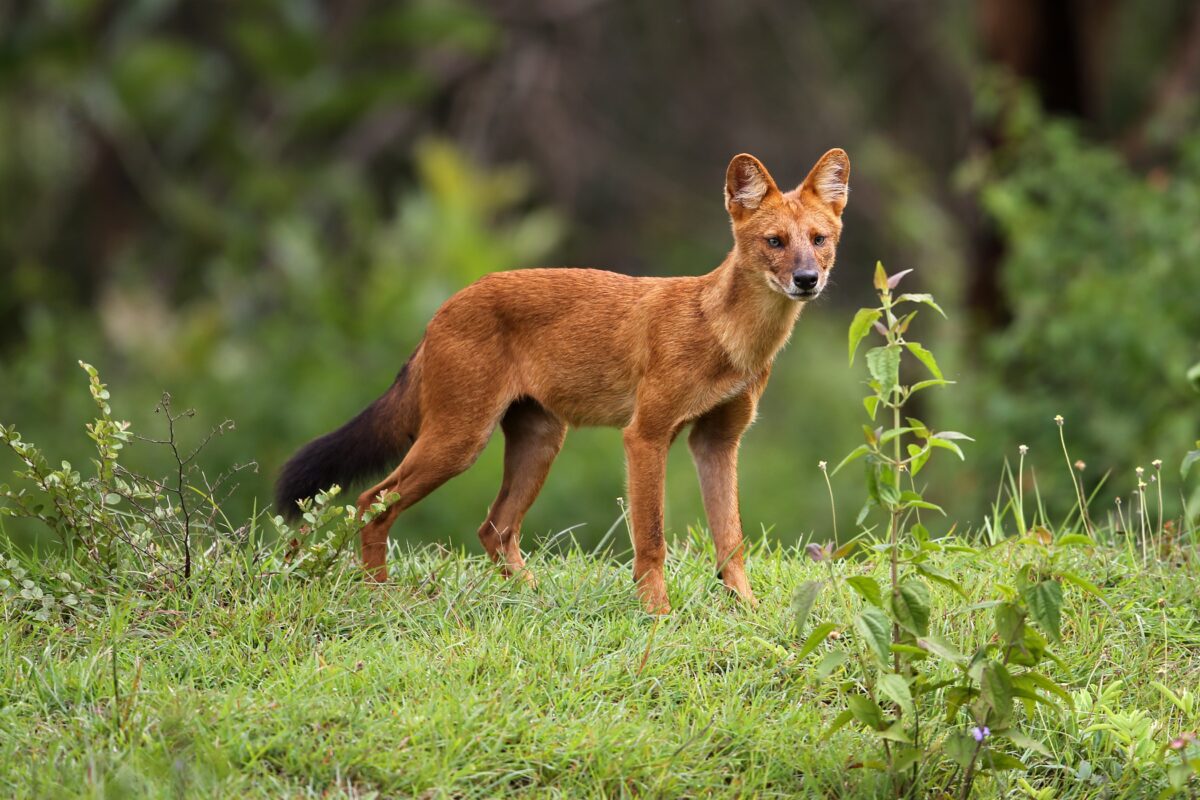
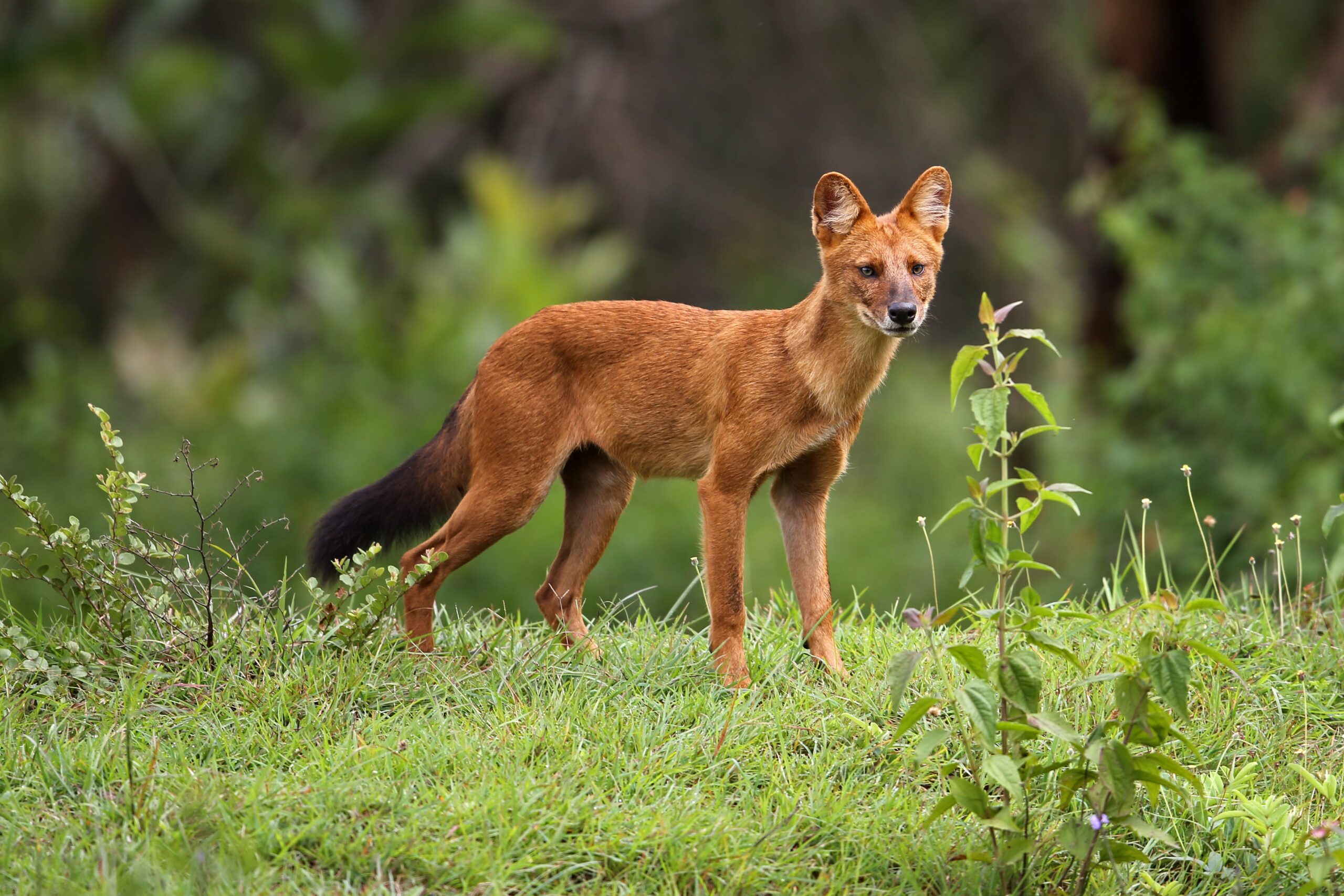
A Surprise in the Evergreen Forest (Image Credits: Upload.wikimedia.org)
Nghe An Province, Vietnam – A camera trap captured a fleeting glimpse of an endangered dhole in Pu Hoat Nature Reserve, marking the first confirmed record of the species in the country in more than two decades. The reddish-brown wild dog, long feared extinct locally, appeared alone in north-central Vietnam’s forests. This discovery emerged from systematic surveys that underscore the predator’s precarious status across its former range.[1][2]
A Surprise in the Evergreen Forest
On December 31, 2023, a single mature adult dhole triggered a camera at 1,590 meters elevation in wet evergreen forest, just 4.3 kilometers from the Laos border. Researchers deployed 45 camera stations in a grid across the 35,000-hectare reserve from November 2023 to March 2024, accumulating over 6,000 trap nights. The image, initially mistaken for a domestic dog, received verification from four independent biologists.[1]
Footprint evidence spotted during setup had hinted at canids, but no one anticipated this outcome. The reserve’s rugged terrain, rising to 2,450 meters, borders Laos and supports diverse wildlife despite pressures from human activity. Whether this individual represented a vagrant from neighboring countries or part of a remnant group remained unclear, yet the event highlighted Pu Hoat’s value as a potential haven.[2]
The Dhole’s Fading Footprint in Vietnam
Historically, the dhole ranked among Asia’s most widespread large carnivores, roaming forests from India to Southeast Asia. In Vietnam, records dated back reliably to Pu Mat National Park in 1999 and Yok Don National Park in 2003, with an unconfirmed report from Ninh Thuan Province in 2014. The IUCN Red List had classified the population as possibly extinct before this find.[1][3]
Broader surveys painted a grim picture. From 2014 to 2024, teams set 3,231 cameras at 1,657 stations across 31 protected sites, logging 269,524 trap nights. Not a single other dhole appeared, pointing to extirpation from most areas. Snaring emerged as the primary culprit, with thousands of wire traps decimating prey and ensnaring carnivores alike.[1]
- Habitat fragmentation reduced suitable forests.
- Prey depletion, including deer and wild boar, starved packs.
- Direct persecution and competition with other predators compounded losses.
- Industrial-scale snaring created deadly barriers for wide-ranging species.
- Disease and inbreeding threatened isolated groups.
These factors aligned with regional trends, where dholes vanished from sites like Singapore and Borneo decades ago.[3]
Traits of Asia’s Overlooked Predator
Dholes measure 88-113 centimeters in body length, with bushy tails adding 41-50 centimeters. Their coats glow rusty red, paling on undersides, and rounded ears aid acute hearing. Unlike wolves, they lack a third lower molar and feature specialized teeth for shearing flesh. Packs of 12-40 individuals hunt diurnally, using high-pitched whistles to coordinate chases up to 50 kilometers per hour.[3]
Clans lack strict hierarchies, allowing multiple females to breed, and communally raise pups in burrows or rock shelters. Diets center on medium ungulates like sambar deer and muntjac, though they scavenge fruits and insects opportunistically. This social structure demands vast territories, amplifying vulnerability to landscape changes.[3]
| Feature | Dhole | Wolf |
|---|---|---|
| Teeth | 6 lower molars | 7 lower molars |
| Call | Whistle/scream | Howl |
| Pack Size | 12-40 | 5-12 typical |
Such adaptations once sustained populations across diverse habitats, from alpine meadows to tropical lowlands.[3]
Conservation Challenges and Opportunities
The dhole holds Endangered status on the IUCN Red List, with fewer than 2,500 mature individuals remaining globally. Vietnam’s snaring crisis has silenced other apex predators like tigers and leopards for 20 years. Loss of top carnivores risks trophic cascades, where unchecked herbivores degrade vegetation and alter ecosystems over decades.[2][1]
Researchers urged holistic interventions. Enhanced patrolling could curb snares, while prey recovery programs rebuild food bases. Community education might foster tolerance, and reintroduction efforts could bolster numbers if threats subside. Pu Hoat’s sighting suggested promise, but sustained action remained essential.[1]
Key Takeaways
- A single dhole sighting revives hope but confirms broad extirpation in Vietnam.
- Snaring poses the gravest threat, demanding urgent enforcement.
- Protecting Pu Hoat could safeguard a vital corridor to Laos.
This rare encounter reminded conservationists that elusive species persist in overlooked corners. Restoring the dhole demands commitment to healthier forests for all. What steps should Vietnam take next to protect its wild predators? Tell us in the comments.

- Urban Coyotes Show Remarkable Adaptability, Learning to Thrive in City Environments - July 22, 2026
- Beavers Are Nature’s Engineers, Creating Vital Habitats for Other Wildlife Species - July 21, 2026
- The Recovery of the California Condor Offers Hope for Other Critically Endangered Birds - July 21, 2026