

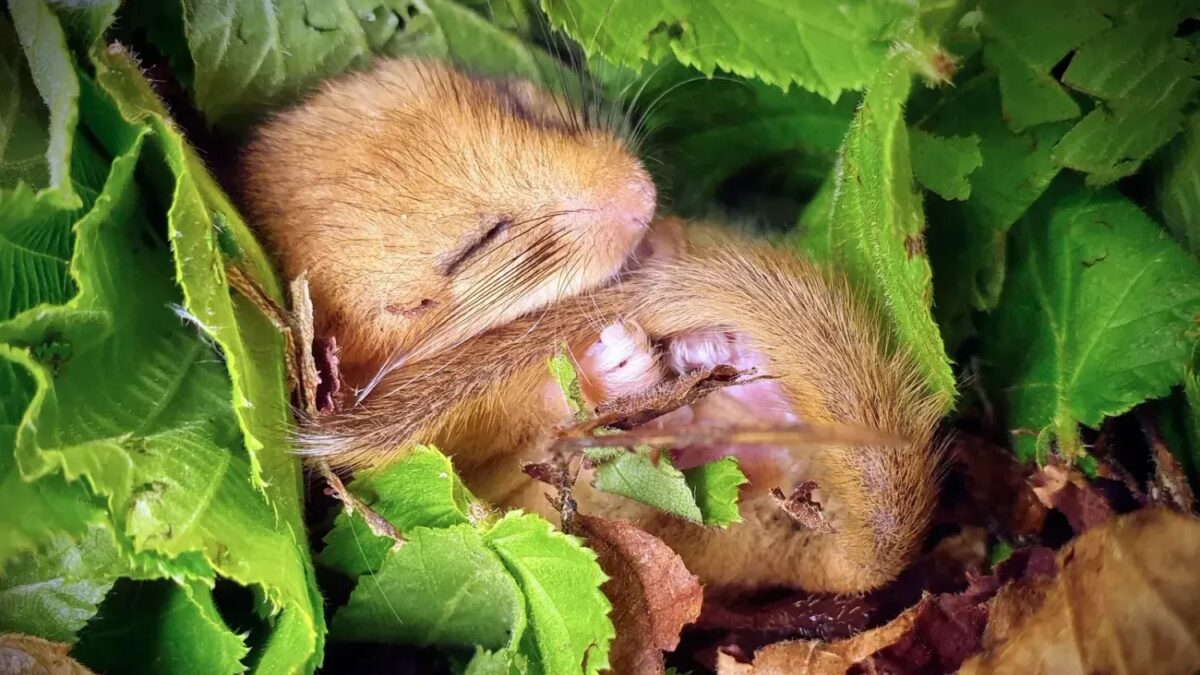
Something quiet is happening in the hedgerows and woodlands of Britain. A tiny, wide-eyed creature that inspired a character in Alice in Wonderland is shrinking in body weight, and the reason behind it says something alarming about the state of the natural world we live in.
The hazel dormouse has long been one of Britain’s most beloved but least-seen mammals. It spends more of its life asleep than almost any other creature on the continent. Yet recent research suggests that this cozy existence is under serious threat, and the clues are hidden in something as simple as how much these animals weigh before they drift off for winter. Let’s dive in.
A Creature Unlike Any Other in the British Isles
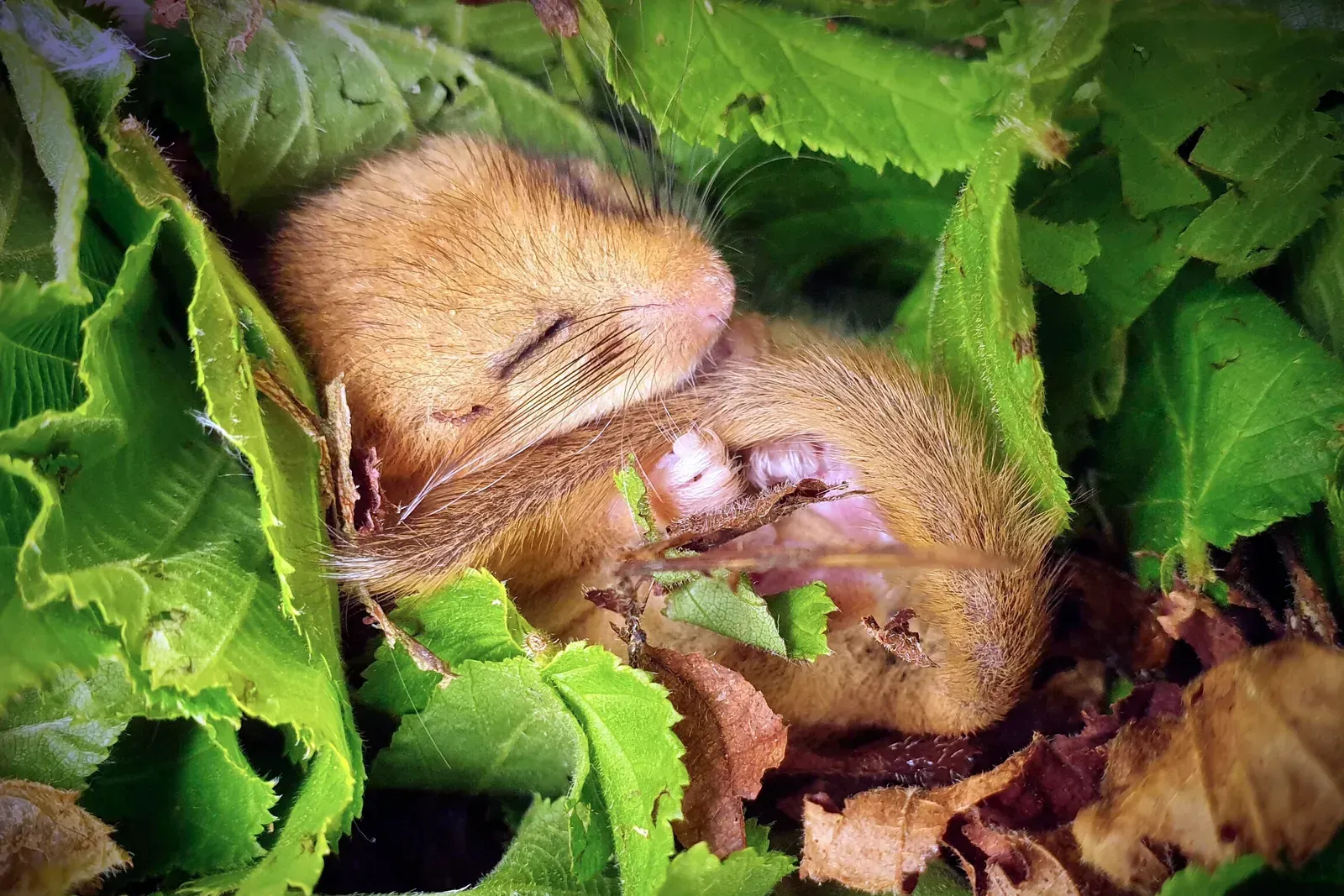
Let’s be real – most people have never actually seen a hazel dormouse in the wild. These animals are nocturnal, spend enormous amounts of time in deep sleep, and tend to live in dense, tangled vegetation that humans rarely bother with. They’re the size of a large grape with fur, essentially, and they can hibernate for up to seven months of the year.
What makes them genuinely fascinating is their dependence on a very specific kind of habitat. They need ancient, well-connected woodland with rich layers of shrubs, berries, nuts, and flowers available across the entire warm season. That’s not a casual checklist. It’s a tightly woven ecological requirement, and when even one thread is pulled loose, the whole system starts to fray.
The New Research Raising Red Flags
Scientists studying dormouse populations across England have found that the animals are entering hibernation at noticeably lighter body weights than historical records suggest was typical. This isn’t a minor fluctuation. Body weight before hibernation is essentially a dormouse’s survival bank account. Go in too light, and you simply don’t make it to spring.
The research, drawing on long-term monitoring data, points to a troubling pattern linked to shifting seasonal conditions. Dormice rely on a precise sequence of food sources through summer and autumn. Berries, insects, nuts, flowers – each one matters at a different stage of their pre-hibernation fattening process. When that sequence gets disrupted, even slightly, the consequences for body condition can be severe.
Climate Change Is Disrupting Their Food Calendar
Here’s the thing about dormice – they’re not particularly flexible creatures. Unlike foxes or pigeons, they can’t simply switch diets or adapt on the fly. Their entire annual rhythm is calibrated to a very specific ecological timetable. Warmer springs, unpredictable autumns, and erratic fruiting seasons are throwing that timetable into chaos.
When hazel nuts ripen at the wrong time, or when insect populations crash earlier than expected due to temperature shifts, dormice miss critical feeding windows. It’s a bit like training for a marathon, then discovering your nutrition plan was sabotaged in the final two weeks. You might still cross the finish line, but you’re going to be in rough shape doing it.
Habitat Loss Is Making Everything Worse
Honestly, climate disruption would be manageable if the dormouse still had vast, connected stretches of ideal woodland to roam. The tragedy is that they don’t. Hazel dormouse populations in Britain have declined by roughly about half over the past two decades, driven largely by the loss and fragmentation of the ancient woodland they depend on.
When woodland patches become isolated islands, dormice can’t move between them to find food. They’re trapped in smaller and smaller habitats, competing for increasingly unpredictable resources. It’s a cruel double bind. Climate change shrinks the reliability of food supplies, while habitat loss simultaneously shrinks the area over which dormice can search for alternatives.
Why Body Weight Before Hibernation Is So Critical
Most people probably don’t spend much time thinking about what an animal weighs before it goes to sleep for seven months. Fair enough. Yet for a dormouse, that pre-hibernation weight is genuinely a matter of life and death. They burn through fat stores continuously during hibernation to maintain basic biological functions, even at the extremely low metabolic rates they achieve.
A dormouse that enters hibernation underweight is like a car setting off on a long motorway journey with a nearly empty fuel tank. It might start the trip fine, but there’s a real chance it won’t reach the destination. Juveniles are especially vulnerable, since they have less time in their first autumn to build up adequate reserves before temperatures drop and food disappears.
What Conservationists Are Doing About It
Conservation organizations across Britain have been working for years to restore dormouse populations through captive breeding programs, habitat creation, and the installation of specially designed nest boxes. The People’s Trust for Endangered Species runs one of the most important long-term monitoring programs, tracking dormouse numbers and condition across dozens of sites.
Reintroduction efforts have seen dormice released into restored woodland sites in counties where they had disappeared. These programs are genuinely impressive in their dedication. Still, conservationists are increasingly clear-eyed about the fact that without addressing the broader issues of climate disruption and continued habitat loss, even the best reintroduction work is essentially running to stand still.
A Signal From the Forest Floor Worth Paying Attention To
I think there’s something uniquely poignant about the dormouse as an indicator species. This is an animal that has been part of the British landscape for thousands of years, that has evolved over immense timescales to perfectly fit a particular ecological niche, and it’s now struggling because the world around it is changing faster than evolution can respond.
The lighter body weights being recorded aren’t just a dormouse problem. They’re a signal. A quiet, almost imperceptible signal from the woodland floor that something in the underlying system is out of balance. Species that are highly specialized, deeply connected to specific food webs and seasonal rhythms, are often the first to show the cracks when ecosystems come under pressure. The dormouse is showing those cracks now.
What do you think – are we paying enough attention to the quieter, less visible signs of ecological change happening right beneath our noses? Drop your thoughts in the comments.

- Urban Coyotes Show Remarkable Adaptability, Learning to Thrive in City Environments - July 22, 2026
- Beavers Are Nature’s Engineers, Creating Vital Habitats for Other Wildlife Species - July 21, 2026
- The Recovery of the California Condor Offers Hope for Other Critically Endangered Birds - July 21, 2026