
Nature is, when you really think about it, one long, breathtaking arms race. Every predator alive today is the product of millions of years of relentless trial and error, failure and refinement. Some hunted with brute force. Others with patience. A few, honestly, with what looks suspiciously like genius.
What’s truly jaw-dropping is not just that animals hunt. It’s how they do it. Some use physics. Some use psychology. Some hunt in ways that make the best human military tactics look clumsy by comparison. The sheer creativity packed into the natural world is staggering, and once you start looking closely, it’s very hard to stop.
So let’s get into it. Here are 13 animals whose hunting techniques are so extraordinary, they’ll make you rethink everything you thought you knew about predators.
1. The Dragonfly: Nature’s Most Precise Aerial Assassin
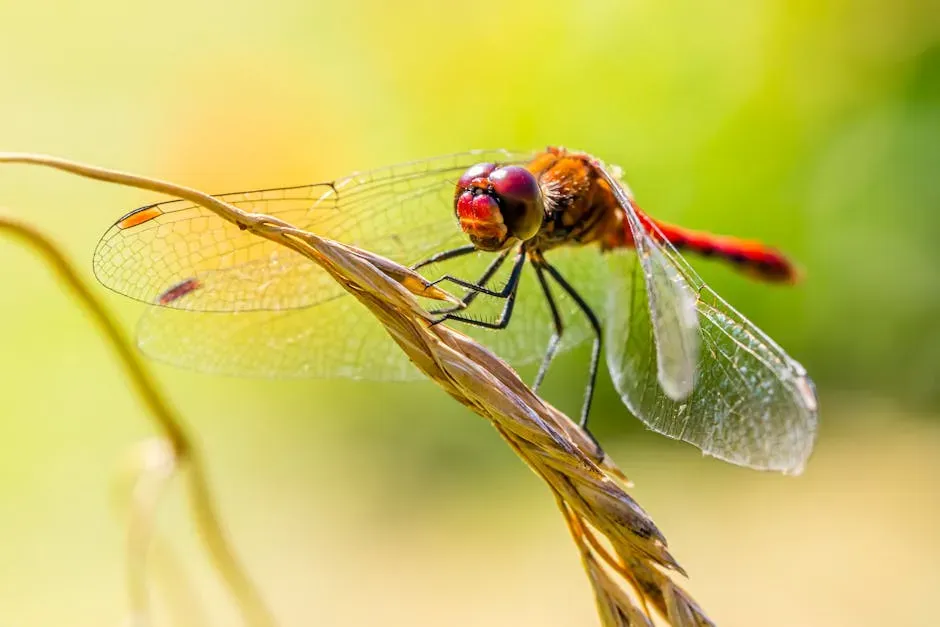
Here’s a fact that genuinely blew me away: dragonflies are some of the most successful hunters on the planet, with capture rates of up to 97%. That’s not a typo. Nearly every single hunt ends in a kill. Compare that to lions, who succeed only about a quarter of the time, and you start to realize the dragonfly is operating on a completely different level.
Dragonflies are already known to be swift hunters, but research shows that they aren’t turning and diving in reaction to their prey’s movements – they’re predicting those movements before they occur. A study published in Nature reveals the insects’ internal complexity: a system of constant neurological calculations that help the winged bugs keep a perfect fix on their future meal.
The dragonfly comes from behind and below, and the prey doesn’t know what’s coming. They’re able to reach speeds of 50 km/h with only three wing beats, dive, fly backward and upside down, and pivot 360 degrees. Think of it less like a chase and more like a guided missile with wings and ancient instincts.
A dragonfly will snatch its prey mid-flight using its legs, which are covered with tiny spines that form an effective trap. Once a dragonfly spots its prey, it uses an ‘interception’ strategy, where it predicts the prey’s flight path and intercepts it mid-air. This method of hunting is more akin to a fighter jet locking onto a target than the kind of random pursuit seen in many other predators.
2. The Mantis Shrimp: The Boxer of the Ocean Floor
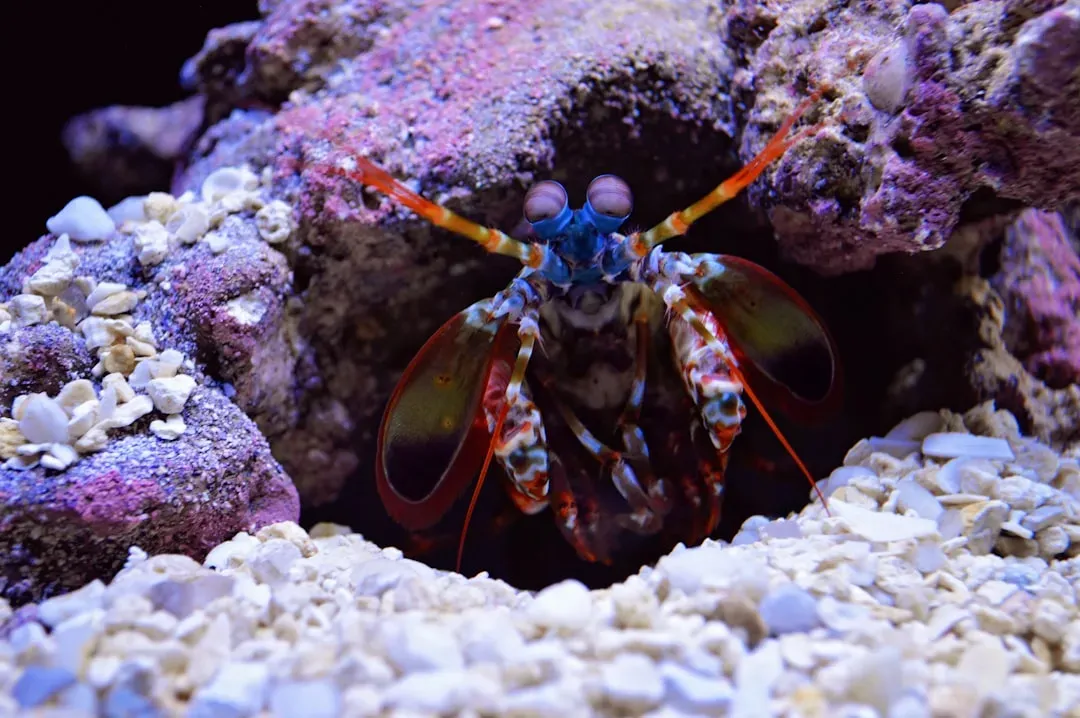
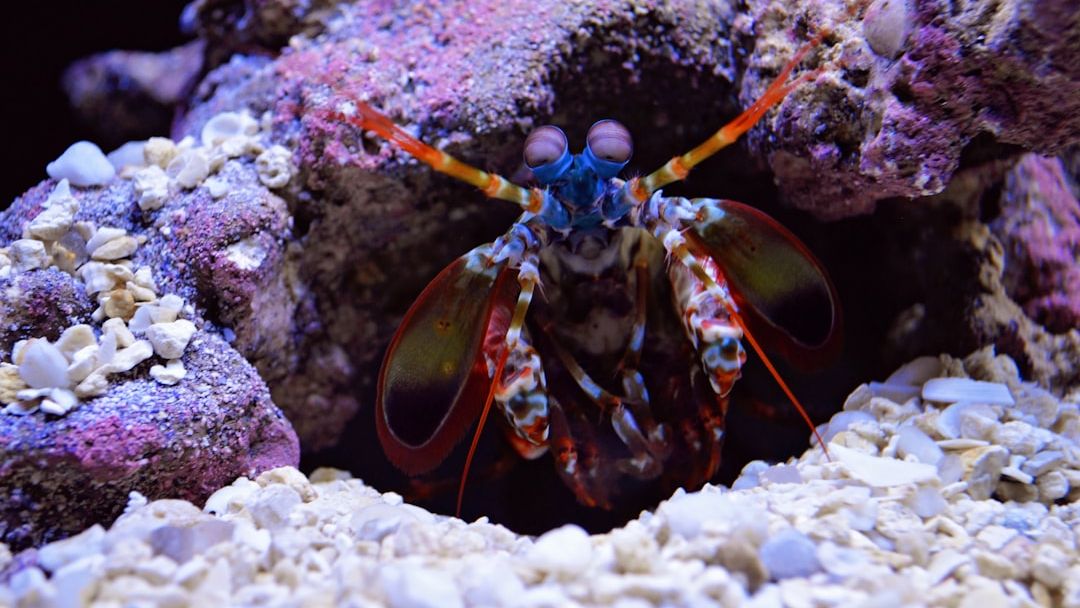
If you’ve never heard of the mantis shrimp, prepare yourself. This colorful little crustacean is perhaps the most shocking physical hunter in the known animal kingdom. A smasher mantis shrimp’s punch has the same acceleration as a 22-caliber bullet, delivering a blow of 15,000 newtons, a force equal to more than 2,500 times the shrimp’s weight.
These powerful little animals use a system of biological springs, latches, and levers to power their fast punches, enabling them to strike much more swiftly than would be possible with muscle power alone. It’s essentially a biological crossbow mounted on a creature the size of a cigar.
The impact generates extreme pressure and heat, briefly creating temperatures nearly as hot as the sun’s surface. This phenomenon, called cavitation, results in tiny bubbles that collapse with immense energy, creating a second shockwave that further damages its target. This means that even if the initial punch doesn’t break through an enemy’s shell, the resulting shockwave and cavitation can finish the job. The prey gets hit twice, even from a single strike. Honest to goodness remarkable.
There are two main types of hunters – smashers and spearers – and only the former engage in high-speed clubbing. Spearers, meanwhile, impale their prey on spiky forelimbs, a slower but presumably no less painful end. Their punches are so powerful that mantis shrimp have been known to crack aquarium glass, making them difficult to keep in captivity.
3. The Humpback Whale: The Bubble Net Genius
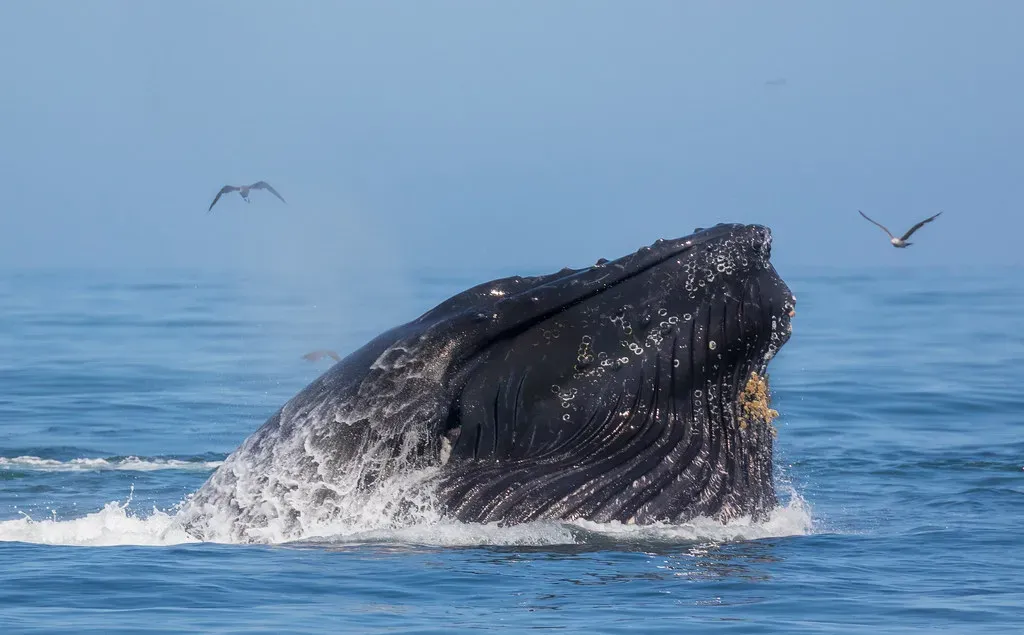
Humpback whales use a clever hunting trick called bubble net feeding. They team up to catch fish like herring. One whale blows bubbles in a circle around the fish. This makes a “net” of bubbles that traps the fish inside. Imagine engineering a trap entirely out of air, underwater, in near darkness. That’s what these whales figured out.
Another whale makes loud noises to scare the fish. The scared fish bunch up tightly in the middle of the bubble net. Then the whales swim up through the middle with their mouths open wide. They gulp up lots of fish in one big mouthful.
Not all humpbacks know how to do this. It’s a skill they learn from each other. Some whales even put their own spin on it. In New England, humpbacks slap their tails on the water before making the bubble net. This might help scare the fish even more. The fact that this is a learned, regionally variable cultural behavior in whales is something I find genuinely moving.
4. African Wild Dogs: The Unstoppable Pack Strategists
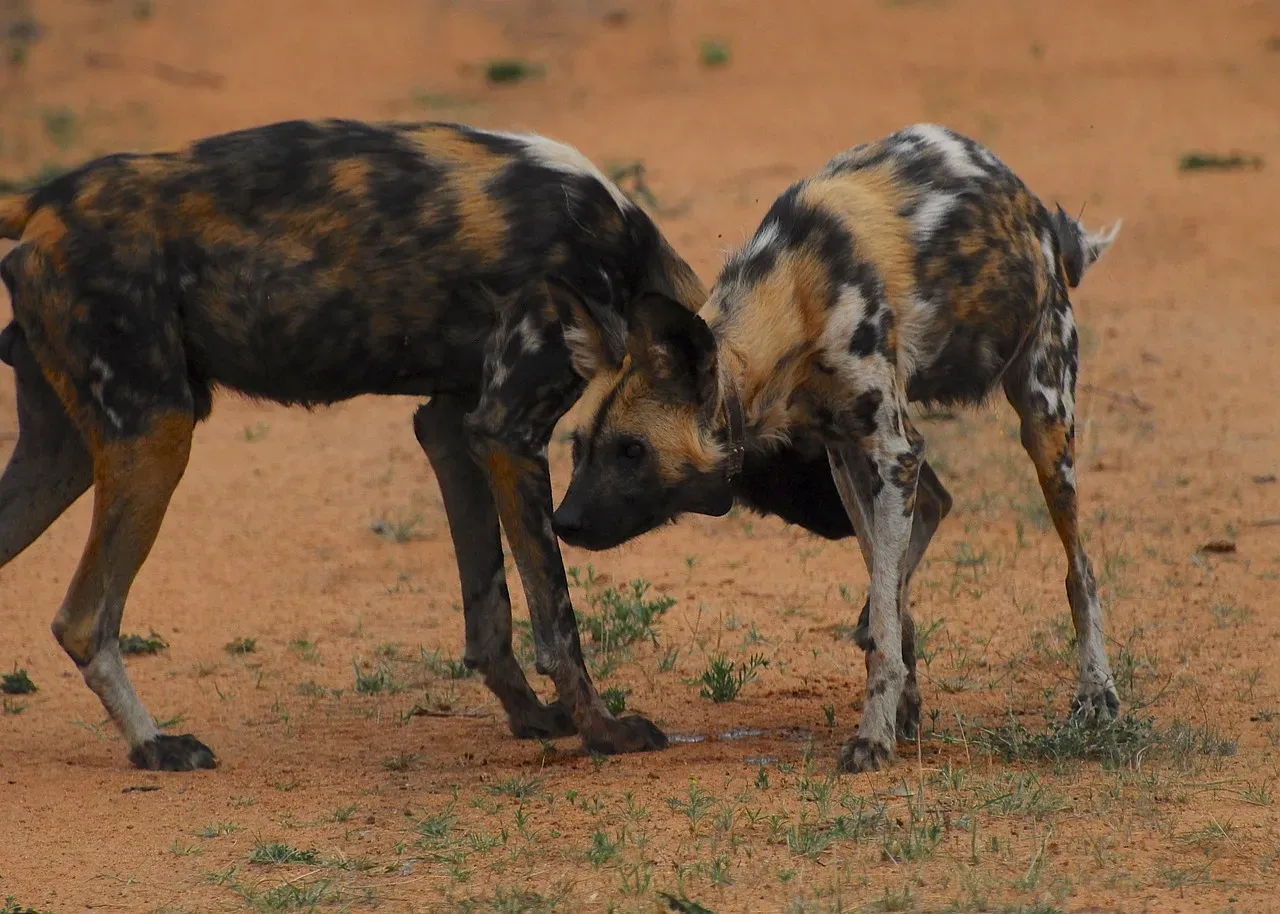
The lean frames and endearingly large ears of African wild dogs are deceptive – they are one of the most successful predators anywhere, with a kill rate per chase of more than 85 per cent. That number obliterates almost every other large predator on the planet.
Their high levels of hunting success is due to their highly cooperative hunting behaviour accompanied with high stamina. Wild dogs typically use their stamina to exhaust their prey, which are usually caught after a chase lasting an average of 2 km. The wild dog’s stamina and the prey animal’s exhaustion are the driving factors that cause most successful hunts.
African wild dogs are social experts. Their hunts are a masterpiece of cooperation, with constant communication and perfect teamwork. Once they’ve chosen a target, their unity and stamina make success almost certain. Think of it like a relay race where the prey is constantly losing ground and the dogs never tire. It’s relentless, honest, and strangely beautiful.
5. The Archerfish: The World’s Most Accurate Water Gunner
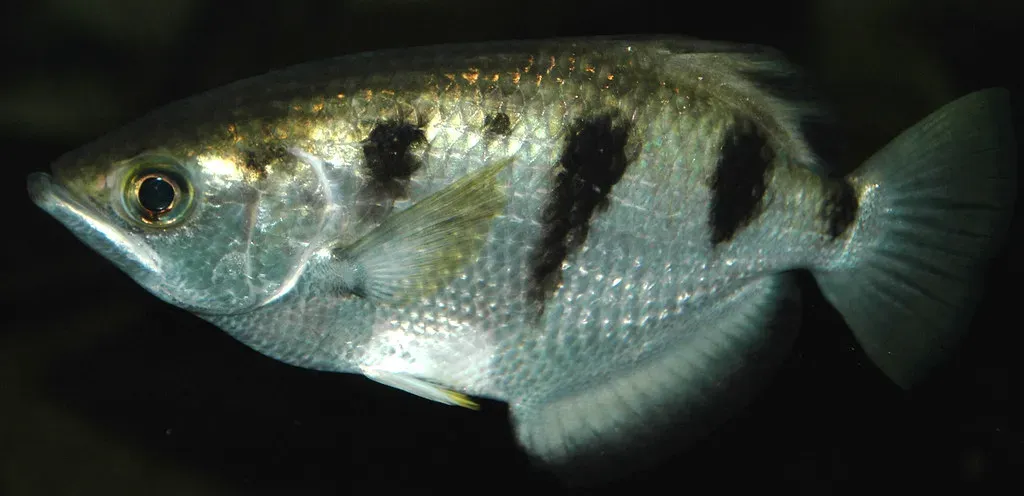
Archerfish – tropical fish native to the mangroves of Southeast Asia – can judge the distance between themselves and an insect sitting on a leaf from below the water, and can then knock it down using a carefully aimed jet of water. Across distances of 2 feet or less, their aim is nearly 100% accurate. Doing that from underwater, accounting for light refraction, is an almost impossible physical task. Yet they pull it off.
This technique requires not only incredible precision, but also the ability to adjust the water pressure depending on the distance of the prey. The fish achieve this by precisely controlling the speed and pressure of the water jet to hit their targets with maximum effectiveness.
Beetles and lizards beware: the archerfish can fire jets of water from its mouth with the strength to knock prey out of a branch five feet above the water. When the water stream hits the unsuspecting prey, it stings like a painful insect bite. No other fish in the world hunts quite like this. It’s like having a sniper embedded in a pond.
6. Orcas: The Tactical Masterminds of the Sea
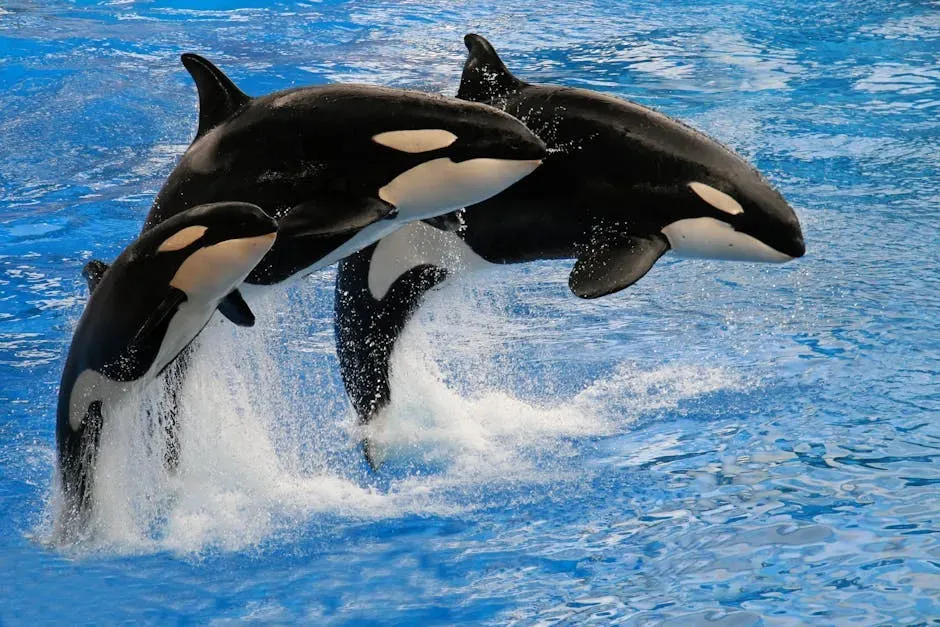
Orcas are among the most intelligent and adaptable hunters in the sea. They work in coordinated groups, using creative techniques tailored to each type of prey – from creating waves to knock seals into the water to herding fish into tight clusters. No two orca hunts look the same, and that adaptability is precisely what makes them so dangerous.
Perhaps most famously, orcas in Patagonia beach themselves to snatch sea lion pups from the shoreline. Let that sink in for a second. A massive apex predator deliberately hurls itself onto dry land to catch a meal, then thrashes its way back into the ocean. The risk is enormous. The reward, apparently, worth it.
What sets orcas apart is cultural transmission – younger orcas learn these tactics from older pod members, not through instinct alone. It’s hunting as tradition, passed down through generations like a family recipe, except the recipe involves coordinated ambush and wave physics. I think that’s one of the most extraordinary things in the entire animal kingdom.
7. The Bottlenose Dolphin: The Mud Net Architect
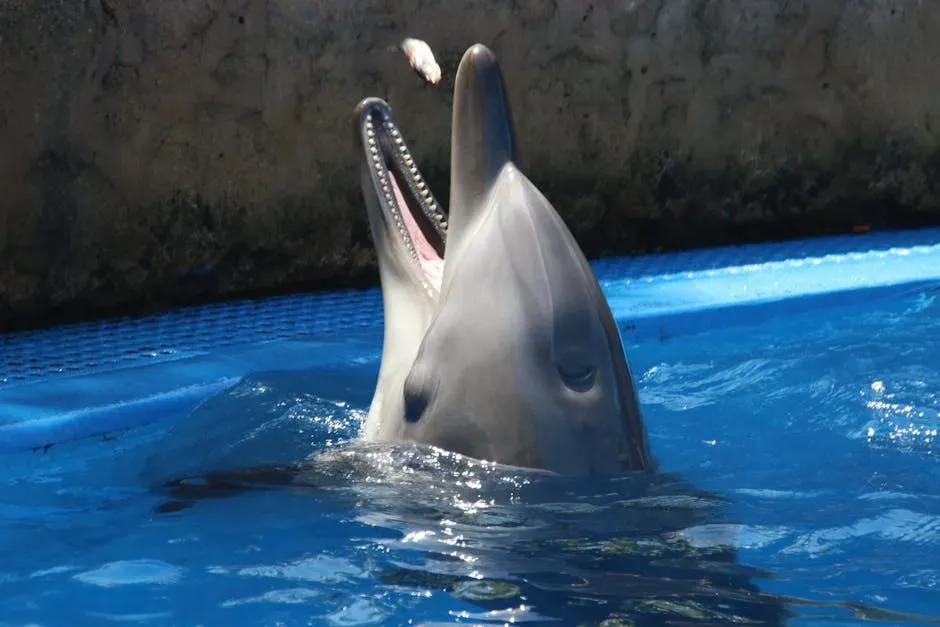
Using their tail fins to slap the mud below shallow water, these dolphins work together to stir up the surface of the sea and create a mud ring that fish can’t swim through. When the fish jump out of the water to escape, they conveniently land in the dolphins’ mouths. There’s something almost theatrical about it, like staging the perfect trap and then just waiting for the curtain to fall.
In South Carolina, USA, bottlenose dolphins have developed an extraordinary hunting technique. To gulp down larger quantities of fish, younger dolphins were seen beaching themselves on the mudbanks. It’s a behavior that carries real risk. The strategy can be dangerous – any of the animals can end up stranding ashore in pursuit of prey – but the possibility of increased food clearly outweighs the risk.
Let’s be real, the dolphins that first tried this had no guarantee it would work. Yet they tried it, survived, and passed the technique along. That’s not just instinct. That’s something much closer to innovation.
8. The Fringe-Lipped Bat: The Tiny Lion
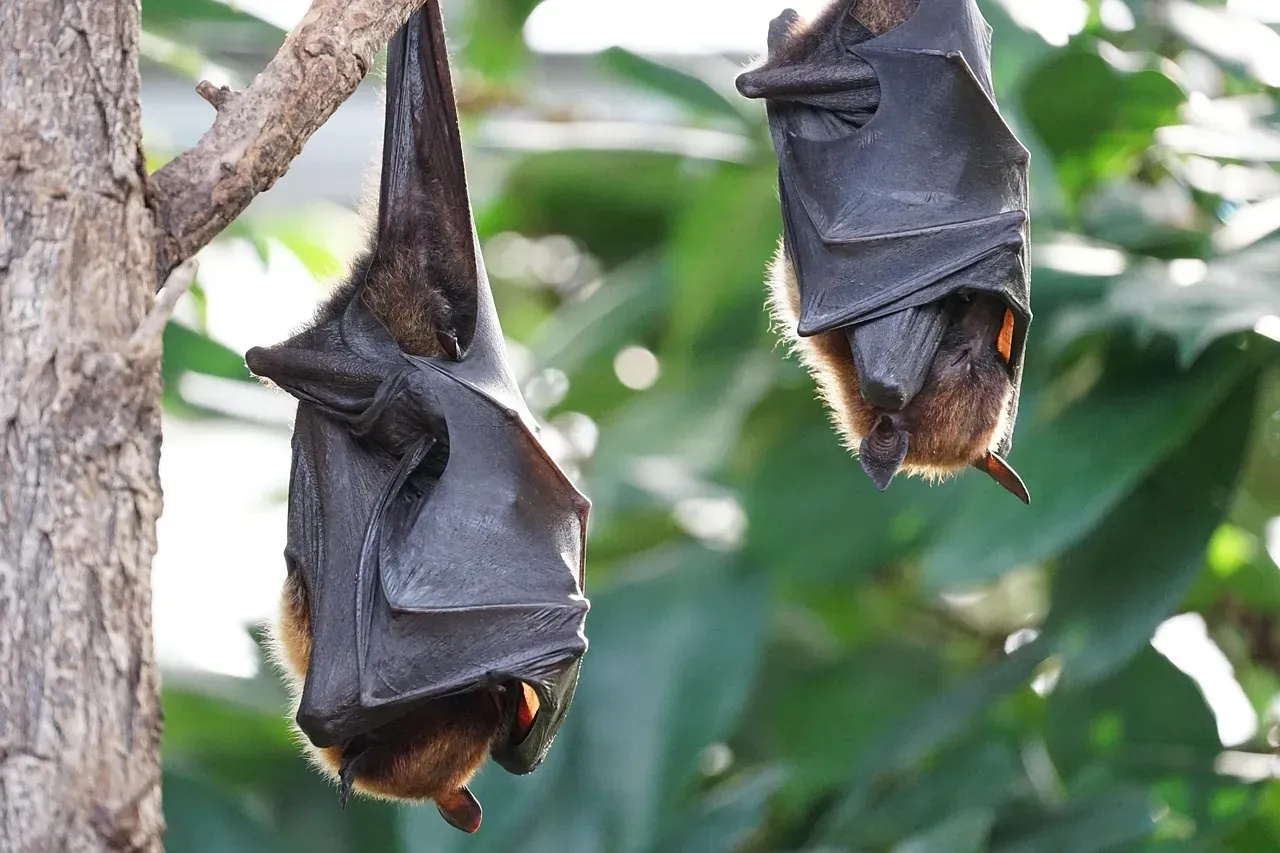
Fringe-lipped bats in the forests of Panama use a similar hunting strategy to the lions of the Serengeti, which they implement more efficiently. Instead of lying in wait to ambush their prey, the bats ‘hang and wait’ before taking down frogs almost as big as themselves. For an animal the size of a small bag of chips, that’s an astonishing feat.
The bats spent roughly nine-tenths of their time stationary, conserving energy. Then when they did attack, it was targeted and quick. The average hunting flight lasted just eight seconds and instead of little frogs, the bats took down relative giants.
While lions succeed just 14% of the time, the fringe-lipped bats were successful about half of the time. By combining their ‘hang-and-wait’ strategy with hearing, vision and echolocation, the bats have low-frequency hearing and are already known to eavesdrop on frog mating calls. By combining these senses, they can detect and kill large prey with remarkable efficiency. A tiny predator out-hunting a lion. Genuinely wild.
9. The Black-Footed Cat: Small Body, Terrifying Work Rate
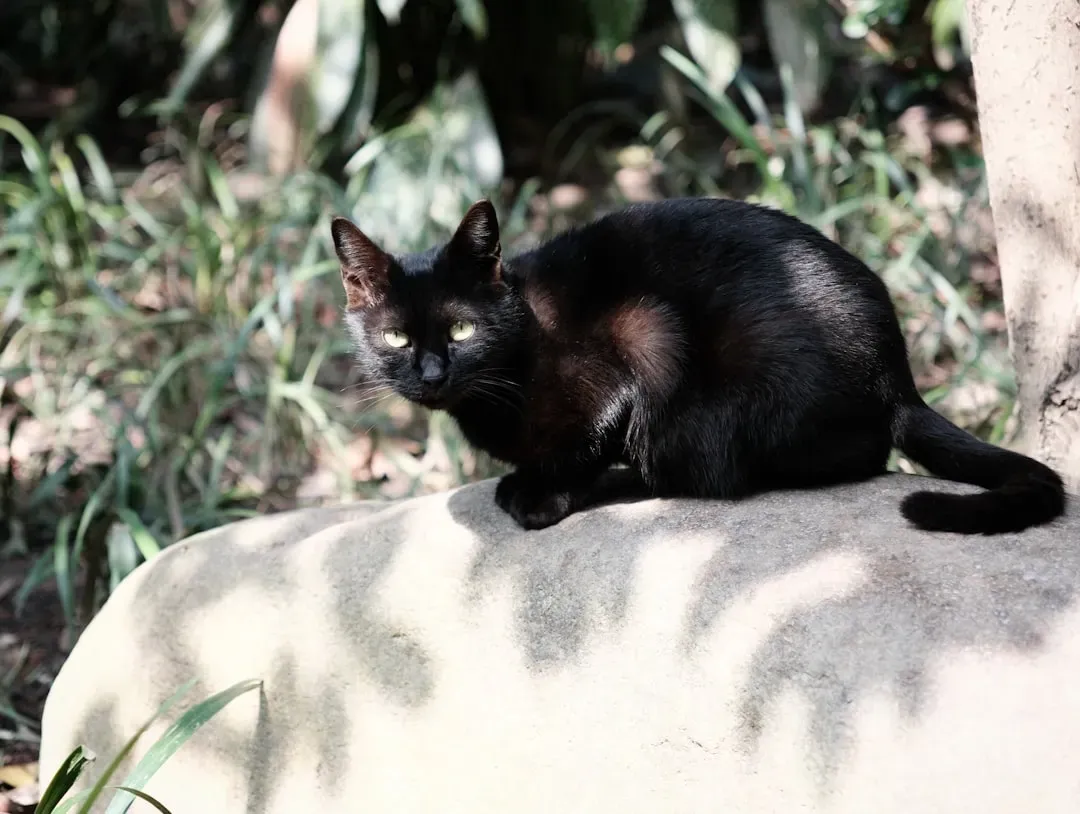
Black-footed cats are astonishingly active and successful nocturnal hunters – one scientist’s observations show they make a hunting attempt every 30 minutes, and are successful 60% of the time, making them one of the world’s most efficient predators. They eat a wide variety of prey, from gerbils and shrews to small birds and insects, and make 10-14 kills every night.
The black-footed cat has one of the highest hunting success rates of any member of family Felidae. In one study, a female and male were observed for 622 hours, a kill was made every 50 minutes and they had a hunting success of 60%. A total of 550 animals were consumed.
They use three different ways of hunting, which includes “fast hunting”, “slow hunting” and “sit and wait” hunt. They use these three hunting strategies to ambush or pursue their prey which mostly includes small mammals, insects and small birds. Here’s the thing: size means nothing to a predator with this level of strategy and stamina. The black-footed cat is proof that efficiency beats size every single time.
10. The Bolas Spider: The Pheromone-Faking Lasso Artist
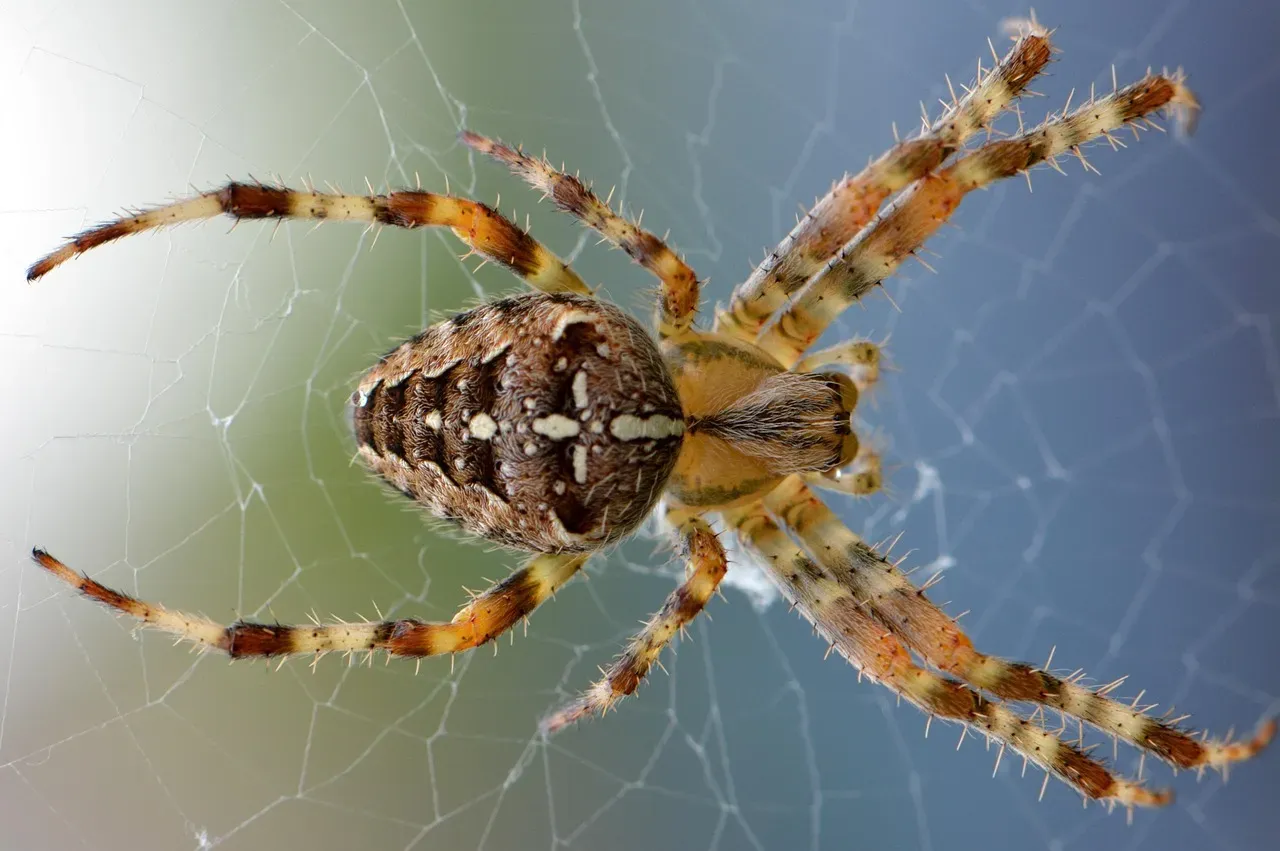
One spider takes a page from Wonder Woman to snag its prey. Meet the female bolas spider, a predator that produces a chemical odor that mimics the pheromones of female moths, luring in male moths. When the male moths are in sight, the spider creates a long string of silk with a sticky club-shaped end to hurl at the moth’s wings in mid-air.
This is chemical warfare and precision athletics rolled into one. The spider doesn’t build a web and sit back. It actively manufactures a fake romantic signal, waits for the target to appear, then throws a sticky lasso mid-air to capture it. It’s the kind of hunting strategy that feels almost too clever to be real.
The female spiders are relatively large, reaching up to 0.8 inches and have huge and distinct white abdomens with humps, probably because they need the heft to take down their hefty prey. Males, meanwhile, are tiny, at just 0.06 inches, probably because they have no need to hunt large prey. The contrast alone is remarkable. One gender evolved entirely around the mechanics of this lasso hunt.
11. The Pistol Shrimp: The Sonic Blaster
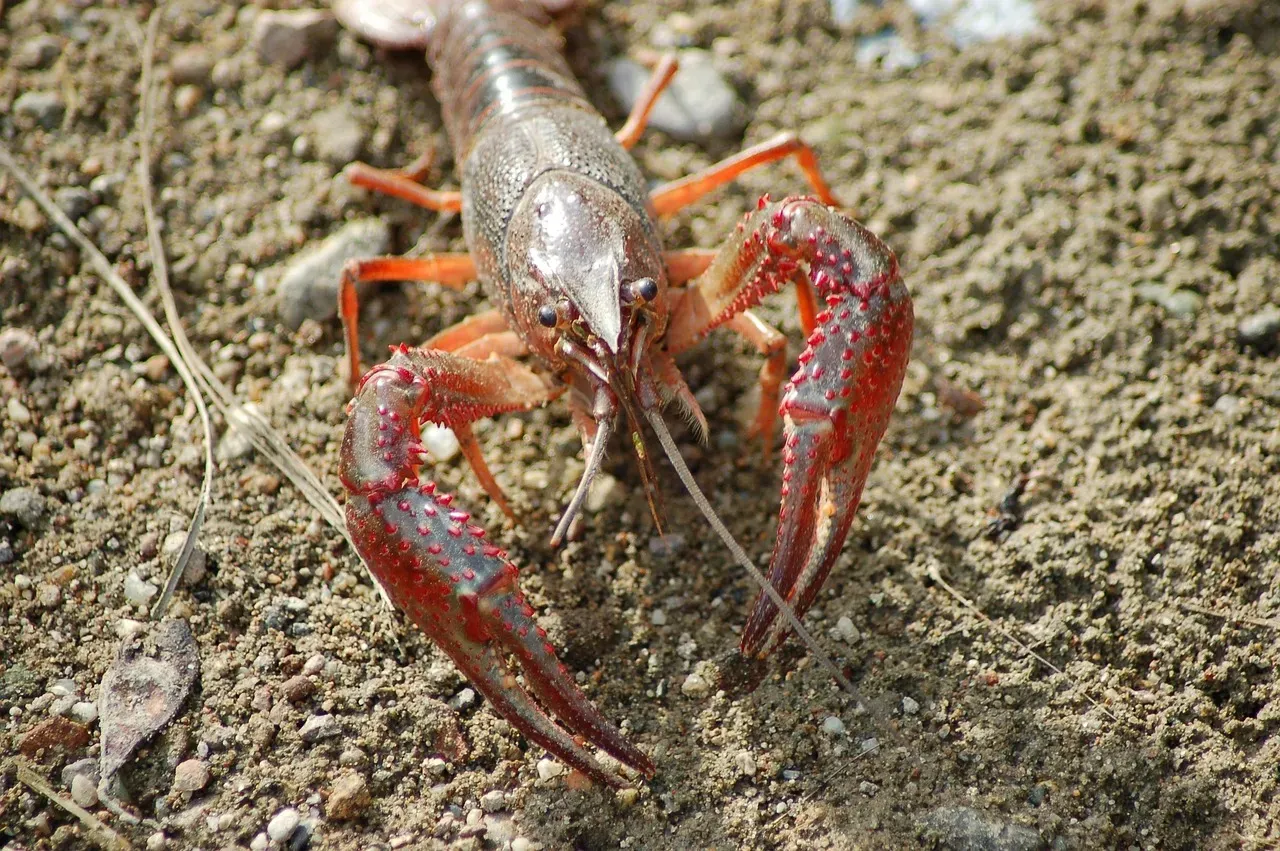
Instead of regular pinchers, pistol shrimp have a giant claw that can be almost half as long as their whole body. The immobile, larger part of this claw acts like a socket for a perfectly shaped part of the smaller swinging piece. The shrimp can pull back this piece and lock it into position to store up a bunch of elastic energy. Then, to strike, it just releases and closes the claw.
That causes the water inside the socket to fly out at speeds exceeding 100 km/h, fast enough to cause a massive drop in the moving water’s pressure. That super low pressure allows a bunch of tiny microbubbles already present in the water to expand and quickly combine to make one big bubble, but in 1/1000th of a second, this bubble collapses due to the pressure from the water around it. The collapse of that bubble creates a shockwave powerful enough to stun or kill prey outright.
Think about that for a moment. The pistol shrimp doesn’t physically touch its prey to kill it. It fires a shockwave through the water using the physics of collapsing bubbles. It’s the aquatic equivalent of a stun grenade, packed into a creature smaller than your thumb. It’s hard to say for sure, but I genuinely believe this might be the most physics-defying hunting method in nature.
12. The Crocodile: The Ancient Master of Ambush
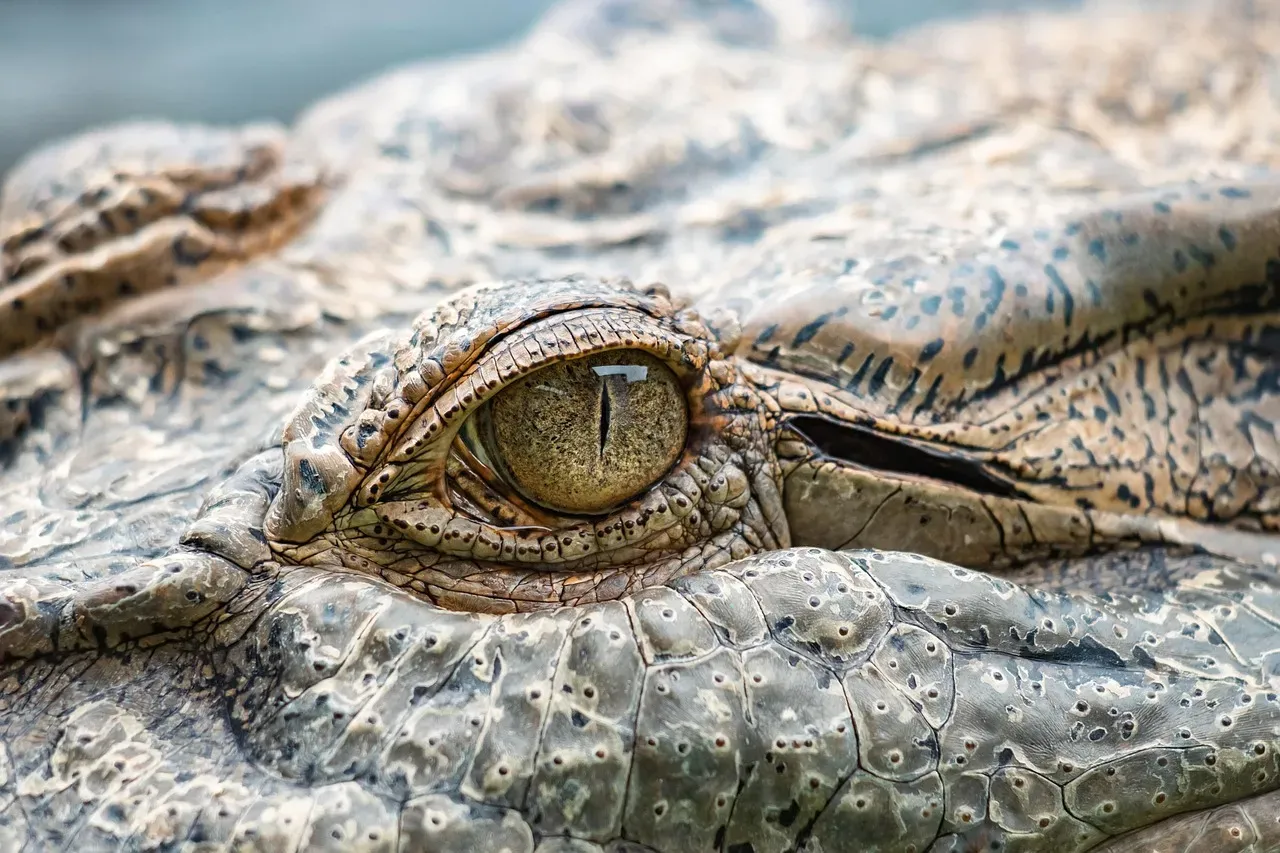
Crocodiles are experts at ambush as they lurk beneath the water’s surface to go undetected. They move very minimally and stealthily so that they can sneak up on their victim and stay undetected. They use their unbreakable patience to wait for an unsuspecting animal to come and drink from the croc-infested waters. Once they notice an animal close to the water’s edge, they propel themselves forward with a deadly powerful tail flick, catching their food in a flash.
Crocodilians have barely changed in roughly 200 million years. The technique hasn’t needed updating, because it’s essentially perfect. Still water, patient stillness, explosive power. The whole hunt is essentially a master class in deception and timing.
What most people miss is just how calculated crocodiles are. They learn migration patterns. They know where animals drink. They position themselves accordingly. This is not random ambush. It’s informed, premeditated, patient hunting that puts many supposedly “smarter” animals to shame.
13. The African Wild Dog’s Rival: Gray Wolves and the Exhaustion Strategy
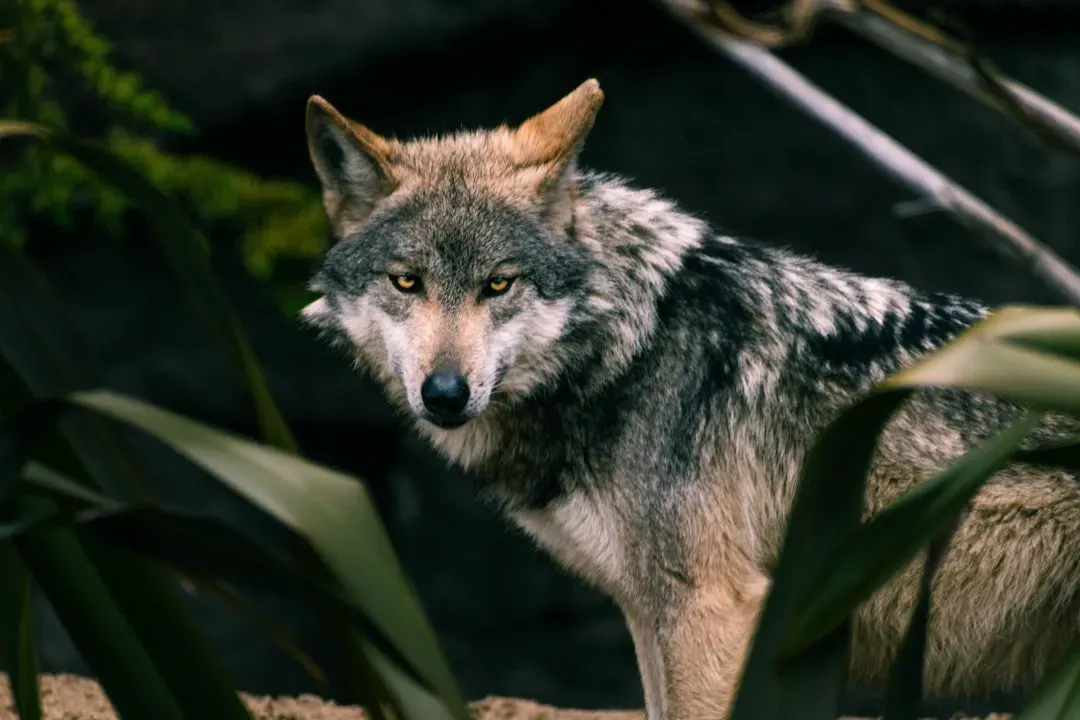
Wolves more than make up for any lack in power, speed, and natural weapons with intelligence. By working together, a pack of gray wolves can strategically take down prey significantly larger than they are, including deer, elk, caribou, and even moose. Although to casual observers a wolf hunt may look like a mob scene, it is actually a skillfully orchestrated group effort.
Persistence hunting, also known as endurance hunting, is a variant of pursuit predation in which a predator will bring down a prey item via indirect means, such as exhaustion, heat illness or injury. Hunters of this type will typically display adaptions for distance running, such as longer legs, temperature regulation, and specialized cardiovascular systems.
A pack may pursue its dinner for several miles, attempting to exhaust the animal as much as possible before moving in for the kill. Every member of the pack has their own vital role, such as chasing prey into a trap or isolating an individual from their herd. This hunting tactic has developed from the very high intelligence and strong social bonds that wolves need to survive. It’s a marathon, not a sprint – and wolves almost always win the marathon.
The Takeaway: Nature’s Hunters Are Humbling
Looking at these 13 animals, one thing becomes impossible to ignore: brute strength is rarely the deciding factor. The dragonfly predicts the future. The pistol shrimp weaponizes physics. The bolas spider commits chemical fraud. The humpback whale engineers air structures underwater. Each solution is creative, efficient, and refined over millions of years into something close to perfection.
In nature, success is not just about strength or speed, it is about strategy, adaptability, and the ability to make the most of every opportunity. From the tiny dragonfly outmaneuvering its prey in mid-air to the powerful orca coordinating a complex hunt across the open sea, each has found its own path to mastery.
What I think is truly remarkable is that we’re still discovering new hunting behaviors today. Nature hasn’t run out of surprises. Somewhere out there, an animal is perfecting a technique science hasn’t even documented yet. Which of these 13 hunters shocked you the most? Drop your thoughts in the comments – I’d genuinely love to know.

- 17 Quiet Signals a Horse Sends the Person It Has Claimed That Most Owners Never Learn to Read - August 1, 2026
- 18 Plants Lifelong Gardeners Say They Regret Ignoring for Far Longer Than They Ever Should Have - August 1, 2026
- The 18 Signs Your Aging Cat Has Chosen You to Be Beside It When the Time Finally Comes - August 1, 2026