
There is something almost unfair about the natural world. A mayfly hatches, flutters, mates, and dies – all within a single day. Meanwhile, a Greenland shark cruises through Arctic darkness for four centuries without anyone noticing. Same planet. Completely different clocks.
What on earth is going on? The gap between the shortest and longest animal lifespans is not just big – it is genuinely staggering. It touches on DNA, evolution, metabolism, immune systems, and some biology that still keeps scientists up at night. Let’s dive in.
1. The Speed of Reproduction Shapes How Long Animals Live
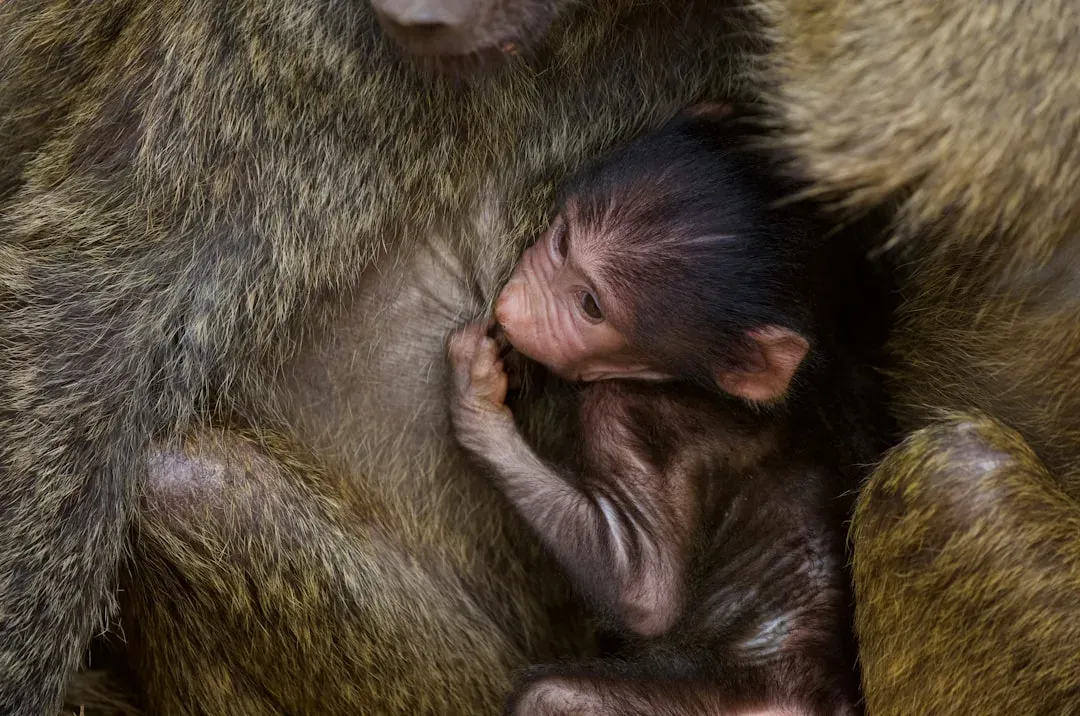
Here’s the thing – evolution doesn’t care if you live long. It only cares if you reproduce successfully. Species that face high predation usually evolve to grow quickly and reach sexual maturity rapidly. Think of it like a business strategy: if your environment is dangerous, get the job done fast and move on.
Other creatures that don’t face pressure to reproduce early can age slowly. Greenland sharks, for instance, sitting at the top of their food chain, may take 150 years to reach sexual maturity. That is wild. Imagine spending a century and a half just getting ready to have children.
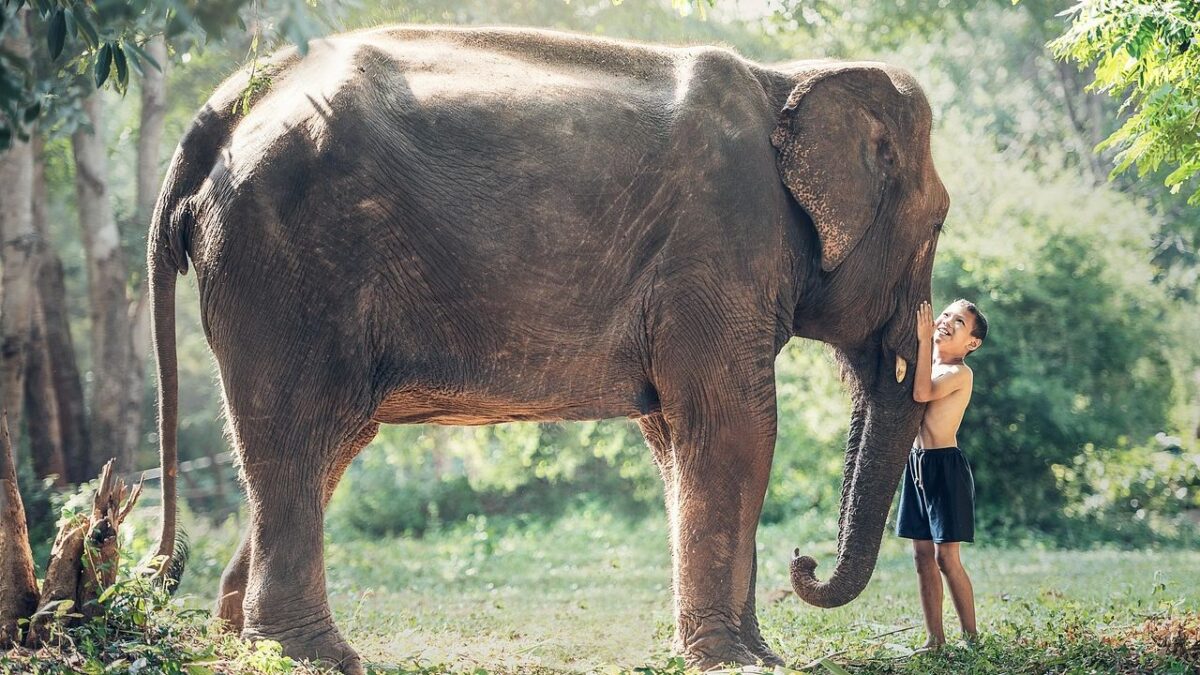
Animals across the natural world age at dramatically different rates. A female elephant can live as long as 80 years, yet she produces only a small number of calves over her lifetime. By contrast, a mouse may survive just a few years but is capable of producing dozens of offspring. The math of survival basically writes its own rules.
2. DNA Repair Capabilities Are a Massive Factor
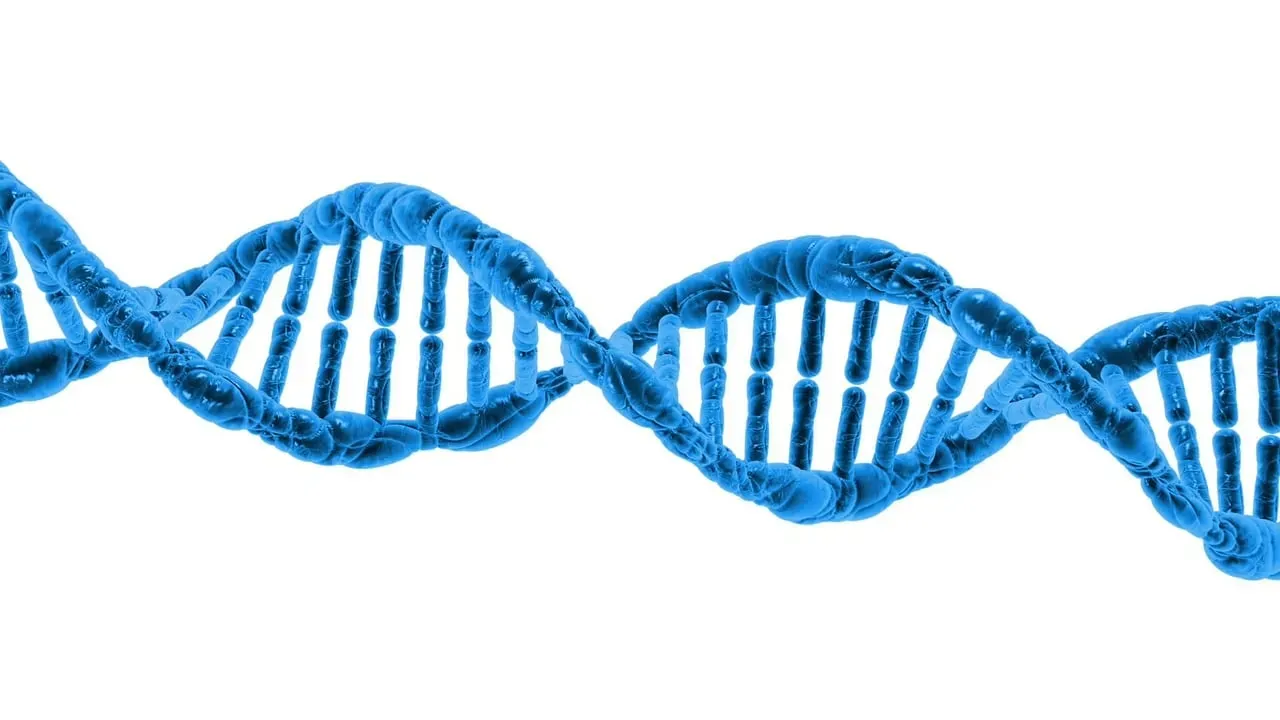
Think of your DNA as a long manuscript that keeps getting typos added to it over time. The better your editing system, the longer the manuscript stays readable. As cells age, they build up damage to DNA, proteins, and cell membranes. The body has repair systems to fix this damage, but those systems become less effective as the years pass.
Scientists estimate that the lifespan of bowhead whales is at least 200 years. One reason they live so long is that they have unusually vigorous DNA repair processes, slowing the accumulation of damage in their genomes. More recently, in late 2025, researchers found that a protein from bowhead whale cells, when added to human cells in the lab, actually boosted those cells’ ability to manage damage too.
Molecular biology and genomics approaches have identified several mechanisms that are differentially regulated in short and long-lived species. These include enhanced tumor suppressor mechanisms, more efficient DNA repair, and perturbed insulin/IGF-1 signaling. The animals that crack the longevity code, it turns out, are basically better editors.
3. Metabolism – Living Fast Means Dying Sooner
Honestly, this one surprised me when I first learned about it. There is a concept called the “rate of living” theory, and it suggests that burning energy faster ages you faster too. Life span decreases as the rate of living increases, if brain and body weight are held constant. Small animals tend to burn hot and bright. Large ones tend to smolder.
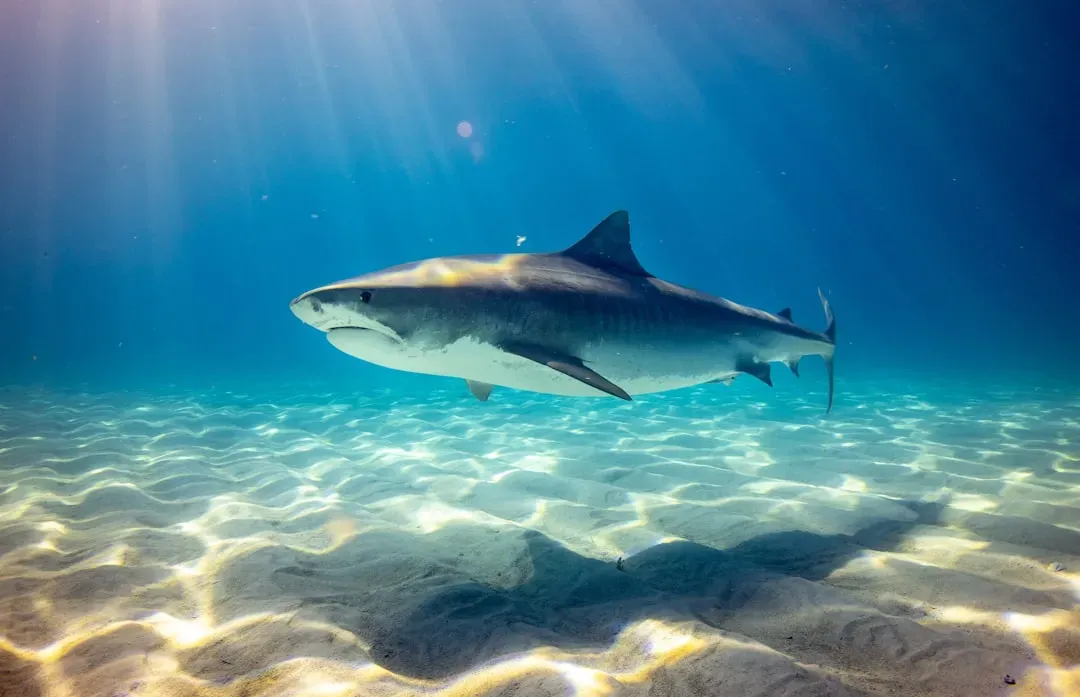
The Greenland shark lives in the frigid depths of the Arctic and North Atlantic. Its secret lies in a cold, stable environment, extremely slow metabolism, and a low rate of predation. The shark reaches sexual maturity at around 150 years, and its life unfolds over centuries in near darkness, making it the longest-lived vertebrate known to science. The cold environment slows its metabolic processes to a crawl, reducing cellular damage and the accumulation of errors over time.
It’s almost like the shark is barely bothering to exist – and that slow laziness is its superpower. The contrast with a hummingbird burning thousands of calories a day is almost comically dramatic.
4. Body Size Plays a Surprisingly Important Role

Across mammals, body size is one of the strongest predictors of lifespan. Larger species tend to live longer than smaller ones, despite using more total energy each day. Large size can reduce the risk of predation and buffer animals against short-term environmental stress. This allows natural selection to favor slower growth, later reproduction, and longer life.
Still, size is not the whole story. Some animals completely break this rule in fascinating ways. The naked mole rat, given its size, ought to live perhaps seven or eight years, but instead can last for around 40. That is an animal the size of a thumb outliving a golden retriever by nearly a decade.
Bowhead whales are enormous – the second-largest living mammal – but their 200-year lifespan is at least double what you’d expect given their size. Humans, too, are outliers: we live twice as long as our closest relatives, the chimpanzees. So size is a strong clue, not an absolute verdict.
5. Telomere Length Determines When Cells Stop Working
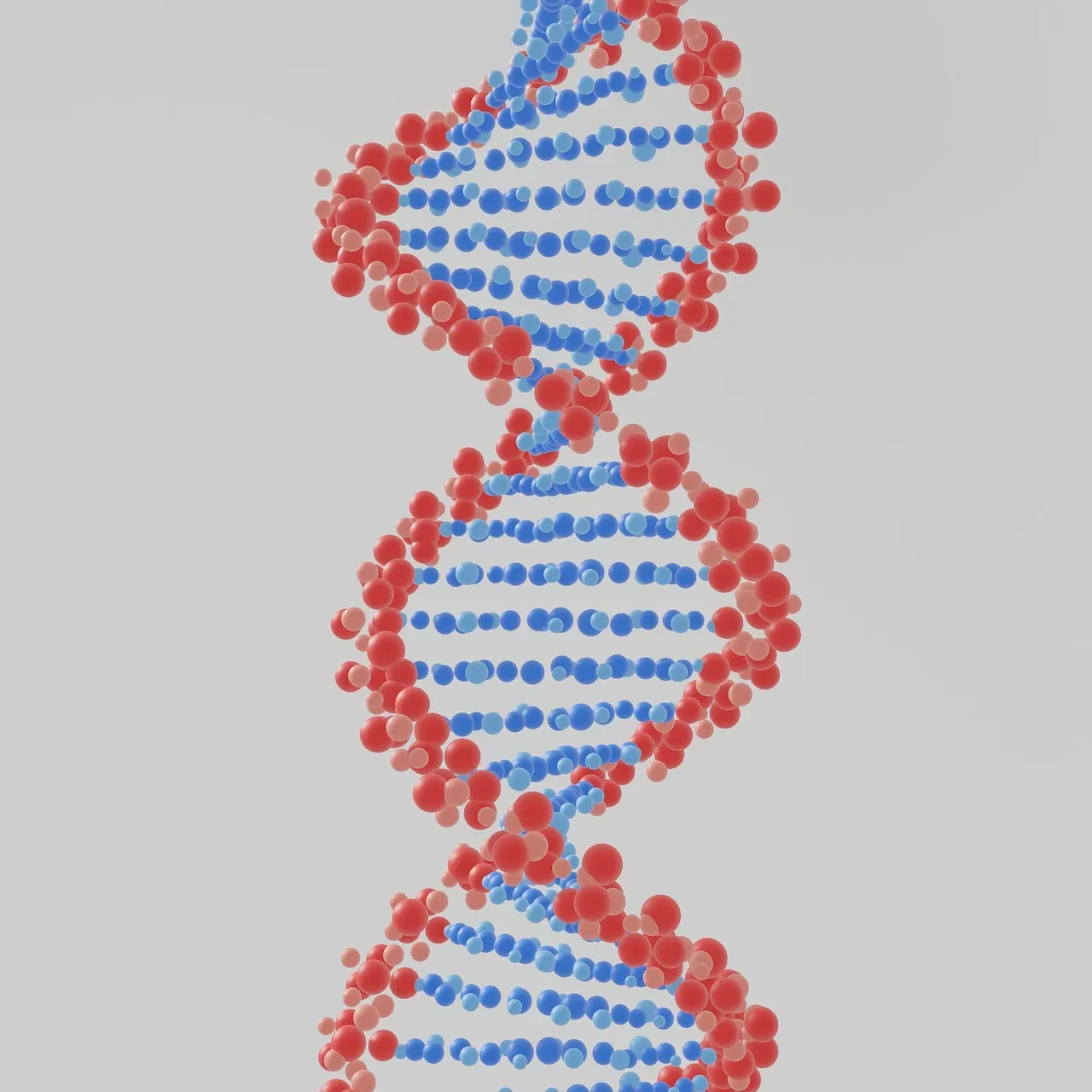
Picture chromosomes as shoelaces. At the tip of every shoelace is a little plastic cap called an aglet. Telomeres are those caps for your DNA. At the ends of chromosomes are structures called telomeres – short, repeating stretches of DNA that protect genetic material when cells divide. Each time a cell divides, its telomeres get a little shorter. When they become too short, the cell usually stops dividing or dies.
Studies of many mammals and birds show that species with slower telomere shortening often live longer on average. It’s a biological countdown clock, ticking differently in every species. Some animals have mechanisms to slow that countdown dramatically.
I think the telomere discovery is one of the most elegant explanations in all of aging science. It turns something as abstract as “getting old” into a very concrete, measurable process – one that researchers can now actually study and, potentially, one day tinker with.
6. The Immune System as a Longevity Engine
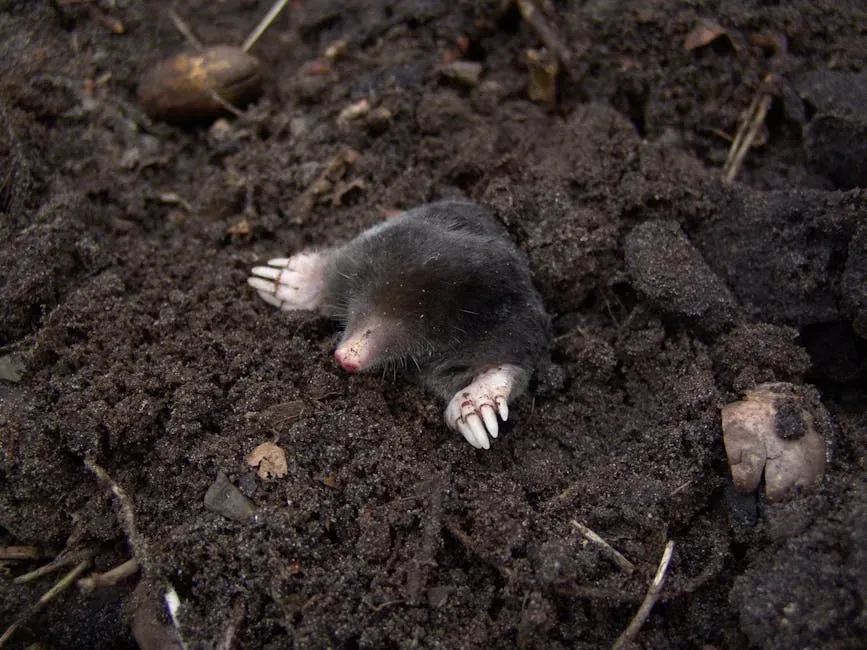
Most people think of the immune system as just a defense against colds and infections. It’s actually much more than that. The strongest signal in longevity research centers on the immune system. The gene families that tend to be larger in long-lived mammals are involved in immune surveillance and clearance. As an animal ages, those jobs matter more. Expanding the families that handle them can help tissues maintain stability over many decades.
In one study of 800 naked mole rats, not a single one had developed cancer. In contrast, scientists estimate that as many as half of humans eventually develop cancer. Naked mole rats have very high levels of a type of hyaluronan, a connective-tissue component that may help protect DNA from damage.
A body that can constantly patrol, detect, and neutralize threats at the cellular level simply lasts longer. It’s a bit like comparing a house with a 24-hour security system to one with a broken lock. The infrastructure of protection matters enormously.
7. Some Animals Can Actually Reverse Their Own Aging
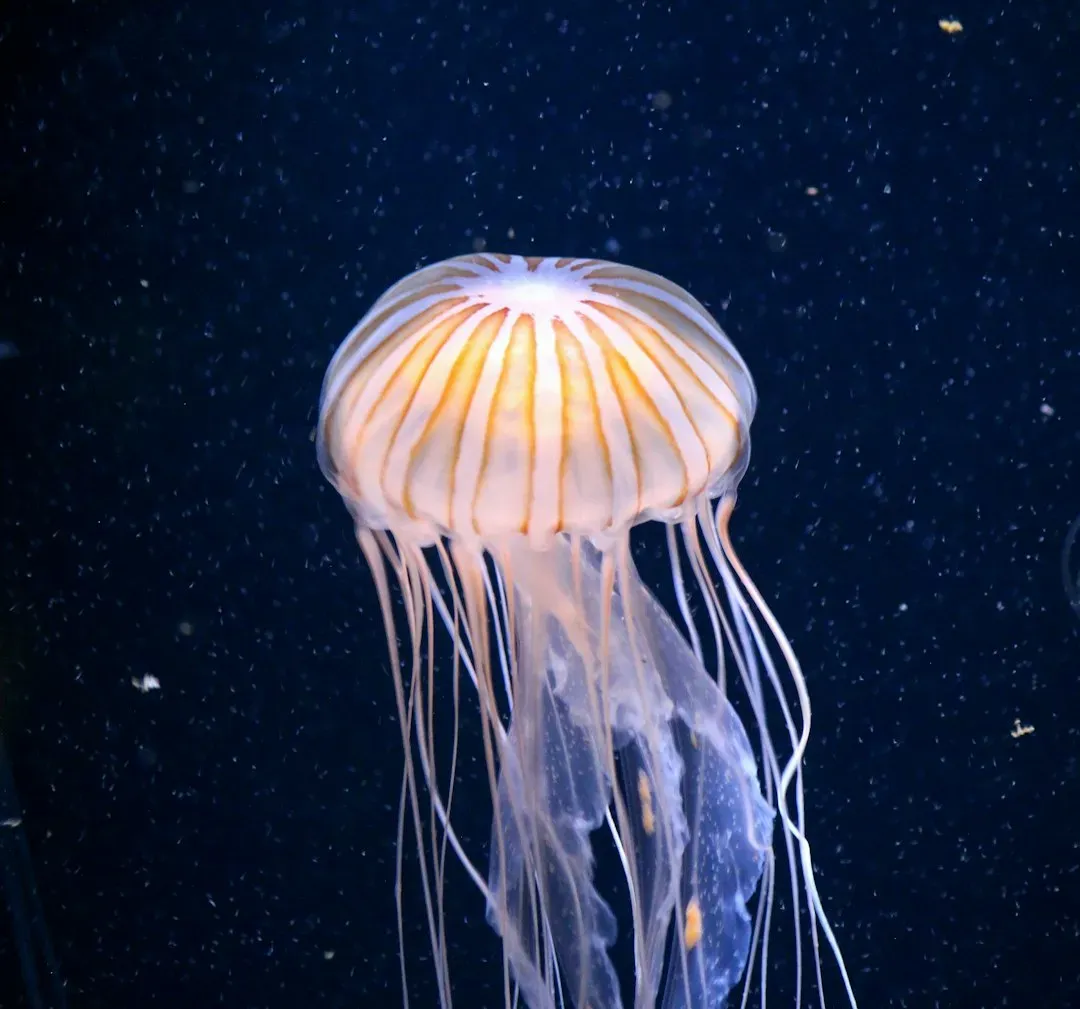
Now here is where things get genuinely mind-bending. Forget slowing down aging. Some animals can go backwards. The tiny 5mm sea jellyfish Turritopsis is capable of rejuvenating all the cells in its body and reverting to a baby jellyfish at will, while the hydra, which lives in fresh water, is capable of renewing all the cells in its body.
It has been impossible to observe the end of the hydra’s normal life. Let that sink in. We have never actually seen a hydra die of old age. Not once. It keeps renewing itself indefinitely, making it one of nature’s most startling biological mysteries.
In the animal kingdom, lifespans can stretch from mere hours to entire centuries. Some creatures deteriorate so slowly that we’ve never actually caught them dying of old age. Others don’t seem to age at all. Some can apparently reset their biological clocks and bounce back to infancy to start all over again. If that doesn’t make you rethink everything about aging, I’m not sure what will.
8. Brain Size Is Linked to How Long Animals Live
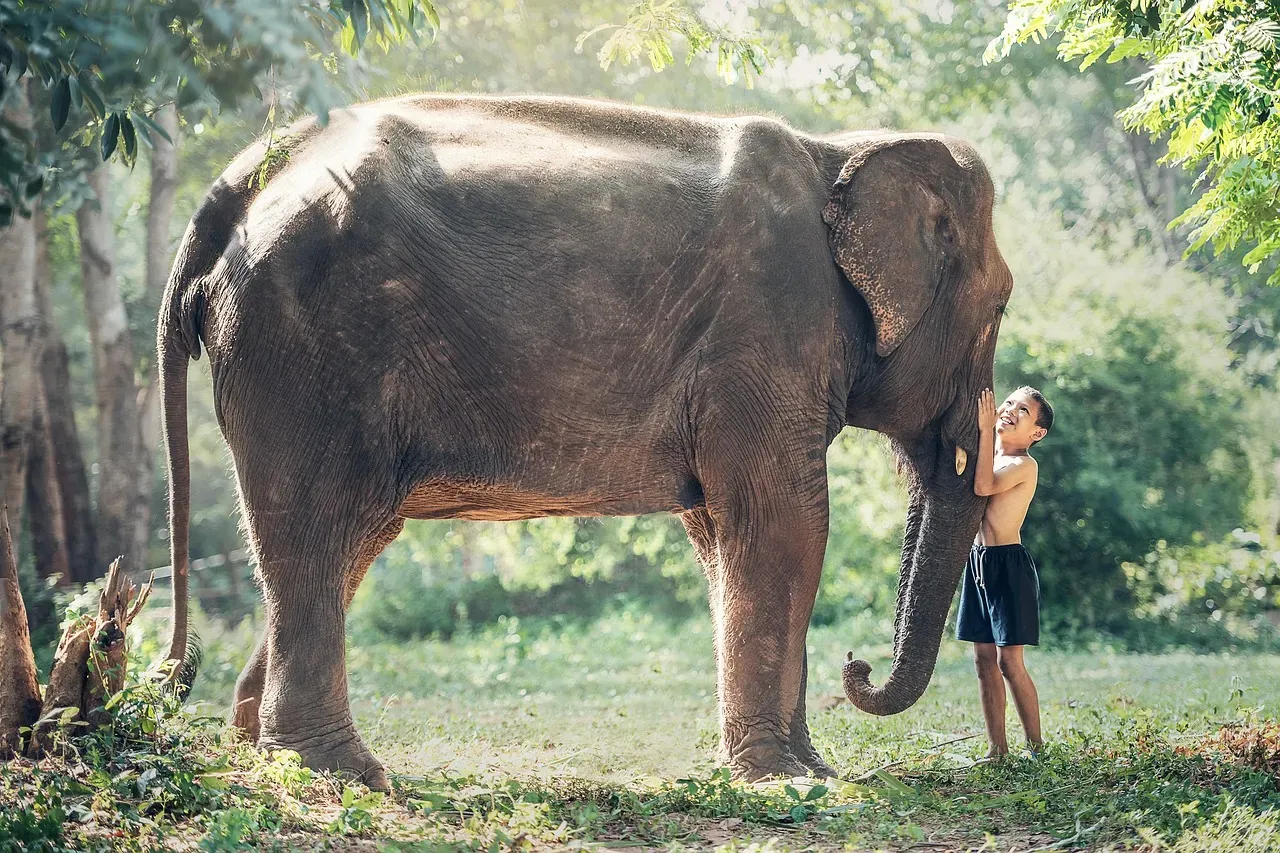
This one feels almost philosophical. The bigger and more complex your brain, the longer you tend to live. Across mammals, species with bigger brains for their body size often live longer. Many of the same gene families that grow with lifespan also grow with relative brain size. A large brain uses substantial energy and oxygen and produces more metabolic byproducts. Extra immune and housekeeping capacity supports this load and helps keep neural tissue stable.
Scientists have long known relative brain size is linked to longevity. The two traits share an evolutionary path, with larger brains offering potential behavioral advantages. In other words, smarter animals can avoid predators, find food more reliably, and navigate social relationships – all of which means more animals make it to old age.
It’s a compelling feedback loop. A bigger brain helps you survive. Surviving longer allows natural selection to keep rewarding bigger brains. The elephant in the room – and the dolphin in the ocean – are living proof.
9. Genetics and DNA Methylation Write the Lifespan Blueprint
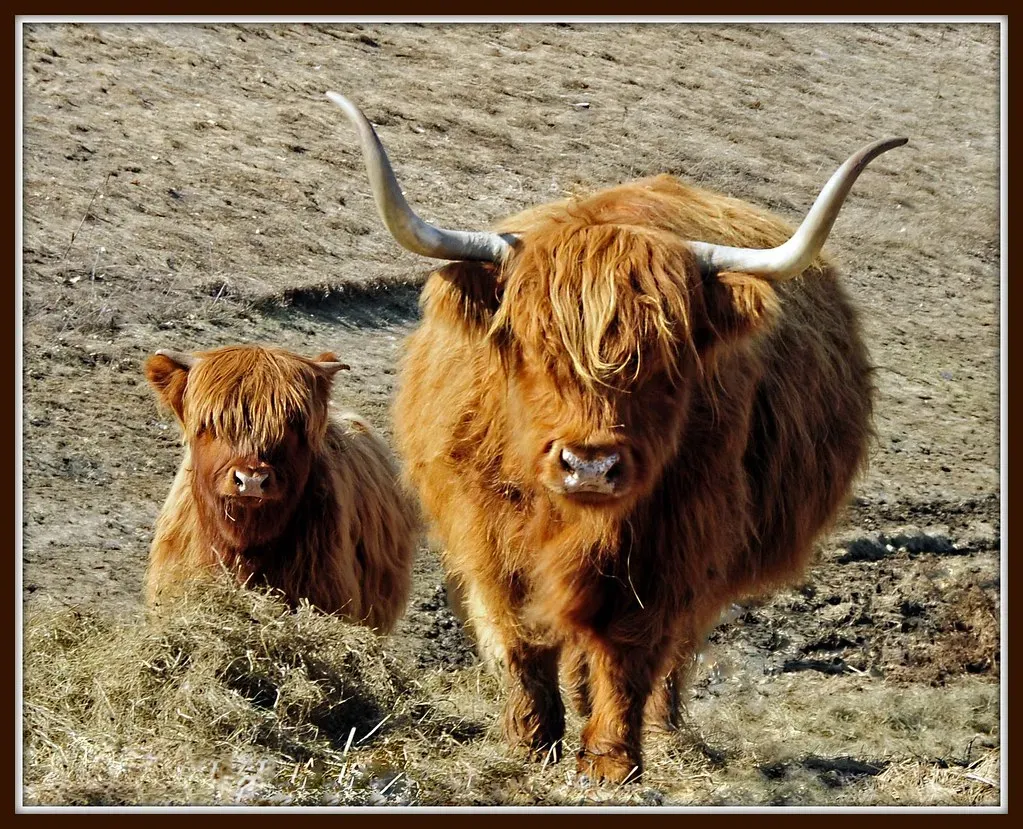
Some lifespans, it turns out, are essentially pre-written in the genetic code before an animal even takes its first breath. Scientists found they could estimate the lifespan of vertebrate species by looking at where DNA methylation occurs in 42 particular genes. This method also lets researchers estimate the lifespans of long-lived and extinct species.
Scientists found the lifespan of the bowhead whale, thought to be the world’s longest-lived mammal, is 268 years. This estimate is 57 years higher than the oldest individual that has been found, so they may have a much longer lifespan than previously thought. The ocean is full of secrets we haven’t even counted yet.
As early as 1982, while studying a small worm measuring 1 mm in length, scientists were able to measure that genes were responsible for roughly 20 to 50 percent of longevity. The rest comes down to environment, behavior, and luck – but that genetic foundation is a powerful starting point that no animal can simply ignore.
10. Short Lives Are Often Perfectly Designed for Purpose
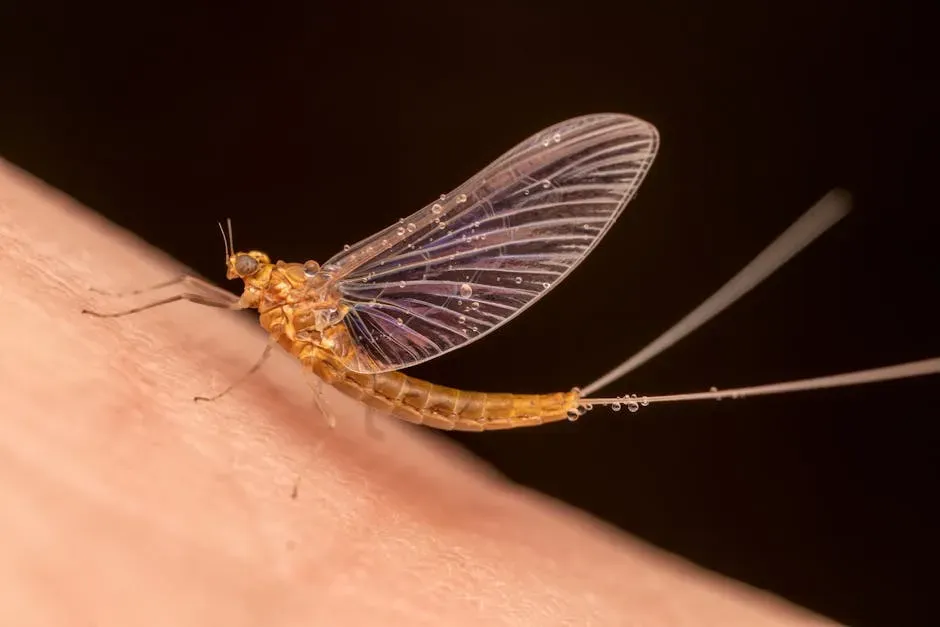
Let’s be real – not every short-lived animal is a tragedy. Some creatures are engineered to burn bright and disappear fast, and that is exactly what the species needs. There are animals that live for a very short time, such as mayflies, which fly for only a few days, or the great peacock moth, whose life span does not exceed a week. These two insects share a curious trait: they do not have the apparatus to feed themselves and are therefore programmed to live for a very short time.
The shortest life spans, which last a single life cycle, can be a matter of days, while the longest lasts more than two hundred years. A mayfly doesn’t need decades. Its entire biological mission – emerge, reproduce, and seed the next generation – is perfectly accomplished in 24 hours. Evolution is ruthlessly efficient like that.
Three general influences limit longevity: environmental pressures, variations in physiological processes, and heredity. For short-lived species, at least one of these forces has pushed the dial as far down as it will go. It isn’t a flaw. It’s a feature – one shaped over millions of years of pressure, trial, and brilliant biological problem-solving.
Conclusion: Nature’s Clock Ticks Differently for Everyone

The animal kingdom is not running on one clock. It is running on thousands of them, all set to different times, all shaped by billions of years of evolutionary pressure. Some clocks race. Others barely move at all.
One of the principles beginning to emerge from comparative studies of aging is that different species may follow different paths to longevity. All long-lived mammals need to delay the onset of cancer, for example. Yet the routes they take – through DNA repair, immune expansion, cellular renewal, or metabolic slowdown – are wildly different from one another.
What I find most inspiring is not the mystery itself, but what it might mean for us. Research into naked mole rats, bowhead whales, and other longevity champions has identified genetic and molecular pathways now being studied in human aging. For example, the insulin/IGF-1 signaling pathway, sirtuins, and the mTOR pathway are all key regulators of aging conserved across species. Interventions that target these systems – through drugs, diet, or gene editing – could one day extend human healthspan and possibly lifespan.
A mayfly and a Greenland shark share a planet. Both are doing exactly what they were built to do. The real question is: what might we learn from all of them? What do you think – does knowing the science behind aging change how you feel about your own time on Earth? Drop your thoughts in the comments.

- Why Southern California’s Mountain Lions Are Fighting Extinction - July 24, 2026
- 12 Dog Breeds That Are Hard to Manage for First-Time Owners - July 24, 2026
- Animals That Defy the Desert: Surviving Years Without a Single Drop - July 24, 2026