


For U.S. fishermen plying the diverse coastal waters from the Atlantic to the Pacific, shark encounters are a regular occurrence. Whether these apex predators are targeted catches or accidental bycatch, understanding the various species that inhabit American waters is crucial for both commercial and recreational fishing communities. Sharks play vital roles in marine ecosystems, and many species face conservation challenges due to fishing pressure, habitat loss, and climate change. This article explores the ten shark species most commonly encountered by U.S. fishermen, detailing their characteristics, habitats, behaviors, and conservation status. From the coastal shallows to deeper offshore waters, these magnificent predators continue to inspire both respect and fascination among those who encounter them at sea.
10. Blacktip Shark (Carcharhinus limbatus)

The blacktip shark is among the most frequently encountered species by U.S. fishermen, particularly along the Atlantic coast and throughout the Gulf of Mexico. Identifiable by the distinctive black tips on their fins (most notably the dorsal and pectoral fins), these medium-sized sharks typically reach lengths of 5-6 feet. Blacktips are known for their spectacular feeding behavior, sometimes breaching completely out of the water when pursuing schools of fish. They prefer shallow, coastal waters, making them common catches for both commercial and recreational fishermen. While their populations have faced pressure from fishing, the species is currently managed under fishery regulations that aim to ensure sustainable harvest levels. Blacktips are particularly valued in commercial fisheries for their meat, fins, and liver oil, while recreational anglers prize them for their fighting ability when hooked.
9. Sandbar Shark (Carcharhinus plumbeus)

Also known as the brown shark, the sandbar shark is a common species along the eastern seaboard of the United States. With a robust body growing to 7-8 feet in length and a distinctive tall, triangular first dorsal fin, sandbar sharks are easily identified by experienced fishermen. They prefer sandy bottoms in coastal areas but are rarely found in waters shallower than 60 feet, making them less visible to beachgoers than some other coastal species. Historically, sandbar sharks were one of the most important commercial shark species in the U.S., targeted primarily for their fins and meat. Due to their slow growth rate, late maturity (around 15 years), and low reproductive output, sandbars have been vulnerable to overfishing. As a result, strict regulations now govern their harvest, with most commercial fisheries prohibited from retaining them. For many U.S. fishermen, particularly along the Mid-Atlantic states, sandbar sharks remain a common incidental catch that must be released.
8. Blue Shark (Prionace glauca)
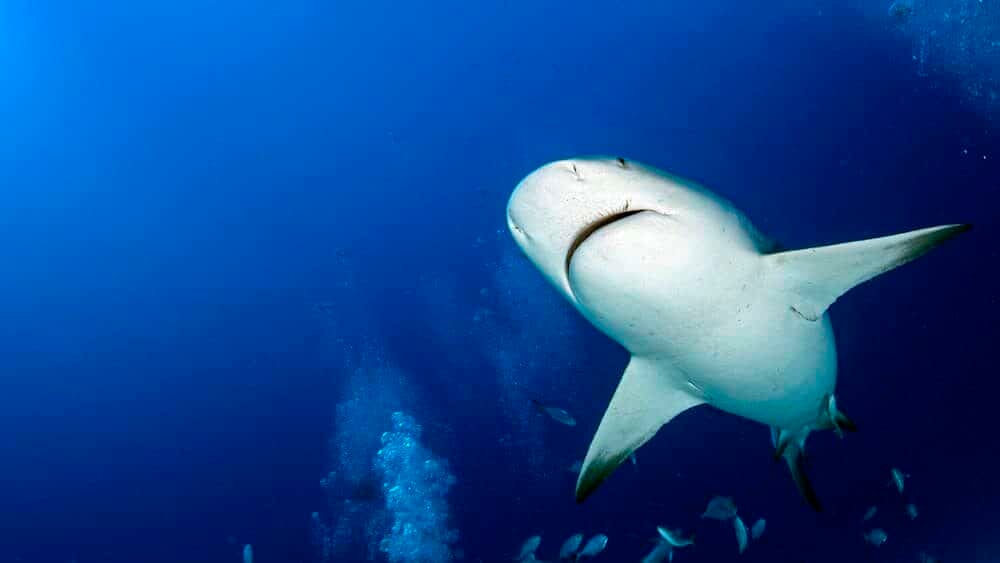
The blue shark is perhaps the most frequently encountered offshore shark species by U.S. fishermen, particularly those targeting tuna and swordfish in the open ocean. Instantly recognizable by their slender body, long pectoral fins, and vibrant indigo-blue coloration, blue sharks can reach lengths of 10-12 feet, though most encountered specimens are smaller. These highly migratory sharks are found in all temperate and tropical oceans, including both the Atlantic and Pacific waters off U.S. coasts. Blue sharks are notorious for following fishing vessels and scavenging around offshore fishing operations. While they’re not typically targeted by U.S. commercial fisheries, they constitute a significant portion of the bycatch in longline fisheries. Recreational fishermen, particularly those engaged in shark tournaments in New England waters, frequently catch and release blue sharks. Though still abundant compared to many shark species, global blue shark populations have declined, and increasing conservation measures are being implemented to ensure their long-term survival.
7. Shortfin Mako Shark (Isurus oxyrinchus)

The shortfin mako is considered the fastest shark in the ocean, capable of swimming at speeds exceeding 40 mph, making it a prized catch for sport fishermen. With their metallic blue backs, white undersides, and conical snouts, makos are easily identified by their torpedo-shaped bodies built for speed. U.S. fishermen encounter makos primarily in offshore waters on both the Atlantic and Pacific coasts. Growing to lengths of 12 feet and weights exceeding 1,000 pounds, large specimens present a significant challenge to anglers. The species is highly valued for both its meat, considered among the best of all sharks for consumption, and for the sporting fight it offers when hooked. Unfortunately, this popularity has contributed to population declines, and in 2021, the shortfin mako was classified as endangered on the IUCN Red List. In response, NOAA Fisheries has implemented increasingly restrictive management measures for the species in U.S. waters, including catch limits and size restrictions. For many fishermen, particularly those targeting tuna and other pelagic species, encounters with makos are becoming less frequent but remain memorable events.
6. Spiny Dogfish (Squalus acanthias)
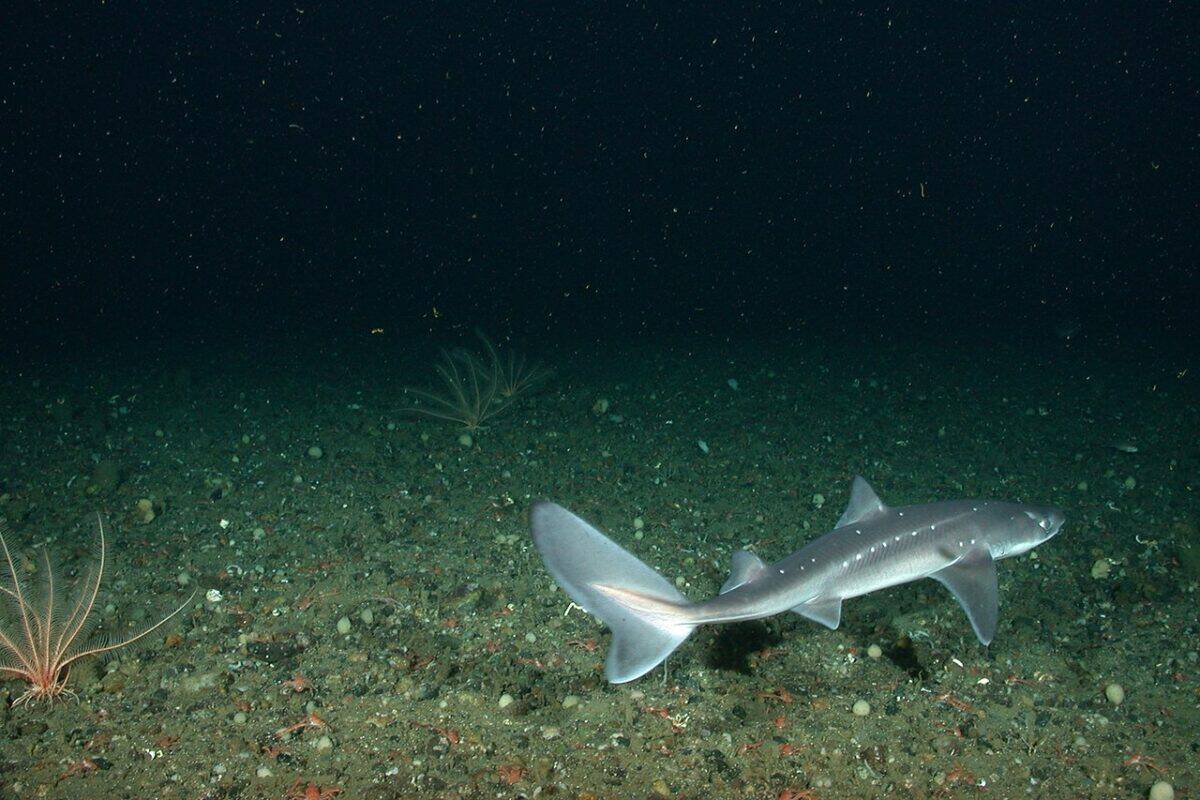
The spiny dogfish is likely the most abundant shark species encountered by U.S. fishermen in temperate waters, particularly along the Northeast and Pacific Northwest coasts. Despite their small size—rarely exceeding 4 feet in length—these sharks often travel in massive schools that can number in the thousands. They’re easily identified by the sharp spines located in front of each dorsal fin, which contain a mild venom and can inflict painful wounds to unwary fishermen. Spiny dogfish are primarily caught in bottom trawls, gillnets, and longlines, often as bycatch in fisheries targeting groundfish species. However, a directed commercial fishery for dogfish has developed, with the meat exported to Europe (where it’s commonly used in fish and chips) and Asia. The species experienced severe declines in the late 20th century due to unregulated fishing but has since rebounded under more stringent management. For many commercial fishermen in New England and Washington state, spiny dogfish are sometimes considered a nuisance due to their abundance and tendency to damage fishing gear and targeted catch.
5. Bull Shark (Carcharhinus leucas)

The bull shark is one of the most formidable species regularly encountered by fishermen in U.S. coastal waters, particularly along the Gulf Coast and Southern Atlantic states. These powerful sharks are identified by their stout, broad bodies, flat snouts, and aggressive demeanor. Growing to lengths of 7-11.5 feet and weights exceeding 500 pounds, bull sharks are among the most dangerous shark species due to their unpredictable behavior and ability to tolerate freshwater. In fact, they’re regularly found in rivers, estuaries, and even lakes connected to the ocean, putting them in closer contact with humans than most shark species. For fishermen operating in inshore waters, bull shark encounters are common year-round in Florida and seasonally as far north as the Carolinas. Commercial fishermen catch them in various gear types, while recreational anglers target them for their fighting strength. Despite their abundance in some areas, bull shark populations face localized pressures from coastal development, pollution of estuaries, and fishing. Their slow reproductive rate—females don’t mature until 15-20 years of age and produce relatively few pups—makes them vulnerable to overfishing.
4. Atlantic Sharpnose Shark (Rhizoprionodon terraenovae)
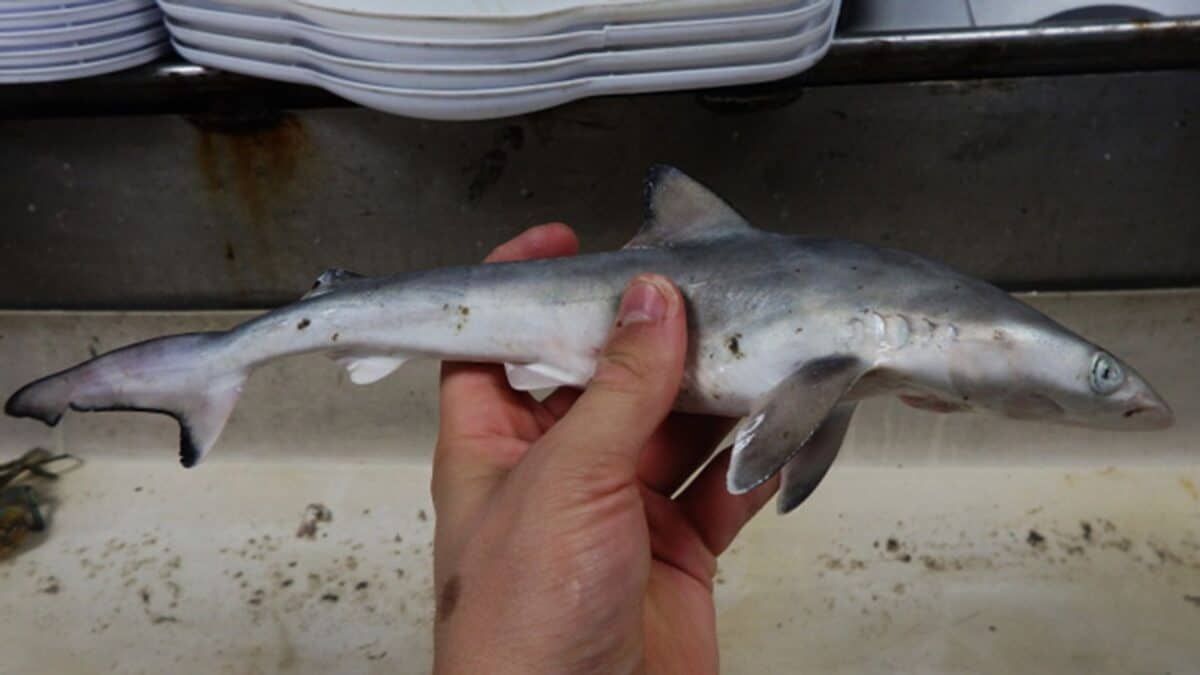
The Atlantic sharpnose shark is among the most commonly encountered small coastal sharks by fishermen along the U.S. Atlantic and Gulf coasts. Rarely exceeding 4 feet in length, these slender sharks are characterized by their long, pointed snouts and small white spots scattered across their gray-brown backs. They inhabit shallow coastal waters, bays, and estuaries, making them accessible to both shore-based and boat anglers. Atlantic sharpnose sharks mature quickly (2-3 years) and reproduce annually, giving them more resilience to fishing pressure than larger, slower-growing shark species. For recreational fishermen targeting species like redfish, flounder, or sea trout in inshore waters, sharpnose sharks are a common bycatch, particularly during summer months. Commercial fishermen encounter them regularly in gillnets and bottom longlines. The species has maintained relatively stable populations despite decades of fishing pressure, and they’re considered one of the few shark species capable of sustaining moderate harvest levels. For many novice anglers along the Southeast coast, the Atlantic sharpnose often represents their first shark catch.
3. Thresher Shark (Alopias vulpinus)

The common thresher shark is unmistakable due to its extraordinarily long upper tail lobe, which can equal the length of the shark’s body and is used to stun prey. This distinctive feature makes threshers instantly recognizable to fishermen who encounter them primarily in offshore waters on both U.S. coasts. Growing to lengths of 20 feet (including the tail) and weights of over 500 pounds, threshers are powerful swimmers that typically inhabit the open ocean but occasionally venture closer to shore. On the East Coast, they’re most frequently encountered by fishermen from Massachusetts to North Carolina, while on the West Coast, they’re common from Washington to Southern California. Threshers are valued by commercial fishermen for their meat, fins, and liver oil, and by recreational anglers for their spectacular fighting ability and acrobatic jumps when hooked. The species faces substantial pressure from directed fisheries and bycatch in pelagic longline operations targeting tuna and swordfish. In U.S. waters, management measures including size limits, catch quotas, and gear restrictions aim to ensure sustainable harvest levels for this relatively slow-reproducing species.
2. Hammerhead Sharks (Sphyrna spp.)

Hammerhead sharks, with their distinctive T-shaped heads (technically called cephalofoils), are among the most easily identified sharks encountered by U.S. fishermen. Three species are commonly encountered in U.S. waters: the scalloped hammerhead (Sphyrna lewini), great hammerhead (Sphyrna mokarran), and smooth hammerhead (Sphyrna zygaena). The great hammerhead, reaching lengths of up to 20 feet, is the largest and most imposing, while the scalloped hammerhead is the most frequently encountered, particularly in the Gulf of Mexico and along the Southeast Atlantic coast. Hammerheads are typically found in coastal waters and continental shelves, though they occasionally venture into the open ocean. For commercial fishermen, hammerheads were historically targeted for their large, valuable fins, though increasing regulations have limited directed fishing in U.S. waters. Recreational anglers encounter hammerheads while fishing for other large game fish, with some specifically targeting them for catch-and-release. All three common hammerhead species have experienced significant population declines globally, with the scalloped and great hammerhead listed as critically endangered by the IUCN. In response, many U.S. states have implemented complete protection for these iconic predators.
1. Smooth Dogfish (Mustelus canis)
The smooth dogfish, also known as the dusky smooth-hound, is one of the most abundant shark species encountered by inshore fishermen along the U.S. Atlantic coast from Massachusetts to Florida. Unlike their cousin the spiny dogfish, smooth dogfish lack spines on their dorsal fins and have a more slender build, typically reaching 3-4 feet in length. These small sharks prefer shallow coastal waters, bays, and estuaries with sandy or muddy bottoms where they hunt primarily for crustaceans like crabs and lobsters. Commercial fishermen harvest smooth dogfish with bottom longlines, gillnets, and trawls, with the majority of the catch processed for human consumption. Recreational anglers frequently catch them while fishing for species like striped bass, bluefish, or flounder, especially during summer months when the sharks move inshore. Unlike many larger shark species, smooth dogfish have relatively fast growth rates and high reproductive output, making them more resilient to fishing pressure. Their abundance in coastal waters makes them an important predator in these ecosystems, helping to control populations of various crustaceans and maintaining the health of seagrass habitats by preventing overgrazing by their prey species.
Conservation Status and Fishing Regulations

The conservation status of sharks encountered by U.S. fishermen varies widely by species, with some populations healthy and others critically endangered. Federal and state agencies have implemented increasingly comprehensive management measures for shark fisheries in U.S. waters over the past three decades, including annual catch quotas, minimum size limits, gear restrictions, and seasonal closures. The Magnuson-Stevens Fishery Conservation and Management Act provides the primary legal framework for shark management in federal waters, while individual states regulate shark fishing within their territorial waters (typically extending 3 nautical miles from shore). Many commercial shark fisheries require special permits, and certain species—including white sharks, basking sharks, and whale sharks—are completely protected from harvest. For recreational anglers, bag limits, size restrictions, and species-specific regulations vary by region, with many states requiring shark fishing permits or implementing catch-and-release-only policies for certain species. These conservation measures reflect growing recognition of sharks’ vulnerability to overfishing due to their biological characteristics—slow growth, late maturity, and low reproductive rates—as well as their ecological importance as apex predators in marine ecosystems.
Conclusion: The Future of Shark-Fishermen Interactions in U.S. Waters

As we look toward the future of shark-fishermen interactions in U.S. waters, several important trends emerge that will shape these encounters for generations to come. Scientific understanding of shark biology, behavior, and population dynamics continues to improve, enabling more effective and targeted conservation measures while still allowing sustainable fishing opportunities. The growing popularity of catch-and-release shark fishing represents a positive shift in how recreational anglers interact with these animals, providing economic benefits through tourism while minimizing mortality. Climate change remains a wild card, potentially altering traditional shark distribution patterns and creating new challenges for both fishery managers and the fishing communities that encounter these apex predators. Ultimately, the continued presence of healthy shark populations in U.S. waters will depend on balancing conservation imperatives with the cultural and economic importance of fishing—a delicate equilibrium that requires ongoing cooperation between scientists, policy makers, conservationists, and the fishermen who know these waters best.

From exploring the marine wonders in the Azores and witnessing the vast savannas of Kenya, to delving deep into the rich biodiversity of South Africa and traversing iconic landscapes in Australia and the US like Yellowstone, Chris's experiences are vast.
With a penchant for diving alongside sharks, the ocean holds a special place in his heart.
Through his academic insights, he champions wildlife conservation, striving with 'Animals Around The Globe' to cultivate a profound connection between humans and animals, enhancing our mutual appreciation.
Connect with him at Feedback@animalsaroundtheglobe.com.
- The Largest Clam Ever Dredged Up From U.S. Waters - July 22, 2026
- How Animated Films Shape What Kids Believe About Animals - July 22, 2026
- The Most Iconic Animals Saved from Extinction in the U.S. - July 22, 2026