
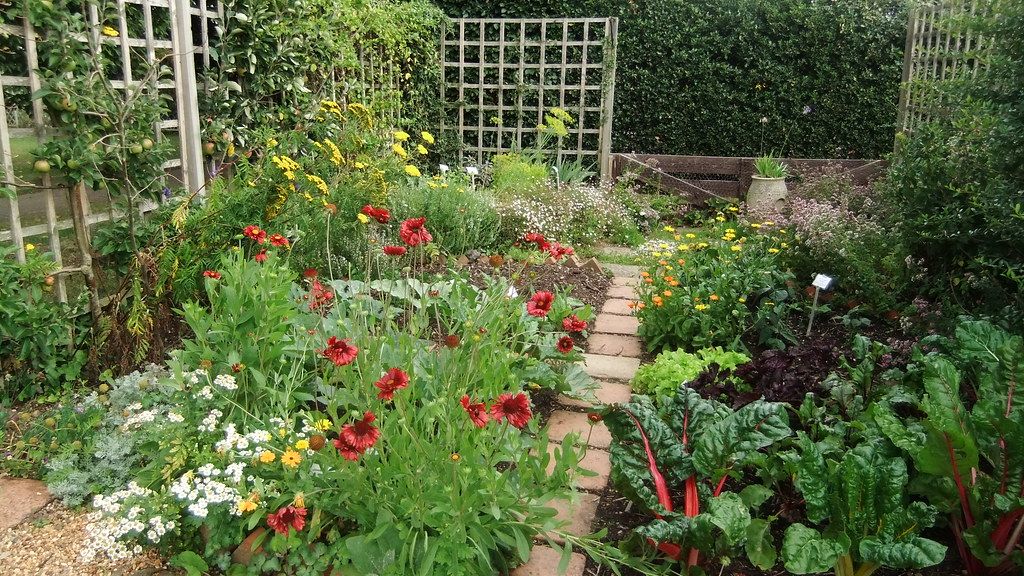
Picture this: your garden thriving with juicy tomatoes and vibrant greens, but without a single chemical in sight. Pests can turn that dream into a nightmare fast, chomping through leaves and fruits before you even notice. Yet, nature offers clever ways to fight back that keep everything safe for kids, pets, and pollinators alike.[1][2]
These tips draw from time-tested methods gardeners swear by. They build resilience right into your soil and plants. Ready to reclaim your plot? Let’s dive into the details.
Companion Planting Magic
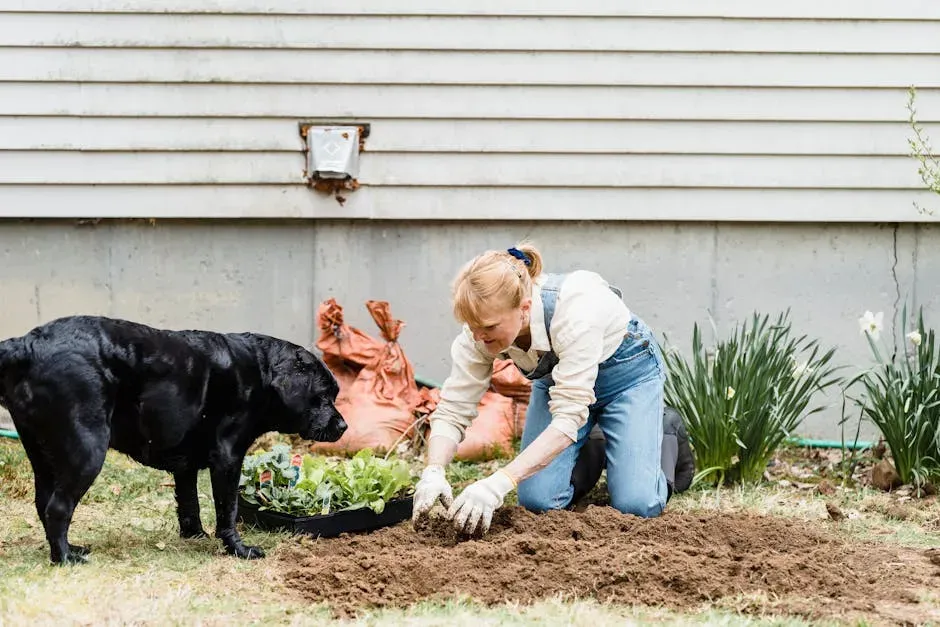
Plant marigolds alongside tomatoes or beans to ward off nematodes and aphids naturally. Their strong scent confuses pests, while roots release compounds that deter underground invaders. Herbs like basil and chives work wonders too, repelling flies and beetles from nearby veggies.[1][3]
Honestly, this feels like enlisting an army without lifting a finger. Mix in thyme or dill for extra protection against hornworms. Your garden turns into a pest-proof fortress over time. I love how it boosts flavor and beauty in one go.
Row Covers as Shields
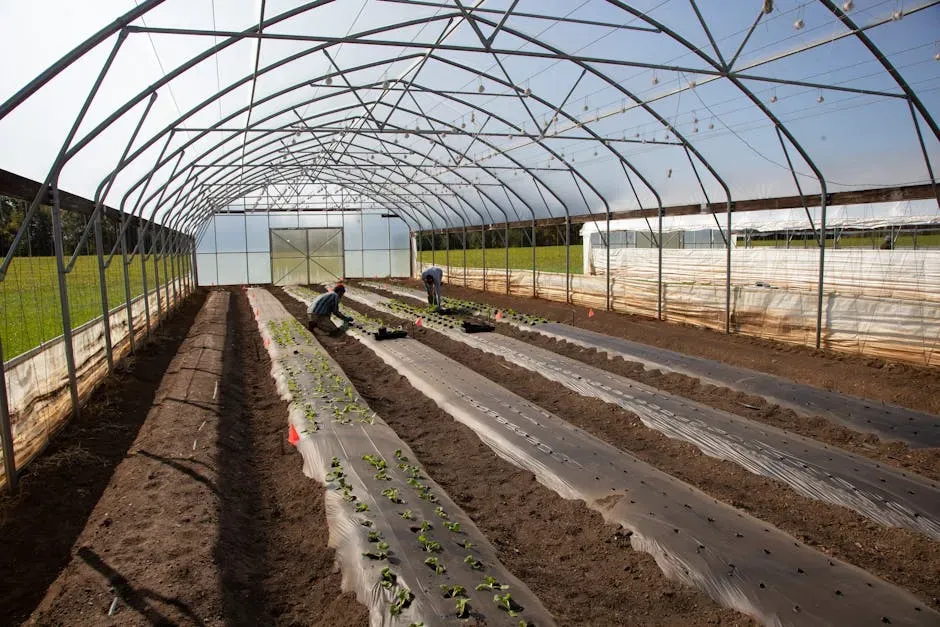
Fabric row covers block pests like cabbage moths and flea beetles from reaching tender seedlings. Drape them over hoops or stakes for easy access to water and air. They let light through but keep flying nuisances out completely.[1][2]
Remove them during flowering to allow pollinators in. This simple barrier saves crops without any sprays. It’s a game-changer for beginners facing early-season attacks.
Stay on Top of Cleanup
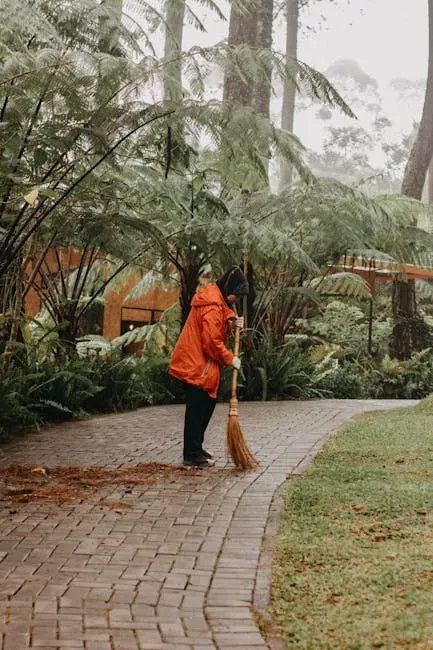
Regularly remove fallen leaves, weeds, and debris to eliminate pest hideouts. Prune damaged parts and harvest ripe produce promptly to avoid attracting squash bugs or aphids. A tidy garden starves out breeding grounds for troublemakers.[2][4]
Clean tools between uses too. This prevents spreading diseases alongside pests. You’ll notice fewer outbreaks with this habit alone.
Invite Beneficial Predators
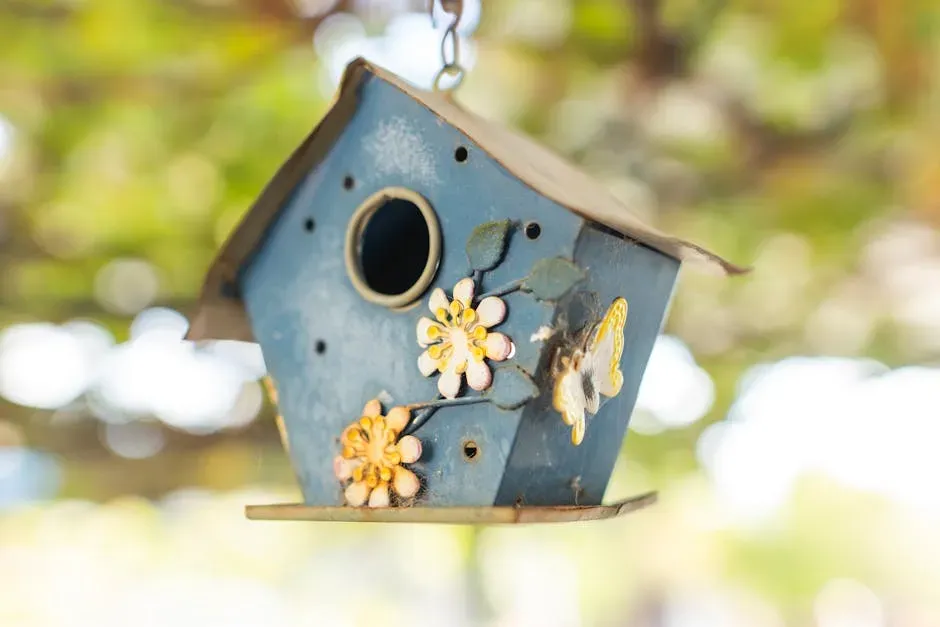
Set up birdhouses or baths to draw feathered friends that devour caterpillars and beetles. Plant dill or yarrow to lure ladybugs and lacewings, natural aphid assassins. Even a shallow dish of water with pebbles helps wasps and predatory beetles stick around.[1][5]
These allies work tirelessly for free. Avoid broad sprays that harm them. Your garden ecosystem balances itself beautifully.
Neem Oil’s Gentle Power
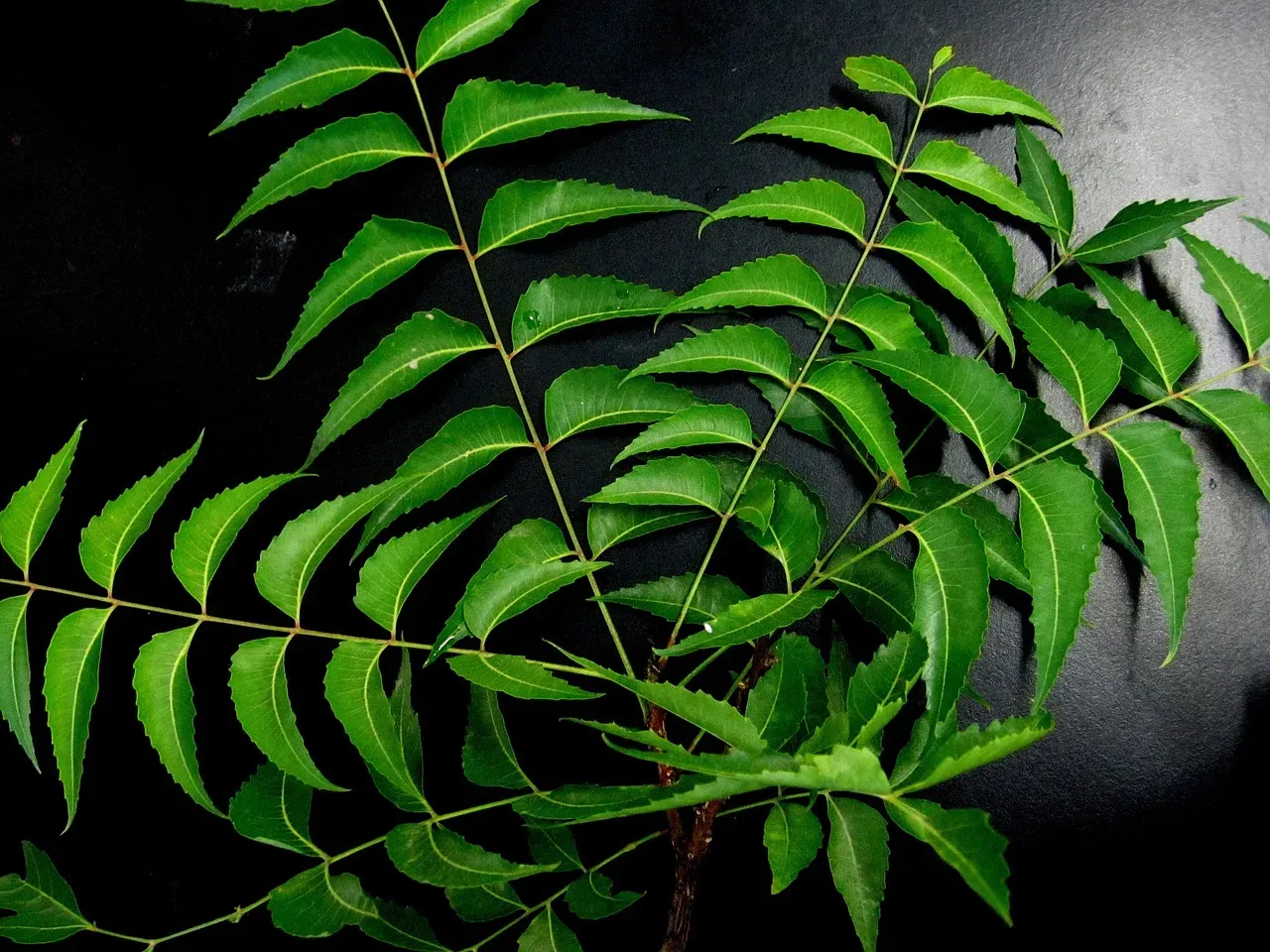
Mix neem oil with water and a dash of soap for a spray that disrupts pest feeding and breeding cycles. It targets aphids, whiteflies, and mites without harming bees if applied at dusk. Reapply after rain for ongoing protection.[2][6]
This ancient remedy feels modern in its safety. Test on a small area first. Pests dwindle while plants thrive.
Homemade Soap Sprays
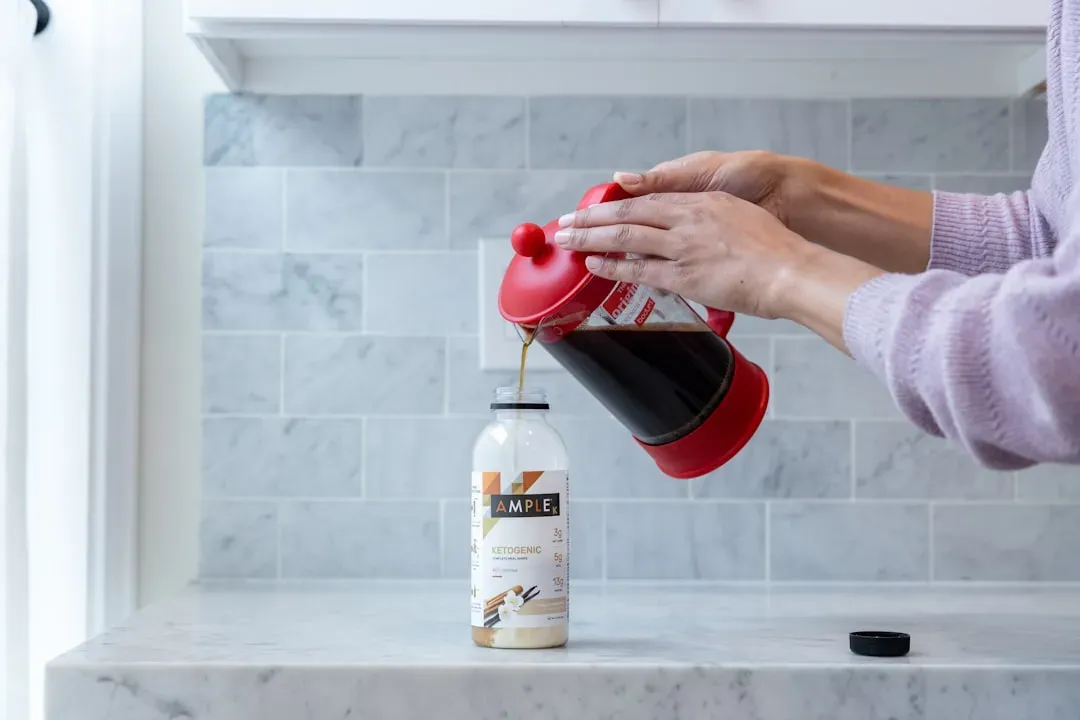
Combine dish soap, vegetable oil, and water to smother soft-bodied pests like aphids on contact. Spray undersides of leaves where they hide. Rinse plants after a few hours to prevent buildup.[7][8]
It’s cheap and ready from your kitchen. Use pure castile soap for best results. Pests drop off fast.
Garlic Spray Repellent
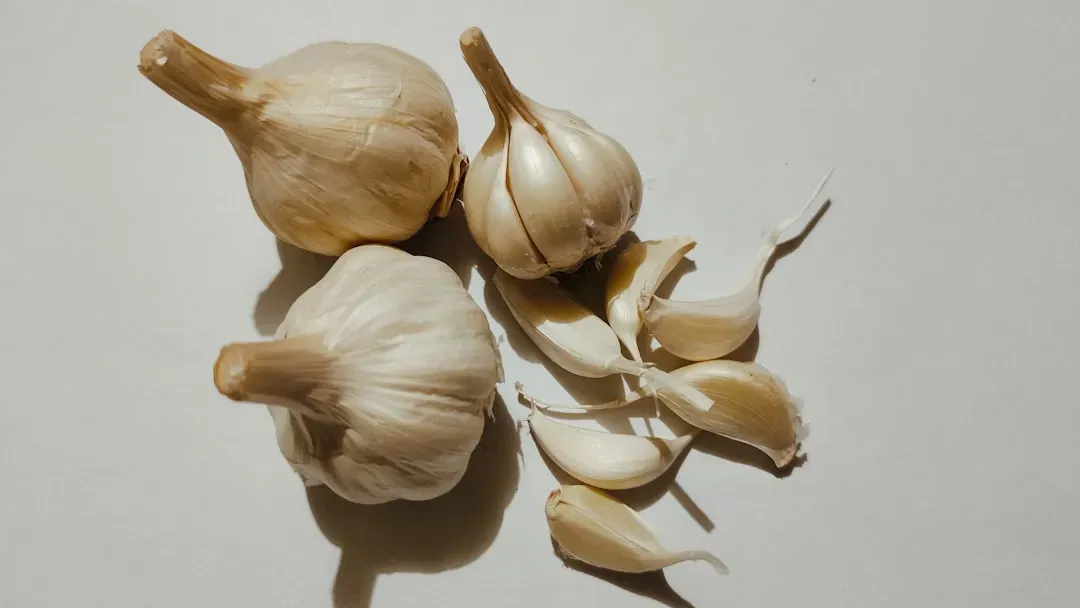
Blend garlic cloves with water, strain, and spray to repel aphids, ants, and borers with its pungent aroma. Add hot peppers for extra kick against mammals too. Refresh weekly or after showers.[8][9]
Here’s the thing: pests hate the smell, but your plants love it. It doubles as a fungus fighter. Simple genius.
Diatomaceous Earth Dust

Sprinkle food-grade diatomaceous earth around stems and on leaves to slice through insect exoskeletons. It dehydrates slugs, ants, and beetles effectively. Reapply after watering since it loses punch when wet.[5][10]
Wear a mask during application. Safe for earthworms too. Barriers form instantly.
Rotate Your Crops Yearly
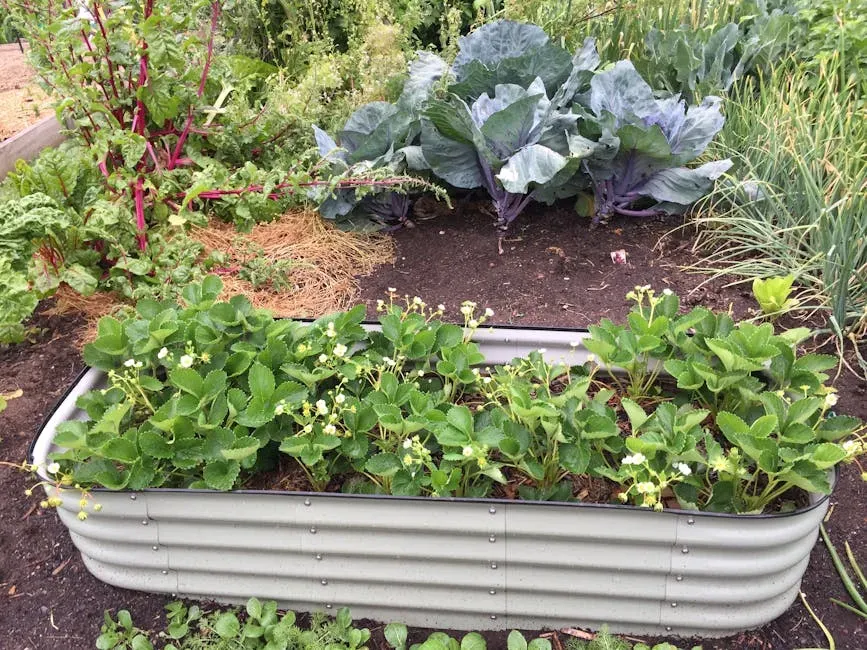
Shift planting spots each season to break pest life cycles in the soil. Tomatoes follow beans, not last year’s spot. This starves root-knot nematodes and wireworms over time.[2]
Track it with a simple garden journal. Yields improve noticeably. Prevention beats cure every time.
Build Healthy Soil
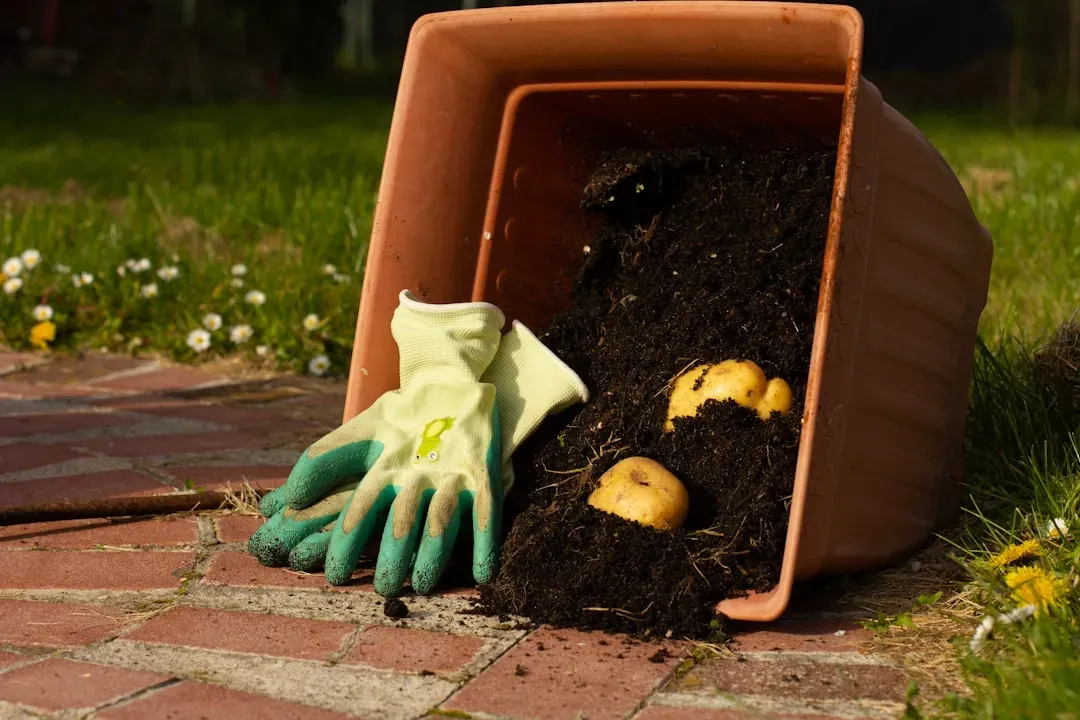
Add compost regularly to boost plant vigor, making them resist pests better. Strong roots and leaves deter attacks naturally. Mulch with straw to retain moisture and suppress weeds that harbor bugs.[7][4]
Healthy soil means tough plants. Microbes fight some pathogens too. Invest here first.
Handpick and Inspect Daily
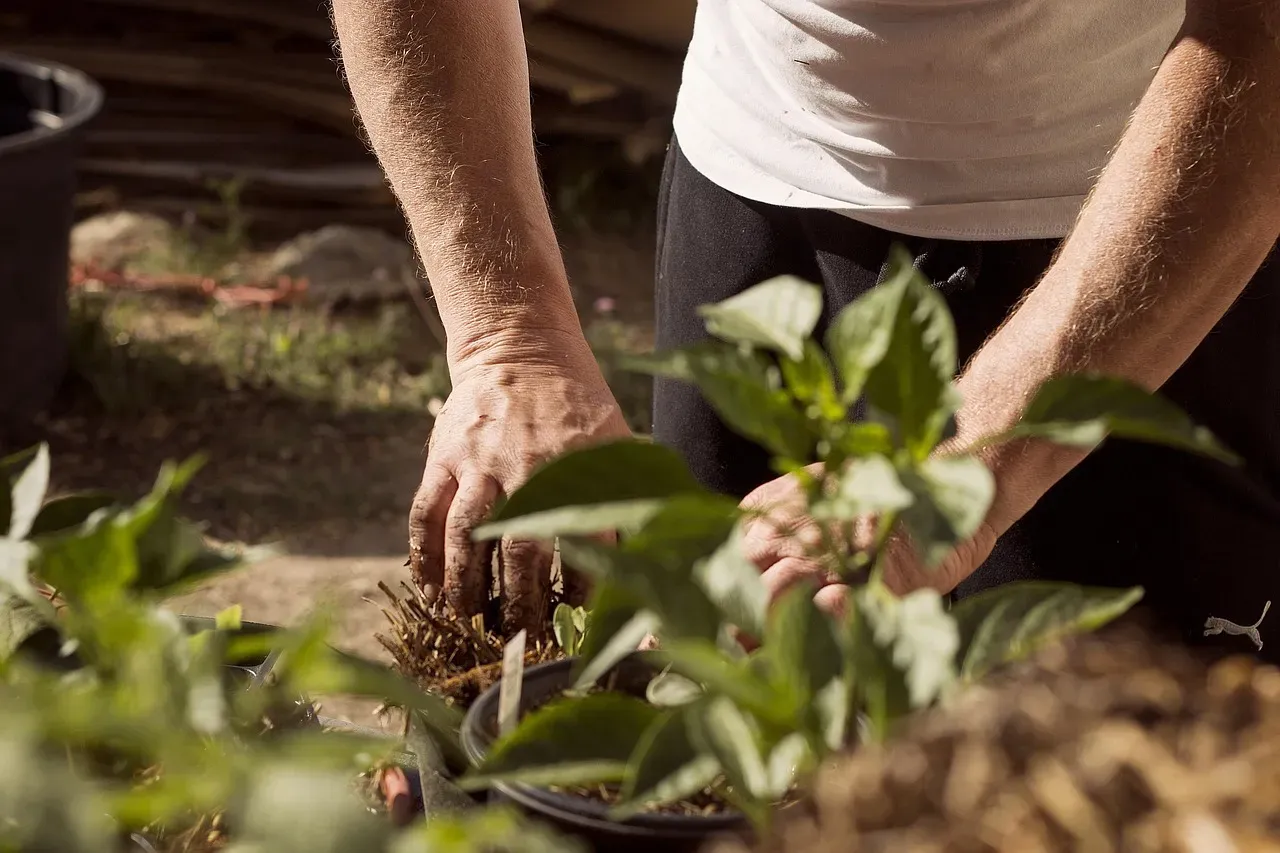
Patrol your garden mornings or evenings to pluck beetles, slugs, or eggs by hand. Drop them into soapy water for disposal. Early detection stops infestations cold.[11]
It connects you deeply with your plants. Gloves make it less gross. Proactive wins.
Mulch Strategically

Layer organic mulch thickly to block weed seeds and keep soil cool, reducing stress that invites pests. It also feeds soil life as it breaks down. Avoid piling against stems to prevent rot.[12]
Chipmunk and slug numbers drop too. Water less often. A win-win layer.
Bringing It All Together
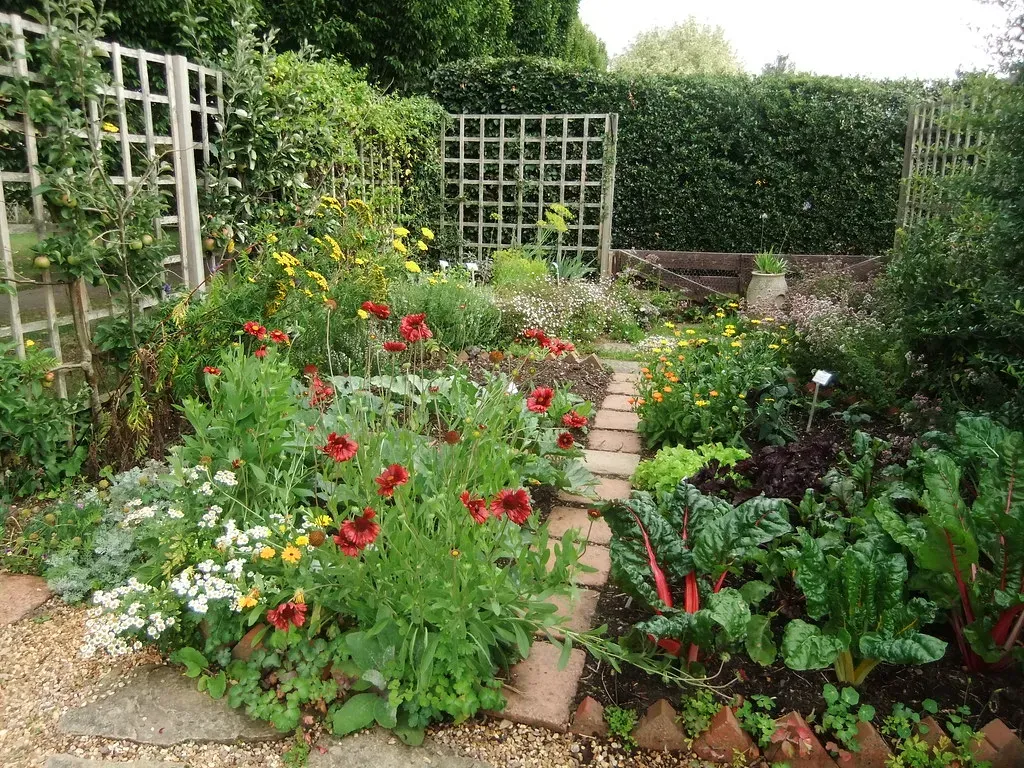
Layer these tips for a resilient garden that shrugs off pests year after year. Start small, observe what works in your yard, and adjust. Nature’s toolkit proves chemicals aren’t necessary.[7]
I think the real magic happens when your plot buzzes with life, not battles. What tip will you try first? Share in the comments below.

- 14 Quiet Signs Your Dog Knows Its Time Is Near and Wants You Close - July 22, 2026
- 10 Falcon Facts That Will Blow Your Mind - July 22, 2026
- 5 Incredible Migratory Journeys Animals Make Every Year - July 22, 2026