
Most of us can barely go a few hours without reaching for a glass of water. We stress about staying hydrated after a light jog, and yet, somewhere out in the baking Sahara or beneath the cracked surface of an Australian desert, entire species of animals are thriving – sometimes for years – without a single sip.
It sounds impossible. Honestly, when you first encounter these creatures, it’s hard not to feel a little humbled by them. Life found ways to cheat one of its own most fundamental rules, and the results are nothing short of astonishing. From a tiny rodent that manufactures its own water to a prehistoric fish that sleeps through droughts for years, nature has cooked up some wildly creative solutions to one of Earth’s most brutal challenges. Let’s dive in.
1. The Kangaroo Rat: A Lifetime Without a Single Drink
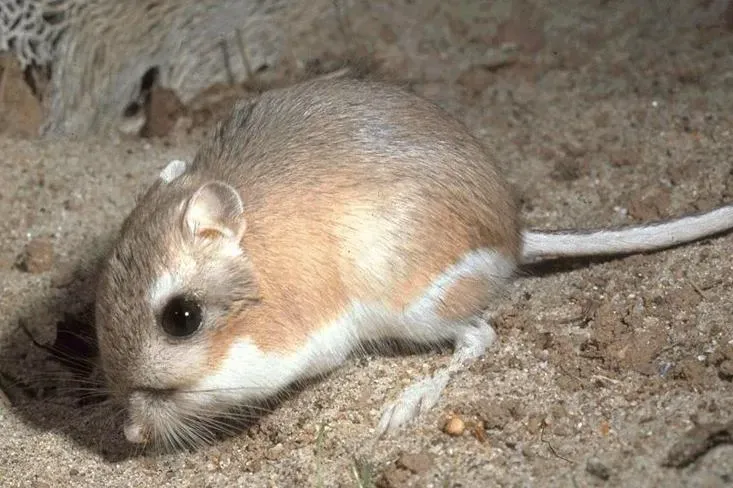
Here’s a creature that rewrites everything you thought you knew about survival. Despite the name, kangaroo rats are not related to kangaroos at all. They are small rodents native to the deserts of North America. The really mind-bending part? With their remarkable adaptations, they can go their whole five-year lifetime without liquid water.
Kangaroo rats mostly rely on what’s known as metabolic water, the byproduct that is released in the digestion of the mesquite beans and grass seeds in their diets. Think of it like squeezing invisible moisture from a dry cracker. Elaborate waste-processing structures in their kidneys extract every last drop of moisture from urine until it is reduced to a crystal-like consistency.
Kangaroo rats don’t sweat or pant like other animals to keep cool, because that would cause them to lose water from their bodies. To maintain constant temperature and relative humidity in their burrows, kangaroo rats plug the entrances with soil during the day. When the outside temperature is too hot, they stay in their cool, humid burrow and only leave at night. Honestly, it’s like they designed their entire lifestyle around a single goal: never, ever wasting a drop.
2. The West African Lungfish: A Living Time Capsule
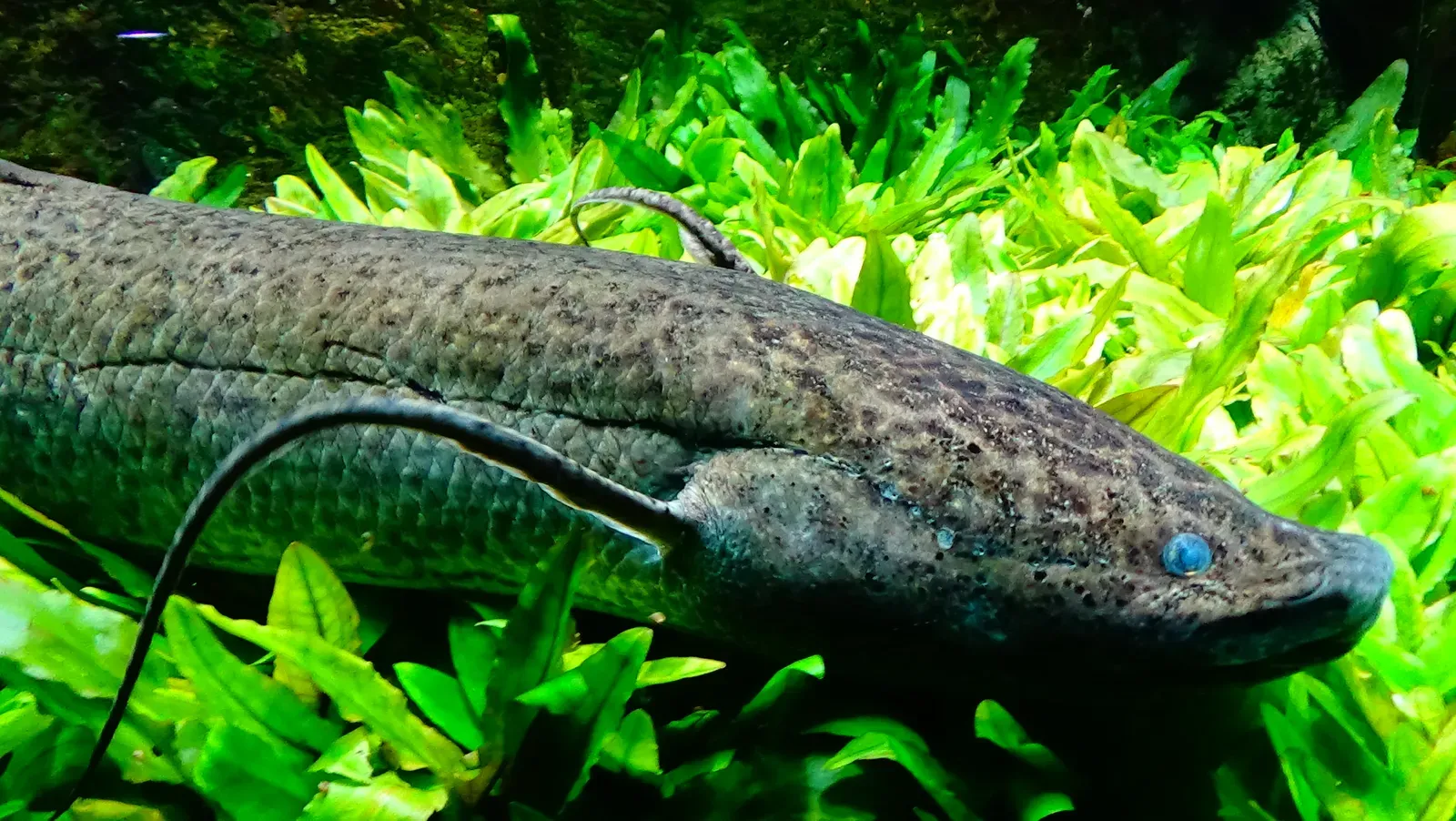
The West African lungfish is truly a wonder to behold. These unique fish have been labeled prehistoric animals due to their survival for nearly 400 million years. Let that sink in. They were swimming around when dinosaurs weren’t even a concept yet.
The lungfish has gills like any ordinary fish, which it uses to obtain oxygen from the water, but also has a unique adaptation that enables it to obtain oxygen from the air. When dry conditions set in, it burrows into the mud and can continue living even after the mud dries up. During this dormant period, called estivation, it excretes a mucus cocoon to protect itself from harsh conditions and digests its own muscle tissue to get nutrients.
In this suspended state, the African lungfish can survive up to four years without water. Four years. These “living fossils,” as they are commonly called in scientific circles, survive through a process of estivation that is quite similar to hibernation. It’s less sleeping and more just… quietly waiting for the world to change around them.
3. The Desert Tortoise: A Bladder Built Like a Water Tank
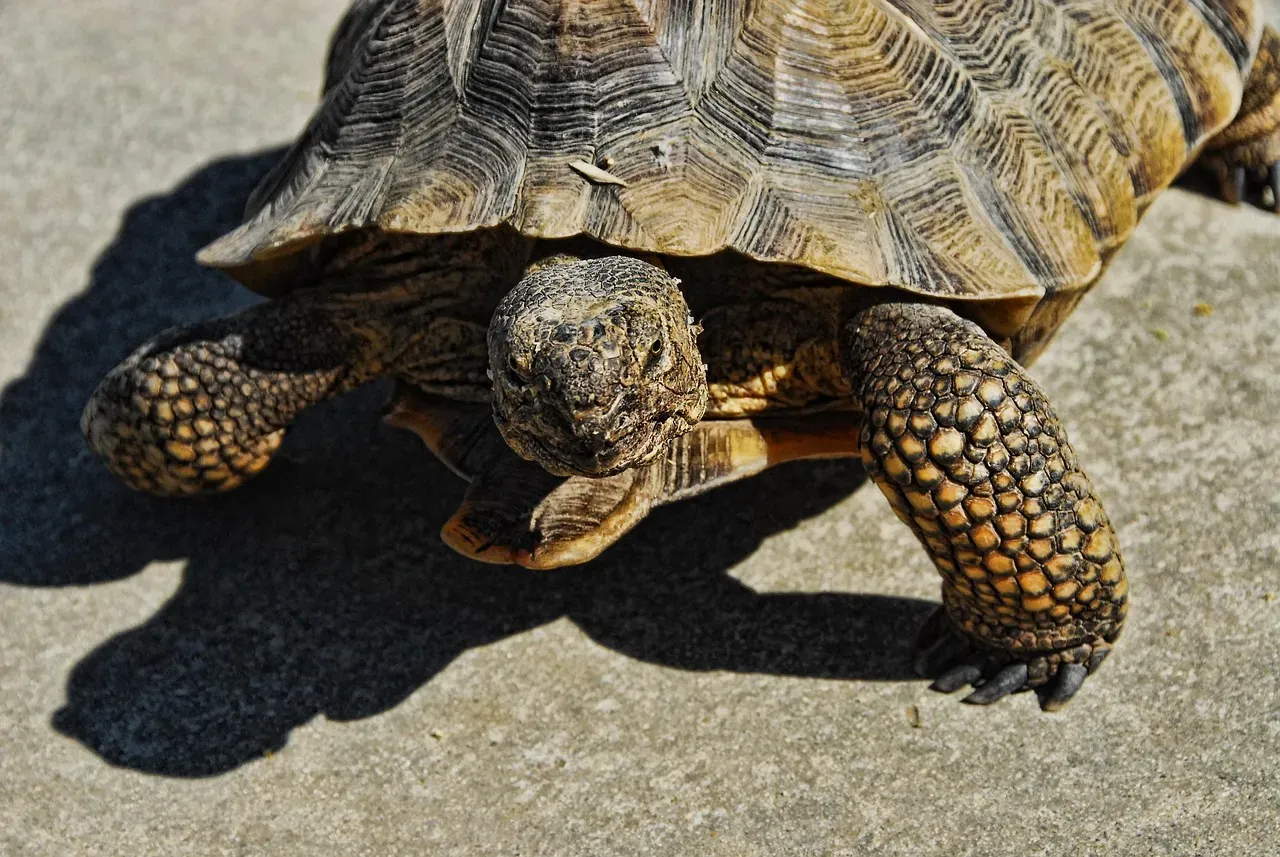
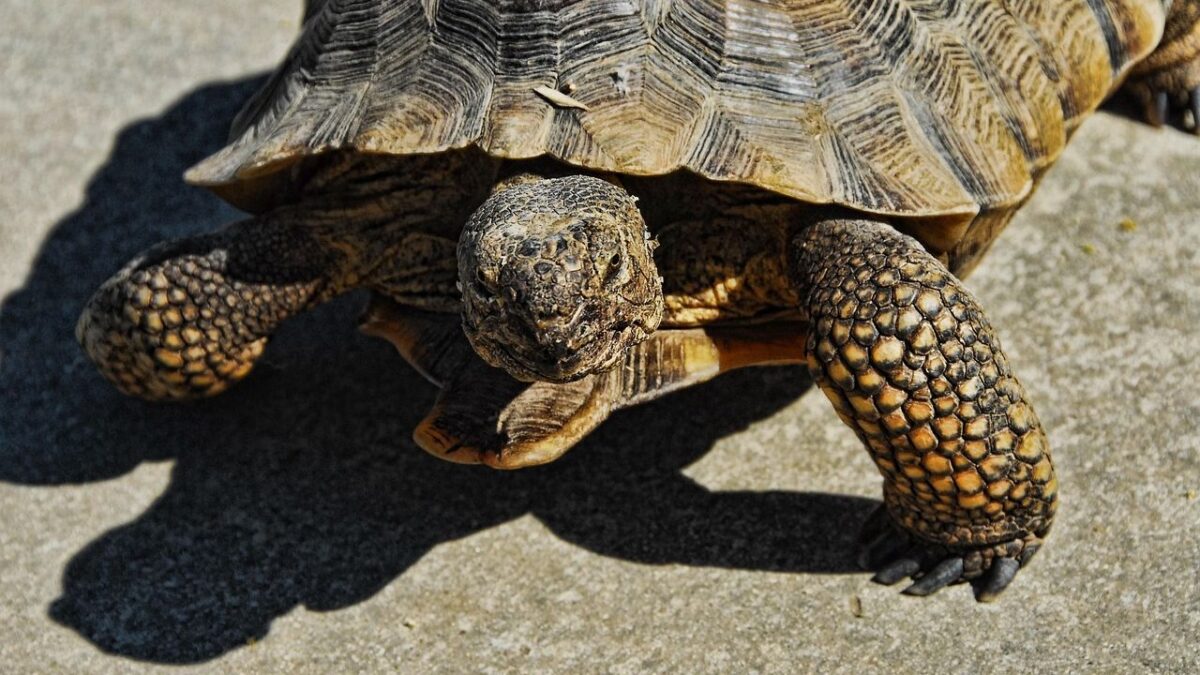
Desert tortoises come in two main species that live in the Mojave and Sonoran Deserts. Inside their domed shells, they have an enlarged bladder that can store up to roughly two-fifths of their body weight in water and liquid waste. That’s a remarkable feat of internal plumbing.
During dry seasons, desert tortoises retreat to underground burrows, where they remain cool and reduce water loss. Their slow metabolism further aids their ability to endure long periods without water, making them true desert survivalists. The tortoise can survive for a year or more without water.
There is one absolutely wild catch, though. A sudden fright can cause a desert tortoise to urinate out all of its water reserves. If it’s a dry season and it can’t replenish the moisture, it could die quickly. So the best thing you can do for a desert tortoise you happen to stumble upon? Leave it completely alone. No exceptions.
4. The Thorny Devil: Drinking Through Its Own Skin
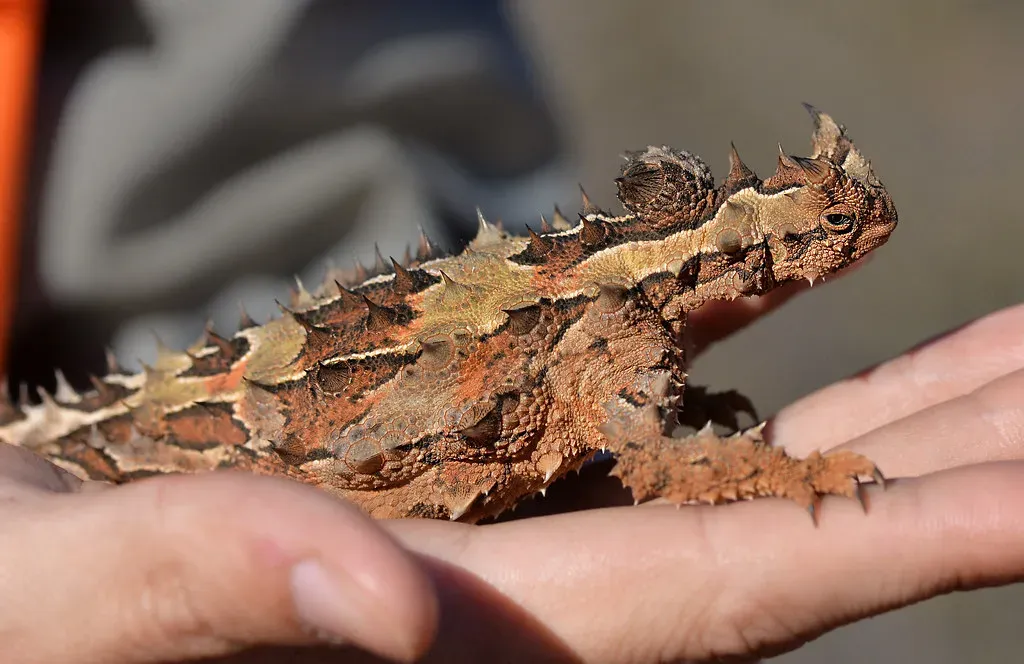
The thorny devil, native to the deserts of Australia, looks like a creature from another world. Covered in sharp spines, this lizard is perfectly adapted to arid desert environments where drinking water is extremely scarce. I think this one is genuinely the most creative drinker on the entire planet.
Special skin structures, comprising a micro-structured surface with capillary channels in between overlapping scales, enable the lizard to collect water by capillarity and transport it to the mouth for ingestion. Imagine wearing a wetsuit that funnels every passing drop of dew directly into your mouth without any effort. That’s basically what this lizard does.
Desert lizards such as thorny devils harvest moisture from different sources using their skin surface. Moist sand seems to be the most routine water source to meet their daily water demand. The thorny devil can gather all the water it needs directly from rain, standing water, or from soil moisture, against gravity, without using energy or a pumping device. It’s passive hydration engineering that has baffled and inspired human scientists for decades.
5. Couch’s Spadefoot Toad: Sleeping Through Drought for a Decade
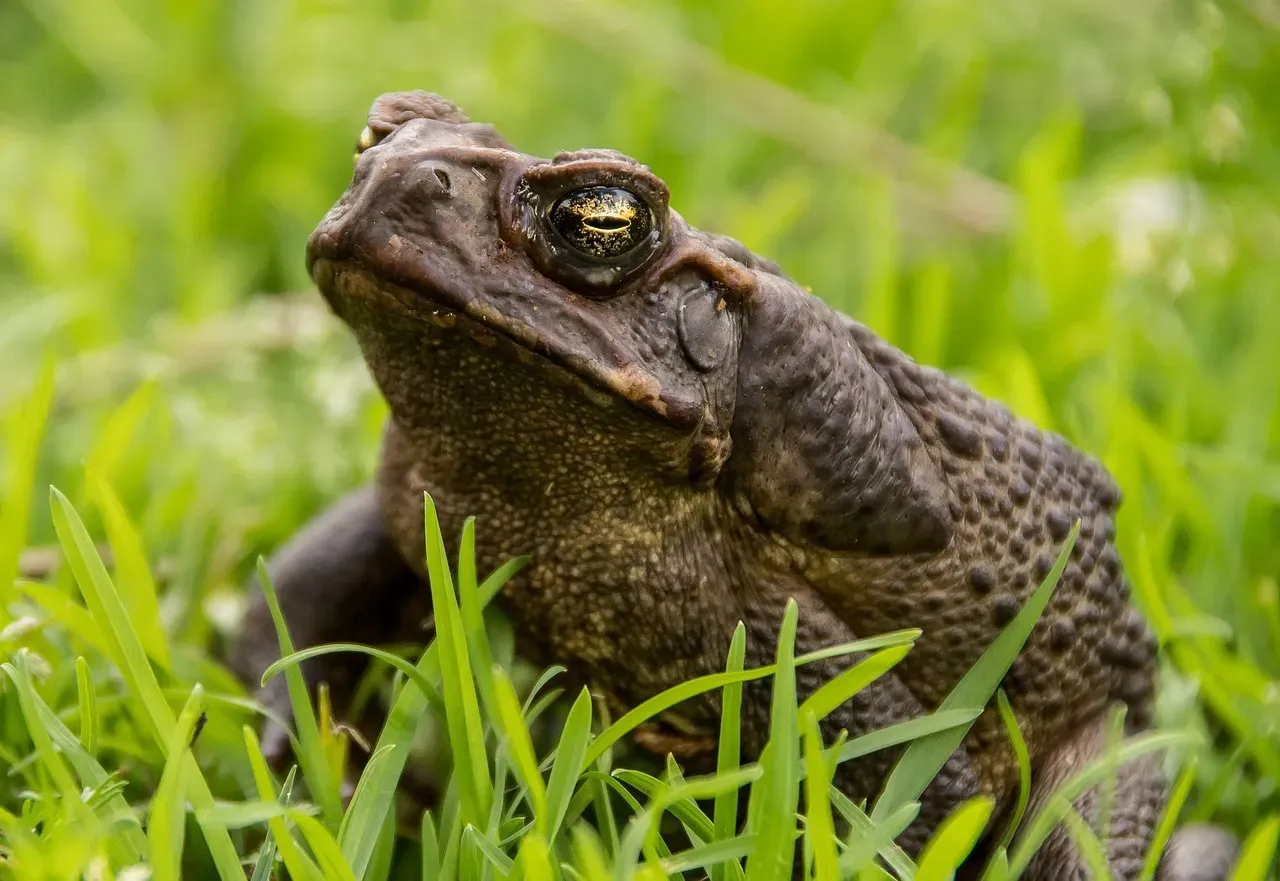
Now here’s an amphibian that completely defies what we expect from its class. The Couch’s spadefoot toad, found in the Colorado Desert, has some of the greatest adaptations to desert conditions. Most amphibians need moist environments just to survive for a few days. This one? It laughs at the concept.
Spadefoot toads living in dunes burrow into the permanently wet layer in the sand and remain there for the whole dry period. Others bury themselves beneath dense vegetation. Adult toads retain several layers of partially shed skin which reduce moisture loss by forming semi-impermeable membranes.
Retaining water like this, they can survive up to 10 years without drinking water. A whole decade underground, just waiting. These toads also exhibit an extremely accelerated growth rate. Their eggs take less than 48 hours to hatch, and within ten days the tadpoles develop legs. When the rain finally does come, they explode into action with an urgency that makes perfect sense given how rare and fleeting their window truly is.
6. The Arabian Sand Gazelle: Shrinking Its Own Organs
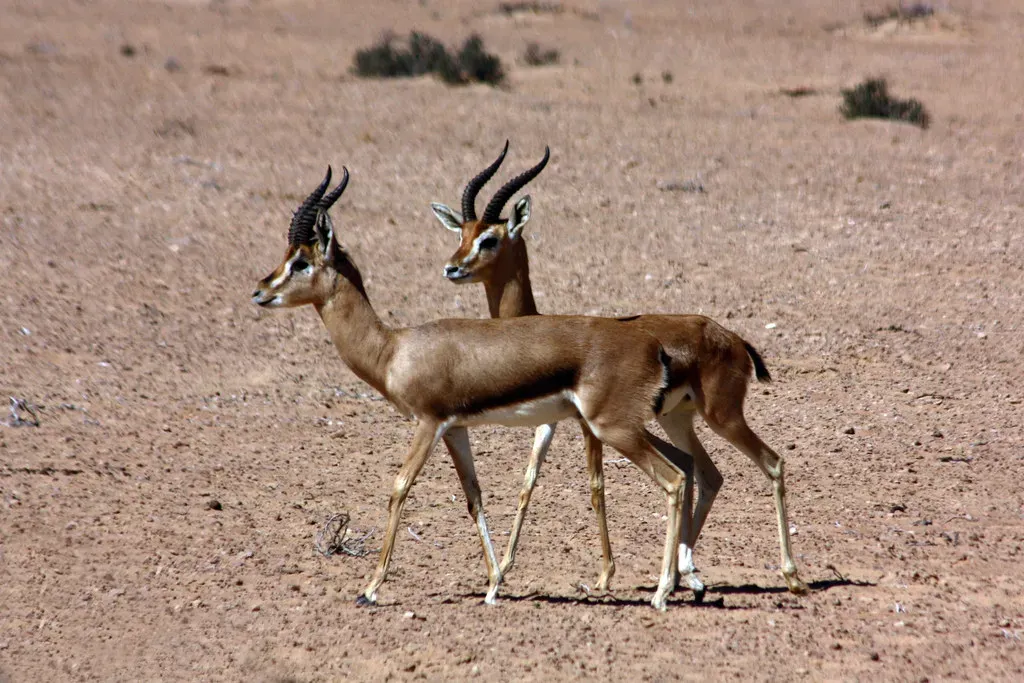
This one genuinely shocked me. Arabian sand gazelles are a vulnerable species, found in small numbers scattered across the Arabian Peninsula. They survive in the intense desert heat by actually shrinking their hearts and livers by up to roughly a third. Think about that. Your heart. Made smaller. On purpose.
These organs consume a lot of oxygen and cause animals to breathe more, losing moisture with every exhalation. With smaller hearts and livers, they breathe less and lose less water. Incidentally, this also helps reduce how much hot and dusty desert air they inhale, so it’s a win for these graceful creatures.
The sand gazelle can survive long periods without direct water intake by relying on vegetation and dew. This gazelle is so efficient that it can survive without ever drinking if the vegetation is moist enough. It’s a biological marvel that really challenges our understanding of how fixed or flexible the animal body truly is.
7. The Camel: The Icon That Almost Didn’t Make the List
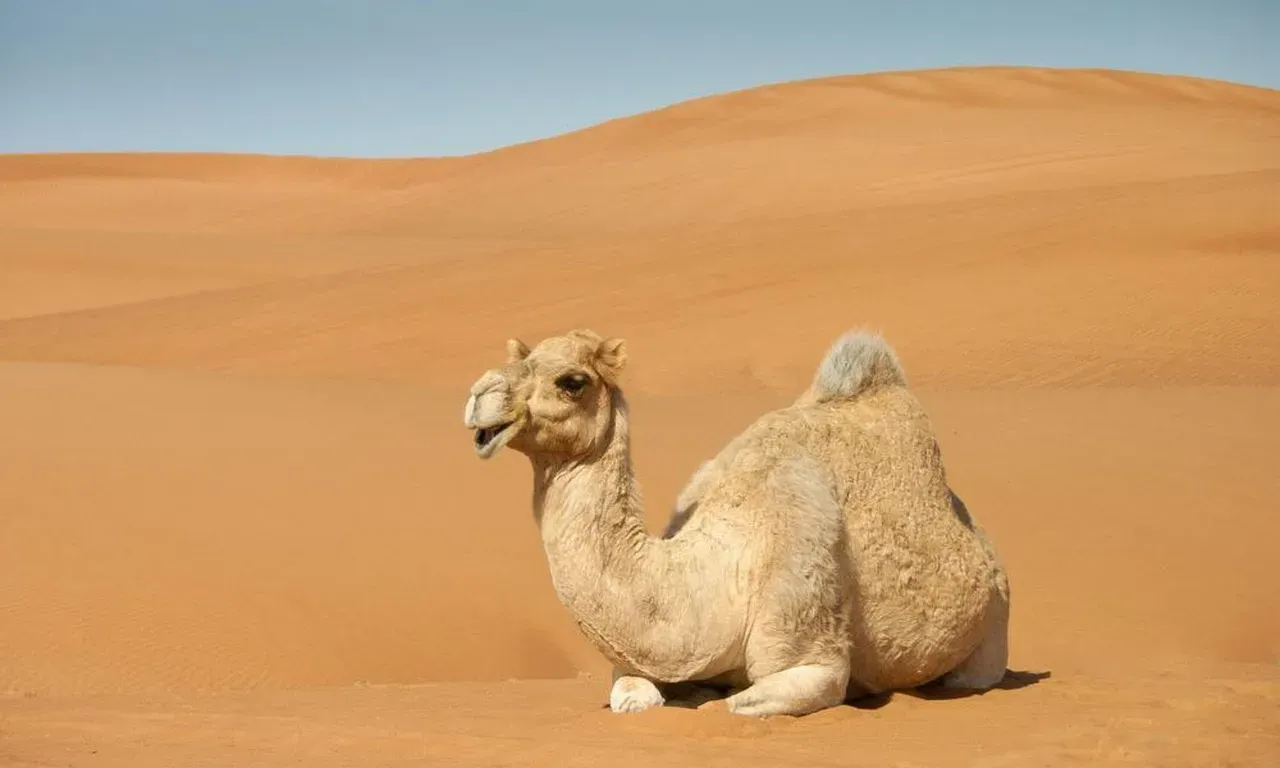
Let’s be real, everyone thinks of the camel first. It’s basically the universal symbol for desert survival. Surprisingly, when it comes to animals capable of going without water, camels don’t even make it into the top 10. That might sting a little for such a celebrated creature.
Camels are iconic for their ability to survive without water for up to 15 days, depending on the environment. Contrary to popular myth, their humps store fat, not water. However, this fat can be metabolized for internal water production and energy. Their red blood cells are oval-shaped, allowing them to continue circulating even when severely dehydrated.
When rehydrating, a camel can drink up to roughly 40 gallons of water in one sitting. That’s the equivalent of filling a large bathtub in minutes. They can also tolerate significant fluctuations in body temperature, essentially using their body mass as a thermal sponge. Still impressive, even if they’ve been slightly upstaged by a tiny frog.
8. The Scorpion: Armored Against the Desert
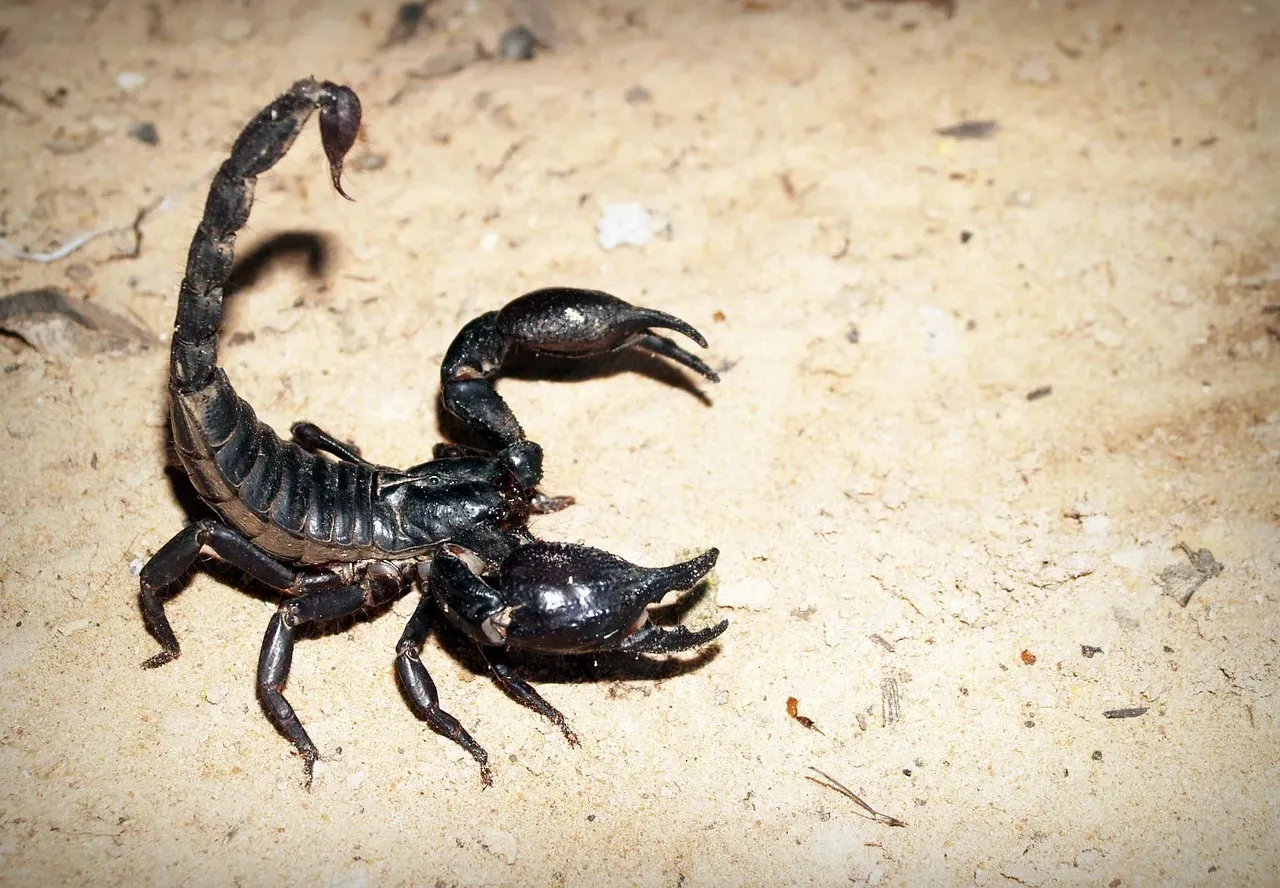
Scorpions are often associated with danger, but their talent for water conservation is just as extraordinary as their venom. Scorpions are desert dwellers that survive with minimal water intake. They get most of their hydration from the prey they consume and lose very little moisture due to their thick exoskeletons. They’re also nocturnal, which helps reduce water loss in the day’s heat.
That waxy outer shell is basically a biological spacesuit, sealing in fluids against the relentless pull of the desert air. It’s hard to say for sure exactly how long different species can go without any moisture source at all, but the combination of their impermeable armor, efficient metabolism, and nighttime activity patterns makes them extraordinary survivors.
For some species, survival means capturing every drop of moisture, even from their exhaled breath or through highly efficient breathing that reduces sweat and evaporation. Others rely on specialized excretion systems that recycle fluids, ensuring that nearly half of the water entering their body remains present to fight off dehydration. Scorpions blend both of these principles into one supremely durable package.
9. The Addax Antelope: The Sahara’s Ghost
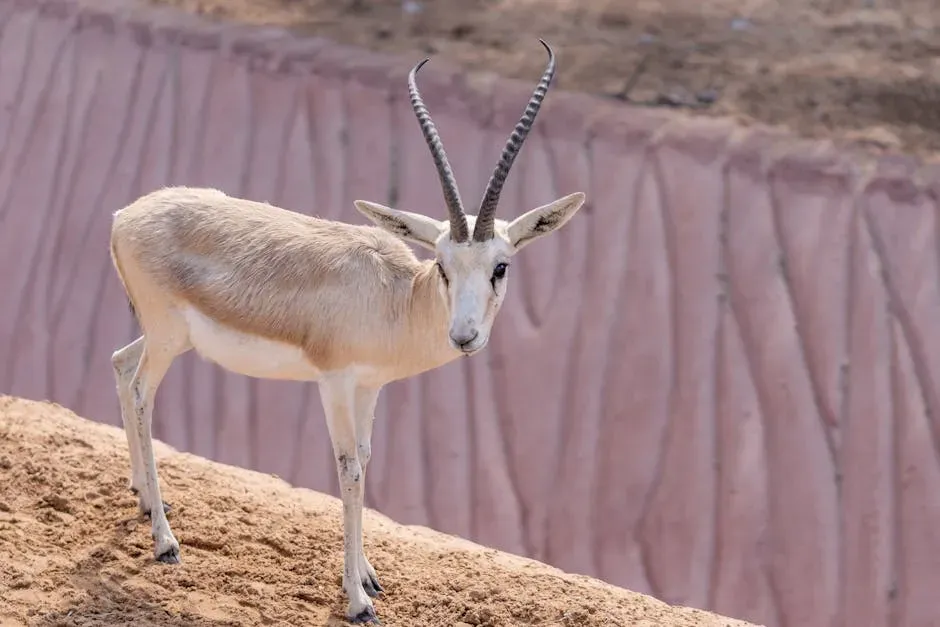
The addax antelope, native to the Sahara Desert, is built for life in extreme heat and dryness. These graceful animals can survive for months without drinking, relying entirely on the moisture in the grasses and plants they consume. In a landscape where water is almost mythological, that’s a serious survival edge.
Their pale coat reflects sunlight, and their ability to minimize activity during the hottest parts of the day helps them conserve water. Addax antelopes can survive in the Sahara Desert with little to no water for extended periods. They extract moisture from the plants they eat and reduce water loss through highly concentrated urine and dry feces. Every biological process is tuned to preserve moisture.
Sadly, their resilience hasn’t protected them from human pressure. The addax is critically endangered, making its remarkable adaptations even more precious. There may be fewer than 90 adult addax left in the wild. This desert animal may soon be extinct in the wild. One of nature’s finest water-conservation designs, teetering on the edge of disappearing forever.
10. The Arabian Oryx: Back From the Brink
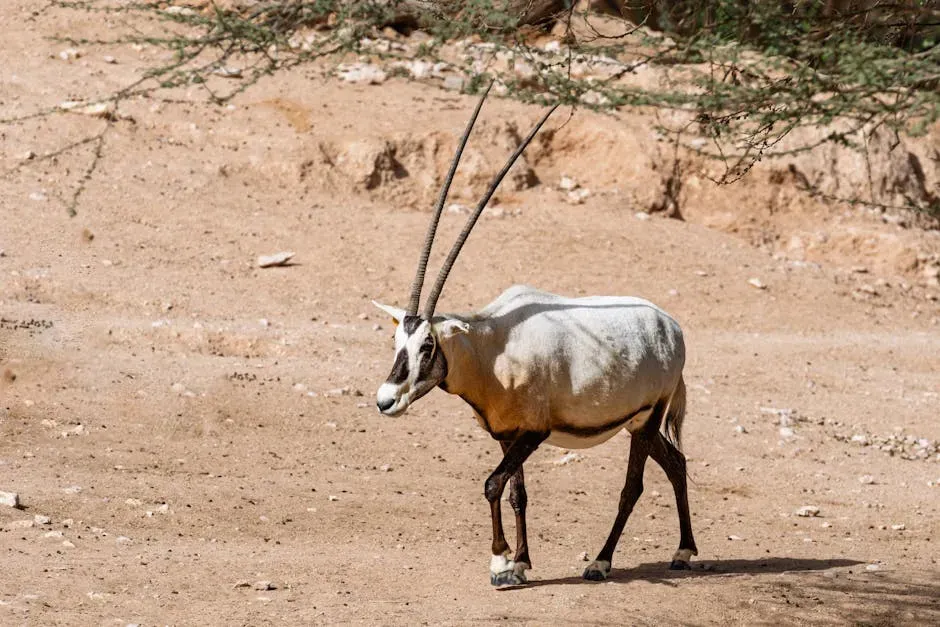
The Arabian oryx is a desert antelope that can go weeks without drinking water, relying instead on the moisture found in its diet of leaves, grasses, and fruits. It has evolved what you might call a sixth sense for survival: these animals can detect rainfall from miles away and will migrate to find fresh vegetation. Their white coat reflects sunlight, helping them stay cool in the scorching desert heat.
The story of the Arabian oryx is also one of the most remarkable conservation comebacks in history. The Arabian oryx became extinct in the wild in the early 1970s. A reintroduction program that began in the 1990s saw captive animals being released back into the wild. Today there are around 850 Arabian oryxes living in the wild.
Once nearly extinct, conservation efforts have helped the Arabian oryx make a remarkable comeback. It stands as proof that with the right effort, even a species pushed to the absolute edge can find its way back. In a way, the oryx mirrors what every animal on this list represents: the stubborn, staggering will of life to persist no matter what the environment throws at it.
Final Thoughts: Nature’s Ultimate Survivors
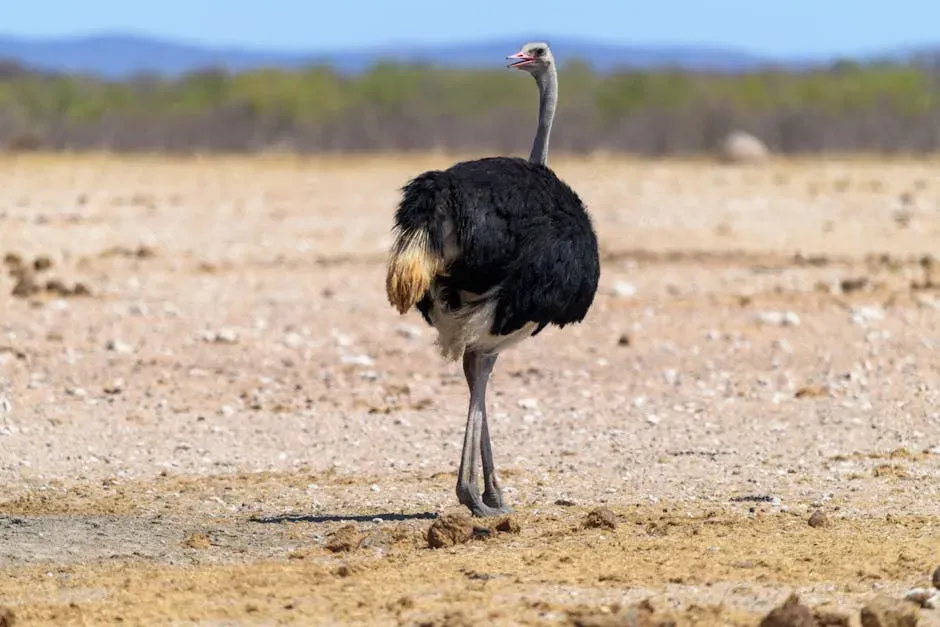
There’s something both humbling and thrilling about these ten animals. In the harshest environments on Earth, scorching deserts, arid plains, and sunbaked savannas, some animals have developed extraordinary adaptations to . These creatures have evolved to extract moisture from their food, retain body fluids, or even enter states of dormancy to avoid dehydration.
What unites them all is a kind of biological creativity that no human engineer has yet fully matched. A lizard that drinks through its scales. A frog that sleeps for a decade. A rat that never needs a single sip its entire life. Each strategy is a masterclass in doing more with almost nothing.
The next time you pour yourself a glass of water without a second thought, maybe spare one brief moment for these incredible survivors quietly outlasting some of the planet’s most extreme conditions. Nature, it turns out, is far more inventive than any of us give it credit for. Which of these animals surprised you the most?
